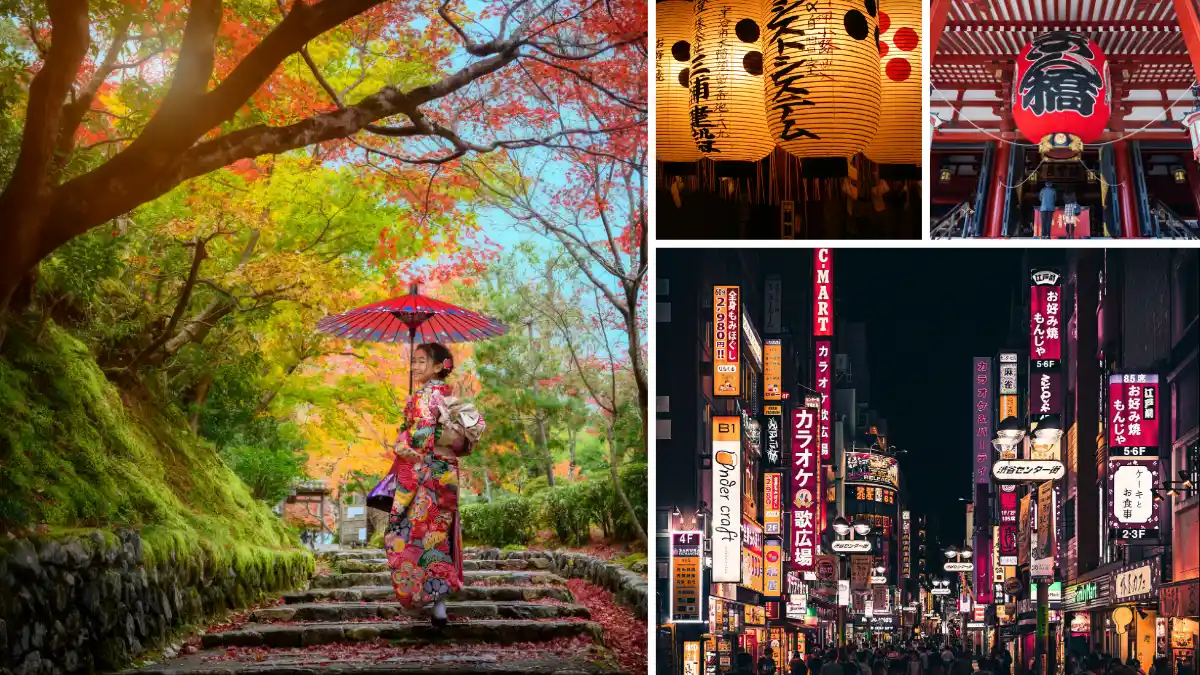
14 Japan Travel Truths Nobody Tells You Until You Arrive
Some of Japan’s most surprising travel lessons only make sense once you arrive

- This article contains affiliate links. I may receive a commission if you purchase from them, at no extra cost to you.
Japan is a country that seems to run on its own set of rules. You’ve watched the videos. You’ve read the blogs. You’ve memorized the train schedules and practiced your konnichiwa. And then you land in Tokyo, and within 24 hours, you realize that everything you thought you knew was just the surface.
I remember standing in a Shinjuku station corridor, staring at a wall of vending machines that sold everything from hot coffee to neckties. I remember the silence on a rush-hour train where 200 people stood shoulder to shoulder and not a single phone rang. I remember the moment I realized that the trash can I’d been looking for simply didn’t exist—and that everyone else was carrying their empty bottles in their bags without complaint.
Japan travel is one of the most rewarding experiences you can have. But it comes with a set of unwritten rules that nobody puts in the guidebooks. This isn’t a list of temples and attractions. This is a list of the truths that will shape your entire trip—the things I wish someone had told me before I arrived.
Here are 14 Japan travel truths that nobody tells you until you’re already there.
Table of contents ⇅
1. There Are Almost No Trash Cans—And It’s Intentional
You will walk for blocks holding an empty coffee cup. You will finish a bento box and have nowhere to put the container. You will start to feel like the entire country is playing an elaborate prank on you.
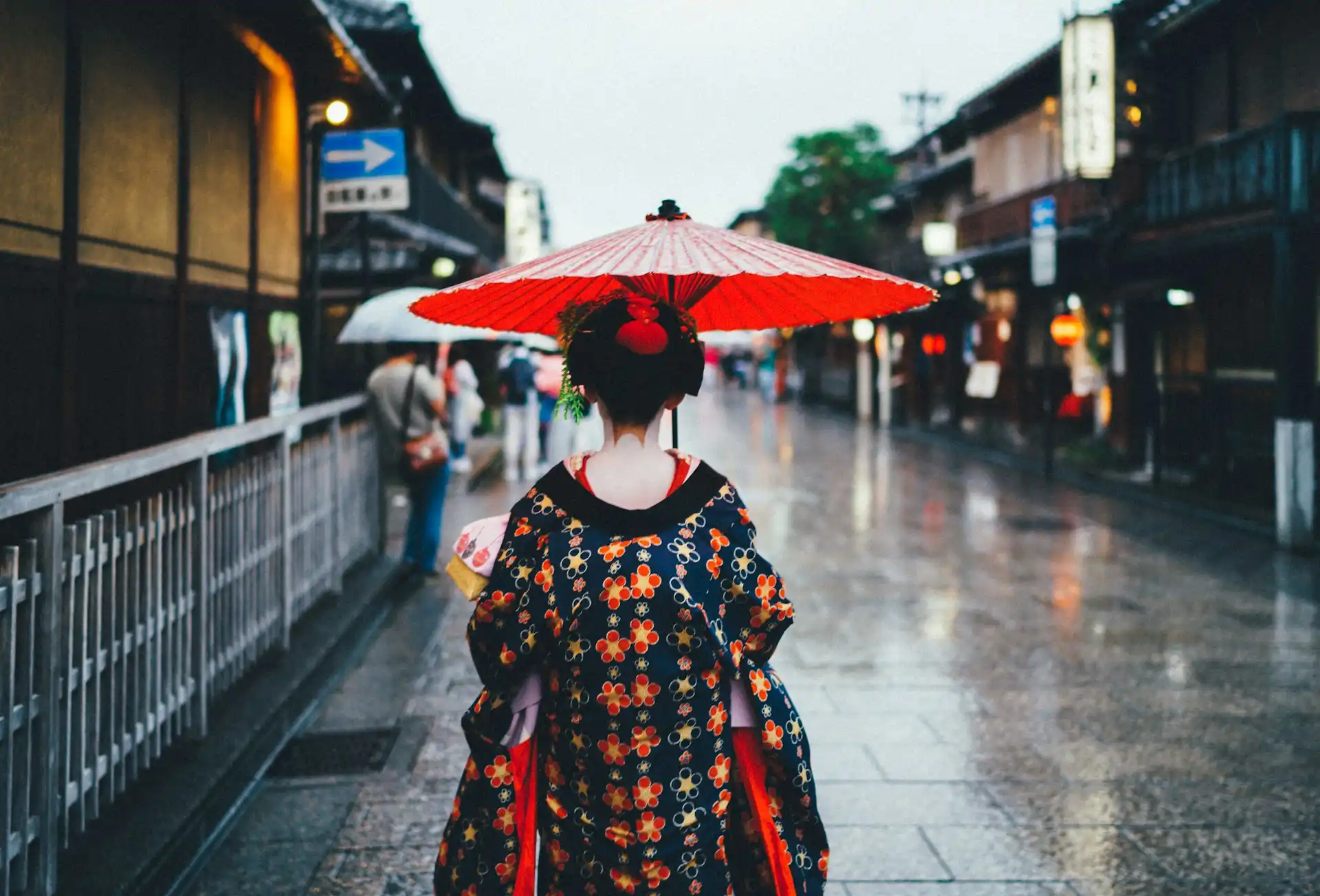
It’s not a prank. Japan has remarkably few public trash cans, and it’s by design. After the 1995 Tokyo subway sarin attack, many public bins were removed as a security measure. The culture adapted: people simply carry their trash home. The result is a country that feels impossibly clean, but a visitor is constantly confused.
The trick is to do what the locals do. Carry a small bag for your trash. When you buy something at a convenience store, use the bin outside—those are for customers. And if you’re staying in a hotel, just bring it back to your room.
Where to Actually Throw Things Away
- Convenience stores (konbini) – 7-Eleven, Lawson, and FamilyMart almost always have bins outside.
- Train stations – some have small bins near the ticket gates, but they’re limited.
- Your hotel room – the safest and most reliable option
- Vending machine areas – many have a bin specifically for bottles and cans
Why This Changes Your Trip
This is one of the first Japan travel truths you’ll experience, and it shifts your daily rhythm. You stop looking for bins and start carrying a small bag. It sounds minor, but it’s a small window into how Japan works: the system relies on personal responsibility, not public infrastructure.
Did you know this?
2. Cash Is Still King—Even in 2025
For a country that feels impossibly futuristic, Japan is surprisingly attached to cash. Many small restaurants, temples, and market stalls don’t accept credit cards at all. Some don’t even have a card reader. You’ll find yourself in a tiny ramen shop with a ticket machine that only takes coins.
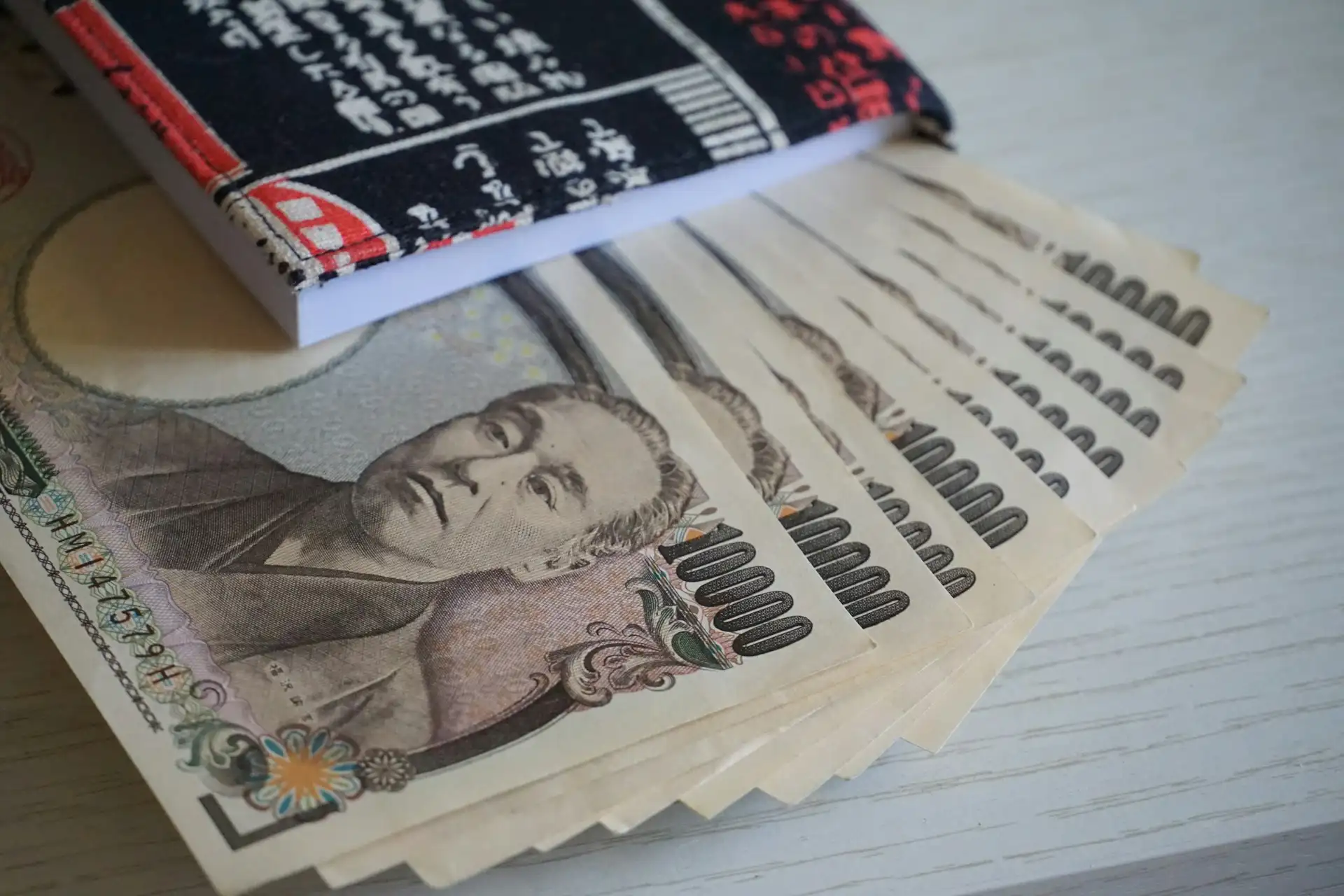
That said, things are changing. Major cities and tourist areas accept cards more than ever, and IC cards (Suica, Pasmo, ICOCA) have made life easier. But if you’re heading to a rural area or a small family-run restaurant, you’ll want cash.
How to Handle Money
- Carry at least ¥10,000 in cash – it’s enough for a few meals and small purchases.s
- Use 7-Eleven ATMs – they’re the most reliable for foreign cards
- Get an IC card – Suica or Pasmo, for trains, buses, and convenience stores
- Keep small bills and coins – many shops and temples prefer exact change
The Convenience Store ATM Secret
Not all ATMs accept foreign cards. 7-Eleven ATMs do. Japan Post ATMs usually do too. But many bank ATMs don’t. So if you need cash, look for a 7-Eleven or a Japan Post office.
Did you know this?
3. The Trains Are Silent—And You Should Be Too
The Japanese train system is a marvel. It’s punctual, clean, and incredibly efficient. But there’s a social rule that catches almost every visitor off guard: you don’t talk on the train. At least, not loudly.
On a rush-hour train in Tokyo, you’ll see hundreds of people standing shoulder to shoulder, all silent, all looking at their phones. Phone calls are rare and usually very brief. Conversations happen in hushed tones. If you’re used to loud announcements and chatty commuters, this is a shock.
What’s Expected of You
- Keep your voice down – even if you’re with friends
- Don’t take phone calls – if you must, keep it to a whisper
- Don’t eat on local trains – it’s allowed on long-distance trains, but not on commuter lines
- Give up your seat – to elderly people, pregnant women, and anyone with a disability
Why It Matters
This isn’t just about politeness. It’s about respecting shared space in a city of 14 million people. Once you get used to it, you’ll wish your home city was this peaceful.
Did you know this?
4. Tipping Is Not Just Unnecessary—It Can Be Offensive
In Japan, tipping is not part of the culture. You don’t tip at restaurants, you don’t tip taxi drivers, and you don’t tip hotel staff. Service is included, and trying to leave extra can cause confusion or even offense.
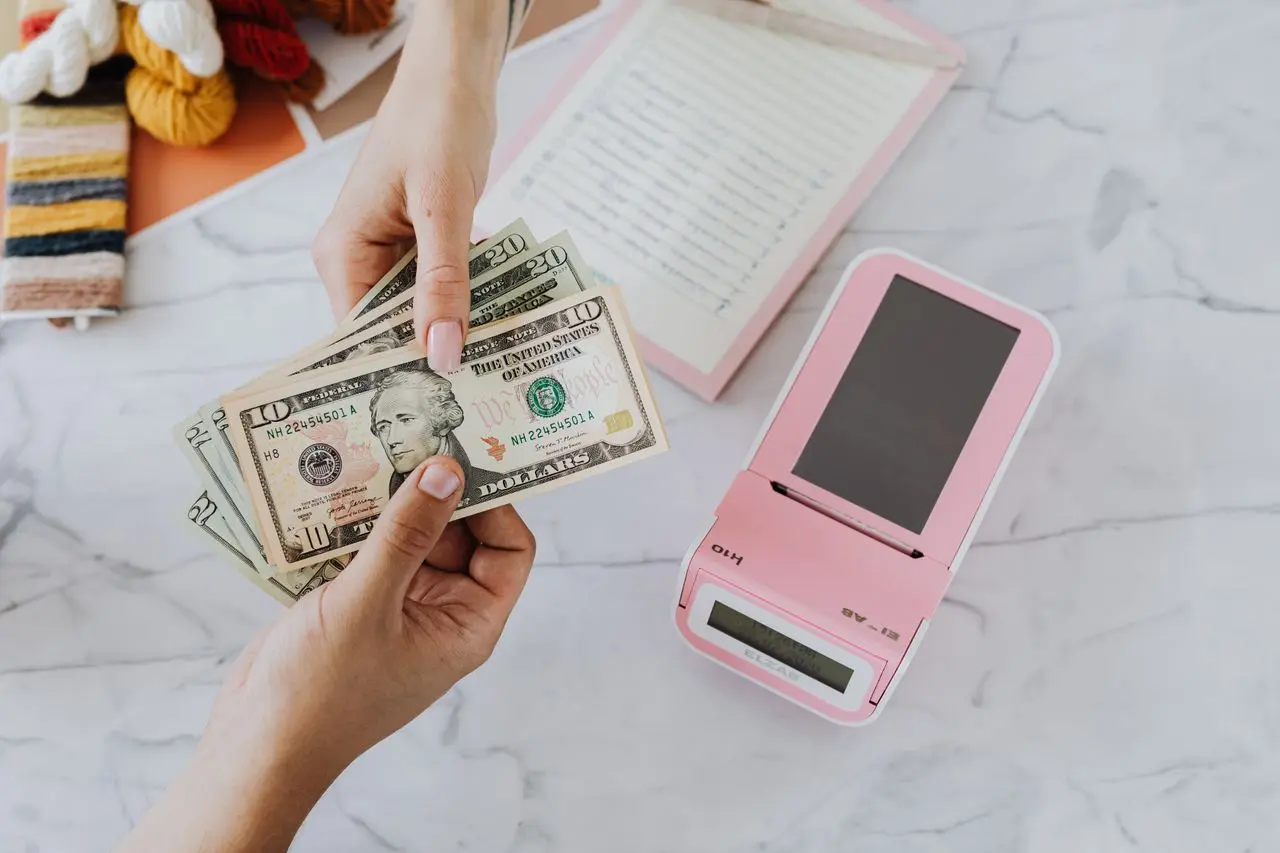
This is a relief for travelers used to American tipping culture. But it can also feel strange. You’ll finish a meal, and the bill will be exactly what’s on the menu. No hidden fees, no expectations.
The Exceptions
- Fine dining and ryokan – some high-end establishments include a service charge
- Tour guides – if you’ve had an exceptional experience, a small gift is more appreciated than cash.
- Hotel staff – a small tip is sometimes accepted but never expected
The Deeper Meaning
Not tipping isn’t about being cheap. It’s about the Japanese belief that good service is the standard, not a bonus. When you tip, you’re implying that the service was above and beyond—which can be insulting to someone who was just doing their job.
Did you know this?
5. Konbini Is Not Just a Convenience Store—It’s a Culinary Destination
You might think of 7-Eleven as a place to grab a snack. In Japan, it’s something more. Konbini (convenience stores) are a cultural institution. They’re clean, bright, and stocked with an incredible variety of food and drinks. You can eat all three meals at a konbini and be perfectly happy.
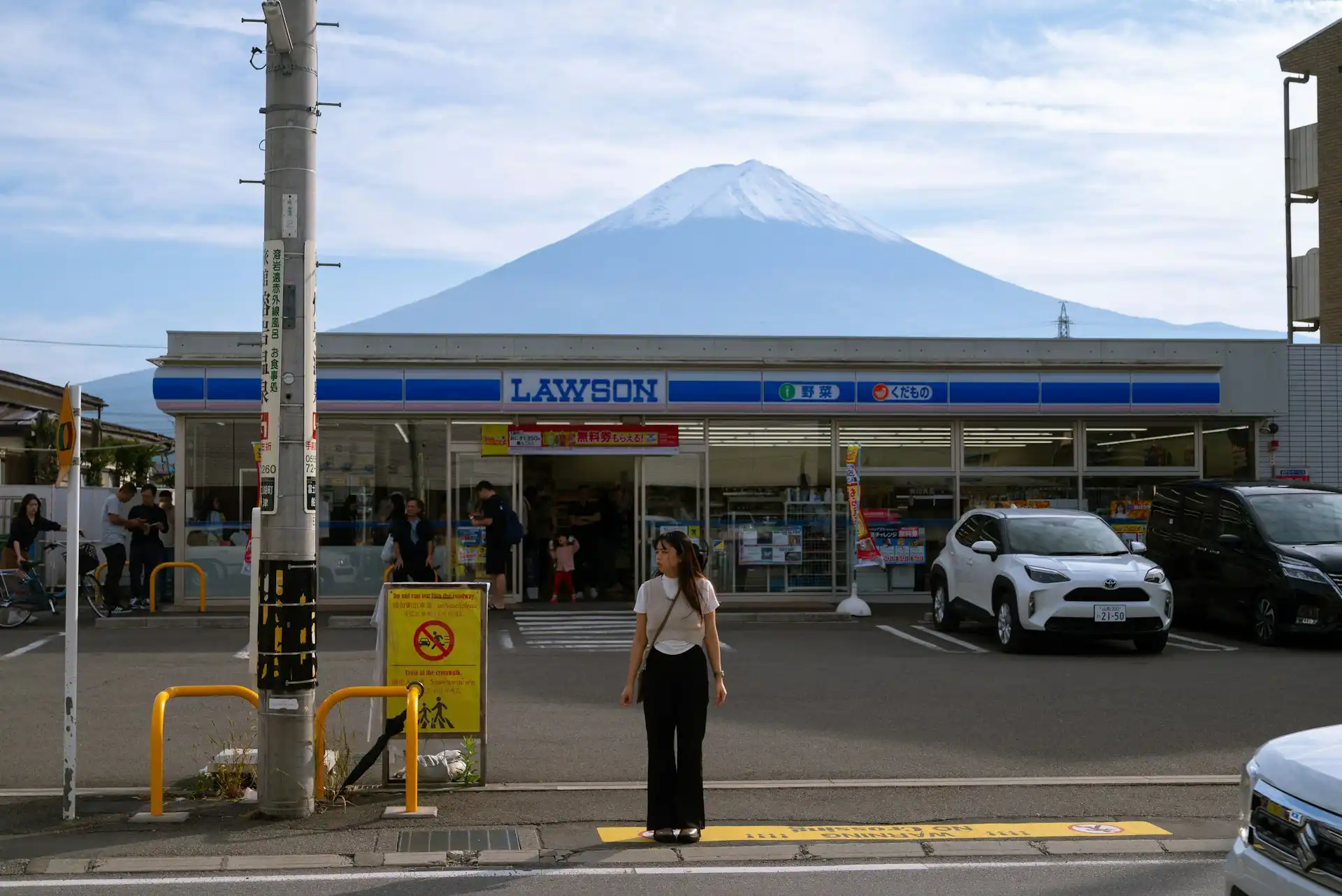
What makes Japanese konbini so special is the quality. The onigiri (rice balls) are made fresh. The sandwiches are surprisingly good. The hot food section—fried chicken, steamed buns, and croquettes—is genuinely delicious. And the desserts? Better than many restaurants.
What to Try
- Onigiri – rice balls with fillings like salmon, tuna mayo, or pickled plum
- Tamago sando – egg salad sandwich, a Japanese obsession
- Karaage – Japanese fried chicken, crispy and juicy
- Pudding – the convenience store pudding is famous for a reason
- Oden – a winter hot pot of fish cakes, daikon, and eggs
Konbini are open 24/7, so they’re your best friend for late-night cravings or early-morning breakfasts. And with prices starting at around ¥100–200, they’re incredibly budget-friendly.
Did you know this?
6. The IC Card Is Your Golden Ticket
The IC card—Suica or Pasmo in Tokyo, ICOCA in Osaka—is a rechargeable transit card that works on trains, buses, and even some taxis. You can buy it at any train station or convenience store and recharge it there too. It’s cheap, easy to use, and saves you from fumbling with cash.
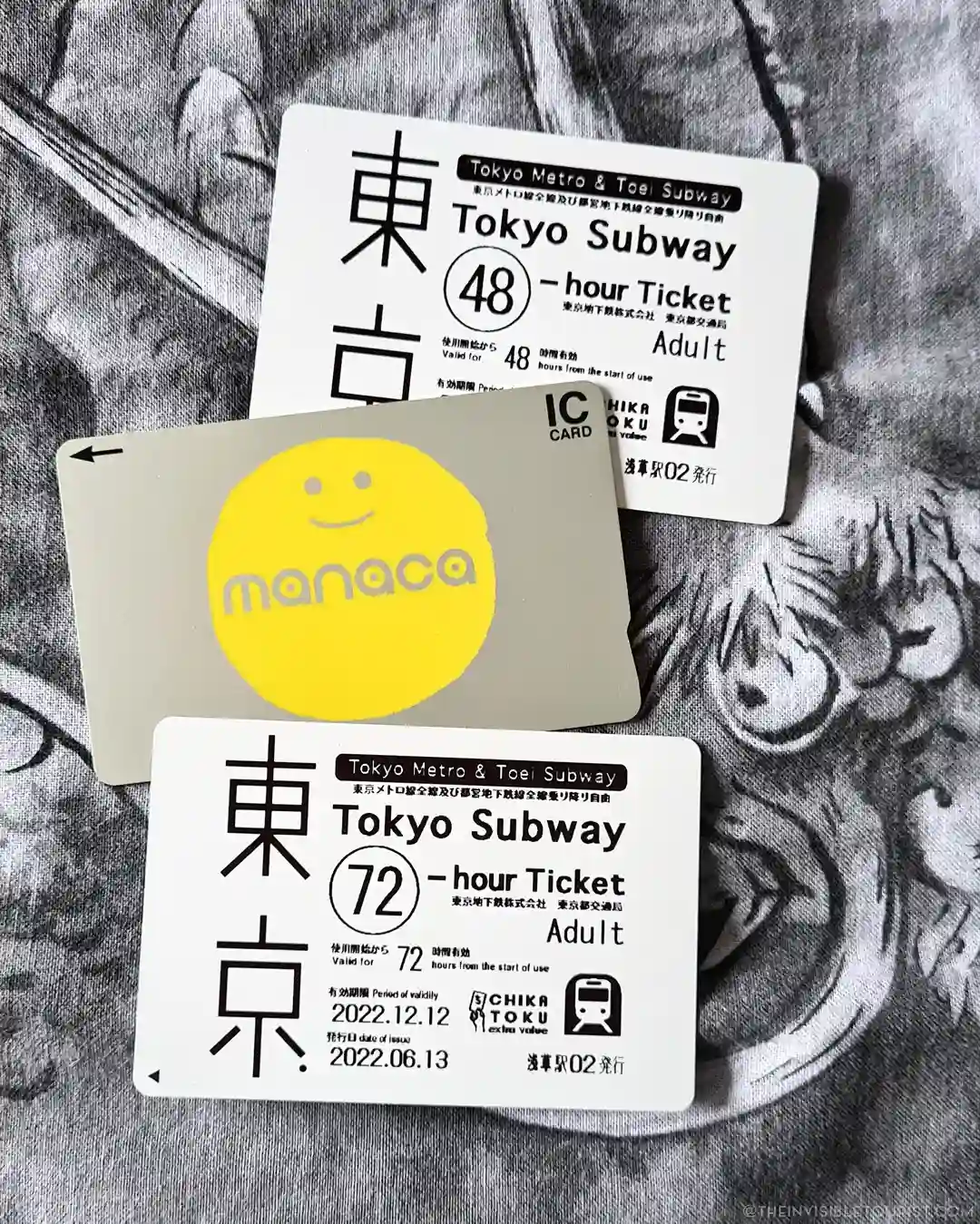
What nobody tells you is that you need it. You can’t just tap your credit card like you can in some cities. You need an IC card, or you’ll be buying single-ride tickets every time you get on the subway.
How to Get One
- Buy it at a train station – it costs a ¥500 deposit
- Recharge it at the same station – or at a convenience store
- Tap in and tap out – always tap when you enter and exit
- Use it at convenience stores and vending machines – it’s not just for trains
The Money-Saving Secret
If you’re staying for more than a few days, consider a multi-day pass or a JR Pass if you’re traveling between cities. It can save you a lot of money.


Did you know this?
7. Slurping Your Noodles Is Polite
In many cultures, slurping is considered rude. In Japan, it’s a compliment. When you slurp your ramen or soba, you’re showing the chef that you’re enjoying the meal. It also cools the noodles and enhances the flavor.
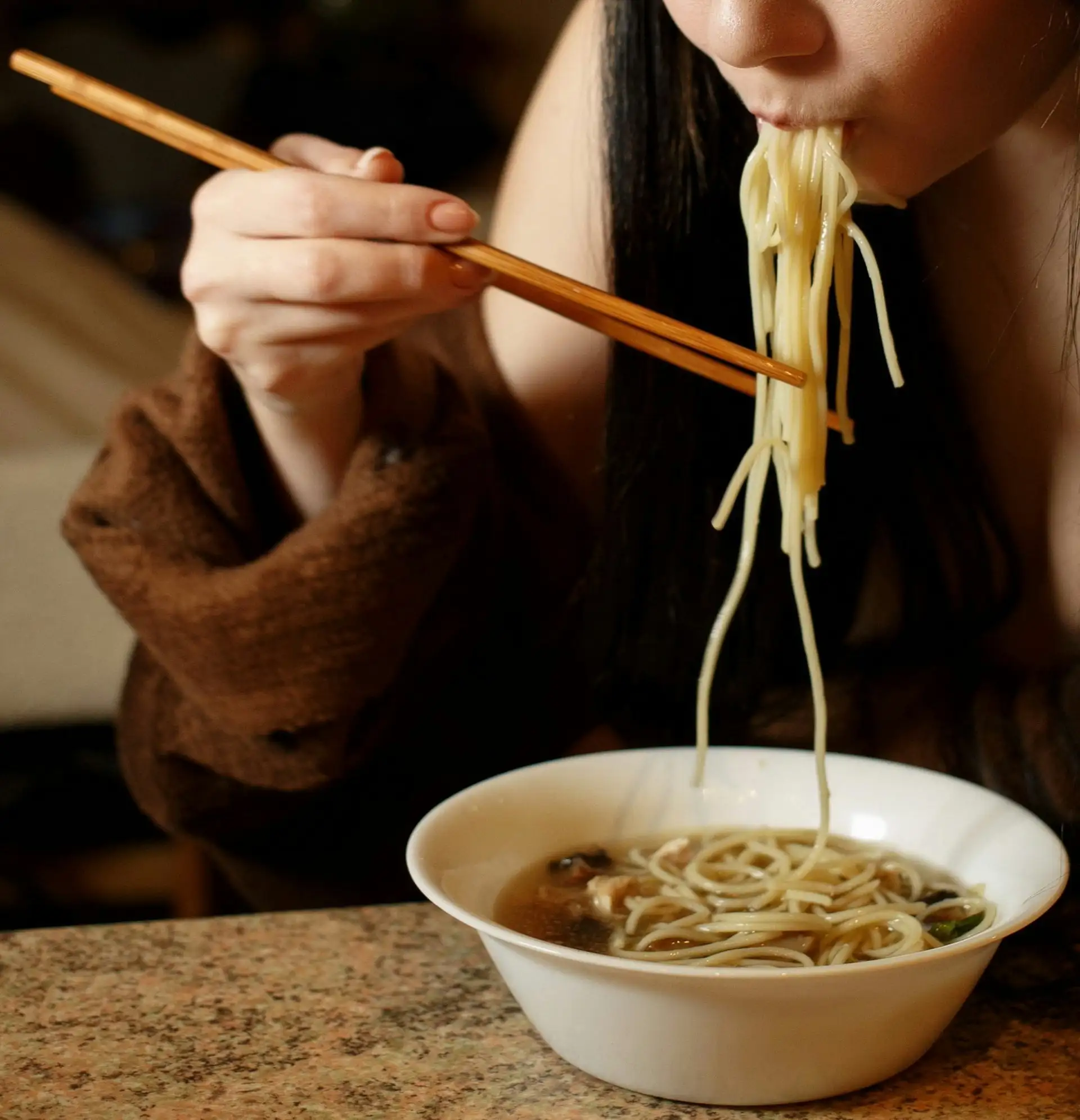
So don’t be shy. Pick up your bowl, slurp your noodles, and make some noise. Nobody will look at you strangely—they’ll be doing the same thing.
What to Know
- Slurp loudly – it’s a sign of appreciation
- Drink the broth – it’s where the flavor lives
- Use the spoon for the broth – but don’t be afraid to drink directly from the bowl.
- Eat quickly – ramen is best when it’s hot
The Cultural Context
Slurping isn’t just about taste. It’s about the connection between the diner and the chef. It’s a way of saying, “This is so good, I can’t wait to eat it.”
Did you know this?
8. No Eating While Walking (Except at Festivals)
In Japan, eating while walking is generally considered impolite. You’ll rarely see locals walking down the street with a sandwich in hand. Instead, they’ll eat standing near the stall where they bought the food, or they’ll find a bench or a designated eating area.
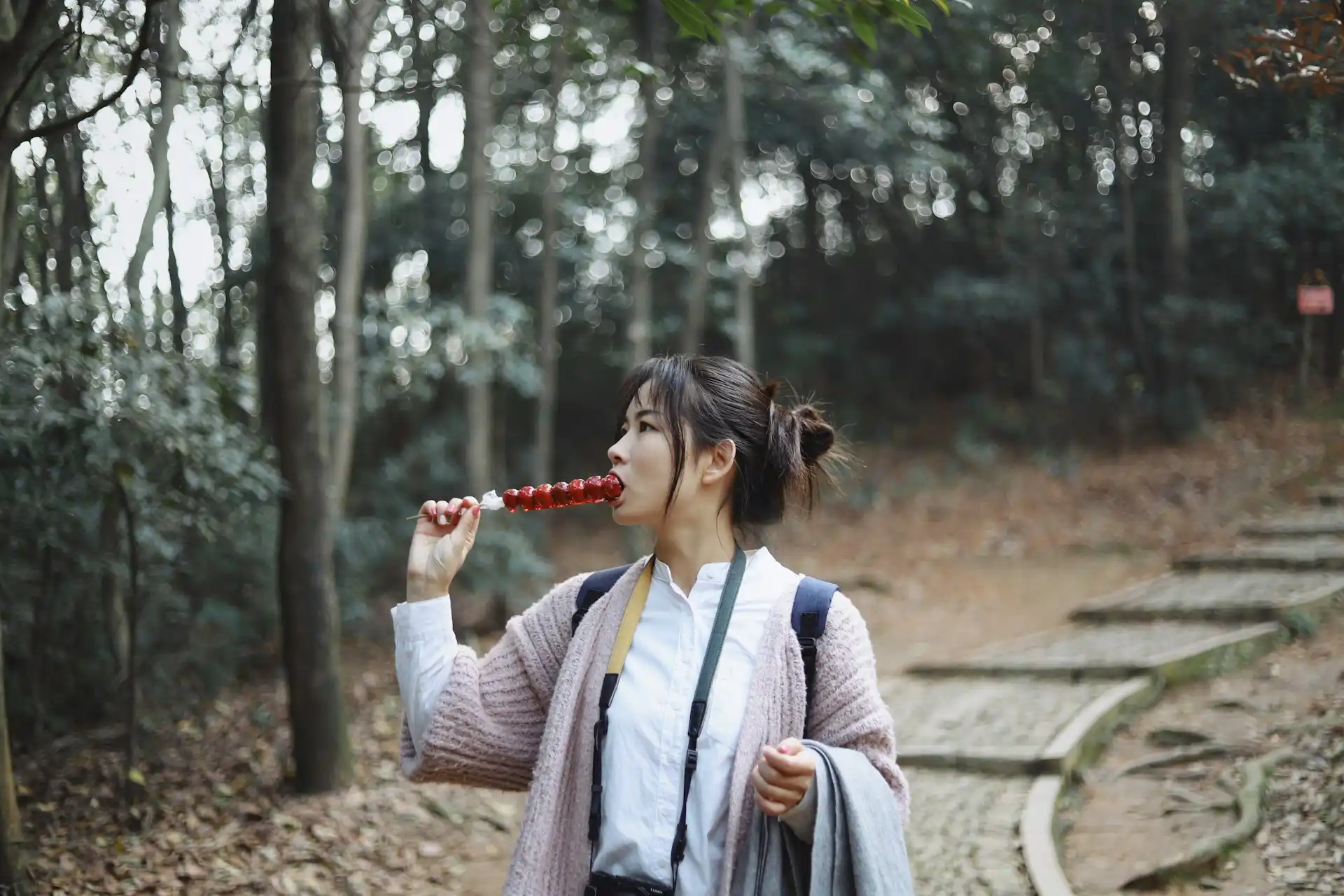
That said, there are exceptions. At festivals, people walk and eat all the time. And in tourist areas, it’s more relaxed. But if you want to blend in, eat where you buy.
Where to Eat
- Near the stall – stand to the side and eat
- Designated smoking areas – often have benches and bins
- Parks and plazas – find a bench and enjoy
- Your hotel room – always an option
The Deeper Meaning
This rule isn’t about being strict. It’s about respect for shared spaces. Eating while walking can be messy, and the Japanese value cleanliness and order.
Did you know this?
9. Onsen Etiquette Is Non-Negotiable
Onsen (hot springs) are one of the great pleasures of Japan travel. But they come with a strict set of rules. You must wash before you enter. You must be naked. And if you have tattoos, you might be turned away.
The washing rule is the most important. There are usually showers with stools and buckets near the entrance. You sit, wash thoroughly, rinse off all the soap, and then enter the onsen. The water is for soaking, not for washing.
The Rules You Must Follow
- Wash before you enter – thoroughly, with soap and water
- Be naked – swimsuits are not allowed
- Keep your towel out of the water – leave it on the side or on your head
- Be quiet – onsen are places of relaxation
- Tattoos – many onsen still ban tattoos, so check in advance
📌 Don’t Miss Out
The Tattoo Situation
Tattoos are associated with the yakuza (organized crime) in Japan, so many onsen and public baths don’t allow them. If you have tattoos, look for “tattoo-friendly” onsen, or book a private onsen (kashikiri). More onsen are becoming tattoo-friendly as tourism increases.
Did you know this?
10. The Address System Is Confusing—Use a Map Instead
Japanese addresses are not like addresses in most other countries. They’re based on districts, blocks, and buildings—but the order is reversed. It goes from the largest area to the smallest: prefecture, city, ward, district, block, building. And numbers are often assigned by the order in which buildings were built, not by location.
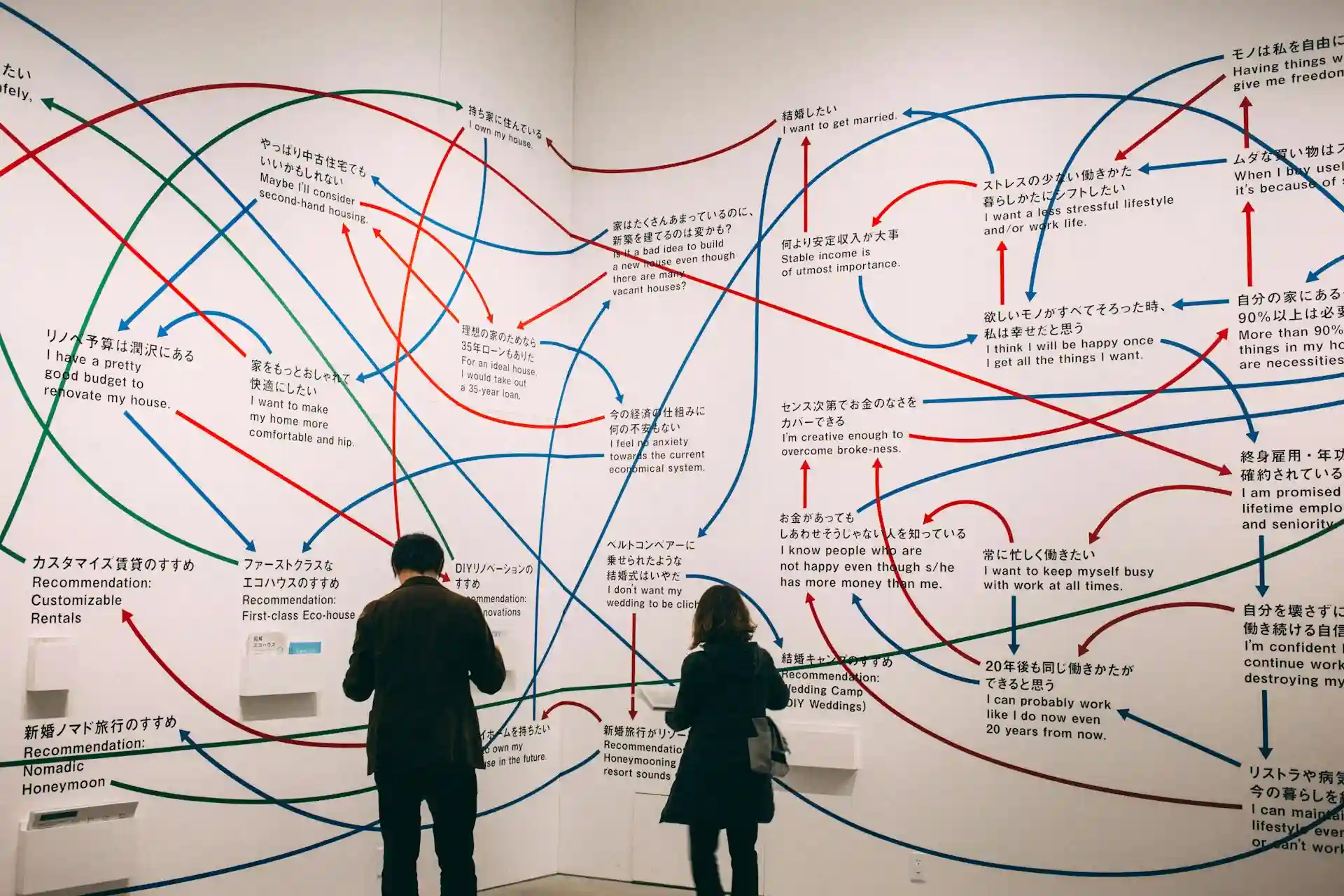
This means you can have a street with buildings numbered 1, 2, 3, 14, 5, and 8. It’s confusing for everyone, including locals.
What to Do Instead
- Use Google Maps or KakaoMap – they’re accurate and easy to use
- Use the building name – many places are known by their building name, not their address
- Ask for landmarks – “near the 7-Eleven” works better than an address
- Use the postal code – it helps narrow things down
Because the address system is so confusing, Japan has developed incredible navigation apps. Google Maps is excellent for transit and walking directions in Japan. Use it liberally.
Did you know this?
11. The Vending Machines Are a Cultural Experience
Japan has one of the highest densities of vending machines in the world. There are over 4 million of them, and they sell everything: hot coffee, cold drinks, snacks, cigarettes, neckties, umbrellas, and even fresh eggs.
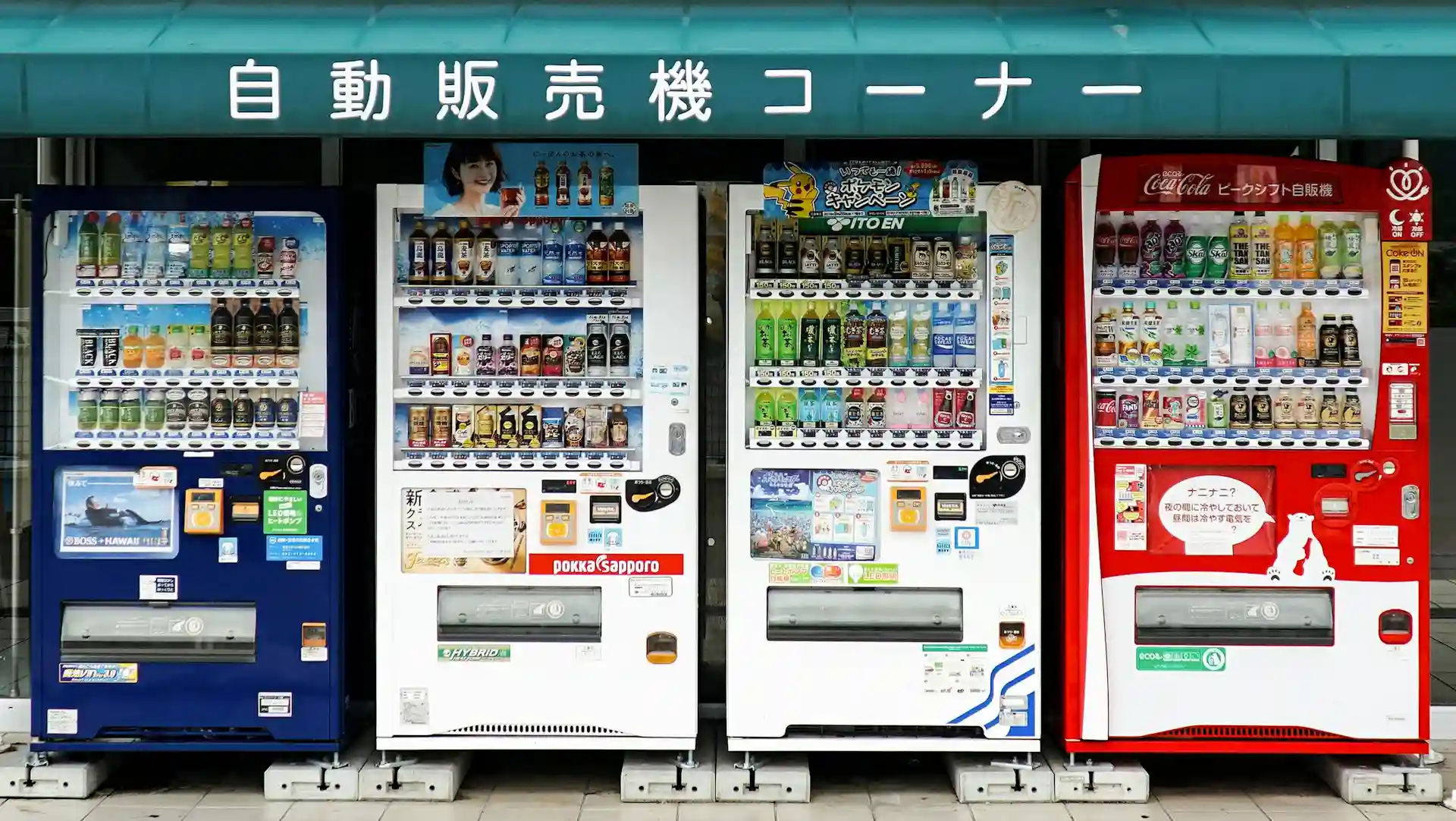
What makes Japanese vending machines so special is the variety. You can find machines that sell only regional drinks, or machines that sell hot and cold drinks in the same unit. Some machines are so beautiful they’re considered works of art.
What to Try
- Hot canned coffee – surprisingly good, especially in winter
- Boss Coffee – a Japanese icon
- Pocari Sweat – an electrolyte drink, perfect for hot days
- Ramune – a fizzy drink in a marble-sealed bottle
- Regional drinks – each region has its own specialty
Vending machines are everywhere, open 24/7, and accept coins and IC cards. They’re your best friend when you’re thirsty and don’t want to look for a convenience store.
Did you know this?
12. The Escalator Rules Change from City to City
In Tokyo, you stand on the left side of the escalator and walk on the right. In Osaka, it’s the opposite: you stand on the right and walk on the left. This is a deeply ingrained cultural divide, and people take it seriously.
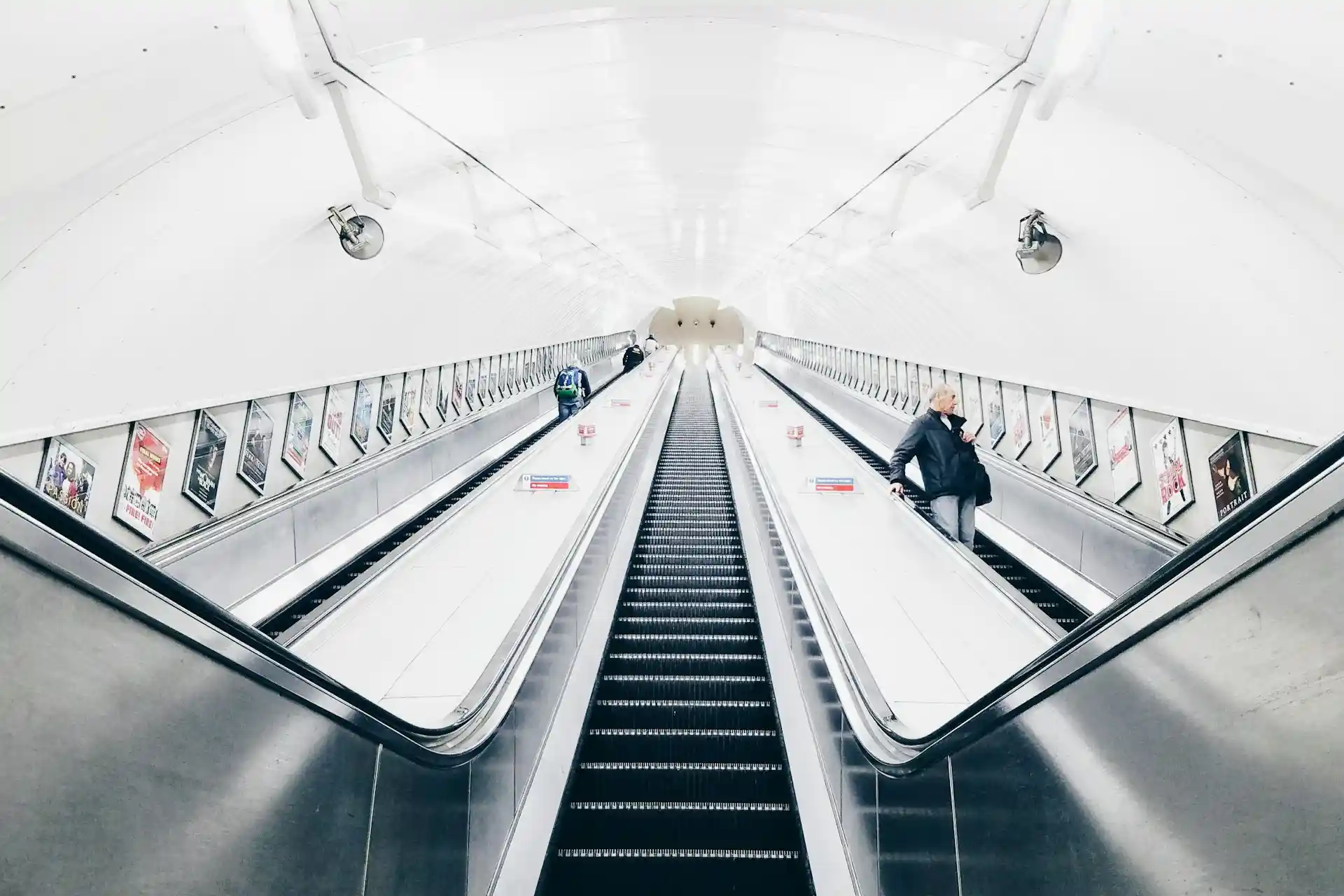
If you’re in Tokyo and stand on the right, you’ll feel the glare of a hundred commuters. If you’re in Osaka and stand on the left, you’ll get the same treatment.
The Rule to Remember
- Tokyo – stand on the left
- Osaka – stand on the right
- Kyoto – generally follows Tokyo
- Everywhere else – follow the locals
The Deeper Meaning
This is a perfect example of how Japan works. There’s a rule for everything, and everyone follows it. It keeps 14 million people moving in the same direction without chaos.
Did you know this?
13. Summer Is Brutally Hot and Humid
If you’re planning a summer trip to Japan, prepare yourself. The heat and humidity from June to September can be intense. Temperatures often exceed 35°C (95°F), and the humidity makes it feel even hotter. You’ll sweat in places you didn’t know you could sweat.
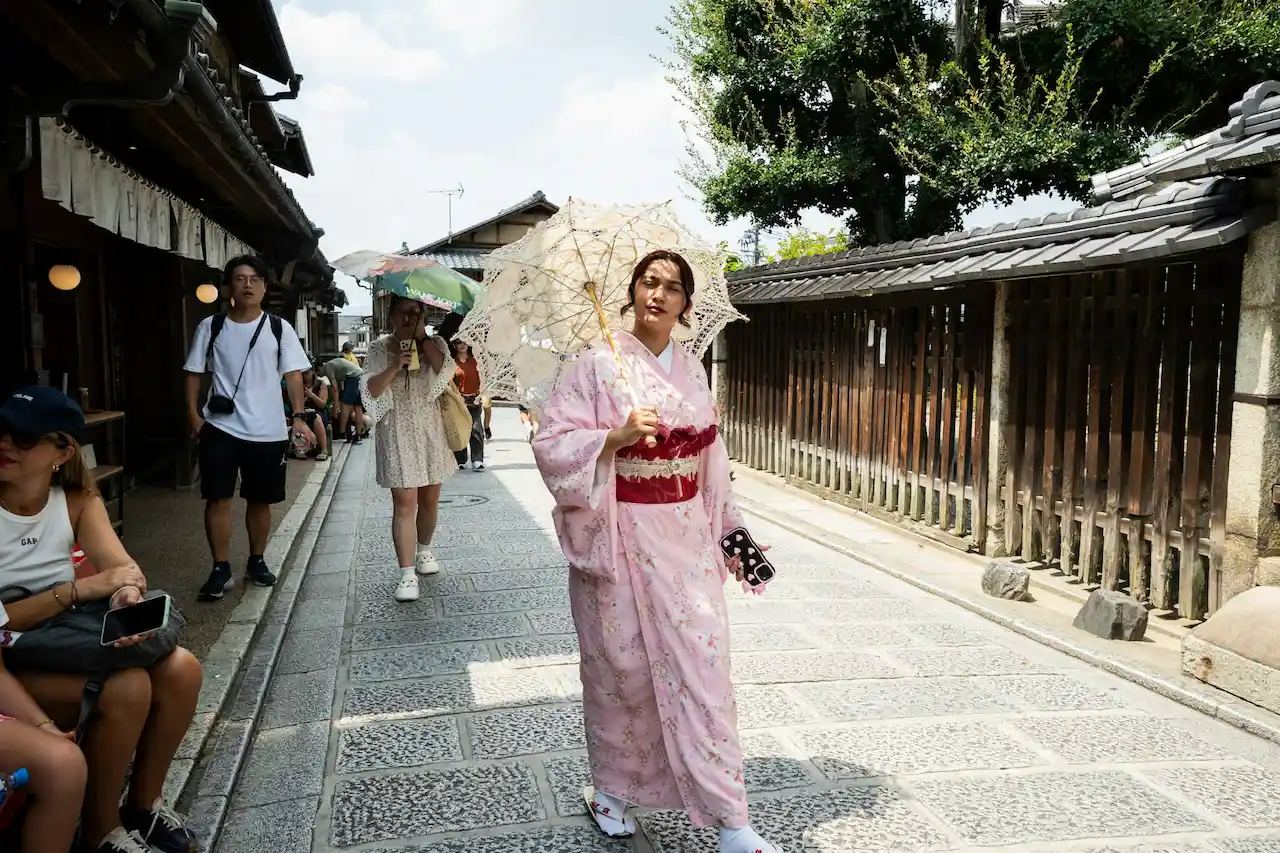
What makes it worse is that many places aren’t air-conditioned—especially older temples, traditional neighborhoods, and small shops. You’ll find yourself seeking out air-conditioned spaces like convenience stores, department stores, and cafes.
How to Survive
- Travel in spring or autumn instead – April–May and October–November are ideal.
- Stay hydrated – carry a water bottle and refill it at hotels and stations
- Use cooling towels – they’re a lifesaver
- Wear light, breathable clothing – linen and cotton are your friends
- Plan indoor activities midday – museums, shopping, and cafes
The Japanese have a word for it: “natsu-bate” (summer fatigue). They deal with it by eating cooling foods like cold noodles (hiyashi chuka), taking cold baths, and using handheld fans.
Did you know this?
14. You Will Be Treated Like a Guest—And You Should Act Like One
Japan is a country that values hospitality. You’ll be treated with incredible kindness, patience, and respect—even if you don’t speak a word of Japanese. People will go out of their way to help you. They’ll walk you to your destination. They’ll draw you a map. They’ll apologize for not speaking English better than they do.
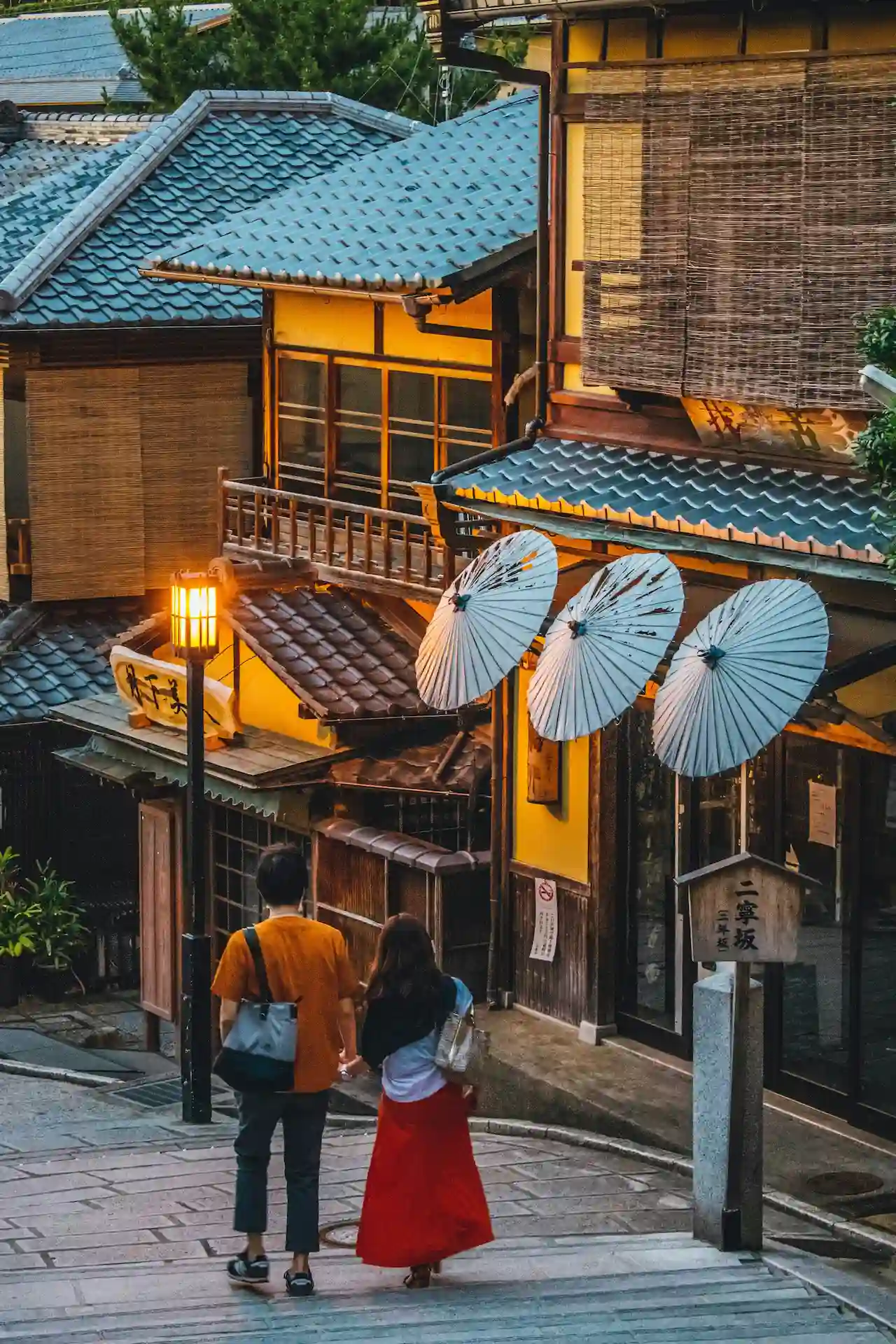
But this hospitality comes with an unspoken expectation: you should be a good guest. Be respectful. Be patient. Be polite. Don’t complain loudly. Don’t make a mess. Don’t be entitled.
How to Be a Good Guest
- Learn a few phrases – “Arigatou gozaimasu” (thank you) and “Sumimasen” (excuse me) go a long way
- Be patient – things might be slower than you’re used to
- Be respectful – don’t be loud, don’t be messy, don’t be demanding
- Show appreciation – a smile and a thank you go a long way
📌 Don’t Miss Out

The Real Gift
The more you respect the culture, the more you’ll receive. Japan has a way of opening up to those who approach it with humility and curiosity. The best moments of Japan travel often come from small acts of kindness that you never expected.
Did you know this?
What Japan Really Teaches You
The biggest Japan travel truth is that it’s not just a destination—it’s a lesson in mindfulness, respect, and finding beauty in the small things. You’ll learn to be quiet on trains, to carry your trash, to slurp your noodles, and to appreciate the perfection of a convenience store onigiri.
Japan isn’t perfect. It’s strict, rule-bound, and sometimes confusing. But it’s also one of the most beautiful, generous, and soulful places on Earth. And once you’ve experienced it, you’ll understand why so many people fall in love with it and keep coming back.
So go with an open mind. Be curious. Be respectful. And don’t be afraid to get lost, ask for help, and try the vending machine coffee.
