
- This article contains affiliate links. I may receive a commission if you purchase from them, at no extra cost to you.
There’s something about Osaka that hits different. Tokyo is polished and proper. Kyoto is serene and spiritual. But Osaka? Osaka is raw, loud, delicious, and unapologetically itself. It’s the city that gave us takoyaki, the city where locals yell “kuidaore” (eat until you drop) with pride, and the city where the nightlife never really winds down.
I’ve been to Osaka more times than I can count, and every single visit leaves me buzzing with energy. This Osaka itinerary is the result of years of exploration—I’ve made the mistakes, taken the wrong trains, and eaten at the wrong places so you don’t have to.
Three days in Osaka is the perfect amount of time to experience the city’s chaotic charm. You’ll dive into the neon-lit wonderland of Dotonbori, explore ancient castles, conquer world-class theme parks, and eat some of the best food on the planet. Let me show you exactly how to do it right.
Table of contents ⇅
Why This 3-Day Osaka Itinerary Works
Let me be honest with you. Osaka isn’t a city you can fully absorb in three days—it’s too vibrant, too layered, too full of surprises. But three days is enough to get under its skin, to taste its soul, and to leave you desperate to come back.
This Osaka itinerary is designed with three things in mind: minimizing travel time, maximizing experiences, and ensuring you eat well at every turn.
I’ve grouped attractions by neighborhood, so you’re not wasting precious hours on public transport. Each day has a distinct flavor—modern thrills, historical depth, and urban exploration.
What makes this Osaka itinerary special is the balance. You’ll experience world-class attractions like Universal Studios Japan, but you’ll also wander through quiet temple grounds.
You’ll eat street food that costs a few hundred yen and dine at restaurants that require reservations weeks in advance. You’ll shop in mega-malls and explore hidden alleyways that most tourists miss entirely.
Most importantly, this Osaka itinerary is flexible. I’ve included alternatives for rainy days, for families traveling with kids, and for those who want to slow down and soak in the atmosphere rather than race from attraction to attraction.
Day 1: The Heart of Osaka – Dotonbori, Castle & City Views
Morning: Osaka Castle & Surrounding Park
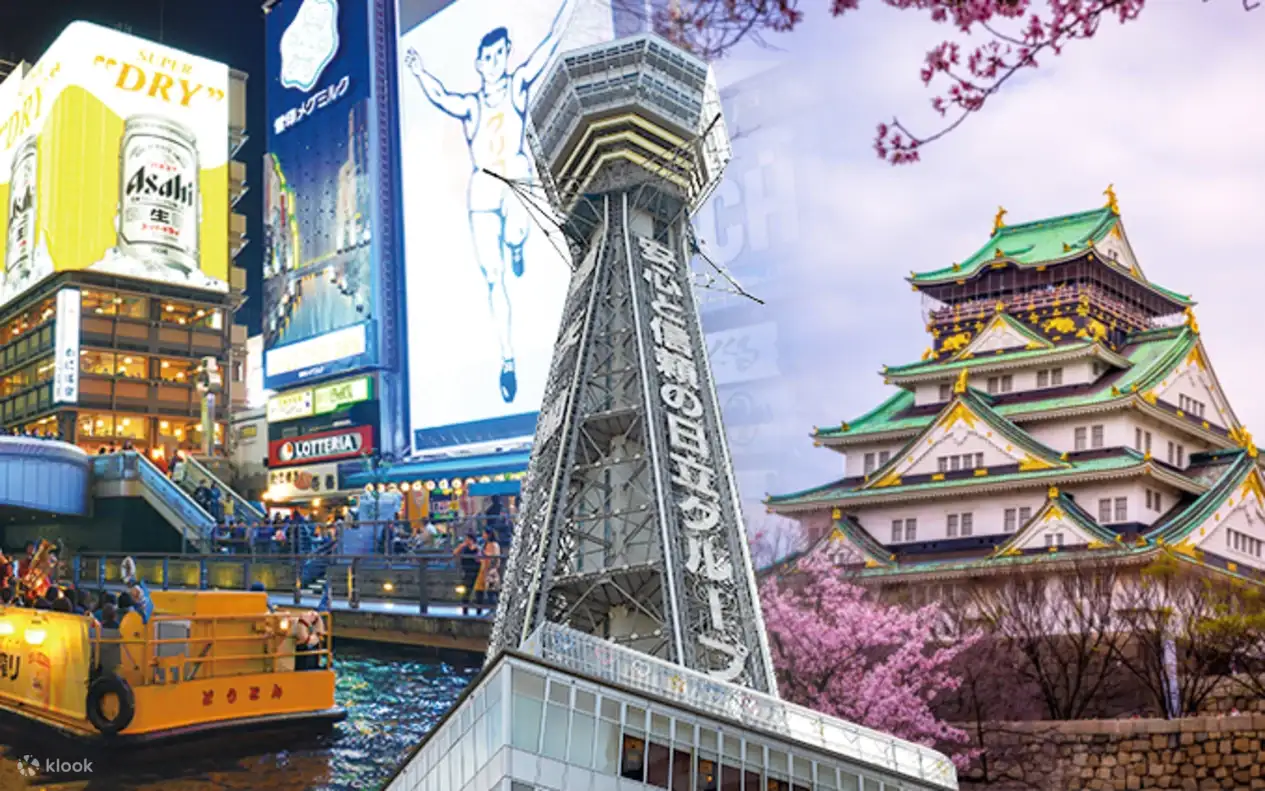
Start your Osaka itinerary with the city’s most iconic landmark. Osaka Castle rises from the center of the city like a monument to Japan’s feudal past, surrounded by impressive stone walls and a moat that once protected the powerful Toyotomi clan.
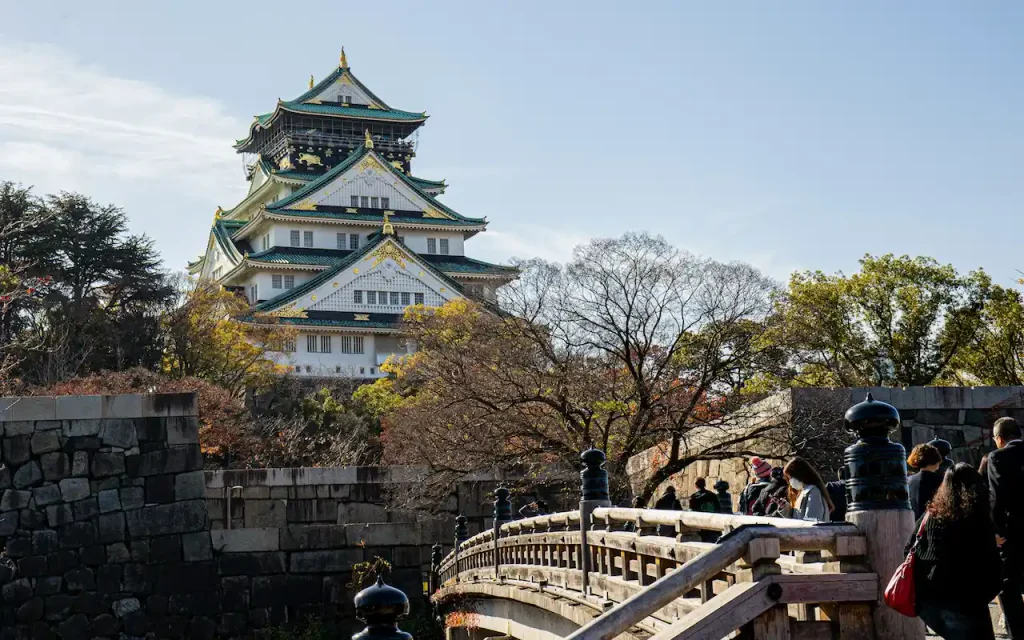
The castle was originally built in 1583 by Toyotomi Hideyoshi, one of Japan’s great unifiers. The current structure is a reconstruction (the original burned down multiple times), but it’s been faithfully rebuilt to resemble the original design. The interior now houses a museum with exhibits on the castle’s history and the era of unification.
Why visit early: The castle opens at 9:00 AM, and I strongly recommend arriving right when it opens. The crowds build quickly, and the elevator lines for the observation deck can get long. The morning light also makes for spectacular photos of the castle’s white walls and gold accents reflecting in the moat.
What to see:
- The observation deck on the 8th floor offers panoramic views of the city, with Mount Ikoma visible on clear days
- The museum exhibits include samurai armor, historical documents, and detailed dioramas of the castle’s history
- The surrounding park is beautiful year-round, with over 1,000 cherry trees blooming in spring
Alternative morning activity: If you’re visiting with children or prefer a more interactive start, consider the Osaka Go Karting Experience first thing in the morning. The streets are quieter, and you’ll get a unique perspective on the city. I’ll cover this in more detail later in the day.
Late Morning: Osaka Go Karting Experience
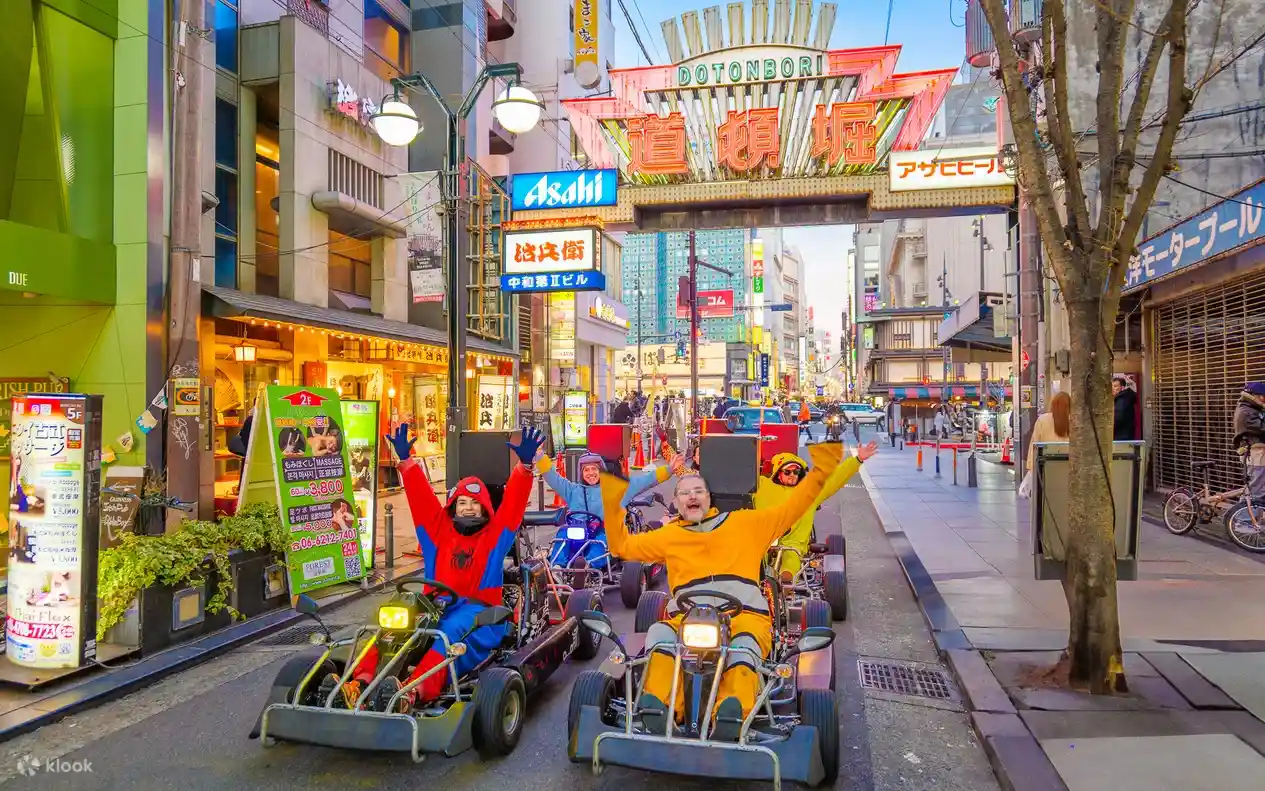
One of Osaka’s most unique—and frankly, most ridiculous—activities is the Osaka Go Karting Experience. You’ll dress up as your favorite video game character and drive a go-kart through the streets of Osaka, waving at pedestrians and locals who are surprisingly enthusiastic about it.
What to expect:
- The tour lasts about 2 hours and covers key sights like Osaka Castle, Dotonbori, and Namba
- You’ll be given a costume (Mario, Luigi, or other characters) and a brief safety instruction
- The karts are electric and relatively quiet, with a max speed of about 40 mph
- The route takes you through traffic on public roads, with a guide leading the way
Is it safe? Yes, but you need a valid international driver’s permit. The company has a good safety record, and the karts are street-legal in Japan. That said, driving in Osaka traffic can be intense, so be prepared for a bit of adrenaline.
Who it’s for: This is perfect for groups of friends, couples looking for a fun activity, and anyone who wants a unique photo opportunity. It’s less suitable for families with young children (minimum age is 18) and anyone uncomfortable with city driving.
Lunch: Street Food in Dotonbori
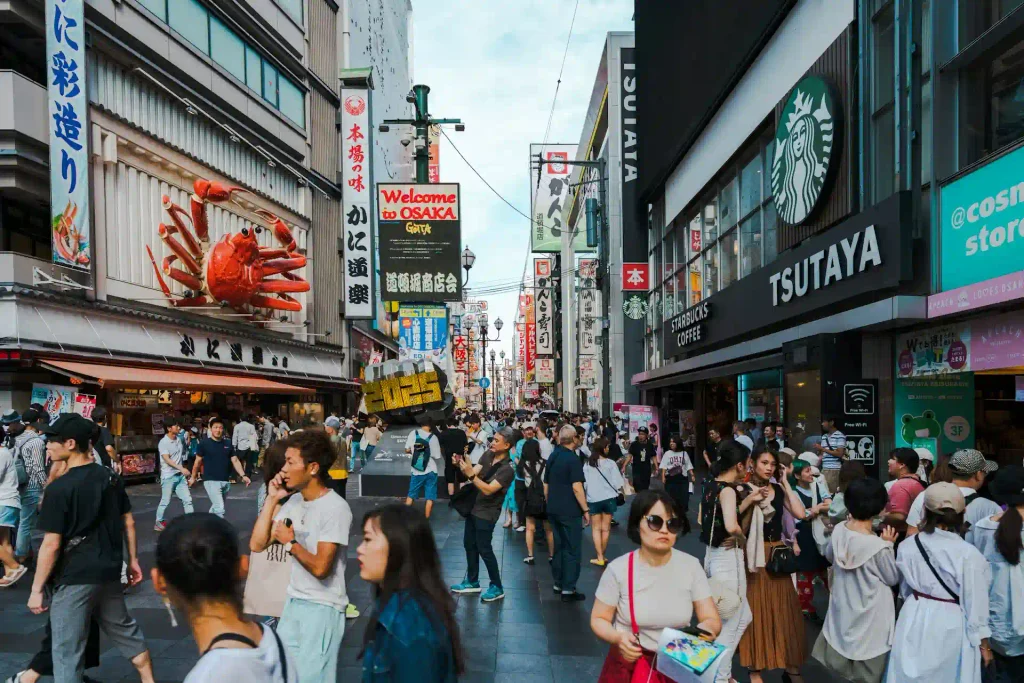
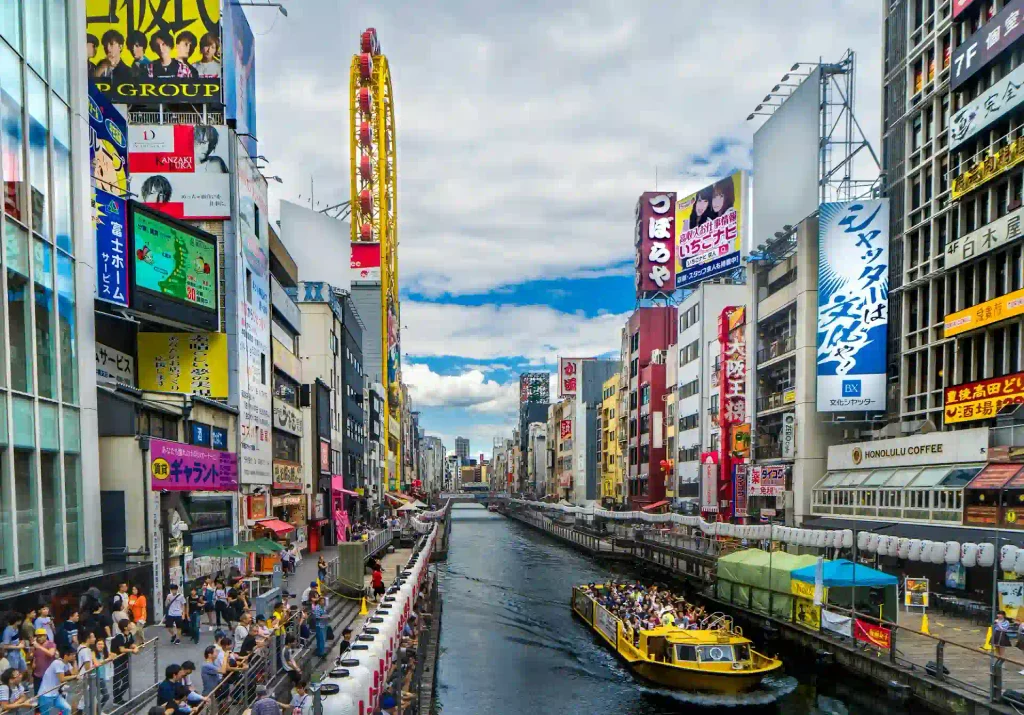
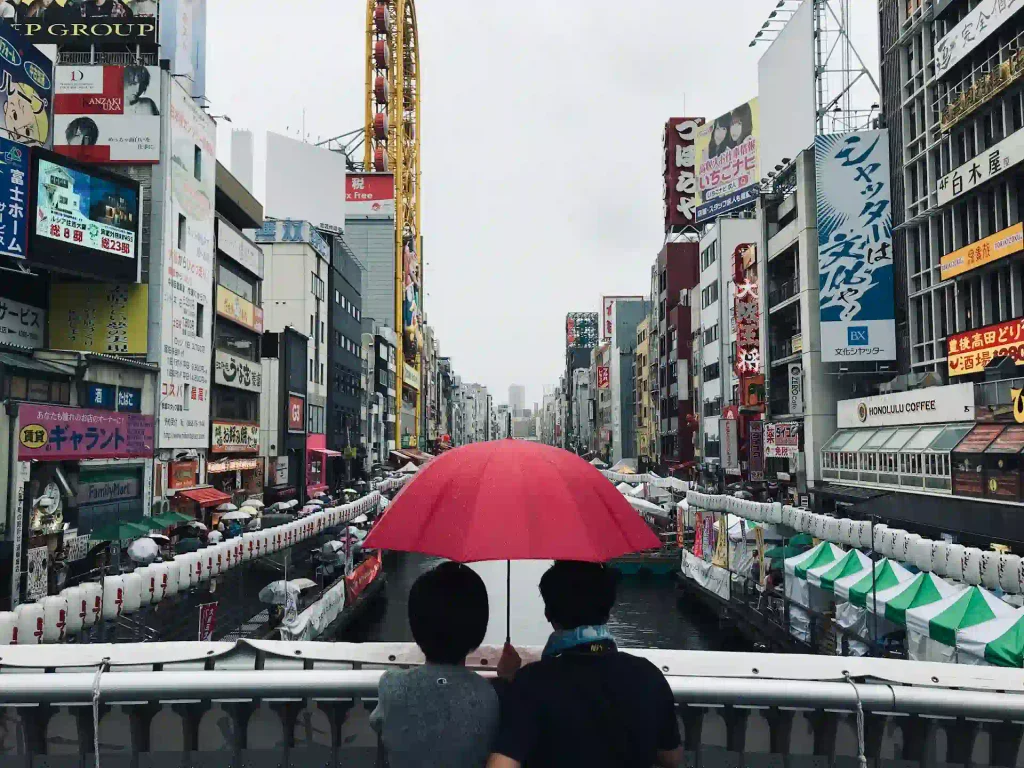
By midday, you’ll be ready for lunch, and there’s no better place than Dotonbori. This is the heart of Osaka’s food culture—the neon-drenched street with iconic signs like the giant mechanical crab and the Glico running man that’s become the city’s unofficial mascot.

What to eat in Dotonbori:
- Takoyaki – The city’s signature dish. These octopus-filled balls are crispy on the outside and gooey on the inside. Some of the best stalls are right along the canal. Look for the ones with long queues—locals know what’s good.
- Okonomiyaki – The savory pancake that Osaka claims as its own. You’ll find dozens of restaurants specializing in this dish, where you cook it yourself on a hot plate at your table.
- Kushikatsu – Deep-fried meat and vegetables on skewers, served with a tangy sauce. The rule is: “no double-dipping” (the sauce is shared).
- Yakitori – Grilled chicken skewers, perfect for a quick bite between activities.
Where to go: For takoyaki, try Kukuru near the Dotonbori canal. For okonomiyaki, Mizuno is a classic that’s been serving since 1945. For kushikatsu, head to the Daruma chain—they have several locations around the area.
Afternoon: Shinsaibashi Shopping
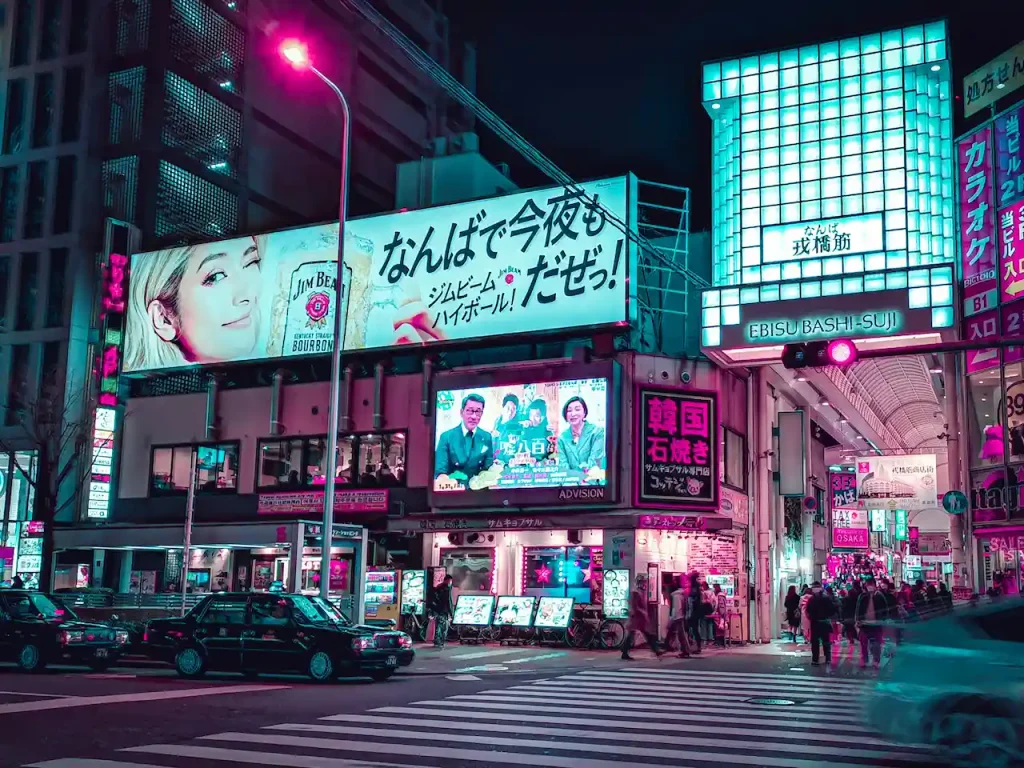
After lunch, walk across the bridge to Shinsaibashi—Osaka’s premier shopping district. This covered arcade is over 600 meters long and packed with everything from luxury brands to quirky souvenirs.
What to shop:
- Amerikamura – The “American Village” area is great for vintage clothing and street fashion
- Daimaru Department Store – A classic Japanese department store with an incredible food hall in the basement
- Uniqlo – The flagship store is enormous and has everything you could want from the brand
- Local souvenirs – Osaka-themed items like instant takoyaki kits, character goods, and quirky stationery
Alternative afternoon activity: If shopping isn’t your thing, visit the Hozenji Yokocho alley, a narrow lane near Dotonbori that feels like stepping back in time. The cobblestone street is lined with traditional restaurants and bars, and the Hozenji Temple is covered in moss that gives it an ancient, mystical appearance.
Evening: Dotonbori Nightlife
The Dotonbori canal comes alive at night, and this Osaka itinerary wouldn’t be complete without experiencing it after dark.
The neon reflections on the water, the sounds of people laughing and eating, and the sheer chaotic energy of the street make it one of the most memorable nightlife experiences in Asia.
What to do:
- Walk the entire length of Dotonbori – From the Glico sign to the Namba area, the street is endlessly entertaining
- Take a boat cruise – The small boats offer a different perspective and run until late evening
- Eat more street food – Night is when the best stalls come out, and everything tastes better under neon lights
- Visit the Ebisubashi Bridge – The best spot for photos of the Glico sign and the canal
Dinner recommendation: Matsusakagyu Yakiniku M – This is a yakiniku (grilled meat) restaurant that specializes in high-quality wagyu beef. The meat is marbled and perfectly seasoned, and the atmosphere is lively. You’ll grill the meat yourself on a small tabletop grill.
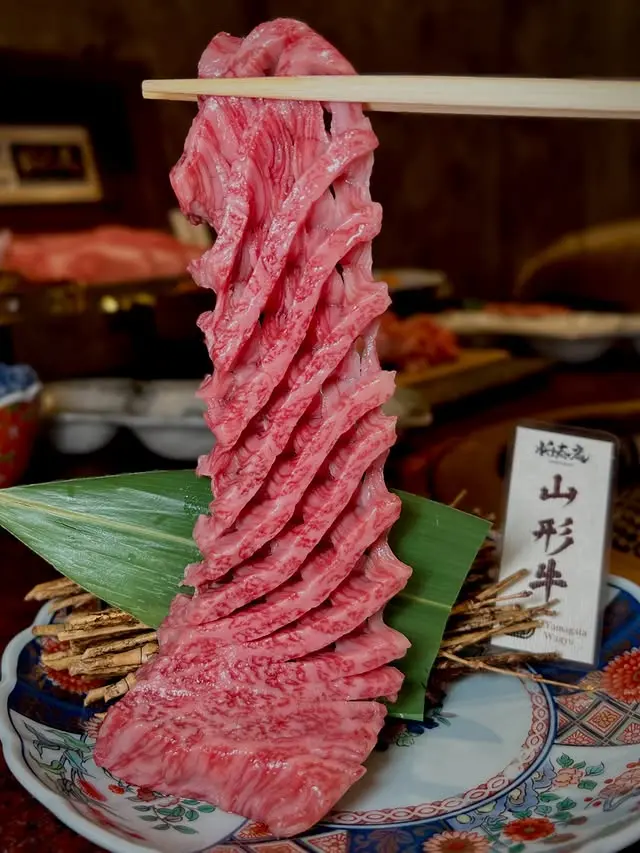
Alternative dining: Kani Doraku – That giant mechanical crab you saw earlier? That’s the restaurant. The crab cuisine here is exceptional, and the set menus are surprisingly affordable for the quality.
Late night: If you’re still buzzing after dinner, head to Namba for the city’s entertainment district. There are countless bars, karaoke rooms, and arcades. Round One is a massive entertainment complex with bowling, arcade games, and karaoke open until the early hours.
Day 2: Thrills, Towers & Universal Studios Japan
Today is the big one. Depending on your interests, you’ll either spend the full day at Universal Studios Japan or explore the city’s other highlights. I’m giving you both options so you can choose what suits you best.
Option A: Full Day at Universal Studios Japan
Universal Studios Japan (USJ) is the second-most-visited theme park in Japan (after Tokyo Disneyland), and it’s spectacular. It’s smaller than its American counterparts, but the theming and attention to detail are on another level entirely.

Before you go:
- Buy your tickets in advance – This is essential. The park routinely sells out, and tickets at the gate are limited. Buy from the official website or through a reliable third-party vendor.
- Download the USJ app – It’s essential for checking wait times, ordering food, and booking timed entry for certain attractions.
- Arrive at least 30 minutes before opening – The gates open at 8:30 AM (sometimes earlier), and the crowds are serious. Arriving early gives you a head start on the most popular rides.
The must-do attractions:
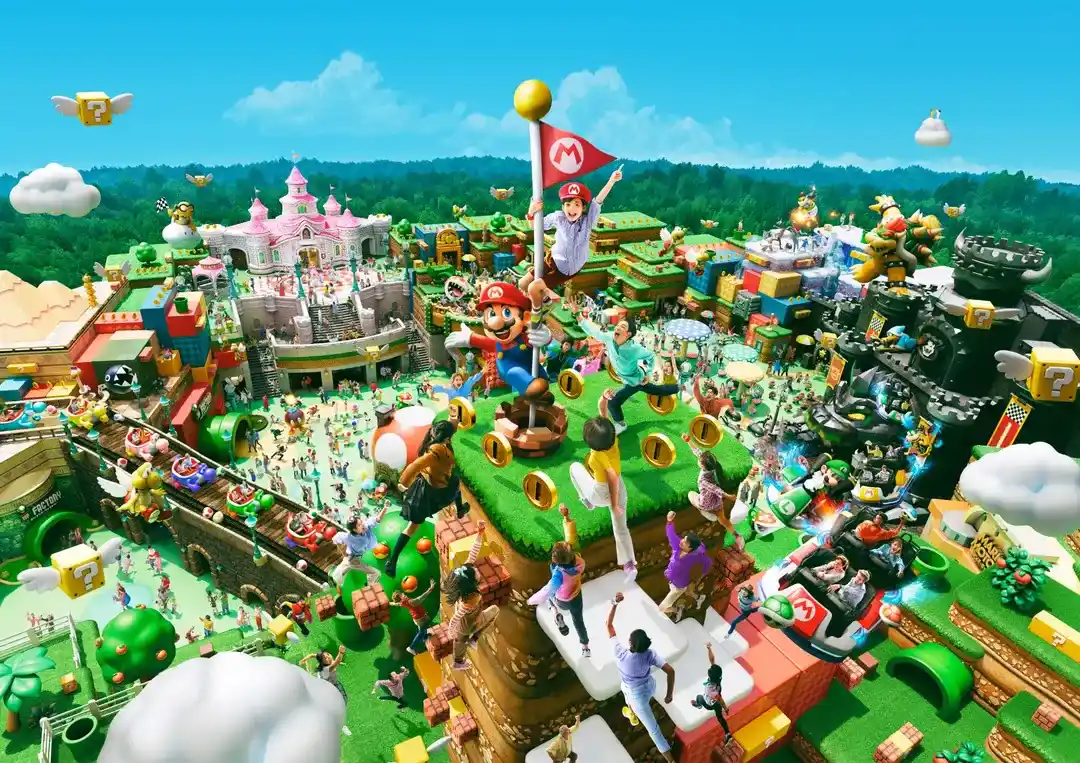
- Super Nintendo World – The newest and most popular section of the park. The immersive world is stunning, with a life-sized Bowser’s Castle and the Mario Kart ride that uses augmented reality technology. You need a timed entry ticket to enter this area (available through the app or early in the morning).
- The Wizarding World of Harry Potter – The Japanese version is beautifully detailed, with Hogwarts Castle, the Forbidden Journey ride, and the Butterbeer stall. Even the restrooms are themed.
- Hollywood Dream – The Ride – A classic roller coaster with the option to ride backwards. The view over the city is spectacular.
- The Flying Dinosaur – One of the world’s most intense flying roller coasters. You’re suspended face-down, and the experience is genuinely terrifying in the best possible way.
- Jaws – A classic that’s been retired in the American parks but survives in Japan. The experience is campy and fun.
- Minion Mayhem – The 3D experience is chaotic and hilarious, perfect for families.

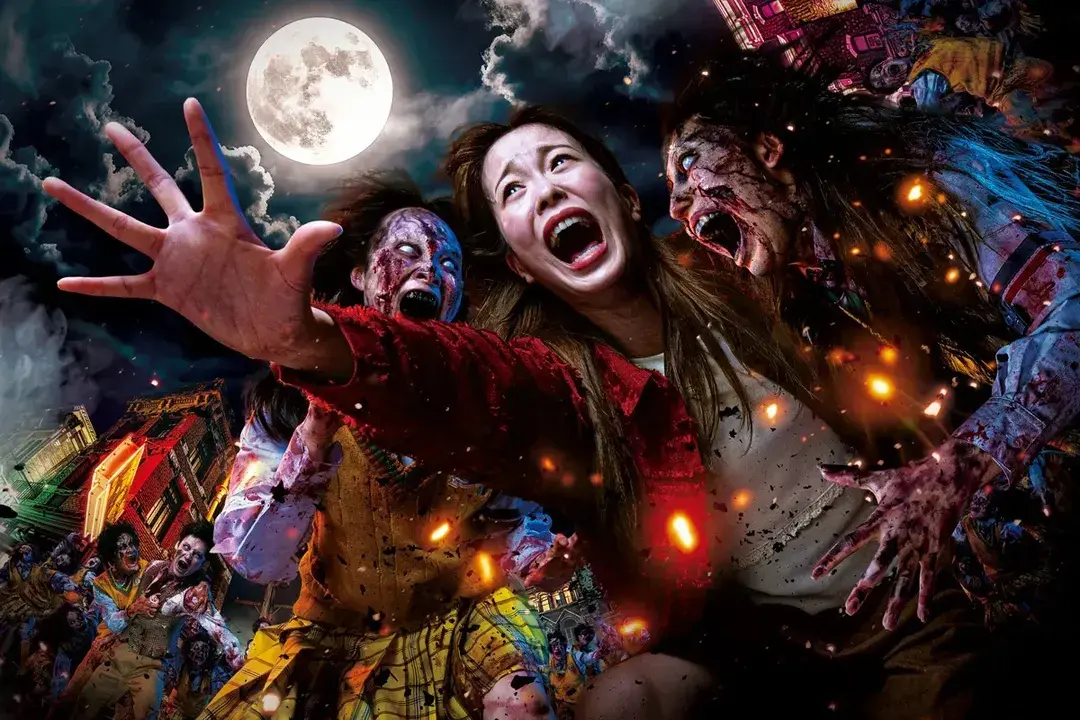


What to eat:
- The giant turkey legs – A USJ staple, surprisingly good and satisfying
- Butterbeer – The iconic drink from the Wizarding World, available both frozen and regular
- Takoyaki and okonomiyaki – The park has food stalls selling local specialties
- Pizza at the Scooby-Doo restaurant – The theming is fun, and the pizza is decent
Don’t Miss Out
Insider tips for USJ:
- Single-rider lines – If you’re willing to split up from your group, you’ll often cut waiting times in half
- Buy the express pass – The price is painful, but it saves you hours of waiting. If you can afford it, it’s completely worth it.
- Stay for the night parade – The evening show with projections and music is spectacular.
- Best ride order – Head to Super Nintendo World first thing (if you have the timed entry), then Harry Potter, and then the rest
Option B: If Universal Studios Isn’t Your Thing – The Bay Area & Tempozan
If theme parks aren’t your scene, today is perfect for exploring Osaka’s bay area and the city’s museums and aquarium.
Morning: Osaka Aquarium Kaiyukan
The Osaka Aquarium Kaiyukan is one of the world’s largest and most impressive aquariums. The centerpiece is a massive Pacific Ocean tank that houses whale sharks, manta rays, and dozens of species.
It’s designed to feel like walking through the Pacific Rim, with exhibits representing different Pacific regions.
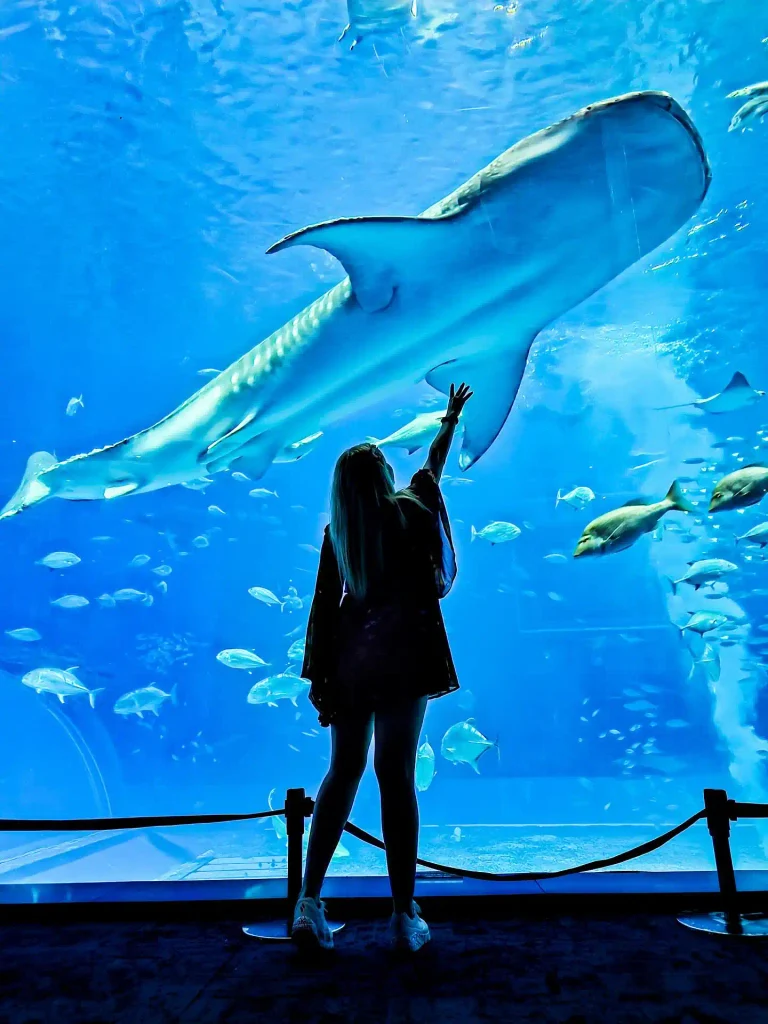
What makes it special:
- The whale sharks are truly awe-inspiring—they’re enormous but gentle
- The ring-shaped structure means you walk around and descend through different levels, always with the central tank visible
- The feeding shows are fascinating and happen multiple times daily
Late Morning: Tempozan Ferris Wheel
Right next to the aquarium is the Tempozan Ferris Wheel, one of Japan’s largest. It’s a great way to get panoramic views of Osaka Bay, the port, and the city skyline.
What to know:
- The wheel takes about 15 minutes for a full rotation
- Clear days offer views as far as Mount Ikoma
- It’s particularly lovely at sunset or after dark
Lunch: Kushikatsu in the Bay Area
The Bay Area has excellent kushikatsu restaurants. Kushikatsu Daruma Tempozan is a popular option where you can try all the classic skewers with the “no double-dip” rule.
Afternoon: Osaka Go Karting Experience (Alternative Time)
If you skipped the go-karting on Day 1, today is your chance. The bay area has fewer traffic obstacles than central Osaka, and the experience is just as fun.
Alternative: Umeda Sky Building
Another option for the afternoon is the Umeda Sky Building and its Kuchu Teien Observatory. This futuristic building’s Floating Garden Observatory connects the two towers at the top and offers breathtaking 360-degree views of Osaka.
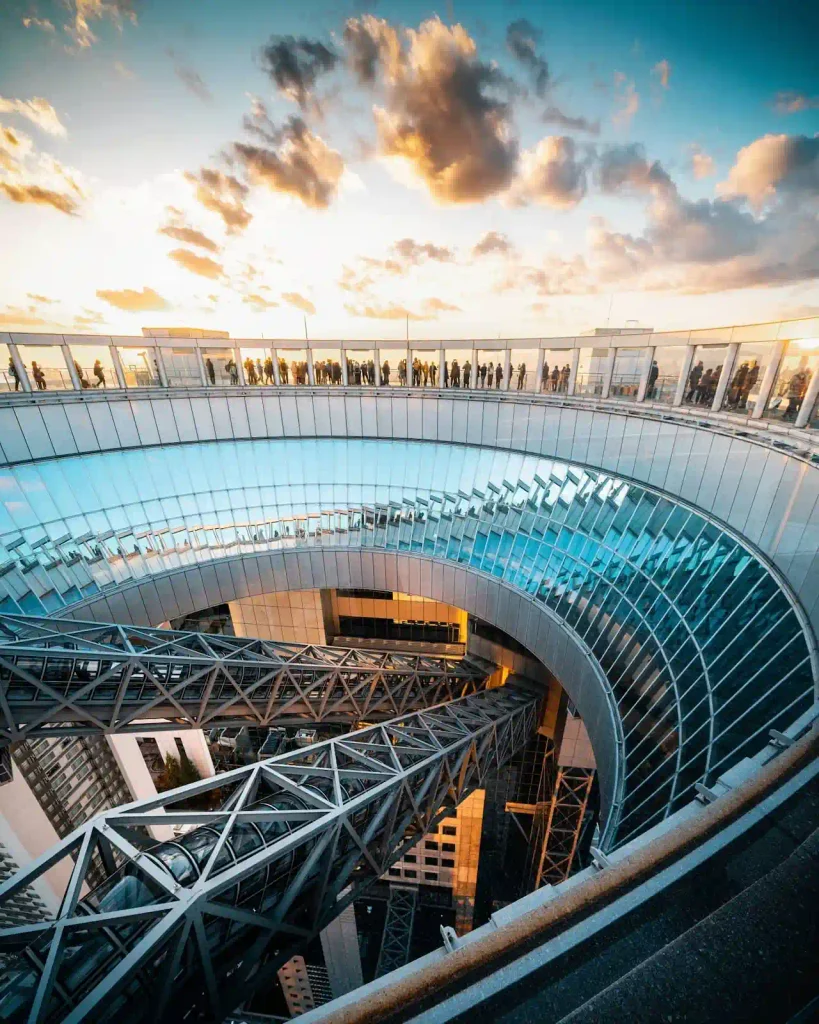
Why it’s special:
- The open-air deck allows you to walk on the platform’s glass sections, feeling suspended in the air
- The views are spectacular, especially during sunset
- The building’s architecture is a photo magnet
Visit in the late afternoon to catch the sunset and watch the city light up beneath you.
Evening: Entertainment in the Bay Area
The Bay Area has lively nightlife, with restaurants, bars, and entertainment centers. The Universal Citywalk is steps from the park, with numerous dining and shopping options.
Dinner recommendation: Namba Osho – Homestyle Japanese cuisine with many Osaka specialties. Excellent for families and big groups.
Alternative dining: Ganko – An elegant sushi restaurant with beautiful presentation and a serene atmosphere.
Day 3: Hidden Gems & Local Flavors
Your final day on this Osaka itinerary is about slowing down and discovering the city’s quieter side, away from the neon chaos and massive crowds.
Morning: Sumiyoshi Taisha Shrine
Start your day at Sumiyoshi Taisha, one of Japan’s oldest Shinto shrines. Unlike most shrines, which follow Buddhist architectural influences, Sumiyoshi Taisha preserves the ancient Japanese style of shrine architecture that predates the arrival of Buddhism.
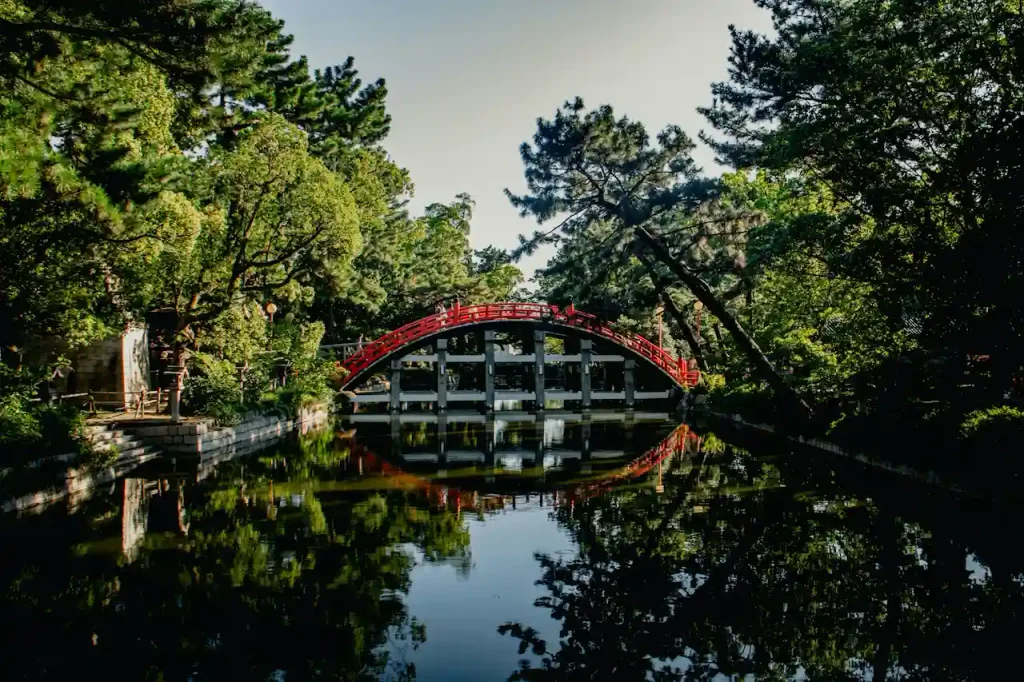
What makes it special:
- The four main halls (honden) are designated National Treasures and feature the unique “Sumiyoshi-zukuri” style
- The bridge over the pond is spectacular with its arc shape
- The shrine feels peaceful and authentic, away from the tourist trail
Why visit early: The shrine is open from 6:30 AM, and the morning light makes the vermilion structures glow beautifully. The crowds are minimal, and you’ll often have the grounds to yourself.
What to do:
- Walk the path under the serene trees
- Participate in the purification ritual (washing your hands and mouth)
- Explore the museum with exhibits on ancient Japanese religious practices
Mid-Morning: Shinsekai
Shinsekai translates to “New World,” and it was developed after the 1903 World’s Fair as a modern neighborhood for the 20th century. Today, it’s a fascinating mix of Japanese and Western influences, with a retro atmosphere that feels like a time capsule.
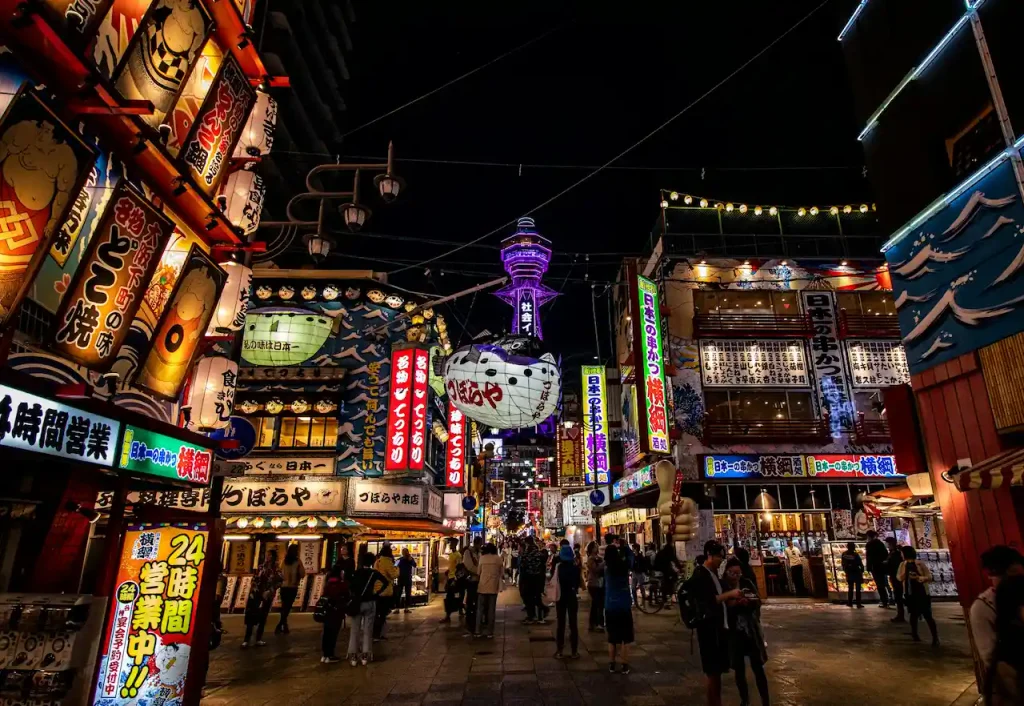
What makes Shinsekai special:
- The iconic Tsutenkaku Tower is the symbol of the area, with wonderful views of the city
- The kushikatsu shops are legendary here—the area is known as the birthplace of this dish
- The streets are filled with retro charm, with vintage arcades and colorful shops
What to do:
- Tsutenkaku Tower – Built in 1912 and rebuilt after the war, it’s the tallest structure in the area with panoramic views
- Visit the retro arcades – Several arcades preserve the post-war era atmosphere with vintage games
- Explore the street-level – The area is best experienced slowly
What to eat:
- Kushikatsu – The iconic dish from the area. Try the Daruma chain.
- Kushi katsu set meals – Excellent value.
The area is particularly photogenic in the late afternoon light. The retro signs and neon look spectacular against the evening sky.
Lunch: Namba & Dotonbori Food Crawl
Return to Namba for a final food adventure. You’ll explore the area’s covered shopping streets, sample a variety of street foods, and immerse yourself in the vibrant culinary scene.
What to eat:
- Takoyaki at the famous Kukuru or Konamon Museum (they have interactive workshops)
- Okonomiyaki at one of the many restaurants where you cook at your table
- Kushikatsu at the legendary Daruma
- Local snacks – Everything from cheese tarts to matcha ice cream
Afternoon: Namba Parks & Grand Front Osaka
End your Osaka itinerary with some shopping and urban exploration.
Namba Parks is an unusual shopping complex that’s a stunning green architecture statement. The rooftop garden is beautiful and peaceful. The building itself is designed like a mountain, with terraced gardens.
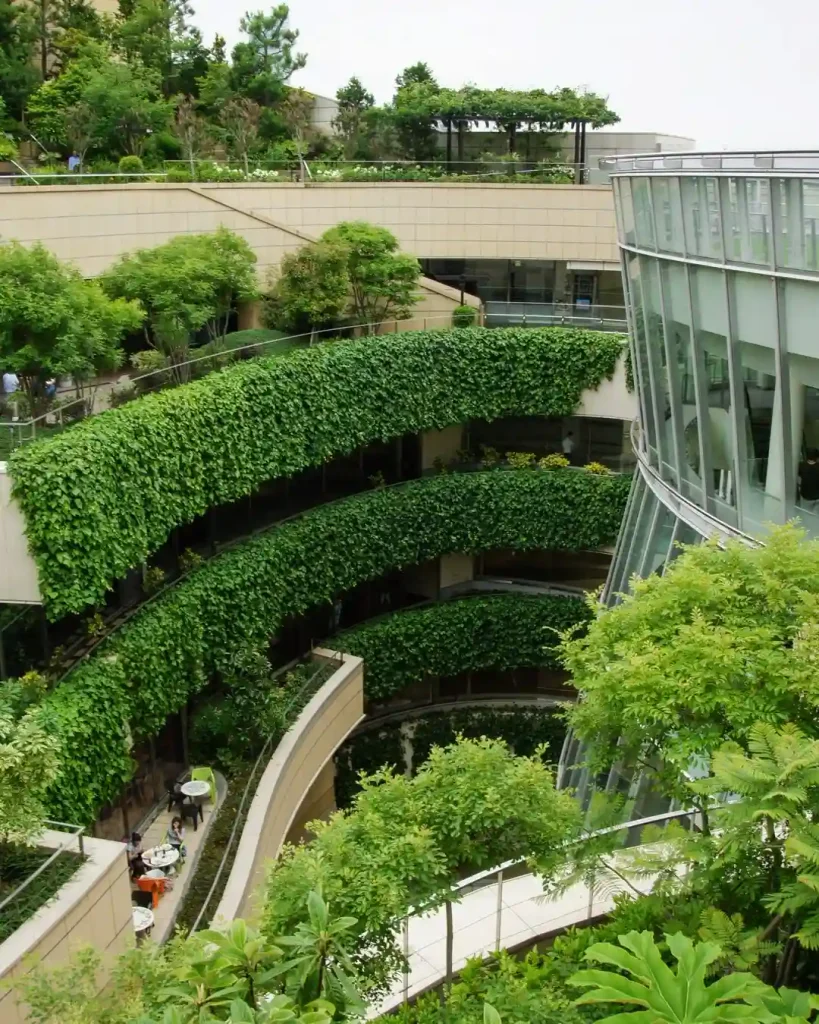
What to do:
- Explore the shopping complex – It has a great mix of local and international brands
- Visit the rooftop garden – The views are lovely, and it’s unexpectedly peaceful
- Walk through the rest of Namba – It’s a great area for people-watching
Alternative: Grand Front Osaka – A massive shopping and entertainment complex near the station. The retail is upscale, and the dining options are plentiful.
Evening: Final Osaka Night
For your final evening, return to Dotonbori to soak in the atmosphere one last time. The neon is beautiful, the food is incredible, and there’s something magical about experiencing it after three days in the city.
Dinner recommendation: Yakitori Torito – A casual yakitori place with excellent chicken and an incredible vibe. The skewers are perfectly charred and seasoned.
Alternative dining: Hankyu Group’s Grill – An upscale steakhouse with great views. Perfect for celebrating the end of your trip.
Nightcap: Find a small local bar in the Namba area and toast to your Osaka adventure. The locals are friendly and will welcome you for a final drink.
Where to Stay in Osaka
1. Conrad Osaka
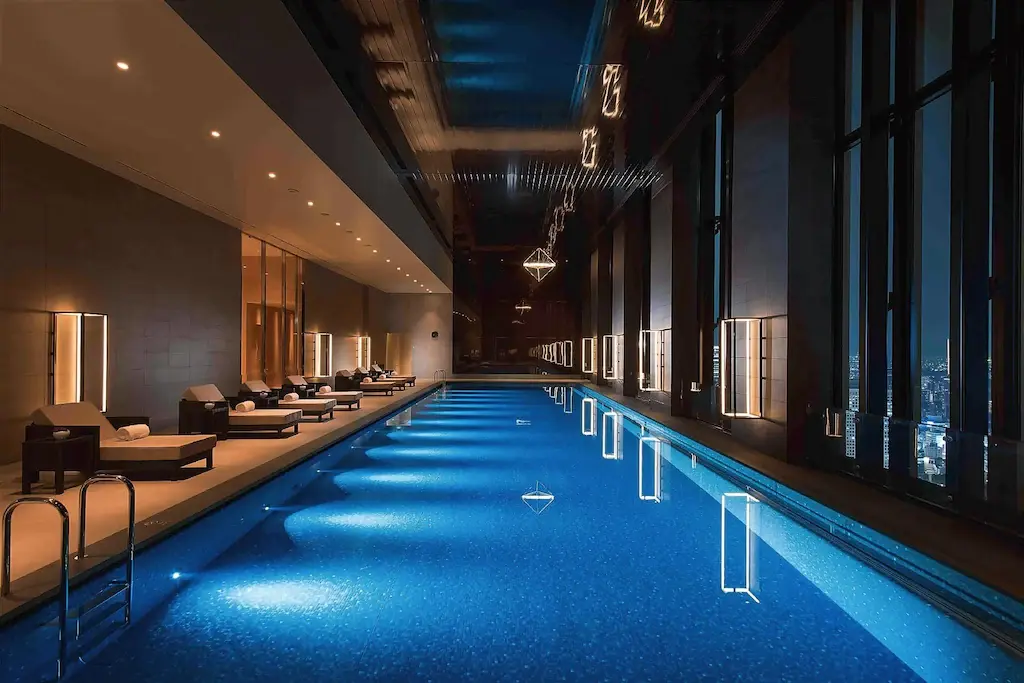
This luxury hotel is located in the Nakanoshima area, between the two rivers. The rooms are spacious with floor-to-ceiling windows that offer panoramic views of Osaka’s skyline. The location is convenient, near the Kitahama subway station.
The hotel offers a world-class spa, an infinity pool, and a stunning breakfast spread with both Japanese and Western options. It’s ideal for couples, business travelers, and discerning travelers who appreciate modern luxury. The standout feature is the 40th-floor lobby with breathtaking views and the restaurant’s Michelin-starred cuisine.
2. InterContinental Osaka
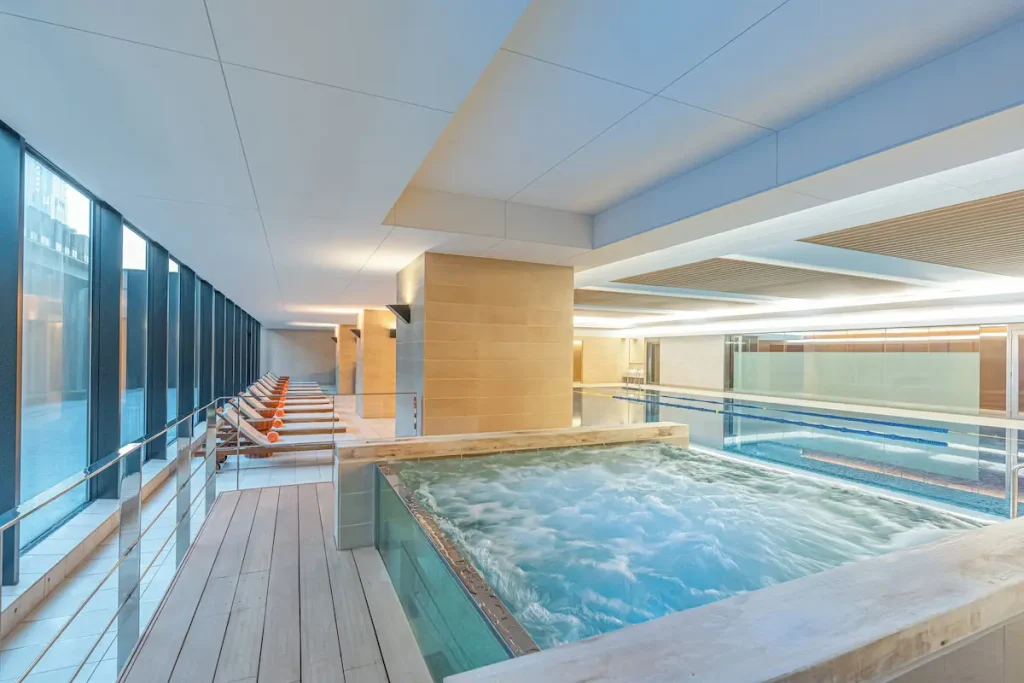
Located in the Grand Front Osaka complex, this hotel offers direct access to the train station, making it perfect for travelers exploring the city and beyond. The rooms are elegantly designed, with contemporary Japanese aesthetics.
The hotel’s restaurants are excellent, and the club lounge is one of the best in the city. This hotel is ideal for families and travelers who want convenience and luxury. The standout feature is the location above the station and the beautiful views from the upper floors.
3. Swissotel Nankai Osaka
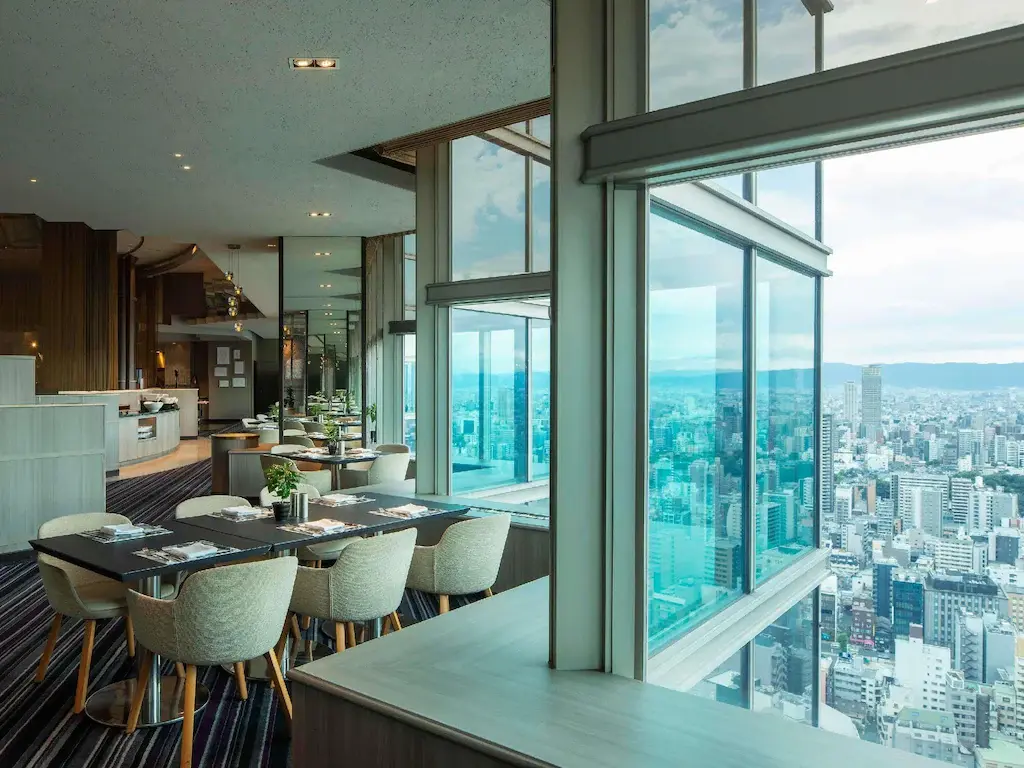
Located directly above the Namba train station, this hotel offers unbeatable connectivity. The rooms are comfortable, and the service is impeccable. The location is perfect for exploring Dotonbori and Shinsaibashi.
The hotel has multiple restaurants, including a top-notch sushi spot. It’s especially good for travelers who want to be right in the middle of the action. The standout feature is the direct station access.
- Budget alternative: Piece Hostel Osaka – A modern, stylish hostel in Namba. The rooms are clean, the common areas are social, and the location is excellent. Perfect for solo travelers and backpackers.
- Onsen Ryokan Option: Ryu-kyu no Yu – A traditional ryokan with an excellent onsen in the Abeno area. You’ll experience the full Japanese inn experience with tatami rooms, futon beds, and kaiseki meals. Ideal for couples and travelers wanting an authentic cultural experience.
The Osaka Amazing Pass – Your Money-Saving Essential
What it is: The Osaka Amazing Pass is a digital pass that gives you free entry to over 40 attractions in Osaka and unlimited rides on the city’s subway and buses for 1 or 2 days. It’s the ultimate tool for exploring the city without worrying about individual admission fees or transport costs.
How it works:
- Available as a 1-day or 2-day pass
- You activate it on the day you want to use it
- You can use QR codes for entry to attractions
- It covers the main Osaka subway lines and some private railways
Why you need it:
- Cost savings – If you visit just a few attractions (like the Osaka Castle, the Umeda Sky Building, the aquarium, or the ferris wheel), you’ll already save money compared to buying individual tickets
- Convenience – No need to buy individual attraction tickets
- Flexibility – You can visit as many attractions as you want on the pass
- Time savings – Skip the ticket lines at many attractions
Which attractions does it cover?
- Osaka Castle (main tower)
- Umeda Sky Building & Kuchu Teien Observatory
- Tempozan Ferris Wheel
- Shitennoji Temple and its garden
- The Osaka Museum of History
- The Kita-Mido subway system (some lines)
The Osaka Amazing Pass is especially valuable if you’re planning to visit the Umeda Sky Building, the Osaka Castle, and the aquarium. If you’re not visiting these, you can still save money if you visit 4-5 smaller attractions.
Where to buy it: You can purchase it online (through various travel sites) or at selected tourist information centers in Osaka. I recommend buying it online before your trip to save time and avoid queues. Many tour operators include it as part of package deals, so check before buying separately.
Transport & Connectivity Guide for Osaka
Navigating Osaka’s Transport System
Osaka’s public transport is extensive and efficient. Here’s how to master it:
Subway – The subway system is extensive and easy to use. Lines are color-coded and numbered. Buy a rechargeable card or use your Suica/Pasmo from Tokyo.
JR Trains – The Osaka Loop Line is useful for connecting the city’s main districts. The Yamanote Line of Osaka connects Osaka, Umeda, and Tennoji.
The Midosuji Line – This is the main north-south subway line, connecting Shin-Osaka (the Shinkansen station) with Namba (the entertainment district), Umeda (the business district), and Tennoji (the southern entertainment area).
Getting To and From Kansai International Airport
Kansai International Airport (KIX) is about 50 km from central Osaka. Here’s how to get there and back:
Train: The JR Kansai Airport Rapid Service and the Haruka Limited Express connect the airport to Osaka Station, Namba Station, and Tennoji Station. The Nankai Railway also connects to central Osaka.
Bus: The airport limousine bus runs from the airport to various hotels and stations across the city.
Taxi: The most expensive option, but comfortable if you have large luggage.
Local Transport Tips
- Get an ICOCA card – This is the Kansai region’s rechargeable card, similar to Suica/Pasmo. It works on all JR trains and the subway in Osaka.
- Digital Suica/Pasmo – If you have the virtual version on your phone, it works perfectly for Osaka’s transport too.
- Avoid taxis – They’re expensive and not necessary with Osaka’s excellent public transport.
What to Pack for Osaka
- Comfortable walking shoes – Osaka is a city you explore on foot. You’ll walk through temples, arcades, and bustling neighborhoods. Good shoes are essential.
- Travel power adapter for Japan – Japan uses Type A and Type B plugs (the same as the US). If your devices have flat two-prong plugs, you’ll only need a plug adapter.
- Portable umbrella – Osaka’s weather can be unpredictable. A compact, durable umbrella is a lifesaver during the rainy season.
- Power bank – Your phone will be your map, camera, and translator. Keep it charged throughout the day.
- Japanese phrasebook – English is less common in Osaka than in Tokyo. A phrasebook with essential phrases will make your trip smoother.
- Reusable shopping bag – Japan charges for plastic bags, and you’ll want to carry your shopping and snacks.
Clothing considerations:
- Dress in layers – Osaka’s seasons are distinct. Even in summer, air conditioning can be fierce.
- Modest clothing – Cover shoulders and knees when visiting shrines and temples.
- Comfortable clothing – Osaka is casual and unpretentious. You’ll fit right in.
Essential Osaka Travel Tips
➭ Explore with the Osaka Amazing Pass – I’ve mentioned this in detail, but it’s worth repeating. The pass offers exceptional convenience for urban exploration, providing easy QR code access to attractions and transportation.
Users experience significant cost savings and great value, enhancing trip enjoyment through diverse activity options and efficient city navigation. Its practical use allows for stress-free sightseeing. It’s one of the best travel investments you can make for your Osaka itinerary.
➭ Get an ICOCA card – The Kansai region’s rechargeable card works on all trains and subways in Osaka, Kyoto, and Nara. It’s accepted at convenience stores, vending machines, and many restaurants.
➭ Learn “okini” – This is the Osaka dialect word for “thank you.” Locals appreciate the effort.
➭ Be ready for cash – Many small shops, street food stalls, and local restaurants still prefer cash. Withdraw money at 7-Eleven ATMs (they have English menus) and keep a small amount on hand.
➭ Osaka is casual – Unlike Tokyo, Osaka has a more laid-back, unpretentious vibe. You don’t need formal wear. Osaka is the city where you can dress comfortably and eat with your hands without judgment.
➭ Watch the sunset at the Umeda Sky Building – It’s one of Osaka’s most romantic and photogenic experiences. The view of the city transitioning from daylight to neon is unforgettable.
➭ Embrace the food culture – Osaka is the food capital of Japan. Try everything, from the street food to the high-end sushi. The local motto is “kuidaore” – eat until you drop.
Don’t Miss Out
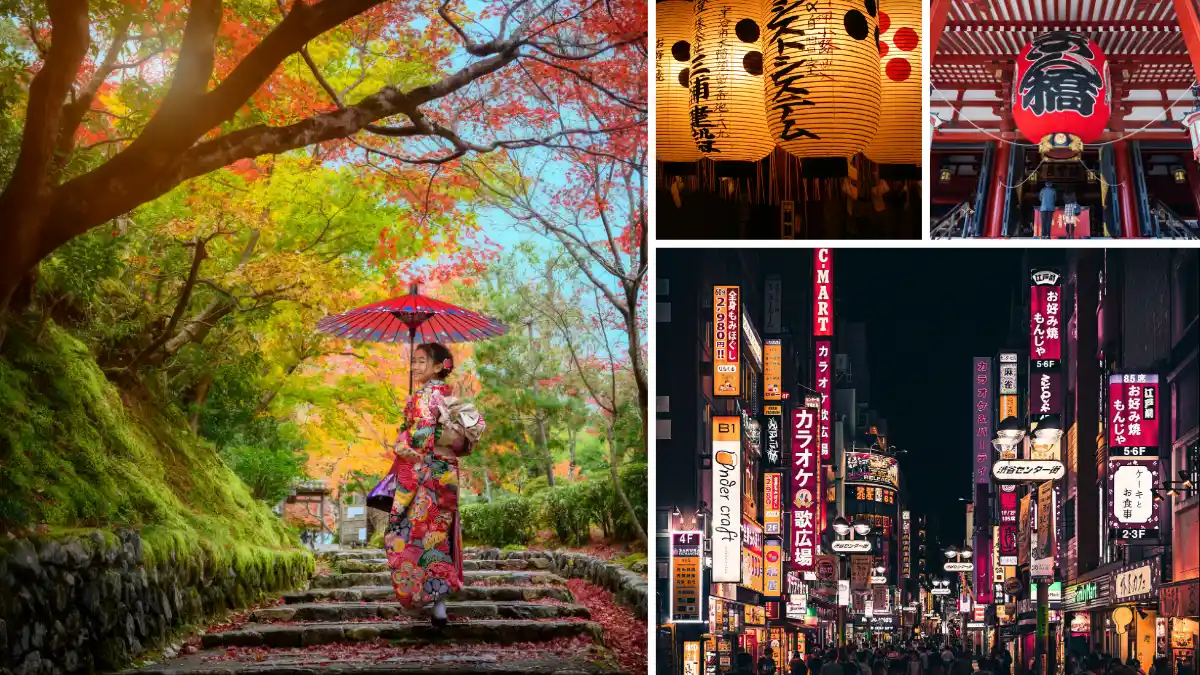
Three days in Osaka is the perfect introduction to one of Japan’s most exciting and underrated cities. This Osaka itinerary takes you from the neon chaos of Dotonbori to the serene beauty of Sumiyoshi Taisha, from the thrills of Universal Studios Japan to the retro charm of Shinsekai.
Osaka is a city with soul. It’s unpretentious and welcoming. It’s the city where you can eat world-class food without pretension, where you can explore ancient temples and futuristic skyscrapers in the same day, and where you’ll be greeted with warmth and enthusiasm by locals who love their city fiercely.
I hope this Osaka itinerary inspires you to book your trip and experience this incredible city for yourself. Osaka will surprise you, delight you, and leave you planning your return before you’ve even left.
Domo arigatou, and happy travels!
