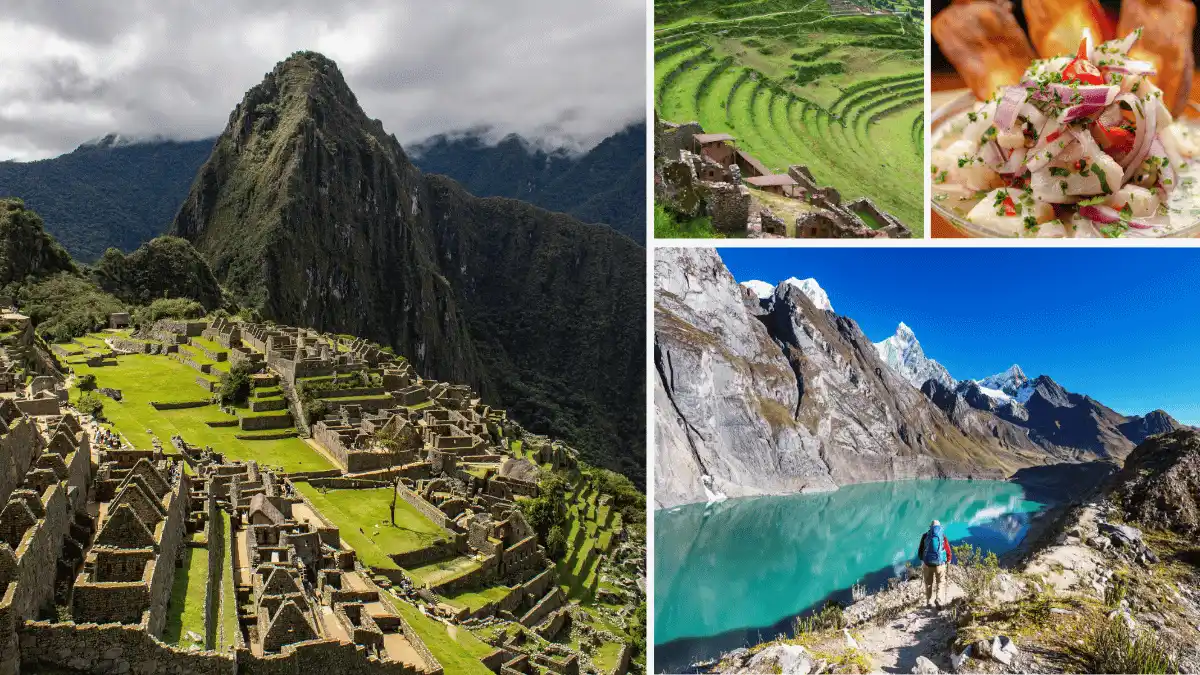
5 Day Peru Itinerary Under $500 (Yes, Including Machu Picchu)
5 days, epic views, and surprisingly low costs

- This article contains affiliate links. I may receive a commission if you purchase from them, at no extra cost to you.
I still remember staring at my bank account after booking a flight to Peru. I had only $600 left for a whole week. Everyone told me that Machu Picchu alone would cost at least $200. I proved them wrong.
In this Peru itinerary, I’m going to show you exactly how to spend five incredible days in Peru – including the majestic Machu Picchu – for under $500. That’s not a typo. I did it. You can too.
This Peru trip itinerary is designed for budget travelers who refuse to sacrifice experience. You’ll eat delicious local food, sleep in clean and safe hostels, and see one of the seven wonders of the world. No fancy hotels, no expensive trains, no tourist traps. Just real Peru on a real budget.
Let me walk you through every single day, with exact costs, specific restaurant names, accommodation recommendations, transport hacks, and all the little tips that I learned the hard way.
Table of contents ⇅
Essential Info for Your Peru Itinerary 5 Days
Best Time to Visit Peru for This Itinerary
The weather in the Cusco region is split into two seasons: dry and wet.
- Best time (dry season): May through September. You’ll get sunny days, cold nights, and almost no rain. This is perfect for Machu Picchu and Rainbow Mountain. July and August are the busiest months, so expect more tourists and slightly higher prices.
- Second best (shoulder season): April and October. You’ll still have good weather, but fewer crowds and lower prices. There might be some afternoon showers, but they usually pass quickly.
- Worst time (rainy season): November through March. Trails can get muddy, the Hidroeléctrica walk can be slippery, and Machu Picchu might be covered in clouds. That said, prices drop significantly. If you’re on a super tight budget and don’t mind rain, you can save even more.
My personal recommendation: late May or early September. You get perfect weather, fewer tourists than July, and everything is still open and running smoothly.
Altitude Warning – Don’t Ignore This
Cusco sits at 3,400 meters (11,150 feet) above sea level. That’s high. Many people feel headaches, nausea, and shortness of breath for the first day or two.
Here’s what actually works:
- Fly into Cusco in the morning. Arriving early gives you the whole day to acclimate slowly. Don’t fly in at night.
- Drink coca tea. Your hostel will have it for free. Drink it like water.
- Chew coca leaves. Buy a small bag at San Pedro Market for $1. Put a few leaves in your cheek, let them soften, then chew slowly. It tastes grassy, but it helps.
- Walk slower than you think you need to. Pretend you’re a sloth.
- Don’t eat big meals on day one. Heavy food makes altitude sickness worse. Stick to soup, light sandwiches, and fruit.
- Avoid alcohol and sleeping pills. Just don’t.
- Consider buying a portable pulse oximeter. This small device clips onto your finger and tells you your blood oxygen level. If it drops below 85%, rest and drink water. It gave me enormous peace of mind. You can find one on Amazon here.
Packing List for This Peru Itinerary
Pack light. You’ll be carrying your bag on colectivos, trains (or the walking path), and up hills. A lightweight travel backpack around 40 liters is perfect.
Essentials:
- Layers: Mornings and nights are cold (near freezing), afternoons are warm and sunny. A fleece jacket, a lightweight puffy jacket, and a rain shell work well.
- Hiking boots: You’ll need sturdy, comfortable, waterproof boots for Machu Picchu and especially for Rainbow Mountain. The trails are rocky and slippery. I recommend a pair like these.
- Sun protection: The sun at high altitude is brutal. Bring high-SPF sunscreen, a wide-brimmed hat, and UV-blocking sunglasses.
- Reusable water bottle: Tap water isn’t safe to drink in Peru, but almost every hostel has filtered water for refills. A collapsible bottle saves space.
- Portable phone charger: You’ll be taking hundreds of photos, using maps, and listening to audio guides. Your battery will die. A high-capacity power bank is a lifesaver.
- Toilet paper and hand sanitizer: Many public bathrooms (especially on tours) don’t have toilet paper. Carry a small roll and a mini hand sanitizer.
- Cash in soles (Peruvian currency). Many places outside Lima don’t accept credit cards. ATMs charge fees, so withdraw a larger amount once (say 400 soles) and keep it secure.
Overview of Your 5 Day Peru Itinerary
Let me give you a quick bird’s-eye view of what each day looks like:
Day 1: Arrive in Cusco, acclimate, visit San Pedro Market, explore Sacsayhuamán and nearby Inca ruins, eat a cheap local lunch and dinner. You’ll stay overnight in Cusco.
Day 2: Travel from Cusco to Ollantaytambo by colectivo, visit the Ollantaytambo ruins, then take another colectivo to Hidroeléctrica. From there, walk along the train tracks for two hours to Aguas Calientes (the town below Machu Picchu). Sleep in Aguas Calientes.
Day 3: Enter Machu Picchu early in the morning, take a guided tour or explore on your own, then return to Aguas Calientes, walk back to Hidroeléctrica, and take a colectivo back to Cusco. Sleep in Cusco.
Day 4: Take a free walking tour of Cusco, visit Qorikancha (Temple of the Sun), hike up to Cristo Blanco for sunset, eat at a local chifa (Peruvian-Chinese) restaurant. Sleep in Cusco.
Day 5: Option A – take a budget tour to Rainbow Mountain (Vinicunca). Option B – relax in Cusco, visit museums, shop at the market, and have a leisurely last day before your evening flight.
Now let me break down each day in painful detail, including where to eat, where to sleep, how much everything costs, and all the little tricks that will save you money and headaches.
Day 1: Arrive in Cusco & Acclimatize
Morning – Arrival and Getting to Your Hostel
Fly into Cusco’s Alejandro Velasco Astete International Airport (CUZ). Try to book a flight that lands before 10 AM. This gives you the whole day to adjust.



After you pick up your bag, don’t take the official airport taxis – they overcharge. Instead, walk outside the terminal and find a colectivo or a taxi colectivo (shared taxi). You’ll see drivers yelling “Centro, centro!” A shared ride to Plaza de Armas costs about 5 soles ($1.35). A private taxi should be no more than 15 soles ($4). Agree on the price before getting in.
Where to stay in Cusco on a budget: I highly recommend Pariwana Hostel Cusco. It’s located just a few blocks from Plaza de Armas; it’s incredibly clean, and the atmosphere is social but not rowdy.
A dorm bed costs $10 per night. If you want a private room, it’s around $25. They offer free coca tea in the lobby 24/7, have hot showers, and the staff is super helpful. Other good options are Loki Cusco (more of a party vibe) and The Point Cusco (smaller and quieter).
After dropping off your bag, take it easy. Don’t start running up stairs. Walk slowly.
Late Morning – San Pedro Market
Head to Mercado Central de San Pedro (San Pedro Market). It’s a 10-minute walk from the main square. This market is a feast for the senses. You’ll find fresh juices, bread, cheese, meat, and a whole section of cooked food stalls.
What to eat here:
- Juice: Find a juice stall and order a jugo de naranja, papaya, piña, o tuna (prickly pear fruit). They cost 3-5 soles ($0.80-$1.35). Watch them blend it fresh.
- Empanadas: There’s a famous empanada stall near the main entrance. Two chicken or cheese empanadas cost 2 soles ($0.55).
- Chicharrón sandwich: Look for the chicharrón stalls – they serve fried pork belly with sweet potato and onion on a huge roll. About 7 soles ($2).
- Coca leaves: Buy a small bag of dried coca leaves for 4 soles ($1). You can chew them or make tea.
The market is also great for souvenirs later in your trip. Alpaca socks cost 5-8 soles ($1.35-$2.20), which is much cheaper than the shops around Plaza de Armas.
Pro Tip
Afternoon – Sacsayhuamán and the BTC Tourist Ticket
Before you visit the ruins, you need to buy the Boleto Turístico del Cusco (BTC). This is a tourist ticket that gives you entry to several sites.
For this itinerary, buy the partial BTC (Circuit 1), which costs 70 soles ($20). It covers Sacsayhuamán, Qenqo, Puca Pucara, Tambomachay, and three museums in Cusco. Don’t buy the full ticket – it includes sites you won’t have time to visit.
You can buy the BTC at the main office near Plaza de Armas (Avenida El Sol 103) or at the entrance of Sacsayhuamán itself.
Take a colectivo from Cusco to Sacsayhuamán. The colectivos leave from Calle San Agustín (near the statue of Pachacutec). The ride costs 3 soles ($0.80) and takes 20 minutes.
Sacsayhuamán is not just a ruin – it’s a masterpiece of Inca engineering. The massive zigzagging walls are made of stones weighing up to 200 tons, cut so precisely that you can’t slip a piece of paper between them. Walk along the walls, climb the grassy hills, and enjoy the spectacular view of Cusco below.
From Sacsayhuamán, you can walk (or take another colectivo) to the other nearby sites included in your ticket:
- Qenqo – a ceremonial center with carved stone channels and an underground chamber.
- Puca Pucara – a small military outpost with beautiful red stone.
- Tambomachay – the “Baths of the Inca,” with aqueducts that still flow fresh water.
These are all within a few kilometers of each other. By the time you’re done, it’ll be about 4 PM.
Evening – Dinner and Early Bed
Walk back toward Cusco (downhill) or take a colectivo. You’ll likely be tired and possibly feeling the altitude a bit.
Where to eat dinner on a budget in Cusco: My absolute favorite cheap spot is La Chomba. It’s a tiny, no-frills restaurant near the San Pedro Market. Look for the red sign. They serve menú del día (set lunch menu) for 10 soles ($2.70) – but for dinner, they have similar combos.
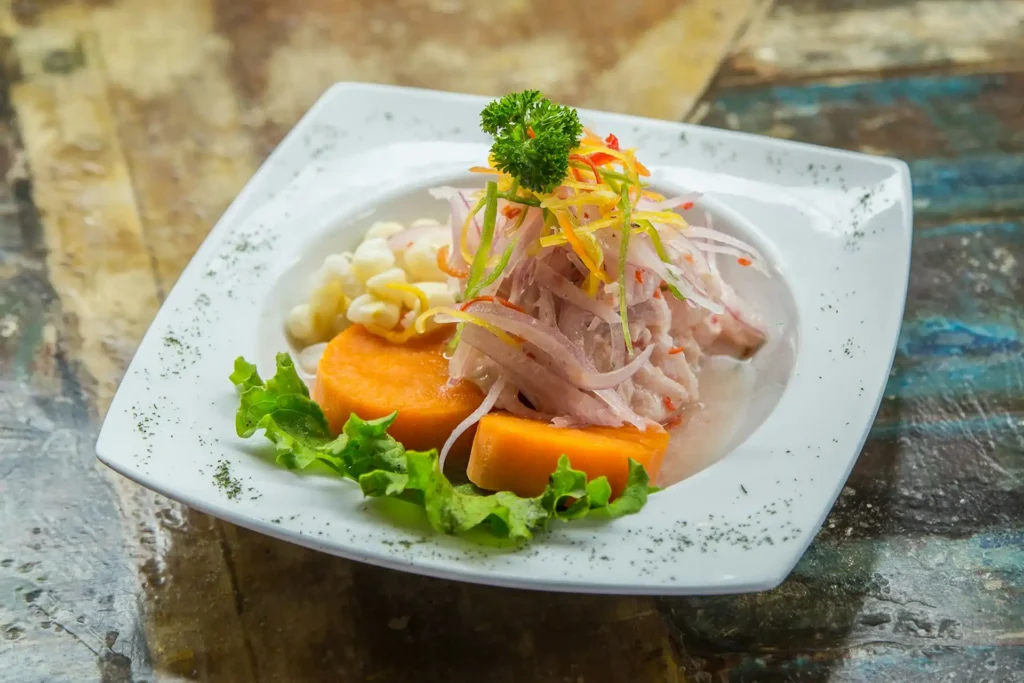
Order the lomo saltado (stir-fried beef with onions, tomatoes, and french fries) with rice. It’s delicious, filling, and cheap. A soup, main course, and a drink will cost you 12 soles ($3.25).
Other good budget options:
- Chifa Unión – Peruvian-Chinese. Chaufa (fried rice) with chicken is 8 soles ($2.20).
- Pankracio – vegetarian-friendly, great quinoa soup for 6 soles ($1.60).
After dinner, go back to your hostel and sleep. Don’t stay up late. Your body needs rest to acclimate.
Day 1 total cost:
- Accommodation: $10
- Food: $6 (juice, empanada, lunch menu)
- Transport: $3 (shared airport taxi, colectivo)
- BTC ticket: $20 (amortized, you’ll use it tomorrow too)
- Total: $39
Day 2: Ollantaytambo, Hidroeléctrica, and Aguas Calientes
Today is a travel day, but it’s also packed with beautiful scenery.
Morning – Colectivo to Ollantaytambo
Wake up early – before 6 AM. Eat a light breakfast at your hostel (most include basic breakfast for free – bread, jam, coffee, tea). If not, grab a couple of tamales or empanadas from a street vendor near Plaza de Armas for 3 soles ($0.80).
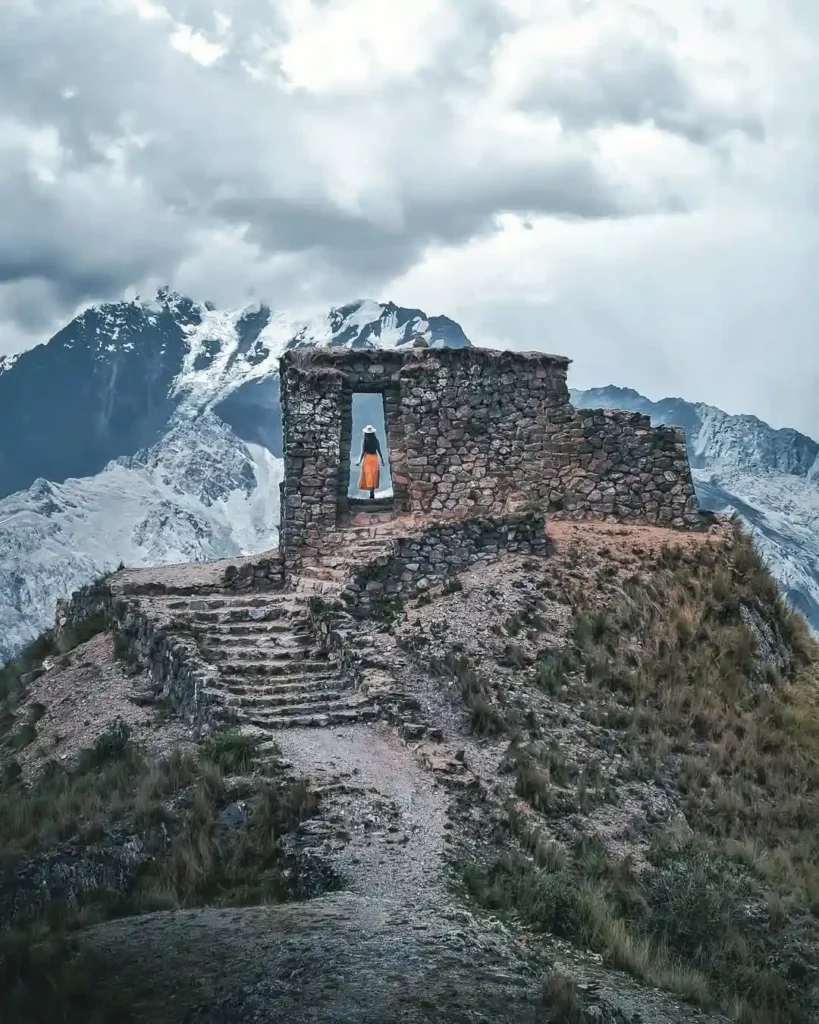
Head to the colectivo station for Ollantaytambo. The colectivos leave from Calle Pavitos, a few blocks west of Plaza de Armas. Look for the signs that say “Ollantaytambo.” The ride takes about 1.5 hours and costs 10 soles ($2.70). Vans leave when they fill up, usually every 20-30 minutes.
Why Ollantaytambo? This town is the gateway to Machu Picchu for budget travelers. It’s also home to some of the most impressive Inca ruins outside of Machu Picchu itself. And it’s much less crowded than Cusco.
Late Morning – Ollantaytambo Ruins
When you arrive, walk toward the main square. The ruins are impossible to miss – a massive terraced hillside rising above the town. Your BTC ticket from Day 1 includes entry to Ollantaytambo, so you don’t have to pay anything extra.
Climb the terraces. It’s steep, so go slow. At the top, you’ll find the Temple of the Sun, a semicircular wall made of perfectly fitted pink granite stones. The view of the Sacred Valley below is breathtaking.
After exploring the ruins, walk down and wander the town’s cobblestone streets. Ollantaytambo is unique because it retains the original Inca city layout – houses, canals, and plazas built on top of Inca foundations.
Lunch in Ollantaytambo: Find El Chuncho, a small family-run restaurant on the main drag. They serve trucha (trout) from the local river for 18 soles ($5) – that’s a whole fish, plus potatoes, rice, and salad. If you’re adventurous, try cuy (guinea pig) for 25 soles ($7). It tastes like a cross between chicken and rabbit. The locals love it.
Afternoon – Colectivo to Hidroeléctrica
Here’s the budget hack that saves you $50-80. Instead of taking the expensive PeruRail train from Ollantaytambo to Aguas Calientes, you’re going to take a colectivo to Hidroeléctrica and then walk the remaining two hours along the train tracks.
From Ollantaytambo, find the colectivo for Hidroeléctrica. They leave from the same area you arrived. The ride is 4 hours and costs 40 soles ($11). The road is mostly unpaved and bumpy, but the views are incredible – forests, rivers, and snow-capped mountains.
You’ll arrive at Hidroeléctrica around 3 PM. This is a small power plant and a train stop. From here, the walk to Aguas Calientes is 10 kilometers (6.2 miles) along the railroad tracks. It’s flat, easy, and stunning. You’ll follow the Urubamba River, pass through a lush canyon, and see jungle vegetation. Give yourself 2 to 2.5 hours.
Bring a headlamp or have your phone’s flashlight ready. If you arrive later than 4 PM, the canyon gets dark quickly. A small headlamp is very useful here.
Pro Tip
Important safety note: This walk is used by hundreds of budget travelers every day. It is safe, but you must stay aware of oncoming trains. Trains come every 30-60 minutes. Step off the tracks onto the side – there’s plenty of space. Wear sturdy shoes. The tracks can be slippery in the rain.
Evening – Arrive in Aguas Calientes and Prepare for Machu Picchu
You’ll arrive in Aguas Calientes (also called Machu Picchu Town) between 5:30 and 6 PM. The town is small, touristy, and lively. You’re here for one reason – to see Machu Picchu tomorrow morning.
Where to stay in Aguas Calientes on a budget: Hostel Machu Picchu Home is my top pick. It’s basic but clean, with hot showers, and a dorm bed costs $12. The owner is very friendly and can store your luggage while you’re at Machu Picchu. Other budget options are Ecopackers Machu Picchu ($10 dorm) and Hostal Tika Wasi ($15 dorm).
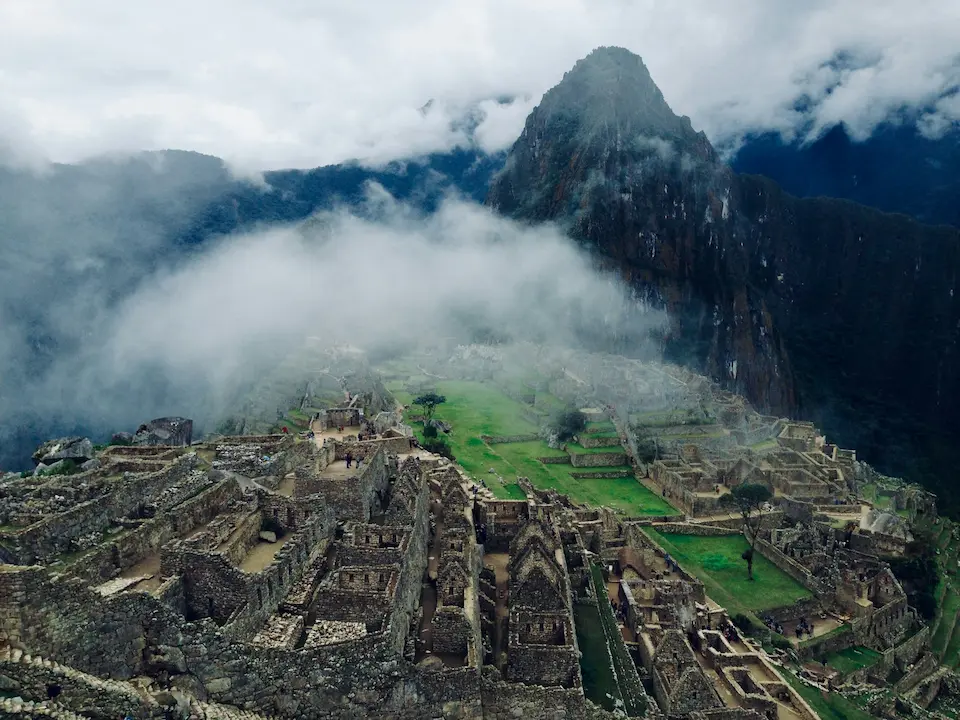
Before dinner, go to the Machu Picchu ticket office (near the train station) to pick up your ticket if you haven’t printed it. You should have booked online in advance. The standard Machu Picchu entry ticket (Circuit 2) costs 152 soles ($40). You’ll need your passport. Book at least 3-4 weeks ahead – they sell out, especially in dry season.
Dinner in Aguas Calientes: Avoid the expensive tourist restaurants on the main square. Instead, go to the market area behind the train station. There are small food stalls serving a menú for 15-20 soles ($4-5.50). Look for Restaurante Mary – they do a good aji de gallina (creamy chicken stew). If you want a slightly nicer meal, Indio Feliz is famous but expensive (30-40 soles). Skip it.
What to do tonight: Buy water and snacks for tomorrow morning. Pack your day bag – you’ll leave your main luggage at the hostel. Charge your phone and camera. Go to bed early. You’ll need to wake up around 4 AM.
Day 2 total cost:
- Accommodation: $12
- Food: $8 (breakfast, lunch, dinner)
- Transport: $14 (colectivo to Ollantaytambo + to Hidroeléctrica)
- Machu Picchu ticket: $40 (one-time cost for tomorrow)
- Total: $74
Day 3: Machu Picchu – The Main Event
This is the day you came for. It will be tiring but unforgettable.
Morning (4:00 AM – 6:00 AM) – Getting to Machu Picchu
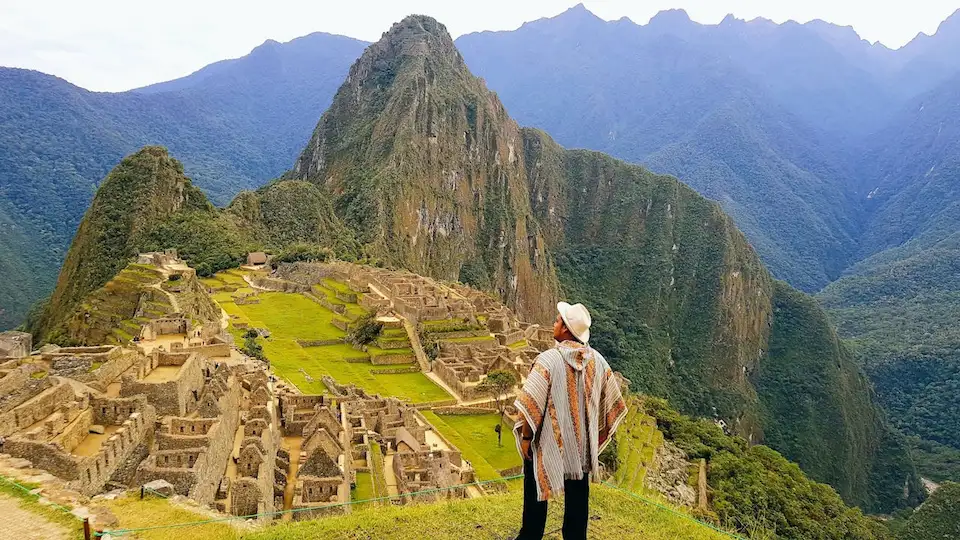
Wake up at 4 AM. Get dressed, grab your day bag (water, snacks, rain jacket, camera, passport, Machu Picchu ticket). Leave your main luggage at the hostel.
You have two options to get from Aguas Calientes to the entrance of Machu Picchu:
Option 1 (budget, free, good exercise): Hike up. The path starts at the north end of town, near the bridge. It’s 1.5 hours of steep stairs, switchbacks, and stone steps. It’s hard – especially at altitude – but it’s free, and you arrive before the buses.
You’ll have the first light almost to yourself. This is what I did. Bring a small hiking water bottle. Start walking by 4:30 AM at the latest.
Option 2 (expensive, easier): Take the bus. The buses leave from the main square starting at 5:30 AM. A round-trip ticket costs $24. The ride takes 25 minutes. If you’re already tired or have mobility issues, take the bus. But it will eat up a big chunk of your budget.
Don’t Miss Out

My advice: hike up. It’s part of the experience. You’ll be sweating and breathing hard, but when you arrive and turn around to see the sun rising over the mountains, you’ll feel like a warrior.
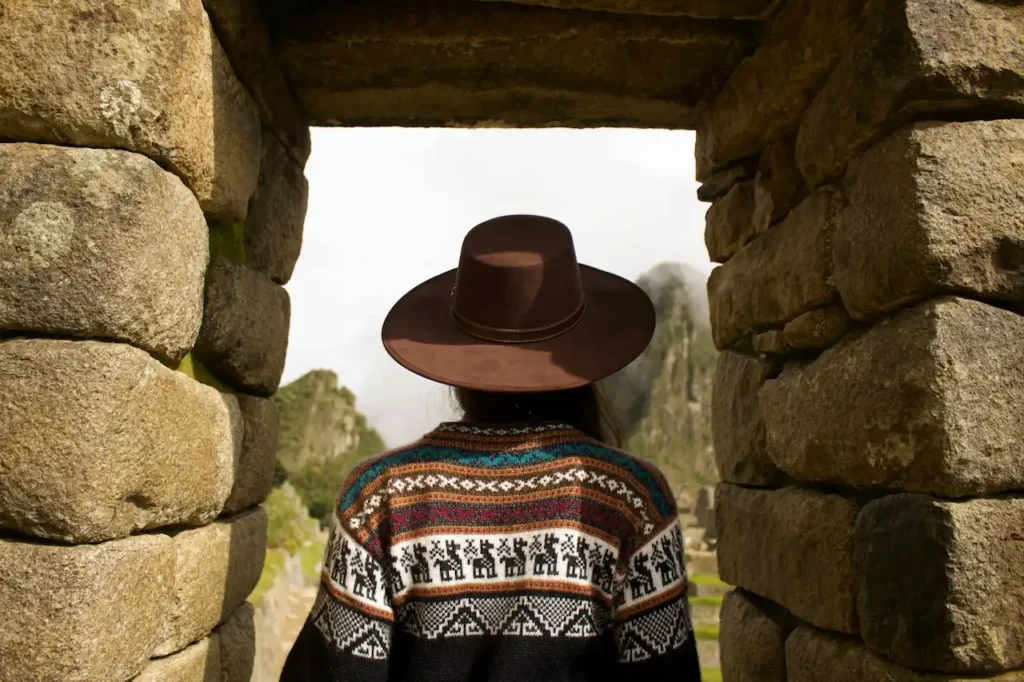
6:00 AM – Enter Machu Picchu
At the entrance, they will check your ticket and passport. Make sure the name on your ticket matches exactly. Guides are available at the gate – you can join a group tour for 40 soles ($11) per person. I highly recommend this.
A guide will explain the history and the architecture, and point out details you would miss on your own. The tour lasts about 2 hours. After that, you can explore on your own.
What to see inside Machu Picchu (Circuit 2 – Classic Route):
Follow the marked route. You’ll pass:
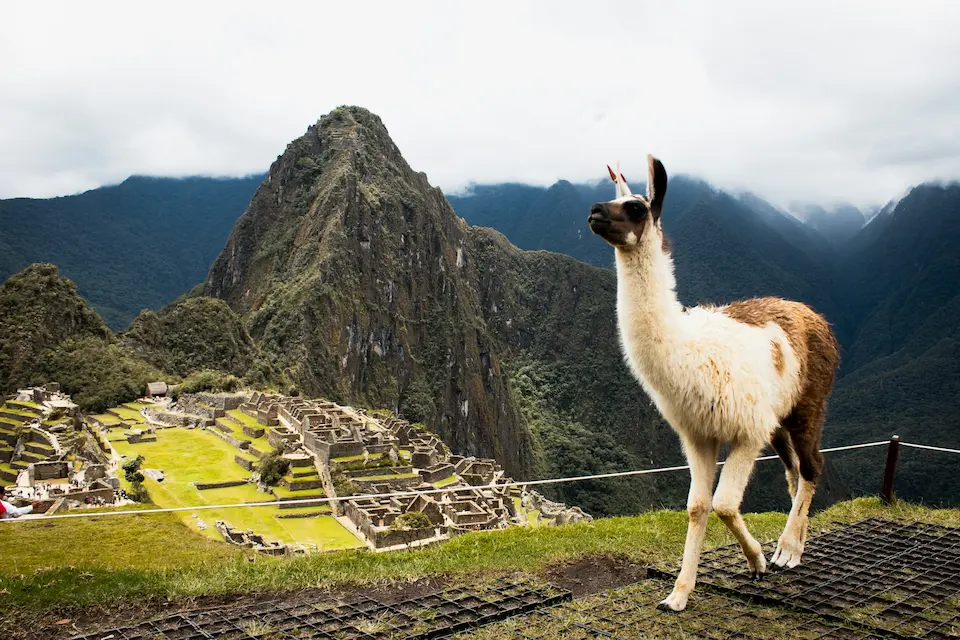
- The Guardian’s House – The classic postcard view. Go here first, before the crowds arrive.
- The Main Plaza – The central open area.
- The Temple of the Sun – A semicircular tower aligned with the solstices.
- The Intihuatana – The ritual stone that served as a solar clock. You’re no longer allowed to touch it, but you can admire it.
- The Temple of the Three Windows – One of the most important structures, facing the rising sun.
- The Sacred Rock – A large carved stone shaped like the mountain behind it.
If you booked Huayna Picchu or Machu Picchu Mountain: Those tickets are separate (an extra $15) and give you a strenuous 1-2 hour hike to a higher viewpoint. I personally don’t recommend it for this budget itinerary – the main citadel is plenty, and the extra money can be spent elsewhere. But if you’re an avid hiker, book it well in advance (they sell out months ahead).
Noon – Return to Aguas Calientes
Spend about 3-4 hours inside the citadel. By noon, you’ll likely be tired, hungry, and ready to go.
Hike down (30 minutes, easy) or take the bus down ($12 one way). I hiked down – it’s much easier than going up. Have lunch in Aguas Calientes at one of the market stalls ($5). Then start your return journey.
Afternoon (2 PM) – Walk Back to Hidroeléctrica
The walk from Aguas Calientes to Hidroeléctrica is the same 2-hour path along the train tracks. Leave by 2 PM at the latest to ensure you arrive before dark. You’ll be tired, but the walk is flat and beautiful.
Late Afternoon (4:30 PM) – Colectivo Back to Cusco
At Hidroeléctrica, colectivos back to Cusco leave from the same spot. They usually depart between 4 and 5 PM. The ride costs 40 soles ($11) and takes 4 hours. You’ll arrive in Cusco around 9 PM.
Evening – Dinner and Collapse
Take a taxi or walk to your hostel (back to Pariwana or wherever you’re staying). Eat something quick – a tamale or salteña from a street cart for 3 soles ($0.80) – then sleep. You’ve earned it.
Day 3 total cost:
- Accommodation: $10
- Food: $8
- Transport: $11 (colectivo back) + $0 (hiked both ways)
- Guide: $11 (optional but recommended)
- Total: $40
Day 4: Explore Cusco – Walking Tour, Museums, and Sunset
You’ll likely be sore and tired today. That’s fine. Today is a light day, mostly walking and resting.
Morning – Free Walking Tour of Cusco
Join a free walking tour of Cusco. The best one leaves from Plaza de Armas (in front of the cathedral) at 10 AM and 2 PM daily. Look for a guide with a red or blue shirt. The tour lasts about 2.5 hours and covers the main square, the Inca walls, the San Blas neighborhood, the 12-angled stone, and a few hidden alleys.
At the end of the tour, you tip the guide. The standard tip is 20-30 soles ($5-8) per person. It’s well worth it – you’ll learn a ton and get great photo spots.
Lunch – Mercado San Blas
Walk to Mercado San Blas, which is smaller than San Pedro but has better seafood (oddly enough). Order ceviche – fresh fish marinated in lime juice with red onions and corn. A full plate costs 15 soles ($4). The jugo de aguaje (a tropical fruit) is also delicious.
Afternoon – Qorikancha and Museums
Use your BTC ticket from Day 1 to visit Qorikancha (the Temple of the Sun). It’s located on Avenida El Sol, about a 10-minute walk from Plaza de Armas. This was the most important temple in the Inca Empire, covered in gold sheets before the Spanish stripped it.
They built a church on top of the Inca foundations, and you can see the incredible contrast of construction styles.
Then visit two free museums:
- Museo de la Coca – learn about the history and uses of coca leaf (free, donations suggested). It’s small but fascinating.
- Museo Inka – if you still have time, this costs 10 soles ($2.70) and has excellent Inca artifacts, including mummies and gold pieces.
Late Afternoon – Cristo Blanco (White Christ)
Around 5 PM, start the short hike up to Cristo Blanco. The statue is similar to the one in Rio but smaller. From Plaza de Armas, walk up the street called Calle Suecia (yes, “Sweden Street”) until you reach a dirt path. It’s a 20-minute uphill walk.
The reward is a spectacular view of Cusco at sunset. The city glows orange and gold. Bring your camera.
Evening – Chifa Dinner
For your last dinner in Cusco, eat at a chifa – Peruvian-Chinese fusion, a legacy of Chinese immigration to Peru. Chifa San Joy Lao is my choice. It’s near the Santa Catalina convent.
Order chaufa de pollo (chicken fried rice) – a huge plate for 10 soles ($2.70). Add a sopa wonton for 5 soles ($1.35). The portions are enormous, so you might not finish.
Don’t Miss Out

Day 4 total cost:
- Accommodation: $10
- Food: $8
- Transport: $0 (walking)
- Walking tour tip: $7
- Museums: $2.70 (optional Inka Museum)
- Total: $27.70
Day 5: Rainbow Mountain or Relax in Cusco
You have two very different options depending on your energy level and budget. Both will leave you with a full day before your evening flight.
Option A: Rainbow Mountain (Vinicunca) – Adventure and Colors
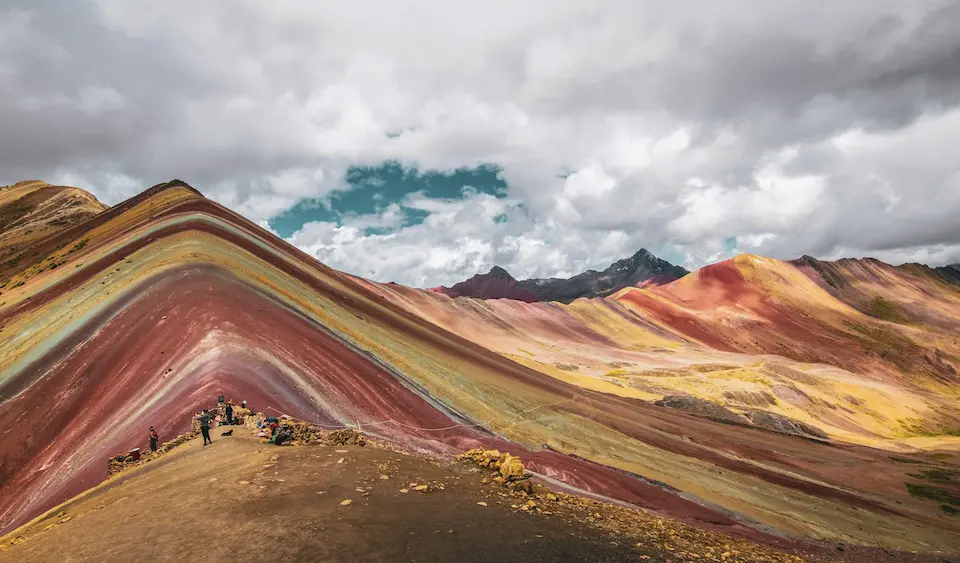
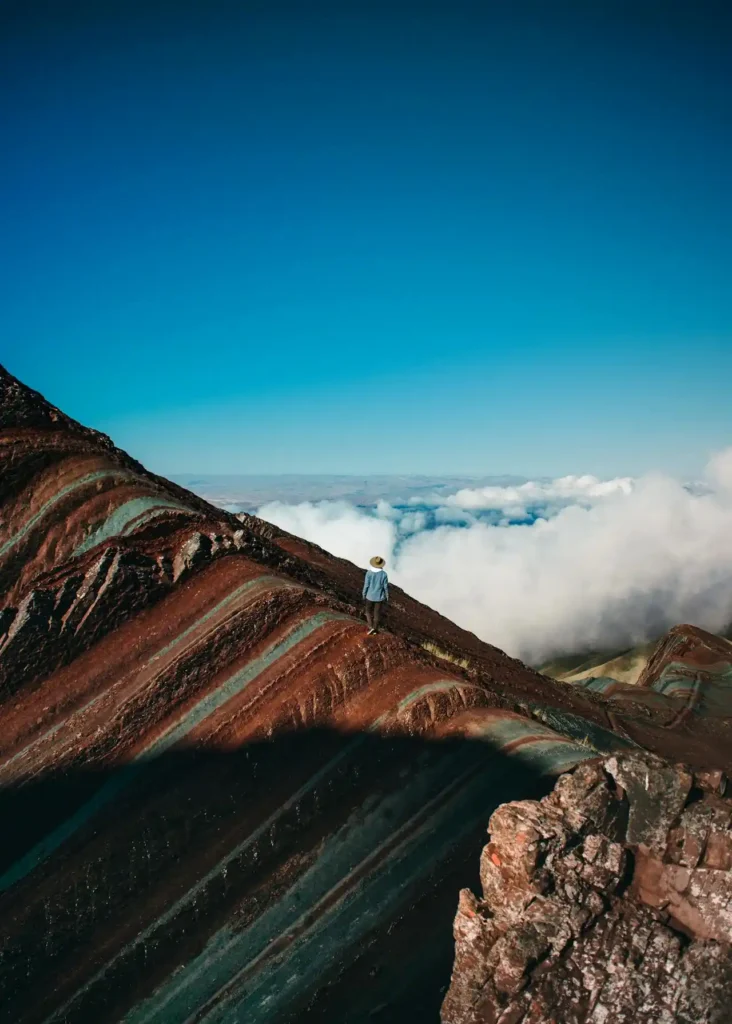
This is one of the most famous day trips from Cusco. You’ll hike to 5,200 meters (17,000 feet) to see a mountain striped with red, pink, green, and yellow minerals. It’s spectacular.
Tour details: You can book a budget Rainbow Mountain tour from any travel agency in Cusco. The standard price for a group tour is 70 soles ($20). This includes round-trip transport, a basic breakfast, a basic lunch, and a guide on the mountain. The entry fee to the mountain is an additional 20 soles ($5.50) paid at the trailhead. Total: 90 soles ($25.50).
The tour picks you up from your hostel around 4 AM. The drive is about 2.5 hours to the trailhead. You’ll eat breakfast (bread and jam, hot tea). Then you start hiking.
The hike is 2 hours up, 1.5 hours down (6 km round trip). The altitude is brutal. You will feel dizzy and out of breath. Go very slowly. You can rent a horse to take you most of the way up for 50 soles ($13.50) – many people do this, and it’s worth it if you’re struggling. The horses don’t go all the way to the top – you still have to walk the last 15 minutes.
At the top, the view is otherworldly. The striped mountain is right in front of you, with snow-capped peaks in the distance. You’ll have about 20 minutes to take photos before the guide herds you down.
You arrive back in Cusco around 5 PM.
Option A total cost: $25.50 (tour + entry) + $13.50 (horse rental, optional) = $25.50-39
Option B: Relax in Cusco – Cheap and Easy
If you’re too tired or want to save money, spend the day in Cusco:
- Sleep in – you’ve earned it.
- Visit the Museo del Pisco (free) and try a pisco sour sample (or pay 5 soles for a full one).
- Shop at San Pedro Market for souvenirs: alpaca scarves ($5), chullo hats ($4), or a small painting ($10). The price is always negotiable.
- Eat a massive pachamanca – a traditional Andean meal cooked in an earth oven. Go to La Cusqueñita near the market. The pachamanca para uno (for one person) costs 25 soles ($7) and includes lamb, chicken, potatoes, sweet potatoes, tamales, and a salsa. It’s huge.
- Walk to the San Blas Viewpoint – a smaller viewpoint than Cristo Blanco but easier to reach. Free.
- Enjoy a free chocolate tasting at the ChocoMuseo (Plaza Regocijo). They give you a sample of raw cacao and a hot chocolate.
Before your flight, pick up your bags from the hostel and take a taxi to the airport (15 soles or $4). Or take a colectivo to the airport (5 soles, $1.35) from near the market.
Option B total cost: $13 (food, souvenirs, transport)
Total Cost for 5 Days in Peru (Including Machu Picchu)
Let’s add everything up, assuming you take Option A (Rainbow Mountain) on Day 5 and you hike both ways to Machu Picchu (no bus) and don’t rent a horse.
- Day 1: $39
- Day 2: $74
- Day 3: $40
- Day 4: $27.70
- Day 5 (Option A): $25.50
- Subtotal ground costs: $206.20
Add the Machu Picchu ticket ($40), already included in Day 2.
Total ground costs: $206.20
That’s significantly less than $500. You have almost $300 left for flights, miscellaneous snacks, and maybe a few souvenirs.
Even if you take the bus to Machu Picchu ($24 round-trip), rent a horse at Rainbow Mountain ($13.50), and add a few nicer meals, you’ll still be well under $300 on the ground. The remaining $200-250 can easily cover your flight to Peru from many US cities (Miami, Fort Lauderdale, Houston, Los Angeles often have flights to Lima for $150-250 round-trip, then a separate flight from Lima to Cusco for $40-60).
Yes, this is real. A 5-day Peru itinerary under $500 including Machu Picchu is absolutely possible.
Where to Eat on a Budget – Best Menú del Día Spots
Here’s my personal list of the most delicious, cheapest meals in Cusco and the Sacred Valley:
- San Pedro Market (Cusco): Stall #99 – best chicharrón. Stall #47 – best ceviche. Stall #113 – best empanadas.
- La Chomba (Cusco): Lomo saltado for 12 soles.
- Chifa San Joy Lao (Cusco): Chaufa for 10 soles.
- Mercado San Blas (Cusco): Ceviche de trucha (trout ceviche) for 15 soles.
- El Chuncho (Ollantaytambo): Trucha a la plancha for 18 soles.
- Aguas Calientes market: Menú del día behind the train station for 15 soles.
How to Move Between Destinations
- Cusco to Ollantaytambo: Colectivo from Calle Pavitos, 10 soles, 1.5 hours.
- Ollantaytambo to Hidroeléctrica: Colectivo from the same area, 40 soles, 4 hours.
- Hidroeléctrica to Aguas Calientes: Walk the train tracks, 10 km, 2 hours, free.
- Aguas Calientes to Machu Picchu entrance: Hike (free, 1.5 hours) or bus ($12 one way).
- Hidroeléctrica to Cusco: Colectivo, 40 soles, 4 hours, arrives around 9 PM.
- From Cusco to Rainbow Mountain: Tour bus (included in tour), 2.5 hours each way.
Best Time of Year for This Peru Itinerary
As mentioned earlier, May through September is ideal. But let me add more nuance:
- May: Green landscapes, the rainy season just ended, flowers blooming, fewer crowds than June/July.
- June: Absolutely dry, sunny, but busy. The Inti Raymi festival (June 24) is amazing but also means higher prices.
- July and August: Peak season. Machu Picchu tickets sell out weeks in advance. Rainbow Mountain is crowded. But the weather is perfect.
- September: Still dry, but crowds start to thin. Great balance.
- October: A bit of rain, but cheaper and still beautiful.
- November to March: Rainy season. The Hidroeléctrica walk is muddy, views from Machu Picchu might be cloudy, and Rainbow Mountain might be closed due to snow. That said, you’ll have the ruins almost to yourself and pay 20-30% less.
Don’t Miss Out
Common Mistakes to Avoid
- Not booking Machu Picchu in advance. I saw people crying at the ticket office because they flew 10 hours and couldn’t get in. Book at least 3-4 weeks ahead, 2 months if you want Huayna Picchu.
- Flying to Cusco and immediately hiking Rainbow Mountain. That’s how you get severe altitude sickness. Give yourself at least two days to acclimate.
- Paying for the Vistadome train. It’s double the price of the Expedition train and triple the colectivo+walk. The views from the walk are better because you’re outside.
- Drinking tap water. Don’t. Even locals buy bottled or filtered. A water bottle with a built-in filter is a good investment.
- Exchanging money at the airport. The rate is terrible. Withdraw soles from an ATM in Cusco or exchange at a casa de cambio in the city center.
- Forgetting to validate your BTC ticket. At each site, they stamp it. Keep it safe – you’ll need it multiple times.
Is This 5 Day Peru Itinerary for You?
This itinerary is not for luxury travelers. You’ll sleep in dorm rooms, eat at market stalls, walk along train tracks, and wake up at 4 AM. But you’ll also see one of the world’s greatest wonders without going broke.
I’ve met people who spent $1,500 on a “luxury” 4-day trip to Machu Picchu and ended up with the same photos and memories as I did. The difference is that I spent that extra money on more months of travel.
So if you’re a budget traveler, a backpacker, a student, or just someone who refuses to overpay, follow this Peru vacation itinerary. You’ll come home with a full camera roll, a happy wallet, and stories that will impress even the most well-traveled friends.
Your 5-day trip to Peru is waiting. Book that flight. Pack your hiking boots. And get ready for the adventure of a lifetime.
Safe travels,
A fellow budget traveler
