12 Thailand Travel Truths Nobody Tells You Until You Arrive
Know these insider truths before you go and travel Thailand with fewer surprises

- This article contains affiliate links. I may receive a commission if you purchase from them, at no extra cost to you.
Thailand has a way of welcoming you with open arms. The smile of a street vendor, the scent of lemongrass drifting from a food stall, the golden glow of a temple at sunset—it’s a country that feels almost too beautiful to be real. But beneath the postcard perfection, there’s a set of unwritten rules, cultural quirks, and practical realities that nobody puts in the travel brochures.
I landed in Bangkok for the first time with a backpack full of expectations and a head full of assumptions. Within a week, I had learned more about Thai culture than I had in months of reading. Some lessons were funny. Some were humbling. And some were the kind of things I wish someone had told me before I stepped off the plane.
This isn’t a list of tourist attractions. This is a list of Thailand travel truths that will shape your entire trip—the things I wish I’d known before I arrived.
Here are 12 Thailand travel truths that nobody tells you until you’re already there.
Table of contents ⇅
1. The Heat and Humidity Are a Physical Experience
You think you know heat. You’ve been to Florida. You’ve been to Spain in August. You’ve survived a heatwave back home. But Thailand is different. The humidity wraps around you like a wet blanket the moment you step outside. Within minutes, your shirt is sticking to your back. Within an hour, you’re dreaming of air conditioning.
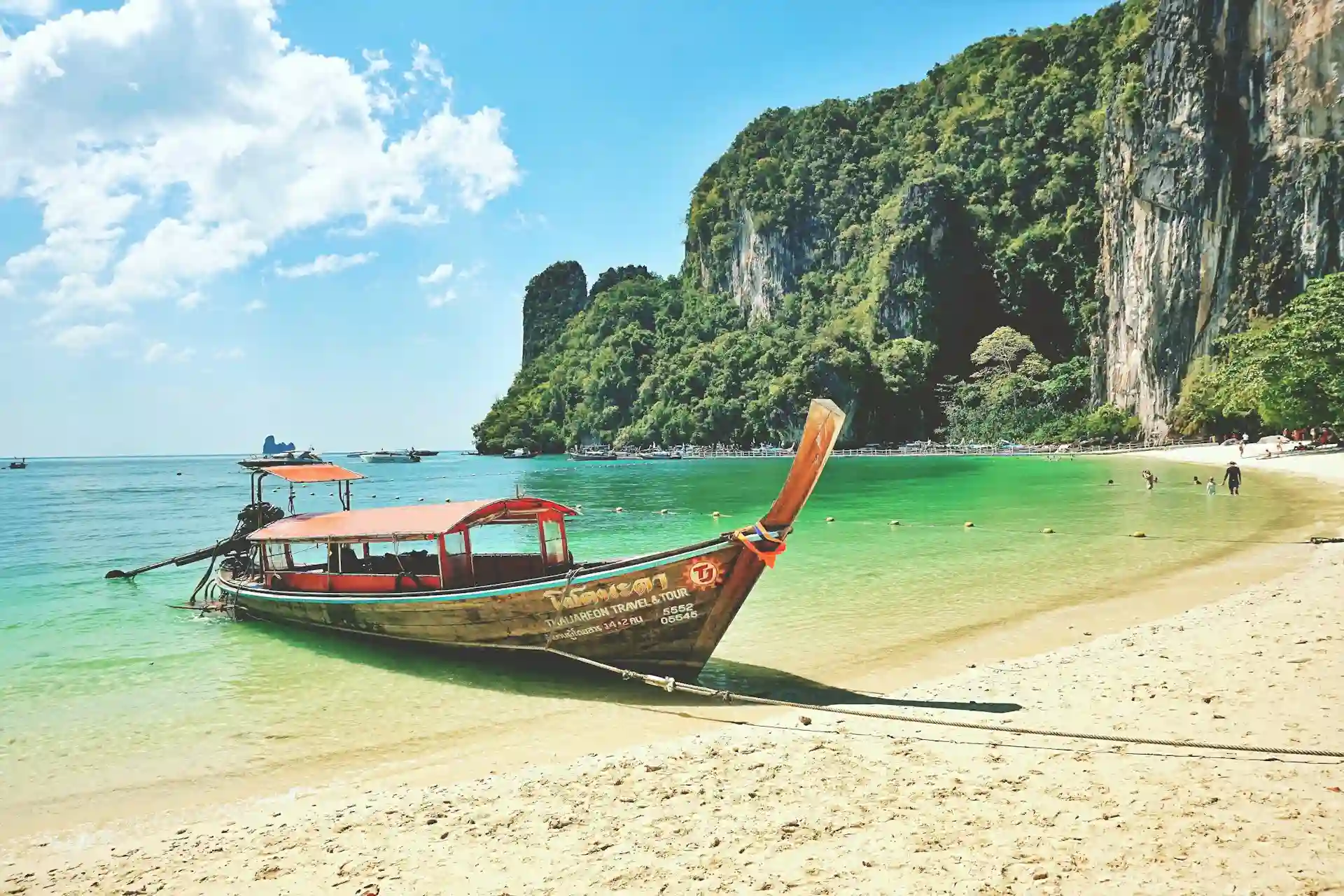
The heat isn’t just a temperature—it’s a presence. It slows you down. It makes you thirsty. It makes you want to lie down in the middle of the day and not move. And here’s the thing nobody tells you: the hottest time isn’t noon. It’s between 2 PM and 5 PM, when the sun has had all day to heat the concrete and the air feels like soup.
How to Survive the Heat
- Do your sightseeing early – before 11 AM or after 5 PM
- Hydrate constantly – but not just with water. You lose electrolytes, so grab a coconut water or a sports drink
- Embrace the midday break – go back to your hotel, take a nap, swim, or just lie in the air conditioning
- Dress for it – loose, light fabrics. Linen is your best friend
The Real Secret
The Thais don’t fight the heat. They live around it. They eat late, they nap in the afternoon, and they stay up late at night. If you want to experience Thailand like a local, don’t fight the rhythm—join it.
Did you know this?
2. Thai Time Is Real—And It’s Not What You Think
You’ll hear the phrase “sabai sabai” a lot. It means relaxed, easygoing, no rush. And it’s not just a phrase—it’s a way of life. Trains run late. Buses leave when they’re full. Tours start a little later than advertised. And nobody seems stressed about it.
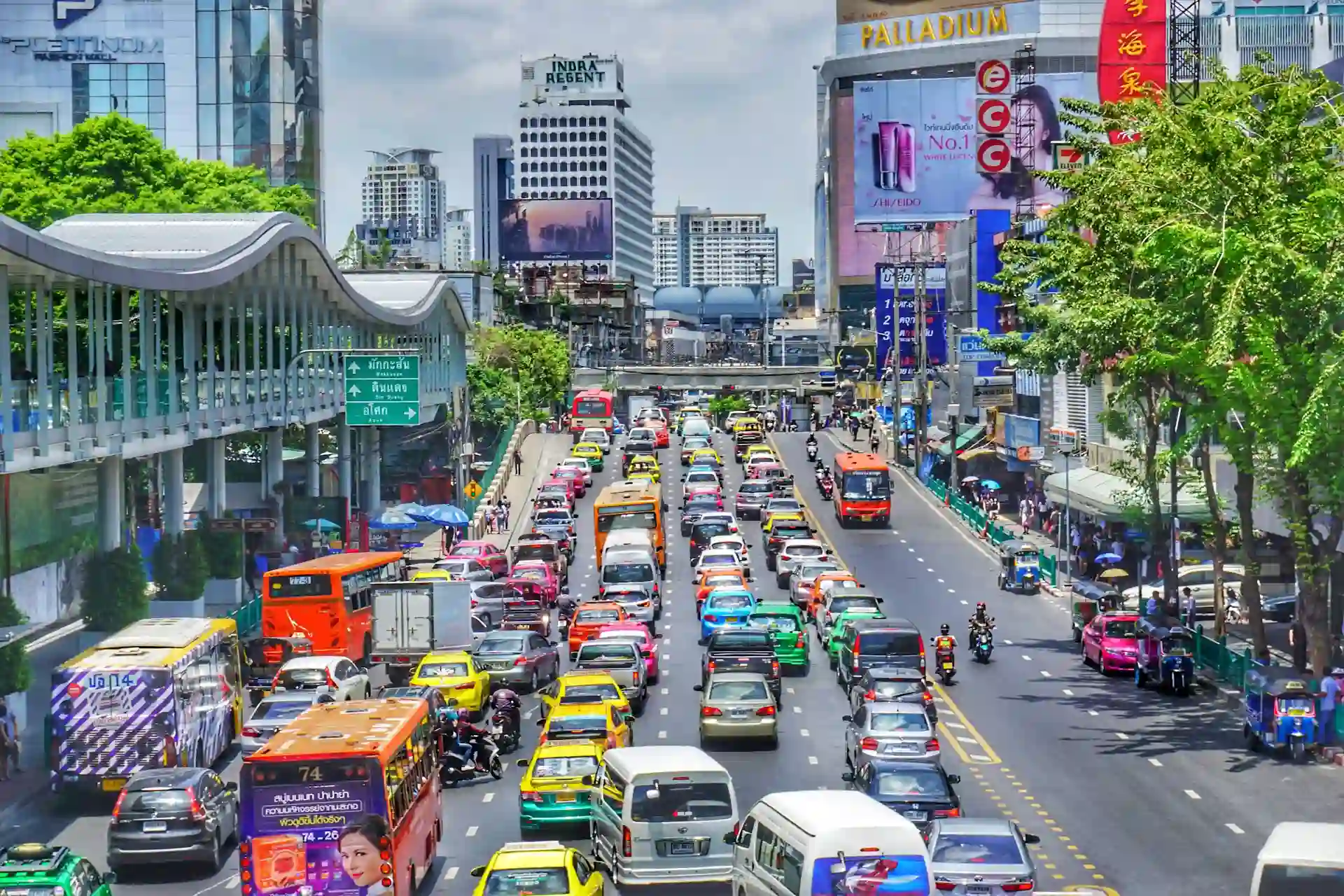
For a Western traveler used to strict schedules, this can be maddening. You’ll show up on time for a tour and wait 30 minutes for it to begin. You’ll be told the bus leaves at 8 AM and find out it actually leaves at 8:45. You’ll learn to build flexibility into every plan.
How to Adapt
- Don’t over-schedule – leave gaps between activities
- Build in buffer time – if a tour says 3 hours, plan for 5
- Learn to enjoy the wait – grab a coffee, people-watch, and relax
- Don’t get angry – getting frustrated won’t make things move faster
The Hidden Gift
Once you embrace Thai time, something shifts. You stop rushing. You start noticing things. You have conversations with strangers. You realize that the best moments of Thailand travel happen in the unscheduled gaps.
Did you know this?
3. You Can’t Drink the Tap Water—But Ice Is Generally Fine
This is one of the first Thailand travel truths you’ll encounter. Don’t drink the tap water. Use bottled or filtered water for drinking and brushing your teeth. But here’s the thing that surprises most people: the ice in your drink is almost certainly safe.
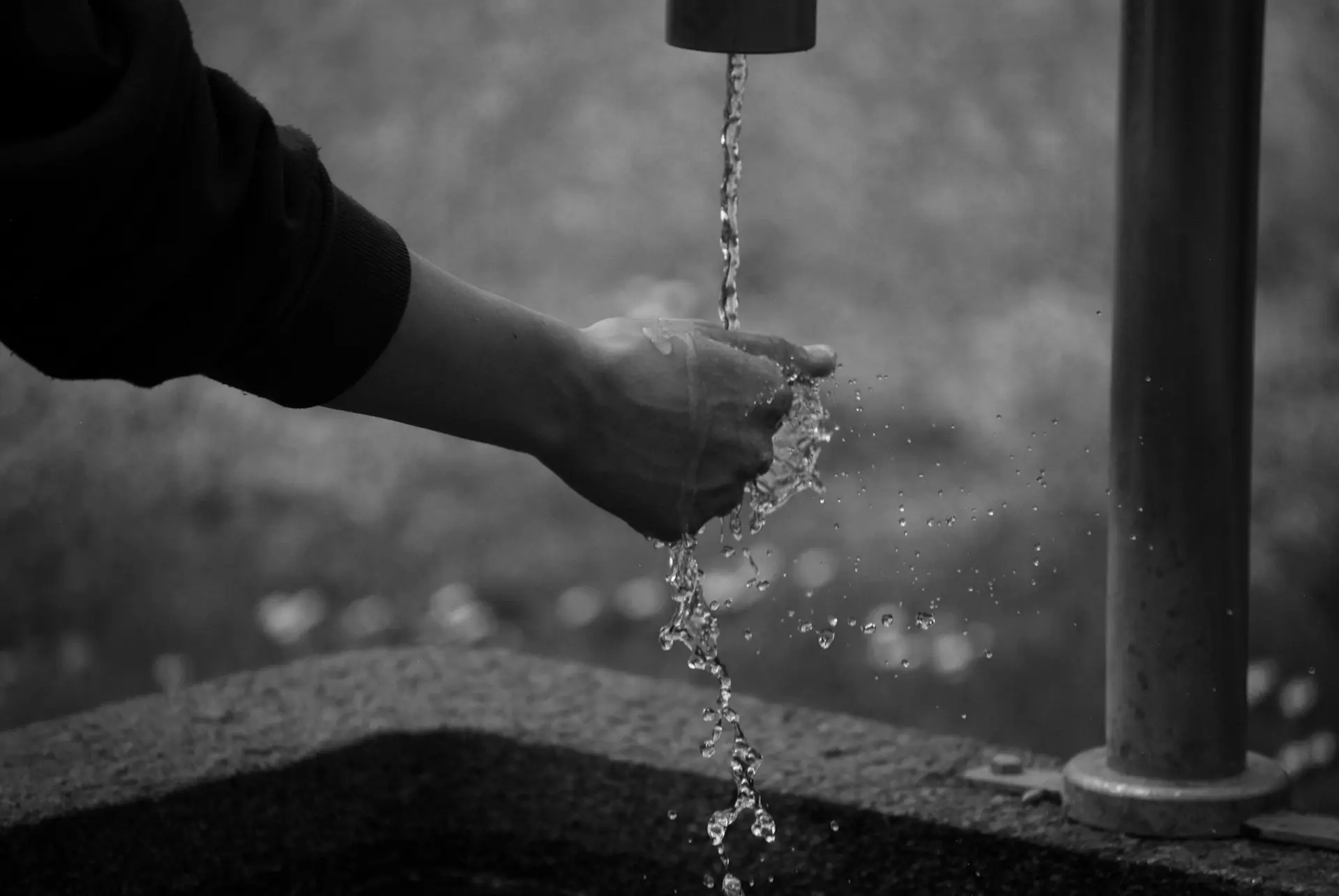
Most ice in Thailand is made in commercial factories and sold in sealed bags. It’s perfectly safe. You’ll see vendors scooping ice into drinks on the street, and it’s fine. The same goes for ice in restaurants and bars.
What to Avoid
- Tap water – don’t drink it, don’t brush your teeth with it
- Ice in remote rural areas – if you’re in a very small village, stick to bottled water
- Raw vegetables – they’re often washed in tap water, so be cautious at street stalls
What’s Safe
- Bottled water – everywhere and cheap
- Ice in cities and tourist areas – made in factories, totally safe
- Fruit juices from street vendors – as long as the ice is from a sealed bag
Did you know this?
4. The Thai Smile Is Not Always What It Seems
Thailand is known as the “Land of Smiles.” And the smiles are real—Thais are genuinely warm and welcoming. But there’s a cultural layer to the smile that visitors often miss. In Thai culture, the smile is also a tool for deflecting conflict, smoothing over awkwardness, and maintaining social harmony.
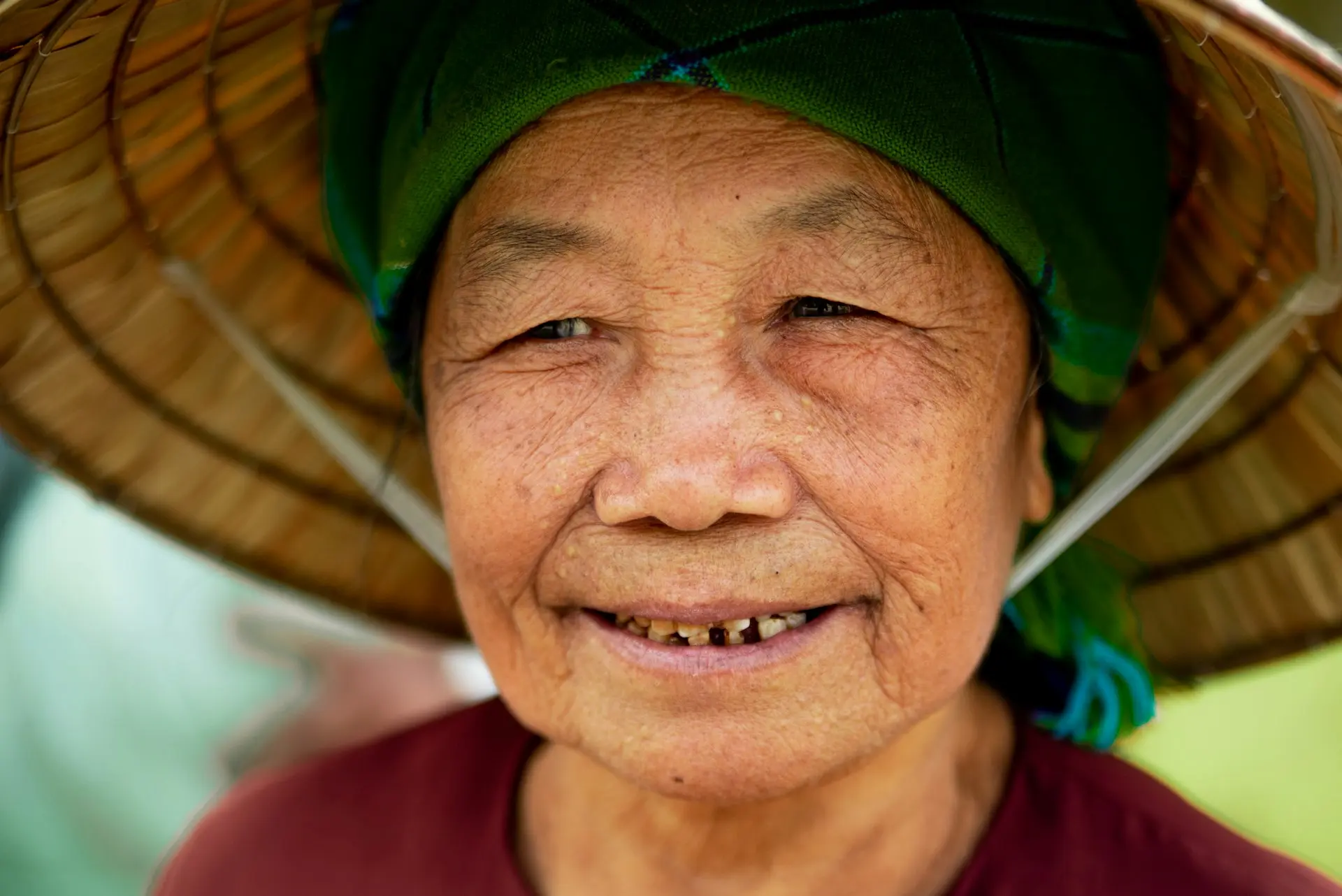
If you’re negotiating a price and the vendor smiles, it doesn’t necessarily mean they’re happy. It might mean they’re uncomfortable. If you’re lost and someone smiles and nods, it doesn’t always mean they understand—it might mean they don’t want to embarrass you by saying no.
What the Smile Really Means
- Genuine happiness – often accompanied by eye contact and relaxed body language.
- Politeness – a way to be respectful even in difficult situations
- Discomfort – a way to avoid conflict or awkwardness
- Confusion – they didn’t understand, but don’t want to say so
How to Read It
Pay attention to the eyes. A genuine smile reaches the eyes. A polite or uncomfortable smile stays on the mouth. And if you’re not sure, ask again in simpler language.
Did you know this?
5. 7-Eleven Is a Cultural Institution
You might think of 7-Eleven as a convenience store. In Thailand, it’s something more. It’s a community hub, a late-night savior, a place where you can get everything from a toasted sandwich to a SIM card to a hangover cure.
Thai 7-Elevens are everywhere. And I mean everywhere. There are over 12,000 of them in the country. You’ll find them on almost every corner in Bangkok, and they’re open 24/7. They’re clean, air-conditioned, and stocked with an incredible variety of food and drinks.
What to Try
- Toasties – grilled sandwiches with cheese, ham, or tuna. They’re a Thai obsession
- Thai tea – the bottled version is sweet, creamy, and delicious
- Dried squid – a popular snack, especially with beer
- Ready meals – they’ll heat them for you. The pad kra pao is surprisingly good
7-Eleven is also your best friend for practical needs. Need a SIM card? They’ve got them. Need a phone charger? They’ve got them. Need a cold towel after a long day? They’ve got them.
Did you know this?
6. Street Food Is Safer Than You Think (If You Know Where to Look)
The idea of eating street food in a foreign country can be intimidating. But in Thailand, the street food is often safer and more delicious than restaurant food. The key is knowing where to eat.
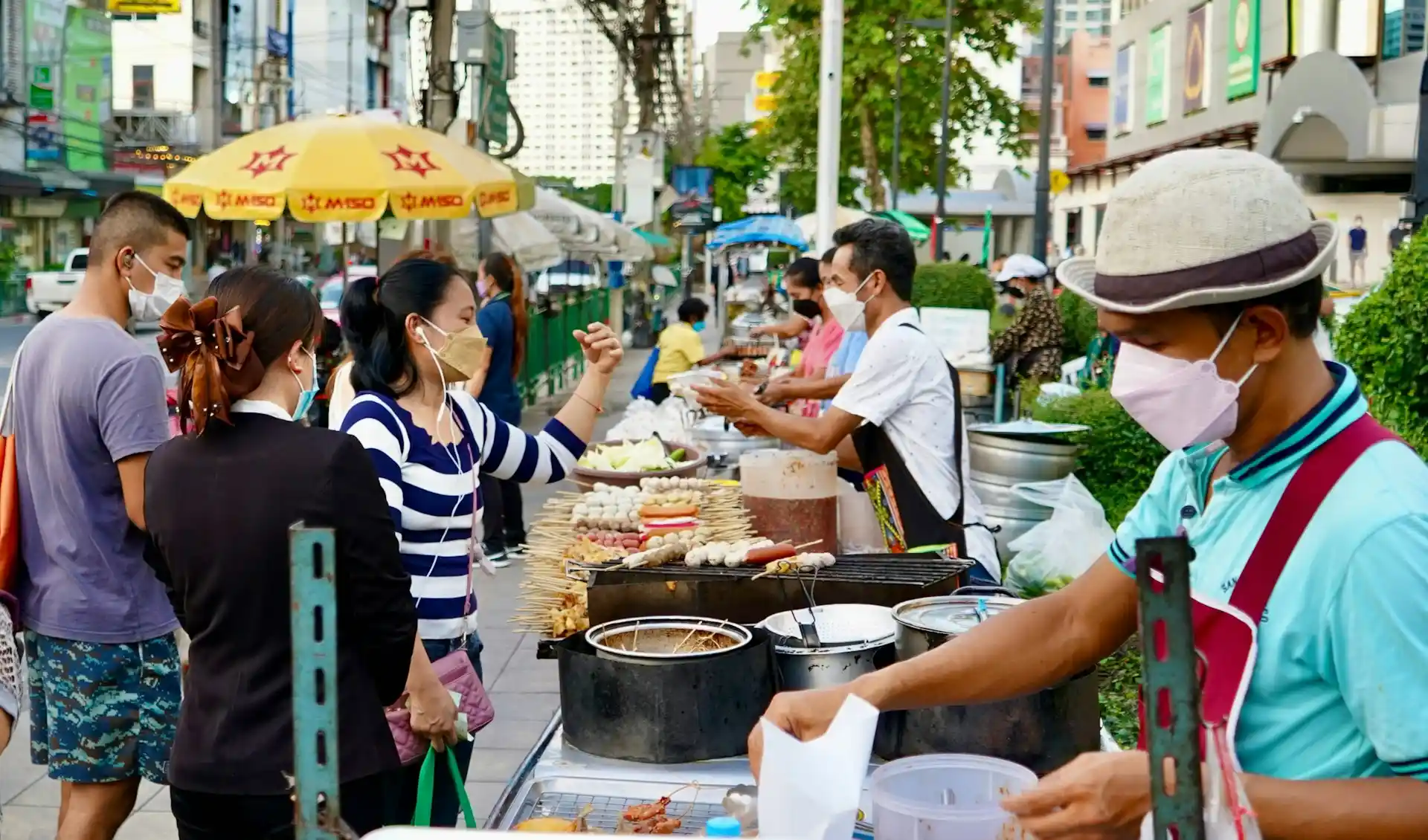
The best rule is simple: eat where the locals eat. If a stall has a long line of Thai people, it’s good. If it’s empty, walk away. The food is cooked fresh, often in front of you, and turnover is high, which means the ingredients are fresh.


How to Choose a Good Street Stall
- Look for a crowd – locals know where the best food is
- Watch the cooking – if it’s cooked fresh in front of you, it’s safe
- Check the turnover – high turnover means fresh ingredients
- Avoid pre-cooked food – if it’s been sitting out, skip it
- Trust your instincts – if it looks dirty, it probably is
What to Try
- Pad Thai – the classic, but try it from a stall, not a restaurant
- Som tam – spicy green papaya salad, made fresh to order
- Moo ping – grilled pork skewers, often served with sticky rice
- Mango sticky rice – the perfect dessert, especially in mango season
Did you know this?
7. The Grand Palace Is Closed” Is Always a Lie
This is one of the most common scams in Bangkok. You’ll be walking toward the Grand Palace, and a friendly stranger will approach you. They’ll tell you the palace is closed today—maybe due to a holiday, a royal ceremony, or a Buddhist festival. Then they’ll offer to take you on a tuk-tuk tour to see other temples instead.
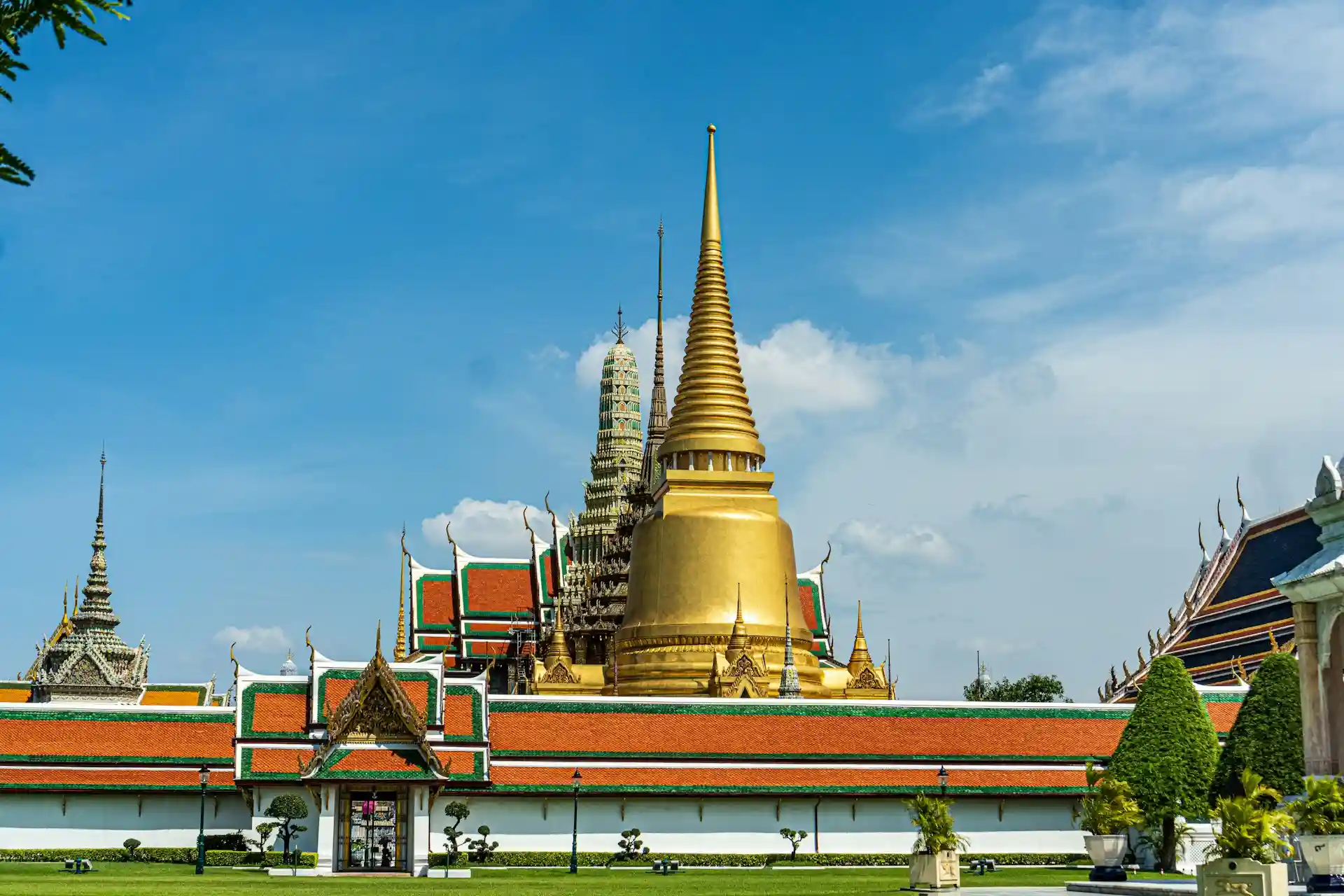
It’s a scam. The Grand Palace is rarely closed. The stranger is working with a tuk-tuk driver, and they’ll take you to overpriced shops and gem stores instead of temples.
How to Avoid It
- Ignore anyone who approaches you near a major attraction – they’re almost always running a scam.
- Check the official hours – the Grand Palace is open every day except certain holidays.
- Walk away – if someone tells you it’s closed, just keep walking
- Don’t take unsolicited tuk-tuk tours – they’re never a good deal
📌 Don’t Miss Out

The Bigger Lesson
This is one of those Thailand travel truths that applies beyond the Grand Palace. If a stranger approaches you with a “great opportunity” or a “special deal,” it’s almost always a scam. Trust your instincts.
Did you know this?
8. Thai Massage Is Not a Spa Treatment—It’s a Workout
If you’re expecting a gentle, relaxing massage as you’d get at a Western spa, you’re in for a surprise. Traditional Thai massage is more like assisted yoga. The therapist will stretch you, bend you, and use their hands, elbows, knees, and feet to apply pressure to your muscles.
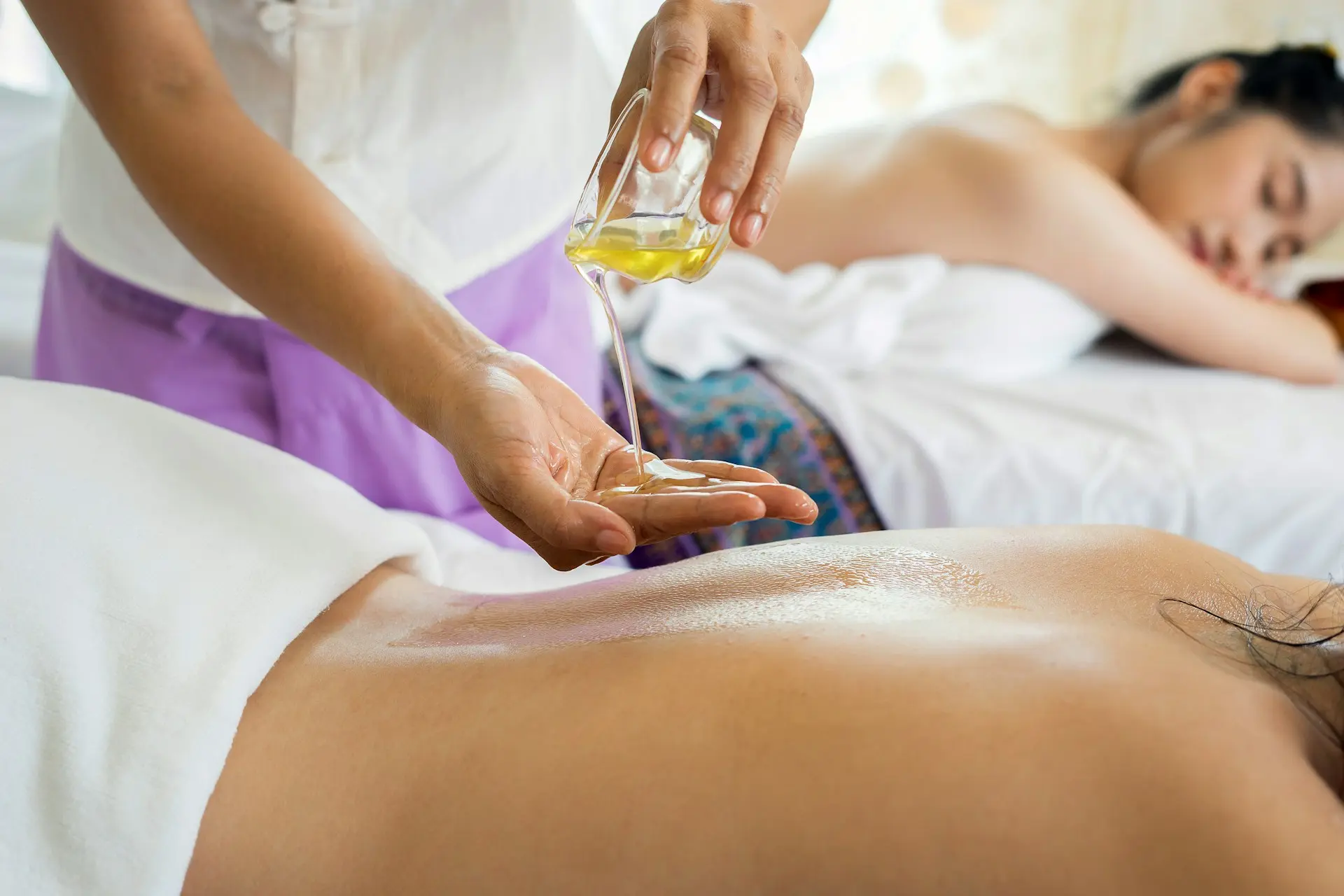
It can be intense. It can be uncomfortable. And it can also be the most incredible physical experience of your trip. After a session, you’ll feel loose, light, and surprisingly energetic.
What to Expect
- You’ll be fully clothed – loose, comfortable clothing is provided, or you can bring your own
- The therapist will use their body weight – it’s not just hands; it’s elbows, knees, and feet.
- It’s a full-body experience – from your toes to your scalp
- It’s not for everyone – if you have injuries or are pregnant, consult a doctor first
How to Choose a Good Massage
- Avoid the touristy areas – they’re often overpriced and lower quality
- Look for a Wat Po–trained therapist – Wat Po is the temple of massage in Bangkok
- Don’t be afraid to ask for less pressure – they’ll adjust
Did you know this?
9. The Islands Have Very Different Personalities
Thailand has hundreds of islands, and they’re not all the same. Some are party islands, some are quiet retreats, some are full of families, and some are almost completely undeveloped. Choosing the wrong island can make or break your trip.
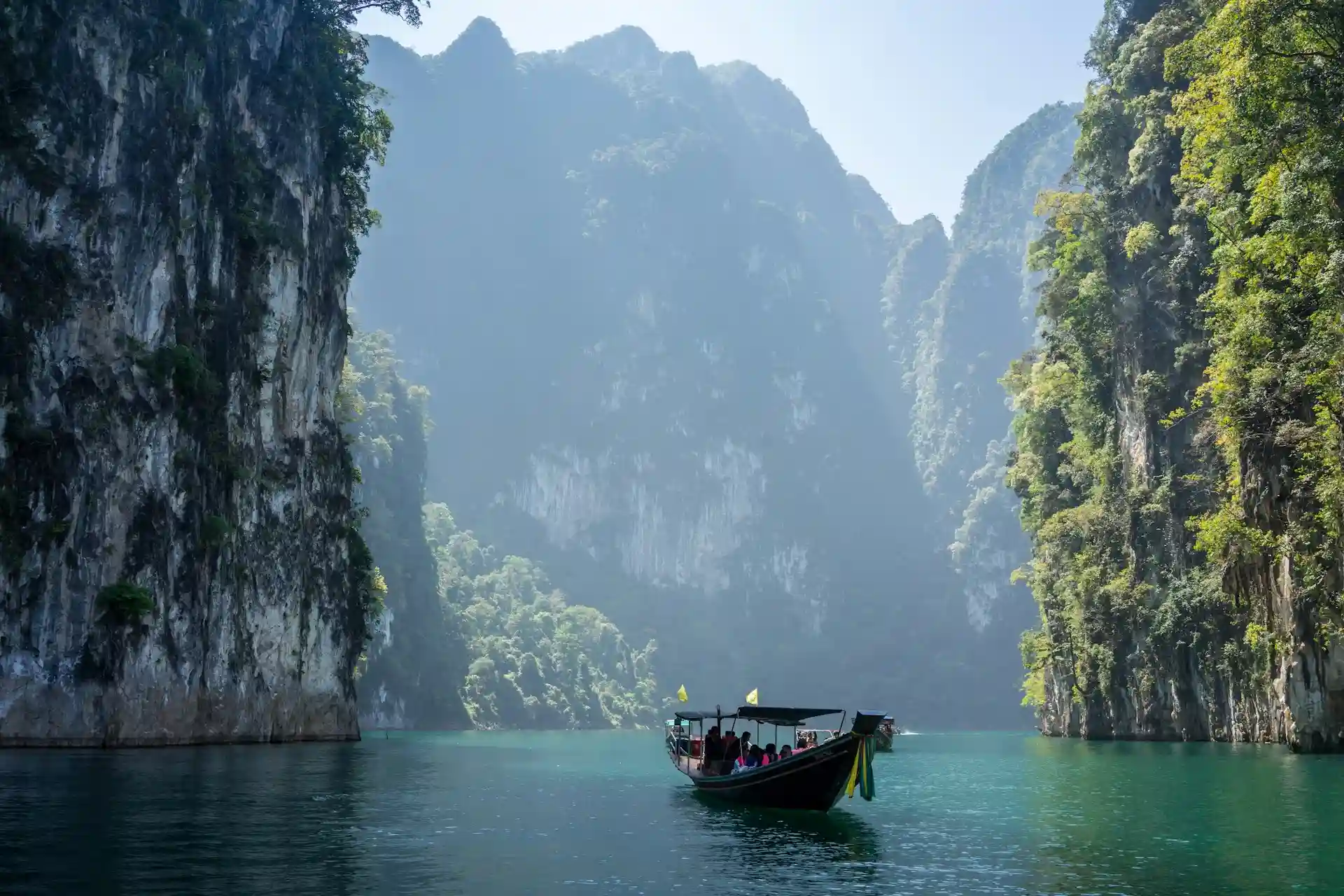
The Main Islands and Their Vibes
- Phuket – the biggest, most developed, and most touristy. Great for families and first‑timers
- Koh Samui – a mix of luxury resorts and local culture. Good for couples
- Koh Phangan – famous for the Full Moon Party, but also has quiet, beautiful beaches
- Koh Tao – the diving capital of Thailand. Perfect for backpackers and divers
- Koh Lanta – laid-back, family-friendly, and relatively undeveloped
- Koh Phi Phi – stunning but crowded. Famous for Maya Bay
How to Choose
- If you want luxury – Koh Samui or Phuket
- If you want to dive – Koh Tao
- If you want to party – Koh Phangan
- If you want peace – Koh Lanta
Did you know this?
10. The Monks Are Not a Tourist Attraction
You’ll see monks in orange robes walking through the streets, especially in the early morning. They’re not there for photos. They’re on their alms rounds, collecting food from the community as part of their daily practice.
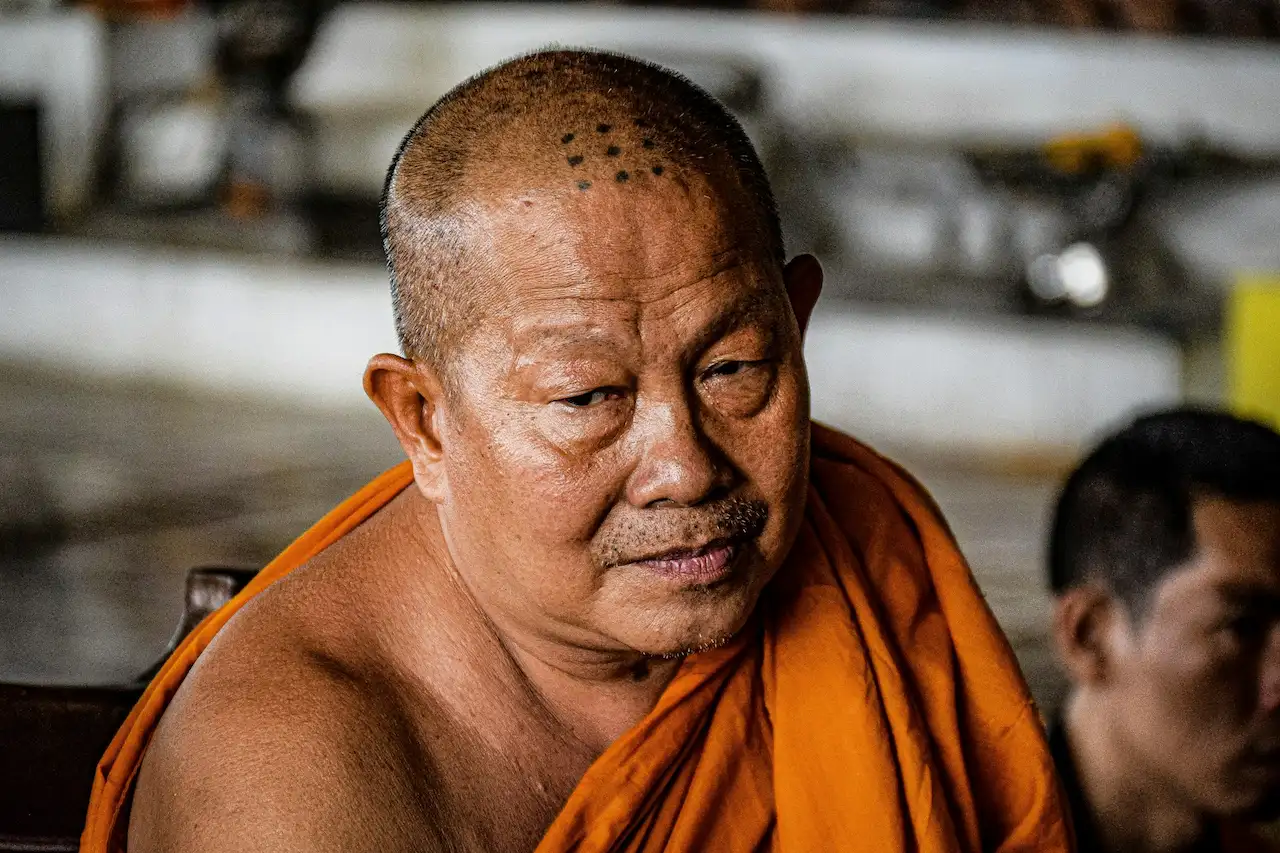
Respecting the monks is part of respecting Thai culture. Don’t take photos of them without asking. Don’t touch them. Don’t stand in their shadow. If you’re a woman, don’t hand anything directly to a monk—place it on a cloth or a tray for them.
How to Show Respect
- Don’t photograph monks without permission – it’s not a photo op
- Keep a respectful distance – especially if you’re a woman
- Don’t touch a monk – especially if you’re a woman
- Don’t point your feet at them or at Buddha images – feet are considered the lowest part of the body.
The Deeper Meaning
These small acts of respect aren’t just about avoiding offense. They’re about understanding that you’re a guest in a culture with different values. The more you respect the culture, the richer your Thailand travel experience becomes.
Did you know this?
11. Your Head Is Sacred—Don’t Touch Anyone Else’s
In Thai culture, the head is considered the most sacred part of the body. It’s also the highest, both literally and symbolically. Touching someone’s head—even a child’s—is considered disrespectful. It’s also considered rude to point your feet at someone, since feet are the lowest part of the body.
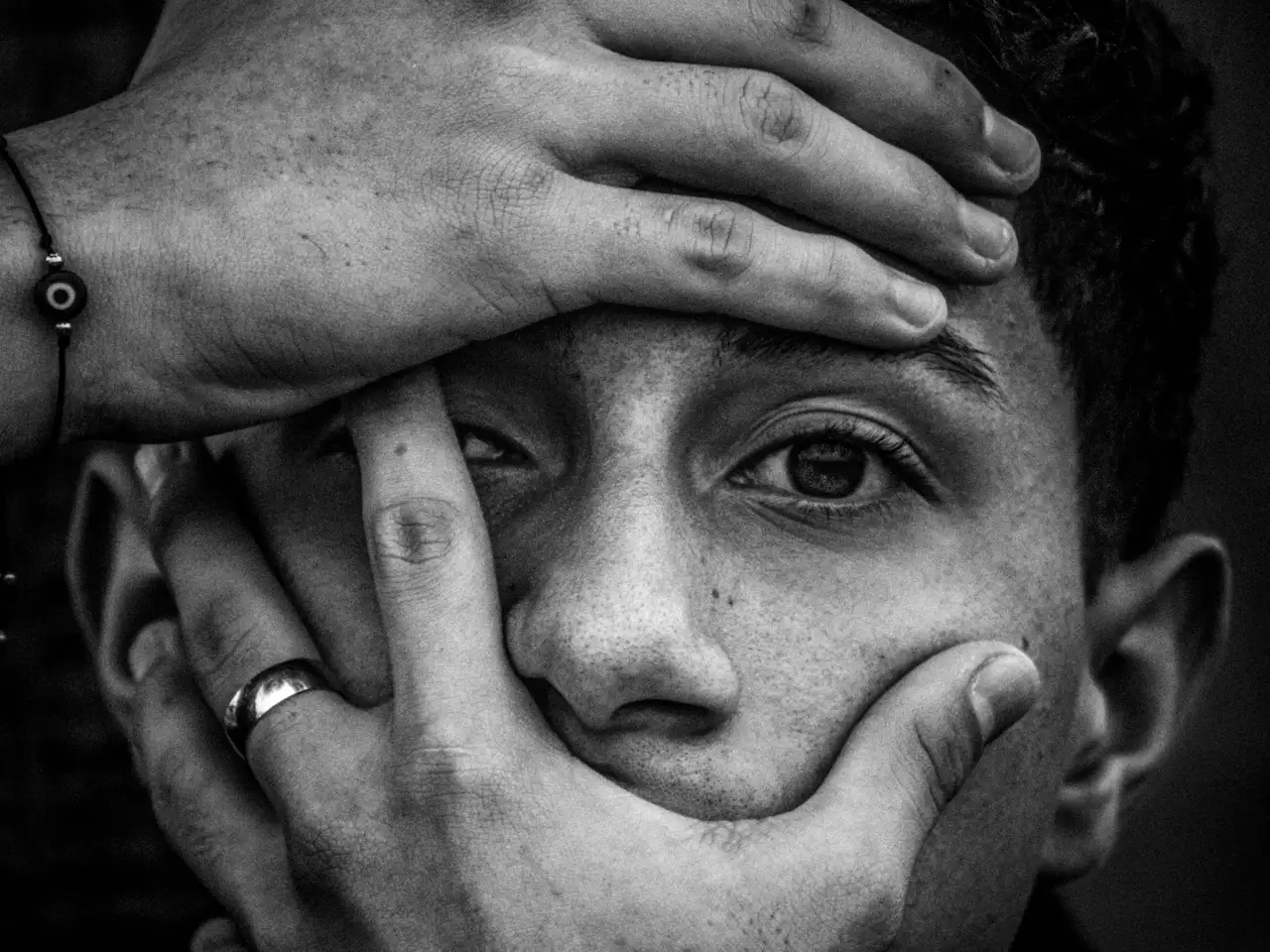
This Thailand travel truth seems small but matters a lot. If you accidentally touch someone’s head, apologize immediately. If you want to give a child a high‑five, do it on the hand, not the head.
What to Avoid
- Don’t touch anyone’s head – not even a child’s
- Don’t point with your feet – point with your hand instead
- Don’t step over someone – walk around them
- Don’t sit with your feet pointing at a Buddha image – it’s considered disrespectful.
Did you know this?
12. You Will Be Asked “Where You From?” a Hundred Times
This isn’t a scam. It’s not a pick‑up line. It’s genuine curiosity. Thai people are incredibly friendly, and they genuinely want to know where you’re from. It’s a conversation starter, a way to connect, and a chance to share a little bit of your world.
You’ll be asked this at markets, on beaches, in restaurants, and on buses. And every time, it’s an invitation to have a small conversation. It might start a friendship, lead to a recommendation for a local restaurant, or create a warm moment of connection.
How to Respond
- Smile and answer – it’s a friendly question
- Ask them where they’re from – it keeps the conversation going
- Learn a few words of Thai – “Sawatdee” (hello) and “Khop khun” (thank you) go a long way
📌 Don’t Miss Out
The Real Gift
These small interactions are what make Thailand travel so special. They’re reminders that travel isn’t just about seeing things—it’s about connecting with people.
Did you know this?
What Thailand Really Teaches You
The biggest Thailand travel truth is that it’s not just a destination—it’s a lesson in slowing down, respecting others, and finding joy in the small things. You’ll learn to embrace the heat, to laugh at the chaos, and to appreciate the kindness of strangers.
Thailand isn’t perfect. It’s messy, chaotic, and sometimes confusing. But it’s also one of the most beautiful, generous, and soulful places on Earth. And once you’ve experienced it, you’ll understand why so many people fall in love with it and keep coming back.
So go with an open mind. Be curious. Be respectful. And don’t be afraid to try the street food, take the tuk‑tuk, and get lost in the chaos.