- This article contains affiliate links. I may receive a commission if you purchase from them, at no extra cost to you.
I still remember the exact moment I realized Japan was made for honeymoons. It wasn’t at a famous temple or a Michelin-starred restaurant. It was a Tuesday afternoon in a tiny onsen town, sitting in a cedar-scented outdoor bath with my partner, steam rising into bare maple branches, the only sounds water trickling and our own breathing.
No phones. No distractions. Just us, suspended in this perfect pocket of quiet. Japan has a way of doing that—creating spaces that feel designed for two people to disappear into.
Whether you’re looking for urban electricity, mountain solitude, coastal drama, or the kind of luxury that redefines the word, these seven Japan honeymoon ideas deliver something the guidebooks miss: genuine intimacy.
Table of contents ⇅
Before You Go: The Japan Honeymoon Mindset
The Season Question:
Japan’s seasons are dramatic, and each transforms your experience completely:
- Spring (March-May): Cherry blossoms. Romantic, crowded, expensive. Book everything a year ahead.
- Autumn (October-November): Crimson maples, crisp air, fewer crowds than spring. My personal pick.
- Winter (December-February): Snow monkeys, onsens in the snow, Hokkaido powder. Magical for couples who don’t mind the cold.
- Summer (June-August): Festivals, fireworks, and humidity. Great for adventurous couples; less great for anyone who melts in heat.
The Budget Reality:
Japan isn’t cheap, but it can be more affordable than you think. Luxury ryokans with private onsens cost $500-1,000/night but include kaiseki dinners worth half that. Business hotels in Tokyo can be $100-150.
The Japan Rail Pass (if you’re moving between cities) is expensive but pays for itself quickly. Budget $300-500/day per couple for a comfortable mid-range honeymoon; double that for luxury.
Staying Connected:
Here’s a honeymoon secret: constant connectivity kills romance. But you still need maps, reservations, and the ability to find that tiny tempura place your friend recommended. Enter Airalo.
The eSIM service gives you data the moment you land—no hunting for a SIM card vendor at Narita, no trying to explain your phone in broken Japanese, no roaming charges that ruin your budget. Set it up before you leave, and spend your first hours together exploring, not troubleshooting.
Flights and Hotels:
Book flights to Japan at least 4-6 months ahead, especially if traveling during cherry blossom or autumn foliage seasons.
For hotels, the best ryokans and boutique properties open reservations 6 months out—mark your calendar. The earlier you book, the better the selection and the price.
1. Kyoto: The Classic Romance, But Deeper
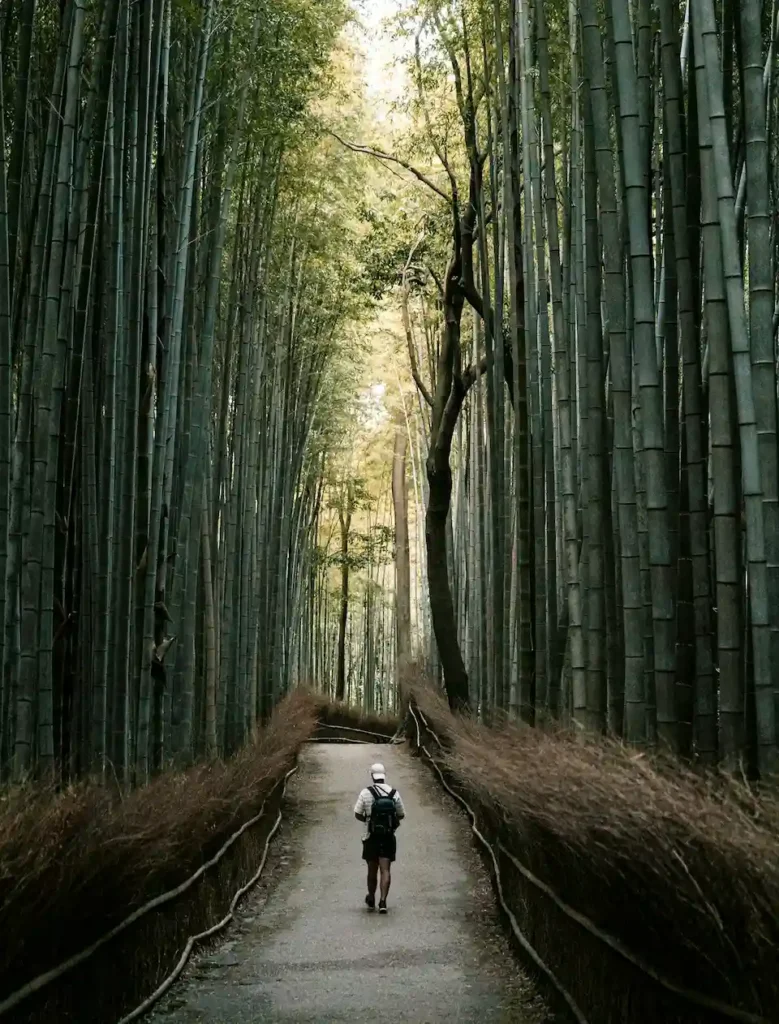
Everyone thinks of Kyoto for romance. And everyone is right. But the Kyoto most tourists see—Kiyomizu-dera at noon, Arashiyama bamboo forest in a crush of selfie sticks—isn’t the Kyoto that will make you fall in love.
The Secret Kyoto:
Gion at 6 AM: Before the geiko and maiko sightings become a spectator sport, before the souvenir shops open, Gion is a different world. The lantern-lit streets are empty. You can walk hand in hand, the only sound your footsteps on ancient stone, and feel what Kyoto felt like before Instagram.
A Private Tea Ceremony: Skip the group demonstrations. Book a private tea ceremony in a traditional machiya (townhouse). You’ll learn about wabi-sabi—the beauty of imperfection—while drinking matcha made just for you. It’s quiet, intimate, and you’ll leave with a shared experience no one else has.
The Philosopher’s Path at Dawn: This 2-kilometer stone path follows a canal lined with cherry trees. During the day, it’s crowded. At sunrise, it’s just you, the water, and the occasional cat. In autumn, the maples catch early light in ways that feel like they were painted for you.
Where to Stay:
- Luxury: Hiiragiya Ryokan. Operating since 1818, this is where intellectuals and artists have stayed for centuries. The service is flawless, the rooms are traditional, and the kaiseki dinner is an event.
- Mid-Range: Seikoro. Quiet, elegant, with a lovely garden and private baths available.
- Unique: Sowaka. A restored machiya in Gion, blending traditional architecture with modern luxury. Rooftop views over the old city.
The Honeymoon Moment: Book a private, early-morning tour of Fushimi Inari Shrine. The thousands of red torii gates are spectacular and empty.
Walk up as far as you’re comfortable—the crowds thin dramatically after the first half-mile—and find a spot where it’s just the two of you in a tunnel of vermilion.
2. Hakone: Onsen, Mt. Fuji, and No Phones
Hakone is Tokyo’s weekend getaway, an hour from the city by train. But for honeymooners, it’s something more: a chance to slow down completely.
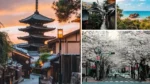
What Makes It Magic:
The Hakone Loop is the classic route—cable car, pirate ship across Lake Ashi, views of Mt. Fuji on clear days. But the real honeymoon experience happens after the tourists leave.
The ryokans here specialize in onsen (hot spring baths), and many offer private baths you can reserve by the hour or attached directly to your room.
The Ritual: Arrive in the afternoon. Check into your ryokan. Change into the provided yukata (cotton kimono). Walk to the bath. Soak in mineral-rich water while steam rises around you.
Return to your room for a kaiseki dinner—dozens of small, exquisite dishes served in your room. Sleep on futons. Wake early. Soak again before breakfast. Then decide if you want to see the sights at all.
Where to Stay:
- Splurge: Gora Kadan. A former imperial family villa, now a luxury ryokan. Private onsens in many rooms. The food is extraordinary.
- Mid-Range: Hakone Ginyu. All rooms have private open-air baths overlooking the mountains. Perfection.
- Unique: Kinnotake Tonosawa. Modern, minimalist, with enormous private baths. Perfect for couples who want traditional onsen culture without the tatami mats.
The Honeymoon Moment: Reserve a private onsen at sunset. The mountains catch the last light, the water is the perfect temperature, and the world outside your little stone bath doesn’t exist.
3. Tokyo for Two (Yes, Really)
Tokyo is loud, fast, and crowded. Not exactly honeymoon material on the surface. But Tokyo for two is a different city—one of hidden bars, private dining, and neighborhoods that reveal themselves to those who wander.
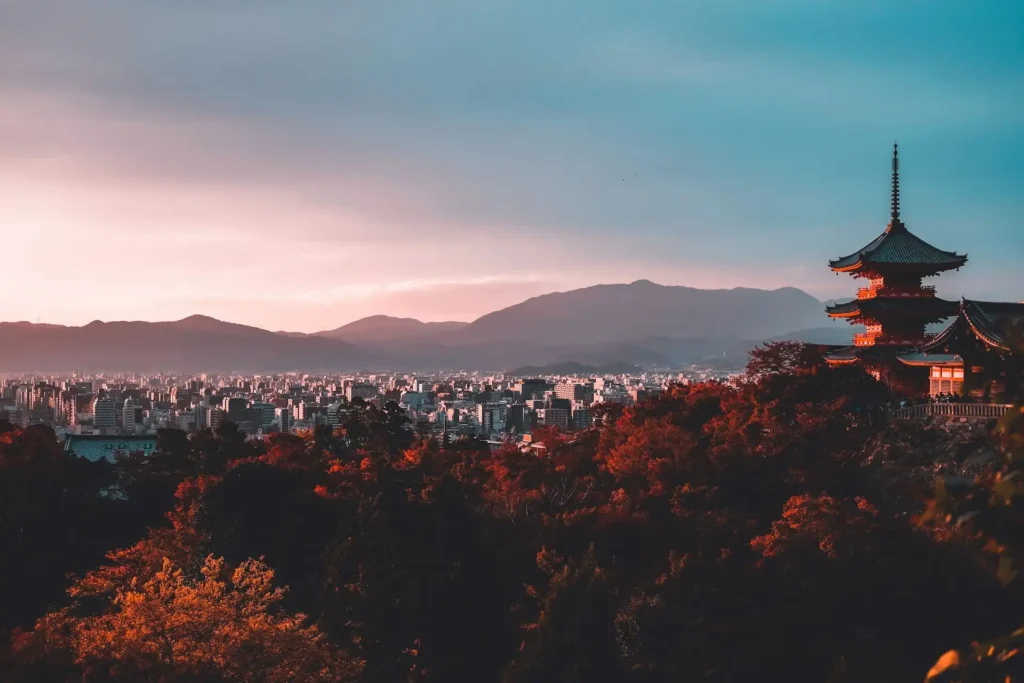
The Secret Tokyo:
Yanesen: Yanaka, Nezu, and Sendagi—three neighborhoods that survived the war and feel like old Tokyo. Narrow streets, tiny temples, craft shops, and coffee houses where you can spend an afternoon doing nothing. It’s the Tokyo where people actually live, and it’s perfect for walking hand in hand.
Private Sushi Counter: Forget the conveyor belt sushi. Book a private counter at a high-end sushi-ya where the chef serves you directly. It’s expensive ($200-400/person), but it’s an experience: omakase (chef’s choice) where each piece is crafted for you, explained, and savored in silence. Some of the best don’t even have signs outside.
The Golden Gai Strategy: Shinjuku’s Golden Gai is famous for its tiny bars, each seating 5-10 people. Most are filled with regulars who might not welcome tourists. But a few cater to visitors with open doors. Find one that appeals, slip inside, and let the evening unfold. The bartender becomes your host. The strangers become friends. It’s intimate in a way large bars can’t be.
Where to Stay:
- Luxury: Aman Tokyo. The definition of urban luxury. Floor-to-ceiling windows, a pool that floats above the city, service that anticipates everything.
- Mid-Range: Hoshinoya Tokyo. A ryokan in a skyscraper. Tatami mats, public baths, and traditional hospitality with modern design.
- Unique: Trunk Hotel. Socially conscious, design-forward, in the hip Shibuya neighborhood. The “social living room” concept means you’ll meet other interesting travelers.
The Honeymoon Moment: Book a helicopter tour over Tokyo at sunset. It’s expensive ($500-800 for two) and worth every yen. Seeing Tokyo from above—the sprawl, the lights beginning to twinkle, Mt. Fuji on the horizon—is the kind of memory that outlasts any souvenir.
4. Okinawa: Japan’s Tropical Secret
Most honeymooners head to the Japanese Alps or Kyoto. They miss Okinawa entirely—a subtropical archipelago with beaches that rival the Caribbean, a distinct culture, and a pace that’s pure island time.
What Makes It Different:
Okinawa was the Ryukyu Kingdom for centuries, separate from mainland Japan. The food, music, and traditions are unique. The islands are ringed by coral reefs. The water is turquoise. And the vibe is relaxed in ways mainland Japan never is.
Where to Go:
- Kerama Islands: A short ferry from Okinawa’s main island. Tiny, pristine, with beaches that feel undiscovered. Stay in a small guesthouse, snorkel in reefs teeming with fish, and forget what day it is.
- Ishigaki: The jumping-off point for even more remote islands. Taketomi Island, a 15-minute ferry ride, has preserved Ryukyu architecture, water buffalo carts, and beaches that look like screensavers.
- Main Island: For couples who want some infrastructure. The American Village in Chatan has great sunset views and restaurants. Cape Manzamo is a dramatic cliff formation perfect for photos.
Where to Stay:
- Luxury: Hoshinoya Taketomi Island. Traditional Ryukyu houses, private pools, and service that makes you feel like royalty. The beach is steps away.
- Mid-Range: ANA InterContinental Manza Beach. On the main island, with a huge pool complex and easy access to snorkeling.
- Unique: Iriomote Island eco-lodges. Iriomote is jungle-covered, with mangrove forests, waterfalls, and kayaking. Stay in a simple lodge and feel like explorers.
The Honeymoon Moment: Rent a kayak in the Kerama Islands and paddle to a deserted beach. Pack a picnic, bring snorkel gear, and spend the afternoon on sand that has no footprints but yours.
5. The Japanese Alps: Mountain Seclusion
If your idea of romance involves hiking to remote temples, staying in traditional thatched-roof farmhouses, and soaking in onsens with alpine views, the Japanese Alps were made for you.
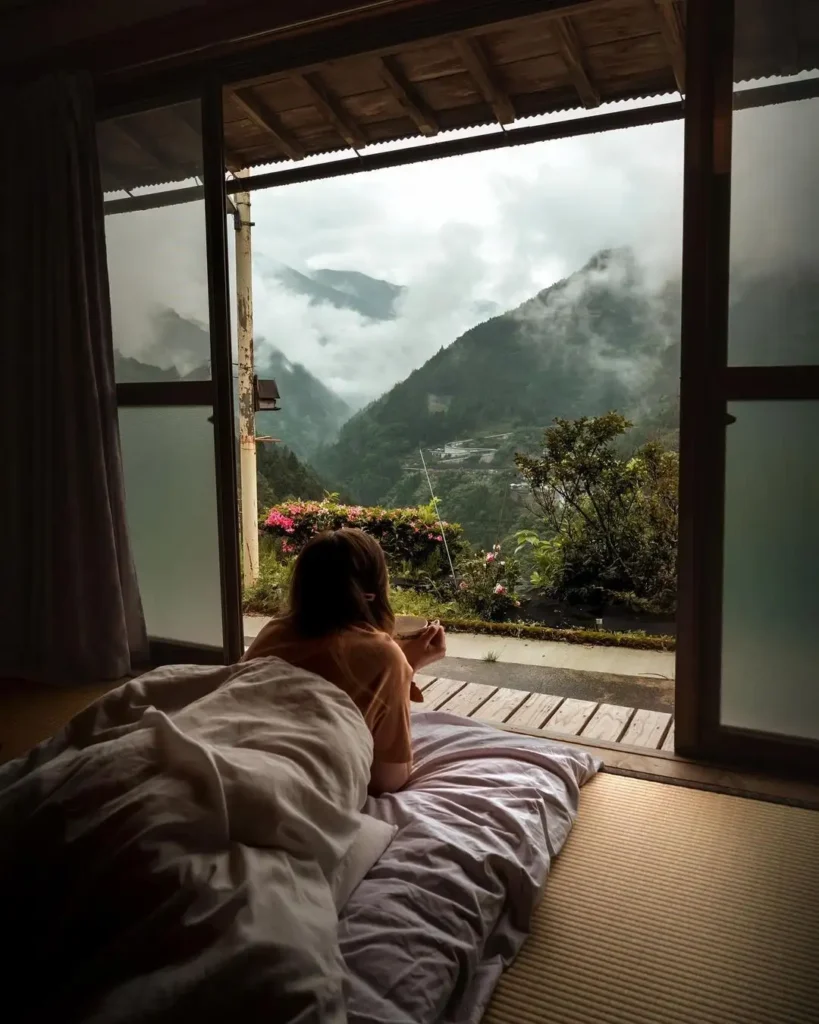
The Magic of the Alps:
The Kiso Valley preserves the old Nakasendo highway, a route samurai traveled between Kyoto and Tokyo. Villages like Magome and Tsumago have been restored to their Edo-period appearance—no convenience stores, no vending machines, just wooden buildings, stone paths, and the sound of mountain streams.
The Experience: Walk the Nakasendo Trail between Magome and Tsumago—about 8 kilometers through forest, past waterfalls, over passes. It’s not strenuous, but it’s transformative.
You’ll arrive in Tsumago in the late afternoon, check into a minshuku (family-run inn), and eat dinner made by the owners while wearing yukata and sitting on tatami mats.
Don’t Miss Out
Where to Stay:
- Luxury: Hoshinoya Karuizawa. Not in the Kiso Valley but nearby. A resort built around an old village, with villas scattered through the forest, private onsens, and Michelin-starred dining.
- Mid-Range: Fujioto in Tsumago. A traditional inn run by the same family for generations. Kaiseki dinner is included, and the hospitality is warm.
- Unique: Takayama’s historic district. Not a single inn, but the town itself—old sake breweries, morning markets, and a feel that’s distinctly alpine.
The Honeymoon Moment: Stay in a ryokan with a private onsen in winter. Snow falling into steam, your shoulders warm, the world silent. There’s no experience more romantic in Japan.
6. Naoshima and the Art Islands
Not everyone wants a traditional honeymoon. Some couples want contemporary art, bold architecture, and the feeling of discovering something together. Naoshima—and its neighboring islands of Teshima and Inujima—is for you.
What Makes It Different:
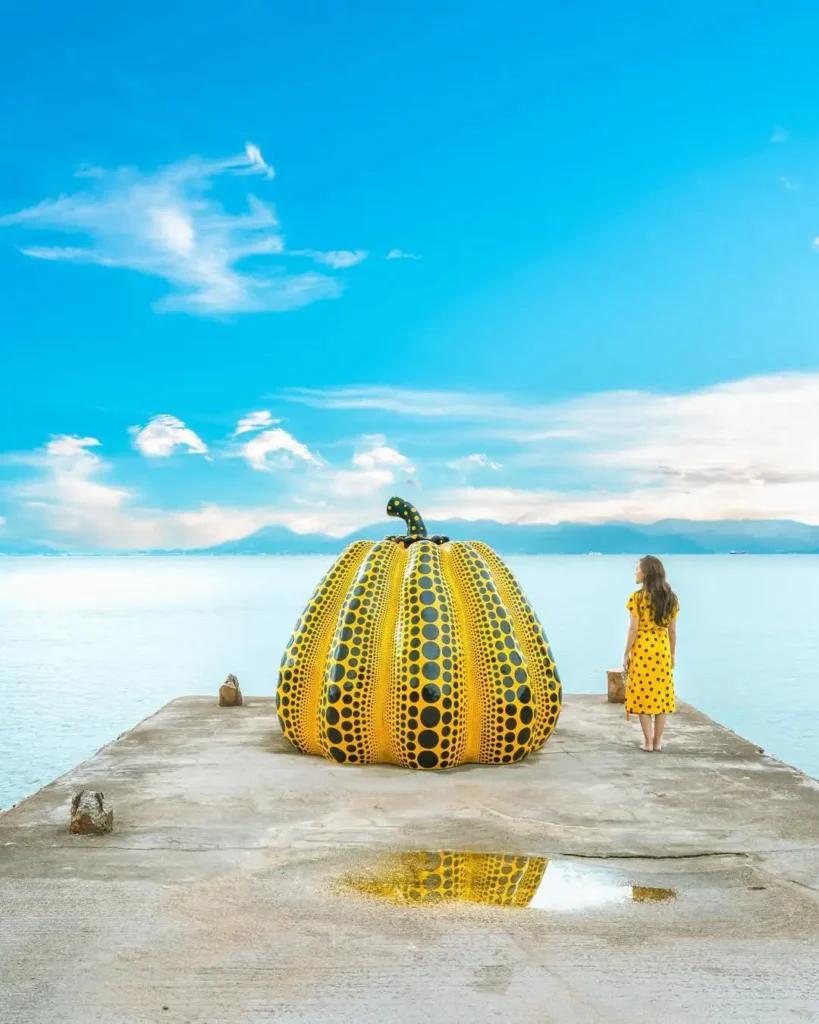
Naoshima is an island in the Seto Inland Sea that has been transformed into an art destination. The Benesse Art Site features works by Yayoi Kusama (her famous yellow pumpkin sits on a pier), James Turrell, and dozens of others.
But it’s not a museum—it’s an experience where art and architecture are woven into the landscape.
The Experience: You’ll stay at the Benesse House, a hotel that is itself a work of art. Rooms have walls that are canvases. Your window frames a sculpture on the beach. You can wander the museum after the day-trippers leave, having entire installations to yourselves.
Teshima Island, a short ferry away, holds the Teshima Art Museum—a single, ethereal installation in a concrete shell shaped like a water droplet. You enter barefoot. You sit in silence. You leave changed.
Where to Stay:
- Luxury: Benesse House. The only hotel on Naoshima. Book the Oval rooms—they’re architectural masterpieces with private outdoor baths overlooking the sea.
- Mid-Range: Guesthouses on Naoshima or Teshima. Simple, clean, run by locals who know the islands.
- Alternative: Stay in Okayama or Takamatsu on the mainland and ferry over each day. Cheaper, but you miss the after-hours magic.
The Honeymoon Moment: The private after-hours tour of the museums is available to Benesse House guests. Walking through Chichu Art Museum—designed by Tadao Ando, built into the earth, with Monet’s water lilies in a naturally lit room—with no one else there feels like the art was made just for you.
7. Miyajima Island: The Shrine in the Sea
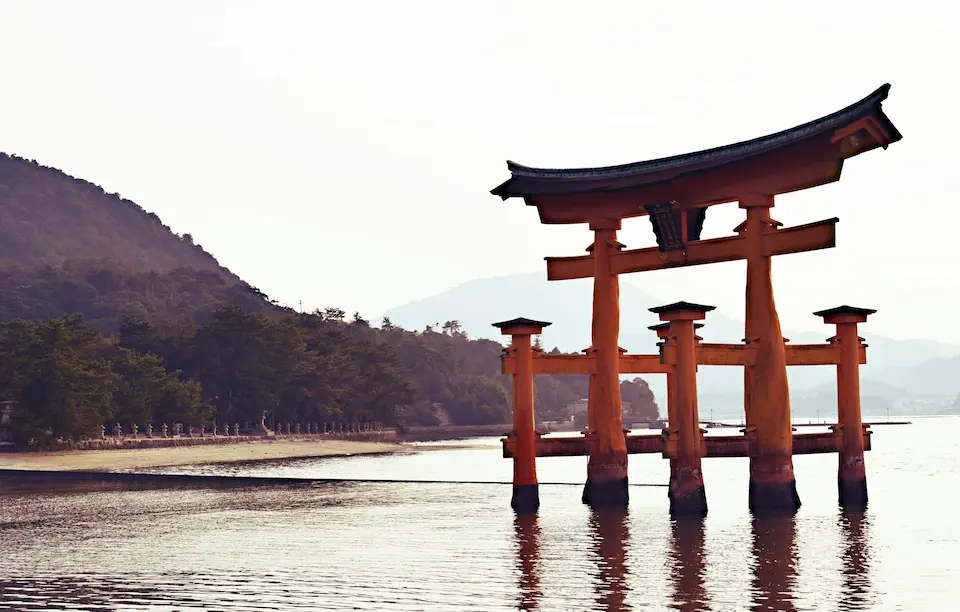
Miyajima, a short ferry ride from Hiroshima, is home to the famous “floating” torii gate. But the island has a secret: after the day-trippers leave, it becomes one of the most romantic places on earth.
The Day Experience:
The Itsukushima Shrine and its torii gate are spectacular at high tide, when it appears to float. You’ll take the classic photo. You’ll see the deer that roam freely (they’re not as polite as Nara’s). You’ll eat anago-meshi (conger eel rice), the local specialty.
The Night Experience:
Here’s what most people miss: stay overnight. When the last ferry leaves around 5 PM, the island empties. The shops close. The crowds vanish. You and your partner and a handful of other overnight guests have the island to yourselves.
Walk to the shrine at dusk. The gate glows orange in the last light. At high tide, it reflects in the water. At low tide, you can walk out to it, stand beneath its massive wooden beams, and feel small in the best way.
Where to Stay:
- Luxury: Iwaso. A ryokan operating since 1854, tucked into the forest. Some rooms have private onsens. The kaiseki dinner features local seafood and Miyajima specialties.
- Mid-Range: Miyajima Grand Hotel Arimoto. Larger, with public baths that overlook the sea.
- Unique: Traditional shukubo (temple lodging). A few temples on the island offer simple rooms and vegetarian meals. It’s humble, authentic, and unforgettable.
The Honeymoon Moment: Wake before dawn. Walk to the shrine at sunrise. The gate emerges from darkness as the sky turns pink, and you’ll have it entirely to yourselves. It’s the kind of morning that feels like a gift.
Practical Japan Honeymoon Tips
The Japan Rail Pass:
If you’re visiting multiple regions, the JR Pass is essential. Buy it before you leave—it’s not available in Japan. A 7-day pass costs about $350 and pays for itself with one round trip between Tokyo and Kyoto.
Reservations:
Japan runs on reservations. For luxury ryokans, book 6 months ahead. For high-end restaurants, 1-3 months. For the cherry blossom or autumn foliage season, add another 3 months to all of that. A travel agent specializing in Japan can be worth the cost.
Don’t Miss Out
Pacing:
Japan is not a “do it all” destination. For a honeymoon, pick two regions max. Tokyo + Hakone + Kyoto is doable in 10 days. Adding Hiroshima or the Japanese Alps stretches it. Adding Okinawa is a separate trip.
Language:
English is limited outside major cities. Google Translate works. Learning a few phrases—arigato (thank you), sumimasen (excuse me), kudasai (please)—opens doors.
Money:
Japan is increasingly cashless, but you’ll still need yen for small restaurants, temples, and local shops. ATMs at 7-Eleven and post offices work with international cards. Bring a backup card in case one gets declined.
Packing:
- Comfortable walking shoes. Non-negotiable. You’ll walk more than you expect.
- Socks. You remove shoes frequently—wearing nice socks matters.
- A small gift for your ryokan host. Not expected but appreciated. Something from your home country works.
- Power adapter. Japan uses Type A and B (same as the US).
The Honeymoon Registry:
If friends and family are asking what you want for your wedding, point them toward Japan. Contributions toward a night at a luxury ryokan, a private tea ceremony, or a sushi counter reservation are more memorable than another kitchen gadget.
The Japan Honeymoon You’ll Remember
Years from now, you won’t remember the specific temples you visited or the exact train schedule. You’ll remember the morning you had Miyajima’s torii gate to yourselves. The evening you soaked in a private onsen while snow fell. The moment you sat in a tiny bar in Golden Gai, surrounded by strangers who became friends for a night.
Japan doesn’t just give you a honeymoon. It gives you a shared language of experiences—quiet, profound, and entirely yours.
Save this guide. Book those flights. Japan is waiting for the two of you.