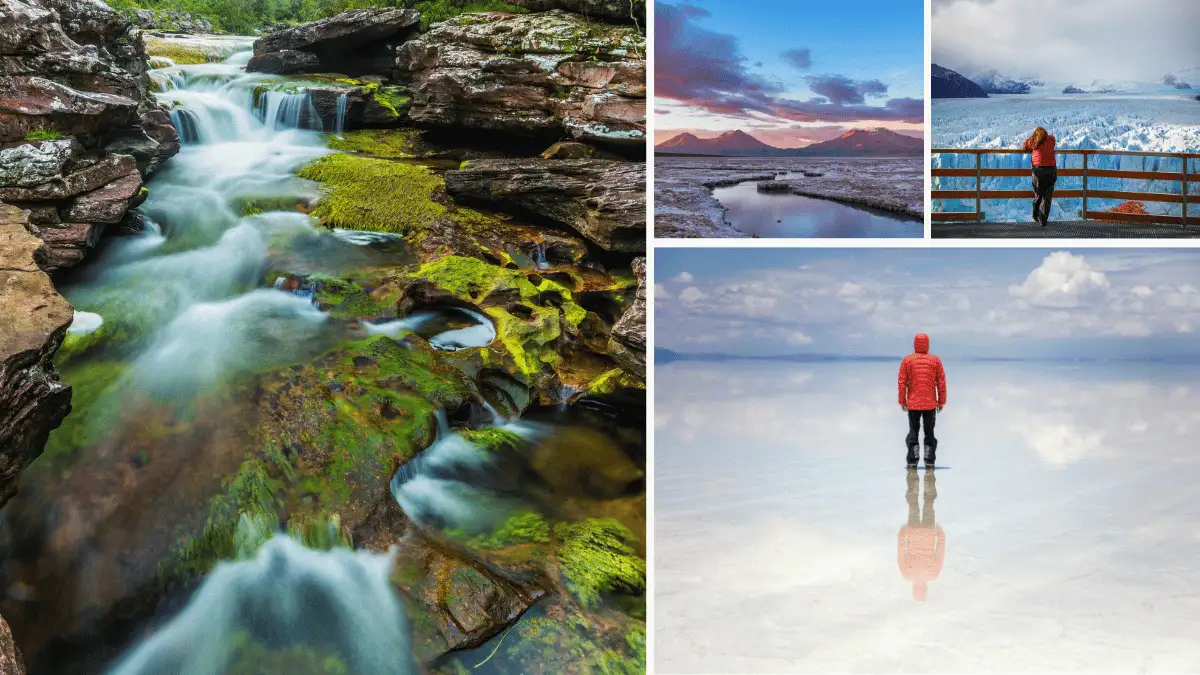
9 South America Destinations That Feel Like Another Planet
So unique, you’ll question what planet you’re on

- This article contains affiliate links. I may receive a commission if you purchase from them, at no extra cost to you.
I’ve been lucky enough to travel to some incredible places, but South America keeps pulling me back. Not just for the culture or the food – but for the landscapes. This continent has a way of making you feel like you’ve stepped off Earth entirely. Salt flats that turn into mirrors, deserts that look like Mars, rainbow mountains, and waterfalls that defy logic.
If you’re looking for inspiring vacations in South America, you’ve come to the right place. These 9 South American destinations will mess with your sense of reality in the best possible way. Let me take you on a tour of places that feel like another planet – but are very much real.
Table of contents ⇅
1. Salar de Uyuni, Bolivia – The World’s Largest Mirror
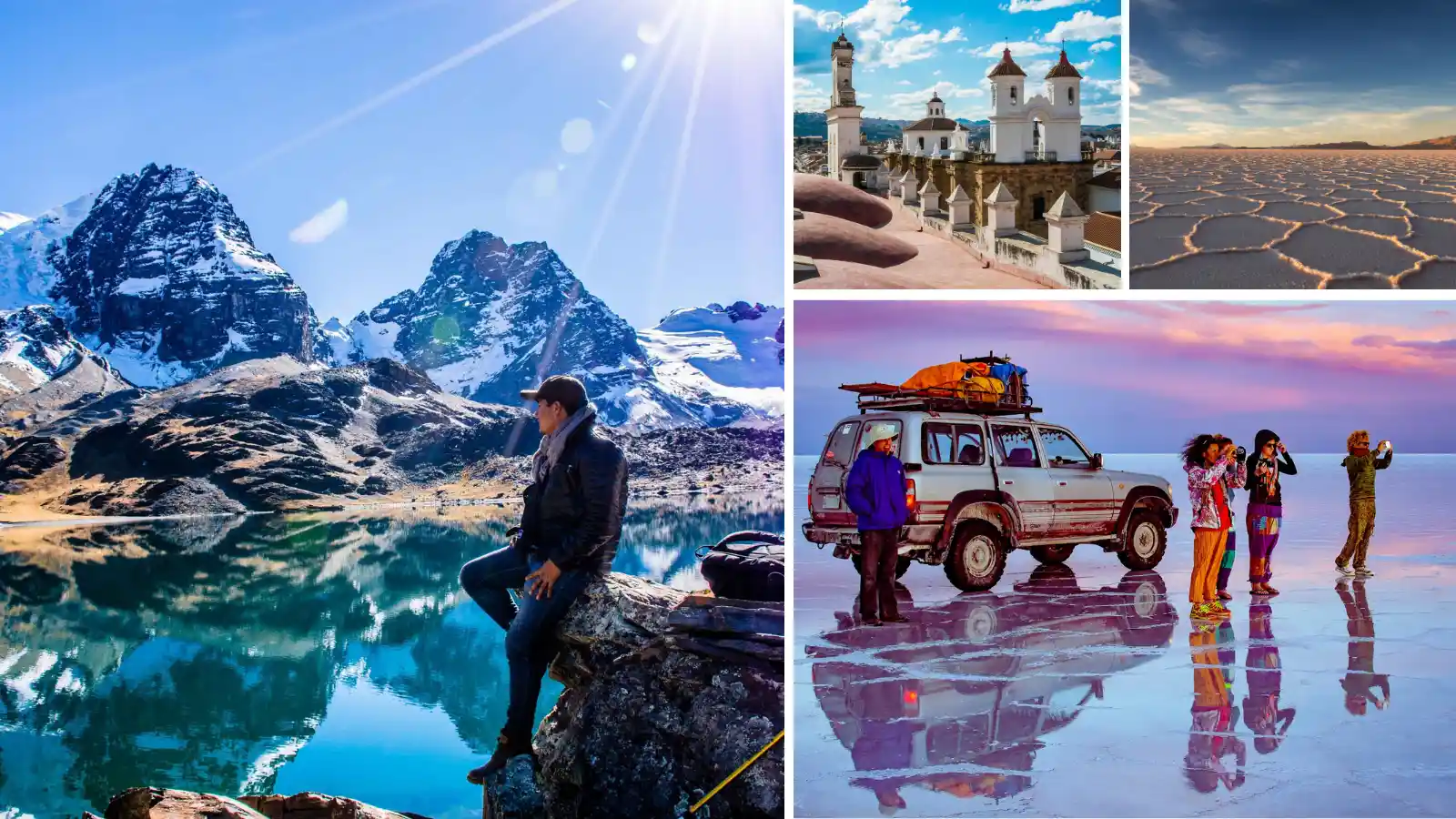
Imagine a place where the sky meets the ground so perfectly that you lose all sense of up and down. That’s Salar de Uyuni, the world’s largest salt flat.
When a thin layer of water covers the surface (usually from December to April), it becomes a giant mirror stretching over 10,000 square kilometers. You can walk on clouds. Seriously.
What I love most: The perspective photos. You can take those classic shots where a tiny toy dinosaur looks like a giant monster, or where your friend appears to be standing on your palm. It’s pure fun.
Best attractions:
- The salt flats themselves (obviously).
- Incahuasi Island, covered in giant cacti, rising from the white salt.
- The train cemetery on the edge of Uyuni town – rusty locomotives from the 19th century.
- Colored lagoons (Laguna Colorada is red, Laguna Verde is green) on a multi-day tour.
Where to stay:
- Luxury: Palacio de Sal – a hotel literally built from salt blocks. Yes, you lick the walls.
- Mid-range: Hotel Jardines de Uyuni – clean, warm, good food.
- Budget: Piedra Blanca – basic but cozy, run by a local family.
The altitude is no joke (over 3,600 meters). Drink coca tea, chew coca leaves, and take it slow. Bring a portable pulse oximeter to monitor your oxygen levels – it’s saved me more than once.
Pro Tip
Best for: Photographers, dreamers, and anyone who wants to feel like they’re walking on a different planet. Also great for budget travelers – Bolivia is cheap.
2. Lençóis Maranhenses National Park, Brazil – Sand Dunes with Swimming Pools
This place breaks your brain. For most of the year, it looks like a vast desert of white sand dunes. But between June and September, rainwater collects in the valleys between the dunes, creating thousands of crystal-clear, turquoise lagoons. You’re swimming in a desert. It feels impossible.
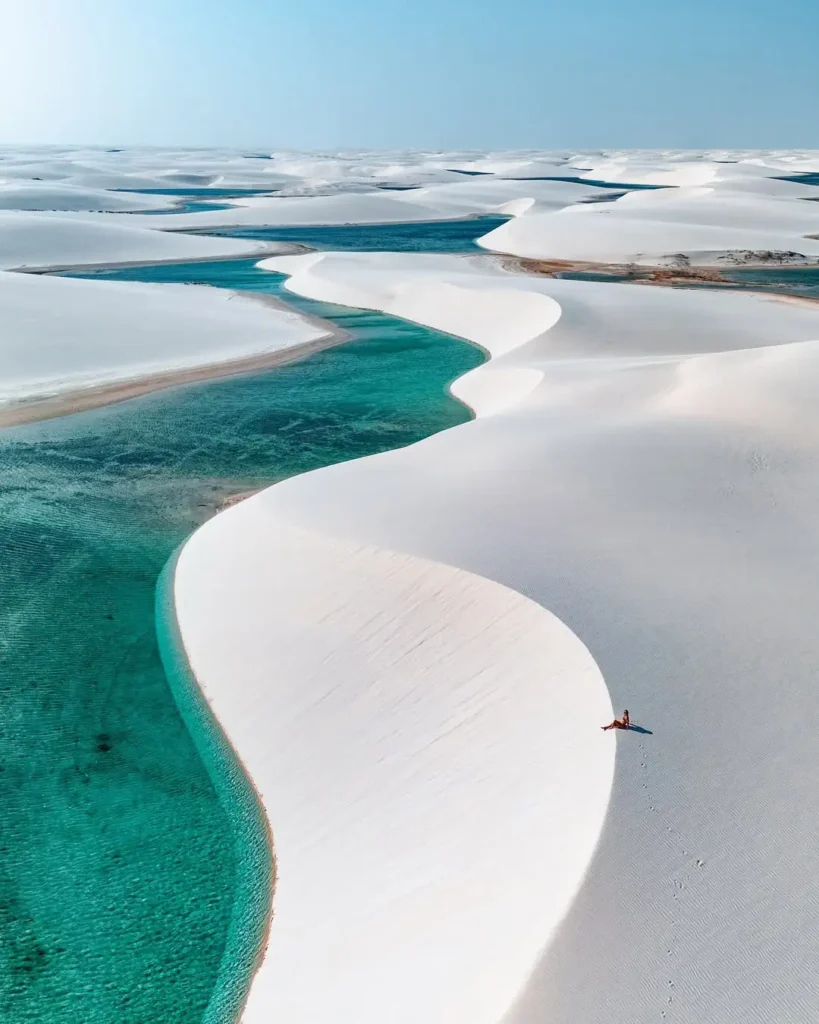
What I love most: The contrast. White sand, blue-green water, and not a single plant in sight. It’s like someone photoshopped the Caribbean into the Sahara.
Best attractions:
- Lagoa Azul (Blue Lagoon) – the most famous and accessible.
- Lagoa Bonita (Pretty Lagoon) – smaller but often clearer.
- A flight over the park from São Luís – you can’t understand the scale until you see it from above.
- Lençóis town – the gateway, with great local food and tour operators.
Where to stay:
- Luxury: Gran Solare Resort in Barreirinhas – pool, air conditioning, actual walls.
- Mid-range: Porto Preguiças Resort – right on the river.
- Budget: Pousada Recanto do Ouro – simple but friendly.
The best time to visit is July and August, when the lagoons are full and the weather is dry.
Small Tip
Best for: Swimmers, hikers, and anyone who loves “hidden gem” experiences. Not great for people who hate sand (it gets everywhere).
3. Atacama Desert, Chile – Mars on Earth
NASA tests Mars rovers here. That should tell you everything. The Atacama Desert is the driest non-polar desert in the world – some weather stations have never recorded rain.
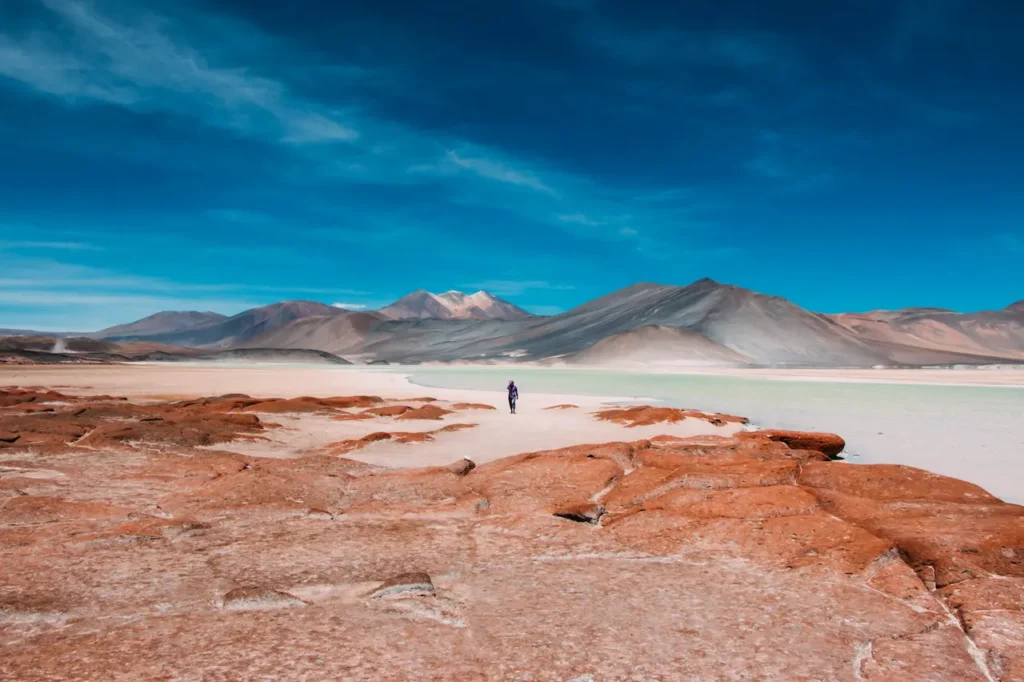
The landscape is red rocks, salt crusts, geysers, and lunar valleys. At night, the sky explodes with stars because there’s zero light pollution.
What I love most: The Valle de la Luna (Valley of the Moon) at sunset. The colors shift from orange to purple to deep red. You feel like you’re on an alien planet watching two suns set.
Best attractions:
- Valle de la Luna – moon-like rock formations.
- El Tatio Geysers – wake up at 4 AM to see steam erupt at sunrise.
- Laguna Cejar – a salt lagoon where you float like in the Dead Sea.
- The ALMA radio telescope – not always open to tourists, but you can visit the visitor center.
- Stargazing tours – the clearest skies on Earth.
Where to stay:
- Luxury: Tierra Atacama – stunning design, amazing tours included.
- Mid-range: Hotel Cumbres San Pedro de Atacama – great pool, good location.
- Budget: Hostal Rural – simple, social, and cheap.
Best for: Astronomers, hikers, and anyone who wants to feel like an astronaut. The altitude (2,400 meters) is manageable, but some tours go much higher.

The sun is brutal. You need a high-SPF sunscreen and a wide-brimmed hat at all times. Also, drink more water than you think you need – the dryness will dehydrate you before you feel thirsty.
4. Perito Moreno Glacier, Argentina – A Living Ice Giant
Most glaciers are retreating. Perito Moreno is one of the few in the world that is still advancing. This massive wall of ice, 30 kilometers long and 5 kilometers wide, rises 60 meters above Lake Argentino.
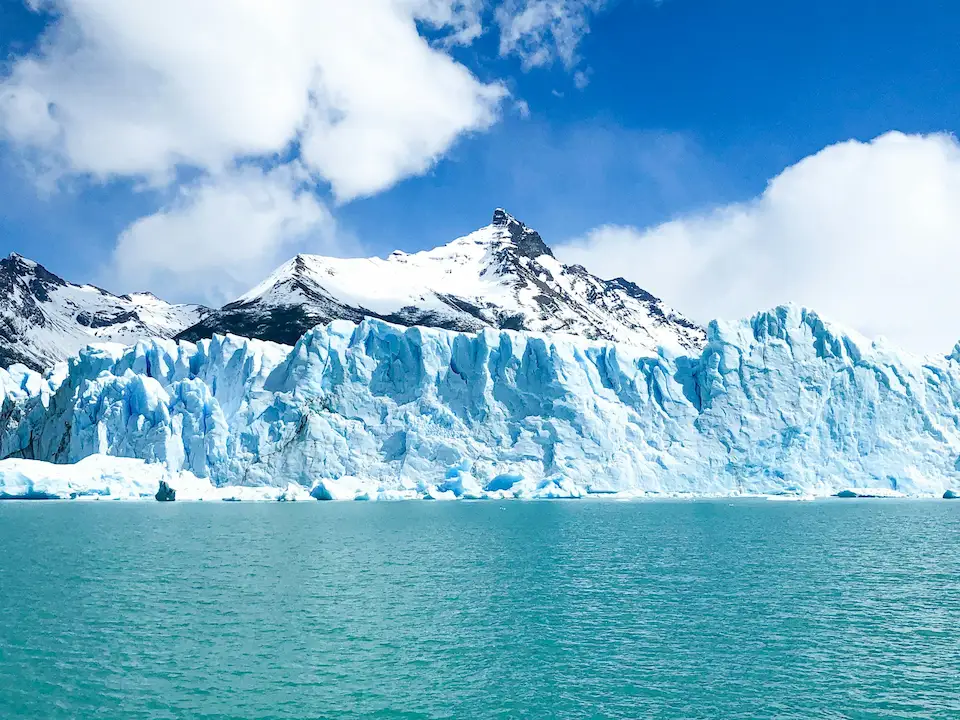
And it’s alive. Every few minutes, you hear cracks, booms, and then – a chunk the size of a building crashes into the water.
What I love most: The viewing platforms. You can stand just meters away from the glacier face and watch ice fall in real time. It’s loud, violent, and mesmerizing.
Best attractions:
- The glacier itself (obviously). Walk the boardwalks for hours – every angle is different.
- A boat tour that takes you right up to the ice wall.
- Ice trekking with crampons – you can walk on the glacier.
- El Calafate town – great restaurants (try the lamb) and a wonderful lagoon with flamingos.
Where to stay:
- Luxury: Eolo – a stunning estancia with views of the steppe.
- Mid-range: Los Sauces – comfortable, good breakfast, close to the bus station.
- Budget: America del Sur Hostel – great views, social atmosphere.
Best for: Nature lovers, photographers, and anyone who wants to see climate change in action (it’s both beautiful and sobering).
5. Mount Roraima, Venezuela / Brazil / Guyana – The Lost World
This is the mountain that inspired Arthur Conan Doyle’s The Lost World. It’s a tepui – a table-top mountain with sheer vertical cliffs on all sides.
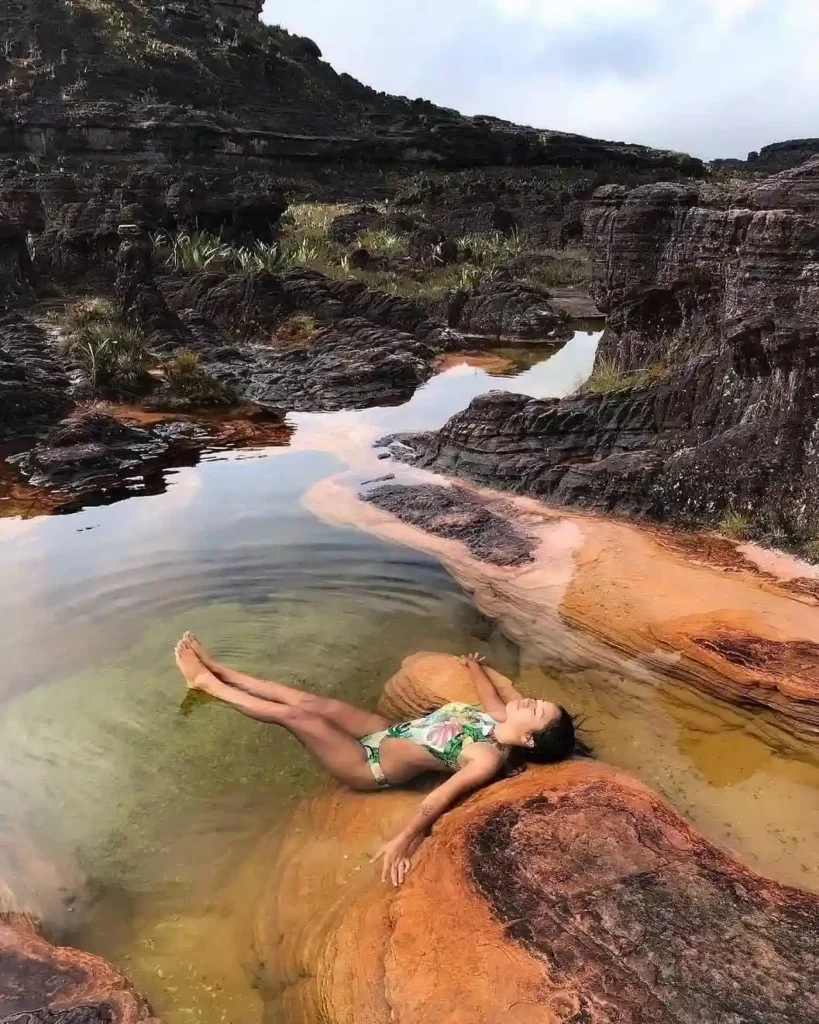
The top is a 31-square-kilometer plateau of black rock, strange plants, carnivorous pitcher plants, and unique wildlife found nowhere else on Earth. You feel like you’ve stepped into the Jurassic period.
What I love most: The isolation. The hike takes 6 days. There are no roads, no villages, no phone signal. Just you, your guide, and the clouds.
Best attractions:
- The triple border point where Venezuela, Brazil, and Guyana meet.
- The “Crystal Valley” – a field of quartz crystals scattered across the rock.
- Frog Rock and the Garganta del Diablo (Devil’s Throat) – a stunning natural arch.
- The sunrise from the summit – the surrounding tepuis look like floating islands.
Where to stay:
- You’ll camp on the mountain. Your tour operator provides tents, food, and guides.
- Before and after, stay in Santa Elena de Uairén (Venezuela side) – basic but safe.
Check travel advisories before going. Most people access Mount Roraima from the Brazilian or Guyanese side now. Go with a reputable operator. And bring a water filter bottle – the water on the mountain is pure but you never know.
Pro Tip
Best for: Serious hikers, adventure travelers, and anyone who loved Jurassic Park as a kid. Not for beginners – the hike is tough, and the political situation in Venezuela is unstable.
6. Huacachina, Peru – The Only Natural Oasis in South America
Huacachina is a real-life oasis. A small lagoon surrounded by towering sand dunes, with a tiny village of palm trees, hostels, and restaurants. It looks like something out of Aladdin. You can sandboard down the dunes, ride dune buggies at full speed, and watch the sunset paint the desert in shades of gold and red.
What I love most: The dune buggy rides. It’s like a roller coaster without tracks – up, down, sideways, screaming the whole time. Then you stop at the top of a dune, pull out your sandboard, and slide down.
Best attractions:
- Sandboarding and buggy tours – the main event.
- Climbing the biggest dune (Cerro Blanco) – it’s exhausting, but the view is unreal.
- Relaxing by the lagoon – it’s small but very photogenic.
- Ica nearby – visit a pisco vineyard and learn how Peru’s national drink is made.
Where to stay:
- Luxury: Hotel Mosone – right on the oasis, great pool.
- Mid-range: Wild Rover Huacachina – party hostel but with private rooms.
- Budget: Banana’s Adventure – cheap, social, and right by the dunes.
Best for: Budget travelers, adrenaline junkies, and anyone who wants a quick escape from Lima (it’s only 4 hours away).
Sand gets everywhere. I mean everywhere. Bring a sand-proof phone pouch and leave your fancy jewelry at home. Also, goggles are essential for buggy rides – the sand stings.
7. Caño Cristales, Colombia – The Liquid Rainbow
Locals call it the “River of Five Colors.” For most of the year, Caño Cristales looks like a normal river. But between July and November, a unique aquatic plant called Macarenia clavigera turns the riverbed into an explosion of red, pink, yellow, green, and blue. It’s like someone spilled a bag of Skittles into the water.
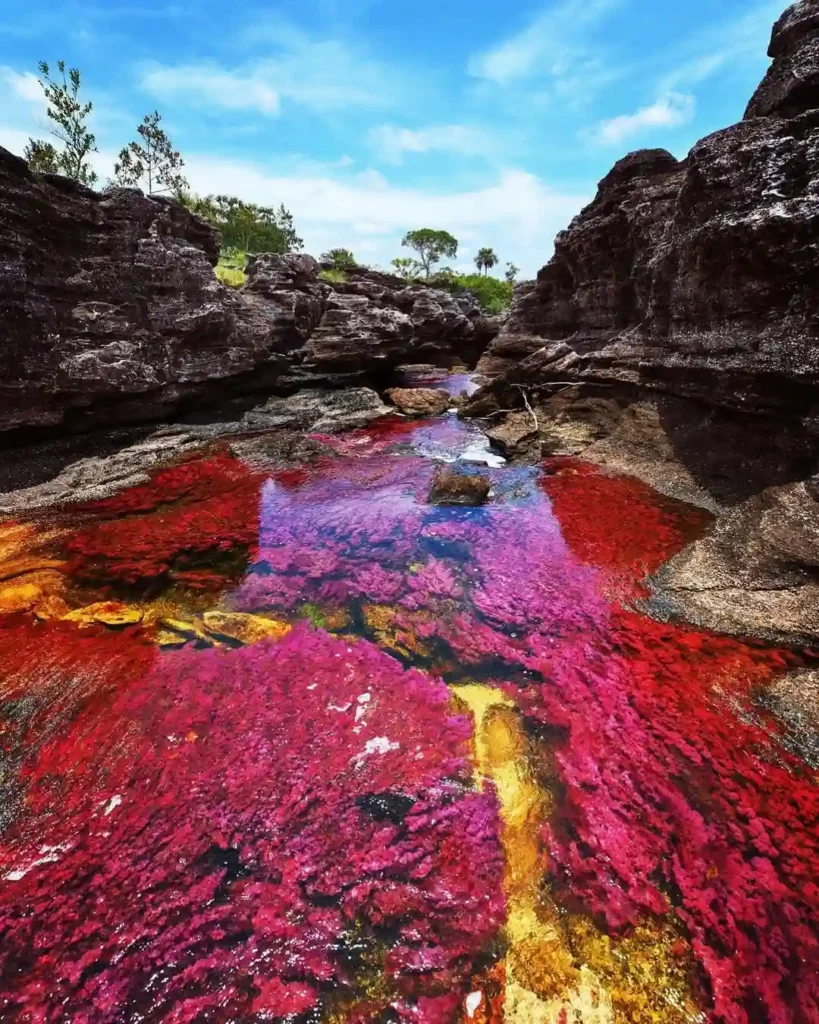
What I love most: The colors are real. I didn’t believe it until I saw it. The red is so intense that it looks like the river is bleeding. But the water is completely clean and safe to swim in.
Best attractions:
- The main river itself – you hike and swim through different sections.
- Los Ocho (The Eight) – a series of small waterfalls and pools.
- The surrounding Serranía de la Macarena national park is home to unique wildlife.
- La Macarena town – a small, dusty village with great local guides.
Where to stay:
- There are no hotels inside the park. Stay in La Macarena town.
- Best option: Hotel Ecotel – simple, clean, and run by friendly locals.
- Budget: Hostal Casa Blanca – basic but fine.
Best for: Nature photographers, off-the-beaten-path travelers, and anyone who thinks they’ve seen every color on Earth.
Don’t Miss Out

Important tip: You can only visit with a licensed guide. Book in advance – only 200 people are allowed in the park per day. And bring biodegradable sunscreen – chemicals are banned to protect the plants.
8. Torres del Paine National Park, Chile – Patagonia’s Crown Jewel
This is not a hidden gem. Torres del Paine is famous for a reason. But it still belongs on this list because it looks like a fantasy world. Granite towers rise 2,500 meters into the sky.
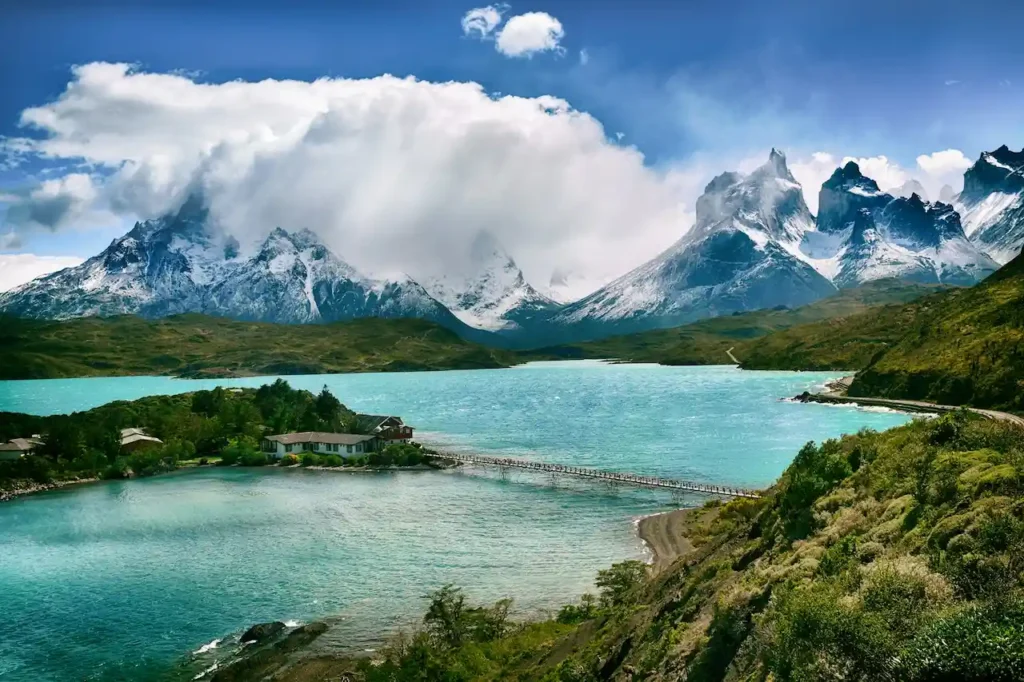
Glaciers calve into electric blue lakes. Guanacos roam the grasslands, and condors circle above. It’s the closest thing to Middle-earth I’ve ever seen.
What I love most: The French Valley. You hike through a forest, emerge into a wide glacial valley, and suddenly you’re surrounded by sheer granite walls on three sides. The wind howls. Waterfalls tumble down. You feel tiny.
Best attractions:
- The “W Trek” (5 days) or the “O Circuit” (8 days) – the classic hikes.
- Base of the Towers – the iconic sunrise view of the three granite pinnacles.
- Grey Glacier – take a boat to the ice wall or kayak among icebergs.
- Salto Grande – a powerful waterfall with rainbows every afternoon.
Where to stay:
- Luxury: Explora Patagonia – all-inclusive, incredible guides, expensive.
- Mid-range: Las Torres Patagonia – great location for the Base of the Towers.
- Budget: Refugios and campsites along the trails – book months in advance.
The wind is no joke. I’ve seen people blown off their feet. Pack a windproof jacket and waterproof hiking pants. And book your refugios and campsites at least 6 months ahead – they sell out instantly.
Pro Tip
Best for: Hikers, nature lovers, and anyone who wants to feel humbled by nature. The weather is brutal – you need real gear.
9. Galápagos Islands, Ecuador – Evolution’s Living Laboratory
This is the ultimate “another planet” destination. The Galápagos Islands are so unique that they don’t feel like Earth. Marine iguanas spit salt from their noses.
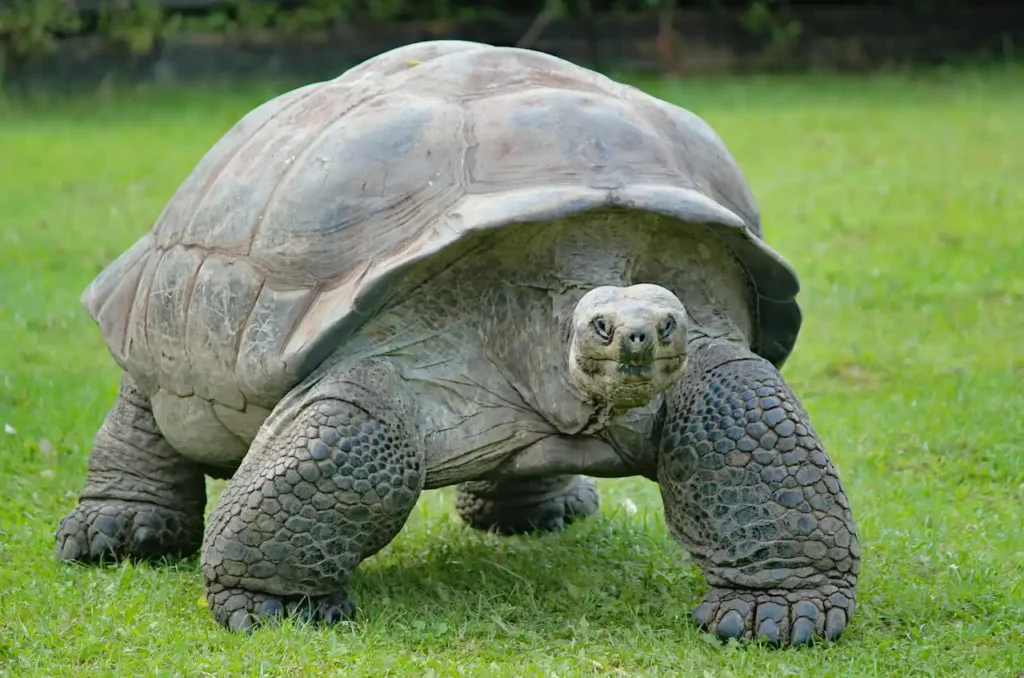
Giant tortoises weigh over 500 pounds. Blue-footed boobies do a hilarious mating dance. And the animals have no fear of humans – you can walk right up to a sea lion, and it won’t move.
What I love most: Snorkeling with sea turtles, penguins, and sharks all at once. I floated in the water, surrounded by a school of colorful fish, while a sea lion zoomed past my ear. I laughed into my snorkel.
Best attractions:
- Island hopping: Santa Cruz (the main hub), Isabela (the largest), San Cristóbal (sea lions everywhere).
- Charles Darwin Research Station – learn about conservation.
- Kicker Rock (León Dormido) – a volcanic cone rising from the ocean, incredible snorkeling.
- The highlands of Santa Cruz – wild giant tortoises roaming free.
- A cruise is the best way to see remote islands, but expensive.
Where to stay:
- Luxury: Pikaia Lodge – high-end, incredible views, pricey.
- Mid-range: Hotel Fiesta – comfortable, good location in Puerto Ayora.
- Budget: Hostal Suiza – basic but clean and friendly.
Best for: Wildlife lovers, divers, and anyone who wants to see animals that exist nowhere else on Earth. Not great for budget travelers – the Galápagos are expensive.
You can’t fly into the Galápagos without a pre-booked tour or hotel. Book everything in advance. Bring a waterproof camera – you’ll want to film everything. And respect the rules: don’t touch the animals, stay on the trails, and don’t bring outside food.
How to Plan Your South America Trip
With so many incredible South American destinations, you can’t see them all in one trip. Here’s how I would prioritize.
If you have 2 weeks: Pick one country. Chile (Atacama + Torres del Paine) or Peru (Huacachina + other highlights) or Ecuador (Galápagos only).
If you have 3-4 weeks: Combine two regions. Bolivia + Chile (Salar de Uyuni to Atacama). Argentina + Chile (Perito Moreno + Torres del Paine). Colombia + Perú (Caño Cristales + Huacachina).
If you have 6+ weeks: You can do a loop. Start in Colombia (Caño Cristales), fly to Peru (Huacachina), bus to Bolivia (Salar de Uyuni), bus to Chile (Atacama + Torres del Paine), bus to Argentina (Perito Moreno). Add Venezuela only if the political situation improves.
Don’t Miss Out
Every South American trip I’ve taken has left me changed. These 9 best places to visit in South America aren’t just beautiful – they’re mind-bending. They make you question what’s real. They remind you that our planet is weirder and wilder than any science fiction movie.
So pack your bags. Bring a sense of adventure. And get ready to explore places to visit in South America that feel like another planet.
Trust me – you won’t look at Earth the same way again.
