
- This article contains affiliate links. I may receive a commission if you purchase from them, at no extra cost to you.
Tokyo in 2026 is a city in motion. New openings like PokéPark Kanto (the world’s first permanent outdoor Pokémon attraction, opened in February 2026 at Yomiuriland) sit beside centuries-old temples, and the line between paid spectacle and free wonder is thinner than you’d think.
Whether you’re chasing the most visited attractions, hunting for the best free things to do in Tokyo, or planning things to do in Tokyo with kids, this guide covers the experiences that actually deliver—with the practical detail that separates a good trip from an unforgettable one.
Buy tickets online, two weeks out. Shibuya Sky releases tickets exactly 14 days in advance and popular sunset slots vanish fast.
The same applies to teamLab Planets, the Tokyo Tower Diamond Tour, and Disney Premier Access. Booking ahead is the single biggest time-saver in Tokyo.
The Most Visited Attractions and Why They’re Worth It
1. Tokyo Disneyland & Tokyo DisneySea
Tokyo Disney Resort is not one park but two distinct worlds. Tokyo Disneyland spans seven themed lands—World Bazaar, Adventureland, Westernland, Critter Country, Fantasyland, Toontown, and Tomorrowland—with signature attractions like Enchanted Tale of Beauty and the Beast, Big Thunder Mountain, Splash Mountain, and Minnie’s Style Studio.
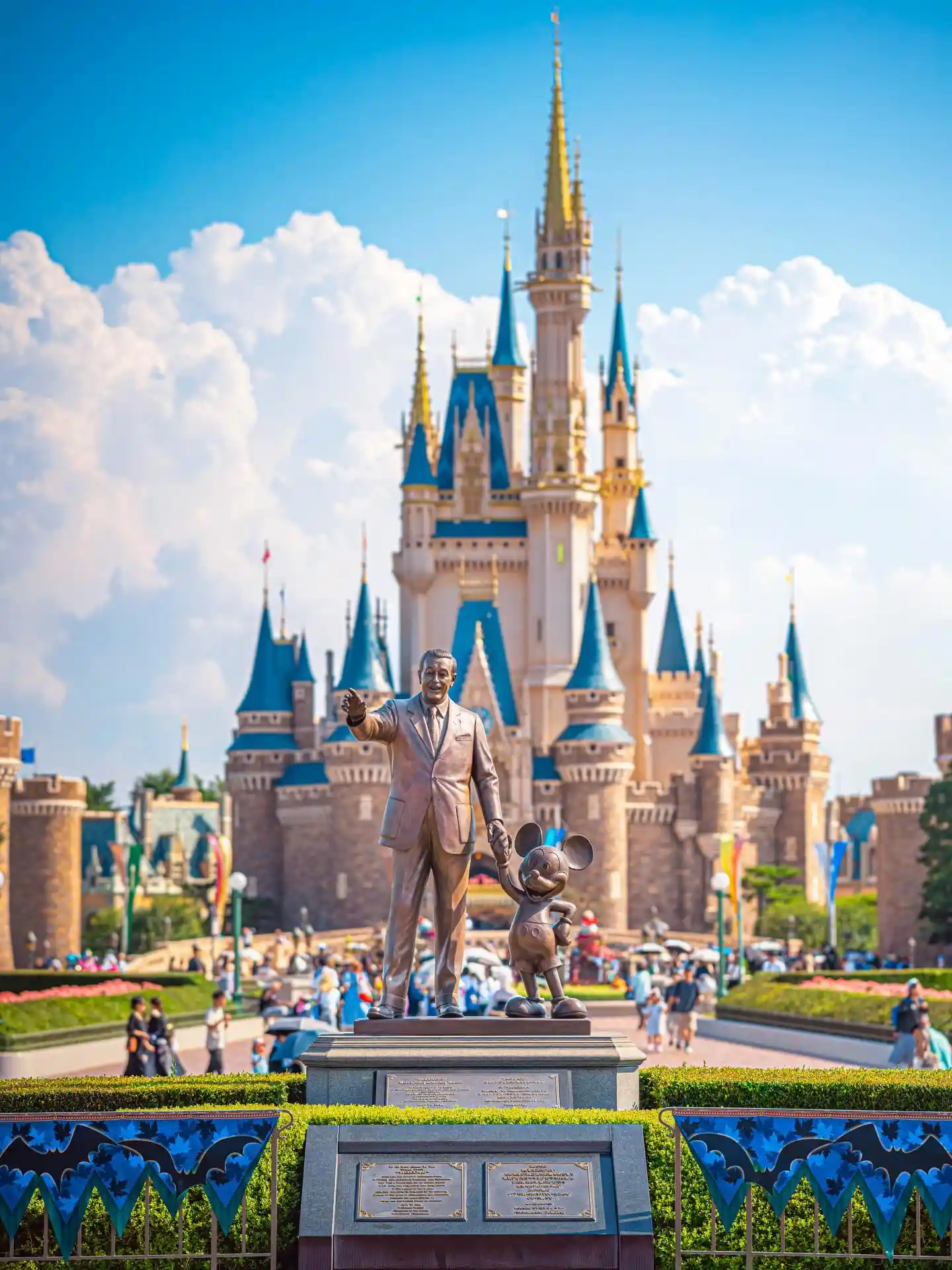
Tokyo DisneySea is the only Disney park on Earth themed to the myths and legends of the sea, with eight ports including Mediterranean Harbor, American Waterfront, Lost River Delta, and Fantasy Springs (the Frozen, Tangled, and Peter Pan expansion that opened in 2024 and still draws heavy crowds in 2026).
Standouts include Journey to the Center of the Earth, Tower of Terror, Soaring: Fantastic Flight, and Anna and Elsa’s Frozen Journey.
Why I recommend it: DisneySea consistently ranks among the world’s best theme parks, and the level of detail—from the architecture to the food—is extraordinary. Disneyland is the classic family day out.
Ideal for: Families with children (both parks), Disney superfans, and couples. DisneySea skews slightly older and is better for thrill-seekers and adults traveling without kids.
Fantasy Springs attractions require Premier Access (paid) or hotel early entry to avoid 90-minute-plus waits.
2. Shibuya Sky
At 229 metres atop Shibuya Scramble Square, Shibuya Sky offers a 360° open-air rooftop view that includes the Shinjuku skyline, Tokyo Bay, Yoyogi Park, Tokyo Skytree, and Mt. Fuji on clear days.
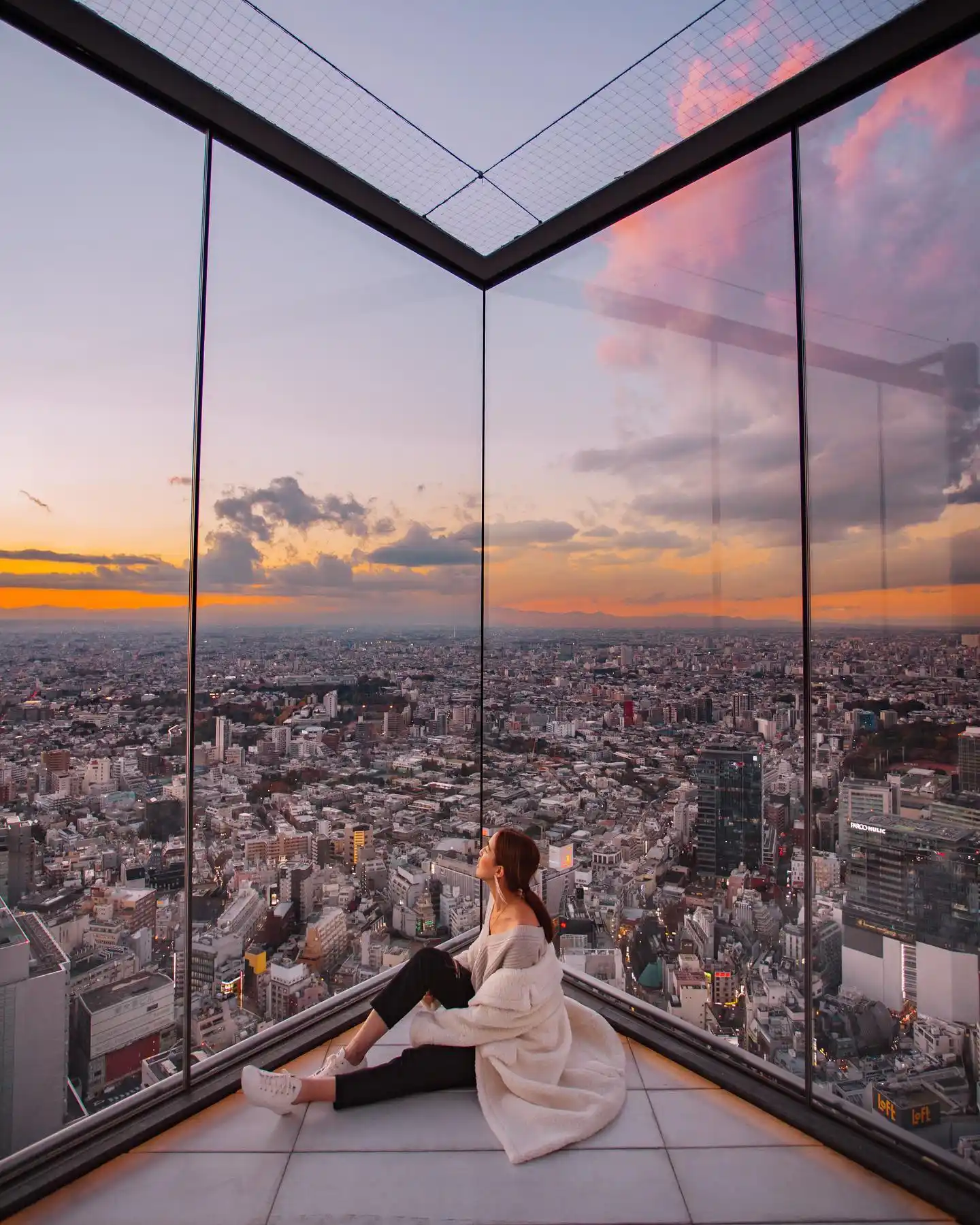
The experience is divided into three zones: Sky Gate (the entrance), Sky Gallery (indoor installations like Time River and Parallel Windows), and Sky Stage (the rooftop with the famous Sky Edge photo spot, Cloud Hammocks, and the Geo Compass).
Why I recommend it: It is the most photogenic observation deck in Tokyo. The rooftop is open-air—no glass between you and the city—and the sunset-to-night transition is spectacular. The Crossing Light show at night adds a layer of drama.
Ideal for: Couples, photographers, and fun things to do in Tokyo for young adults. Not ideal for anyone with vertigo, though the rooftop has glass barriers.
Adult tickets are ¥2,700 before 14:59 and ¥3,400 from 15:00; walk-up prices are slightly higher.
Book the 15:00–16:00 slot to catch daylight, sunset, and the night skyline in one visit. Bring a hat and sunglasses—the rooftop is fully exposed.
3. TOKYO SKYTREE
At 634 metres, Tokyo Skytree is Japan’s tallest structure. The Tembo Deck at 350m spans three levels with 360-degree views and glass floor panels; the Tembo Galleria at 450m features the world’s highest skywalk—a spiralling ramp with glass walls.
On clear days, Mt. Fuji is visible. The base, Tokyo Solamachi, has 300 shops and restaurants.
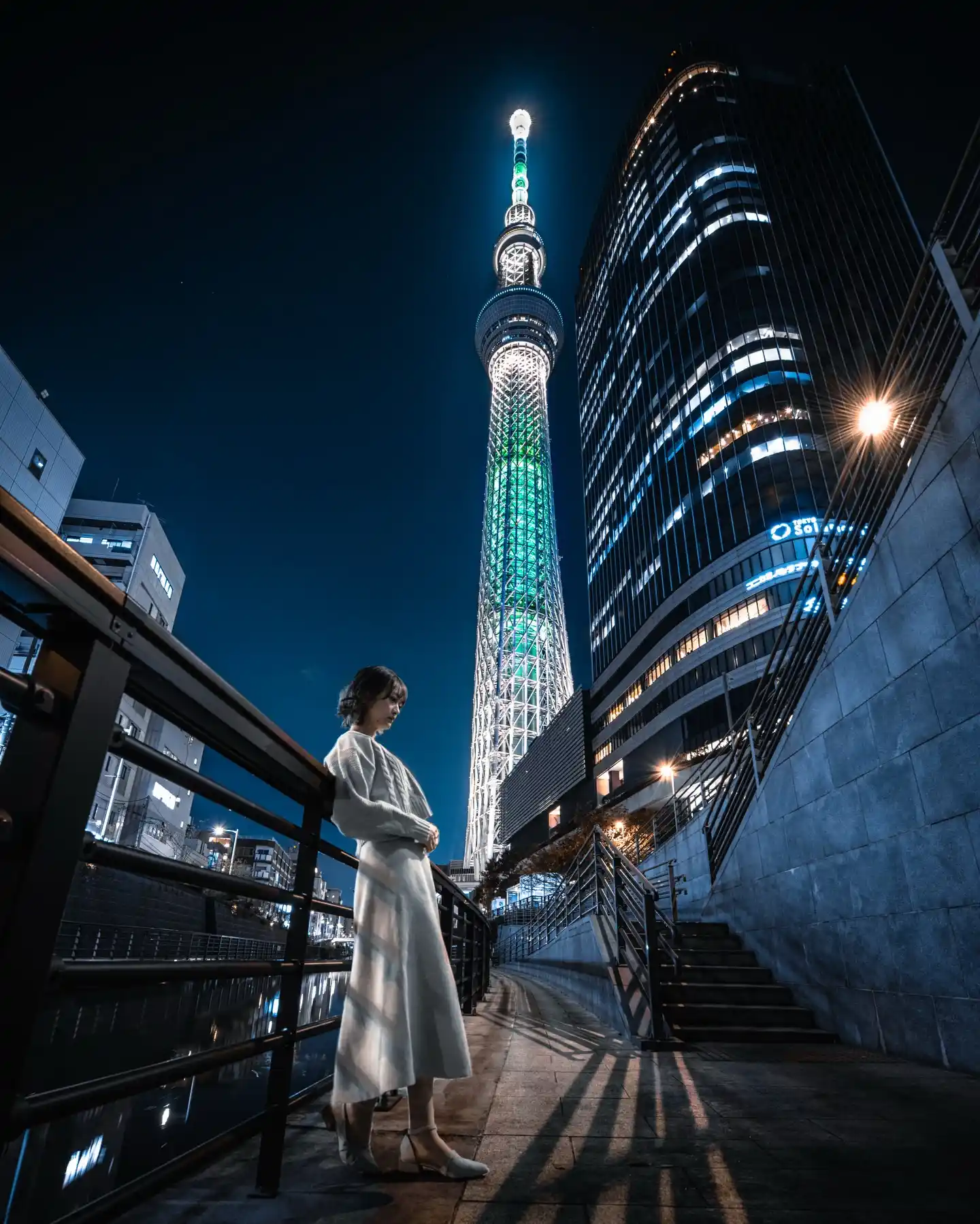
Why I recommend it: It is the most complete “tower experience” in Tokyo—observation, shopping, and dining in one complex. The Tembo Galleria’s spiral walk is genuinely thrilling.
Ideal for: Families, first-time visitors, and anyone who wants the classic Tokyo postcard view. Good rainy-day option.
4. MORI Building DIGITAL ART MUSEUM: teamLab Borderless
Located in Azabudai Hills, teamLab Borderless is a “borderless” world of interactive digital art where artworks move between rooms, react to visitors, and never repeat.
Highlights include Bubble Universe, Infinite Crystal World (ever-changing three-dimensional light sculptures), and EN TEA HOUSE, where digital flowers bloom inside your teacup.
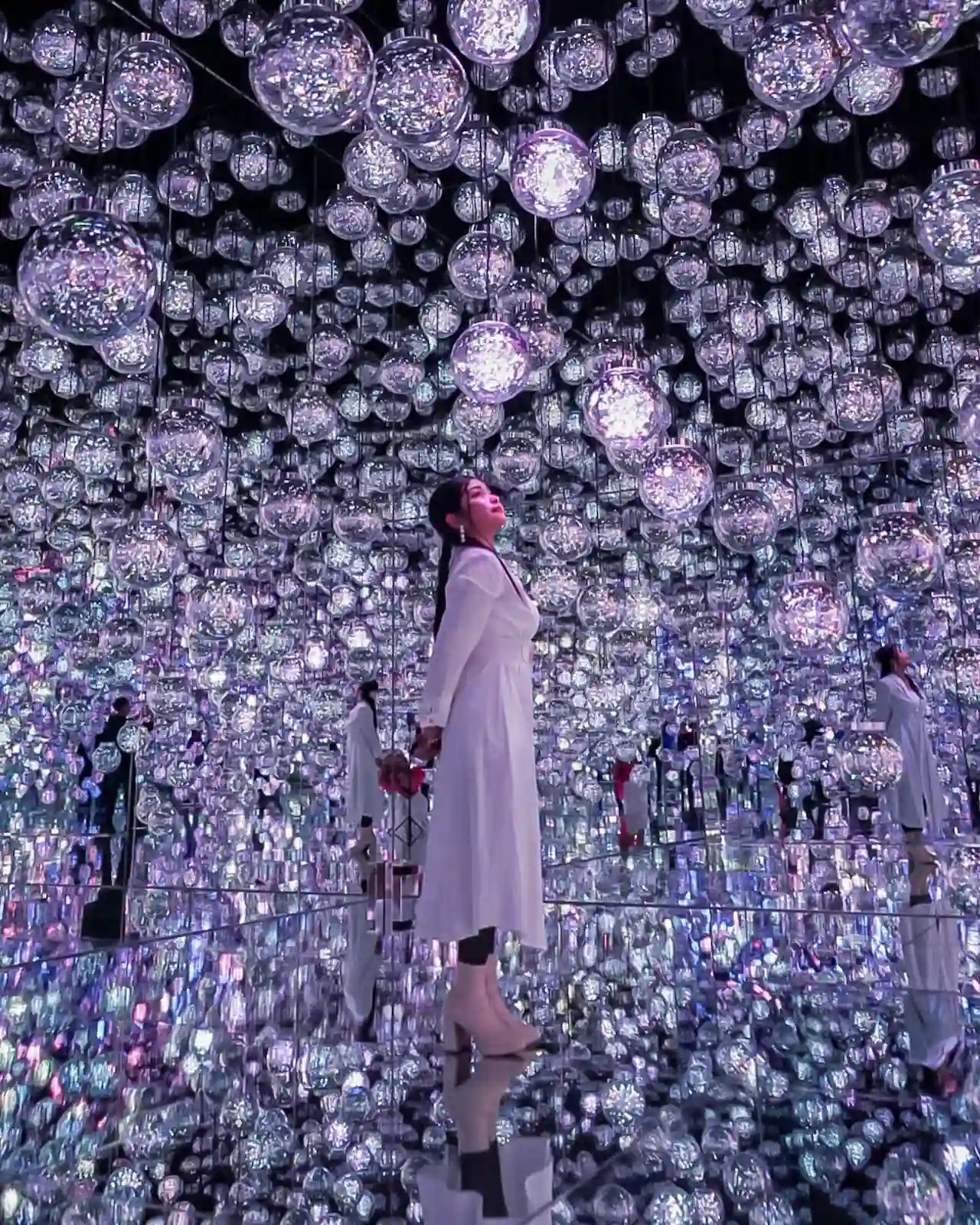
Why I recommend it: It is one of the most immersive art experiences in the world, and it photographs beautifully. Unlike a traditional museum, you walk through the art.
Ideal for: Couples, families with children (older kids especially), and anyone looking for crazy things to do in Tokyo that are also genuinely artistic.
5. teamLab Planets TOKYO
What makes it special: teamLab Planets is the barefoot counterpart to Borderless. You walk through water, squishy floors, and mirrored rooms.
Key works include Infinite Crystal Universe, Moss Garden of Resonating Microcosms, Soft Black Hole, Drawing on the Water Surface Created by the Dance of Koi and People, and Universe of Fire Particles Falling from the Sky.
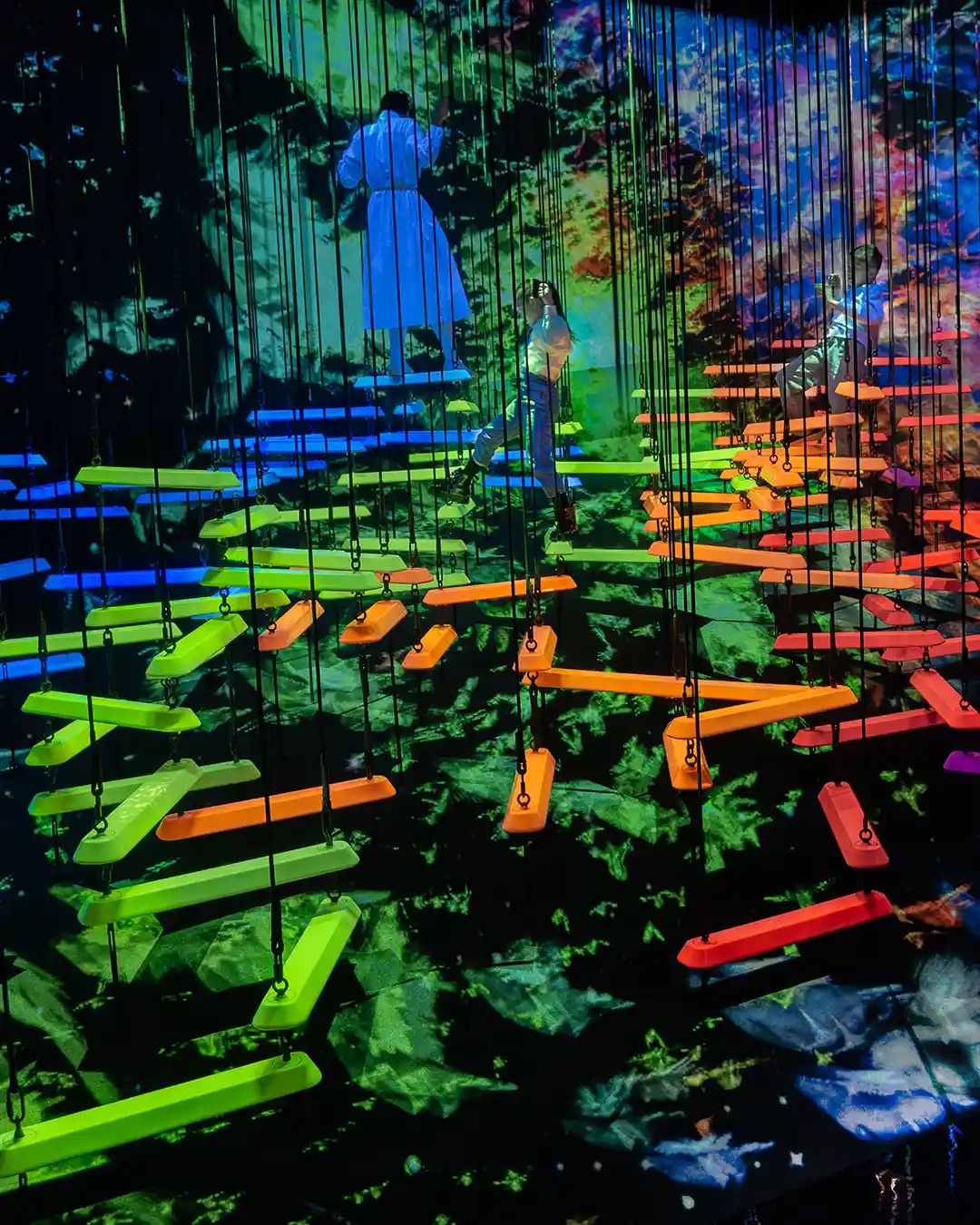
Why I recommend it: It is more tactile and playful than Borderless—genuinely fun, not just visually impressive. The koi water walk is unlike anything else in Tokyo.
Ideal for: Families with kids, groups of friends, and things to do in Tokyo with kids on a rainy day. Note that some areas require wading through water (shorts recommended).
Tickets start around ¥3,600–4,800 depending on date and time. Lockers are provided for shoes and bags. Go early or late to avoid the biggest crowds.

6. Harry Potter Studio Tour Tokyo
This is the only Harry Potter Studio Tour in Asia, with meticulously recreated sets including Diagon Alley, the Forbidden Forest, and the Great Hall.
Tokyo-exclusive experiences include the Ministry of Magic Atrium (with a Floo Network video of your own green-flame arrival) and a Quidditch green-screen that places you in the Gryffindor vs. Slytherin crowd. The Studio Tour Shop is the world’s largest Harry Potter shop, with Tokyo-only merchandise.
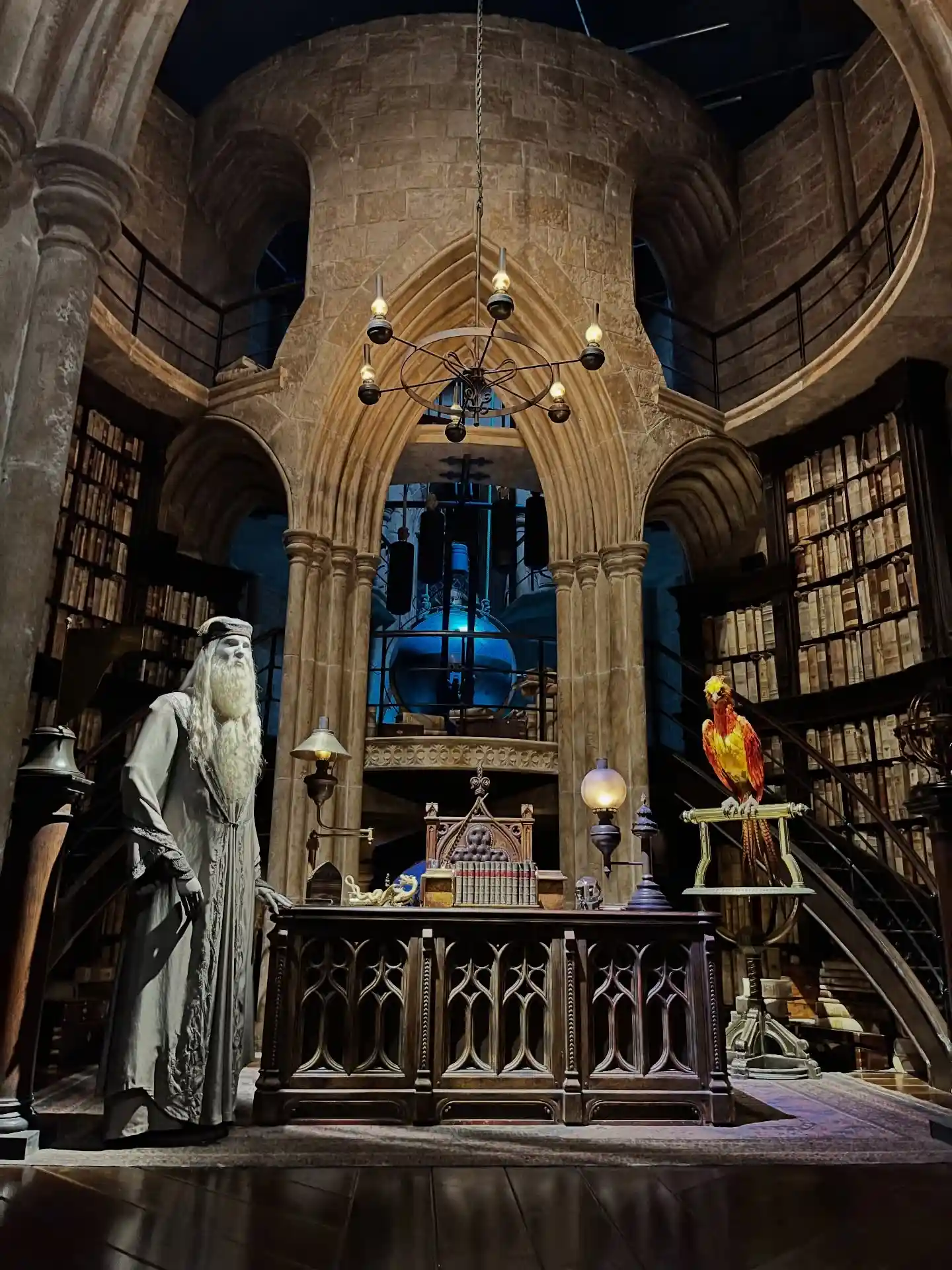
Why I recommend it: It is a full 3–4 hour immersive experience, and the level of craft is extraordinary. Even casual fans leave impressed. The Magical Winter event (mid-November to mid-January) transforms the Great Hall and Forbidden Forest into a festive wonderland.
Ideal for: Families with children (roughly 7+), Harry Potter fans of all ages, and couples. Less ideal for very young children who haven’t seen the films.
Wear comfortable walking shoes—the studio is far bigger than expected. Bring a wide-angle lens and a power bank; selfie sticks and tripods are not allowed. Outside food is prohibited (except baby food and water).
7. Sanrio Puroland Tokyo
An indoor Sanrio theme park in Tama City, home to Hello Kitty, My Melody, Kuromi, and friends. Attractions include the Sanrio Character Boat Ride, My Melody & Kuromi: Mymeroad Drive, Lady Kitty House, and the KAWAII KABUKI show (Sanrio characters performing traditional Japanese drama in kimono and samurai costumes).
The seasonal Puroland Illumination Christmas (early November–December 25) adds illuminations, stamp rallies, and character greetings.
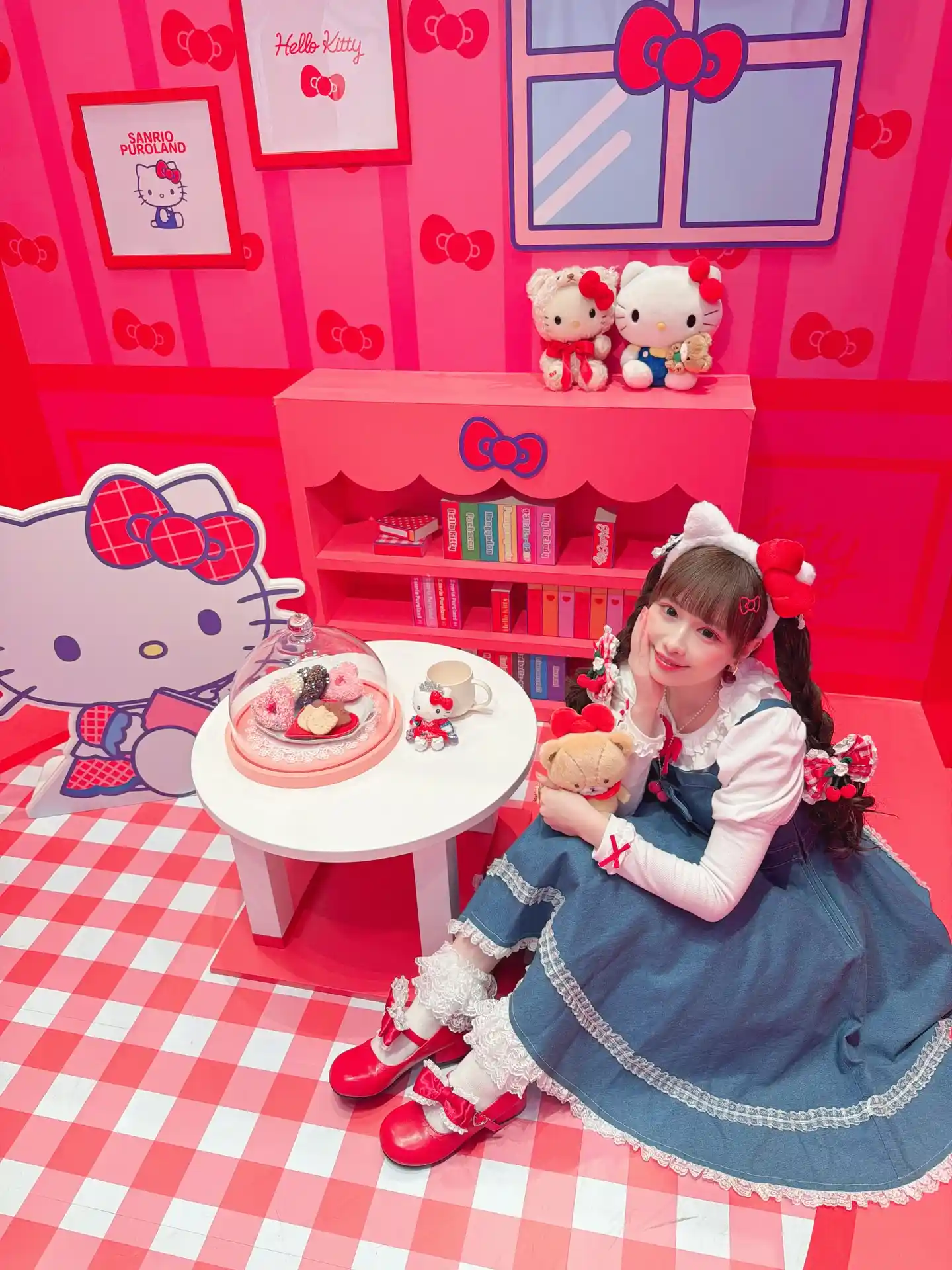
Why I recommend it: It is unapologetically cute, entirely indoors, and perfect for young children. The shows are high-energy, and the character interactions are genuinely magical for fans.
Ideal for: Families with young children, Sanrio fans, and anyone seeking things to do in Tokyo with kids on a hot or rainy day.
8. Tokyo Tower
The 333-metre icon has two observation decks—the Main Observatory (150m) and the Top Deck (250m)—but the real upgrade is the TOKYO DIAMOND TOUR, a limited-capacity guided experience (maximum 10 people per tour, 7 departures daily) that includes the Maple Lounge, skip-the-line access, and both decks.
The Top Deck Tour is a simpler version covering 150m + 250m.
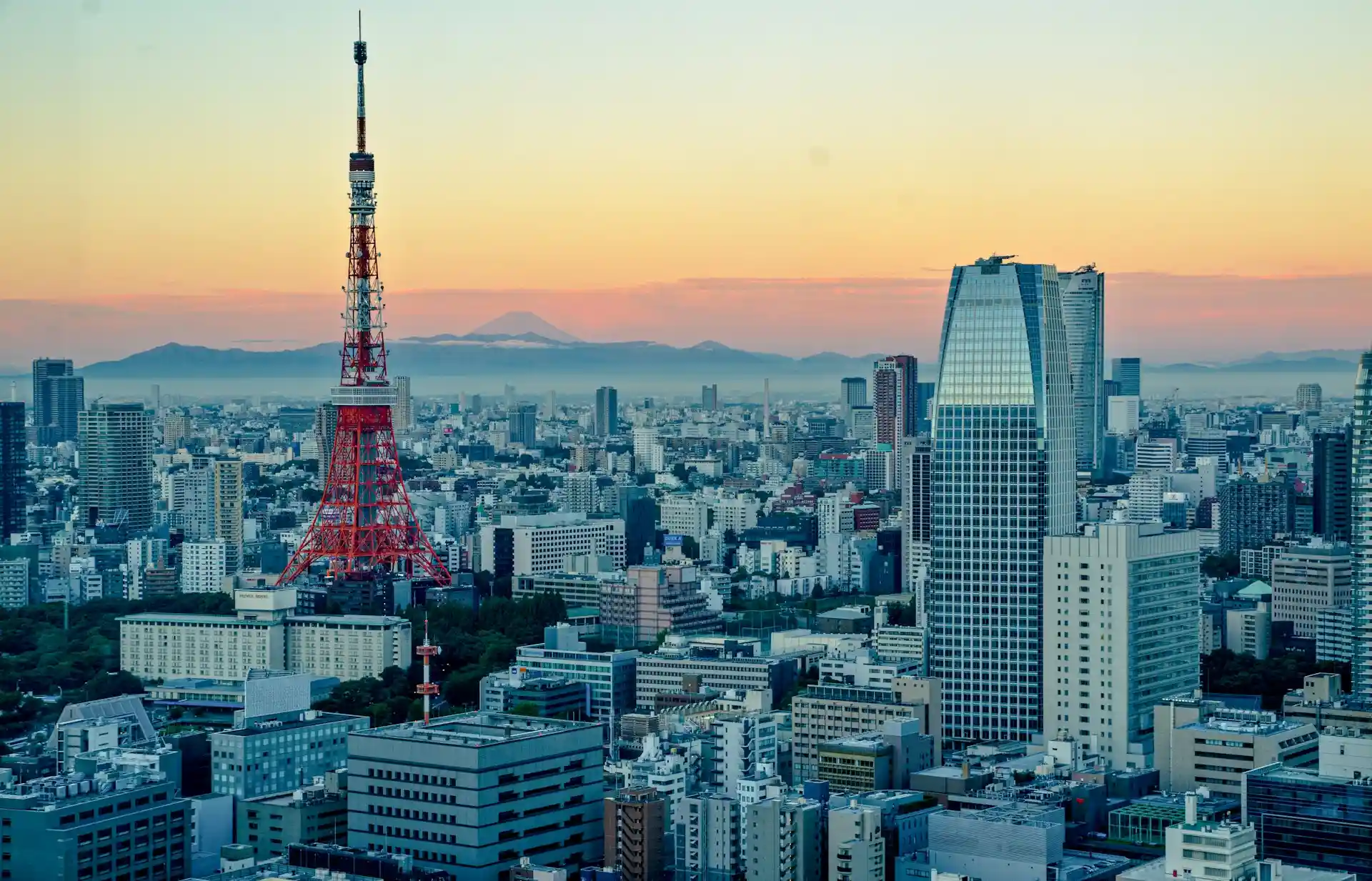
Why I recommend it: Tokyo Tower is the retro-cool alternative to Skytree—older, red-and-white, and steeped in Showa-era nostalgia. The Diamond Tour’s small-group format makes it feel exclusive.
Ideal for: Couples, families, and anyone who wants a classic Tokyo experience without the Skytree crowds. Good for fun things to do in Tokyo for young adults at night.
9. Mt. Fuji Sightseeing Day Tour
This is a photography-focused route circling Mt. Fuji, with stops at Chureito Pagoda (397 steps for the classic five-story pagoda + Fuji shot), the Hikawa Clock Shop street (the “stairway to heaven” photo), Oshino Hakkai, the Lawson convenience store (a viral frame), and Oishi Park (lavender in summer, red kokia in autumn).
Seasonal add-ons include the Kawaguchiko Cherry Blossom Festival (late March–mid-April) and the Maple Leaf Corridor (early–late November).
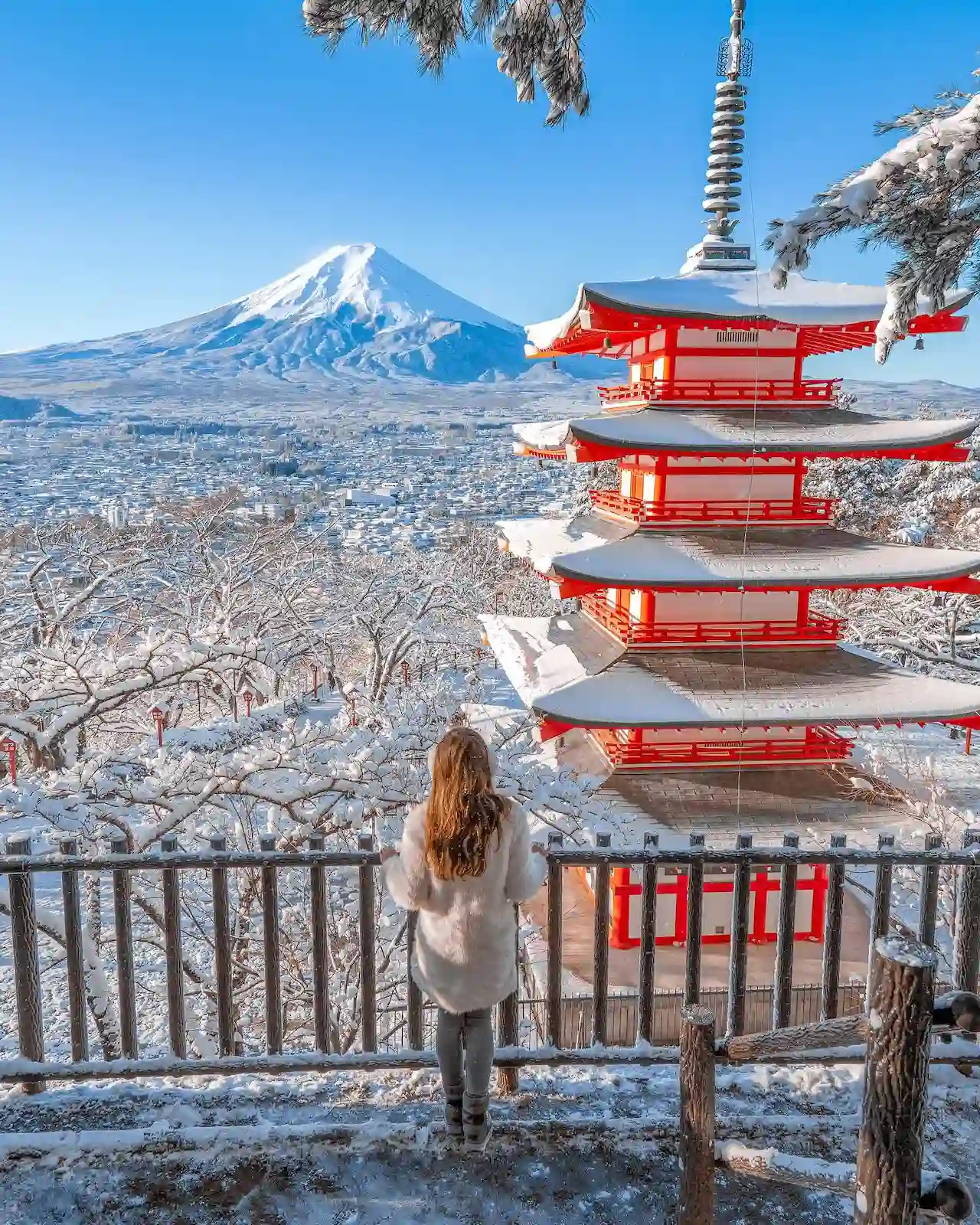
Why I recommend it: It is the most efficient way to see Fuji from multiple angles in one day, and every stop is designed for photos. On clear days, the experience is genuinely breathtaking.
Ideal for: Photographers, couples, and things to do in Tokyo for visitors who want a day outside the city. Less ideal for very young children due to bus time.
10. Sumo Live Show with Photo
What makes it special: In Shinjuku, this non-tournament show features professional sumo wrestlers demonstrating shiko (foot stomping), salt-throwing rituals, and live bouts.
After the main event, a lottery gives six guests per show the chance to step into the ring and challenge a wrestler—a genuinely unforgettable (and hilarious) experience.
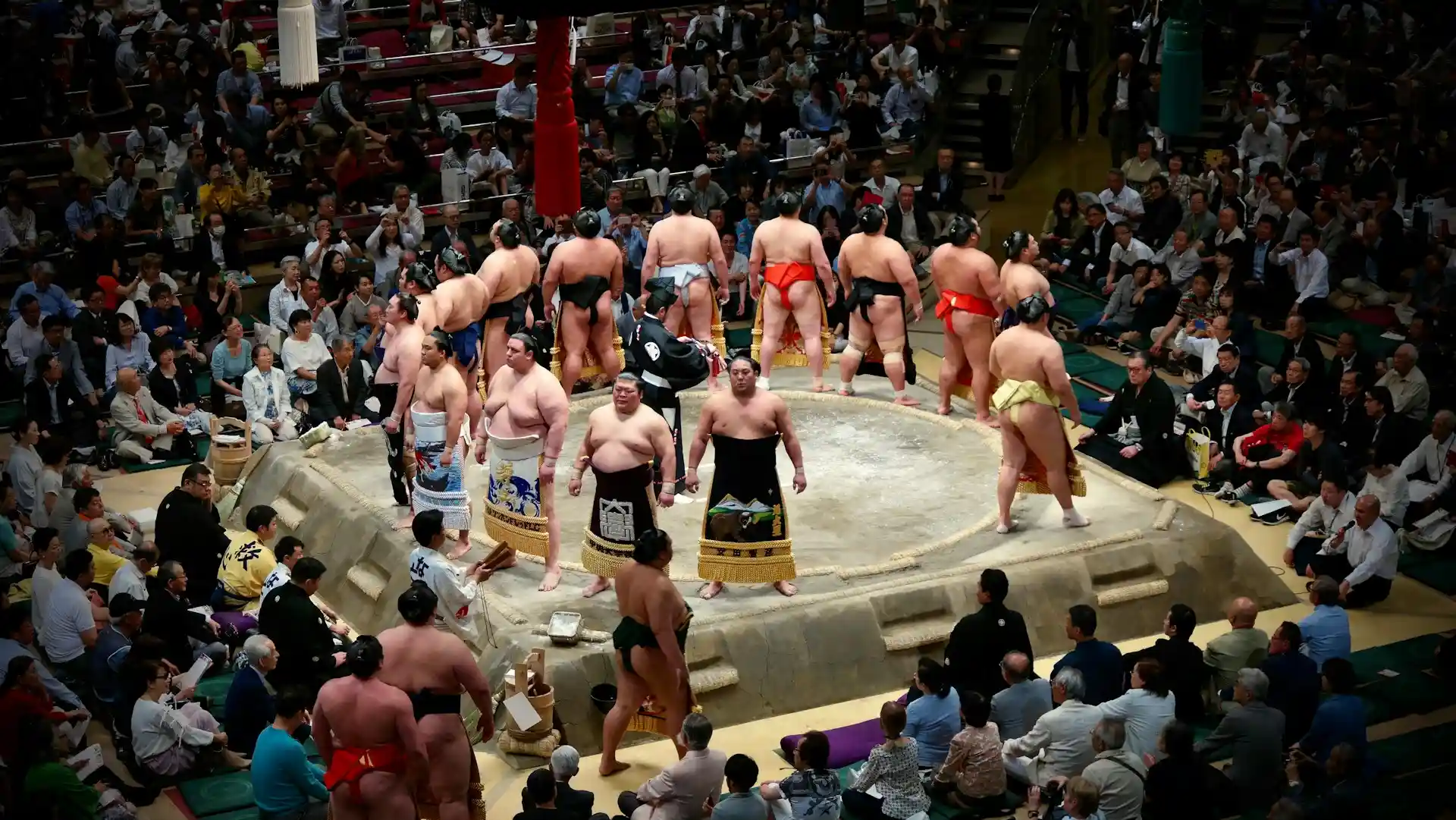
Why I recommend it: Real sumo tournaments are only held in January, May, and September in Tokyo, and tickets are hard to get. This show offers the rituals and intensity year-round, with audience participation that makes it memorable.
Ideal for: Groups of friends, couples, and anyone curious about sumo culture. Good for crazy things to do in Tokyo that are still respectful.
The Best Free Things to Do in Tokyo
Some of the best things to do in Tokyo cost nothing at all—and these are often the moments travelers remember most.
11. Meiji Jingu Shrine
What it is: Tokyo’s most important Shinto shrine, set within 70 hectares of forested grounds in Harajuku, dedicated to Emperor Meiji and Empress Shoken.
The towering cedar torii gate sets a contemplative tone, and the forest creates a remarkable calm minutes from one of the world’s busiest districts.
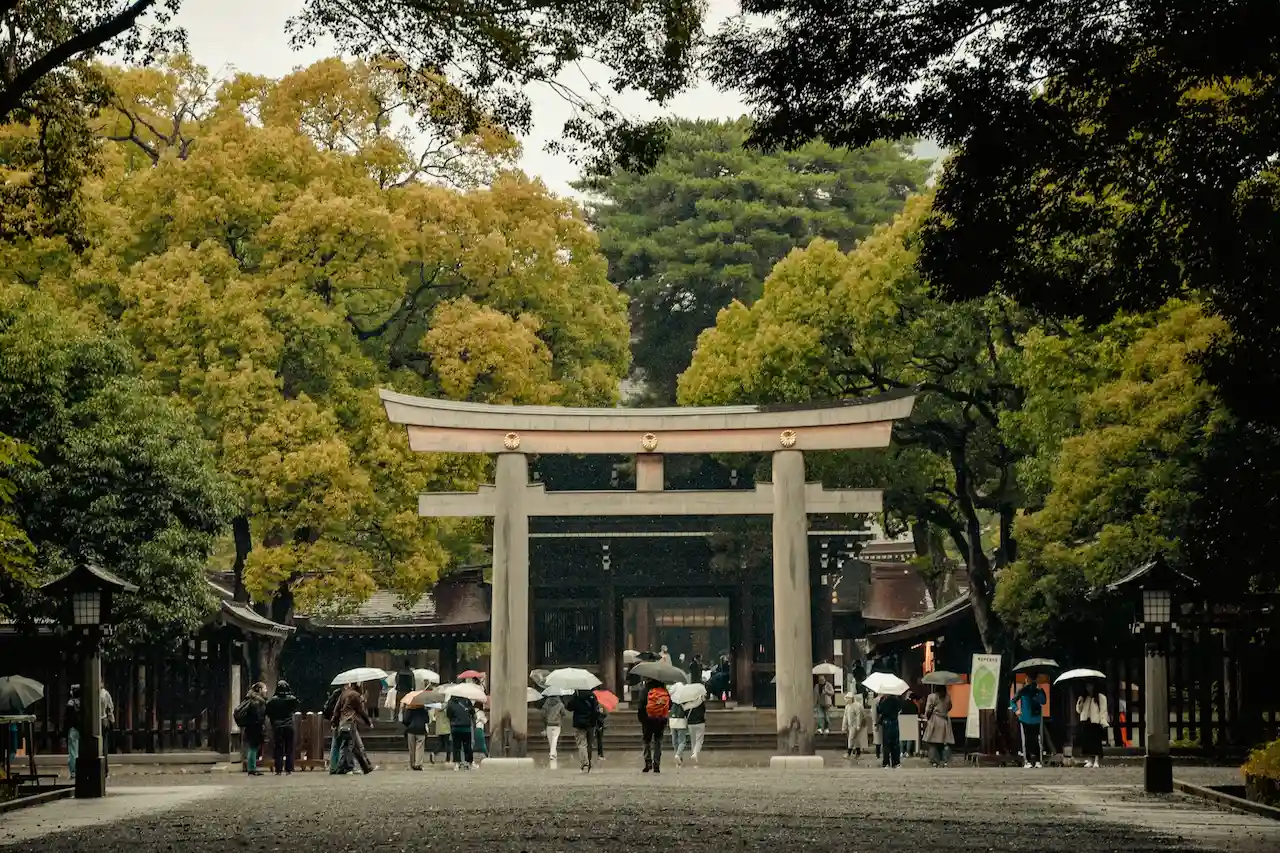
Why it’s worth it: It is completely free (only the separate Inner Garden charges), deeply atmospheric, and a striking contrast to the neon nearby.
Ideal for: Everyone—couples, families, solo travelers. Pair it with Harajuku’s Takeshita Street for a day of contrasts.
12. Senso-ji Temple, Asakusa
Founded in 628 AD, Senso-ji is Tokyo’s oldest Buddhist temple. The Kaminarimon (Thunder Gate) and its giant red lantern lead to Nakamise-dori, a shopping lane of snacks and souvenirs, then to the main hall.
Entry is free, and the grounds are accessible around the clock (main hall 6:00–17:00, April–September; 6:30–17:00, October–March).
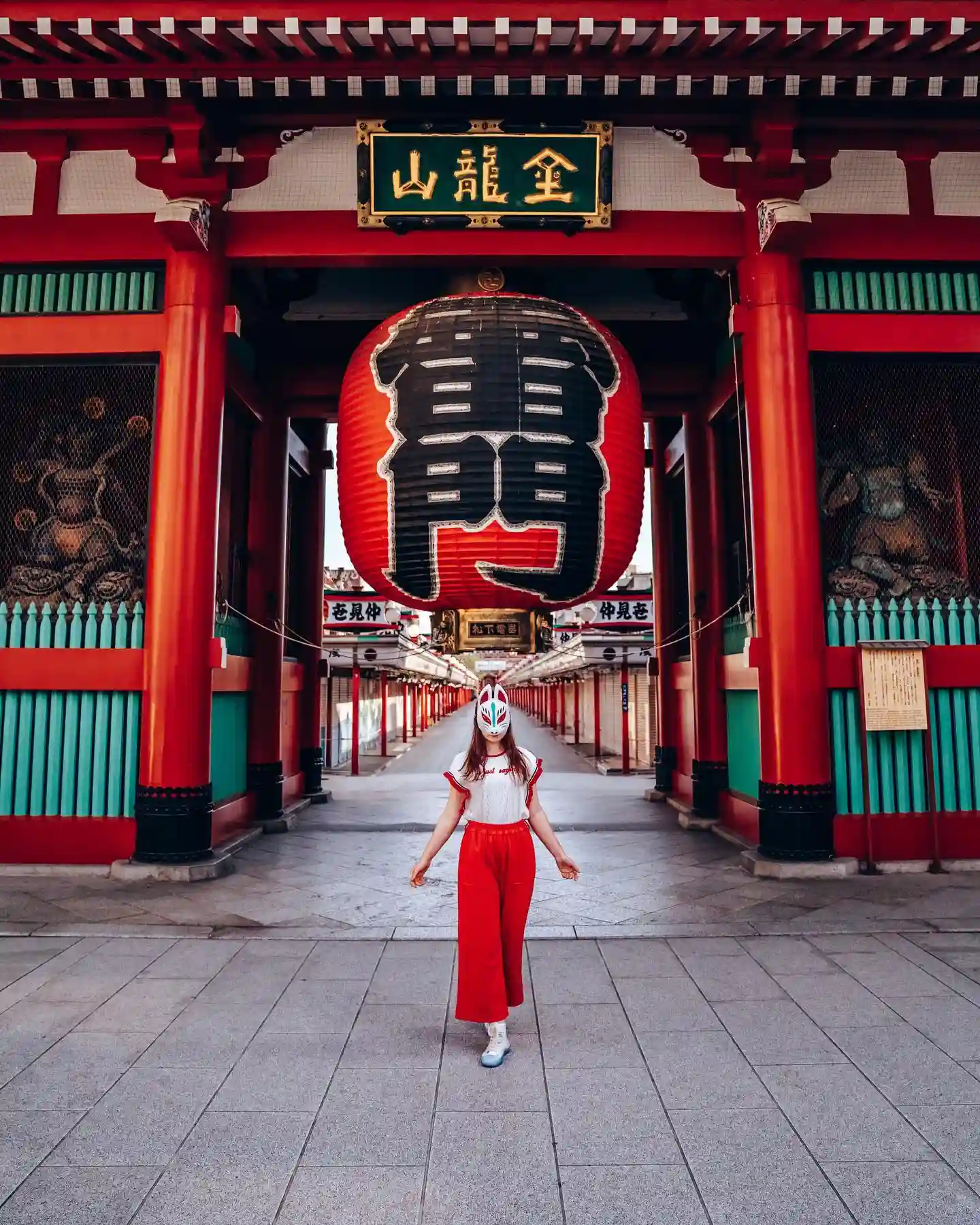
Why it’s worth it: It is the most evocative temple experience in Tokyo—incense smoke, omamori charms, and the gentle chime of bells—and it costs nothing.
Ideal for: Families, photographers, and first-timers. Things to do in Tokyo with kids that are culturally rich and free.
13. Tokyo Metropolitan Government Building Observation Deck
Two free observation decks on the 45th floor (202m) of the Tokyo Metropolitan Government Building in Nishi-Shinjuku. On clear days, Mt. Fuji is visible. The North Deck is open 9:30–22:30 (closed 2nd and 4th Mondays); the South Deck has similar hours (closed 1st and 3rd Tuesdays).
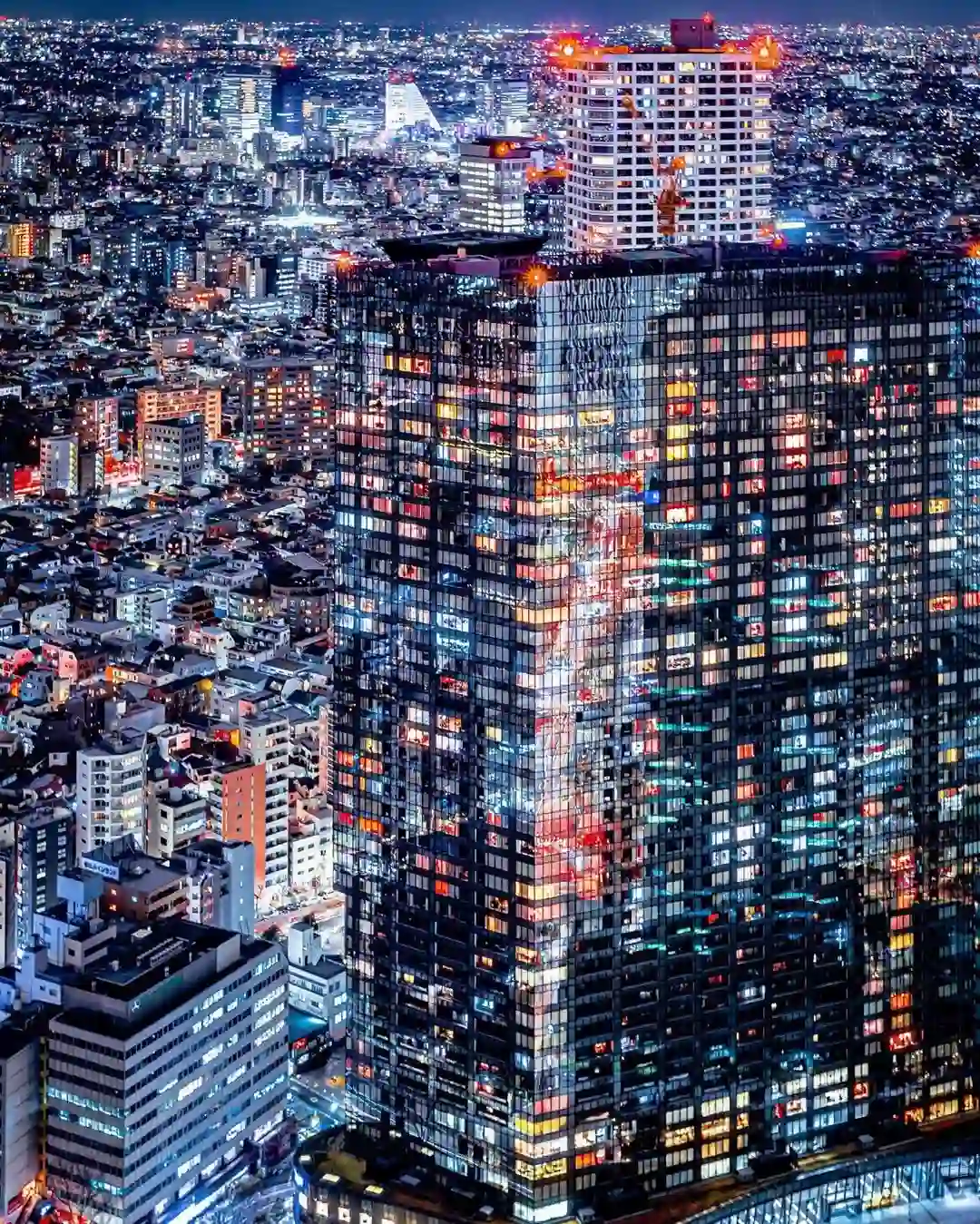
Why it’s worth it: It is the best free panoramic view in Tokyo—the same skyline as paid decks, at zero cost.
Ideal for: Budget travelers, families, and anyone who wants a quick city view without a ticket.
The North Deck has a café; grab a window seat. It is a 10-minute walk from JR Shinjuku Station’s west exit.
14. Shibuya Scramble Crossing
What it is: The world’s most famous pedestrian crossing, where pedestrians flood in from all directions at once. It operates 24/7 outside Shibuya Station’s Hachiko Exit.
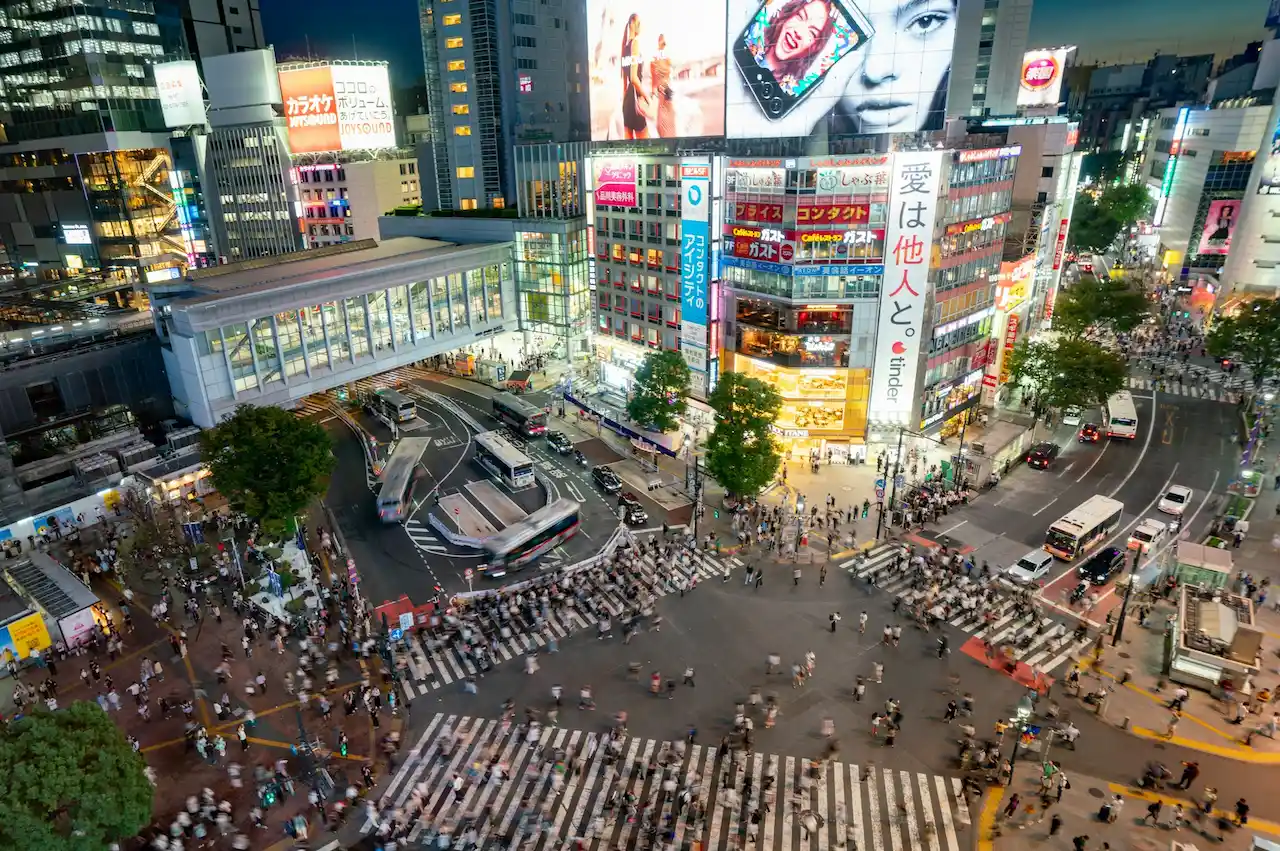
Why it’s worth it: It is free, iconic, and genuinely mesmerizing in person. For an elevated view, use the Shibuya Station walkway or the Hikarie Sky Lobby (also free).
Ideal for: Everyone, especially for fun things to do in Tokyo for young adults. Pair with Shibuya Sky for the full experience.
Cross at least once, then watch from above. Avoid peak commute hours (7:30–9:00, 17:30–19:00) if you want photos.
15. Imperial Palace East Gardens
Free Japanese gardens on the grounds of the Imperial Palace, with moats, stone walls, and seasonal flowers.
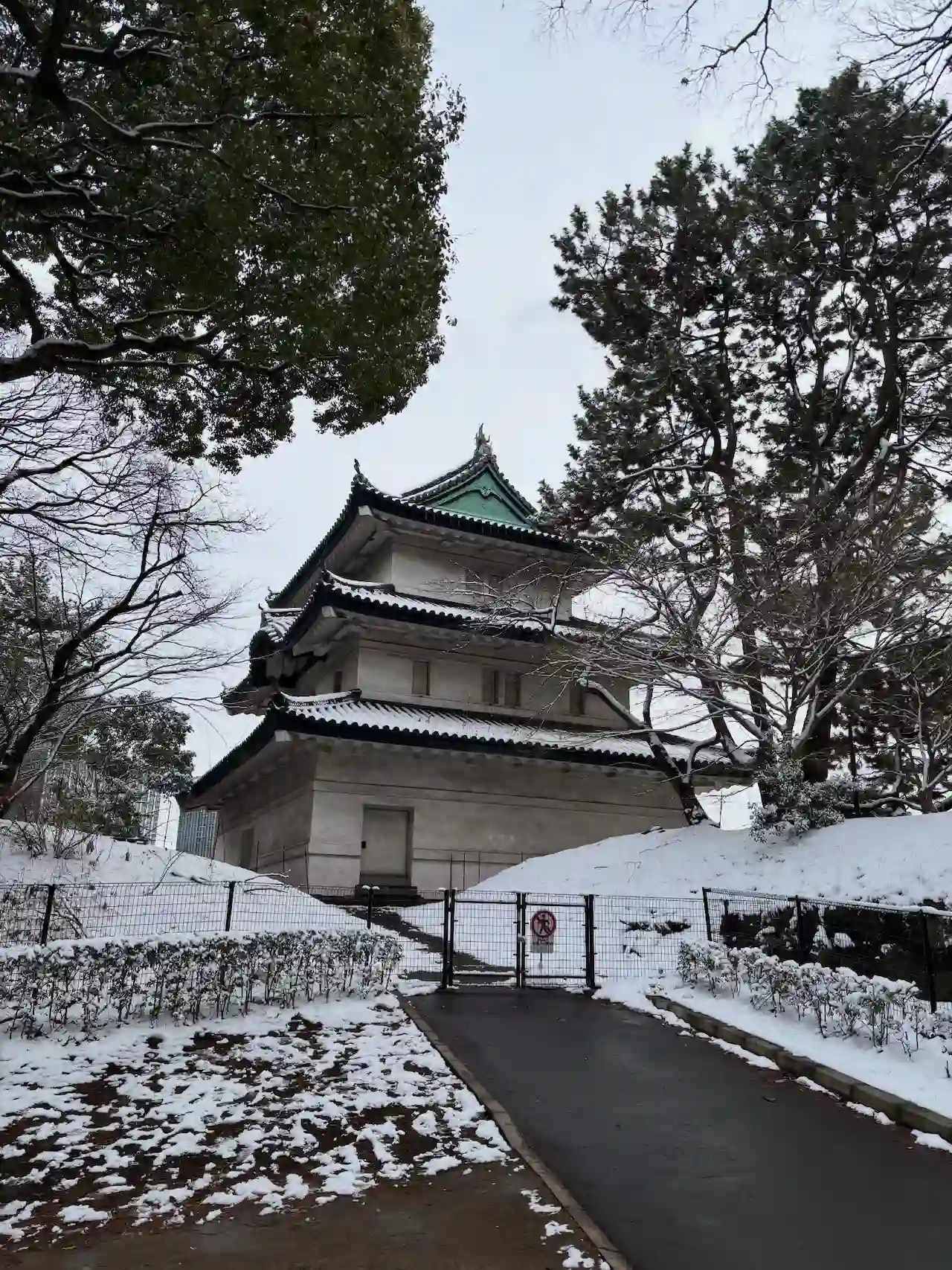
Why it’s worth it: It is a free oasis in the middle of the city, and the scale is impressive.
Ideal for: Couples, solo travelers, and anyone needing a quiet hour.
16. Yanaka and Ameyoko
Yanaka is an old-town neighborhood with temples, cemeteries, and a slower pace; Ameyoko in Ueno is a bustling open-air market for snacks, seafood, and bargains.
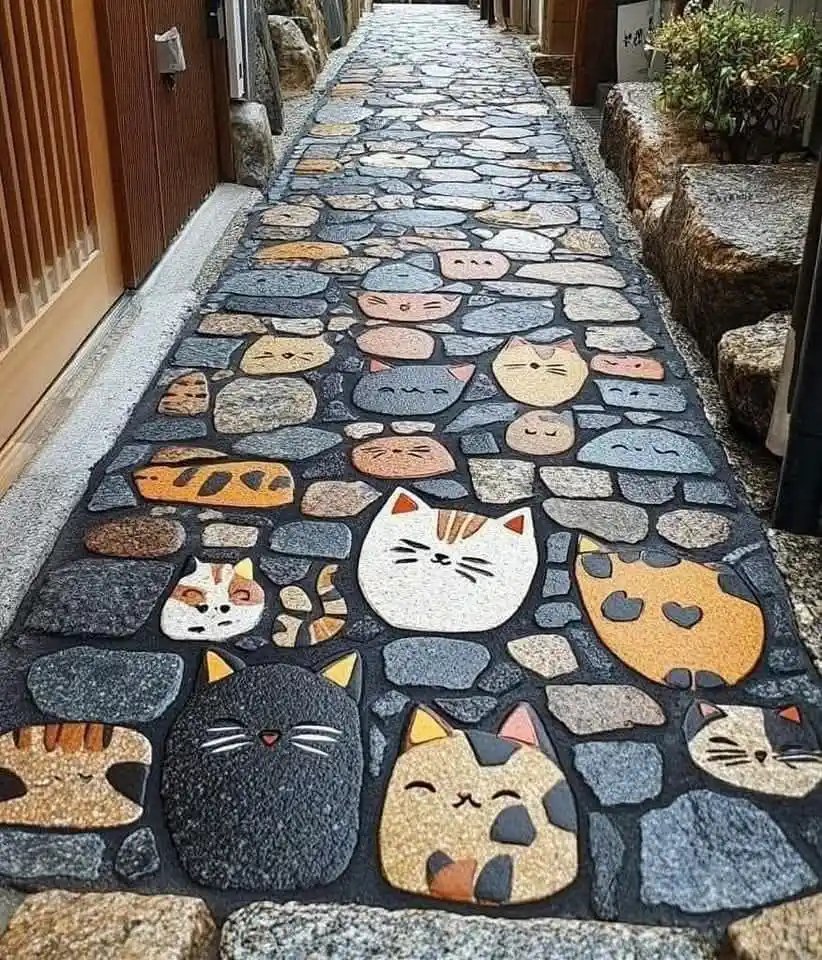
Why it’s worth it: Both are free to explore and offer a slice of everyday Tokyo that the big attractions don’t.
Ideal for: Photographers, foodies, and travelers who want to slow down.
Go to Ameyoko hungry—the street food is excellent and cheap.
More Free and Budget-Friendly Highlights
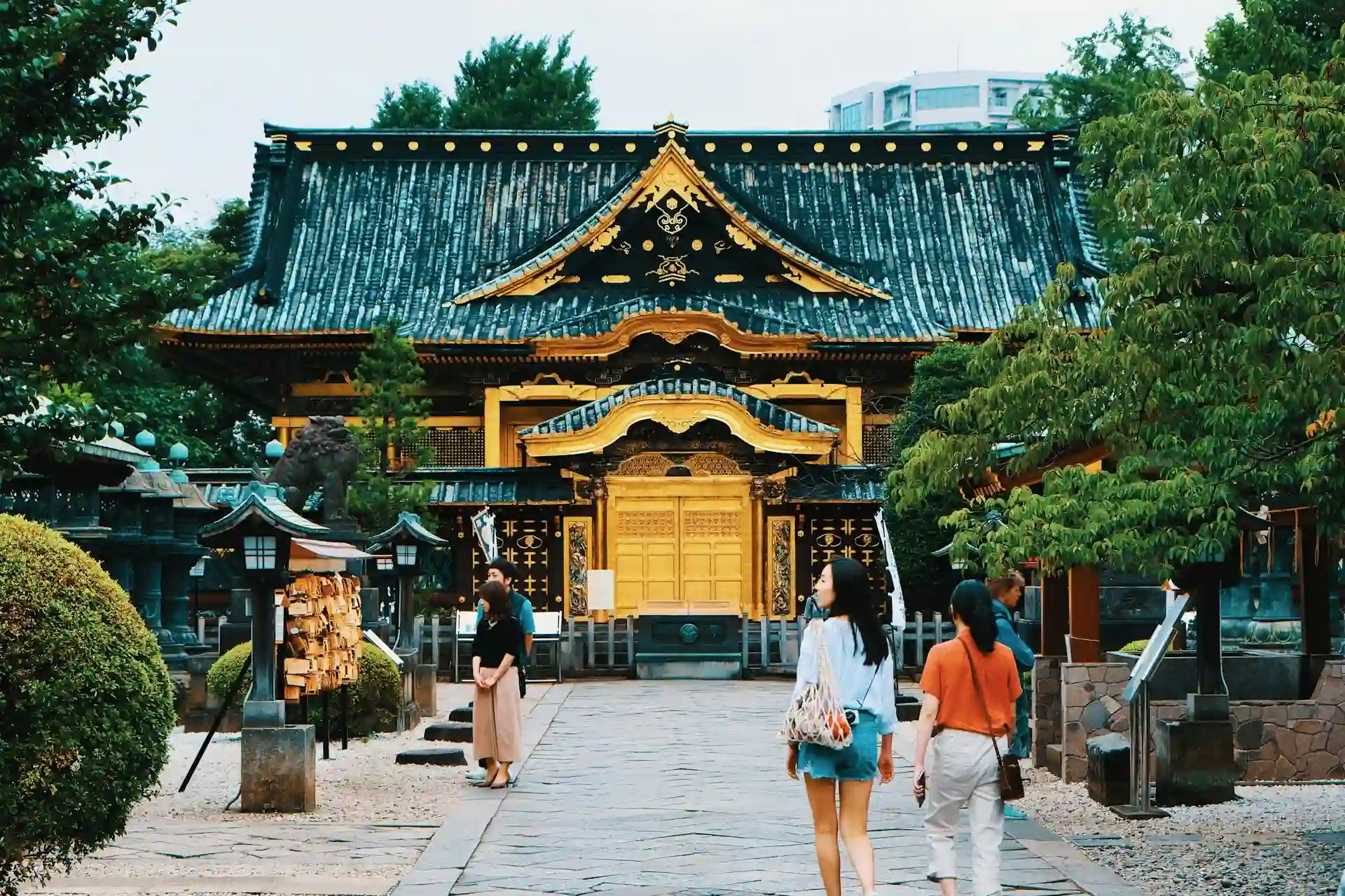
17. Ueno Park and Museums
Ueno Park is home to several free museums, including the Meiji University Museum, Sumo Museum, Ryogoku Fireworks Museum, and Omori Nori Museum.
The park itself is free and especially beautiful during cherry blossom season.
18. A Sento | Public Bathhouse
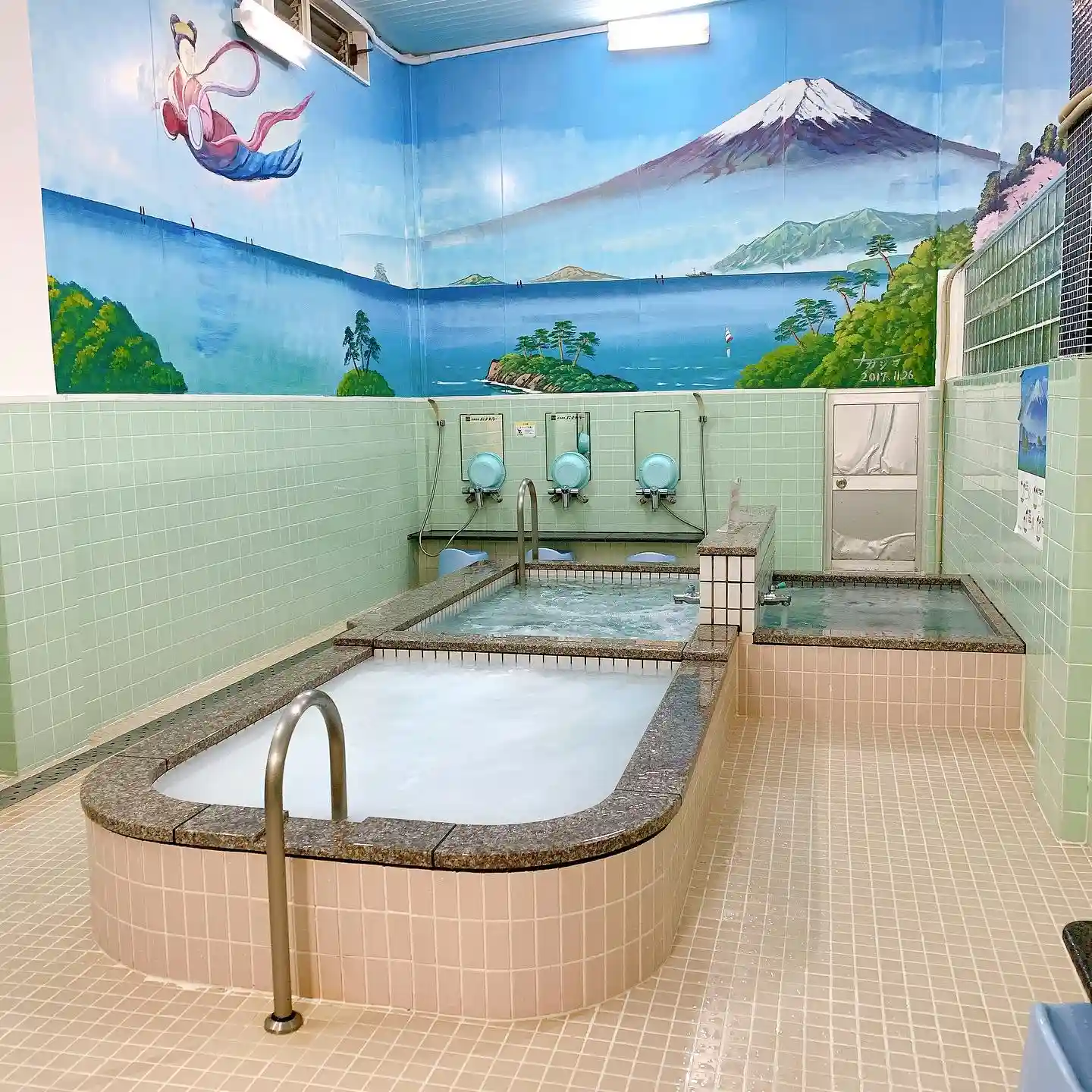
A sento is a neighborhood bathhouse with a painted Mt. Fuji mural, hot and cold baths, and post-bath vending-machine milk.
Entry is typically under ¥500—one of the cheapest and most authentically Japanese experiences in Tokyo.
Things to Do in Tokyo with Kids
Beyond Disney and Sanrio, Tokyo is surprisingly functional for families—department stores have Baby Rooms with changing tables and hot water, and train stations are stroller-friendly.
19. PokéPark Kanto | Yomiuriland
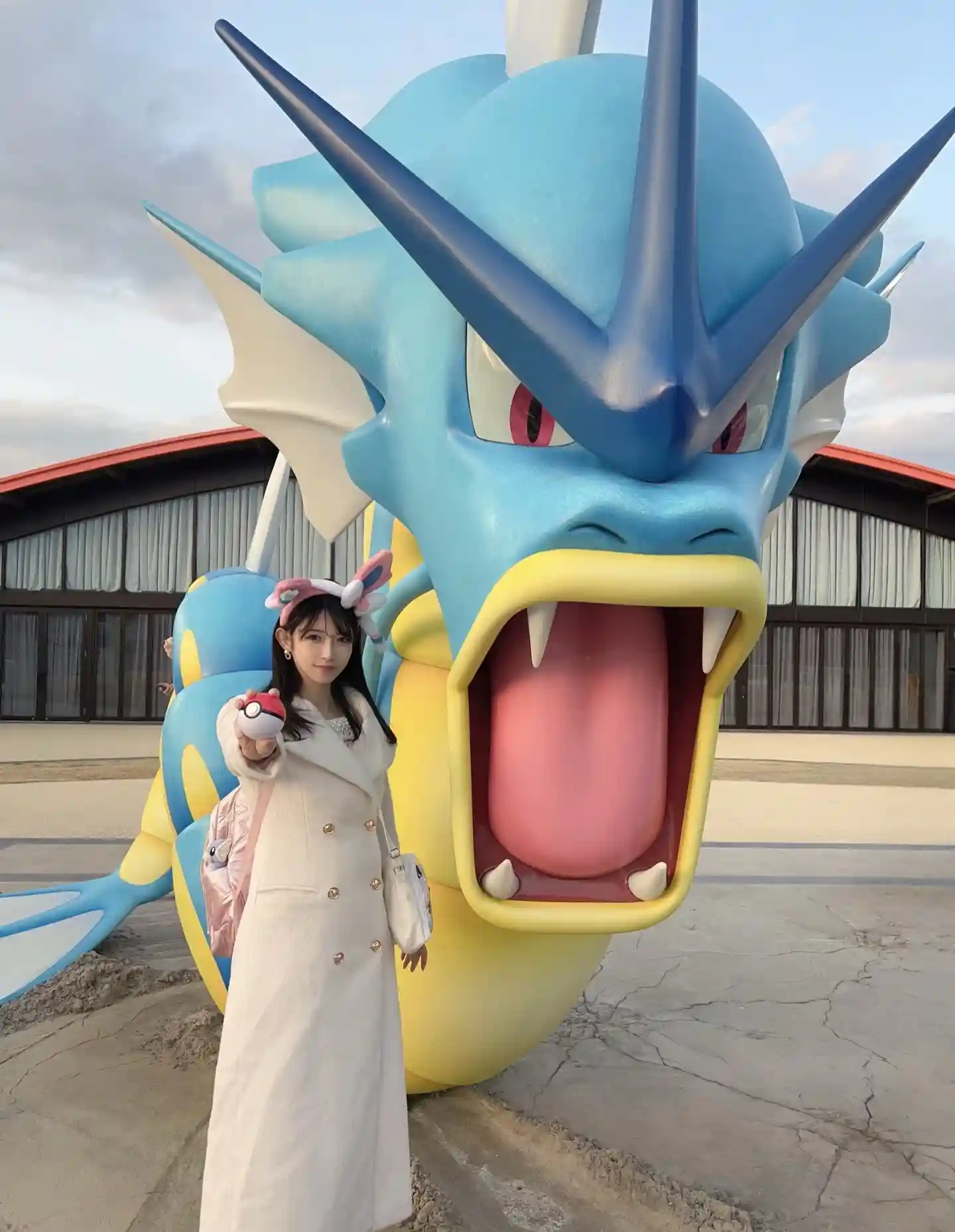
Opened February 5, 2026, this is the world’s first permanent outdoor Pokémon attraction, with themed areas, shows, and photo spots. It is the most talked-about family opening in years.
20. National Museum of Nature and Science | Ueno
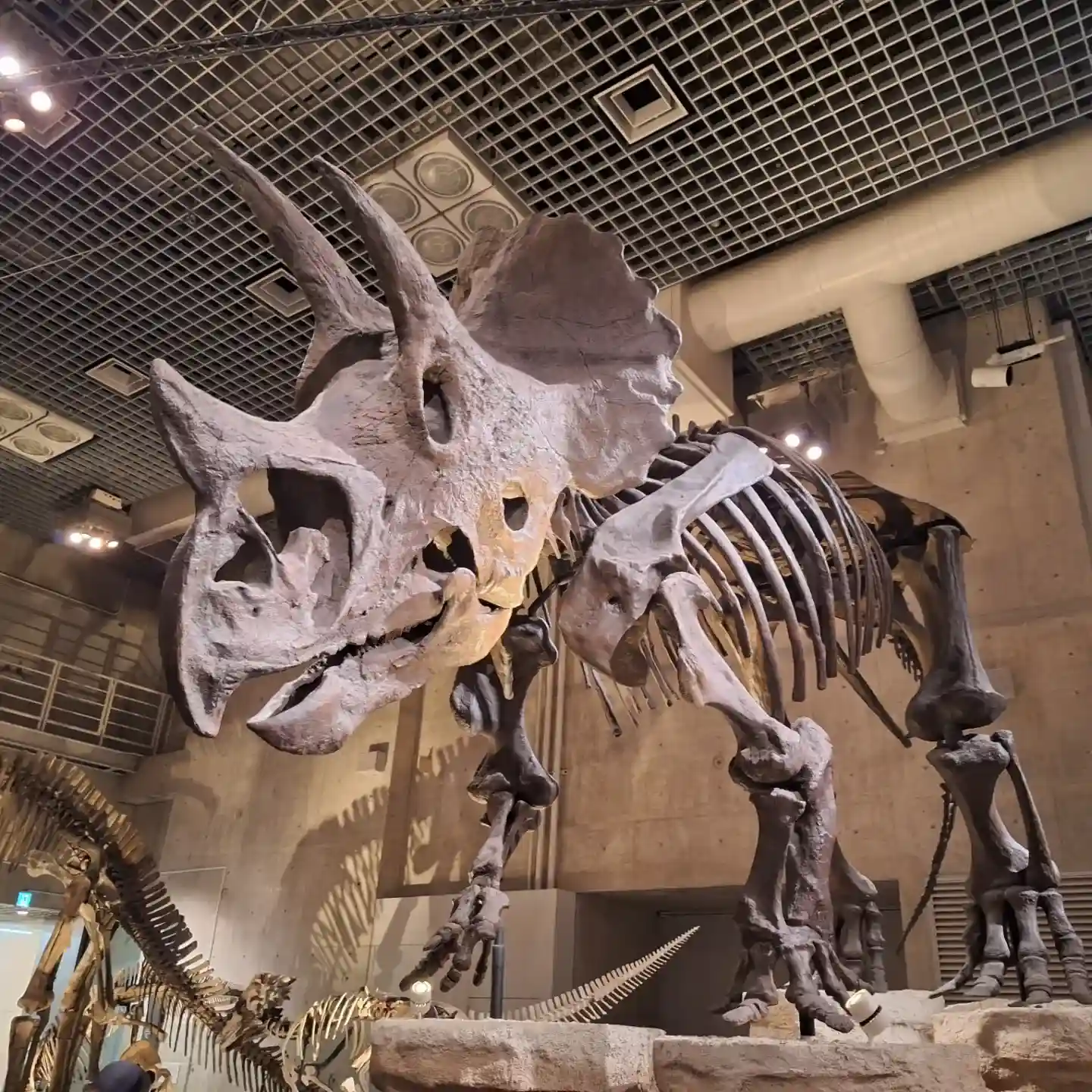
Massive dinosaur exhibits (including one of the world’s most complete Triceratops skeletons), a Hands-On Science Area, and enough to fill a half-day.
21. KidZania Tokyo
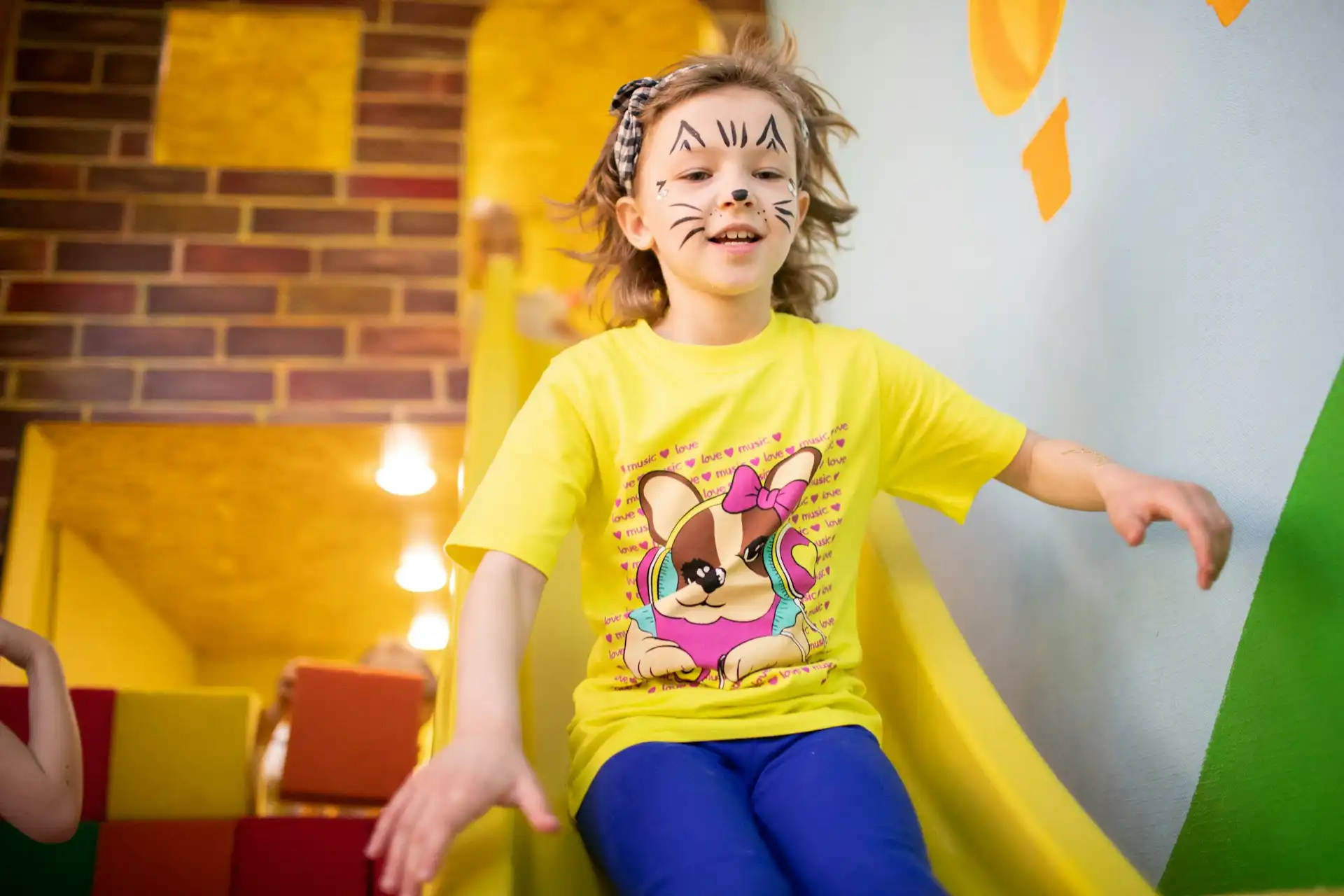
An indoor city where children aged 3–15 role-play adult jobs—pilot, chef, doctor, and more. A reliable rainy-day option for families.
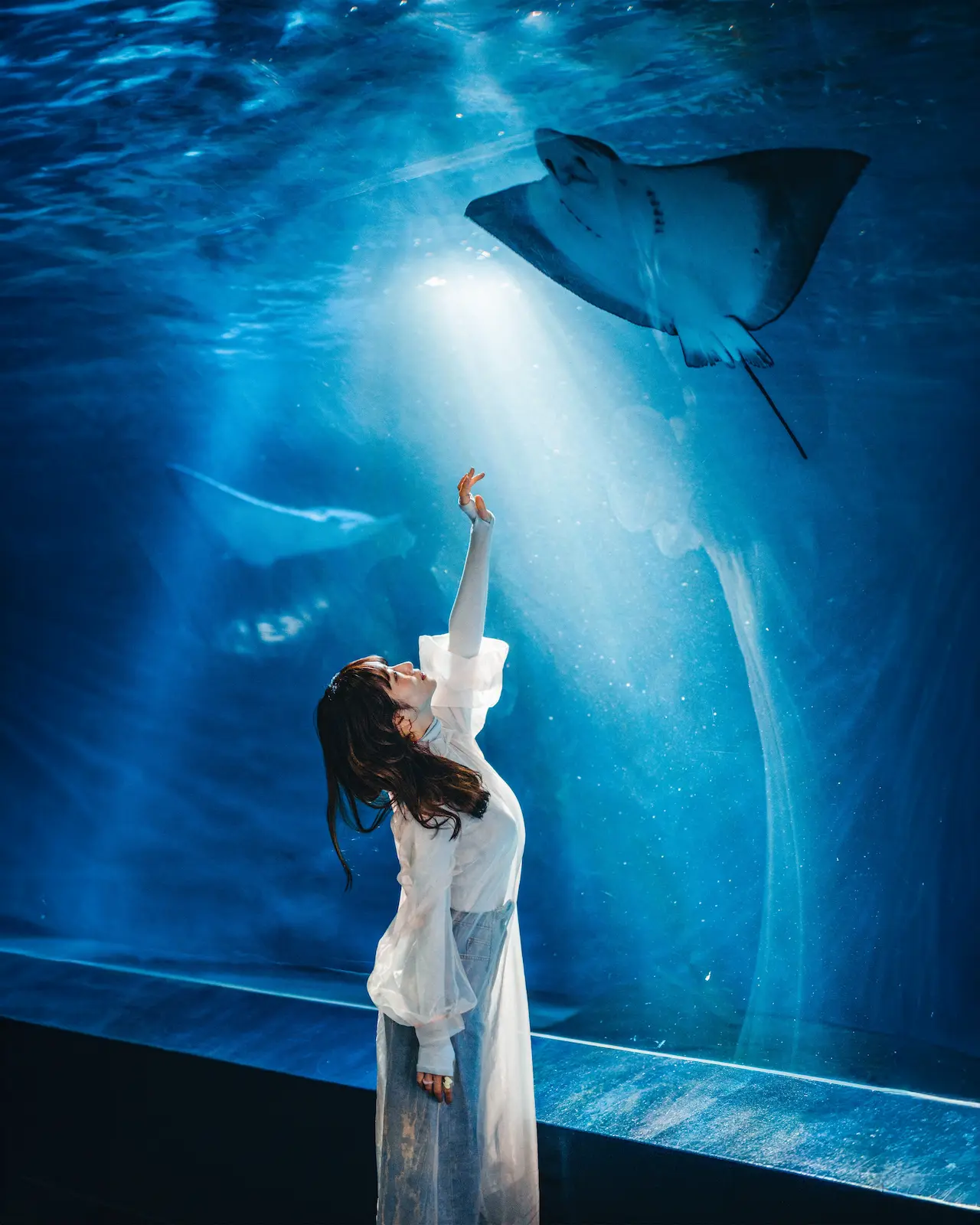
22. Shinagawa Aquarium
Worth visiting in 2026 before it closes for major renovations (reopening expected 2027).
Check what’s changed in 2026. Ueno Zoo no longer has giant pandas (they returned to China in January 2026), and the Edo-Tokyo Museum reopened on March 31, 2026 after a four-year renovation. Planning around these changes prevents disappointment.
Crazy, Fun Things to Do in Tokyo for Young Adults
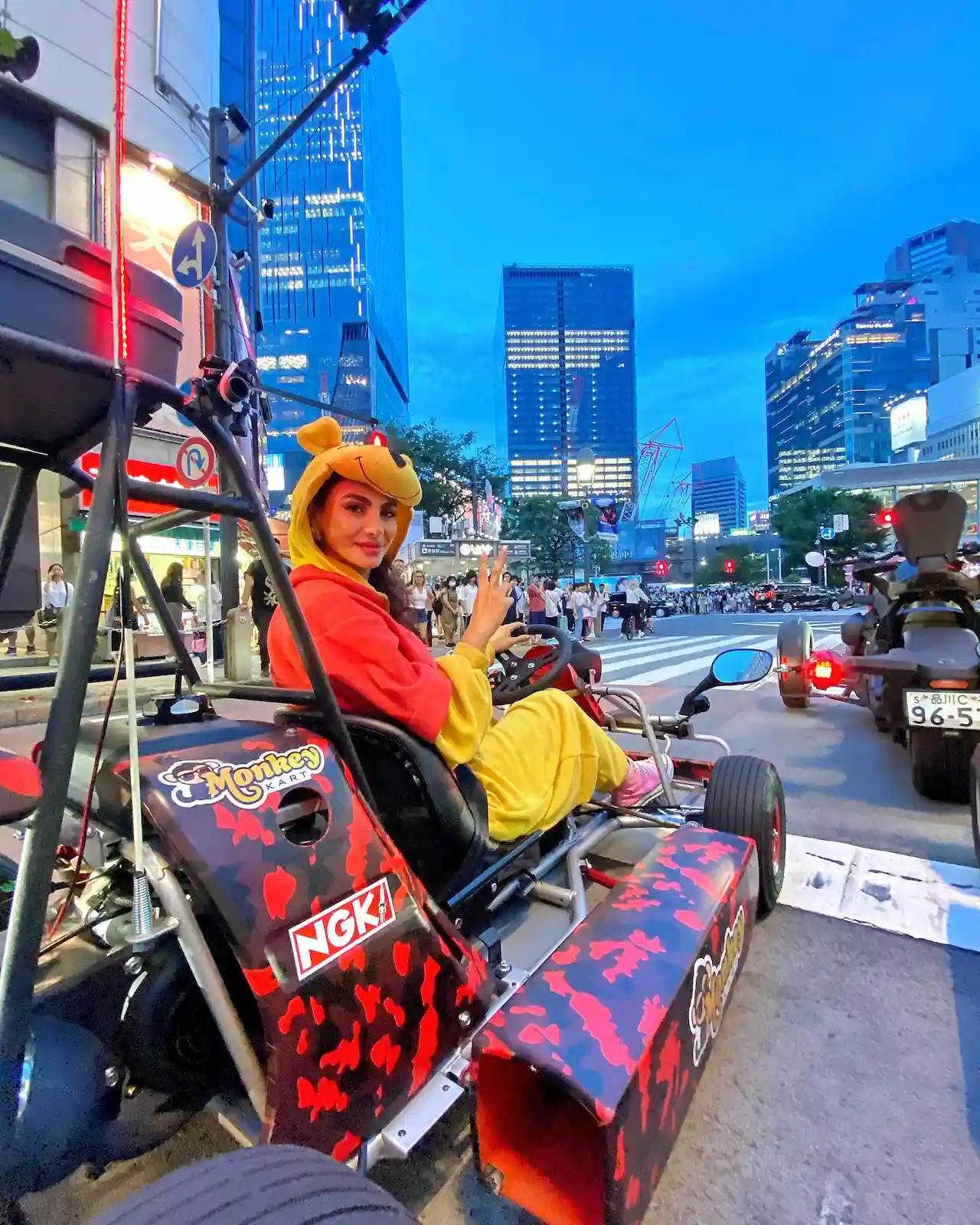
23. Street Go-Karting
Drive a go-kart in costume through Shibuya and across the Rainbow Bridge—you need an international driving permit and a sense of humor. It is one of the most crazy things to do in Tokyo, and it photographs brilliantly.
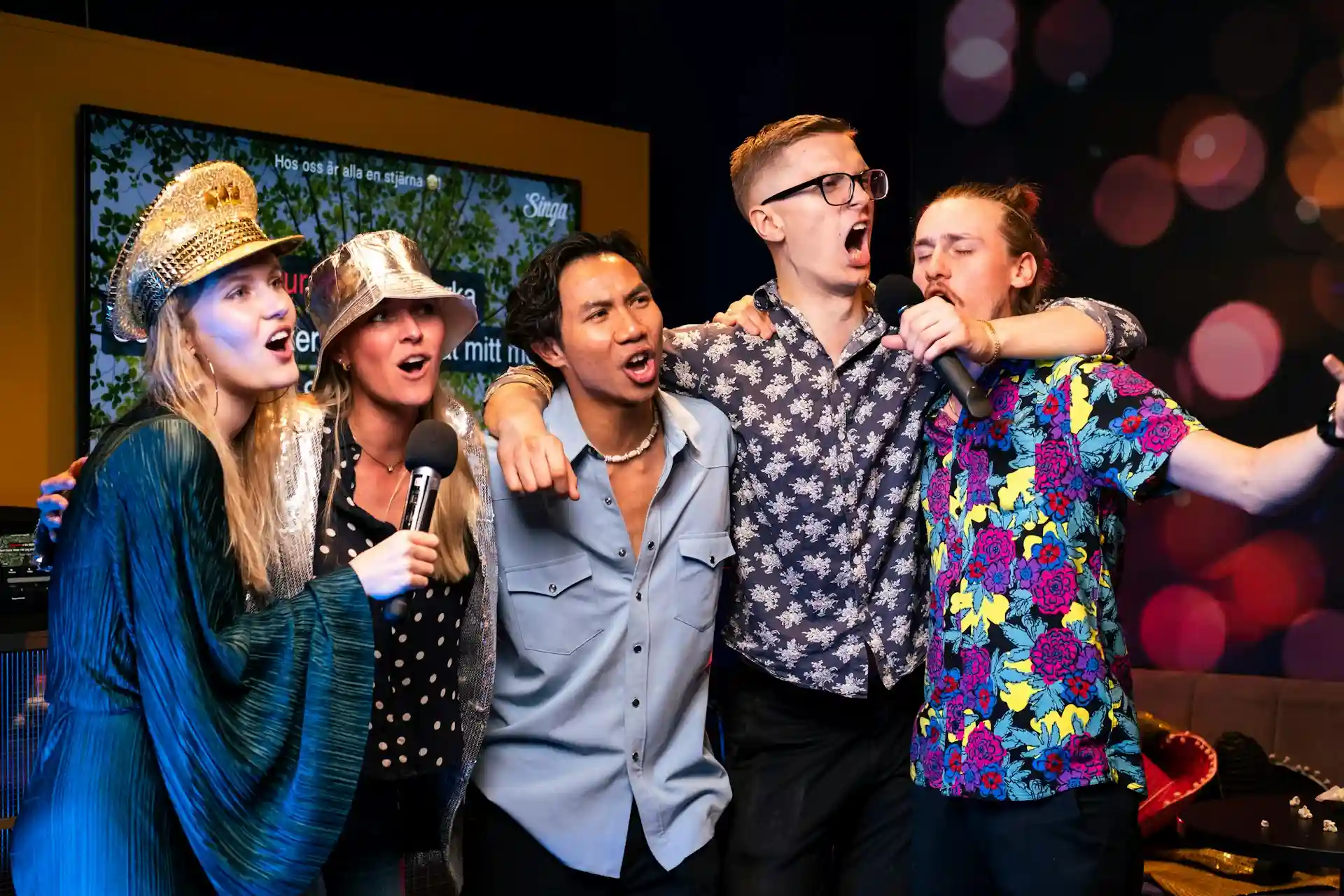
24. Karaoke Until the First Train
Private-room karaoke (hitokara) is the classic Tokyo night out. Sing J-Pop and Western hits until 5:00 AM, when the first trains run. Drinks are ordered via a tablet; the room is yours.
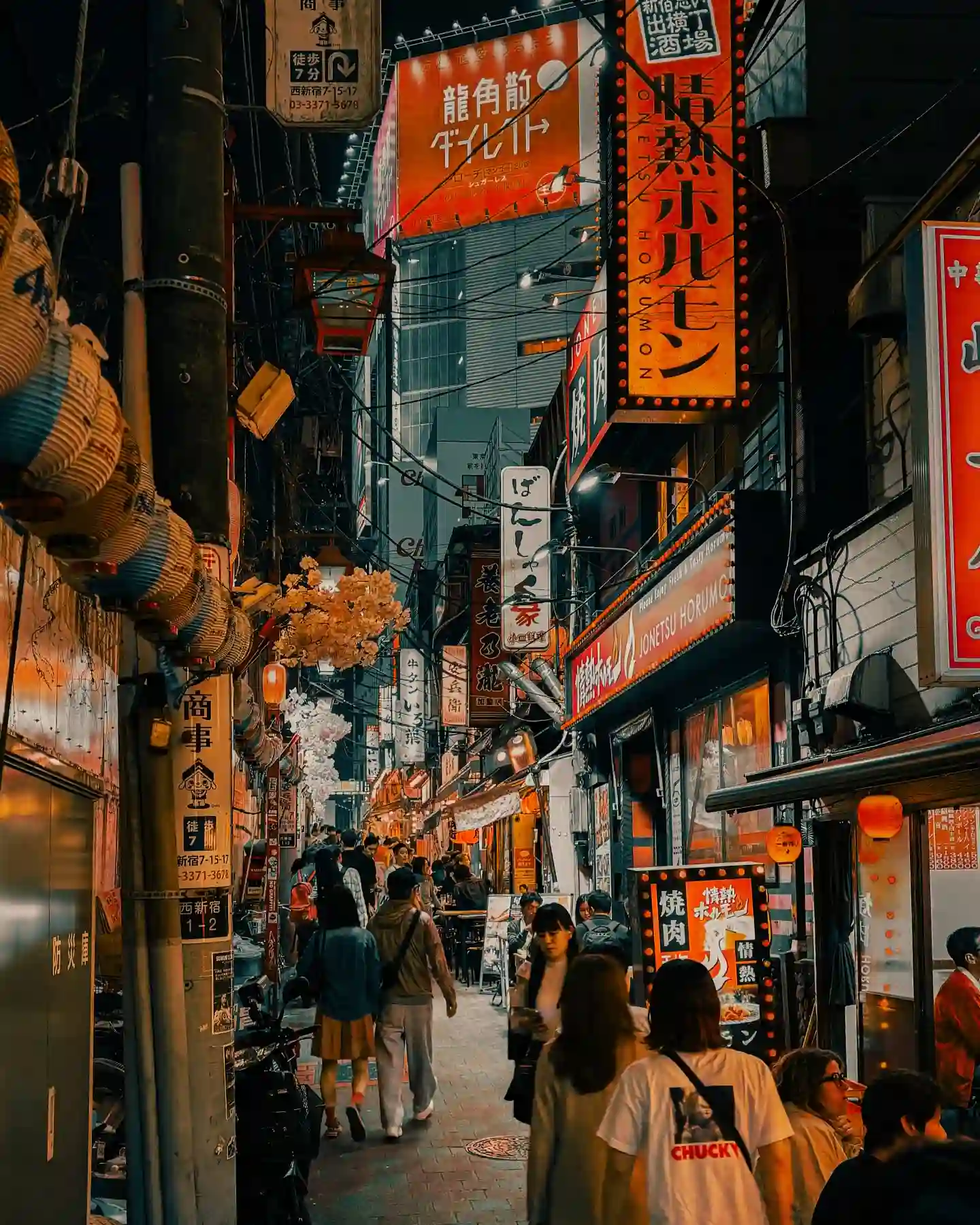
25. Golden Gai and Shinjuku Nightlife
Golden Gai packs roughly 200 tiny bars (six seats each) into a few alleys. Some welcome tourists, others are locals-only—look for English signs. Pair with an izakaya crawl in Shinjuku’s yokocho alleys.
26. A Baseball Game | Giants or Swallows
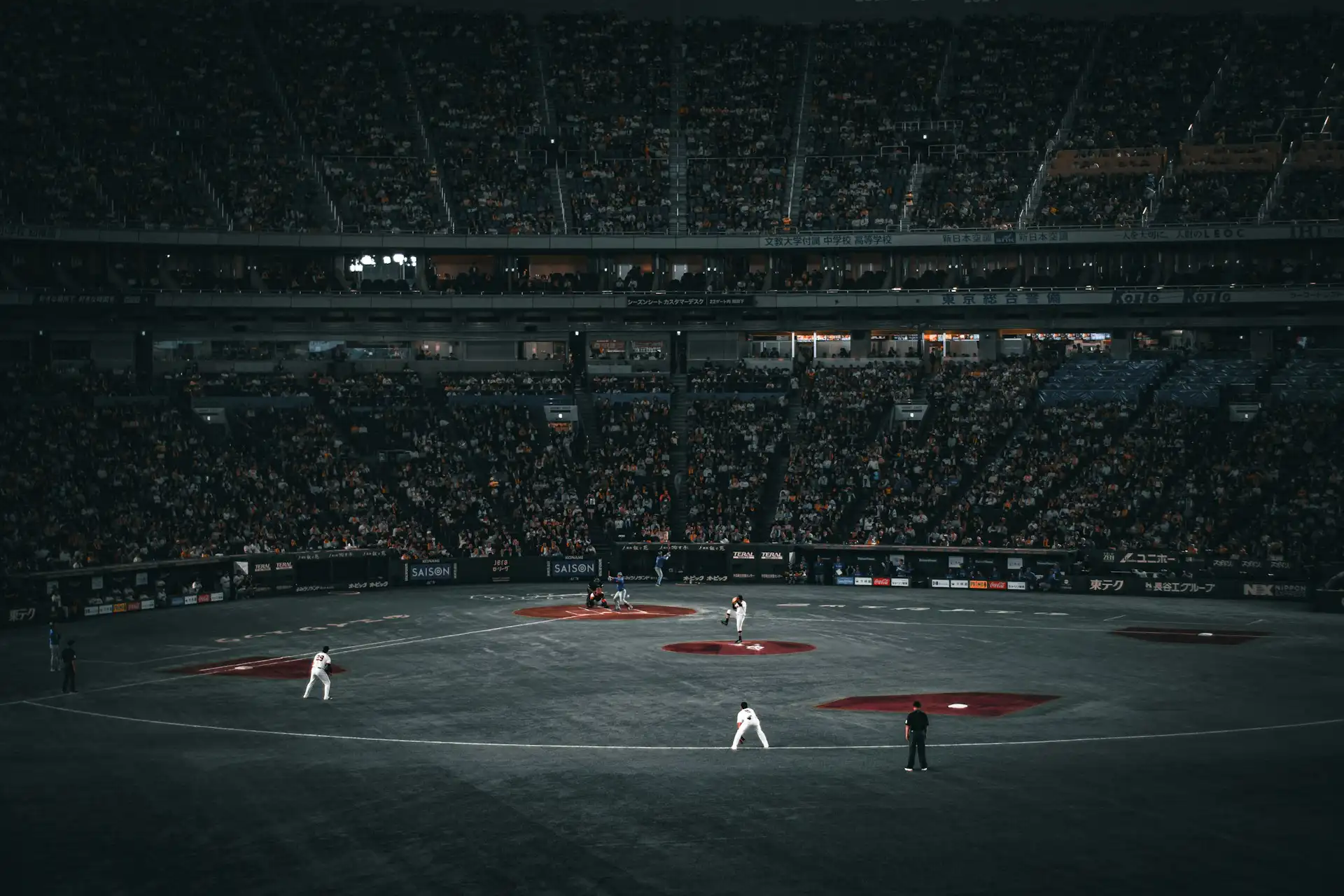
A Giants game at Tokyo Dome or a Swallows game at Jingu Stadium—with beer girls, cheer squads, and the umbrella dance—is widely considered the best night out in Tokyo for the price.
What to Know Before You Go: Etiquette and Budget
Tokyo Travel Budget (2026)
- Shoestring: ¥6,000–¥11,500 (~$60–$90)
- Comfortable: ¥10,500–¥18,000 (~$100–$180)
- “Wow” experience: ¥40,000+ (~$250+)
These figures exclude international flights. Tokyo is moderately priced by global standards—comparable to Taipei or Penang—but expensive for Asia. You can eat incredibly well on a budget: street food $3–$8, ramen $8–$15, mid-range restaurants $20–$40.
Tokyo Etiquette: What Not to Do
- Don’t eat while walking. It is considered bad manners, except at festivals or specific market streets.
- Don’t talk loudly on trains or take phone calls; silence is valued on public transport.
- Don’t tip. Tipping is not part of Japanese culture and can confuse.
- Don’t block walkways with luggage or stop suddenly in crowded areas.
- Don’t photograph people without permission, especially in shrines, temples, or residential areas.
- Shibuya street drinking is prohibited from 6 PM to 5 AM (though there is no fine for violation).
Learn two phrases. “Sumimasen” (excuse me / sorry) and “Arigatou gozaimasu” (thank you) go a long way. Locals appreciate the effort.
Get an IC card. A Suica or Pasmo card makes subway, bus, and convenience store payments seamless. Subway rides cost roughly $1.50–$3, and a day of transport typically runs $5–$10.
Frequently Asked Questions
What shouldn’t I miss in Tokyo?
Tokyo DisneySea (the only sea-themed Disney park), Shibuya Sky at sunset, and a walk through Senso-ji early in the morning. If you have time, add teamLab Planets and a day trip to Mt. Fuji.
What are the top 10 things to do in Tokyo?
- Tokyo DisneySea
- Shibuya Sky
- Senso-ji Temple
- teamLab Planets (or Borderless)
- Meiji Jingu Shrine
- Tokyo Skytree or Tokyo Tower
- Harry Potter Studio Tour
- A Mt. Fuji day tour
- Sumo show or a baseball game
- Golden Gai or karaoke at night
What is a must-try in Tokyo?
Sushi or ramen at a local spot, melting-texture wagyu if budget allows, and convenience-store onigiri (surprisingly excellent). For a uniquely Tokyo experience, try monjayaki in Tsukishima.
Is Tokyo an expensive city?
It is moderately priced globally but expensive for Asia. A shoestring traveler can manage on $60–$90 per day; a comfortable mid-range trip runs $100–$180 per day—and free attractions like Meiji Jingu, Senso-ji, and the Metropolitan Government Building keep costs down.
Where to not go in Tokyo?
Avoid Kabukicho’s touts (street promoters offering “cheap drinks” often lead to inflated bills), and skip Roppongi’s tourist-trap bars if you want authentic nightlife. Shibuya Center-gai is crowded and overpriced for what it is—experience the Scramble and move on. Also, do not enter bars in Golden Gai without checking whether they welcome tourists.
The things to do in Tokyo in 2026 are as varied as the city itself: you can spend a morning at Senso-ji before the crowds arrive, an afternoon in the digital worlds of teamLab, and an evening watching the skyline glow from Shibuya Sky—all without ever feeling like you’ve seen the same side of Tokyo twice. The real secret is balance.
Pair the headline attractions with free discoveries like Meiji Jingu, the Metropolitan Government Building deck, and a quiet sento, and leave room for the unplanned: a bowl of ramen in a tiny shop, a wrong turn into a Yanaka backstreet, or a karaoke room that stretches until the first train.
Tokyo rewards curiosity more than checklists—so plan enough to avoid the queues, then let the city surprise you.
