
- This article contains affiliate links. I may receive a commission if you purchase from them, at no extra cost to you.
I’ve been traveling to Japan for over a decade now, and I still remember the overwhelming feeling of my first visit. The neon labyrinth of Tokyo, the serene temples of Kyoto, the breathtaking mountain villages that seem frozen in time—Japan is a country that rewards the curious traveler with layers upon layers of discovery.
This Japan itinerary represents everything I’ve learned across more than a dozen trips, combining the must-see highlights with the off-the-beaten-path experiences that most tourists miss entirely.
Two weeks is the perfect amount of time to truly absorb Japan’s rhythm without feeling rushed. You’ll experience the hyper-modern pulse of Tokyo, the ancient soul of Kyoto, and two hidden gems that will become the unexpected highlights of your journey.
I’ve designed this Japan itinerary with meticulous attention to logistics, because nothing ruins a trip faster than wasting hours navigating confusing train systems or arriving at temples when they’re overrun with crowds. Let me show you how to do this right.
Table of contents ⇅
Planning Your 14-Day Japan Itinerary
Before we dive into the daily breakdown, let me give you the big picture. This Japan itinerary follows a logical geographical flow: you’ll start in Tokyo for five days, then venture into the Japanese Alps for two days of mountain culture, continue to Kyoto for four days, and finish with a final stop in Hiroshima and Miyajima before returning to Tokyo for departure.
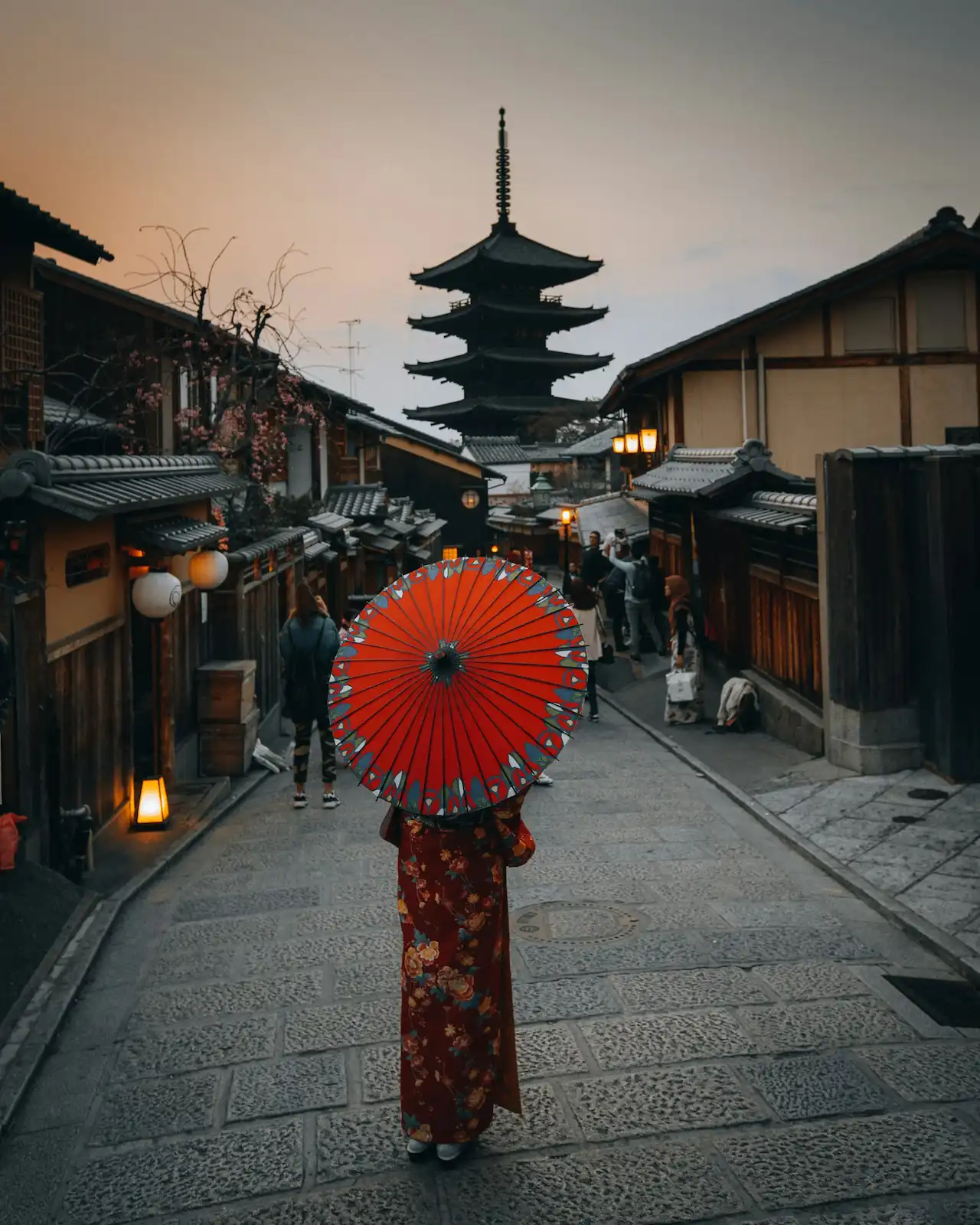
Overview of the 14-Day Japan Itinerary:
- Days 1-5: Tokyo (including day trips to Kamakura and Hakone)
- Days 6-7: The Japanese Alps – Takayama and Shirakawa-go
- Days 8-11: Kyoto (including day trip to Nara)
- Days 12-13: Hiroshima and Miyajima Island
- Day 14: Return to Tokyo for departure
This structure gives you the perfect balance of urban energy, cultural immersion, and natural beauty. Each location builds on the last, creating a cohesive journey that reveals Japan’s many faces.
Day 1: Arrival in Tokyo & Shinjuku Exploration
Morning: Arrival at Narita or Haneda Airport
Your Japan itinerary begins the moment you step off the plane. Narita Airport is the primary international gateway, though Haneda is increasingly popular due to its proximity to the city center.
Either way, the journey into Tokyo is part of the experience—the Narita Express (N’EX) whisks you into the heart of the city in about an hour, offering glimpses of suburban Japan before the urban sprawl takes over.
Transport tip: Purchase your Suica or Pasmo card immediately upon arrival. These rechargeable smart cards work on virtually all trains, buses, and even at convenience stores.
I recommend loading about 5,000 yen initially—you’ll use it constantly. The virtual version now works on iPhone, so you can skip the physical card entirely if you prefer.
Afternoon: Settling In & Shinjuku Exploration
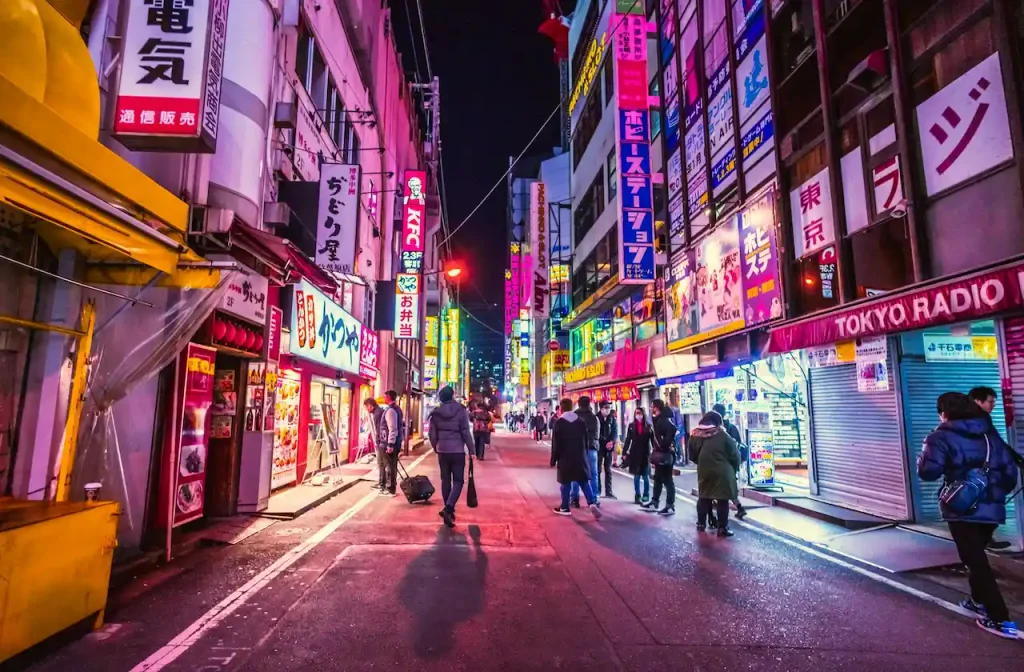
Once you’ve checked into your hotel, head straight to Shinjuku. This is the epicenter of modern Tokyo’s chaos and creativity, and it’s the perfect introduction to the city’s energy.
Start at Shinjuku Gyoen National Garden – This former imperial garden is a peaceful oasis amid the skyscrapers. If you’re visiting during cherry blossom season (late March to early April), this is one of Tokyo’s finest viewing spots.
The garden combines Japanese traditional, French formal, and English landscape styles, offering a microcosm of Japan’s relationship with nature.
Then explore the neon wonderland of Kabukicho – This entertainment district is Tokyo’s “Sleepless Town,” packed with pachinko parlors, themed restaurants, and more neon signs than anywhere else on earth. Don’t miss the Godzilla head looming over the Toho Cinema—it’s become an iconic photo spot.
Walk through Omoide Yokocho – Memory Lane is a narrow alleyway packed with tiny yakitori stalls that have been serving grilled meat skewers since the postwar era.
The smell of charcoal and soy sauce is intoxicating. This is where salarymen unwind after work, and it’s one of the most atmospheric places in Tokyo.
End your day at the Tokyo Metropolitan Government Building – The observation deck on the 45th floor is completely free and offers panoramic views of the city. I specifically recommend visiting at dusk, when Tokyo transforms from gray concrete into a glittering carpet of lights.
Mount Fuji is visible on clear days, a reminder that this megacity exists within a dramatic natural landscape.
Evening: Dinner in Shinjuku
Dinner recommendation: Find a local izakaya (Japanese pub) in the Golden Gai area. This warren of tiny bars and eateries is crammed into a few narrow blocks, with some establishments seating only five people.
The atmosphere is wonderfully intimate, and you’ll often end up chatting with locals—a rare treat in a culture where such encounters require effort.

Order the following:
- Yakitori (grilled chicken skewers with tare sauce)
- Edamame (steamed soybeans with salt)
- Asahi Super Dry or sake – The locals overwhelmingly prefer the dry, crisp lager
Alternative dining option: If you prefer a more formal introduction to Japanese cuisine, try Kyubey in Shinjuku for exceptional sushi. The omakase (chef’s choice) menu is sublime, and the chefs speak enough English to guide you through each piece.
Where to Stay in Tokyo | Days 1-5
1. Park Hyatt Tokyo
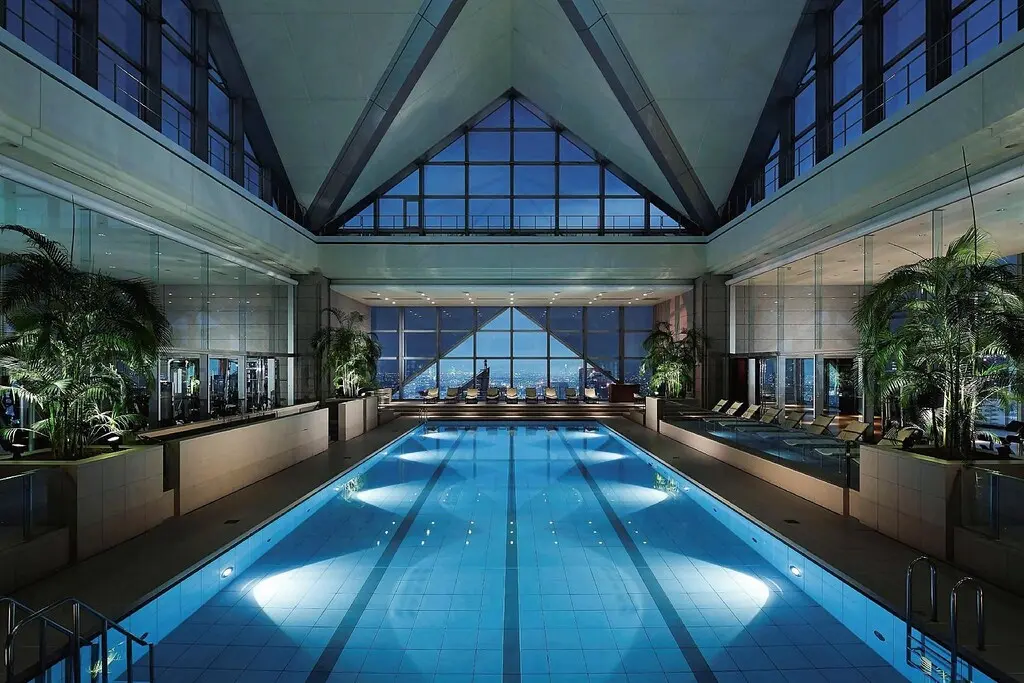
This is the hotel from Lost in Translation, perched on the top floors of the Shinjuku Park Tower. The views from the New York Bar are legendary, and the rooms are minimalist masterpieces with floor-to-ceiling windows.
The location is convenient for exploring Shinjuku and Shibuya, with Tochomae Station just below the hotel.
The pool and spa are exceptional, and the breakfast buffet features both Japanese and Western options. This is luxury at its most refined, best suited for couples and discerning travelers who want an unforgettable stay. Its standout feature is easily the panoramic Mount Fuji views from the New York Bar.
2. Cerulean Tower Tokyu Hotel
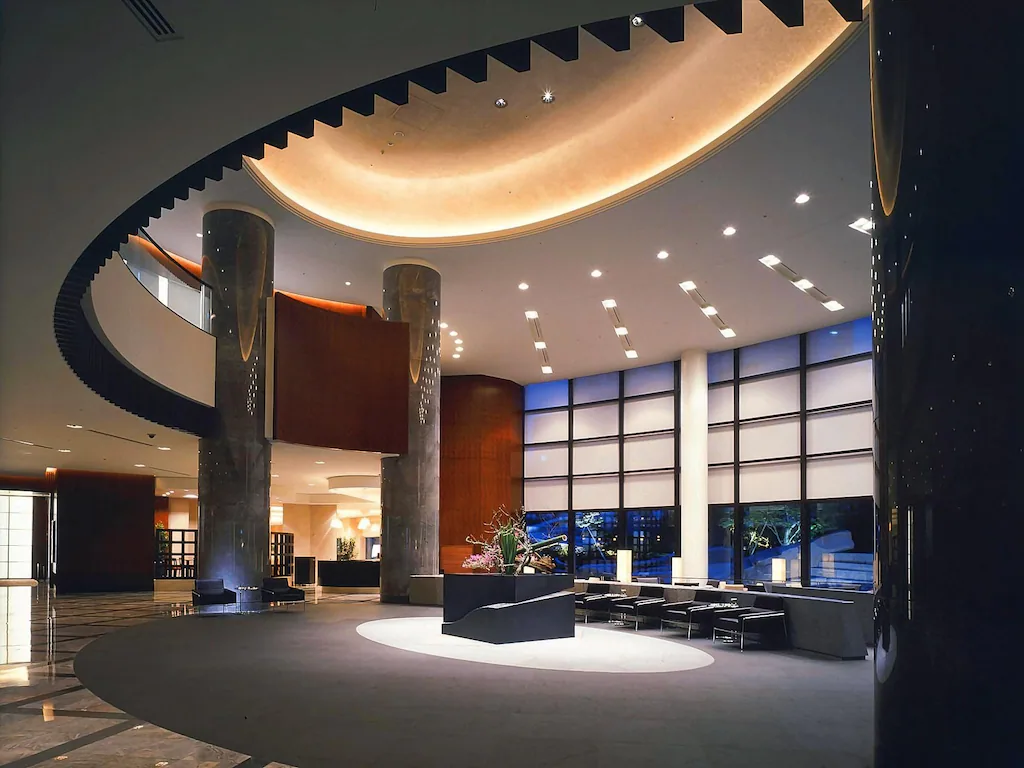
Located in the heart of Shibuya, this hotel offers spectacular views and excellent service. The rooms are spacious by Tokyo standards, and the location is unbeatable—you’re steps from the famous Shibuya Crossing and all the action.
The hotel has multiple restaurants, including a fantastic teppanyaki spot on the top floor. The wellness center includes a traditional Japanese bath and a full-service spa. This is perfect for first-timers who want to be right in the middle of everything.
3. Muji Hotel Ginza
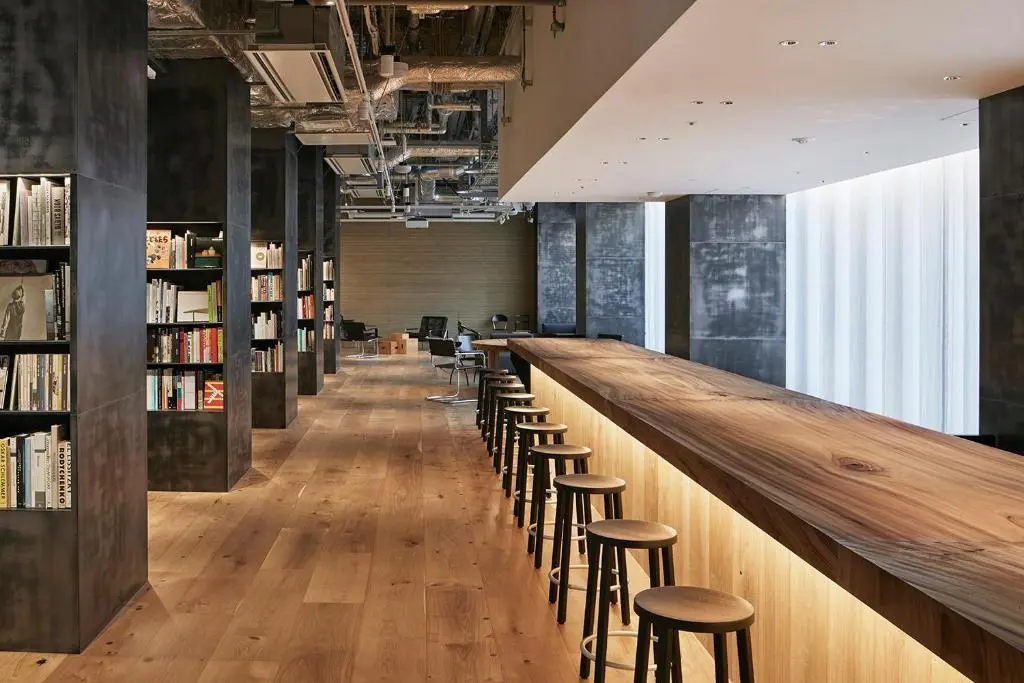
For a more minimalist, design-forward experience, this hotel embodies the Muji philosophy of simplicity and quality. The rooms are surprisingly spacious, with natural materials and thoughtful details everywhere. The on-site restaurant serves delicious farm-to-table Japanese cuisine.
Location is excellent for exploring Ginza’s shopping district and the nearby Tsukiji Outer Market. This is ideal for design-conscious travelers and couples who appreciate understated elegance.
- Budget alternative: Unizo Inn Tokyo Shibuya – Compact but well-designed rooms in a prime location. Excellent value, with great connectivity to all parts of Tokyo. Perfect for solo travelers and budget-conscious couples who still want a comfortable base.
Day 2: Traditional Tokyo – Asakusa & Ueno
Morning: Senso-ji Temple & Asakusa
Wake up early for one of Tokyo’s most quintessential experiences. Senso-ji Temple in Asakusa is Tokyo’s oldest temple, founded in 628 AD, and it’s spectacular in the morning before the crowds arrive.
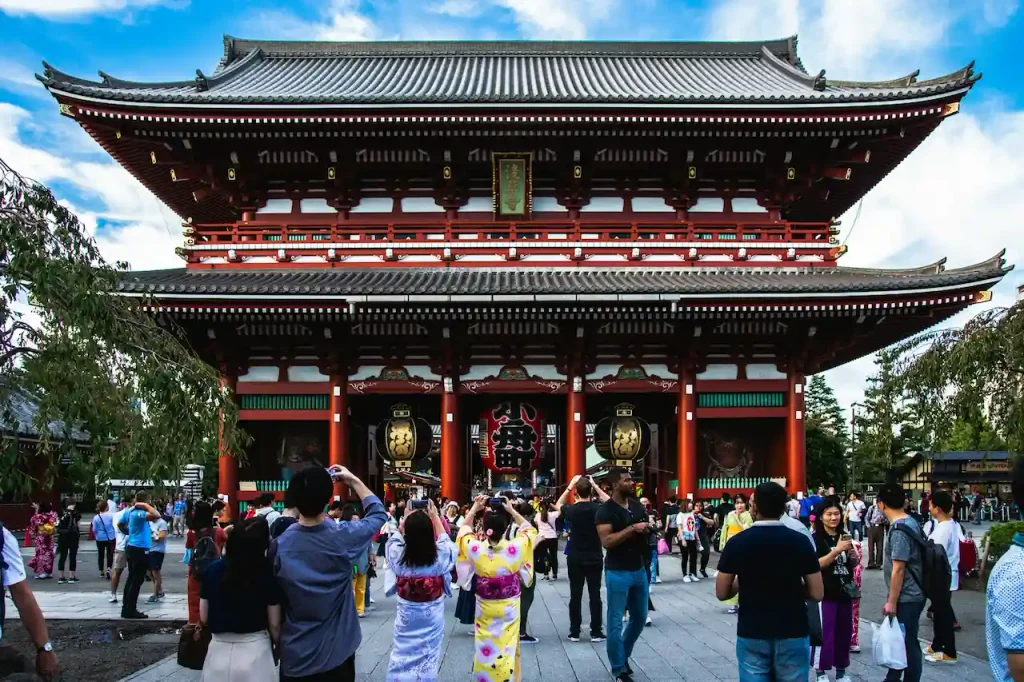
The approach through Kaminarimon Gate is unforgettable. The massive red lantern, the thunder god statues, and the bustling Nakamise-dori shopping street leading to the main hall are iconic.
Most visitors rush straight to the temple, but I recommend taking your time browsing the souvenir stalls before the hordes descend. Traditional crafts like calligraphy brushes, wooden dolls, and handmade fans are worth exploring.
Don’t miss the Asakusa Culture and Tourism Center across the street. The observation deck on the top floor offers a fantastic view of the temple and the Tokyo Skytree beyond. It’s also a great spot for photos without the crowds.
Late Morning: Ueno Park & Museums
From Asakusa, take the Ginza Line to Ueno for a few hours of culture and nature.
Ueno Park is Tokyo’s most famous cherry blossom spot, but it’s wonderful year-round. The park houses several world-class museums, and I’d recommend choosing one based on your interests:
- Tokyo National Museum – The finest collection of Japanese art in the world, including samurai armor, Buddhist sculptures, and ukiyo-e woodblock prints. Allow at least two hours.
- National Museum of Nature and Science – Perfect for families, with fascinating exhibits on Japan’s natural history and the animal kingdom.
- Ueno Zoo – The oldest zoo in Japan, home to giant pandas (extremely popular, with timed entry tickets).
My recommendation: The Tokyo National Museum. The Japanese gallery traces the country’s artistic development from prehistoric times to the modern era, providing invaluable context for everything you’ll see later in Kyoto.
Afternoon: Ameyoko Market & Yanaka Ginza
Ameyoko Market runs alongside the railway tracks between Ueno and Okachimachi stations. This vibrant street market has roots in the postwar black market era and remains wonderfully chaotic today.
You’ll find everything from fresh seafood and dried goods to cheap clothing and Chinese medicines.
What to eat at Ameyoko:
- Fresh sashimi on a stick – Several shops sell beautifully presented seafood skewers
- Kakigori (shaved ice with flavored syrup) – Perfect if you’re visiting in summer
- Taiyaki – Fish-shaped pancakes filled with red bean paste or custard
Walk to Yanaka Ginza – This charming shopping street has a distinctly old-Tokyo feel, with low wooden buildings and a community atmosphere.
The neighborhood survived the war and retains a traditional shita-machi (low city) vibe. It’s particularly pleasant in the late afternoon when the light slants through the narrow streets.
Evening: Sumo Museum & Ryogoku
The Ryogoku district is the heart of sumo wrestling in Tokyo. Even if there isn’t a tournament (January, May, and September), the Sumo Museum at the Kokugikan arena is worth a visit.
What you’ll see:
- Traditional sumo wrestling exhibitions
- Historical artifacts related to the sport
- Information about the rituals and cultural significance of sumo
Dinner recommendation: Ryogoku is famous for chanko-nabe, the hearty hot pot stew that sumo wrestlers eat to gain weight. Sumo Restaurant Tomoeya serves this dish and is run by former sumo wrestlers.
The atmosphere is authentic, and the portions are enormous. The broth is rich with chicken, vegetables, and tofu, served with sake for the ultimate sumo experience.
Alternative option: If sumo isn’t your thing, return to Asakusa for dinner along the Sumida River. The area has countless restaurants serving traditional Tokyo cuisine, including unagi (grilled eel) and tempura.
Day 3: Modern Tokyo – Shibuya, Harajuku & Omotesando
Morning: Shibuya Crossing & Hachiko Statue
Today is all about experiencing Tokyo’s hyper-modern energy, and there’s no better place to start than Shibuya Crossing.
You’ve seen it in movies and Instagram posts—the world’s busiest pedestrian crossing where hundreds of people surge from all directions when the lights turn red.
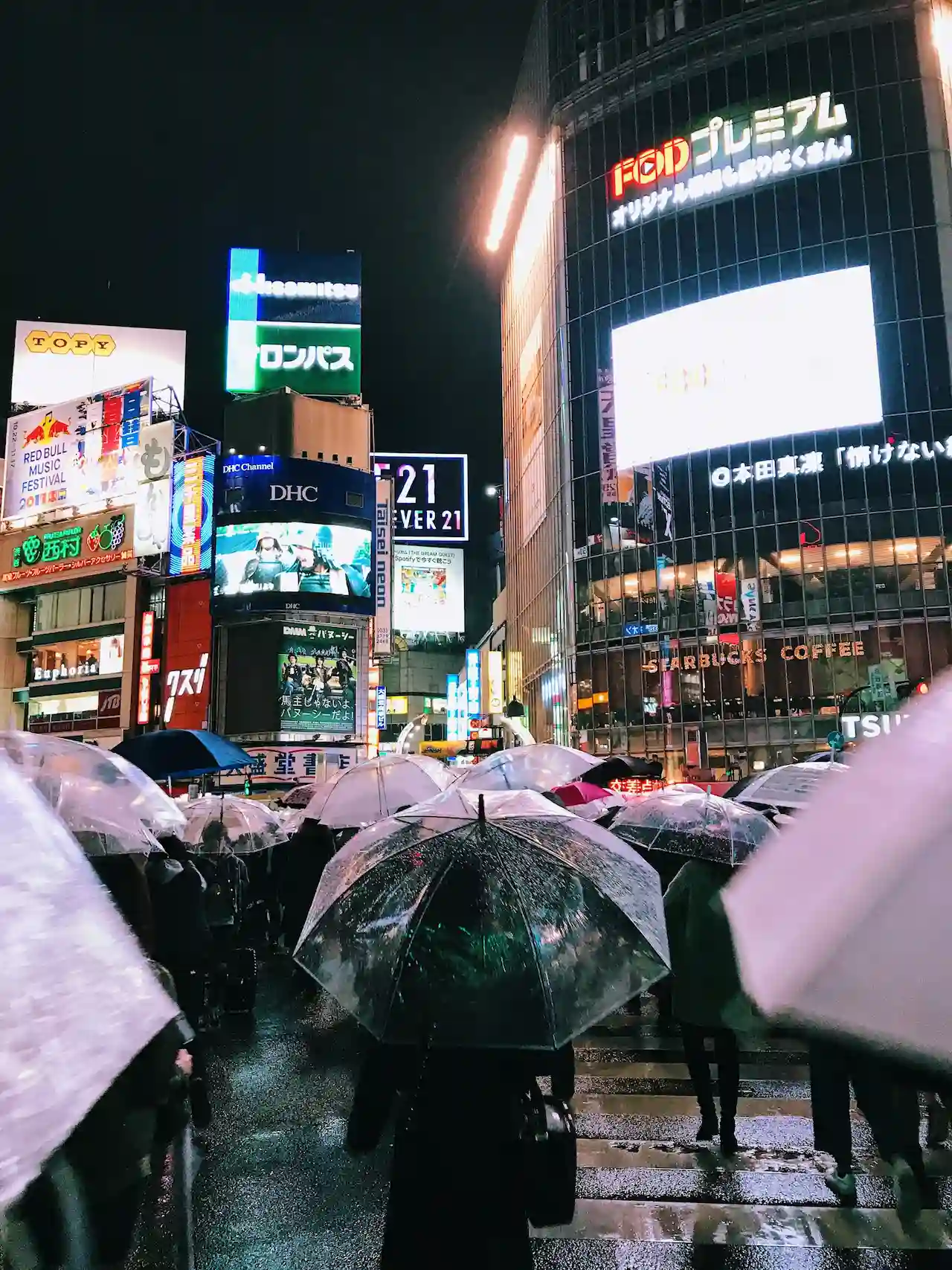
The best viewing spots:
- The Starbucks in the QFRONT building – Grab a seat upstairs and watch the human tide from above
- The second-floor window of the Shibuya 109 department store
- From the crossing itself – Just stand in the middle and let the flow of humanity swirl around you
Mid-Morning: SHIBUYA SKY
No visit to Shibuya is complete without experiencing SHIBUYA SKY, one of Tokyo’s newest and most spectacular observation decks. Perched atop the Shibuya Scramble Square building, this open-air observation platform offers 360-degree views of the city.
What makes it special:
- Open-air rooftop with stunning views of Mount Fuji on clear days
- Interactive digital art installations in the indoor section
- The “Sky Edge” – a glass-enclosed corner that feels like you’re floating above the city
- Sunset and evening visits are particularly magical when the city lights begin to twinkle
Book tickets in advance – this is one of Tokyo’s most popular attractions. I recommend the late afternoon slot to catch the sunset over the city.
Afternoon: Harajuku & Takeshita Street
Take the short walk (or one stop on the Yamanote Line) from Shibuya to Harajuku, the epicenter of Japanese youth culture. Takeshita Street is a sensory explosion of crepe shops, vintage clothing stores, and colorful street fashion that defies Western categorization.
What to look for:
- Crepes – Harajuku is famous for these sweet treats. Try one filled with fresh strawberries and cream from a stand along the main street.
- Purikura – These photo booths are a Japanese obsession. Pile in with your friends and spend 500 yen creating over-the-top, digitally enhanced stickers.
- Cosplay culture – On weekends, you’ll see teens dressed in elaborate Lolita or cyberpunk outfits.
Late Afternoon: Omotesando & Meiji Jingu
Omotesando is often called Tokyo’s Champs-Élysées – a tree-lined boulevard with luxury shopping and architectural masterpieces. The Omotesando Hills complex by architect Tadao Ando is worth exploring for its spiraling interior.
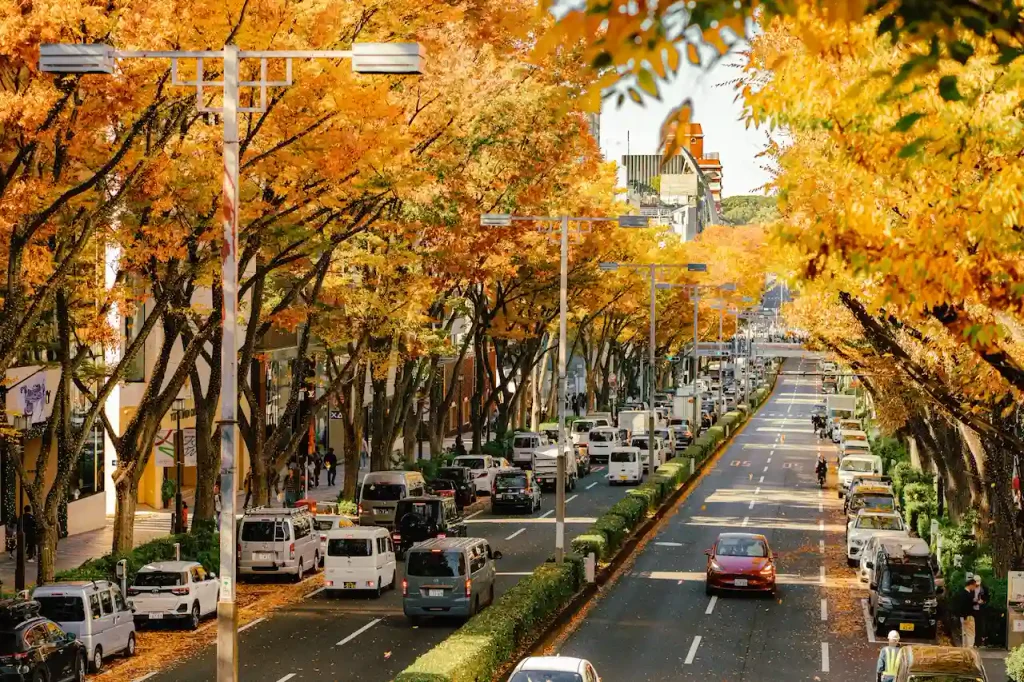
The hidden gem: Just behind Omotesando is Ura-Harajuku (back Harajuku), with hidden laneways filled with independent boutiques, vintage shops, and cool cafes.
From Omotesando, walk to Meiji Jingu, Tokyo’s most important Shinto shrine. Dedicated to Emperor Meiji and Empress Shoken, the shrine is set within a 170-acre forest that feels miraculously removed from the city.
What you’ll experience:
- The massive wooden torii gate marking the entrance
- The purification fountain where you’ll rinse your hands and mouth before entering
- Main hall with its simple, elegant design
- The e-ma (wooden prayer plaques) covered in visitor wishes
Evening: Shinjuku Nightlife (Different Vibe)
Return to Shinjuku for a completely different evening experience. This time, explore Omoide Yokocho and Golden Gai.
For drinks: Golden Gai has over 200 tiny bars, each with its own personality. The charm is in finding one that appeals to you and squeezing inside. Just remember to cover the cover charge (usually a few hundred yen) and be respectful.
Alternative experience: If you want something more modern, visit the Robot Restaurant for an absolutely absurd dinner show with robots, dancers, and neon lights. It’s expensive and not gourmet dining, but it’s a uniquely Japanese experience you won’t forget.
Day 4: Day Trip to Kamakura & Enoshima
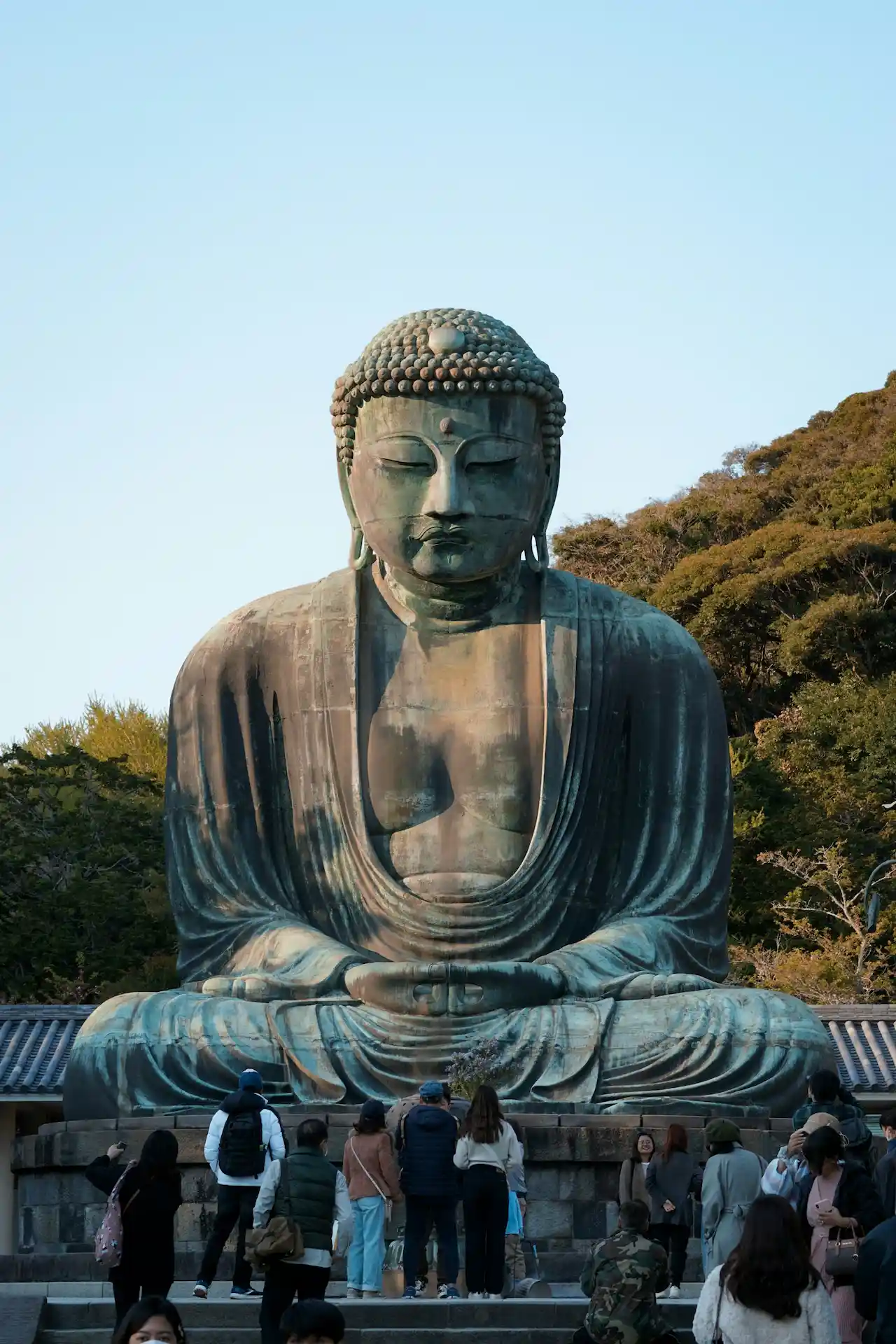
Today you’ll escape Tokyo for the coastal town of Kamakura, the medieval capital of Japan and home to the famous Great Buddha. This day trip is a perfect break from the city’s intensity.
Morning: Take the Yokosuka Line to Kamakura
The train journey takes about an hour and passes through coastal neighborhoods before reaching Kamakura Station. I recommend leaving early to beat the crowds and make the most of your day.
First stop: Hase-dera Temple – This ancient temple offers stunning views of the coast and the famous Kannon statue. The hillside location means you’ll see camellia and hydrangea flowers depending on the season, and the panoramic view of the Pacific Ocean is spectacular.
Mid-Morning: Kotoku-in & The Great Buddha
The Great Buddha (Daibutsu) is Kamakura’s most famous attraction – a 13.35-meter bronze statue that has survived numerous earthquakes and tsunamis. Unlike the Great Buddha in Nara (which is inside a temple), this one sits outdoors, making it feel more approachable.
Lunch: Kamakura’s Culinary Scene
Dining recommendation: Kamakura Omoide near the Great Buddha serves an incredible shojin ryori (Buddhist vegetarian cuisine). This is the food monks have been eating for centuries – simple, seasonal, and deeply satisfying. The set menu includes nine small dishes arranged beautifully on lacquerware.
Alternative: The street leading from Hase-dera to the Great Buddha is lined with casual restaurants serving kamakura-ham (local cured meat), fresh seafood bowls, and local craft beer.
Afternoon: Explore Enoshima Island
Take the Enoden train from Kamakura to Enoshima Station. This scenic coastal railway is one of Japan’s most charming train lines, hugging the coastline and offering ocean views throughout the journey.
Enoshima Island is a small island connected by a bridge from the mainland. There’s a Shinto shrine on the island, beautiful walking paths with ocean views, and several caves to explore.
What to do:
- Visit the Enoshima Shrine dedicated to the goddess Benzaiten
- Walk up the hillside trail for views of Mount Fuji on clear days
- Explore the Iwaya Caves – marine caves with atmospheric lighting
- Stop at the lookout point for Mount Fuji views
Evening: Return to Tokyo
Take the Enoden train back to Kamakura and the Yokosuka Line to Tokyo. You’ll likely be tired after all the walking – perfect time to rest before tomorrow’s mountain adventure.
Day 5: Day Trip to Hakone & Mt. Fuji Views
Today you’ll venture to Hakone, the hot spring resort town with the best views of Mount Fuji in the region. This is a long day, but the experience is absolutely worth it.
Morning: Shinkansen to Odawara
Take the Shinkansen (bullet train) from Tokyo Station to Odawara – a 35-minute journey that’s both fast and scenic. From Odawara, transfer to the Hakone Tozan Railway for the classic mountain ascent.
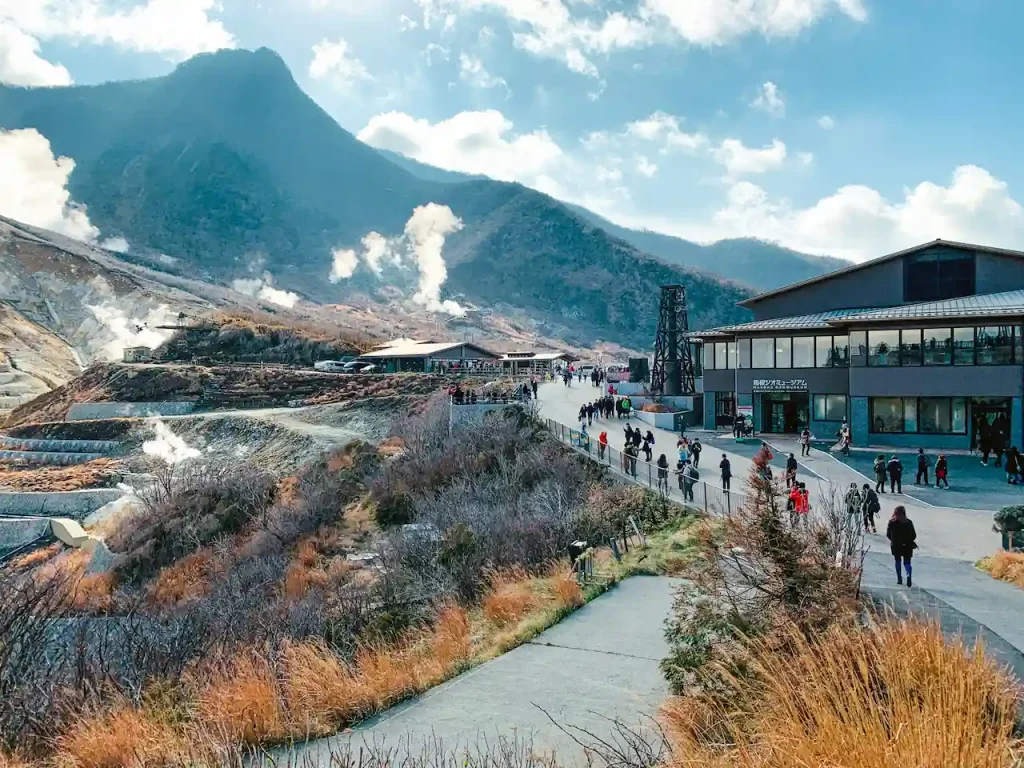
What to expect: The Hakone Tozan Railway’s switchbacks and climbing track were designed to look like a miniature mountain train. The views change dramatically as you ascend, passing through bamboo forests, ravines, and mountain villages.
The Hakone Loop
The classic Hakone experience is the “Hakone Loop” – a circular route that combines several modes of transport. Here’s how to do it right:
Step 1: Take the Hakone Tozan Railway to Gora
The railway climbs through mountain scenery with views of the valley below. In spring, the azaleas are spectacular.
Step 2: Take the cable car to Owakudani Valley
Owakudani is an active volcanic valley with steaming vents and bubbling sulfur pools. The smell of sulfur (rotten eggs) is strong, but the experience is unforgettable.
What to do: Try the famous black eggs boiled in the volcanic hot springs. Locals believe eating one adds seven years to your life. The skin turns black from the sulfur content, and the taste is actually quite mild.
Step 3: Take the ropeway to Lake Ashinoko
The ropeway offers the best views of Mount Fuji on the entire loop. On clear days, the volcano looms magnificently above the lake.
Step 4: Take a cruise on Lake Ashinoko
The pirate ship-style boats are touristy but fun. The view from the lake of Mount Fuji reflecting in the water is iconic – one of Japan’s most photographed sights.
Step 5: Return via the Hakone Tozan Railway
Complete the loop by returning to Odawara and the Shinkansen to Tokyo.
Evening: Onsen Experience
If you want the full onsen (hot spring) experience, book a stay at one of Hakone’s ryokan (traditional inns). The town is famous for its hot springs, and there’s nothing quite like soaking in steaming water while gazing at Mount Fuji.
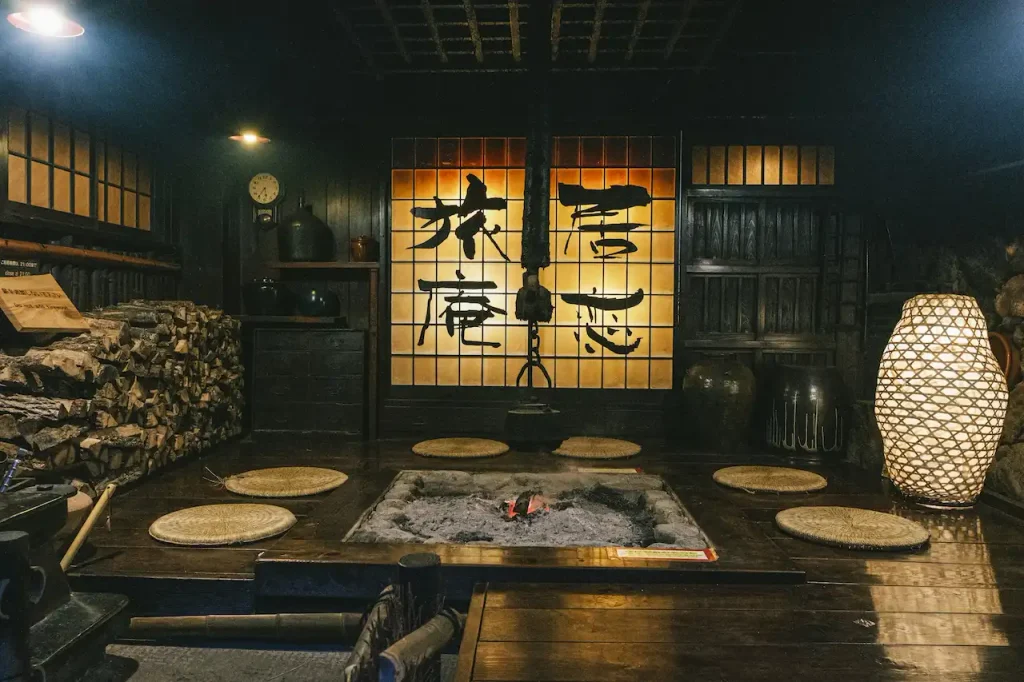
I recommend staying overnight in Hakone if you want the complete experience. The ryokan usually include a kaiseki dinner (multi-course Japanese meal) and breakfast. It’s a perfect pause in your Japan itinerary, with the mountain atmosphere and hot springs offering a restorative break before moving to Kyoto.
For day-trippers: You can still enjoy a soak at places like the Hakone Yuryo (near Hakone-Yumoto Station) – they offer private baths you can rent by the hour.
Day 6: The Japanese Alps – Takayama
Today you’ll depart Tokyo and head to the mountains, exploring one of Japan’s best-preserved traditional towns. The journey takes about 4 hours via Shinkansen and local train, so start early.
Morning: Shinkansen to Nagoya and Local Train to Takayama
Your route:
- Tokyo → Nagoya: Shinkansen (Hikari or Kodama) – about 1.5 hours
- Nagoya → Takayama: JR Taita Line (Limited Express Hida) – about 2.5 hours
The approach to Takayama is stunning. The train winds through mountains, with valleys and rivers unfolding beneath the windows. You’ll notice the architecture begins to change – traditional wooden houses with dark roofs and sliding doors.
Don’t Miss Out

Afternoon: Exploring Takayama’s Old Town
Takayama’s Sanmachi Suji is the heart of the old town, with perfectly preserved merchant houses from the Edo period. The streets are lined with sake breweries, craft shops, and restaurants serving Hida beef – the regional specialty.
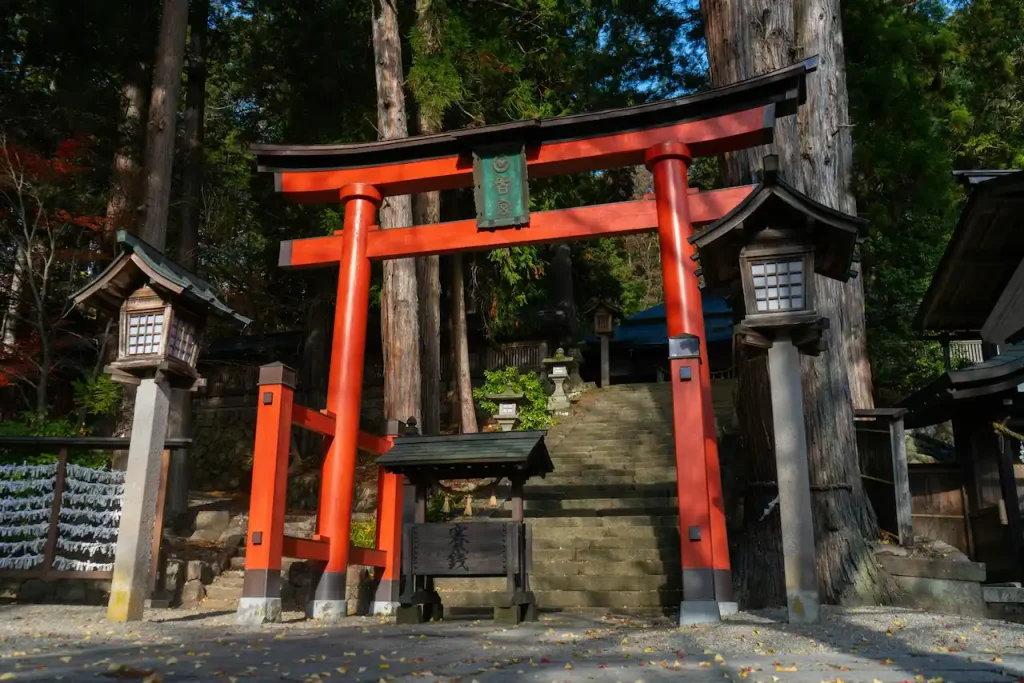
What to explore:
- Kusakabe Mingei-kan – A preserved merchant house turned museum, showing traditional wooden construction methods
- Hida Kokubun-ji Temple – The oldest temple in Takayama, with a 400-year-old ginkgo tree
- The morning market – Wake up early for the morning market (6 AM to 12 PM) with local farmers selling produce and crafts
What to eat:
- Hida beef sushi – Raw beef on rice, surprisingly delicious
- Takayama ramen – A unique style with chicken broth and soy sauce
- Sake tasting – Takayama is famous for its sake breweries
Evening: Onsen Ryokan Experience
Takayama is known for its onsen (hot springs) ryokan. I recommend staying at a traditional Japanese inn for the ultimate cultural experience.
Before dinner, you can visit the Hida Folk Village (Hida-no-Sato) – an open-air museum with traditional mountain houses. The houses are from the 17th-19th centuries and showcase the architectural style of the mountain communities.
Dinner recommendation: Most ryokan include dinner, but if you’re staying elsewhere, try Suzuya – a small restaurant serving seasonal local cuisine with an emphasis on Hida beef and mountain vegetables.
Where to Stay in Takayama
1. Ryokan Tanabe
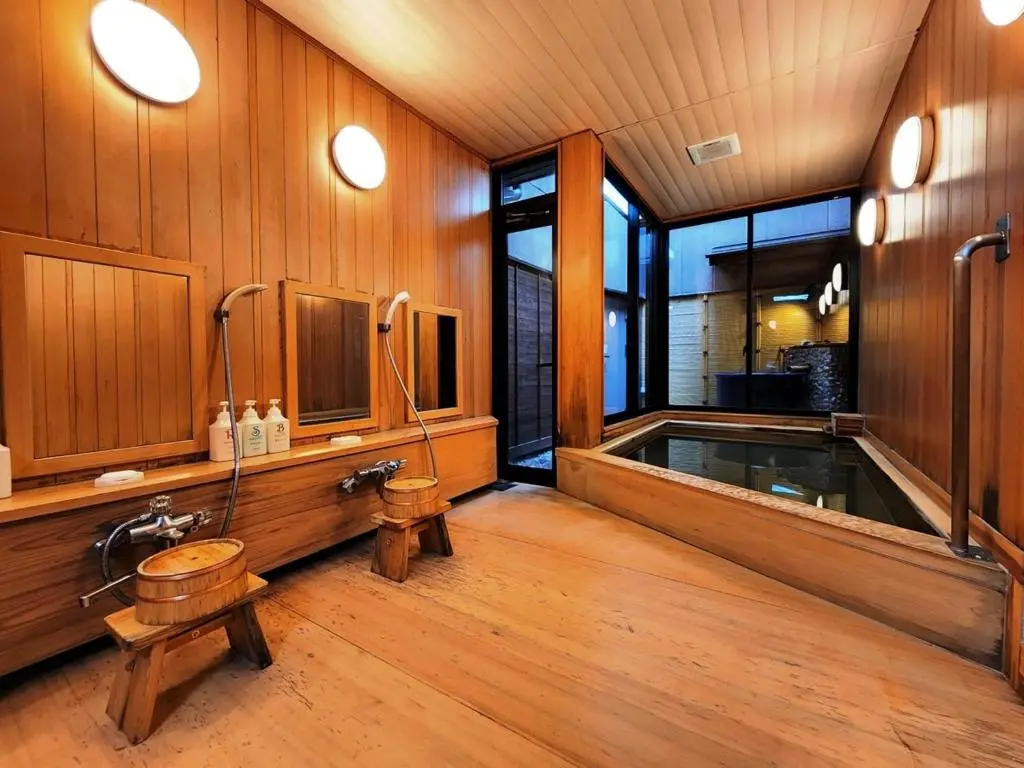
A family-run ryokan with over 100 years of history. The rooms are traditional with tatami mats and sliding doors. The onsen is small but relaxing, and the breakfast is sumptuous.
The location is central, close to the old town. This is perfect for couples and travelers seeking an authentic cultural experience. Its standout feature is the intimate service – you’ll feel like you’re staying with family.
2. Wat Hotel & Spa Hida Takayama
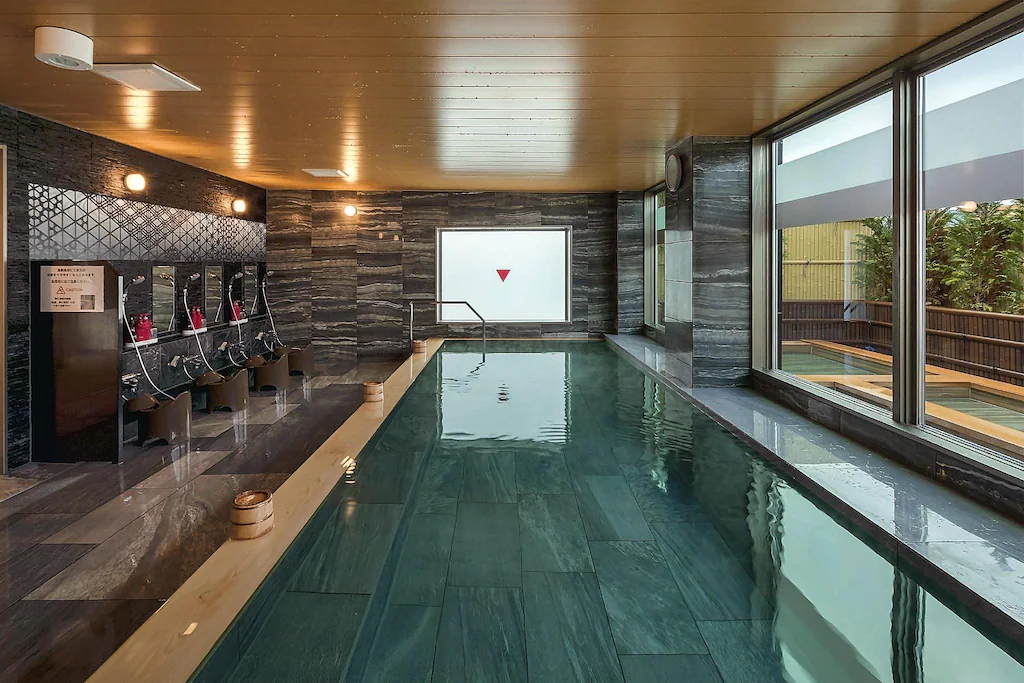
A modern hotel with excellent onsen facilities. Spacious rooms, good location, and the rooftop onsen offers views of the surrounding mountains. Ideal for couples and families who want the onsen experience with more contemporary comfort.
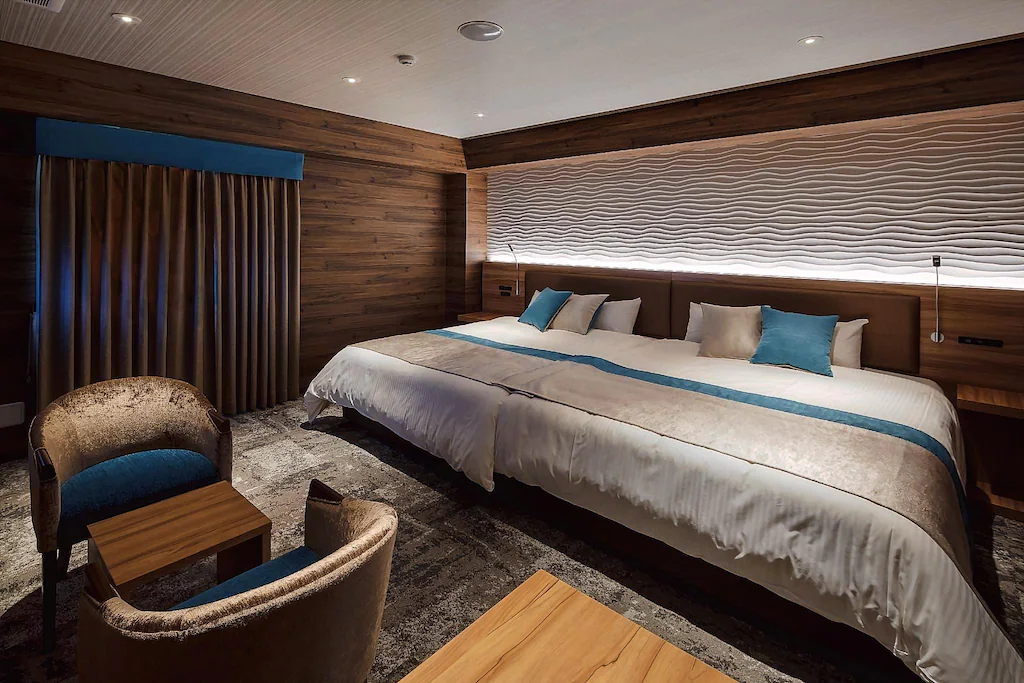
- Budget alternative: K’s House Takayama – A wonderful hostel that’s clean, modern, and centrally located. Excellent common areas for meeting other travelers. Perfect for solo travelers and backpackers.
Day 7: Day Trip to Shirakawa-go
One of Japan’s most beautiful villages, Shirakawa-go is famous for its gassho-zukuri farmhouses – steep thatched-roof houses that look like hands clasped in prayer. This is one of the most photogenic places in the country.
Morning: Bus Journey to Shirakawa-go
Take the Nohi Bus from Takayama to Shirakawa-go – about 50 minutes through beautiful mountain scenery. The road passes through valleys, with views of rice paddies and traditional villages.
Exploring Shirakawa-go
What to do:
- The Village Lookout – Climb to the observatory for the classic postcard view of the village with its white farmhouses
- Wada House – One of the largest gassho-zukuri farmhouses, now a museum showing traditional life
- The Folk Museum – Several preserved farmhouses with exhibitions on mountain life
- Stroll through the village – The real joy is wandering the narrow streets and crossing the footbridges
What to eat:
- Hoba miso – Seasonal wild vegetables grilled over an open fire
- Ayazake – Sweet rice wine made locally
- Miso soup – Every family has its own version using local ingredients
Afternoon: Return to Takayama
You’ll likely spend 3-4 hours in Shirakawa-go. Return by bus to Takayama for dinner.
Alternative option: If you’re traveling with kids or prefer a faster pace, you can combine Shirakawa-go with a visit to Gokayama – another village with similar architecture but fewer tourists.
Dinner recommendation: Hida Gyu No – A restaurant specializing in Hida beef teppanyaki. The beef is exquisite – marbled and flavorful, cooked simply on a hot plate. Pair with a local sake for the perfect meal.
Day 8: Kyoto – The Ancient Capital
Today you’ll travel from the Japanese Alps to Kyoto, Japan’s cultural heart. The journey takes about 4 hours total.
Morning: Train Journey
Your route:
- Takayama → Nagoya: JR Taita Line (Limited Express Hida) – 2.5 hours
- Nagoya → Kyoto: Shinkansen – 35 minutes
The approach to Kyoto is unmistakable – the landscape shifts from mountains to urban sprawl, but with mountains hovering in the distance. The city center is a grid with ancient temples interspersed among modern buildings.
Afternoon: First Impressions of Kyoto
Start your Kyoto exploration at Kiyomizu-dera Temple – This is one of Kyoto’s most famous temples, built on a hillside with an incredible wooden stage overlooking the city. The construction is entirely wooden with no nails used. It’s spectacular in autumn when the maple leaves turn crimson.
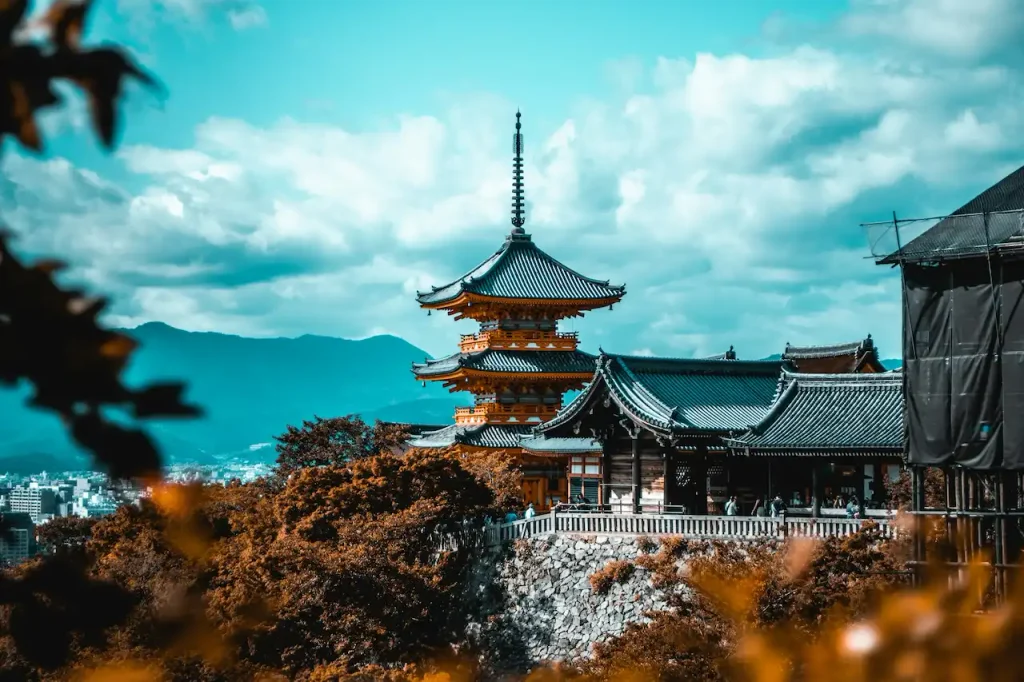
The approach to the temple is one of the most atmospheric in Kyoto, through the Sannen-zaka and Ninen-zaka streets. These flagstone lanes are lined with traditional wooden buildings and shopping streets that have been in operation for centuries.
What to buy:
- Kyoto pickles – The city is famous for its pickled vegetables, especially the turnips and cucumbers
- Yatsuhashi – Sweet cinnamon and mochi treats
- Kiyomizu ware – Traditional porcelain with distinctive designs
Evening: Gion District
The Gion district is Kyoto’s most famous geisha district, with picturesque lanes lined with ochaya (tea houses) and wooden machiya (townhouses). This is the heart of Kyoto’s traditional culture and the most recognizable image of old Japan.
What to do:
- Walk along Hanamikoji Street – The main thoroughfare, with beautiful cobblestones and traditional architecture
- Visit the Gion Hatanaka – A ryokan with beautiful gardens visible from outside
- Insider tip: The best time is after sunset when lanterns are lit, and the street atmosphere is magical
Dinner recommendation: Gion Nishimura serves traditional kaiseki cuisine – the multi-course dinner is an art form in itself. The presentation is stunning, with each dish showcasing the season’s best ingredients. This is expensive but a bucket-list experience.
Alternative dinner: Ippudo in Gion – If you want something simpler, this chain is known for incredible tonkotsu ramen. The pork bone broth is rich and creamy, and the atmosphere is casual.
Where to Stay in Kyoto | Days 8-11
1. Hoshinoya Kyoto
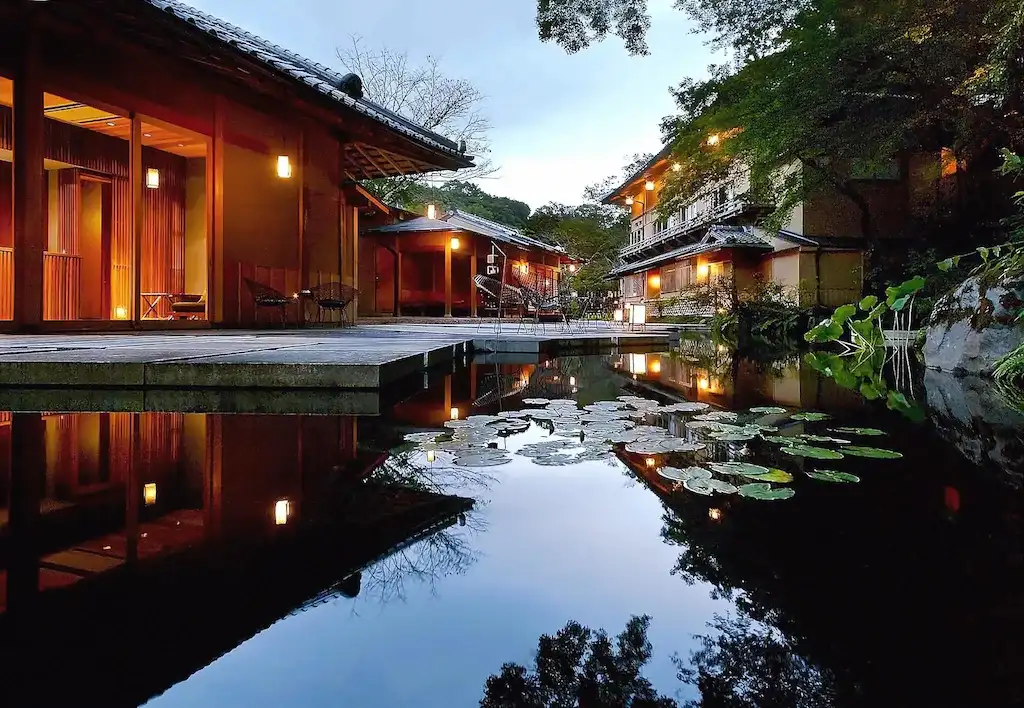
This ryokan is located in a stunning mountain setting accessible only by boat. It’s exclusive, expensive, and unforgettable. The rooms have views of the river and mountains, and the service is immaculate.
The location is peaceful yet accessible. Perfect for couples seeking an ultra-luxury experience. Standout feature: the breathtaking river views and private boat arrival.
2. The Ritz-Carlton Kyoto
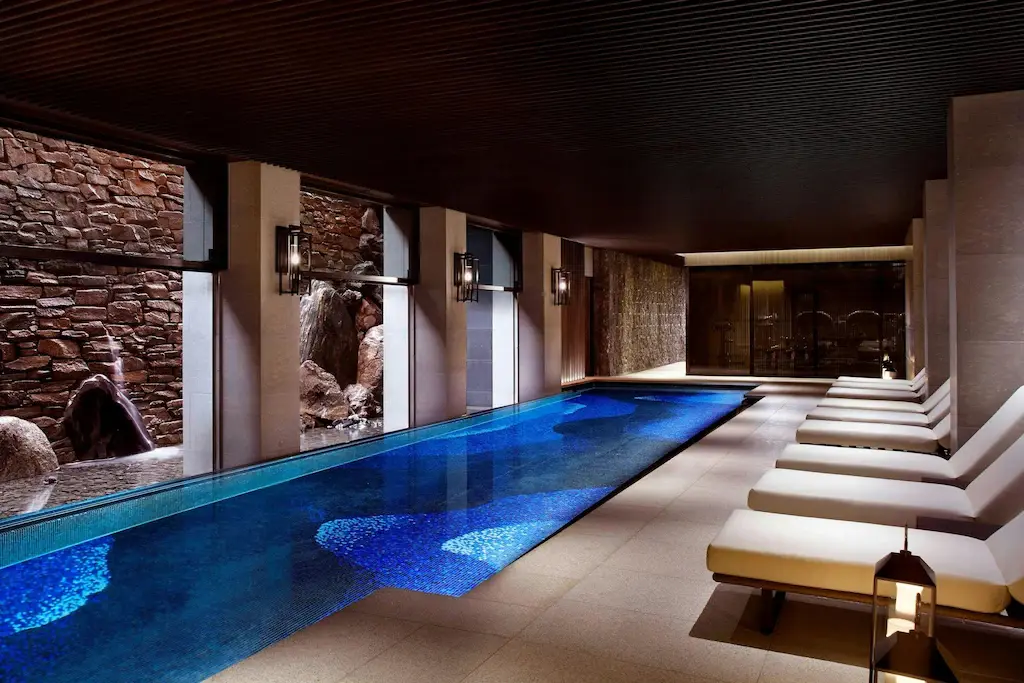
Located along the Kamogawa River, this hotel combines modern luxury with traditional Japanese aesthetics. The rooms are stunning, the spa is exceptional, and the location is prime for exploring Gion and the city center.
The breakfast is one of Kyoto’s best. Ideal for discerning travelers who want five-star comfort in a heritage-filled setting.
3. Ryokan Gion Hatanaka
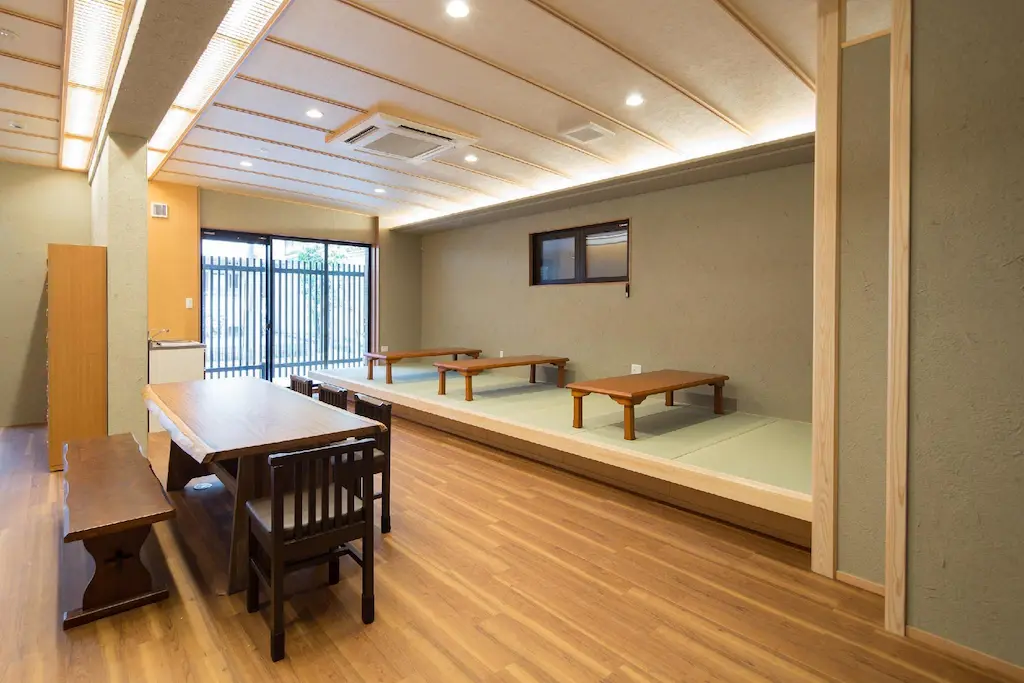
A beautiful ryokan in Gion with exceptional service. The rooms are traditional with tatami mats, futons, and shoji screens. The kaiseki dinner is sublime, and the onsen is perfect for relaxing after temple visits. This is a classic Kyoto experience. Standout feature: the proximity to geisha sightings.
- Budget alternative: Piece Hostel Kyoto – Modern, clean, and social. Excellent location near the station. Perfect for solo travelers and backpackers wanting a comfortable base on a budget.
Day 9: Kyoto’s Iconic Temples & Shrines
Morning: Fushimi Inari Shrine
The iconic Fushimi Inari Shrine is famous for its thousands of torii gates that create tunnels up and down the mountain. This is a photographer’s paradise and a deeply spiritual experience.
How to do it right:
- Visit early – The shrine is open 24 hours, but the gates are most magical at sunrise (6 AM) or just before sunset. I recommend dawn to beat the crowds.
- Hike to the top – Most tourists stop at the first section, but the hike to the summit takes 1.5 hours and gets quieter as you climb.
- Bring water – The hike is steep, and there aren’t many water fountains
What to do: Purchase an ema (wooden plaque) in the shape of a fox – the shrine’s messenger animal. Write your wish and hang it with the others.
Mid-Morning: Tofuku-ji Temple
Tofuku-ji is often overlooked but is one of Kyoto’s most impressive temples. The main building is a masterpiece of Zen architecture, and the garden is famous for its autumn colors.
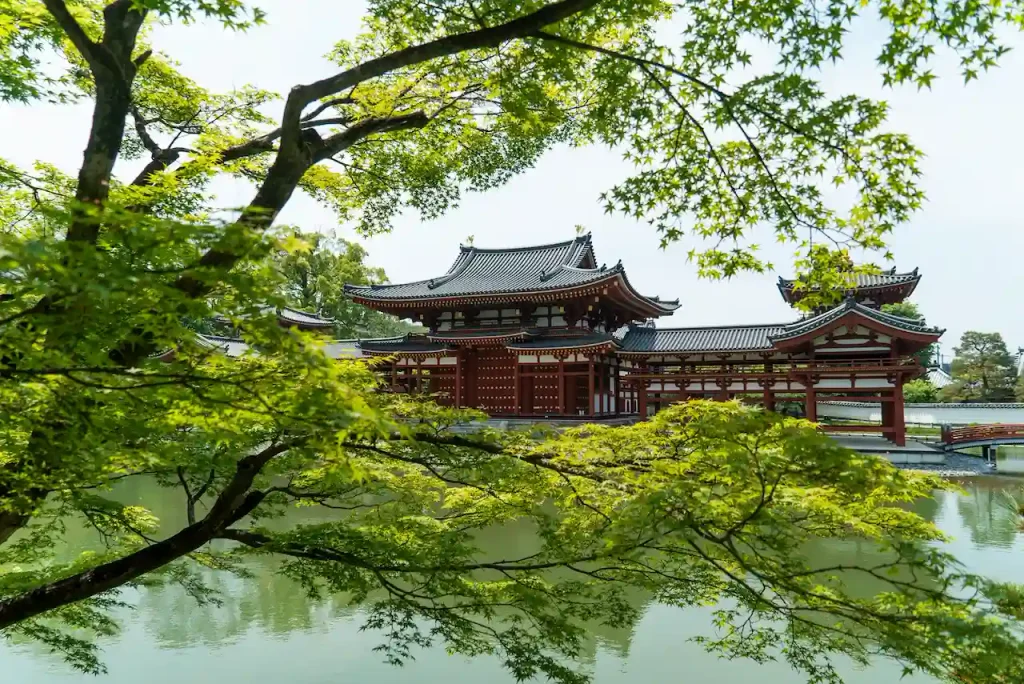
The Sanmon Gate is massive – it’s considered one of the three main gates in Japanese Buddhism. Passing through it feels significant.
What to see: The temple’s stunning gardens are designed by the famous landscape architect Mirei Shigemori. Each garden reflects a different aspect of Zen Buddhism.
Afternoon: Explore Gion & Higashiyama
Continue your Gion exploration – the district has many hidden alleys with tea houses and shops. Near the Kodai-ji Temple, the Kiyomizu-zaka street is lined with shops and cafes. It’s touristy but atmospheric.
What to buy:
- Kyoto-style goods – The area is famous for its crafts, pottery, and textiles
- Yatate – Traditional incense and incense holders
- Kimono – The rental shops are everywhere for a budget-friendly photo op
Dinner recommendation: Ishida – A traditional restaurant serving kaiseki featuring seasonal ingredients. The restaurant is in a renovated machiya townhouse, with a beautiful interior garden visible from the dining room.
Alternative dining: Gogyo – Known for its innovative ramen, especially the “burned” miso ramen. It’s a modern take on traditional ramen and has become a local favorite.
Day 10: Day Trip to Nara
Nara was Japan’s capital from 710 to 784 and retains a peaceful, ancient atmosphere. The deer that roam freely through the park are sacred messengers of the gods and will bow politely for the crackers you can buy.

Morning: Train Journey & Nara Park
Take the JR Nara Line from Kyoto Station – about 45 minutes. The train passes through scenic countryside.
First stop: Todai-ji Temple – This is the star attraction. The temple houses the Great Buddha (Daibutsu) – a 15-meter bronze statue weighing 500 tons. It’s one of Japan’s most significant Buddhist monuments.
What makes it special:
- The Daibutsu’s scale – you feel small and humble in its presence
- The massive wooden structure of the main hall – it’s the largest wooden building in the world
- The open-air atmosphere of the temple and surrounding park
Mid-Morning: Nara Park & Deer
The deer of Nara Park are beloved creatures that freely roam the park and bow for treats. You can buy deer crackers (shika-senbei) from vendors for about 200 yen.
How to interact with the deer:
- Approach slowly – they can be shy if you’re too quick
- Bow to the deer – they will bow back (it’s incredible)
- Offer the cracker from an open palm – they won’t bite
- Be respectful – the deer are considered sacred
Afternoon: Kasuga-taisha & Isui-en
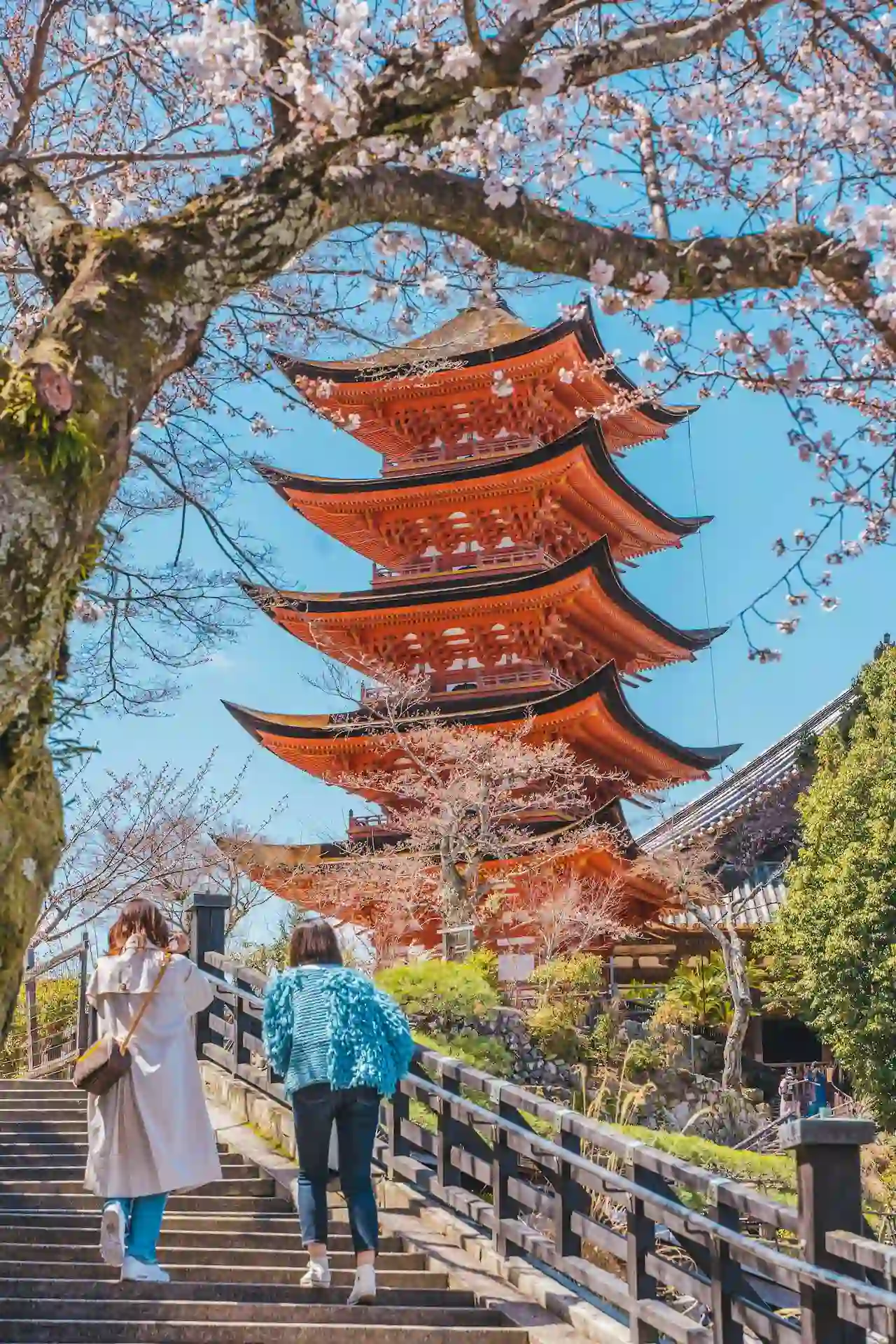
Kasuga-taisha Shrine is Nara’s most important shrine, with a distinctive vermilion color and 3,000 stone lanterns. The approach through the old-growth forest is peaceful.
What to see:
- The main shrine with its vermilion and white colors
- The subshrines dotted around the forest
- The stone lanterns covered in moss – the atmosphere feels mystical
Isui-en Garden is considered one of Japan’s most beautiful gardens. It’s attached to the Nara National Museum, so you can combine the visit.
What to eat:
- Nara-style ramen – Sweeter and richer than the Tokyo version
- Kaki-no-ha sushi – Sushi wrapped in persimmon leaves, a Nara specialty
- Sake – Nara has a long brewing tradition, and several breweries offer tastings
Dinner recommendation: Return to Kyoto for dinner at Sushi no Hana – an excellent sushi restaurant with a classic Japanese interior. The omakase is sublime, with fresh fish from Kyoto’s traditional markets.
Day 11: Arashiyama & The Bamboo Grove
Today you’ll explore the western part of Kyoto, a district known for its bamboo forest and the iconic Togetsukyo Bridge.
Morning: Arashiyama Bamboo Grove
The Bamboo Grove is world-famous and spectacular in the early morning light. The stalks create a pathway that feels magical, especially when the sun filters through.
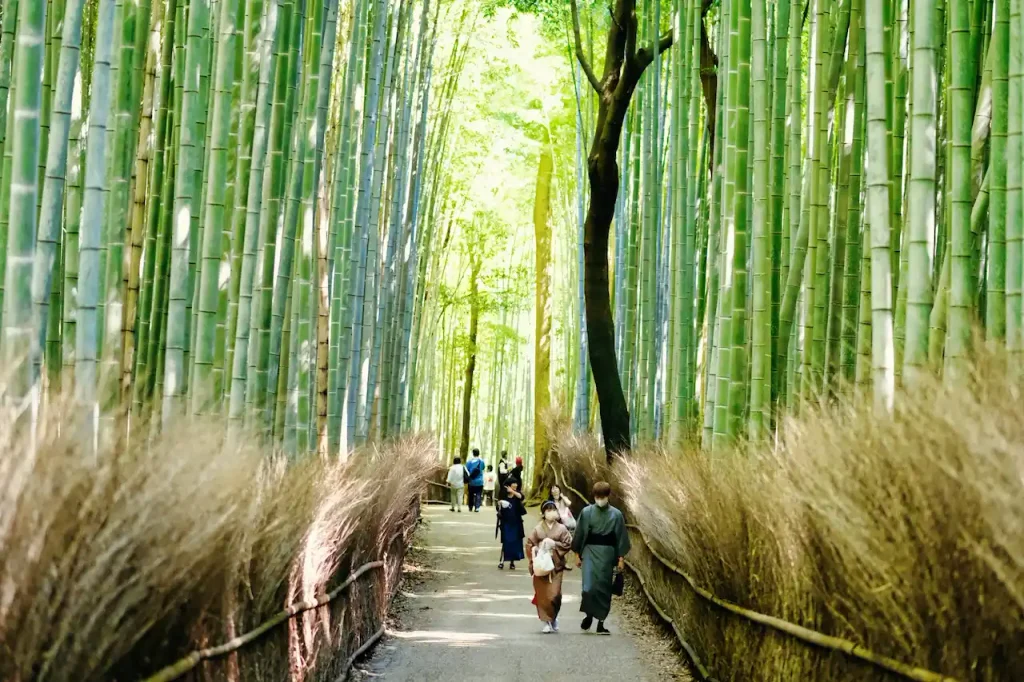
How to beat the crowds:
- Arrive at 6:30 AM – the grove is quieter, and the light is perfect
- Walk the path near the river, away from the main crowds
- Visit on a weekday if possible
What to experience:
- The serene atmosphere – the bamboo creates a natural wind chime sound
- The pathway itself – it’s a photographer’s dream
- The small shrines dotted within the grove
Mid-Morning: Tenryu-ji Temple
Tenryu-ji Temple is a Zen Buddhist temple that’s a designated UNESCO World Heritage Site. Its main hall is beautiful, and the garden is one of Kyoto’s finest.
What to do:
- Walk through the main hall with its lovely views of the garden
- Explore the path leading to the bamboo grove
- The tea house offers a relaxed setting with views of the park
Don’t Miss Out
Afternoon: Togetsukyo Bridge & The River
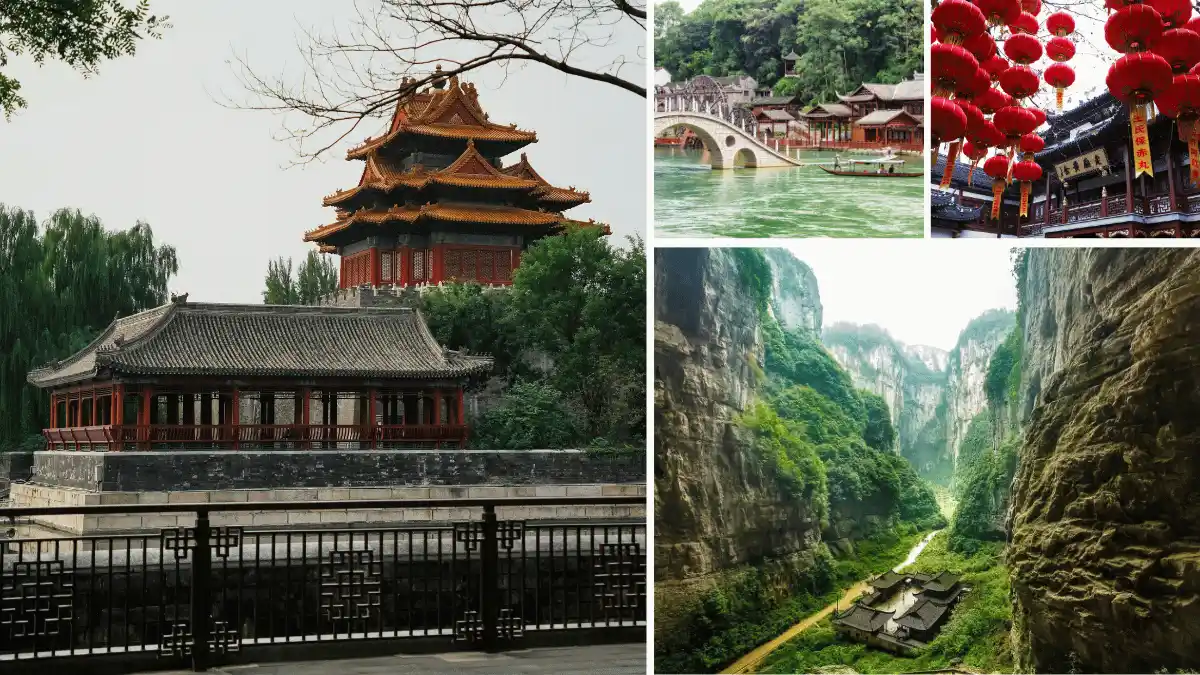
The Togetsukyo Bridge is an iconic view of Arashiyama, especially in autumn when the mountains behind turn crimson. The river below is crossed by small boats, and the area is beautiful for walking.
What to do:
- Walk across the bridge
- Rent a small boat to explore the river
- Visit the nearby Monkey Park – if you’re traveling with kids, the monkeys are fun to watch
What to eat:
- Yuba (tofu skin) – the area is known for this local specialty
- Shabu-shabu – Hot pot dining with local beef and vegetables
- Soba – The mountain setting is perfect for cold soba noodles
Alternative dining: Arashiyama Kitcho – This is a kaiseki restaurant with an excellent reputation, focusing on seasonal ingredients and beautiful presentation.
Dinner recommendation: Return to central Kyoto for a final dinner. Pontocho Alley has many excellent restaurants and is beautifully lit at night. You can spot geishas walking along the alley.
Day 12: Hiroshima & Peace Memorial
Today you’ll take a day trip to Hiroshima, traveling via Shinkansen from Kyoto. The journey takes about 1.5 hours.
Morning: Shinkansen to Hiroshima
Take the Shinkansen from Kyoto Station to Hiroshima. The journey is fast and comfortable, passing through scenic countryside with views of the Inland Sea.
Visiting the Peace Memorial Museum
The Peace Memorial Museum is a sobering, essential experience that tells the story of the atomic bombing and its aftermath. It’s emotional and moving – don’t schedule anything strenuous afterward.
What you’ll see:
- Personal artifacts left by victims
- Recreations of the city before and after
- Testimonials from survivors
- The story of Sadako Sasaki and the thousand paper cranes
Afternoon: The Peace Memorial Park
The Peace Memorial Park surrounds the museum and is dedicated to the victims of the atomic bombing. The cenotaph holds the names of the victims, and the flame will burn until all nuclear weapons are abolished.
What to see:
- The A-bomb Dome – the partially destroyed building is a stark symbol of peace
- The Cenotaph and the Flame
- The Children’s Peace Monument (dedicated to Sadako Sasaki)
- The Peace Bell – you can ring it for peace
Evening: Hiroshima Cuisine & Return
Hiroshima is famous for its okonomiyaki – the savory pancake layered with noodles, cabbage, and pork. Unlike other styles, Hiroshima’s version includes noodles and is layered rather than mixed.
Where to eat: Hiroshima Okonomiyaki Village – several floors of small restaurants serving incredible okonomiyaki. The atmosphere is lively, and the owners are friendly.
What to order:
- Classic Hiroshima style – Noodles, cabbage, pork, squid, and shrimp on the grill
- Moriyama style – Add kimchi or cheese for a fusion version
- With sake – The local sake goes beautifully with the dish
Alternative dining: Hachikuro – An excellent restaurant serving traditional Hiroshima cuisine, including the local oyster dishes.
Where to Stay in Hiroshima
1. Hotel Granvia Hiroshima
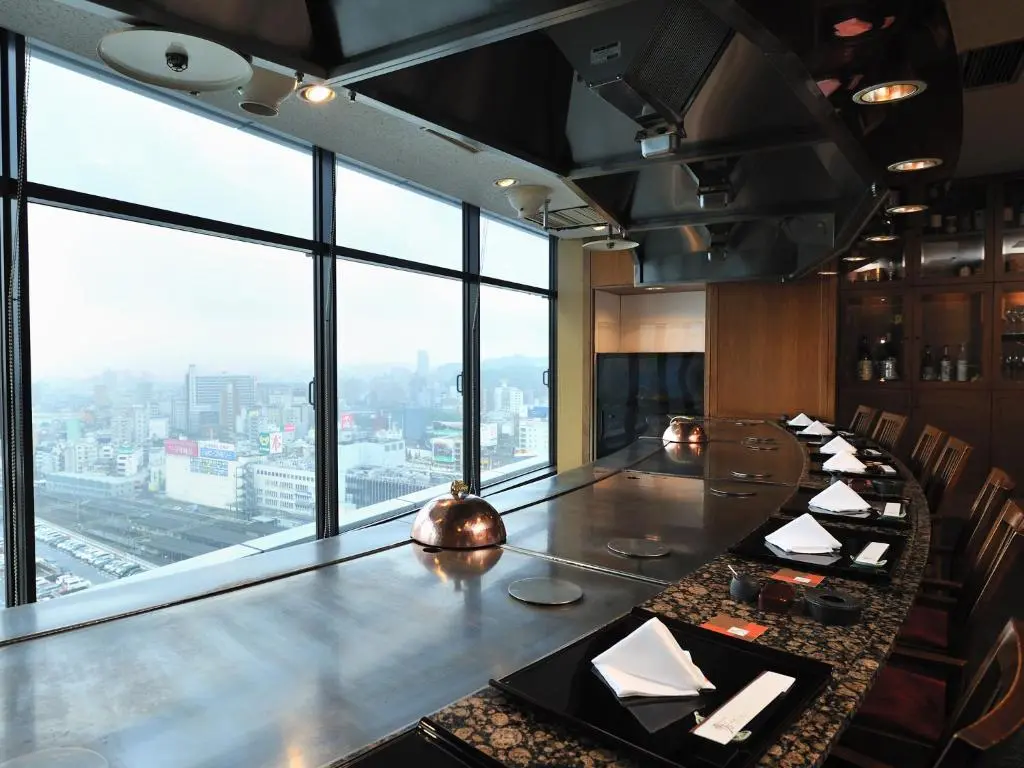
Located directly above the Shinkansen station, making travel easy. The rooms are comfortable with good views. The hotel has an onsen and a great breakfast buffet. Ideal for travelers wanting convenience and comfort. Standout feature: the direct station access.
2. Hiroshima Prince Hotel
A luxurious hotel with panoramic views of the Seto Inland Sea. The spa is excellent, and the breakfast is one of Hiroshima’s best. Located in a quieter area but with a free shuttle to the station. Perfect for couples and families who want more space and views.
- Budget alternative: WeBase Hiroshima – A modern hostel with clean, private rooms and good facilities. Excellent location. Perfect for solo travelers and backpackers.
Day 13: Miyajima Island & Itsukushima Shrine
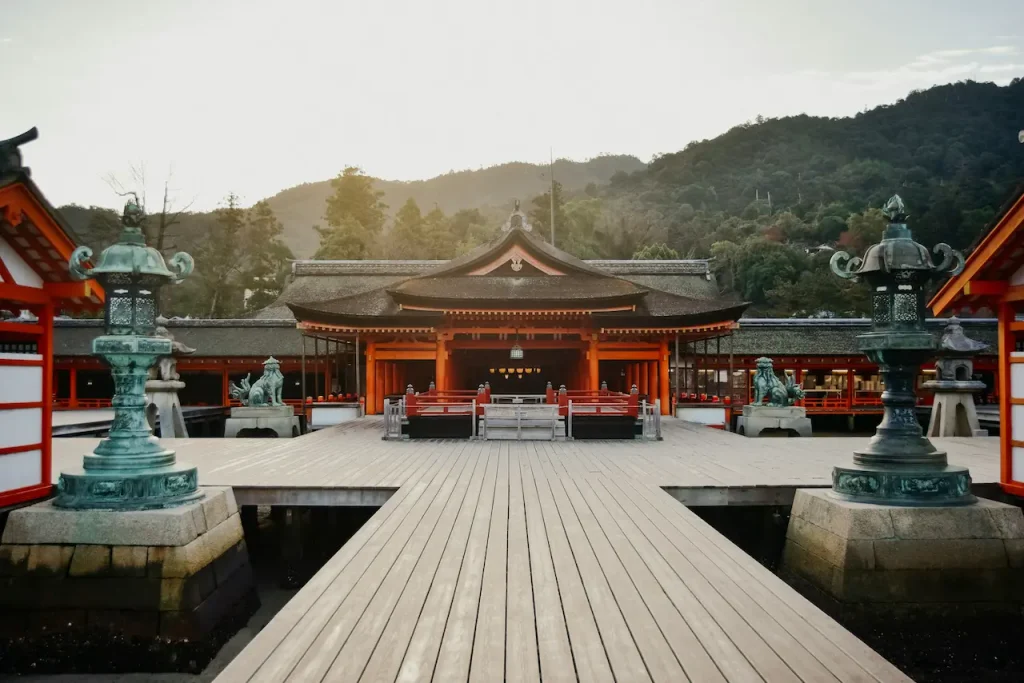
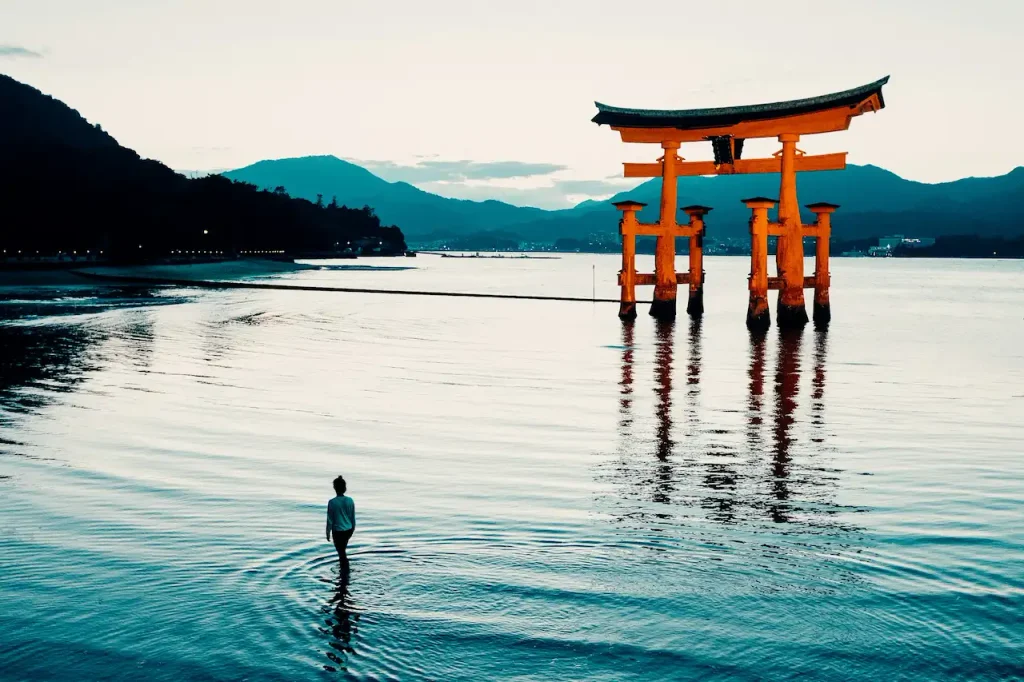
Miyajima Island is one of Japan’s Three Views, and the famous floating torii gate is iconic. The island is sacred, and the atmosphere is spiritual and serene.
Morning: Ferry to Miyajima
Take the JR ferry from Miyajimaguchi Station to the island. The approach to the floating torii gate is spectacular – the gate seems to rise from the water.
What to expect:
- The famous floating torii gate – at high tide, it appears to float on the water
- Itsukushima Shrine – the shrine is built over the water
- The deer – they roam freely like in Nara
Exploring Miyajima
What to do:
- Itsukushima Shrine – The vermilion structure seems to dance on the water. Walk the corridor and take the iconic photos
- The Daisho-in Temple – A beautiful temple with over 100 statues of the bodhisattva Jizo
- Mount Misen – You can hike or take the ropeway for panoramic views of the Seto Inland Sea
What to eat:
- Oysters – Miyajima is famous for its oysters. Try them grilled, fried, or in a hot pot
- Momiji manju – Maple leaf-shaped cakes filled with red bean paste or custard
- Hiroshima-style okonomiyaki – You’ll find good versions on the island
The food is excellent but a bit touristy. For a more authentic experience, venture a few blocks from the main street for lunch.
Afternoon: Return to Hiroshima
Take the ferry back to Hiroshima. If you’re still energetic, consider visiting the Shukkei-en Garden – a beautiful Japanese garden in the city center.
Evening: Final Dinner in Hiroshima
Dining recommendation: Ueno – A Michelin-starred restaurant serving traditional kaiseki cuisine with an emphasis on Seto Inland Sea seafood. The presentation is elegant, and the flavors are unforgettable.
Alternative dining: Koba – A casual izakaya specializing in Hiroshima’s local dishes, including oysters and okonomiyaki.
Day 14: Return to Tokyo & Departure
Today you’ll return to Tokyo for your departure flight. Take the Shinkansen from Hiroshima to Tokyo in the morning – about 4 hours.
Morning: Shinkansen to Tokyo
The Shinkansen from Hiroshima to Tokyo is the longest leg of your journey, but the scenery is beautiful. The train passes through mountain and coastal areas.
What to enjoy:
- Views of the Inland Sea
- The mountains of central Japan
- The rice paddies and small villages
Afternoon: Last Tokyo Experiences
You’ll arrive in Tokyo around midday. Use the rest of your day to:
- Shop for last-minute souvenirs – Harajuku or Asakusa are perfect for this
- Visit the MORI Building DIGITAL ART MUSEUM – This immersive digital art experience is extraordinary. The art literally moves around you – it’s a breathtaking experience and a fantastic way to end your trip.
- Take a final walk – Enjoy the city’s energy one more time
Evening: Departure
Head to Narita or Haneda Airport via the Narita Express or Keikyu Line.
Transport & Connectivity Guide
The Japan Rail Pass (JR Pass) – Current Reality
The JR Pass has been a travel staple for decades, but the price increase in October 2023 has made it less economical for many itineraries. Here’s the truth:
For a 14-day trip like this Japan itinerary, the 14-day JR Pass may not save you money. Individual Shinkansen tickets for the journeys in this itinerary cost about the same or slightly more than a 14-day pass.
What to do: Calculate your exact journeys online before your trip. For most travelers, buying individual Shinkansen tickets and a local Suica/Pasmo card for city transit is more cost-effective.
The alternative: The “Green Car” option (first class) is worth considering if you want more space and better views. The seats are wider, and the service includes a meal service on some routes.
Suica & Pasmo – Digital vs Physical
Suica and Pasmo are rechargeable cards that work on virtually all trains, subways, and buses. They’re essential for navigating Japan.
The digital option: The virtual versions now work on iPhone Wallet and Android apps. You can add value with a credit card and tap your phone at ticket gates. This is incredibly convenient.
The physical option: You can buy a card at any station ticket machine. These work just like the digital version but can’t be refunded at the end of your trip.
Shinkansen (Bullet Train) Booking
Seat selection: When booking Shinkansen tickets, choose the “Mountain View” seats for the best views. On most routes, these are on the left side when heading west or the right side when heading east.
Luggage: Shinkansen trains have overhead racks and dedicated luggage areas. If you have large luggage, you might need to reserve oversized luggage space in advance.
Essential Japan Travel Tips
➭ Pocket WiFi vs eSIM – I strongly recommend a portable WiFi device (pocket WiFi) for Japan. The country has excellent 4G/5G coverage, and a dedicated device means you won’t drain your phone’s battery.
You can pick one up at the airport or have it delivered to your hotel. For most travelers, the pocket WiFi is more reliable than hotel WiFi. Alternatively, the airalo eSIM app is popular for travelers who prefer an eSIM.
➭ Cash is still king – Despite Japan’s tech reputation, many small businesses and restaurants still only accept cash. Withdraw cash at 7-Eleven or Japan Post ATMs, which have English menus. You can usually withdraw up to 100,000 yen per day.
➭ Trash management – Public trash cans are virtually nonexistent in Japan. Carry a plastic bag with you to hold trash until you find a bin (at convenience stores or train stations). This is both practical and respectful.
Etiquette guidelines:
- No tipping – Tipping is considered rude in Japan. The service charge is included in the price.
- Train etiquette – Don’t talk on your phone on trains. Keep conversations quiet and use the silent carriage if available.
- Onsen rules – If you have tattoos, you might be barred from some onsen. This is slowly changing, but many traditional onsen still enforce this rule.
- Shoes off – Remove your shoes when entering homes, temples, and many traditional restaurants. You’ll often be provided with slippers.
What to Pack for Japan
Japan is a destination where your packing choices can dramatically affect your experience. Here’s what I’ve learned over the years:
➭ Comfortable walking shoes – This is the most important item on this list. You’ll walk 15,000-20,000 steps daily. Invest in quality, broken-in shoes that support your feet. Japanese streets are often paved, but you’ll encounter uneven cobblestones in Kyoto’s historic districts and mountain trails.
➭ Travel power adapter for Japan – Japan uses Type A and Type B plugs (flat two-prong plugs, like the US). Voltage is 100V, which is lower than most of the world. Most modern devices handle 100-240V, so you only need the plug adapter, not a voltage converter.
➭ Power bank – With all the photo-taking, map-checking, and translation app usage, your phone battery will drain fast. A high-capacity power bank (20,000mAh or more) is essential for full-day excursions.
➭ Japanese phrasebook – While many Japanese people speak some English, a phrasebook helps you navigate with confidence. Essential phrases include “sumimasen” (excuse me/sorry), “arigatou” (thank you), and “omakase” (I’ll leave it to you – useful in restaurants).
Don’t Miss Out
➭ Portable umbrella – Japan’s weather is unpredictable, especially during the rainy season (June to July). A compact, wind-resistant umbrella fits easily in your daypack.
➭ Reusable shopping bag – Japan charges for plastic bags, and you’ll want to reduce waste. A foldable bag is perfect for convenience store runs and souvenir shopping.
Clothing considerations:
- Dress in layers – Japan’s seasons are distinct, but weather can change within a day. Even in summer, evenings can be cool.
- Modest clothing for temples – Shoulders and knees should be covered when visiting shrines and temples. Consider a lightweight scarf or shawl.
- Train travel comfort – Shinkansen trains are air-conditioned. A light jacket is useful.
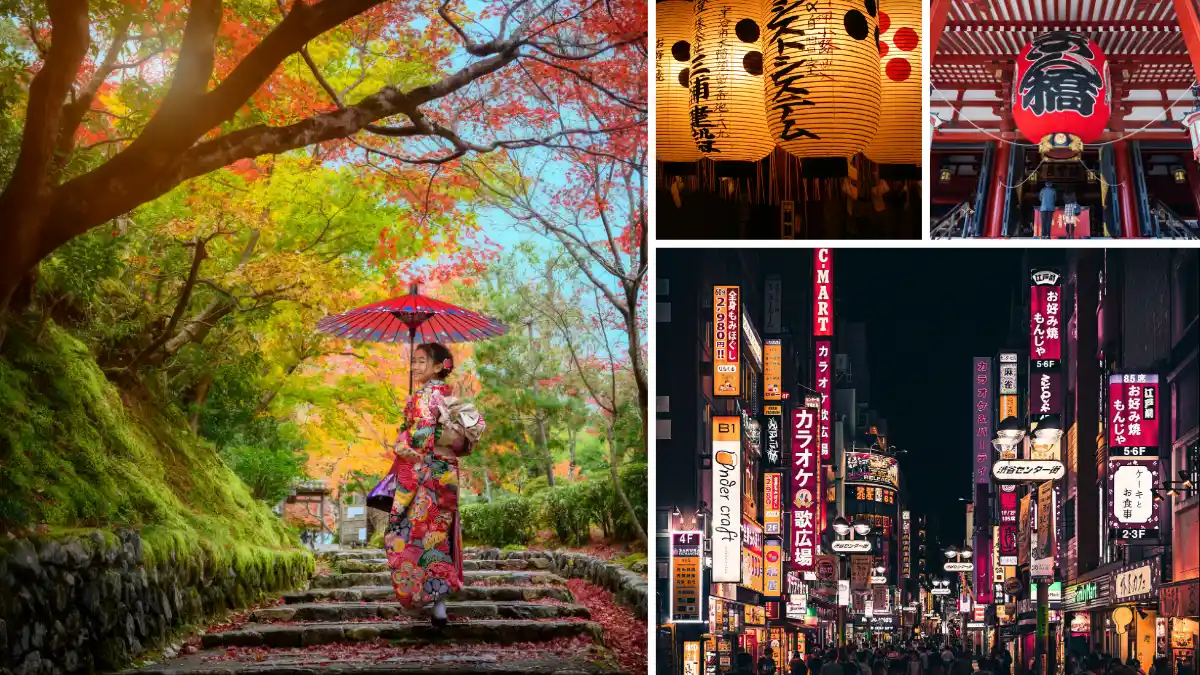
Two weeks in Japan is the perfect introduction to a country that has captivated travelers for centuries. This Japan itinerary takes you from the neon energy of Tokyo to the ancient traditions of Kyoto, from the mountain villages of Takayama to the tranquil beauty of Hiroshima and Miyajima.
What makes Japan special isn’t just the temples, gardens, or food—though those are world-class. It’s the way everything works seamlessly together. The punctual trains. The graceful bows. The incredible attention to detail in every aspect of daily life. The kindness of strangers who go out of their way to help.
I hope this Japan itinerary inspires you to experience this extraordinary country. Take it at your own pace. Allow time for the unexpected discoveries—the small alleyway that leads to a secret temple, the friendly bar owner who becomes your friend for the evening, the view of Mount Fuji that suddenly appears on a clear morning.
Most of all, remember that Japan is a country that rewards patience and curiosity. The more you explore, the more you’ll discover. The more you respect local customs, the more welcoming the locals will be. It’s a country that opens itself up gradually, revealing layer after layer of beauty, mystery, and grace.
Japan is waiting for you. Say yes to the adventure. Say yes to the journey. Say yes to the most memorable two weeks of travel you’ll ever experience.
And remember: Domo arigatou means “thank you” in Japanese. You’ll want to say it often.
