12 South Korea Travel Truths Nobody Tells You Until You Arrive
Know these insider truths before you go and experience South Korea like a seasoned traveler

- This article contains affiliate links. I may receive a commission if you purchase from them, at no extra cost to you.
There’s a moment that happens on almost every first trip to South Korea. You’ve done your research. You’ve watched the vlogs. You’ve got your T‑money card ready, and your Naver Map downloaded. And then you land in Seoul, and within 48 hours, you realize that half of what you thought you knew was incomplete—and the other half was just plain wrong.
I remember standing on a street corner in Hongdae, holding a plastic cup, looking for a trash can that simply did not exist. I remember the confused look on a shopkeeper’s face when I tried to pay with a card at a tiny market stall. I remember the silence on a packed subway car where everyone was on their phones, but no one was talking.
Traveling in South Korea is one of the most rewarding experiences you can have. But it comes with a set of unwritten rules that nobody puts in the guidebooks. This isn’t a list of tourist attractions. This is a list of the truths that will shape your entire trip—the things I wish someone had told me before I arrived.
Here are 12 South Korea travel truths that nobody tells you until you’re already there.
Table of contents ⇅
1. There Are Almost No Public Trash Cans (And It’s Not a Mistake)
You will walk for blocks holding an empty coffee cup. You will finish a skewer of street food and have nowhere to put the stick. You will start to feel like the entire city is playing a prank on you.
It’s not a prank. South Korea has very few public trash cans, and it’s intentional. The government removed many of them to encourage people to take their trash home with them. The result is a country that is remarkably clean, but a visitor is constantly confused.
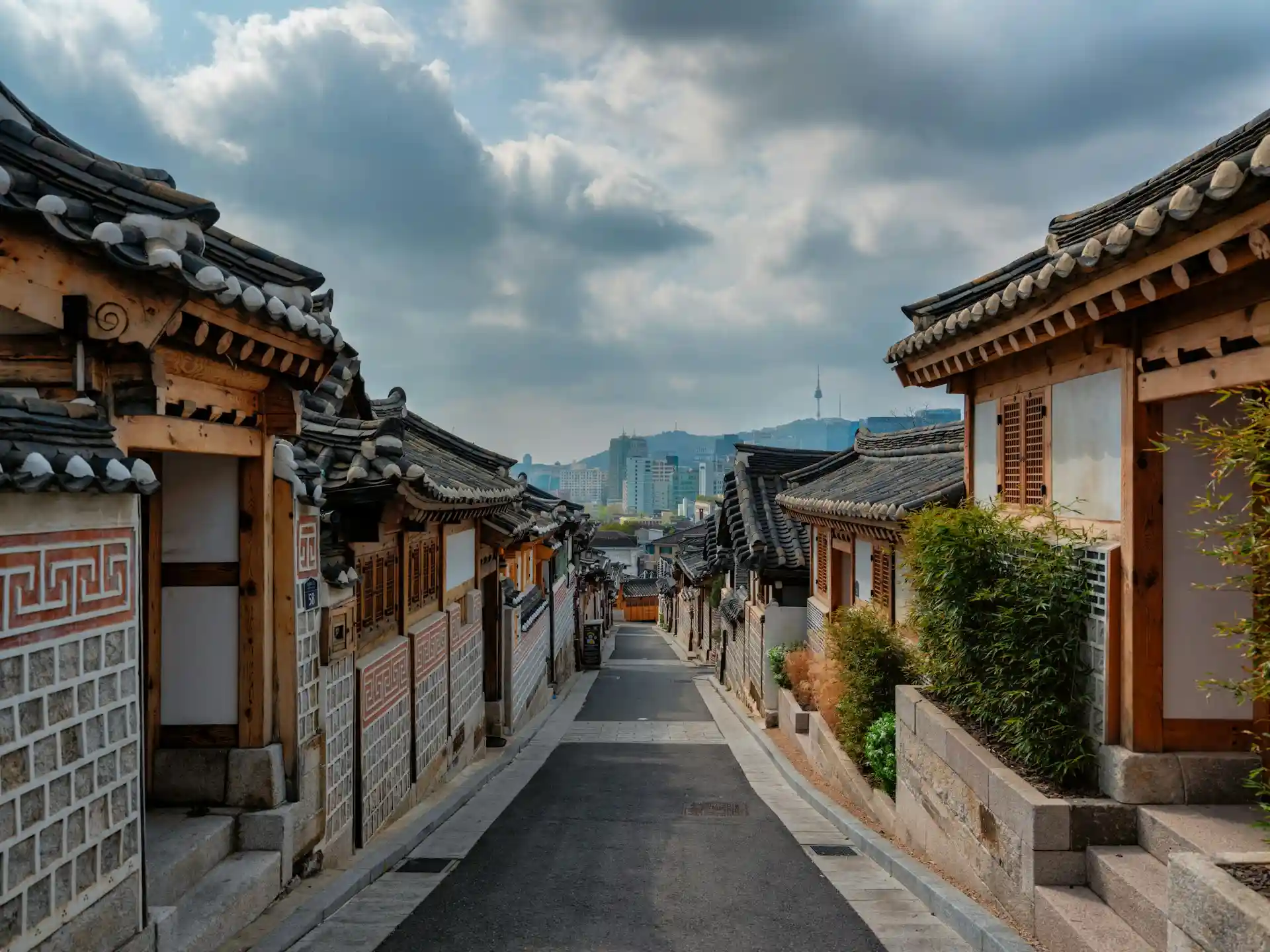
What you’ll notice is that people carry their trash in their bags until they get home or find a convenience store. And speaking of convenience stores—they’re your best friend. Most of them have trash bins out front, and they’ll let you use them even if you’re not a customer.
Where to Actually Throw Things Away
- Convenience stores (CU, GS25, 7‑Eleven) – almost always have bins outside or inside.
- Cafés – if you bought something there, you can leave your cup
- Your hotel or Airbnb – the safest option is to just take it back with you
- Subway stations – some have bins, but they’re not always easy to find
Why This Actually Matters
This is one of the first South Korea travel truths you’ll experience, and it shapes how you move through the city. You’ll learn to carry a small bag for your trash, and you’ll develop a sixth sense for spotting a hidden bin. It’s a small thing, but it changes your daily rhythm.
Did you know this?
2. Kakao Is Not Just an App—It’s the Operating System of Daily Life
Before you arrive, you might think KakaoTalk is just a messaging app. It’s not. It’s the infrastructure of everyday life in South Korea. You’ll use KakaoMap to navigate, Kakao T to call a taxi, KakaoPay to pay for things, and KakaoTalk to communicate with almost anyone you meet.
What surprises most visitors is how deeply integrated it is. Your Airbnb host will message you on KakaoTalk. The restaurant you’re trying to find will show up on KakaoMap. The taxi driver will expect you to pay through KakaoPay or a card, not cash.
What You Actually Need to Download
- KakaoMap – more accurate than Google Maps in Korea, especially for walking directions
- Kakao T – the ride‑hailing app, much easier than trying to hail a taxi on the street
- Papago – a translation app that’s far better than Google Translate for Korean
- Naver Map – another excellent mapping option, sometimes better for public transit
The Thing Nobody Tells You
Google Maps doesn’t work well in South Korea. It’s not a conspiracy theory—it’s a legal restriction. So don’t rely on it. Download KakaoMap or Naver Map before you arrive, and you’ll save yourself hours of frustration.
This is one of those South Korea travel tips that seems minor until you’re lost in a residential neighborhood at 11 PM with no idea which direction your hotel is.
Did you know this?
3. You Can Drink in Public—And Nobody Cares
Coming from a country where open containers are illegal, this one feels almost rebellious. In South Korea, you can buy a beer at a convenience store, sit on a bench by the Han River, and drink it. You can walk down the street with a soju bottle in hand. Nobody will look at you twice.
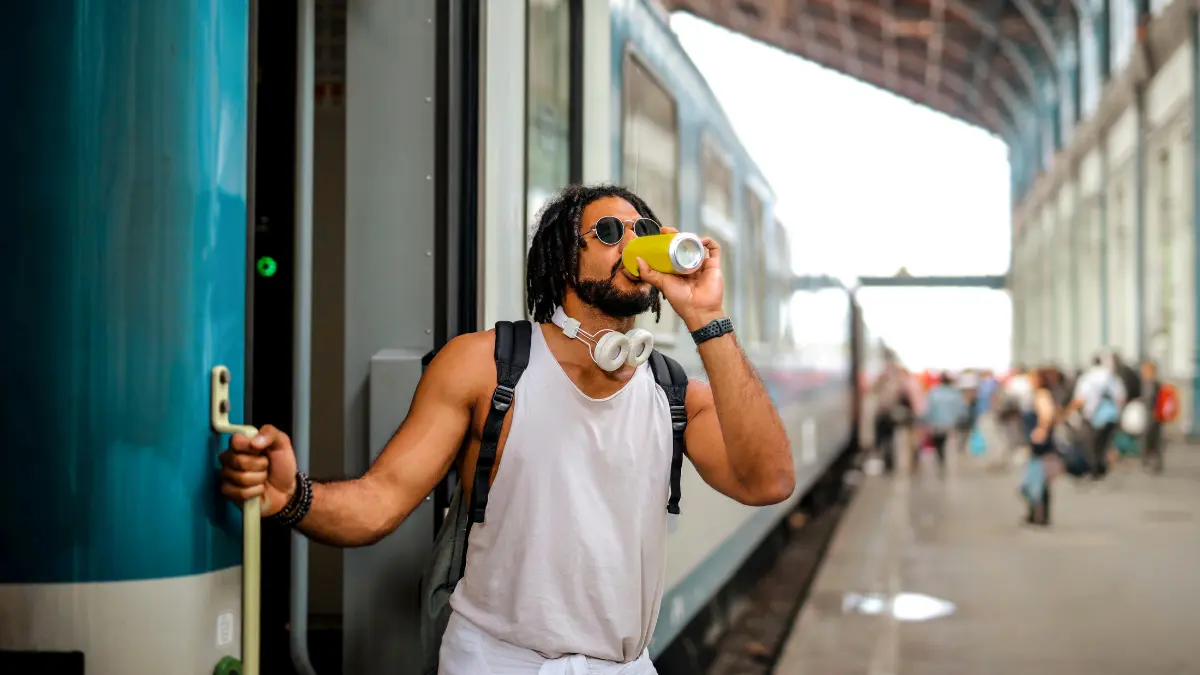
This is a huge part of the social culture. Seoul’s Han River parks are packed on summer evenings with groups of friends sitting on picnic blankets, eating fried chicken and drinking beer. It’s one of the most authentic South Korea travel experiences you can have.
How to Do It Right
- Buy your drinks at a convenience store – they’re cheap and everywhere
- Grab some snacks – the same stores sell chips, dried squid, and kimbap
- Find a spot by the river – Yeouido and Ttukseom are the classic spots
- Clean up after yourself – bring a bag for your trash, because there are no bins
A Cultural Note
Drinking in public is legal, but being visibly drunk and disorderly is not. The culture is relaxed but respectful. Don’t confuse freedom with chaos.
Did you know this?
4. Banchan Is Free—And You Can Ask for More
When you sit down at a Korean restaurant, small plates of food will appear on your table before you even order. These are banchan—side dishes like kimchi, pickled radish, spinach, and potato salad. They’re not an appetizer you pay for. They’re part of the meal.
And here’s the thing: they’re refillable. If you finish your kimchi, you can ask for more. It’s free. It’s expected. The restaurant wants you to enjoy your meal.
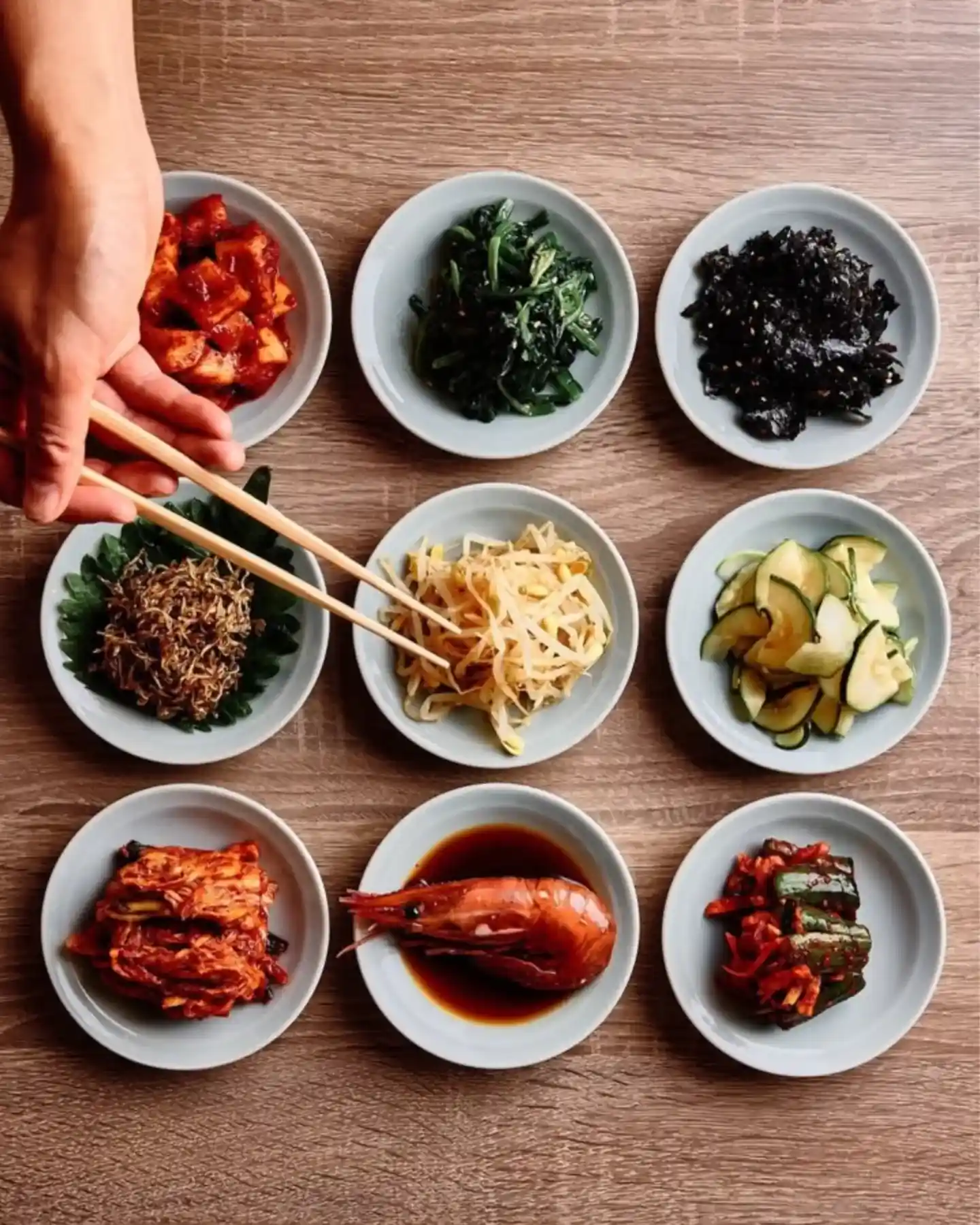
This is one of the most delightful South Korea travel truths, especially if you’re traveling on a budget. You can order one main dish and fill up on banchan.
How to Ask for More
- “Banchan deo juseyo” – literally “side dishes more please”
- Just point at the empty plate and smile – it works
- Most restaurants will refill without you asking
The Etiquette
Don’t leave too much food on your plate. It’s seen as a sign that you didn’t enjoy the meal. And don’t stick your chopsticks upright in rice—that’s a funeral ritual, and it’s considered bad luck.
Did you know this?
5. The Subway Is Silent—And You Should Be Too
The Seoul subway system is one of the best in the world. It’s clean, efficient, and incredibly cheap. But there’s a social rule that catches a lot of visitors off guard: you don’t talk on the subway. At least, not loudly.
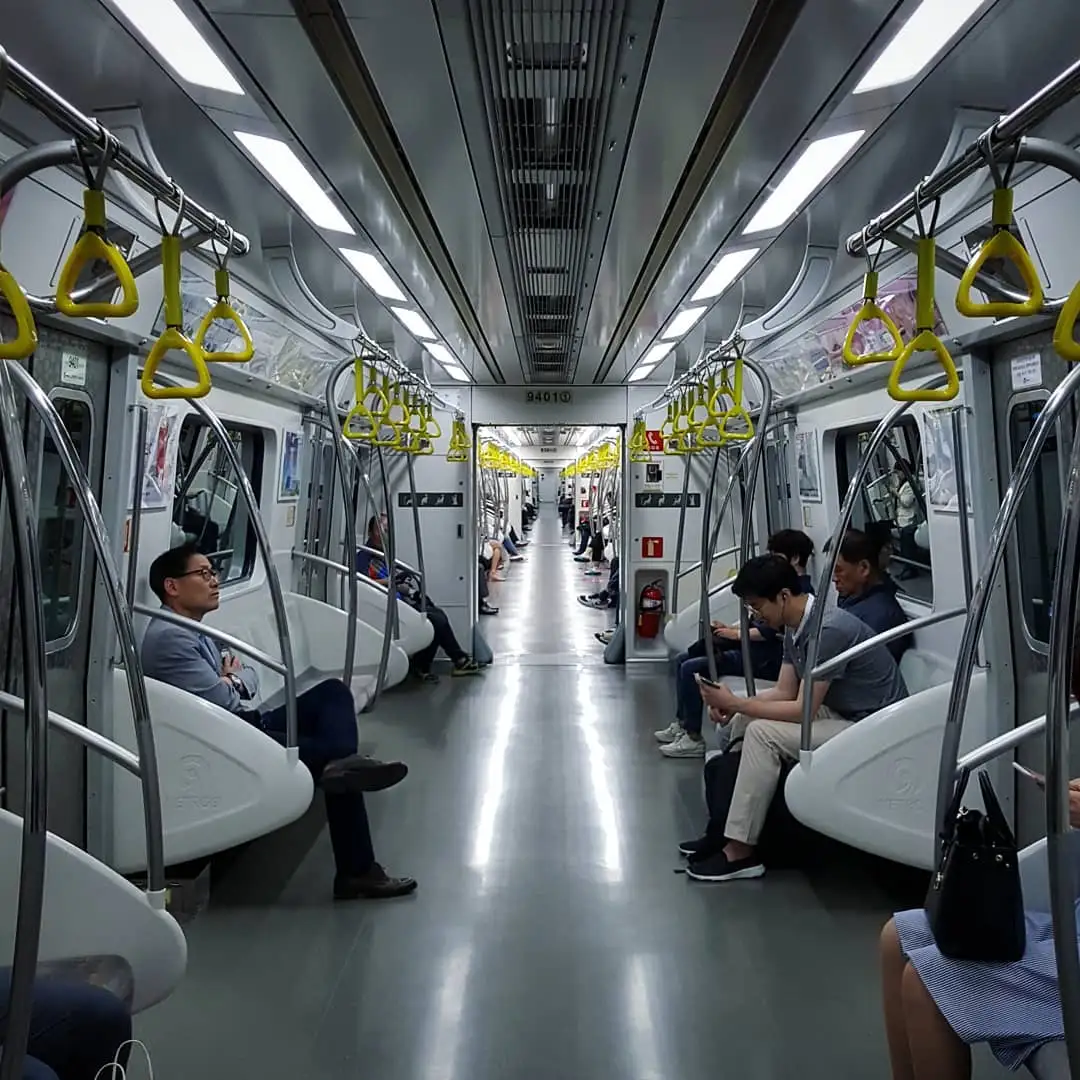
People scroll through their phones, listen to music, or just stare into space. Conversations happen in hushed tones. Phone calls are rare and usually very short. If you’re used to loud subway announcements and chatty commuters, this is a shock.
What’s Expected of You
- Keep your voice down, even if you’re with friends
- Don’t take phone calls—if you must, keep it to a whisper
- Give up your seat to elderly people, pregnant women, and anyone who looks like they need it
Why It Matters
This isn’t just about being polite. It’s about respecting shared space in a city of 10 million people. Once you get used to it, you’ll wish your home city was this peaceful.


This is one of the South Korea travel realities that makes you appreciate the country’s social contract—the unspoken agreement that everyone looks out for everyone else.
Did you know this?
6. Skincare Samples Are a Way of Life
Walk into any cosmetics store in Myeongdong, and you’ll be handed free samples before you even buy anything. Sheet masks, tiny bottles of serum, travel‑size creams—they just give them to you. Sometimes they’ll throw in extra when you make a purchase.
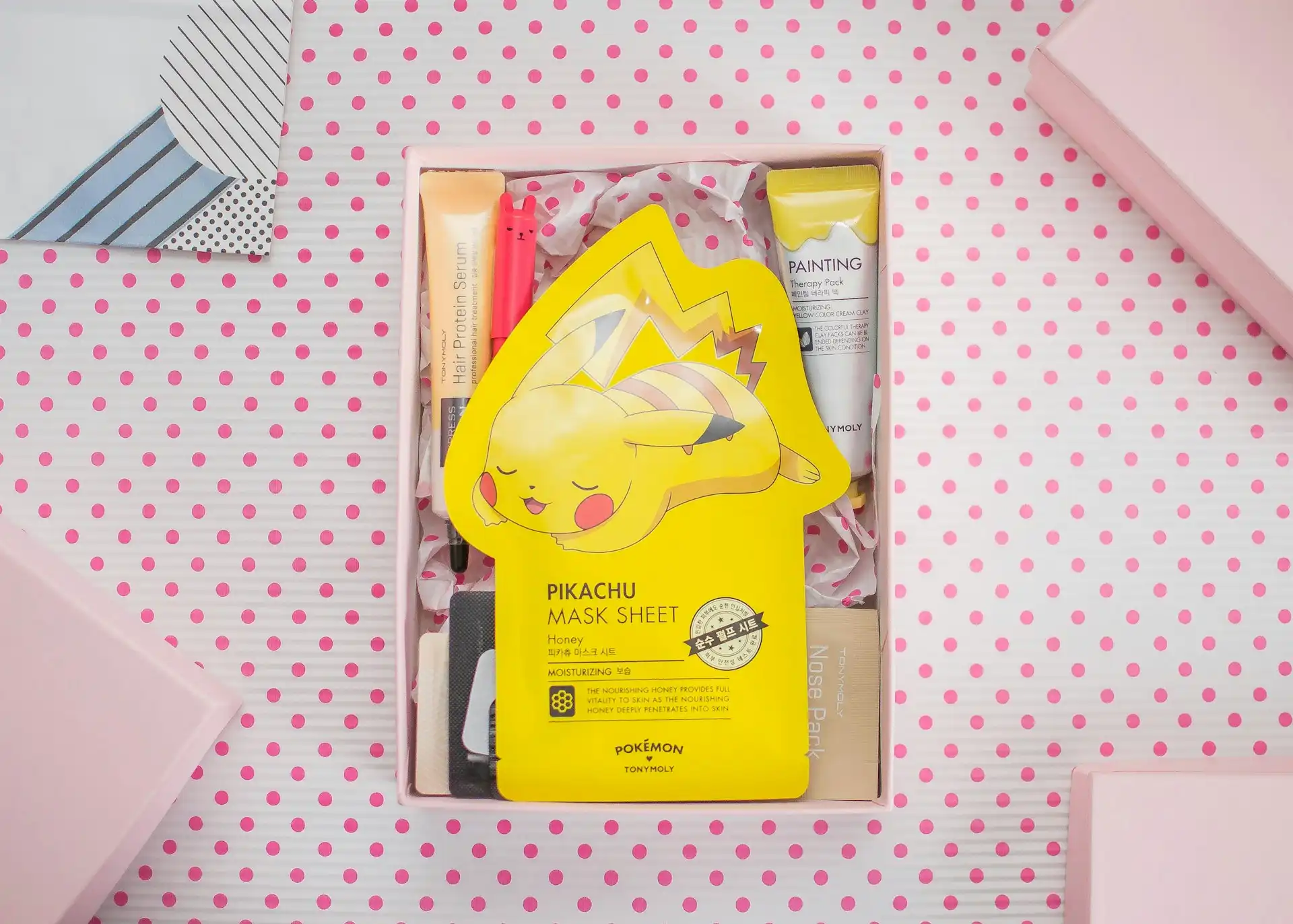
This isn’t just a marketing gimmick. It’s part of the culture. Korean skincare is a national obsession, and stores compete to win your loyalty by being generous.
Where to Get the Best Freebies
- Myeongdong – the epicenter of skincare shopping, with dozens of stores offering samples
- Olive Young – a chain that often has promotions and gifts with purchase
- Duty‑free shops – they’ll often give you even more samples than the street stores
📌 Don’t Miss Out
A Smart Strategy
Don’t buy everything at the first store you see. Walk around, compare prices, and let the stores compete for your attention. You’ll walk away with a bag full of freebies and a new obsession.
Did you know this?
7. The Drinking Culture Is Intense—And Structured
Korean drinking culture is not just about alcohol. It’s about bonding, hierarchy, and ritual. When you go out with a group, there’s a whole choreography to it. The oldest person pours the first drink. You hold your glass with two hands when someone pours for you. You don’t pour your own drink—you pour for others, and they pour for you.
And then there’s the “second round” and the “third round.” Dinner is round one. Then you go to a bar for round two. Then maybe a karaoke room for round three. It can go on until sunrise.
The Rules You Should Know
- Two hands – hold your glass with two hands when receiving a pour
- Pour for others – never pour your own drink; always pour for the people around you
- Turn away – when you drink in front of someone older, turn your head slightly to the side
- Say “one shot” – if someone offers you a shot, you can say “one shot,” and everyone will cheer
The Morning After
Korea has a whole industry built around hangovers. Convenience stores sell hangover drinks. Restaurants serve hangover soup (haejang‑guk). You’ll be fine.
This is one of the most immersive South Korea travel experiences you can have—but pace yourself.
Did you know this?
8. Couple Culture Is Real (And Very Visible)
In South Korea, being a couple is a public identity. Couples wear matching outfits. They have matching phone cases. They go to “couple cafés” and take photos in photo booths. It’s not just a trend—it’s a cultural norm.
For solo travelers, it can feel a bit isolating. But for couples, it’s a chance to lean into the culture. You can buy matching pajamas, matching sneakers, or even matching rings.
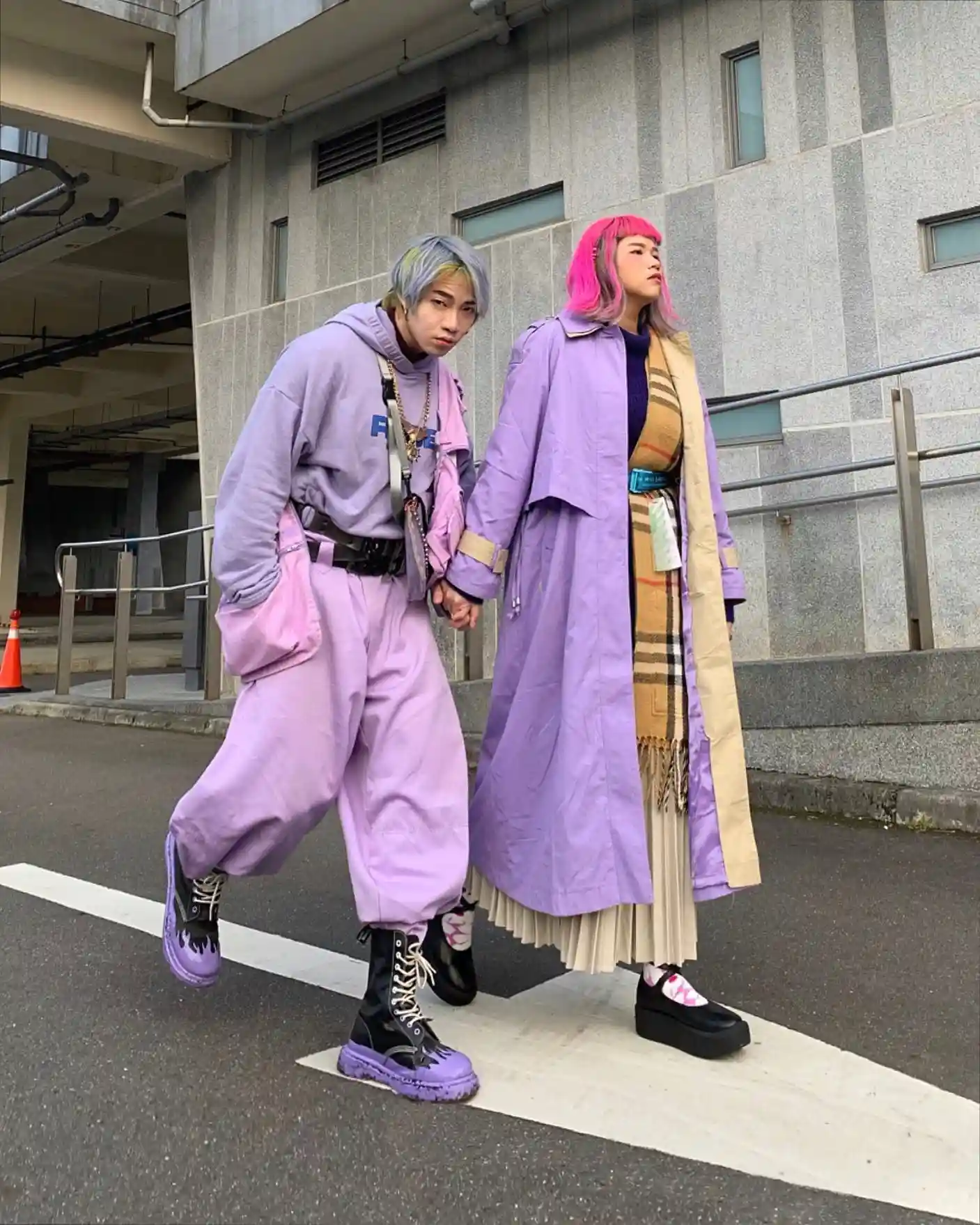
What You’ll See
- Matching outfits on the subway
- Couple discounts at restaurants and attractions
- “Couple items” sold in almost every shop
- Photo booths (saeng‑il ppo) where couples take cute, silly photos
Why It’s Worth Trying
Even if you’re not a couple, buying a matching item with a friend is a fun way to participate in the culture. And the photo booths are a great souvenir—they print out stickers and photos that you can keep forever.
Did you know this?
9. Convenience Stores Are Not Just Convenient—They’re a Destination
In most countries, a convenience store is a place to grab a snack and leave. In South Korea, it’s a destination. People sit at the tables outside, eating ramyeon, drinking beer, and hanging out for hours.
You can buy a bowl of instant noodles, use the hot water dispenser, and eat it right there. You can buy a beer and sit outside with friends. You can even buy a full meal—kimbap, sandwiches, hot dogs, and more.
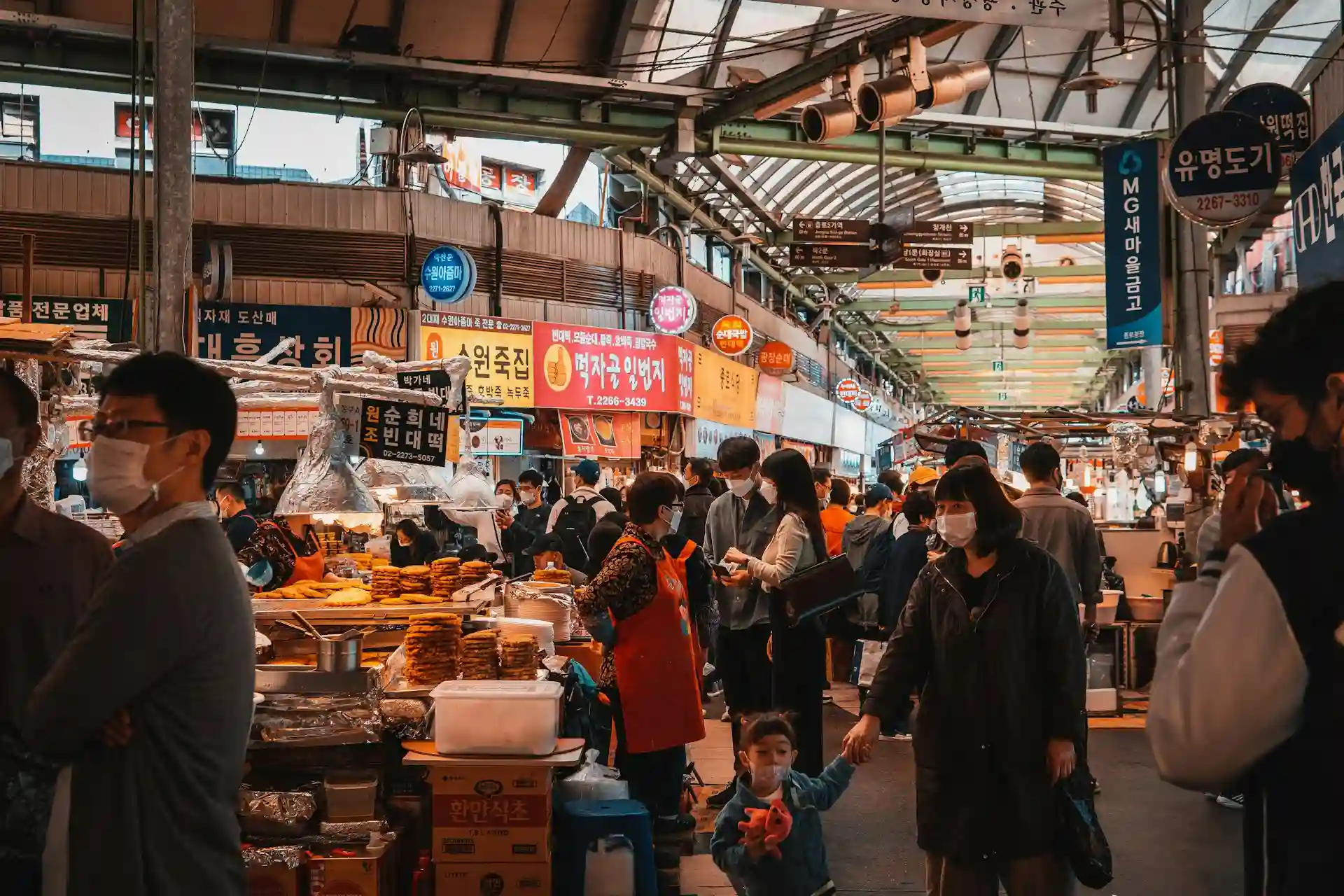
What to Try
- Ramyeon – instant noodles, but elevated with a fresh egg and a slice of cheese
- Triangle kimbap – a portable rice snack wrapped in seaweed
- Banana milk – a sweet, nostalgic drink that’s beloved by locals
- Hot bar food – fried chicken, tteokbokki, and other hot snacks
For budget travelers, convenience stores are a godsend. You can eat well for very little money. And for late‑night cravings, they’re open 24/7.
Did you know this?
10. T‑Money Is Your Golden Ticket
The T‑money card is a rechargeable transit card that works on subways, buses, and even some taxis. You can buy it at any convenience store and recharge it there too. It’s cheap, easy to use, and saves you from fumbling with cash.
What nobody tells you is that you need it. You can’t just tap your credit card like you can in some cities. You need a T‑money card, or you’ll be buying single‑ride tickets every time you get on the subway.
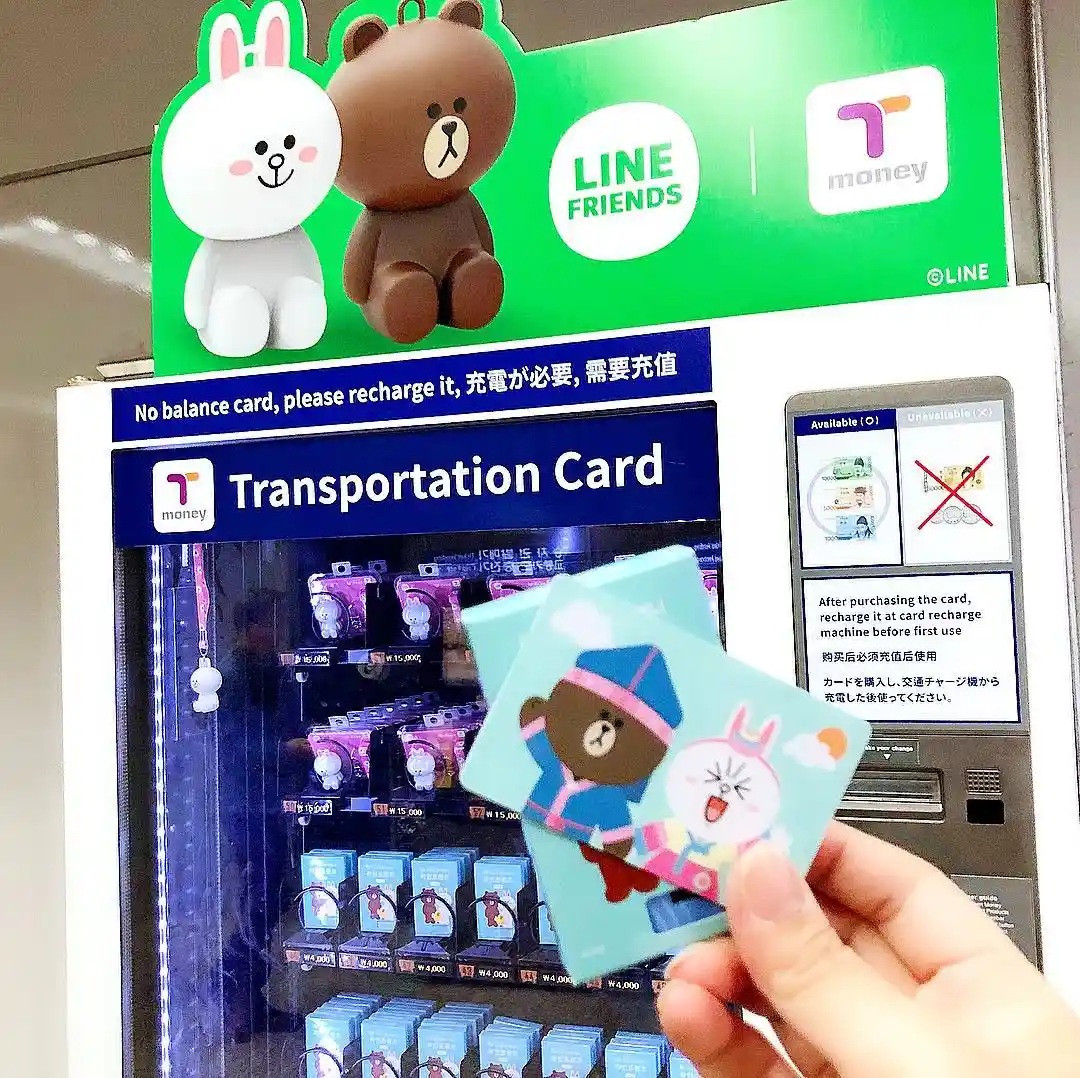
How to Get One
- Buy it at a convenience store – it costs a few thousand won
- Recharge it at the same store – or at a subway station machine
- Tap in and tap out – always tap when you enter and exit
The Money‑Saving Secret
If you’re staying for more than a few days, consider getting a “Climate Card” (for tourists) or a multi‑day pass. It can save you money if you’re using the subway a lot.
Did you know this?
11. Tipping Is Not Expected—And Can Be Awkward
In South Korea, tipping is not part of the culture. You don’t tip at restaurants, you don’t tip taxi drivers, and you don’t tip hotel staff. Service is included, and trying to leave extra can cause confusion or even offense.
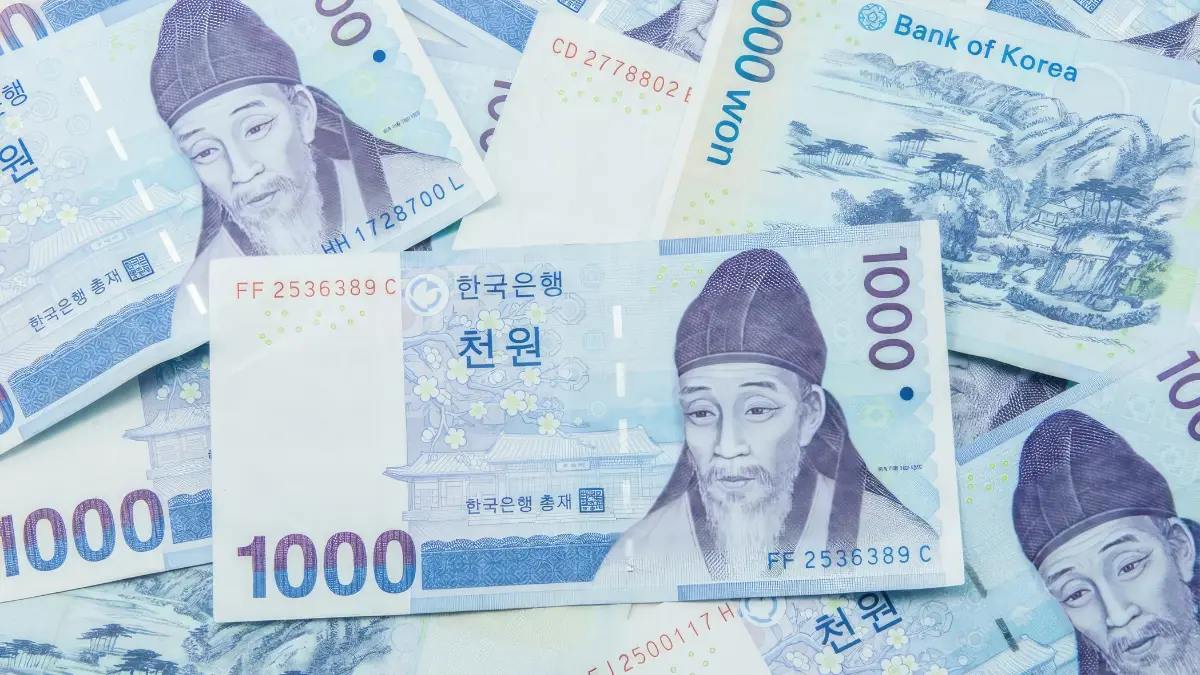
This is a relief for travelers who are used to the American tipping culture. But it can also feel strange. You’ll finish a meal, and the bill will be exactly what’s on the menu. No hidden fees, no expectations.
The Exceptions
- Fine dining – some high‑end restaurants may add a service charge
- Hotel bellhops – a small tip is sometimes appreciated but not required
- Tour guides – if you’ve had an exceptional experience, a tip is welcome but not expected
Why It’s Refreshing
Not having to calculate a tip at the end of every meal is one of the most underrated South Korea travel truths. It simplifies everything and lets you focus on enjoying the experience.
Did you know this?
12. The “Service” Culture Will Make You Feel Special
In Korea, “service” (서비스) doesn’t mean what it means in English. It means “on the house” or “free extra.” You’ll order a coffee and get a free cookie. You’ll buy a skincare product and get a handful of samples. You’ll sit down at a restaurant and get a free dish you didn’t order.
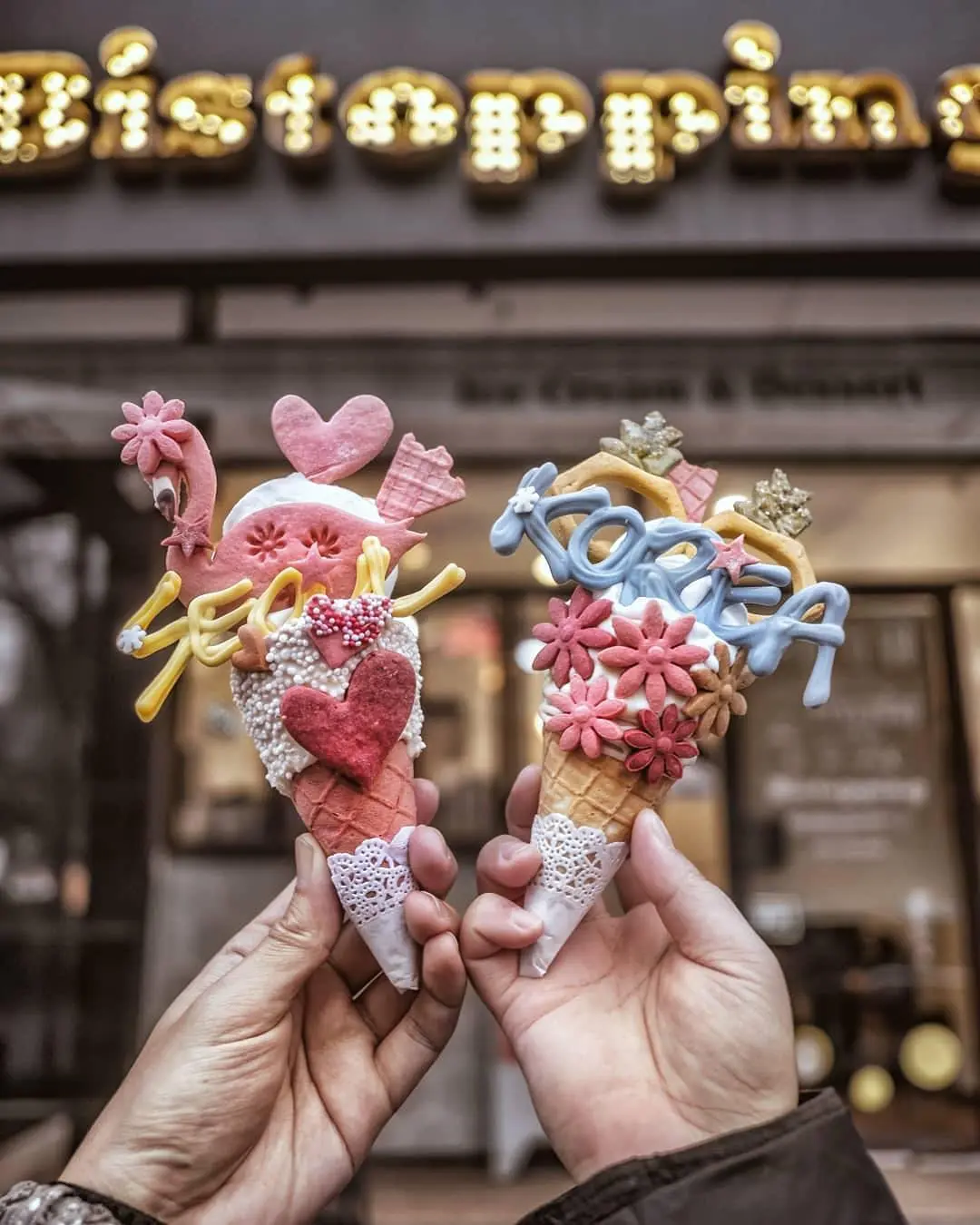
This is a cultural norm that reflects the Korean value of generosity and hospitality. It’s not a marketing trick—it’s a genuine expression of goodwill.
What You’ll Experience
- Free samples at skincare stores
- Extra side dishes at restaurants
- A free drink or snack at a café
- A small gift from a shop owner
📌 Don’t Miss Out
Why It Matters
This is one of the most heartwarming South Korea travel truths. It’s a reminder that travel isn’t just about seeing things—it’s about experiencing how other people live and treat each other.
Did you know this?
What Nobody Tells You About South Korea Travel (But Should)
The biggest truth about South Korea travel is that it’s not just a destination—it’s a re‑education. You’ll learn new rules, new rhythms, and new ways of being in public. You’ll make mistakes. You’ll feel confused. And then, one day, you’ll realize you’re navigating the subway without looking at your phone, ordering food without pointing, and bowing slightly when you say thank you.
That’s the real magic of South Korea travel. It doesn’t just change your itinerary—it changes your perspective.
So go with an open mind. Be curious. Be respectful. And don’t be afraid to ask questions. The locals will appreciate the effort, and you’ll come home with stories that nobody else has.