- This article contains affiliate links. I may receive a commission if you purchase from them, at no extra cost to you.
Japan is a shopper’s paradise, but it’s also a shopper’s puzzle. Walk into any depachika, and you’ll be surrounded by beautifully boxed sweets that look like they cost a fortune but don’t. Walk into a craft shop in Kyoto, and you’ll find a single ceramic bowl that costs more than your flight. The range is staggering, and the question isn’t whether you’ll buy souvenirs—it’s how you’ll choose them without blowing your budget or your luggage allowance.
That’s why I’ve organized this guide differently. Instead of a random list, I’ve broken down souvenirs by budget tier, from 100‑yen shop finds that punch way above their weight to investment pieces you’ll hand down to your kids. Every tier is worth exploring, and the best Japanese souvenirs by budget aren’t always the most expensive ones.
I’ve spent years collecting, testing, and (occasionally) regretting purchases in Japan. This is the refined list—the things I’d buy again, the things I’d tell a friend to buy, and the things that actually make it home in one piece. Let’s start small and work our way up.
Table of contents ⇅
The One Rule That Changes Everything: Omiyage Culture
Before we get into the tiers, you need to understand omiyage. In Japan, gift‑giving isn’t optional—it’s a social obligation. When you travel, you bring back small, individually wrapped sweets or snacks for your coworkers, your neighbors, your hairdresser. It’s a way of saying, “Thank you for covering for me,” and “I was thinking of you.”
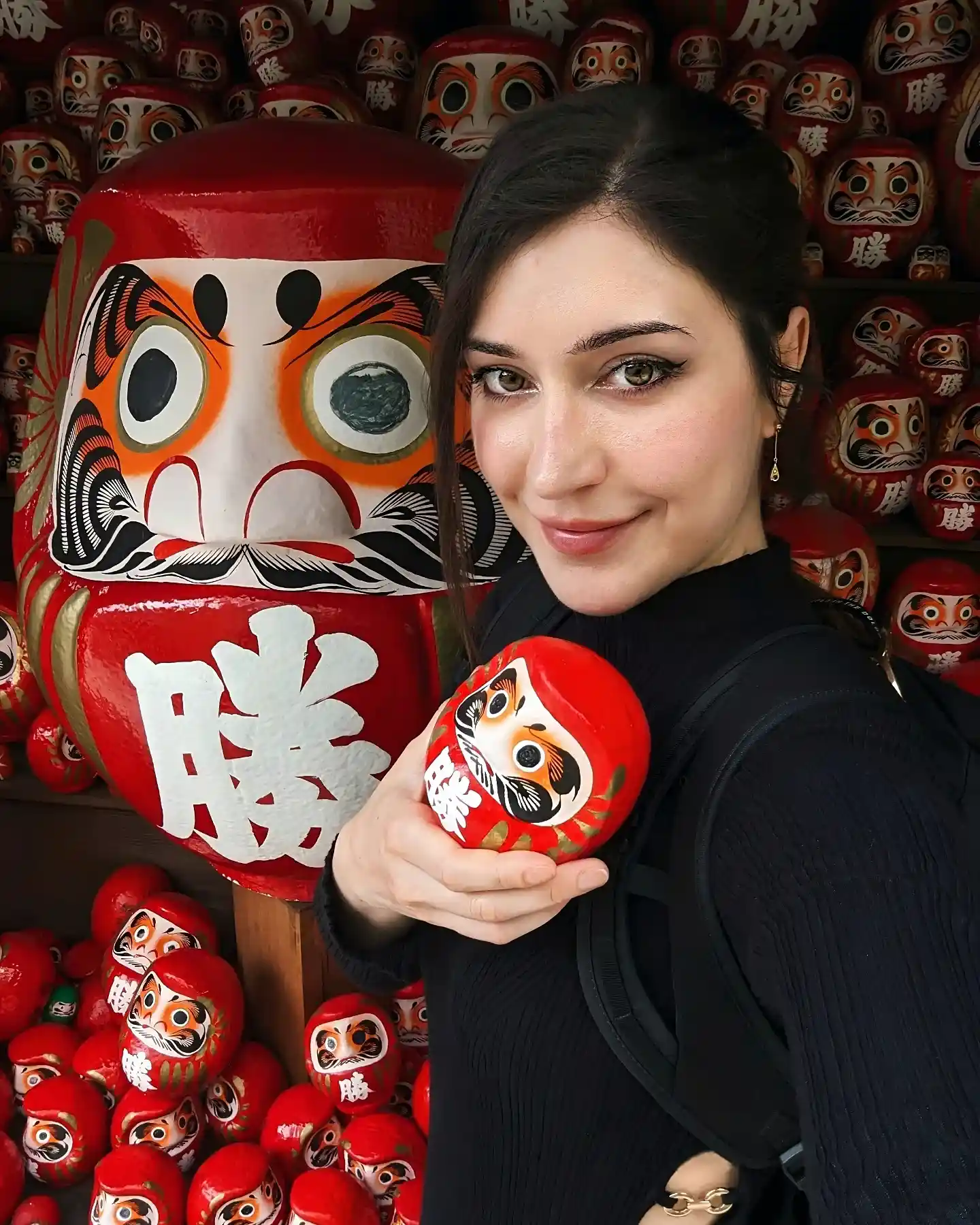
This is why Japanese souvenir shopping is so efficient. The entire retail infrastructure is built around omiyage. Department store basements, train station shops, and airport stalls are stocked with boxes designed to be handed out piece by piece. The wrapping is part of the gift. The individual packaging is the point.
Once you understand this, your shopping strategy changes. You’re not just buying for yourself—you’re buying for a small army of people back home. And that’s where the budget tiers come in.
Tier 1: Under ¥500 – The Small Gestures
These are the souvenirs you buy by the dozen, the ones that fit in your pocket, the ones that make people smile without costing you a fortune.
1. Regional KitKat Flavors
This is the classic omiyage, and for good reason. Japan has hundreds of regional KitKat flavors, from Hokkaido Azuki & Strawberry to Tokyo Shima Lemon, Shinshu Apple, and even Tamaruya Wasabi.

A box of 12 individually wrapped mini bars costs around ¥800–1,500 (about $5–9), and one box covers an entire office. The weirder the flavor, the better the conversation.
Where to buy: Don Quijote, Donki, any train station kiosk, or the airport on your last day. Supermarkets are cheaper than tourist shops.
2. Tenugui | Cotton Hand Towels
These thin, printed cotton cloths cost a few hundred yen and weigh almost nothing. They’re sold everywhere, from temple shops to department stores, and the patterns are endlessly varied—seasonal flowers, classic ukiyo‑e prints, abstract designs.
You can use them as towels, wrap them around a gift, or frame them as art.
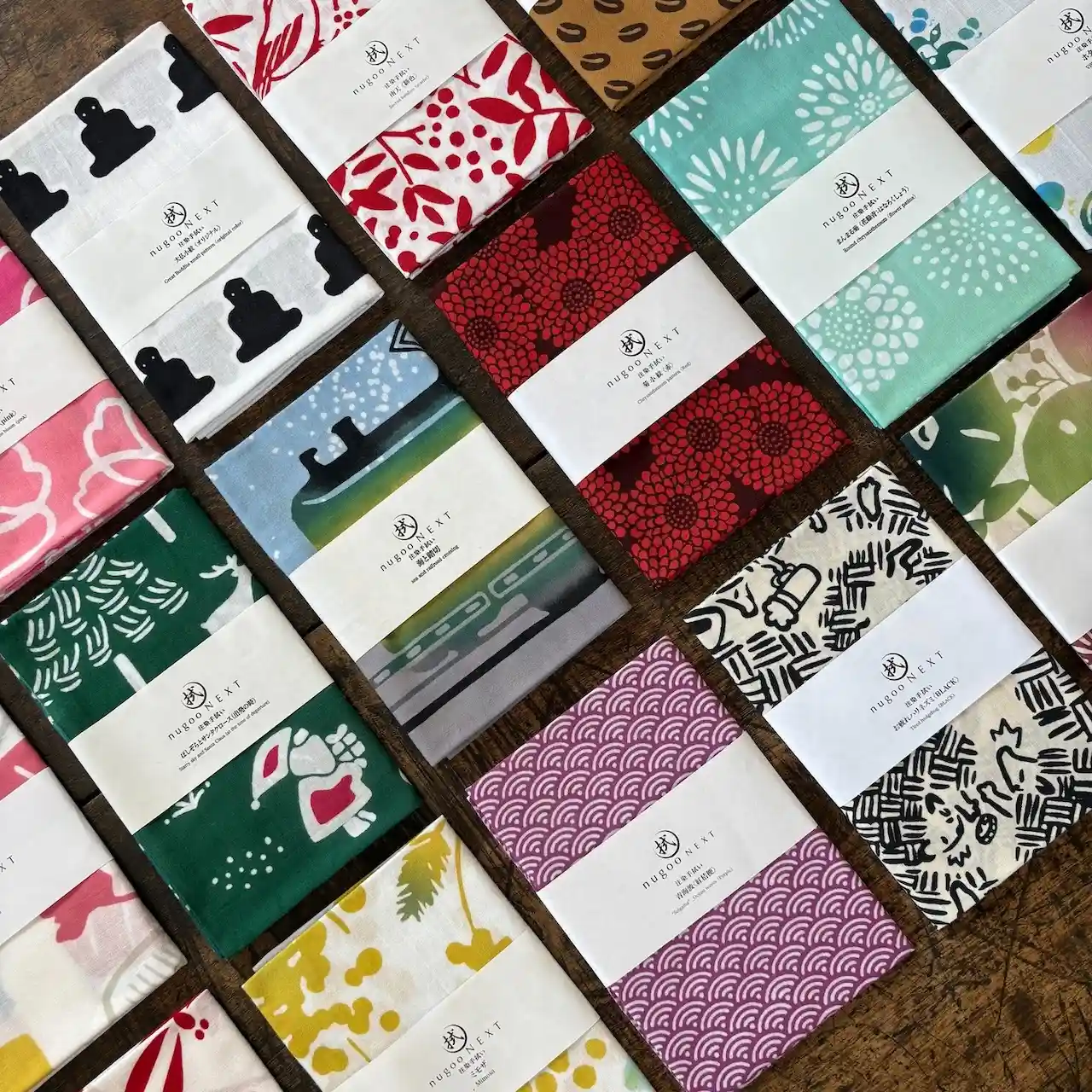
Where to buy: Kamawanu in Tokyo, any craft market in Kyoto, or a well‑curated souvenir shop.
Why they’re worth it: They pack flat, they’re useful, and they look far more expensive than they are.
3. Gachapon Capsule Toys
If you’re buying for kids or teenagers (or yourself), skip the airport plushies and head to a gachapon hall. These capsule machines dispense tiny toys, figurines, and keychains for ¥300–500 per pull.
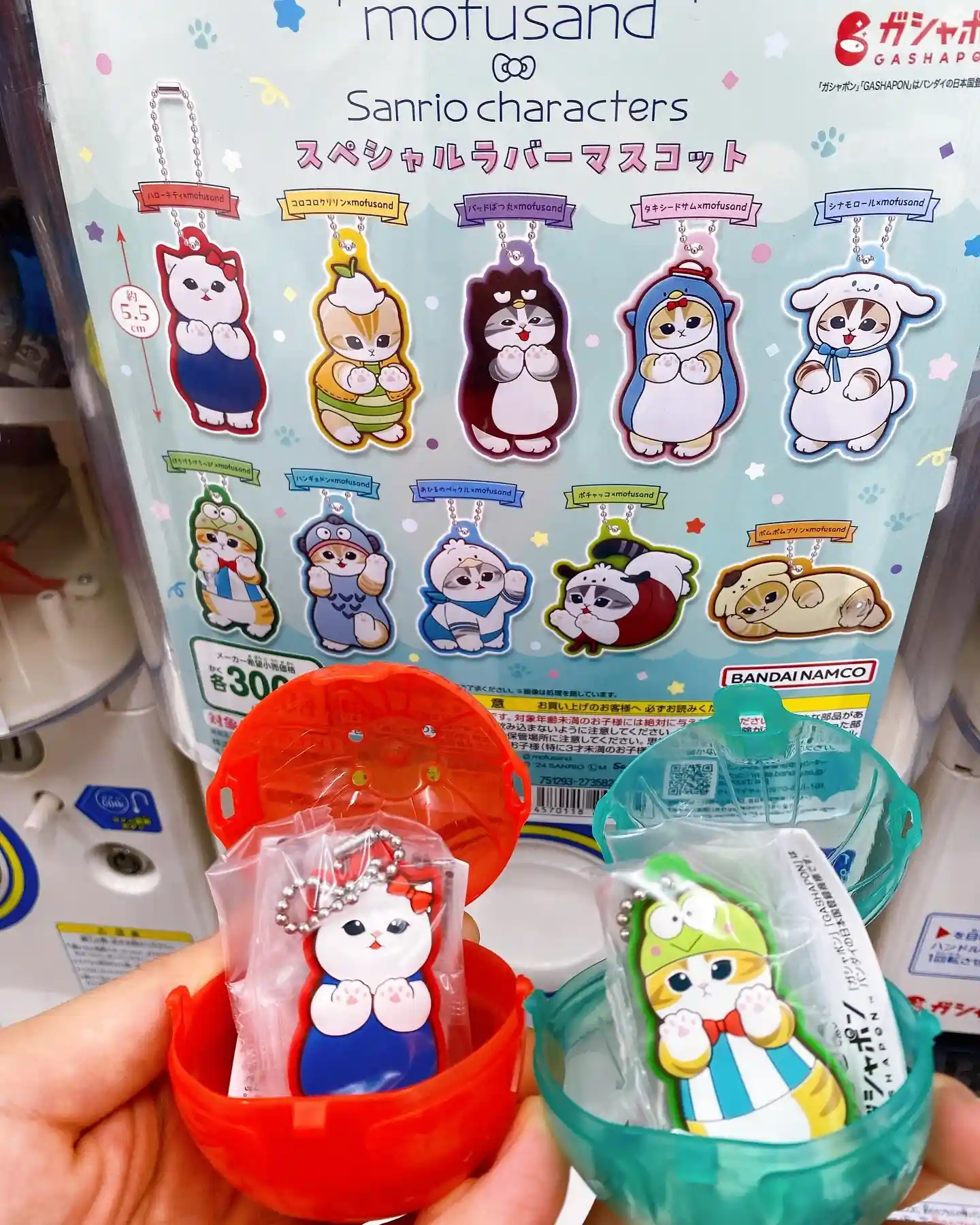
The fun is in the machine itself—the crank, the surprise, the little plastic capsule. Dedicated gachapon halls near major stations have hundreds of machines, turning the shopping into an activity of its own.
Where to buy: Akihabara, Nakano Broadway, or any large station.
4. Hanko | Personal Seal
A hanko is a small carved stamp used in place of a signature. You can get one made with your name in katakana or kanji for a few thousand yen, but even the pre‑made decorative ones at 100‑yen shops are charming.
They’re a beautiful, functional souvenir that feels deeply Japanese.
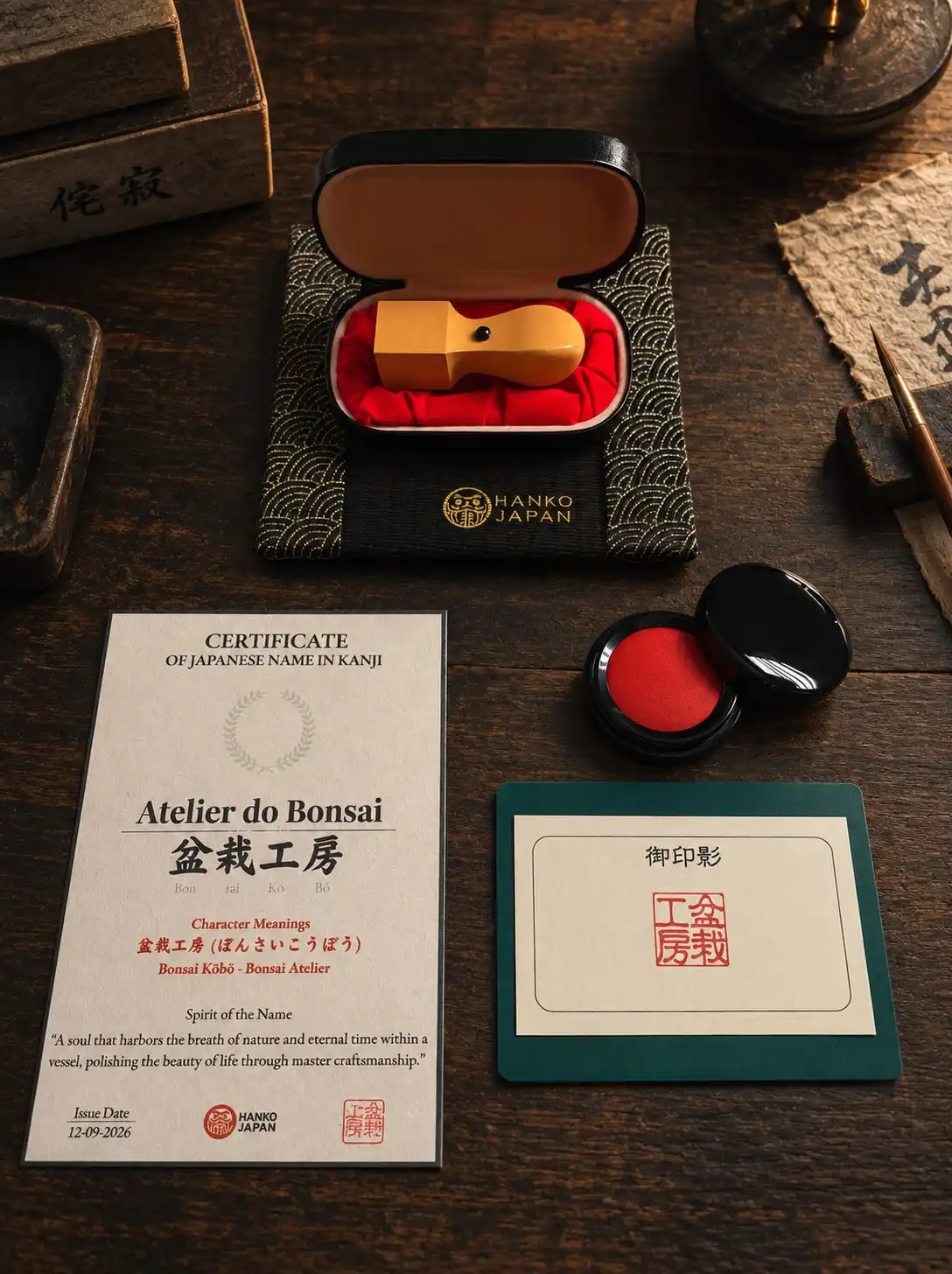
Where to buy: Specialty hanko shops, or the stationery section of Tokyu Hands.
Tier 2: ¥500–1,500 – The Everyday Luxuries
This is the sweet spot. These souvenirs are still affordable, but they feel more substantial—things you’ll actually use, not just display.
5. Japanese Incense
Japan has a long tradition of incense, and a small box from an old Kyoto maker costs around ¥1,000.
The scents are refined and complex—sandalwood, yuzu, sakura, and seasonal blends. It’s a gift that feels luxurious but costs almost nothing.
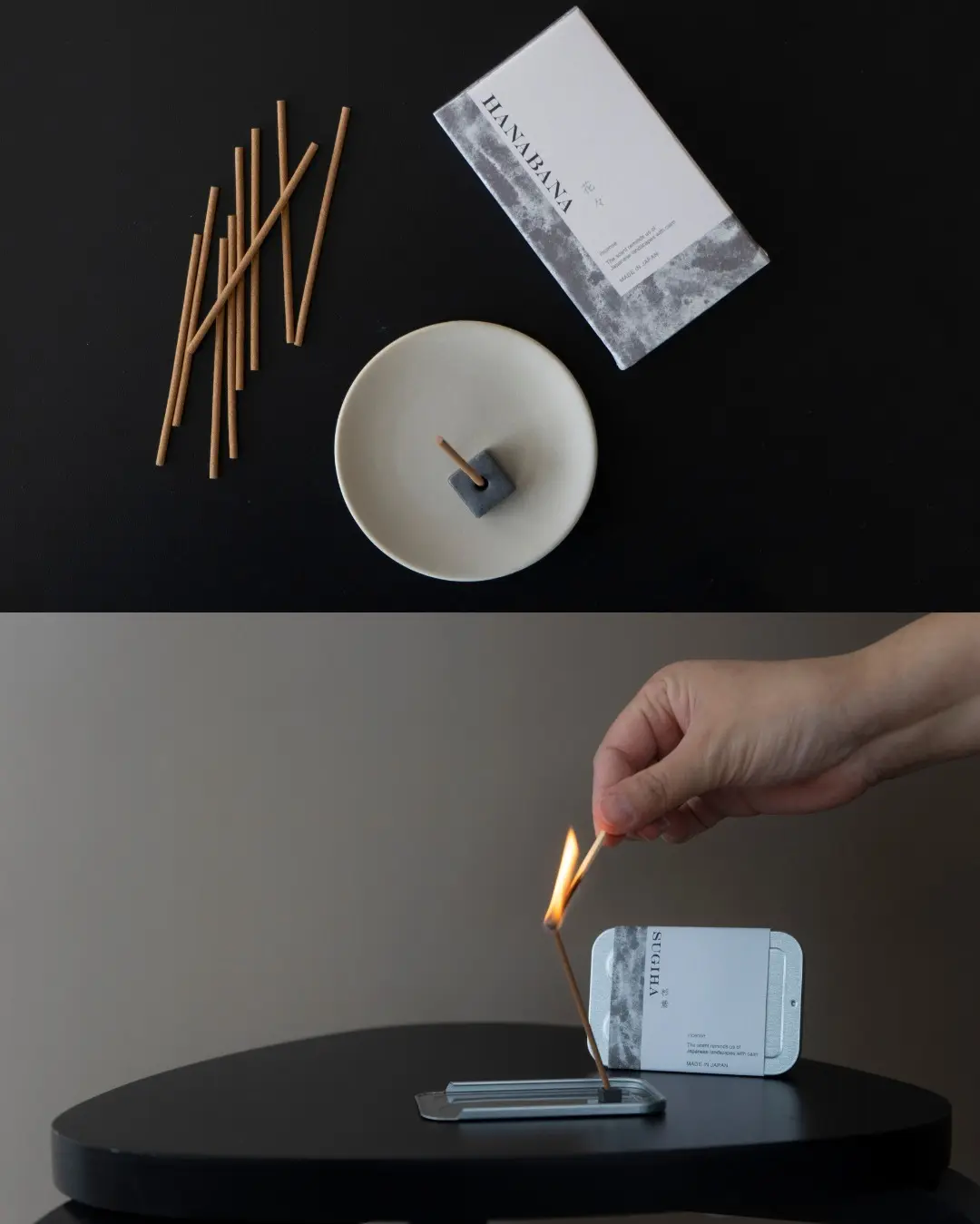
Where to buy: Shoyeido or Baieido in Kyoto, or the incense section of a department store.
6. Ceramic Rice Bowls
A pair of hand‑made rice bowls from a pottery town is one of the most satisfying souvenirs you can buy. The range is enormous, but you can find beautiful, functional pieces for ¥2,000–5,000.
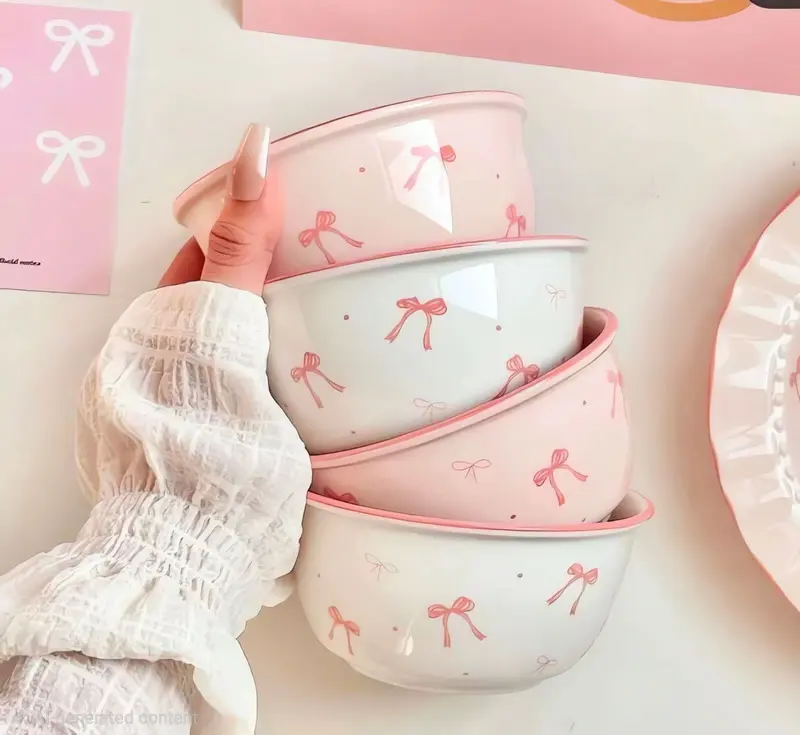
They’re heavier than textiles, but if you wrap them in clothing and pack them in the center of your suitcase, they’ll survive the trip.
Where to buy: Kiyomizu‑zaka in Kyoto, the pottery towns of Arita or Mashiko, or the tableware floor of a department store.
7. Furoshiki | Wrapping Cloth
Furoshiki are larger, square cloths used for wrapping gifts, carrying groceries, or even as a bag. They’re beautiful, reusable, and cost around ¥1,000–2,000.

A furoshiki with a traditional pattern is both a practical gift and a piece of Japanese culture.

Where to buy: Kyoto Handicraft Center or any kimono fabric shop.
8. Stationery | Pens, Washi Tape, Notebooks
Japanese stationery is legendary for its quality and design. A single Uni‑ball Signo pen or a roll of washi tape costs a few hundred yen, and they’re better than what you’ll find at home. A ¥2,000 haul from a stationery floor covers several people.
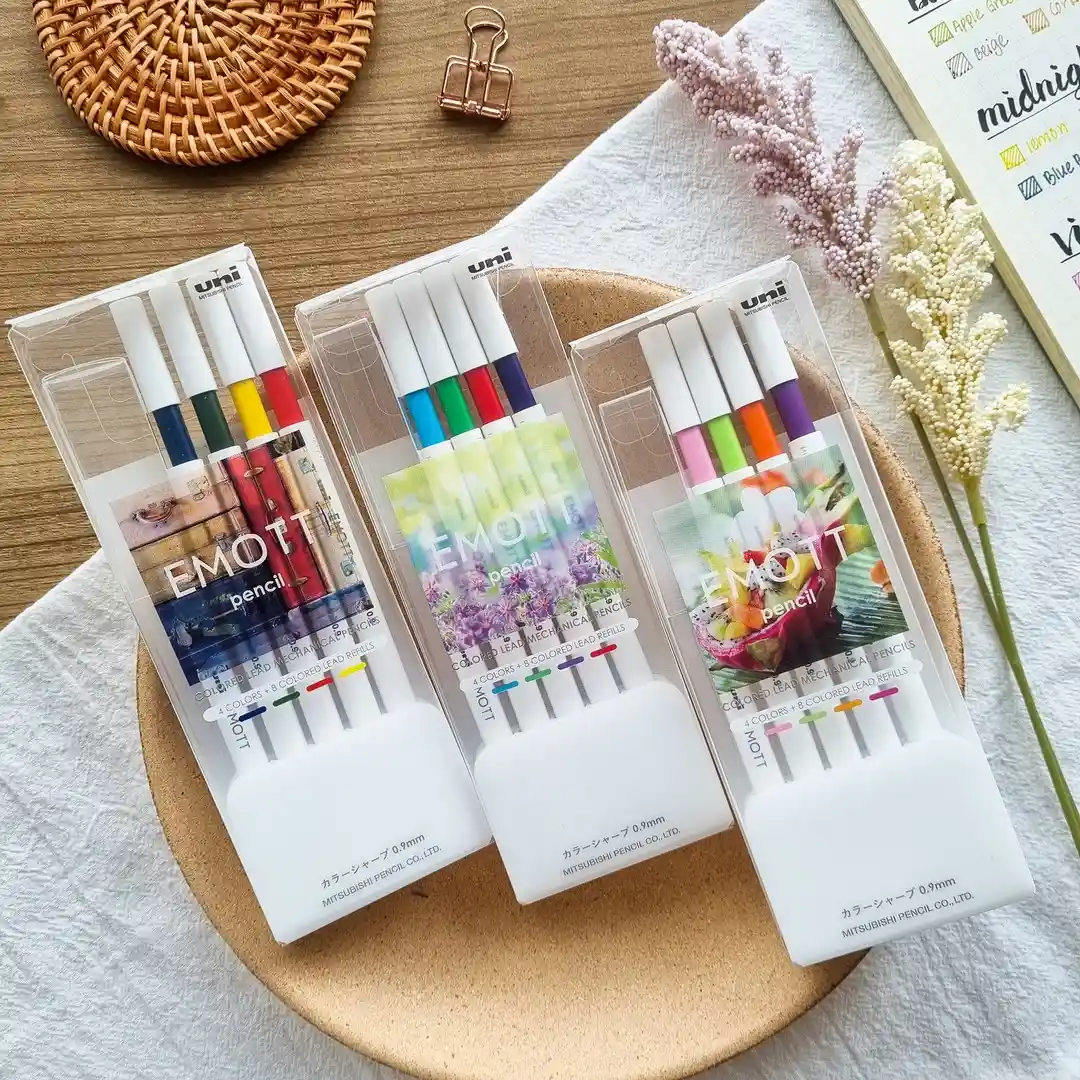
Where to buy: Itoya in Ginza, Tokyu Hands, or Loft.
Tier 3: ¥1,500–3,000 – The Thoughtful Gifts
These are the souvenirs you buy for the people you actually like—the ones who will appreciate a little more effort.
9. Tokyo Banana
The most famous omiyage in Japan is also one of the most reliable. These soft sponge cakes filled with banana custard are individually wrapped and beautifully boxed.
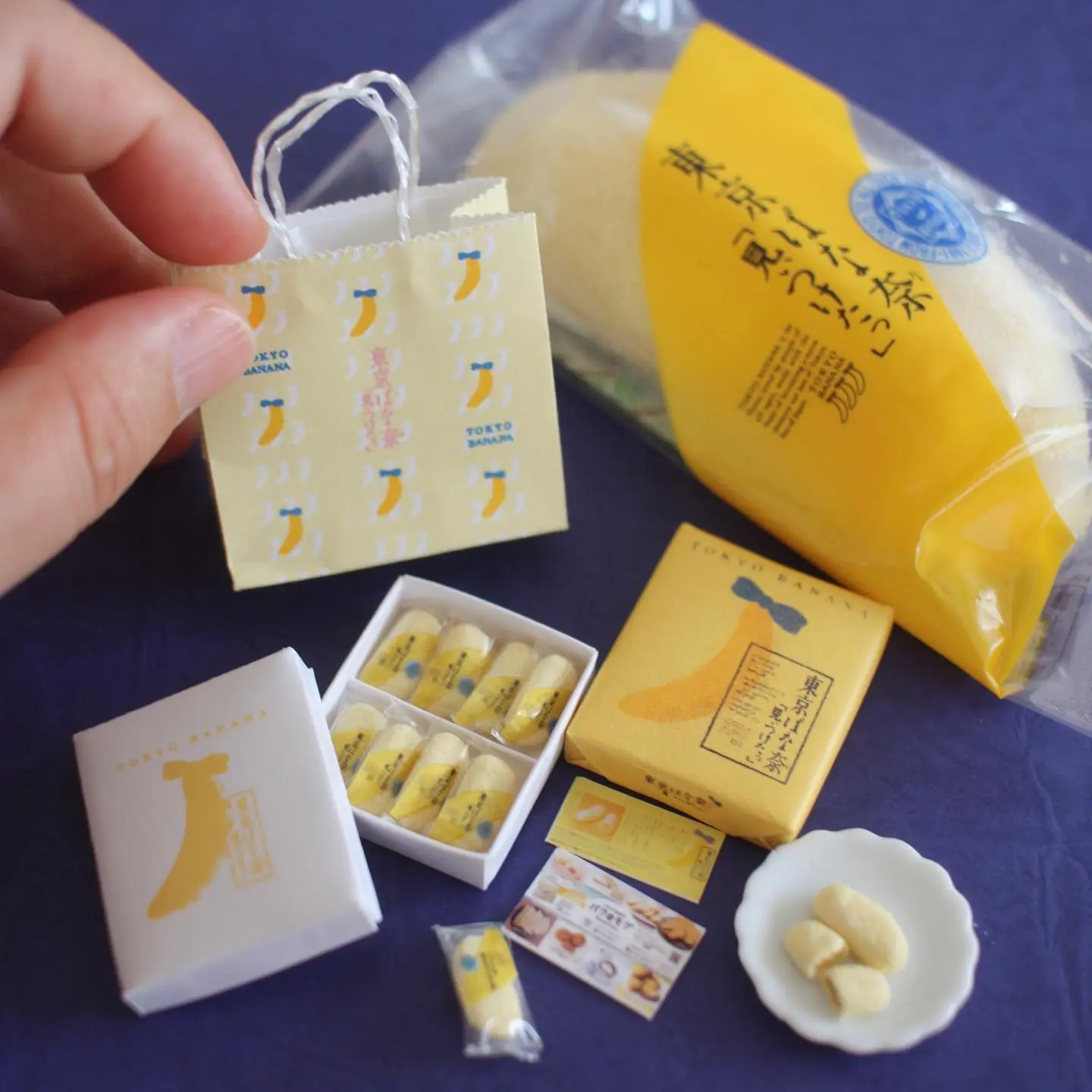
A 10‑piece box costs around ¥1,080. They’re not the most adventurous choice, but they’re universally loved.
Where to buy: Tokyo Station, Narita Airport, or any major train station.
10. Matcha | Ceremonial Grade
A small tin of ceremonial‑grade matcha from Uji costs ¥1,500–4,000. It’s a gift that signals thoughtfulness, and it weighs almost nothing. Look for a harvest date on the tin, and buy from a tea shop rather than a souvenir shelf.
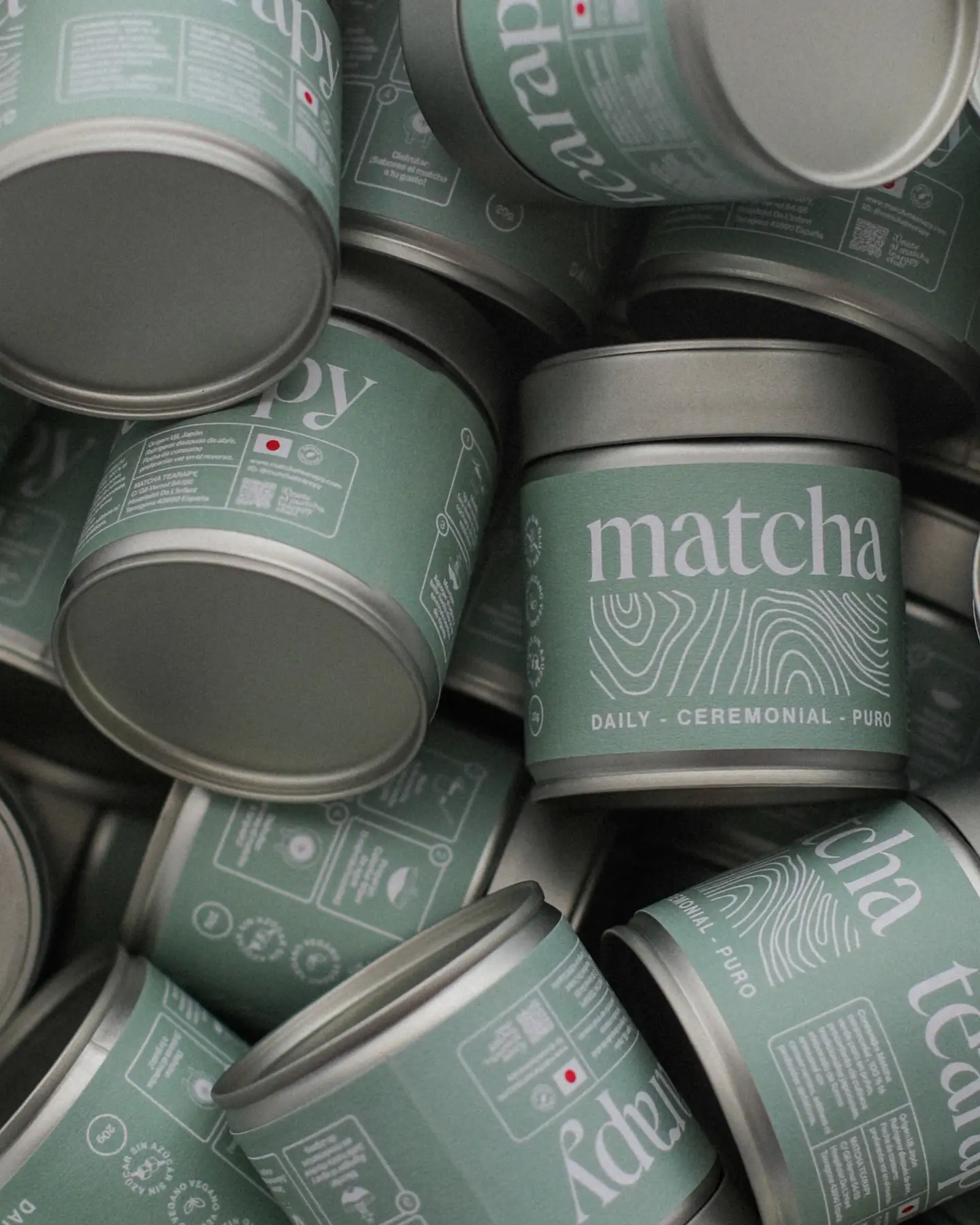
Where to buy: Ippodo in Kyoto, or the tea section of a department store.
11. Chopsticks | Lacquered, Boxed
A lacquered pair of chopsticks with a rest, boxed, runs ¥1,000–5,000 and up. Specialist shops will engrave names while you wait. It’s a classic gift that feels personal and useful.
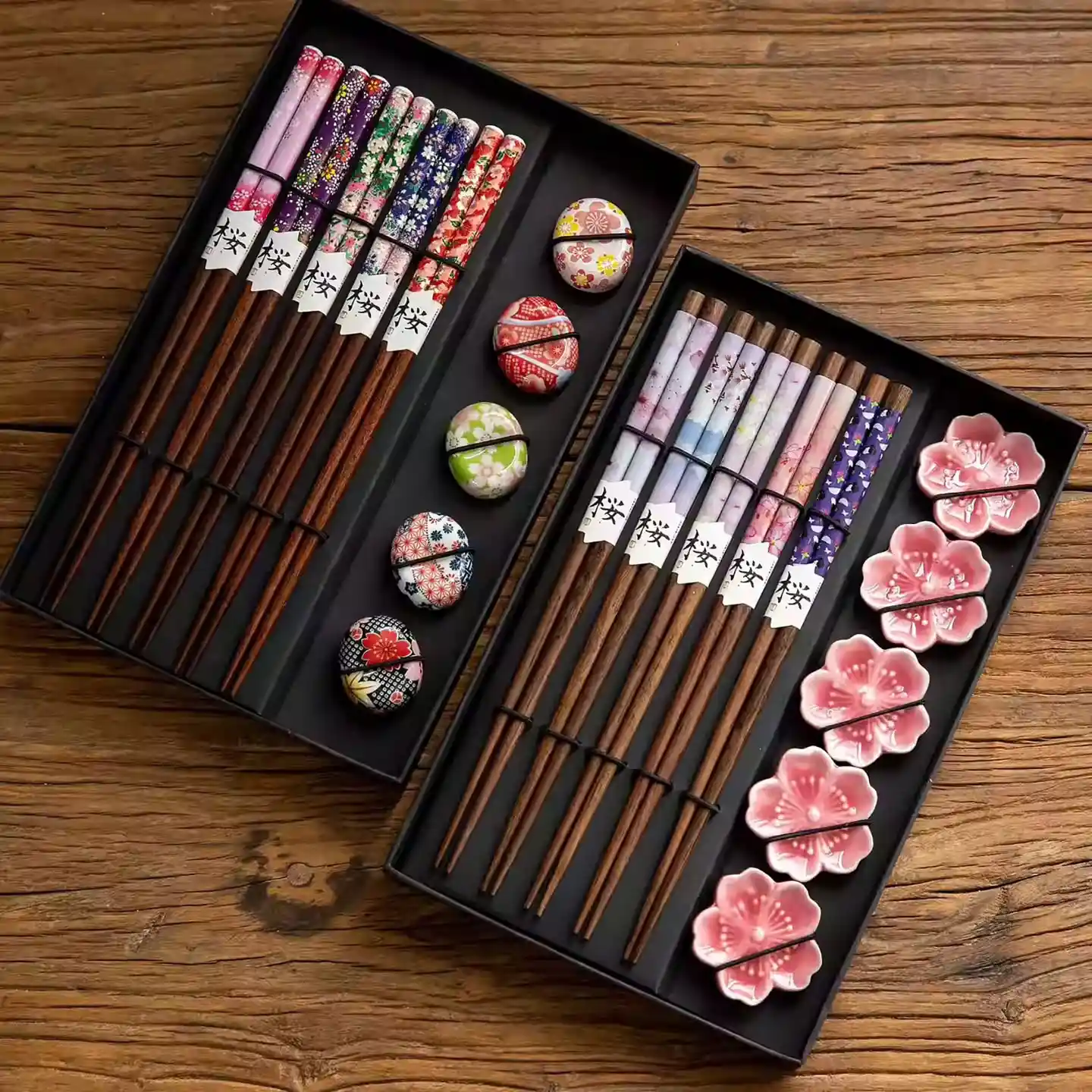
Where to buy: Hyakusuke in Kyoto, or the chopstick section of a department store.
12. Noren | Door Curtain
A noren is a fabric curtain hung in doorways, often printed with family crests, seasonal motifs, or shop names. A good one costs ¥2,000–3,000 and turns a doorway at home into a daily reminder of your trip.
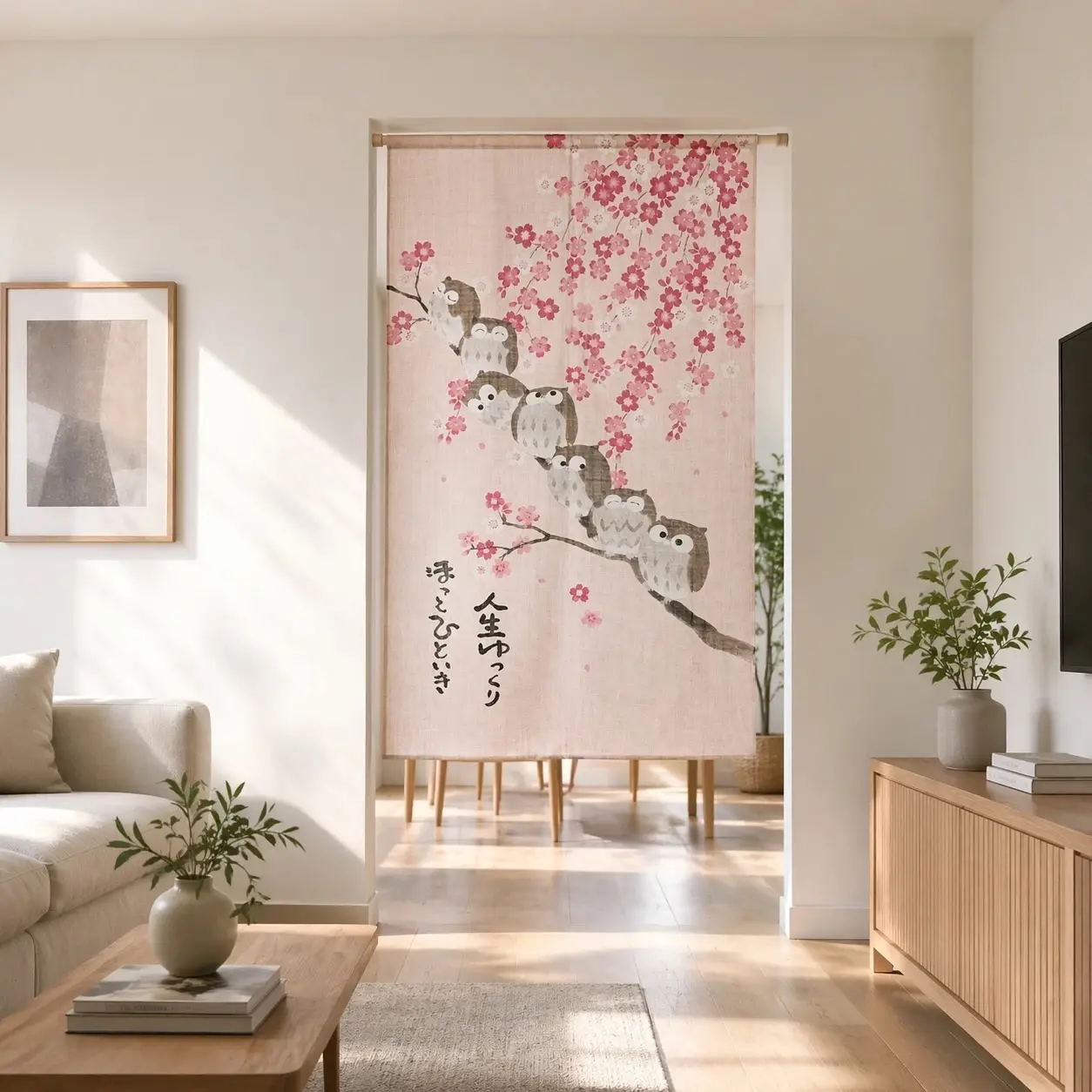
Where to buy: Textile shops in Kyoto, or the home goods section of Loft.
Tier 4: ¥3,000–6,000 – The Craft Objects
This is where you start buying genuinely special things—objects that are made by hand, in small batches, with materials that feel good in your hands.
13. A Japanese Kitchen Knife | Entry Level
A well‑made Japanese knife is one of the best value souvenirs you can buy. A Tojiro DP santoku or gyuto, or a Kai Seki Magoroku, costs ¥6,000–12,000 (about $60–100) and outperforms anything you’ll find at home for the price.
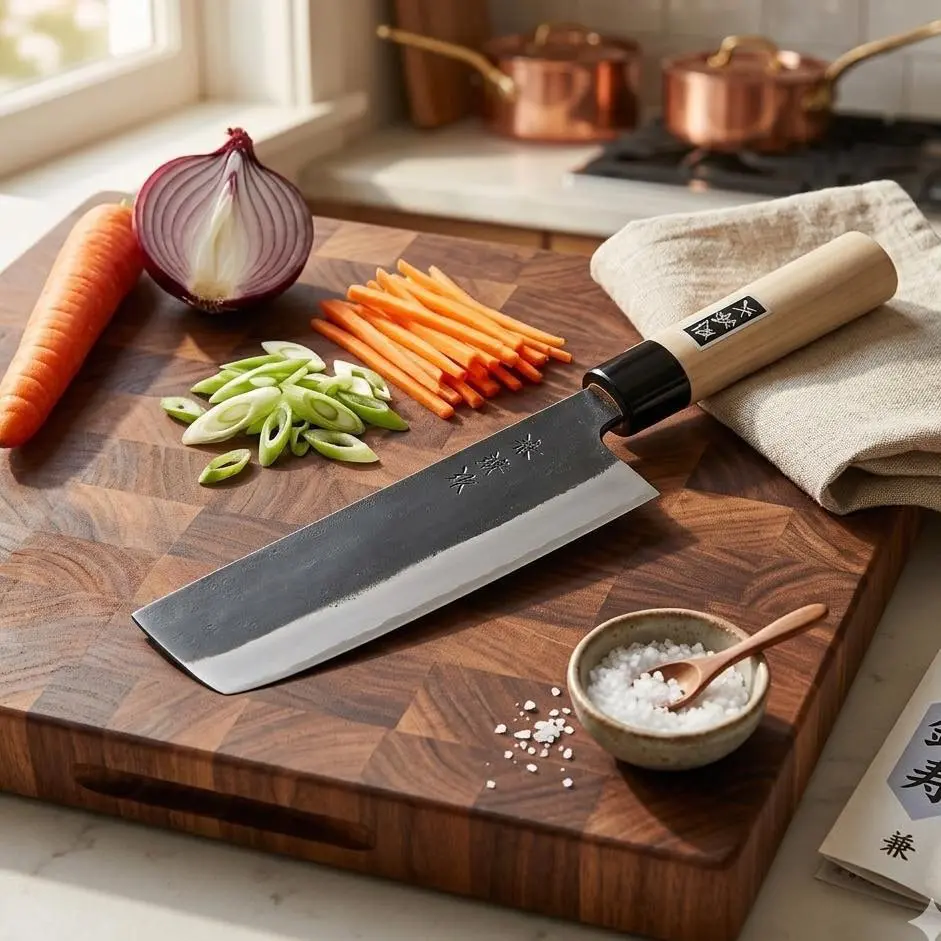
It goes in checked luggage every time, and the shop will wrap it for travel if you tell them you’re flying.
Where to buy: Kappabashi in Tokyo, or the Hamono Kaikan in Seki.
14. Kokeshi Doll
These simple, hand‑painted wooden dolls originated in the Tohoku region and are one of Japan’s most iconic crafts. A small one costs ¥3,000–5,000 and makes a beautiful shelf object.
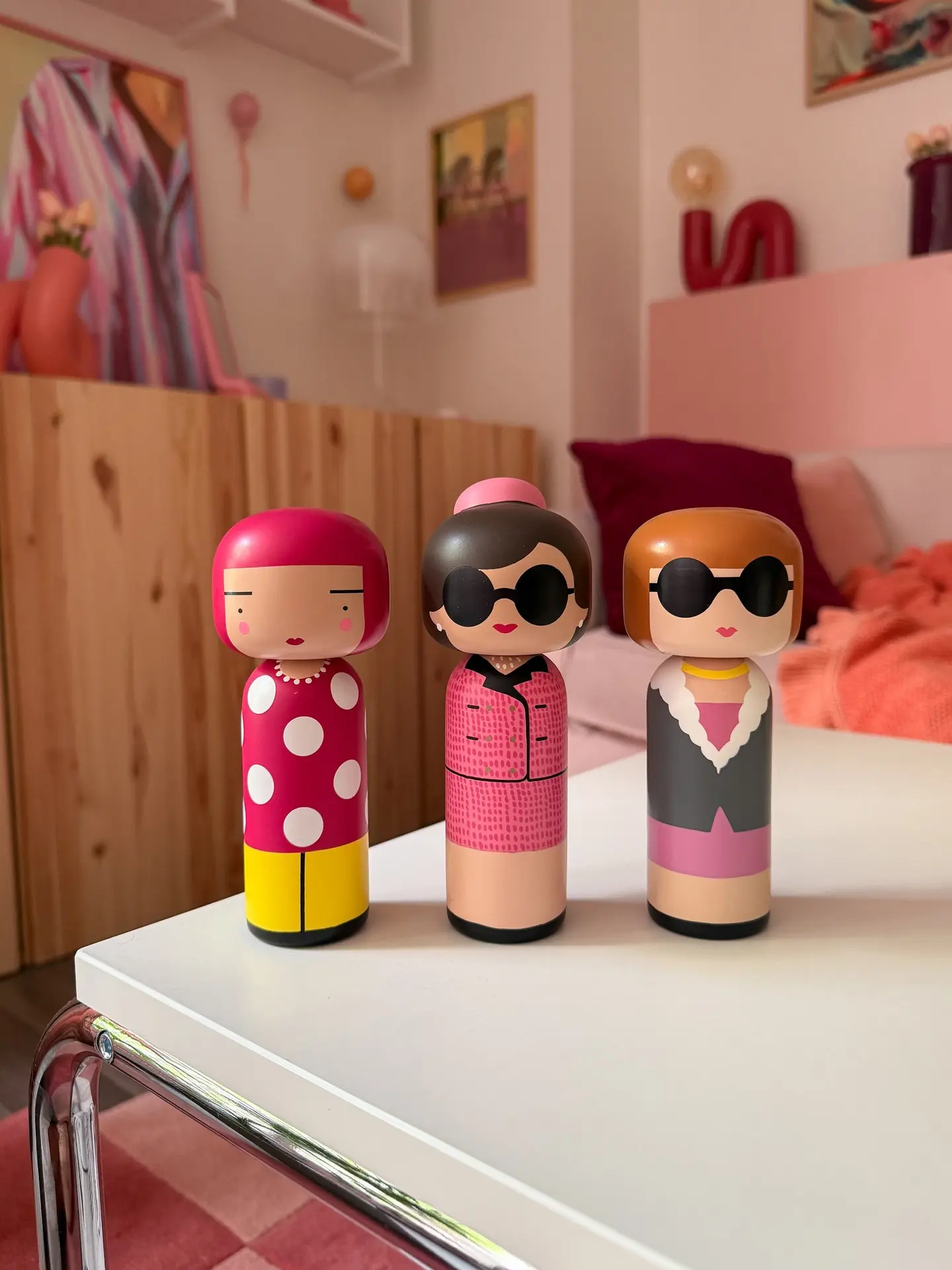
Where to buy: Craft shops in Tohoku, or the Japan Traditional Crafts Aoyama Square in Tokyo.
15. Daruma Doll
A daruma is a round, red papier‑mâché doll that represents perseverance and goal‑setting. You paint one eye when you set a goal and the other when you achieve it. A medium‑sized one costs ¥2,000–4,000.
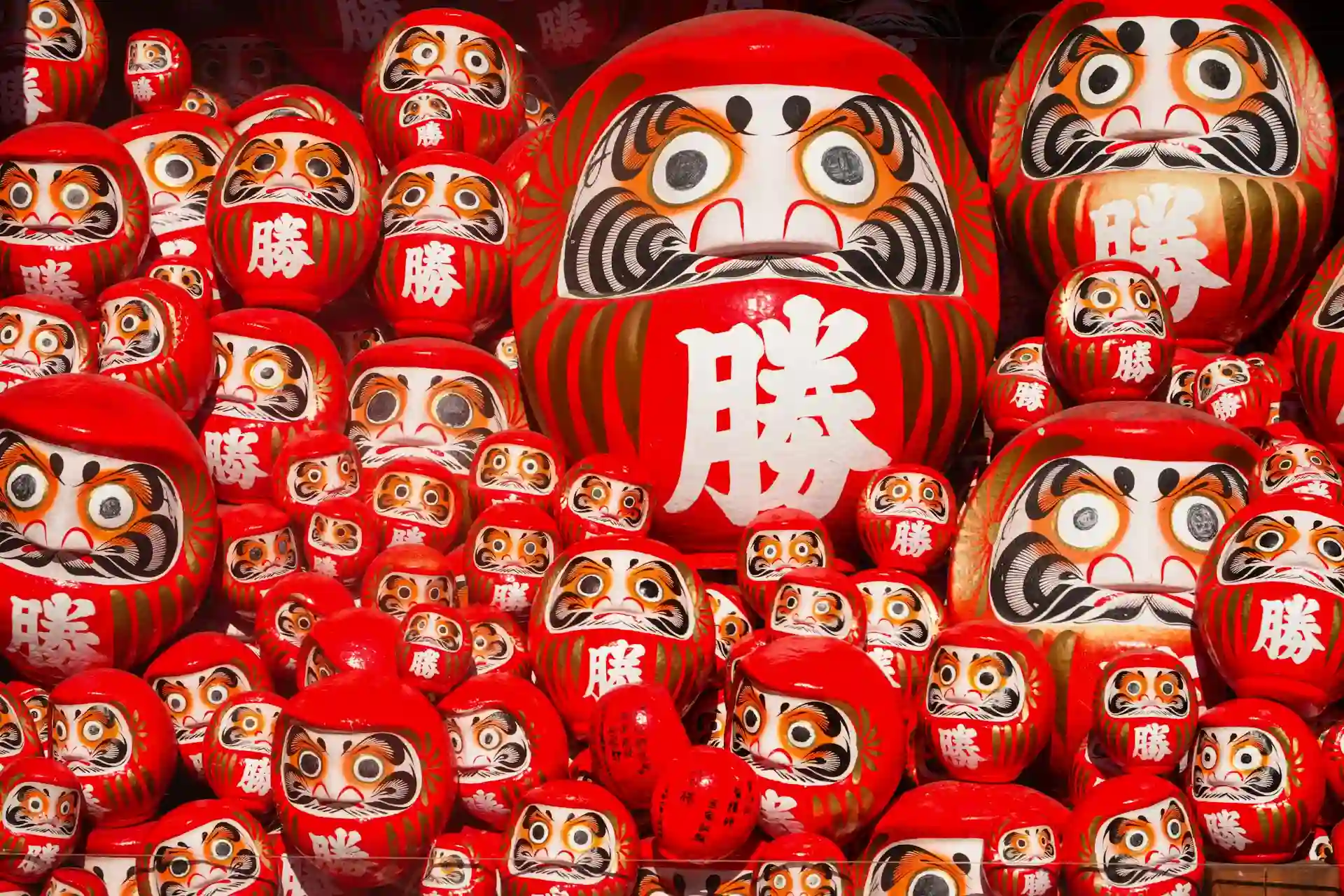
Where to buy: Temple shops or the craft section of a department store.
Tier 5: ¥6,000–10,000 – The Useful Investments
These souvenirs are practical, durable, and genuinely improve daily life. They’re the things you’ll use so often that you’ll forget they were souvenirs.
16. A Better Kitchen Knife
Upgrade from the entry-level to a Shun Classic, a Miyabi, or a Misono UX10 for ¥12,000–20,000. This is the sweet spot for a serious home cook—sharp, beautiful, and low‑maintenance. It’s the kind of gift that gets used every day.
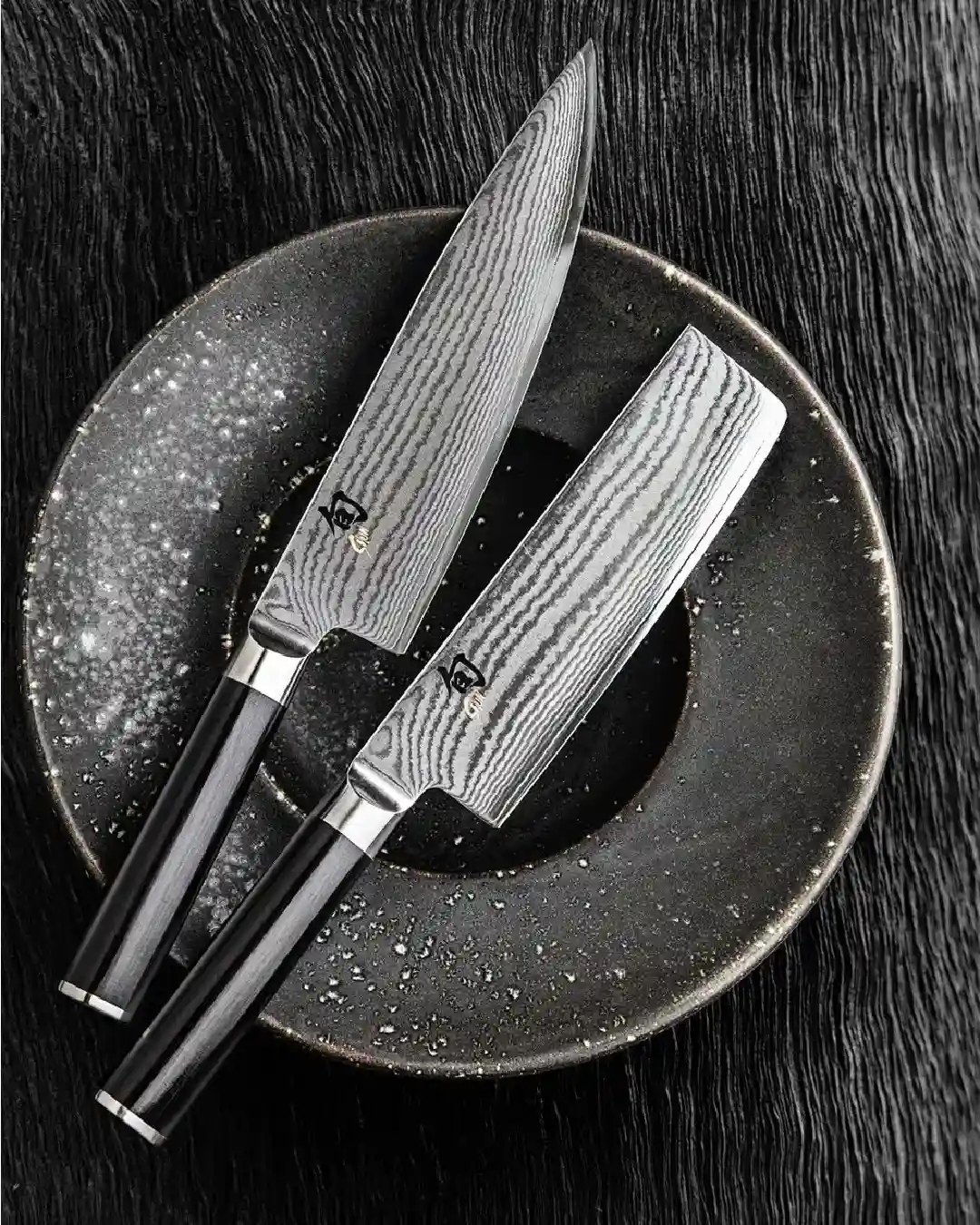
Where to buy: Kappabashi, or a specialist knife shop in Sakai or Seki.
17. Indigo‑Dyed Textiles
Japanese indigo, or aizome, produces a deep, rich blue that ages beautifully. A small indigo‑dyed tenugui or a scarf costs ¥6,000–10,000 and is a piece of living craft.
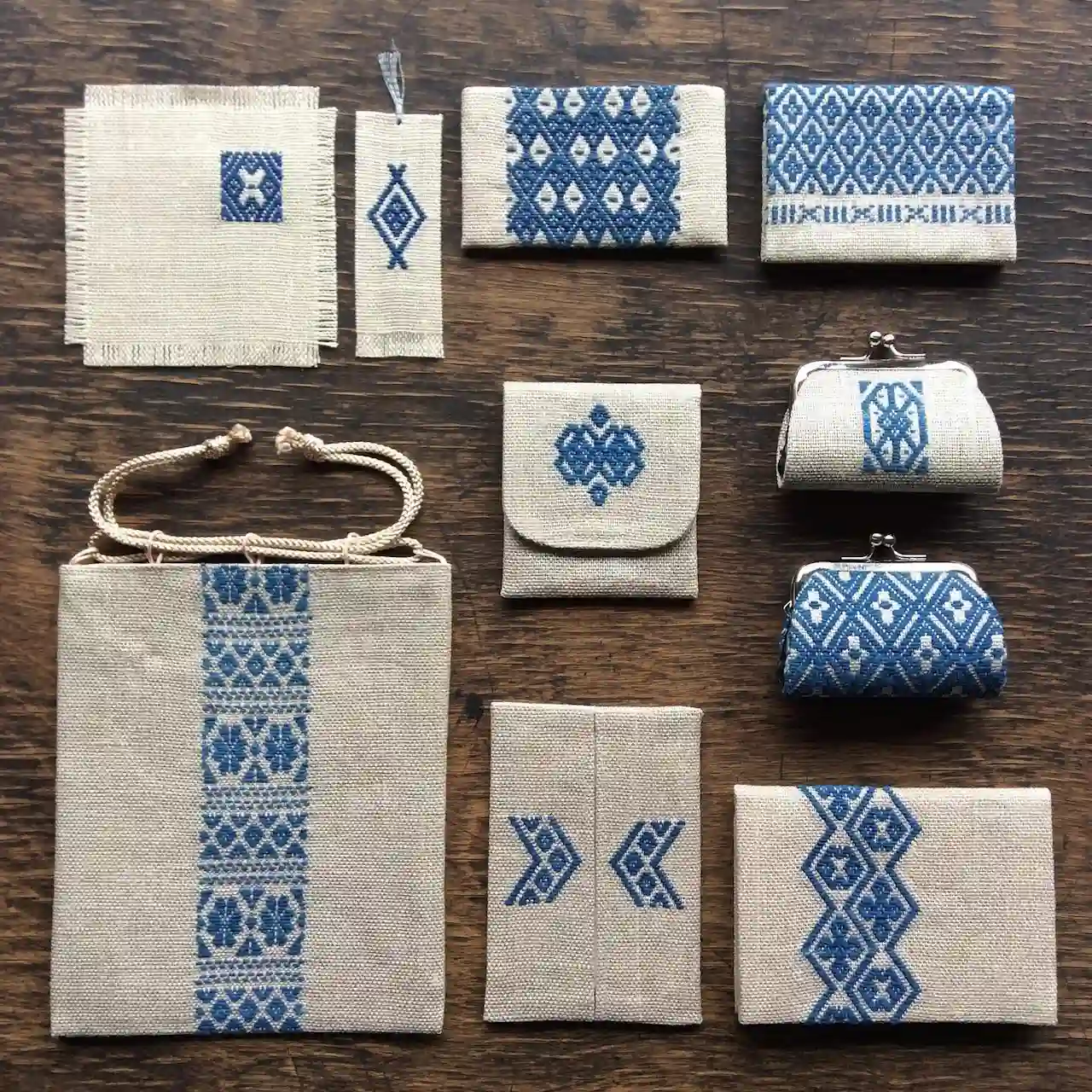
Where to buy: Indigo workshops in Tokushima, or craft shops in Kyoto.
18. Cast Iron Teapot | Tetsubin
A cast iron teapot is both a functional object and a work of art. It retains heat beautifully and adds a touch of Japanese ritual to your tea routine. Prices start around ¥6,000 for a small one.
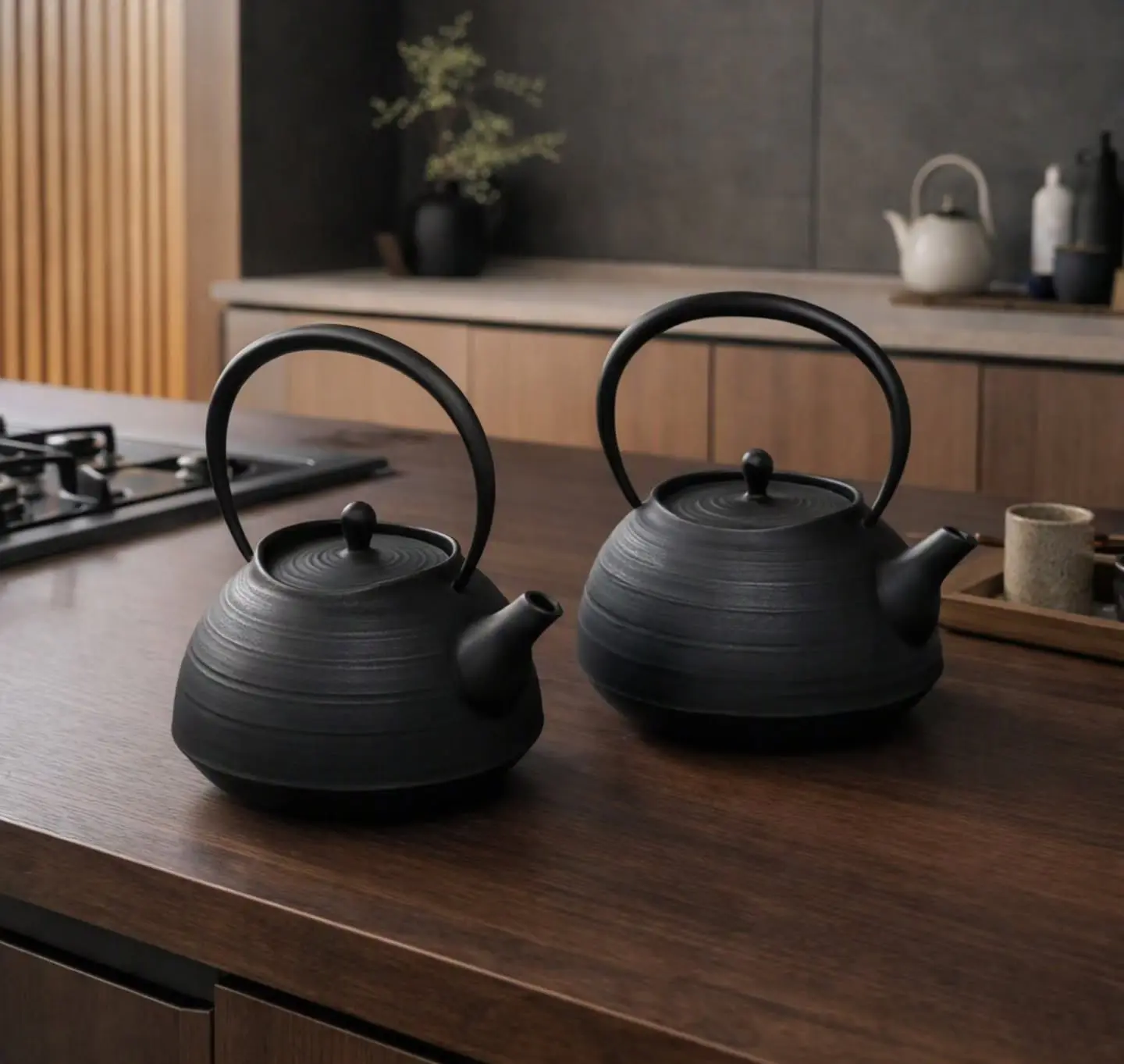
Where to buy: Iwate Prefecture is famous for its Nambu Tekki teapots, but you’ll find them in any good craft shop.
📌 Don’t Miss Out

Tier 6: ¥10,000–20,000 – The Heirloom Pieces
These are the souvenirs you buy once, keep forever, and maybe pass down. They’re not impulse purchases—they’re investments.
19. Lacquerware | Urushi
Japanese lacquerware is made by applying layer after layer of urushi sap, creating a deep, glossy finish that’s both durable and incredibly beautiful. A small bowl or a set of chopsticks starts around ¥10,000.
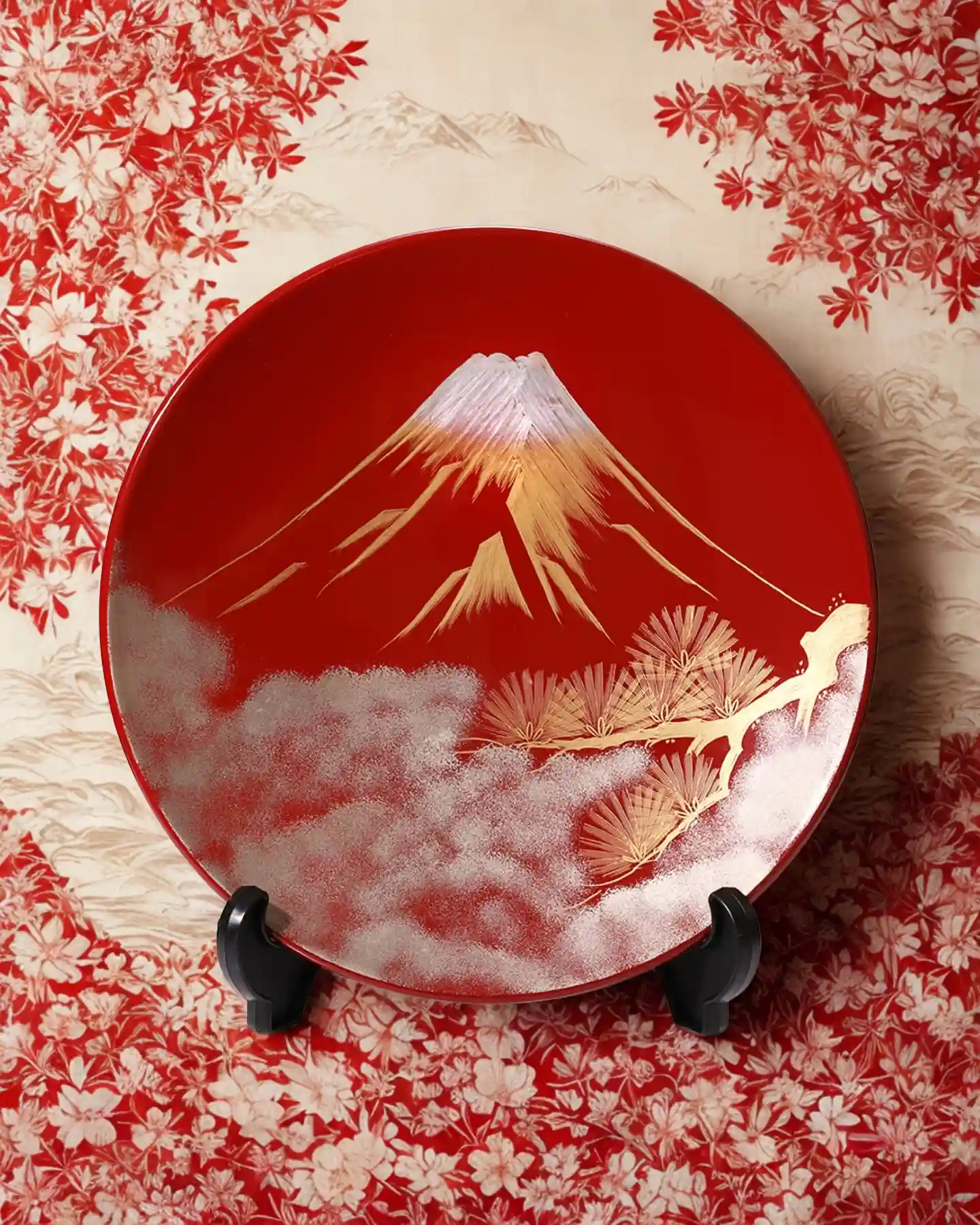
Where to buy: Wajima is famous for its lacquerware, but you’ll find high‑quality pieces in any craft gallery in Kyoto or Tokyo.
20. A Serious Ceramic Piece
Beyond the everyday rice bowls, you can find single, museum‑quality ceramic pieces from established potters for ¥10,000–20,000. These are the pieces that become the centerpiece of a shelf or a table.
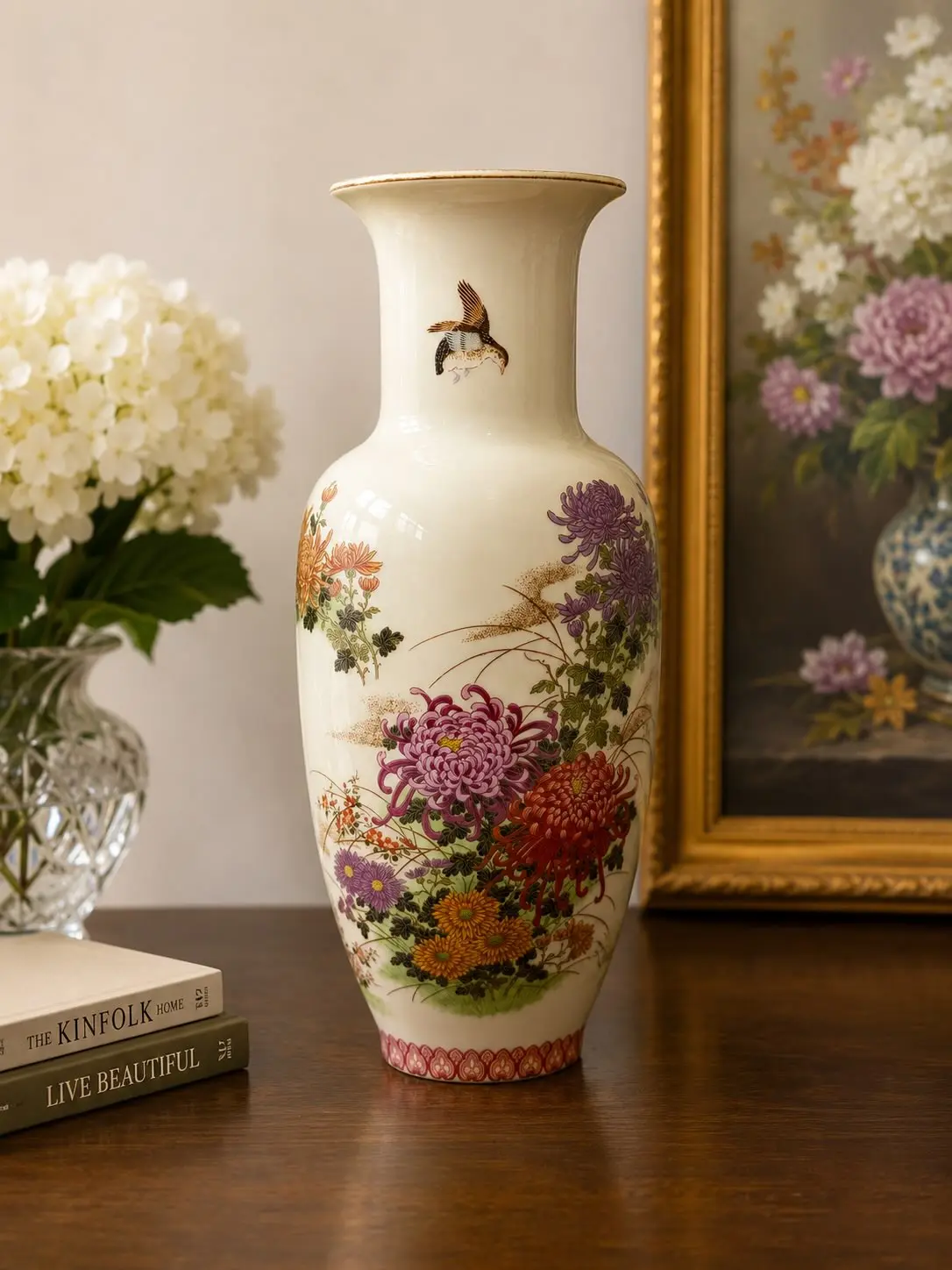
Where to buy: Craft galleries in Kyoto, or the Japan Traditional Crafts Aoyama Square.
Tier 7: ¥20,000–40,000 – The Splurge
This is the top of the “sensible” range. These souvenirs are for people who know exactly what they want and are willing to pay for quality.
21. A Premium Japanese Knife
A gift‑boxed Damascus blade or a premium line knife from a renowned maker can run ¥20,000–40,000. This is a “wow” gift—the kind you give to someone who will treasure it for decades.
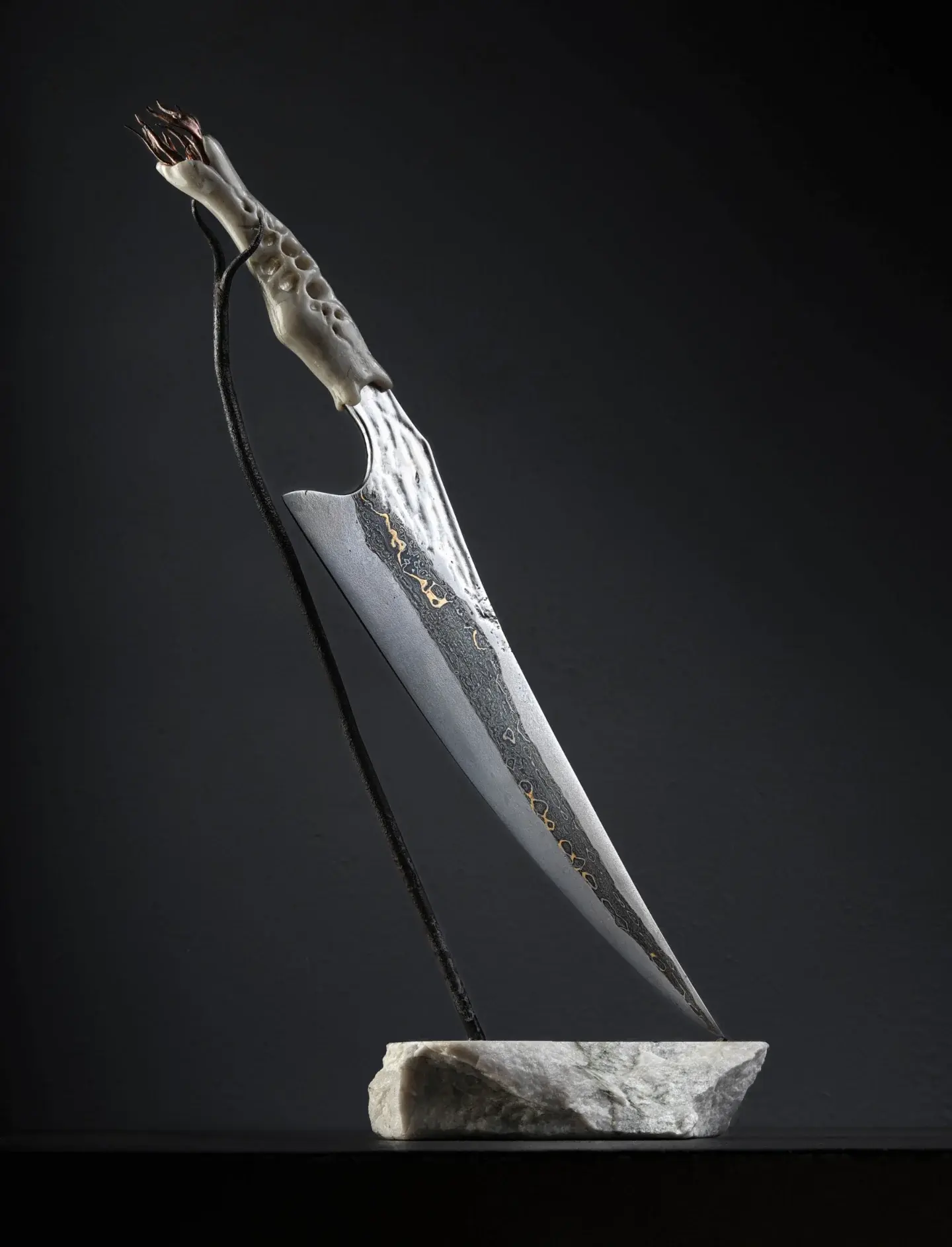
Where to buy: Kappabashi, or a specialist knife shop with a reputation for quality.
22. Kimono or Yukata
A vintage kimono or a new yukata is a stunning souvenir. A yukata costs around ¥10,000–20,000, while a vintage kimono can be found for similar prices in antique shops.
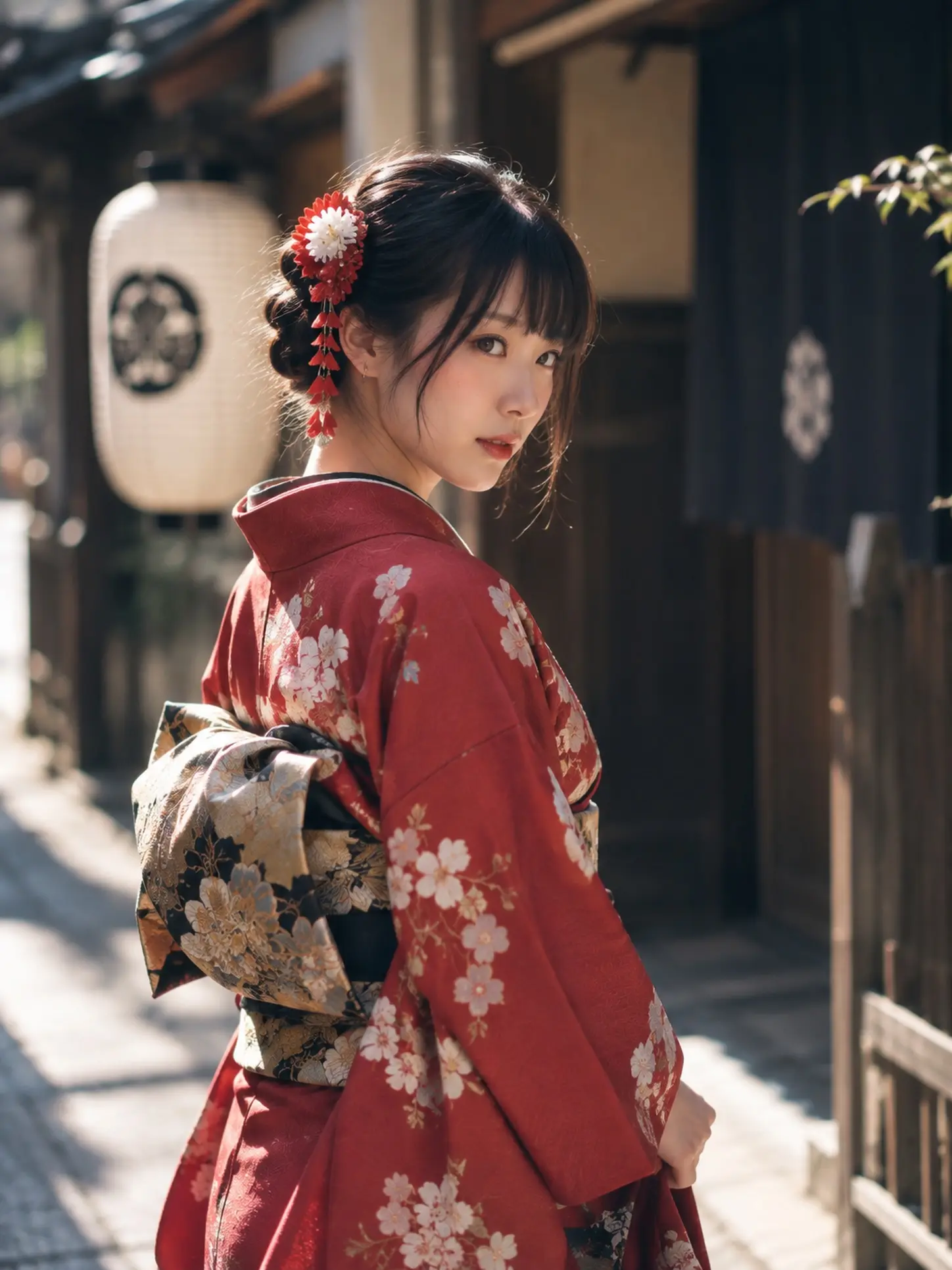
Where to buy: Vintage shops in Kyoto, or department store kimono sections.
Tier 8: ¥40,000+ – The Once‑in‑a‑Lifetime
These are not budget souvenirs. These are the pieces you buy when you’re celebrating something, or when you’ve fallen in love with a craft and want to own a masterpiece.
23. A Master Craft Knife
A knife from a master smith, with a hand‑forged blade and a custom handle, can exceed ¥40,000. It’s a functional object, but it’s also a piece of art.
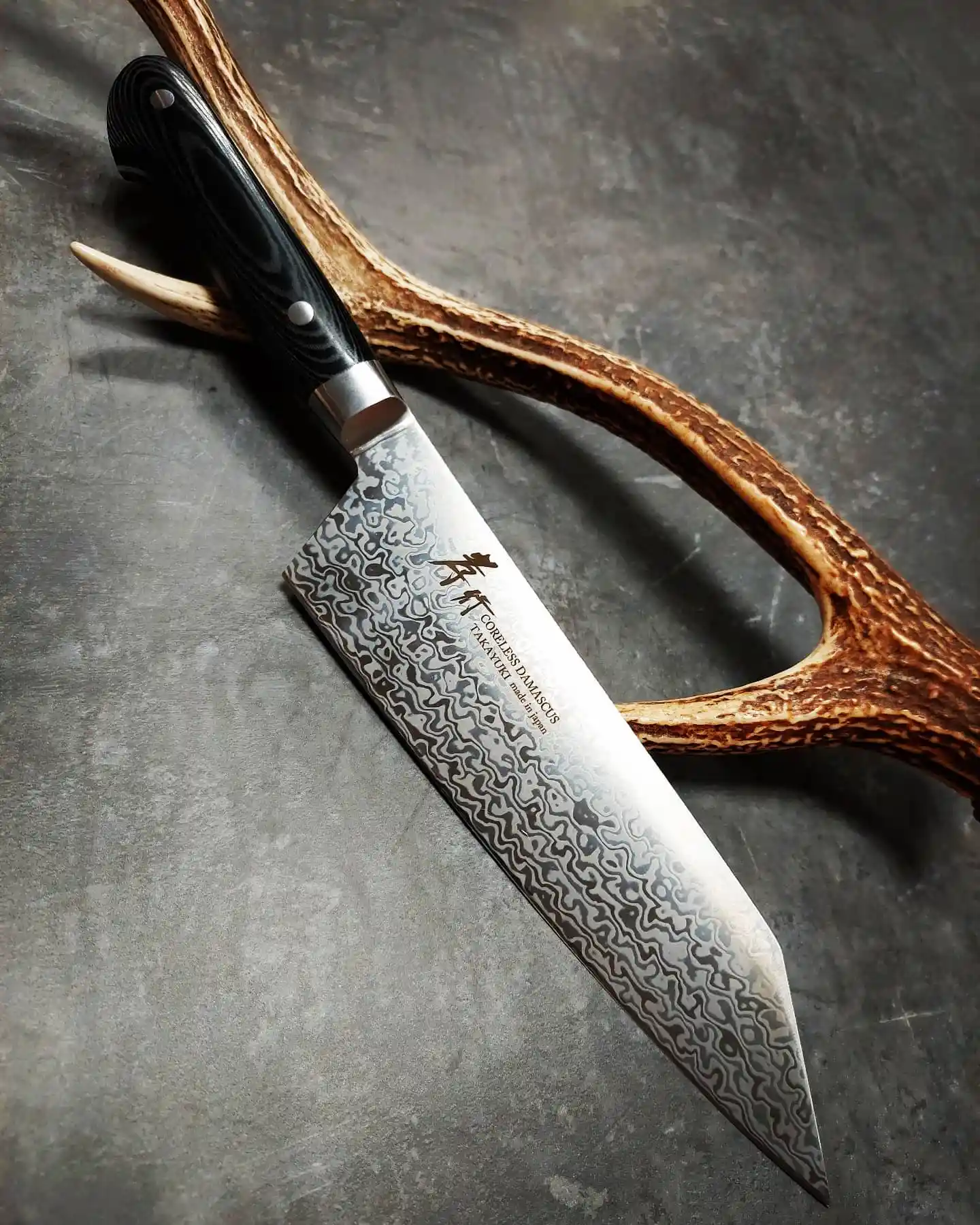
Where to buy: Sakai or Seki, directly from the workshop if you can.
24. Fine Lacquerware or Ceramics
A large lacquerware piece or a signed ceramic work from a recognized artist can go well beyond ¥40,000. These are collector’s items, and they deserve to be treated as such.

Where to buy: Craft galleries or directly from the artist’s studio.
The Money Rules: Tax‑Free Shopping in 2026
Japan’s tax‑free system is changing, and you need to know the new rules. As of November 1, 2026, the system shifted from “tax‑free at the register” to a refund‑based model.
Here’s how it works now: you pay the full tax‑inclusive price at the shop, then claim your refund at the airport before departure. You’ll need your passport, and your purchases must total at least ¥5,000 (before tax) at a single shop on the same day.
You must complete the refund procedure within 90 days of purchase, and you must have the goods with you for inspection.
The key change: you must complete the tax‑free procedure before you check your luggage. If you check your bag first, you can’t retrieve it for inspection, and you’ll lose the refund.
Packing It All Home Without Breaking Anything
The saddest souvenir is a broken one. Here’s how to get your treasures home intact.
For ceramics and glass: Wrap each piece individually in clothing or a tenugui, and place it in the center of your checked bag, surrounded by soft items. Don’t put fragile pieces near the edges or next to heavy items.
For knives: They go in checked luggage, every time, no exceptions. The shop will wrap them for travel if you ask.
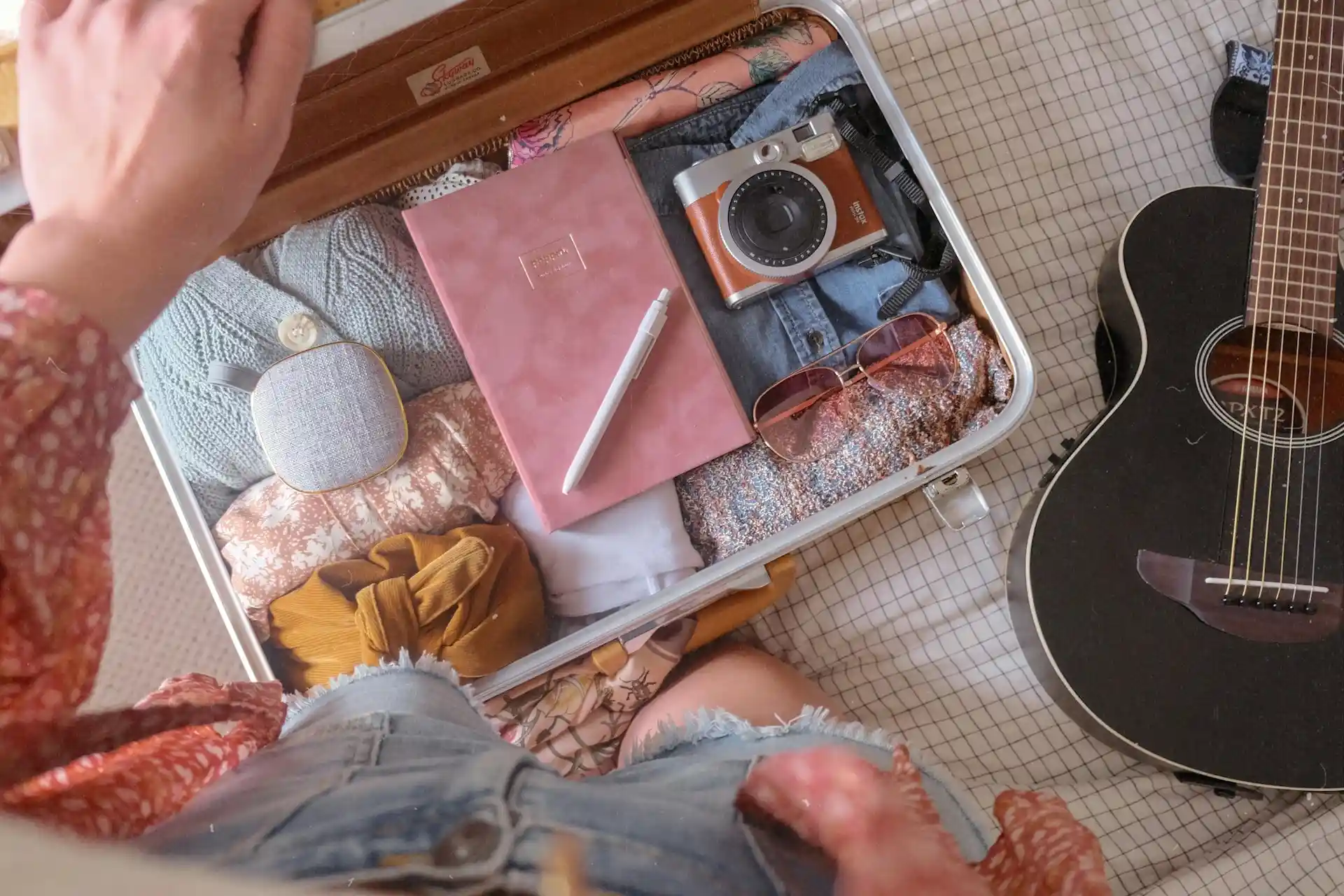
For sweets: They’re crush‑prone, not fragile. Pack them on top, and buy them on your last day so they spend less time in the suitcase.
A tool that pays for itself: A digital luggage scale is worth its weight in gold when you’re trying to fit one more ceramic bowl into an already‑full suitcase.
What Not to Buy And Why
Some souvenirs look like a good idea and turn out to be a headache.
Anything with meat: US customs prohibits meat products, including many instant ramen packets with meat seasoning. Declare all food, and skip the wagyu jerky.
Decorative swords: Beyond kitchen knives, bladed items create legal and logistical problems that vary by destination. They’re rarely worth the trouble.
Airport impulse buys: The airport is fine for one forgotten box of sweets, but it’s a terrible place to do your main shopping. The selection is worse, and the prices are higher.
Unofficial character goods: If the price looks too good for licensed merchandise, it’s not licensed. Buy from official stores.
📌 Don’t Miss Out
The best souvenirs to buy in Japan isn’t a single answer—it’s a tiered strategy. Buy the small, joyful things by the dozen. Buy the useful things that will improve your daily life. And if you can, buy one thing that’s a little more special—a knife, a piece of lacquerware, a ceramic bowl that makes you smile every morning.
Japan rewards thoughtful shopping. The omiyage culture, the tax‑free system, the craftsmanship that goes into even the cheapest tenugui—it’s all designed to make bringing a piece of Japan home feel easy and meaningful.
So start at the bottom of this list and work your way up. You’ll find something at every price point that’s worth the suitcase space.
Happy travels, and happy hunting. 🇯🇵