- This article contains affiliate links. I may receive a commission if you purchase from them, at no extra cost to you.
Vietnam doesn’t ease you in. It grabs you by the shoulders, spins you around three times, and then hands you a bowl of pho and says, “Eat. You’ll feel better.” It’s a country of beautiful chaos—a place where the traffic never stops, the coffee is thick as syrup, and the kindness of strangers catches you off guard just when you need it most.
I arrived in Hanoi with a backpack, a list of must-see sights, and absolutely no idea what I was doing. Within the first hour, I had learned three things: I didn’t know how to cross a street, I didn’t know what I was ordering, and I didn’t know that I would fall completely in love with this wild, wonderful country.
This isn’t a list of temples and tours. This is a list of Vietnam travel truths that will shape your entire trip—the things I wish someone had told me before I arrived.
Here are 14 Vietnam travel truths that nobody tells you until you’re already there.
Table of contents ⇅
1. Crossing the Street Is a Leap of Faith
There are no pedestrian lights that anyone obeys. There are no crosswalks that stop the flow. There are thousands of motorbikes moving in every direction at once, and somehow, you need to get to the other side.
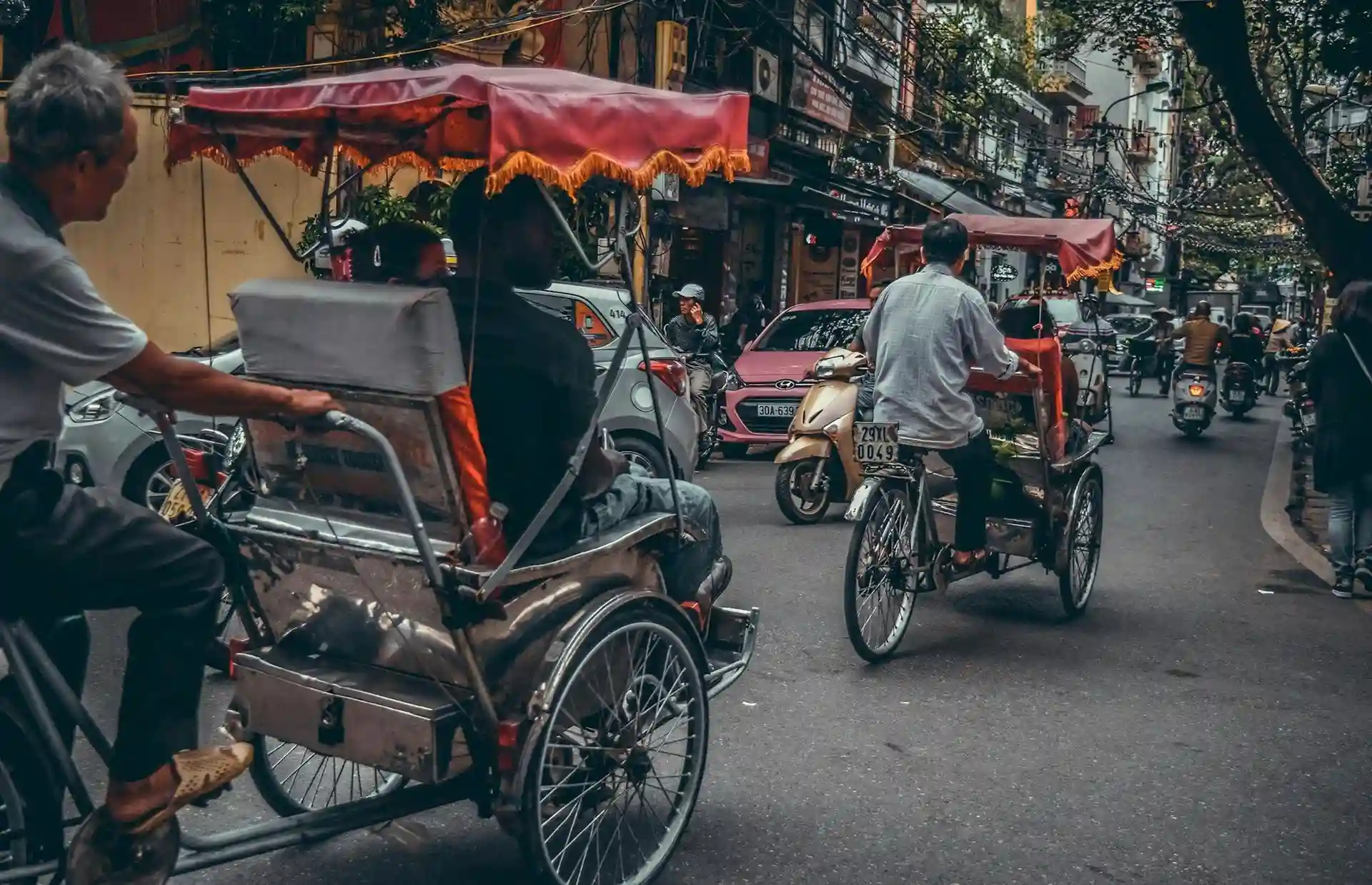
The rule is simple, but it feels impossible: walk slowly, at a steady pace, and don’t stop. Don’t run. Don’t retreat. The motorbikes will flow around you like water around a rock. If you hesitate, you confuse them. If you stop, you become an obstacle. If you keep moving, they will avoid you.
It sounds insane. It is insane. But it works. And after a few days, you’ll cross the street without even thinking about it.
How to Cross the Street Without Dying
- Walk slowly and steadily – no sudden movements
- Make eye contact with drivers – they’ll see you and adjust
- Don’t stop or reverse – keep going, even if a motorbike is coming
- Follow a local – if you’re nervous, shadow someone who knows what they’re doing
- Trust the flow – the traffic moves around you, not through you
Crossing the street in Vietnam is a lesson in trust. You trust that the drivers see you. You trust that the system works. And you trust yourself to keep moving even when it feels wrong.
Did you know this?
2. Pho Is Breakfast Food—And You Eat It at 6 AM
In most countries, pho is a dinner dish. In Vietnam, it’s breakfast. You’ll see people sitting on tiny plastic stools at 6 AM, slurping bowls of hot broth and noodles before heading to work. It’s the fuel that starts the day.
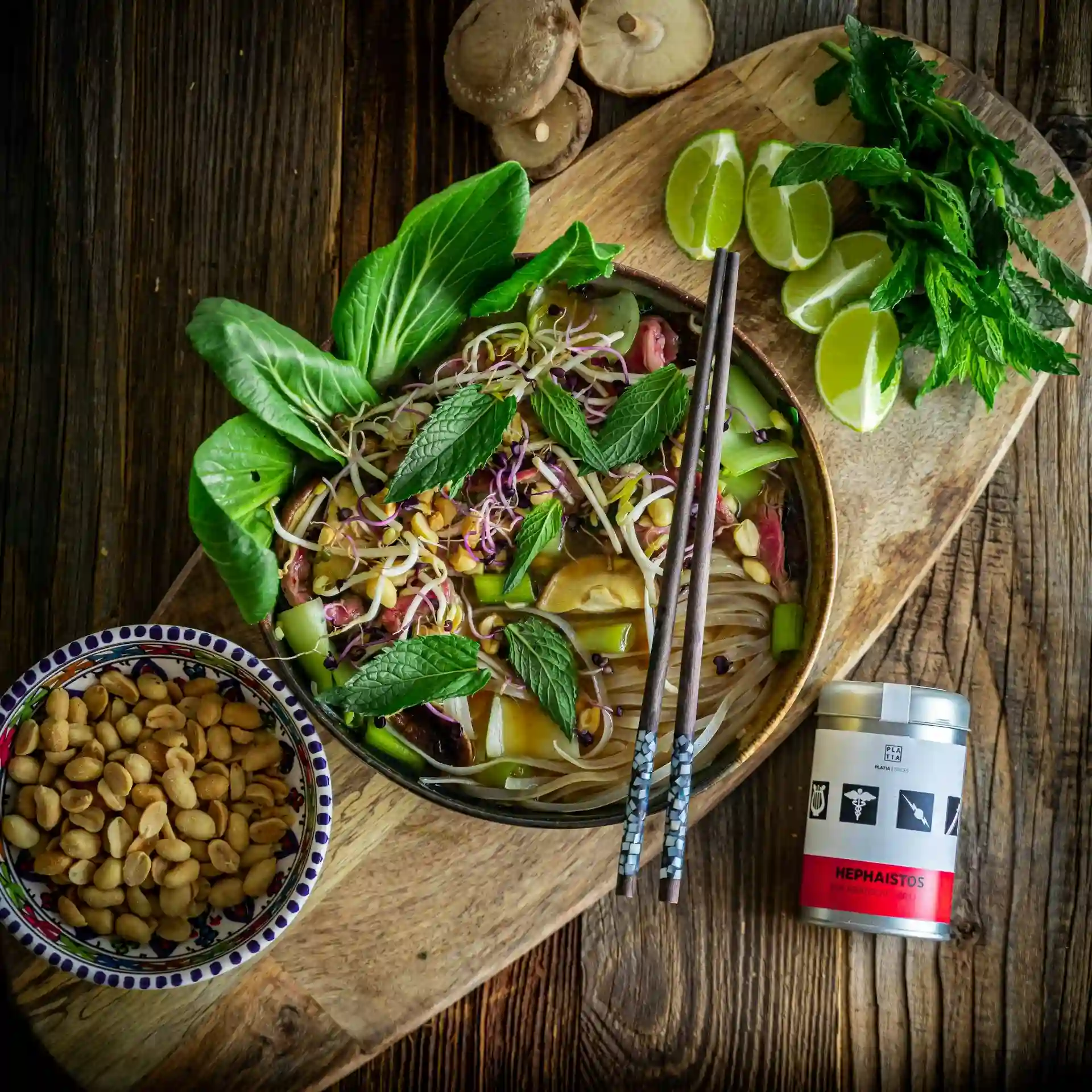
And it’s not just pho. Breakfast in Vietnam can be anything: a banh mi from a street cart, a plate of sticky rice, a bowl of congee, or a cup of egg coffee. The point is that breakfast is serious, and it’s worth getting up for.
What to Eat for Breakfast
- Pho – beef or chicken noodle soup, served with fresh herbs and lime
- Banh mi – a baguette sandwich with pâté, pickled vegetables, and cilantro
- Xoi – sticky rice with toppings like mung bean, coconut, and fried shallots
- Chao – Vietnamese congee, often served with poached egg and scallions
- Egg coffee – the most indulgent breakfast drink you’ll ever have
The Real Secret
The best breakfast spots are the ones with the smallest stools and the longest lines. Don’t be afraid to sit on the sidewalk. That’s where the magic happens.
Did you know this?
3. Coffee Is Not a Drink—It’s a Religion
Vietnam is the world’s second-largest coffee producer, and the coffee culture here is unlike anything else. It’s strong, thick, and often served with sweetened condensed milk. You’ll find coffee everywhere: in fancy cafes, in tiny street stalls, and in carts that appear out of nowhere.
The most famous is cà phê sữa đá—iced coffee with condensed milk. But there’s also egg coffee (cà phê trứng), which sounds strange but tastes like liquid tiramisu. And coconut coffee, which is a frozen, creamy dream.
What to Order
- Cà phê sữa đá – iced coffee with condensed milk
- Cà phê trứng – egg coffee, a Hanoi specialty
- Cà phê dừa – coconut coffee, blended and frozen
- Bạc xỉu – coffee with lots of milk, perfect for non-coffee drinkers
- Cà phê đen đá – black iced coffee, for the purists
Where to Go
- Hanoi – Cafe Giang for egg coffee, Cafe Dinh for a hidden gem
- Ho Chi Minh City – The Workshop for a modern take, Cheo Leo for a classic
Coffee in Vietnam isn’t a quick caffeine fix. It’s a ritual. It’s sitting on a tiny stool, watching the world go by, and letting the day unfold at its own pace.
Did you know this?
4. Grab Is Your Best Friend | And Your Safest Bet
Taxis in Vietnam have a reputation. Some are honest, some are not. And unless you know the local rates, you’re likely to be overcharged. The solution is simple: use Grab.
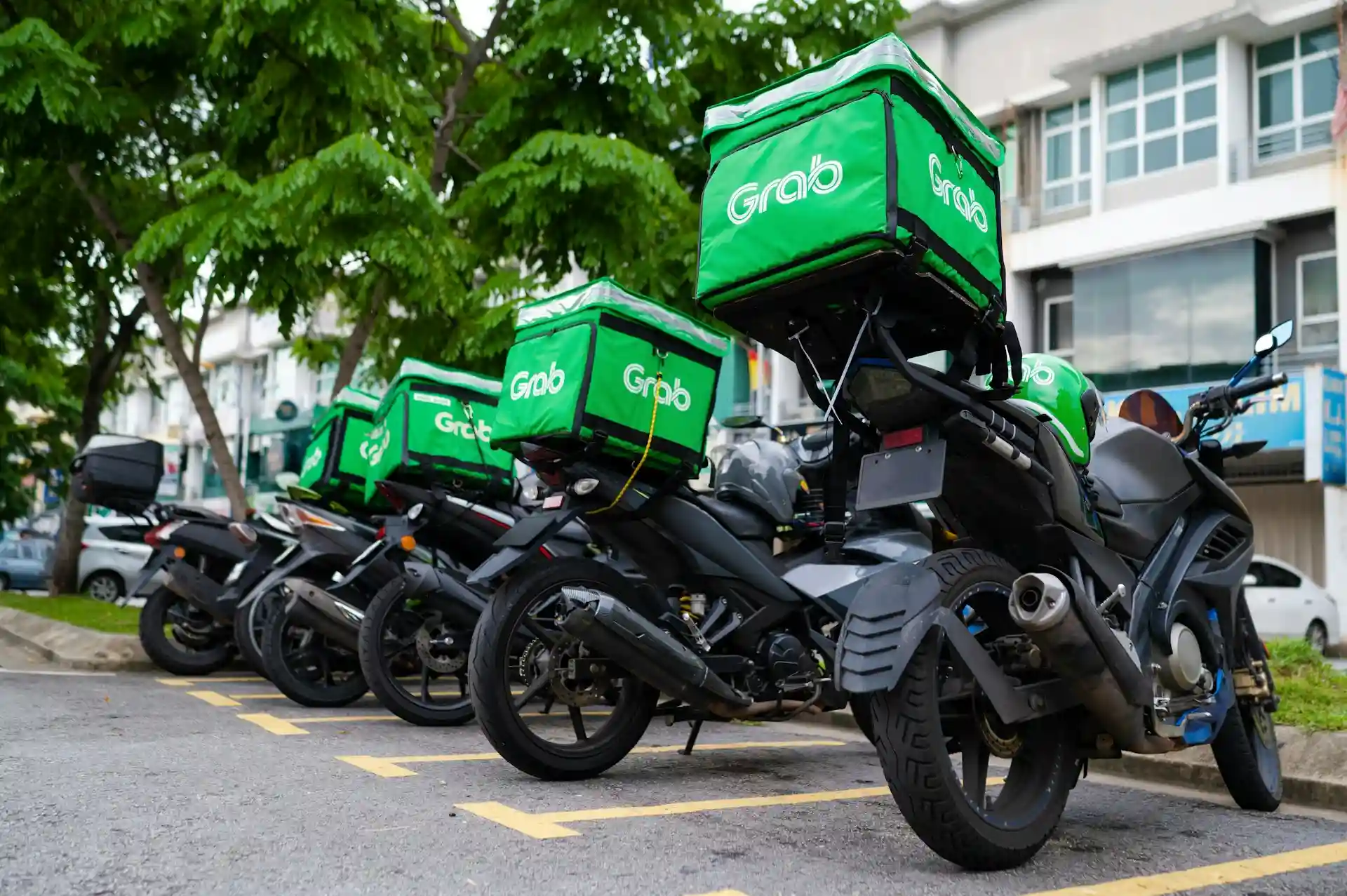
Grab is the Southeast Asian equivalent of Uber, and it works incredibly well in Vietnam. You can book a car or a motorbike taxi, see the price upfront, and pay through the app. No haggling, no confusion, no scams.
How to Use Grab
- Download the app before you arrive – it works in most Vietnamese cities
- Choose between car and motorbike – motorbikes are cheaper and faster in traffic
- Pay with cash or card – both are accepted
- Use it for short and long trips – it works everywhere
The Motorbike Option
Grab motorbikes are one of the most thrilling and efficient ways to get around. You hop on the back, put on a helmet, and weave through traffic. It’s terrifying at first. Then it’s addictive.
Did you know this?
5. You Can’t Drink the Tap Water—But Ice Is Usually Fine
This is one of the first Vietnam travel truths you’ll encounter. Don’t drink the tap water. Use bottled or filtered water for drinking and brushing your teeth. But here’s the thing that surprises most people: the ice is usually safe.
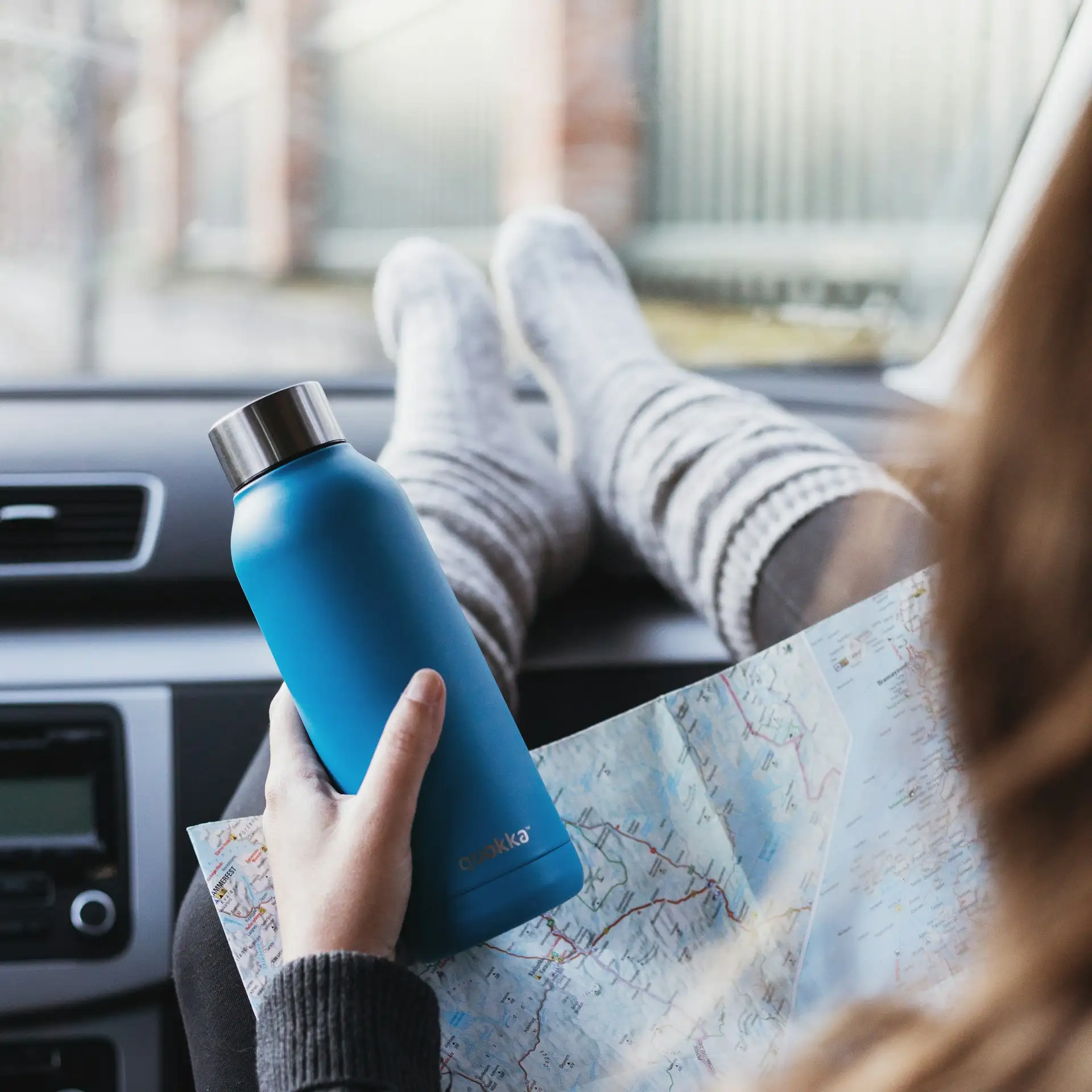
Most ice in Vietnam is made in commercial factories and sold in sealed bags. It’s perfectly safe. You’ll see vendors scooping ice into drinks on the street, and it’s fine. The same goes for ice in restaurants and cafes.
What to Avoid
- Tap water – don’t drink it, don’t brush your teeth with it
- Ice in remote rural areas – stick to bottled water if you’re unsure
- Raw vegetables – often washed in tap water, so be cautious at street stalls
What’s Safe
- Bottled water – everywhere and cheap
- Ice in cities and tourist areas – made in factories, totally safe
- Fruit juices from street vendors – as long as the ice is from a sealed bag
Did you know this?
6. Hanoi and Ho Chi Minh City Are Completely Different Worlds
Vietnam is often described as one country, but it’s really two. The north and the south have different climates, different food, different accents, and different vibes. Hanoi is the capital: old, elegant, and steeped in history. Ho Chi Minh City (formerly Saigon) is the economic powerhouse: fast, modern, and always moving.


You’ll notice the difference immediately. Hanoi feels like a city that has been around for a thousand years. Ho Chi Minh City feels like a city that’s racing into the future.
The Differences
- Hanoi – traditional, reserved, and steeped in history
- Ho Chi Minh City – modern, energetic, and commercially driven
- Food – Hanoi’s pho is clearer and more subtle; the south’s is sweeter and bolder
- Weather – the north has four seasons; the south is hot year-round
The Deeper Truth
If you only visit one city, you’re only seeing half of Vietnam. Try to visit both. They’re different enough to feel like two separate trips.
Did you know this?
7. Sleeper Buses Are an Experience (And You Should Bring a Jacket)
Vietnam is a long, narrow country, and the sleeper bus is the classic way to travel between cities. These buses have reclining seats that fold almost flat, and you’ll be given a blanket and a pillow. They’re cheap, efficient, and surprisingly comfortable.
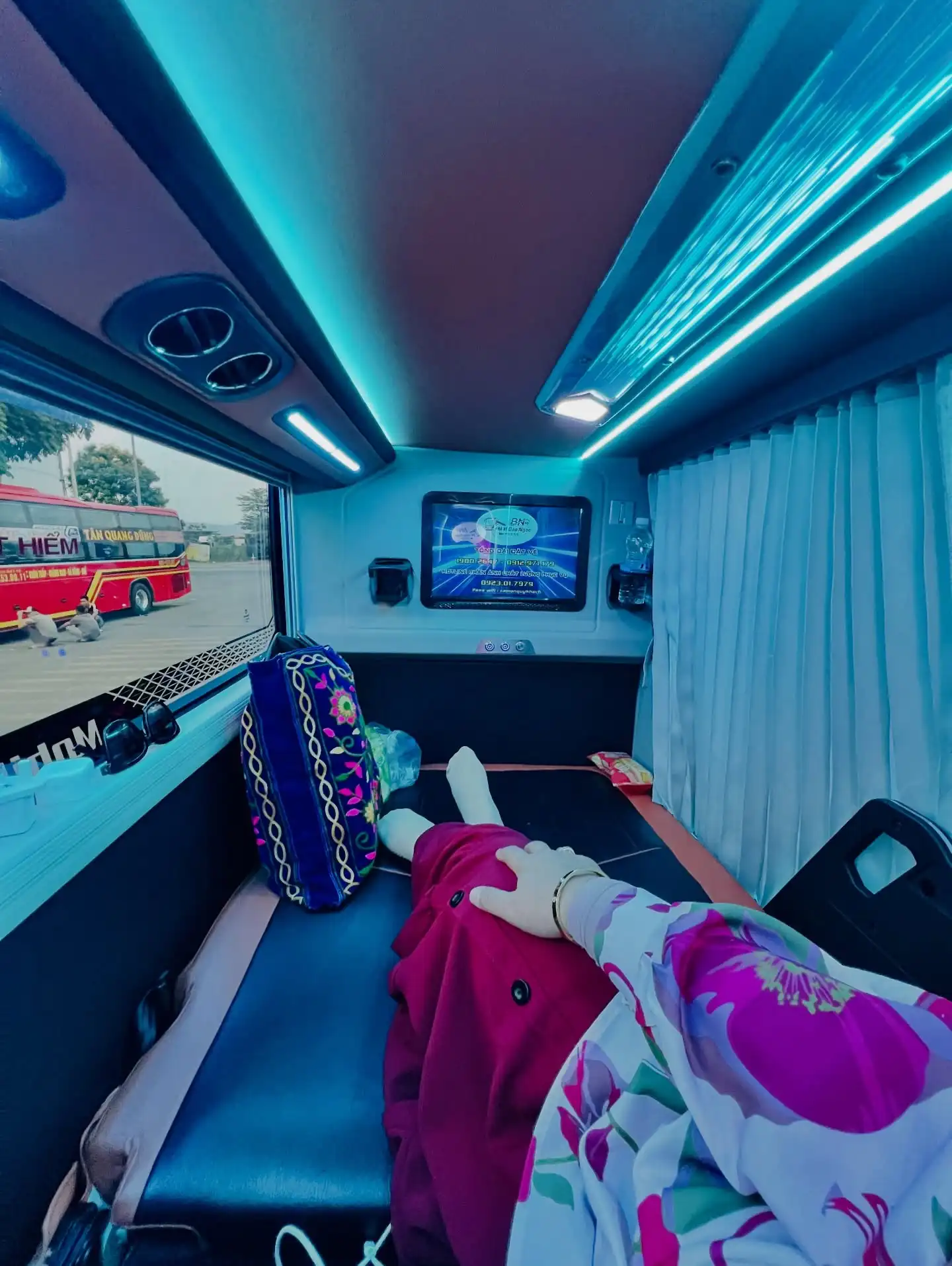
But there’s a catch: the air conditioning is often freezing. I mean genuinely, teeth-chattering cold. You’ll be glad you brought a jacket, a scarf, and maybe even socks.
How to Survive a Sleeper Bus
- Bring layers – a jacket, a scarf, and socks are essential
- Bring snacks and water – the stops are short, and the food is hit-or-miss
- Bring earplugs – the buses are noisy
- Choose a lower bunk if you can – it’s easier to get on and off
- Use the bathroom before you board – the onboard toilet is not for the faint of heart
Sleeper buses aren’t luxurious. They’re an adventure. You’ll meet other travelers, share snacks, and arrive at your destination feeling like you’ve been through something together.
Did you know this?
8. “Same Same But Different” Is a Real Thing
You’ll hear it everywhere: “Same same but different.” It’s a phrase that captures the essence of Vietnam. It means that things are similar but not identical—and that’s the whole point.
You’ll see it on T-shirts, hear it from vendors, and use it yourself when you’re trying to explain something. It’s a phrase that captures the humor, flexibility, and resilience of Vietnamese culture.
📌 Don’t Miss Out
Where You’ll Hear It
- Markets – when a vendor is trying to sell you something “similar” to what you asked for
- Restaurants – when a dish is almost what you ordered but not quite
- Taxis – when the driver takes a slightly different route
The Deeper Meaning
“Same same but different” is a philosophy. It’s a way of accepting that things won’t always be exactly what you expect—and that’s okay.
Did you know this?
9. You Will Be Approached by Motorbike Taxis, Shoe Shiners, and More
Vietnam is a country of entrepreneurs, and you’ll be approached by them constantly. Motorbike taxi drivers will ask if you need a ride. Shoe shiners will offer to clean your shoes. Vendors will try to sell you everything from sunglasses to pineapples.
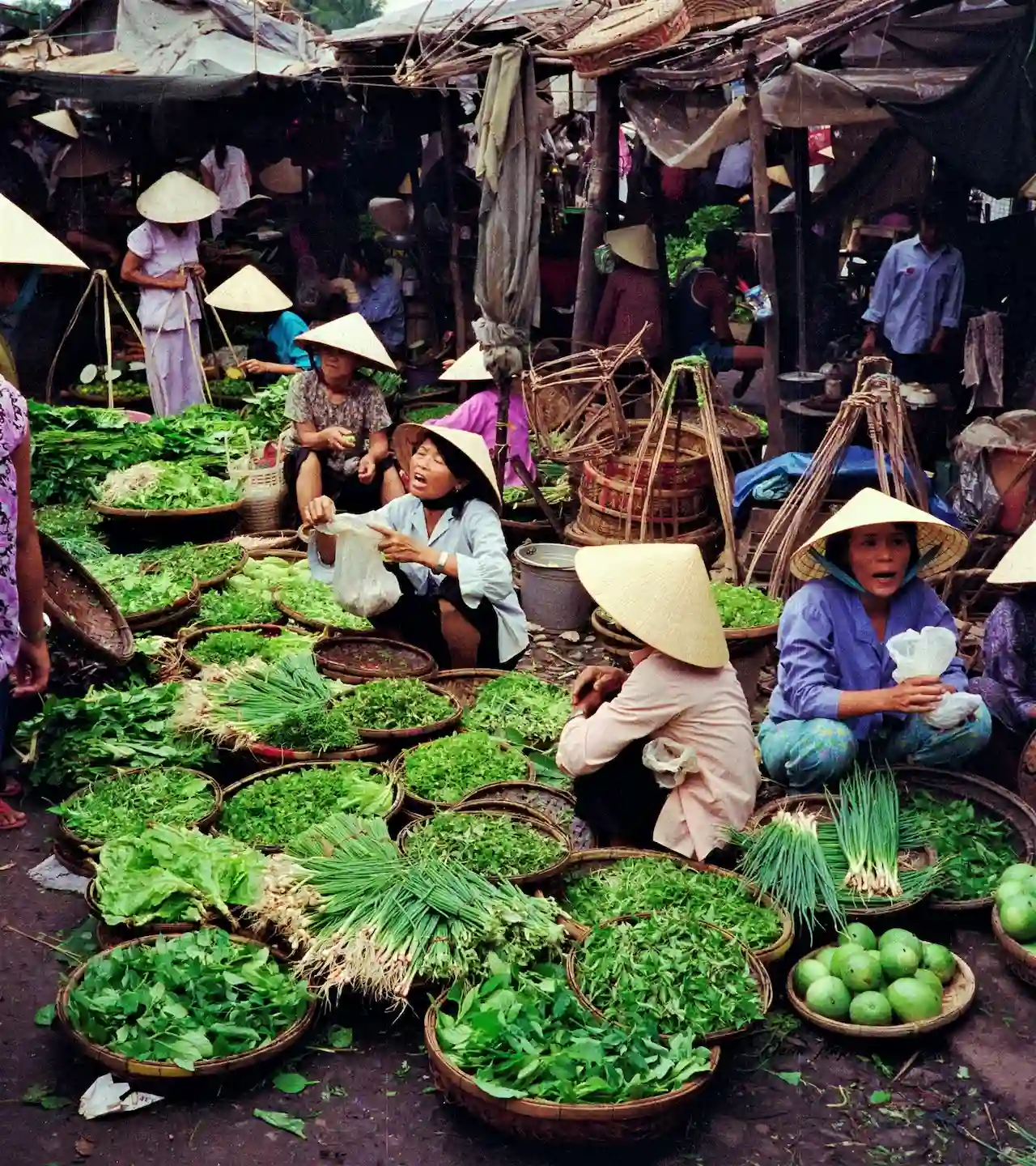
It can be overwhelming. But it’s not aggressive—it’s just the way things work. A simple “không, cảm ơn” (no, thank you) is usually enough. If they persist, just keep walking.
How to Say No Politely
- “Không, cảm ơn” – no, thank you
- Smile and shake your head – it’s usually enough
- Keep walking – don’t stop to engage if you’re not interested
- Be firm but polite – aggression is not necessary
These interactions are part of the fabric of Vietnam travel. They’re not a nuisance—they’re a window into a culture of hustle and resilience.
Did you know this?
10. Tipping Is Appreciated but Not Expected
Tipping in Vietnam is not part of the culture in the way it is in the US or Europe. It’s not expected, but it’s appreciated—especially in tourist areas, in upscale restaurants, and for tour guides.
If you’re happy with the service, a small tip is a nice gesture. But don’t feel obligated. A smile and a thank you are often enough.
When to Tip
- Restaurants – 5–10% is appreciated but not required
- Tour guides – $5–10 per day is a good rule of thumb
- Hotel staff – $1–2 for carrying bags is a nice touch
- Motorbike taxis – rounding up is a nice gesture
Tipping is not about obligation—it’s about appreciation. If someone went out of their way to help you, a small tip is a way to say thank you.
Did you know this?
11. The Motorbike Is a Way of Life
In Vietnam, the motorbike is not just a vehicle—it’s a way of life. There are over 45 million motorbikes in the country, and they’re used for everything: commuting, deliveries, family transport, and even moving furniture.
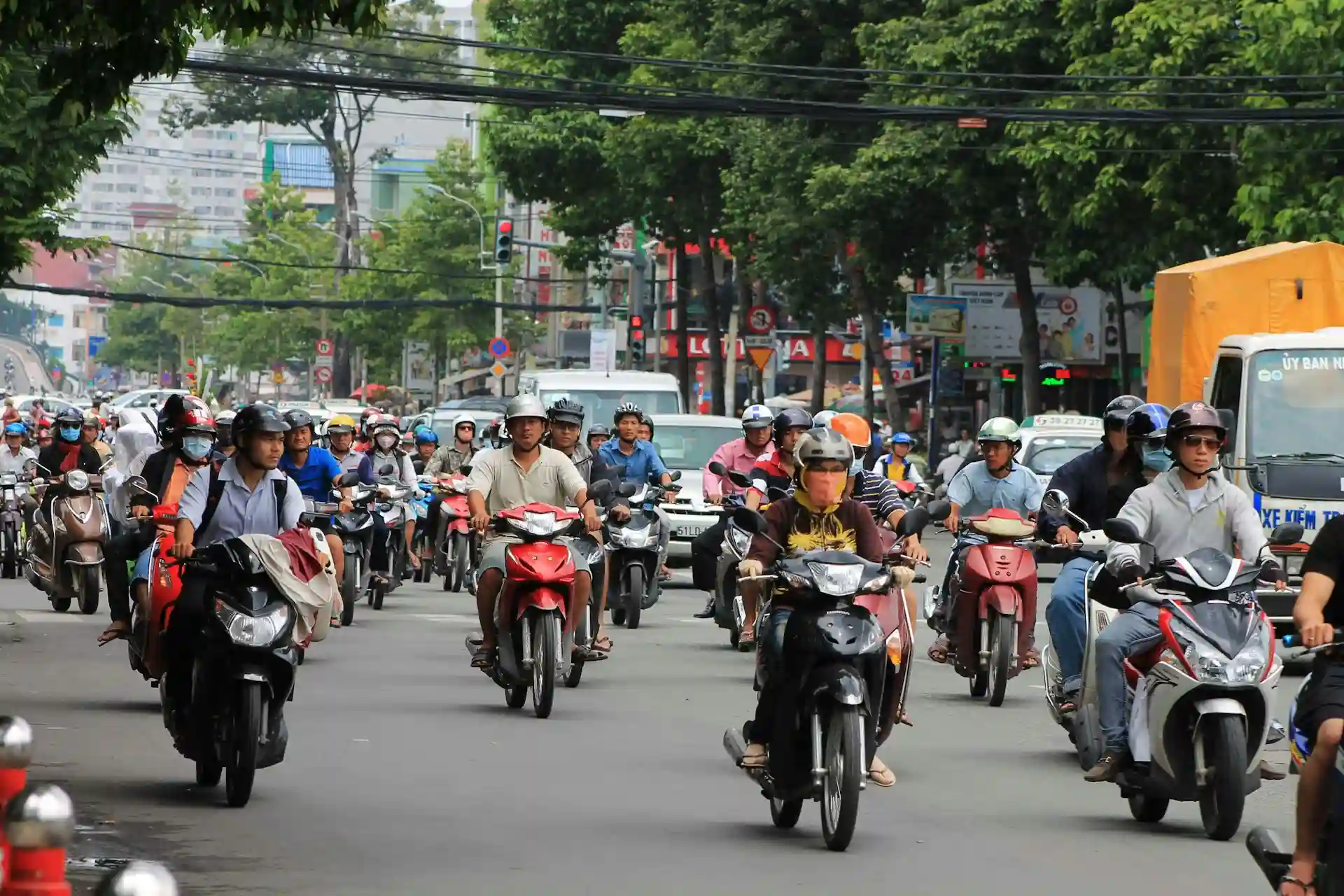
Renting a motorbike is a popular way to explore the country, but it’s not for everyone. The traffic is intense, the roads can be unpredictable, and you need a valid driver’s license and an international driving permit.
What to Know Before You Rent
- You need an IDP – an International Driving Permit, plus your home license
- Don’t leave your passport as a deposit – negotiate a cash deposit instead
- Wear a helmet – it’s the law, and it’s essential
- Check the bike before you rent – take photos and note any damage
- Be careful – traffic accidents are common
Renting a motorbike is one of the most freeing ways to explore Vietnam. But it’s also one of the most dangerous. If you’re not confident, stick to Grab or hire a driver.
Did you know this?
12. Vietnam Is Much Bigger Than You Think
On a map, Vietnam looks like a slim, manageable country. In reality, it’s over 1,600 kilometers from north to south, and traveling from Hanoi to Ho Chi Minh City takes at least two days by bus or train.
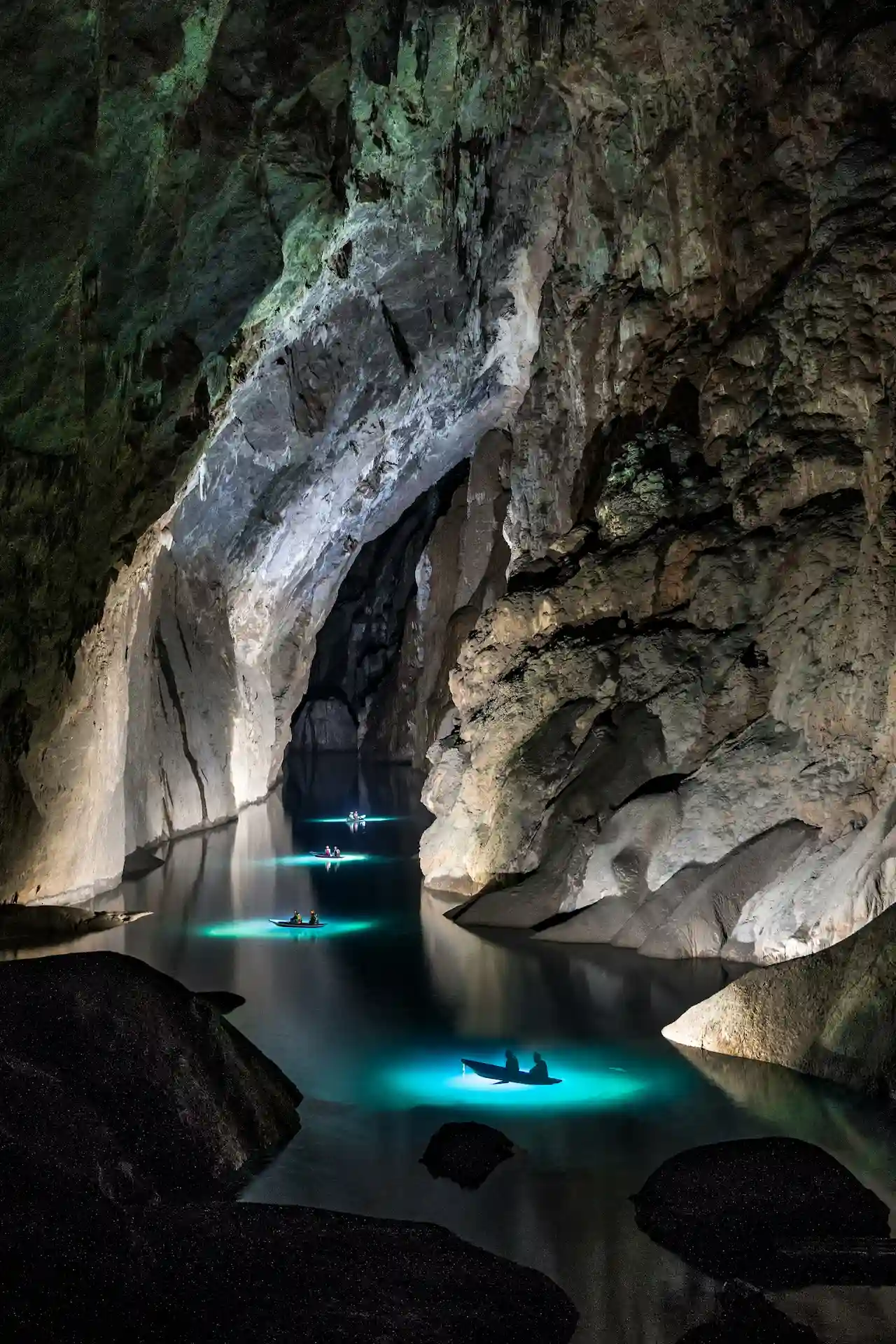
A lot of travelers try to see too much in too little time. They rush from city to city, exhausted and overwhelmed. The smarter approach is to slow down, pick a few destinations, and give yourself time to enjoy them.
How to Plan Your Trip
- Pick two or three regions – north, central, and south
- Allow at least two weeks – for a comfortable pace
- Use overnight buses or trains – to save time and money
- Don’t try to see everything – you can always come back
The Deeper Truth
Vietnam travel is not a checklist. It’s an experience. The best moments happen when you slow down, sit on a tiny stool, and let the country come to you.
Did you know this?
13. Karaoke Is Everywhere—And It’s Not Optional
In Vietnam, karaoke is not just a hobby—it’s a national pastime. You’ll find karaoke bars on every street, karaoke rooms in hotels, and even karaoke machines in people’s homes. It’s a way to celebrate, to relax, and to connect.
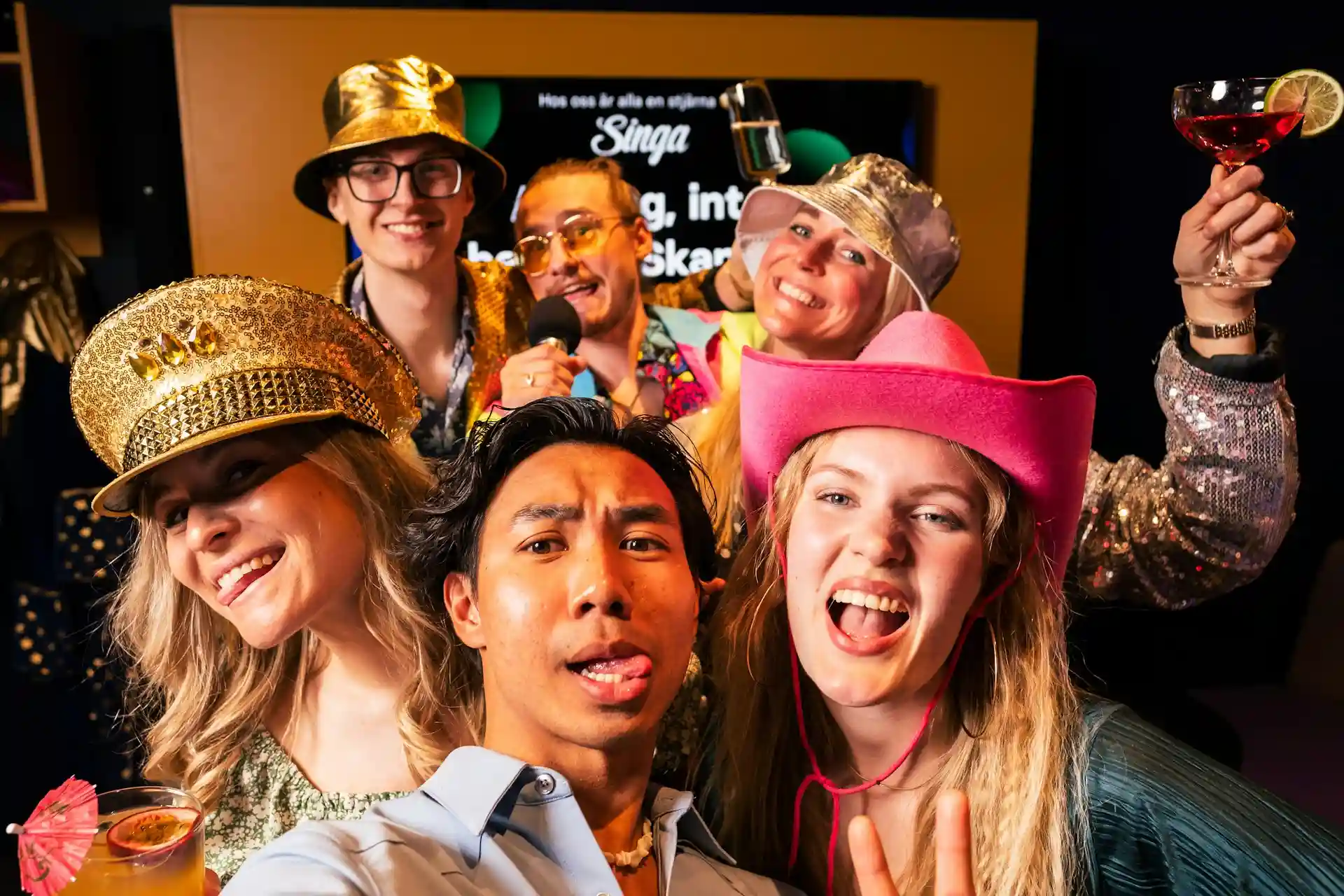
If you’re invited to karaoke, say yes. It doesn’t matter if you can’t sing. Nobody cares. The point is to have fun, laugh at yourself, and join in.
What to Expect
- Private rooms – most karaoke places have private rooms you can rent by the hour
- Endless song choices – from Vietnamese pop to English classics
- Food and drinks – most places serve snacks and beer
- No judgment – everyone is there to have a good time
Karaoke is a window into Vietnamese social life. It’s loud, chaotic, and joyful—just like the country itself.
Did you know this?
14. The Kindness of Strangers Will Catch You Off Guard
For all its chaos, Vietnam is a country of incredible warmth. You’ll be helped when you’re lost. You’ll be offered food when you’re hungry. You’ll be invited into homes and shown kindness that you didn’t expect.
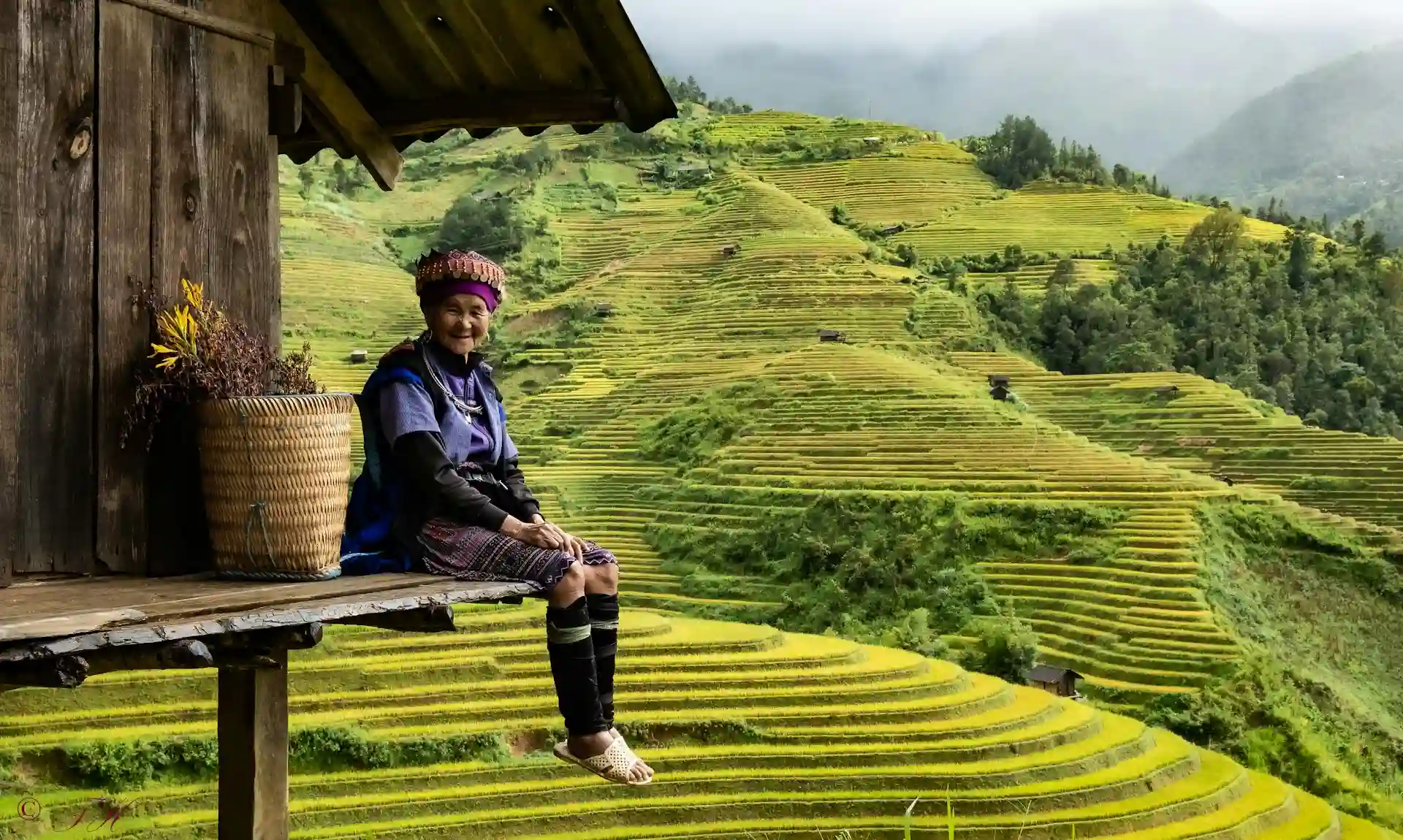
I remember getting lost in a small town in the Mekong Delta. A woman saw me looking at my map, walked over, and pointed me in the right direction. Then she invited me to sit and have tea with her family. I spent two hours there, laughing and trying to communicate with hand gestures.
How to Receive It
- Say yes – if someone offers you tea, accept it
- Be grateful – a smile and a thank you go a long way
- Be respectful – remember that you’re a guest in their country
- Give back – if you can, support local businesses and communities
📌 Don’t Miss Out
The kindness of strangers is the heart of Vietnam travel. It’s what you’ll remember long after you’ve forgotten the temples and the tours.
Did you know this?
What Vietnam Really Teaches You
The biggest Vietnam travel truth is that it’s not just a destination—it’s a lesson in embracing chaos, finding beauty in the unexpected, and trusting the kindness of strangers. You’ll learn to cross the street without fear, to eat pho for breakfast, to say “same same but different” with a smile, and to slow down and let the country unfold.
Vietnam isn’t perfect. It’s loud, messy, and sometimes overwhelming. But it’s also one of the most beautiful, generous, and soulful places on Earth. And once you’ve experienced it, you’ll understand why so many people fall in love with it and keep coming back.
So go with an open mind. Be curious. Be respectful. And don’t be afraid to get lost, try the street food, and say yes to karaoke.