3 Days in South Korea: The Itinerary You’ll Regret Not Trying
Three days are enough to fall in love with South Korea

- This article contains affiliate links. I may receive a commission if you purchase from them, at no extra cost to you.
There’s something magical about stepping off the plane at Incheon International Airport. The crisp air hits your face, the neon glow of Seoul’s skyline flickers in the distance, and the city hums with an energy that never quite fades.
I’ll never forget my first trip to South Korea—I made every mistake in the book. I packed wrong, I ate at the wrong places, and I completely underestimated just how much this incredible country has to offer.
That’s why I’ve put together this South Korea itinerary. Consider it your cheat sheet for three perfect days in Seoul. I’ve learned these lessons the hard way, so you don’t have to.
Table of contents ⇅
Why This 3-Day Seoul Itinerary Works
Let me explain something upfront. Seoul is massive—genuinely overwhelming in the best possible way. You could spend a month here and still discover new neighborhoods. But with just 72 hours, you need to be strategic.
This 3-day Seoul itinerary balances history with modernity, culture with cuisine, and sightseeing with genuine local experiences. I’ve designed it to minimize backtracking across the city while maximizing what you’ll actually remember five years from now.
Your South Korea itinerary should feel like an adventure, not a checklist. So yes, we’ll hit the highlights, but we’ll also wander down alleyways that aren’t in any guidebook.
Day 1: The Historic Heart of Seoul
Morning: Gyeongbokgung Palace & Bukchon Hanok Village
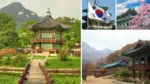
Start your South Korea itinerary with the crown jewel of Seoul’s palaces. Gyeongbokgung Palace isn’t just beautiful—it’s the largest of Seoul’s Five Grand Palaces, dating back to 1395.
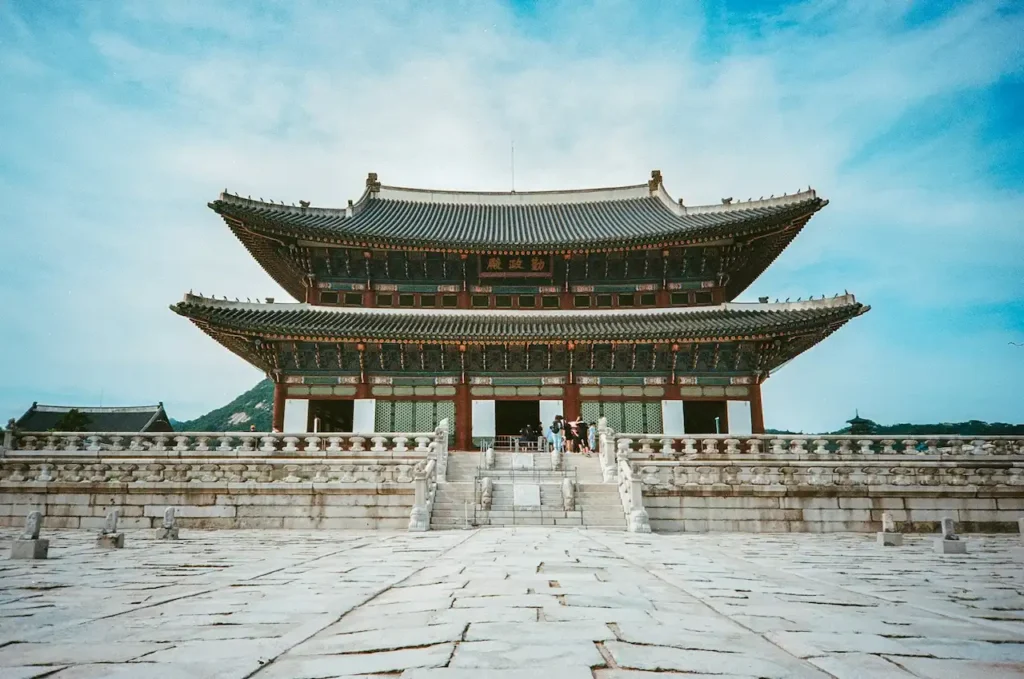
Here’s my advice: arrive right when it opens at 9:00 AM. The crowds haven’t descended yet, and the morning light hitting those traditional Korean rooftops is absolutely stunning.
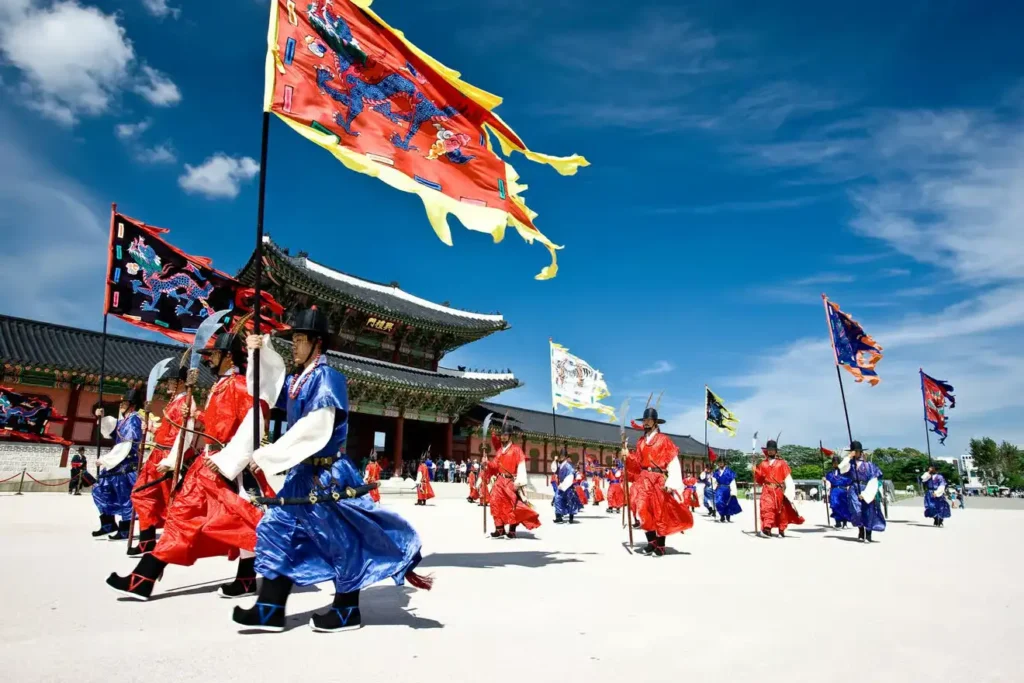
Don’t miss the changing of the guard ceremony, which takes place at 10:00 AM and 2:00 PM. It’s colorful, ceremonial, and genuinely fascinating—the guards wear elaborate costumes from the Joseon dynasty period. From the palace, walk east toward Bukchon Hanok Village.
This neighborhood preserves traditional Korean houses (hanok) that are still lived in today. The streets wind uphill, and every corner offers a photo opportunity. Just be respectful—people actually live here, so keep your voice down and stay on the main paths.
Alternative option: If you’re traveling with kids or prefer a less crowded experience, Changdeokgung Palace is just as beautiful and often quieter. Its Secret Garden requires a guided tour, which adds about 90 minutes, but it’s absolutely worth it.
Lunch: Traditional Korean Cuisine in Insadong
By noon, you’ll be hungry. Insadong is your lunch destination—this neighborhood is the cultural heart of Seoul, packed with traditional tea houses, antique shops, and restaurants serving authentic Korean food.
For your meal, look for a place serving bibimbap—the mixed rice dish with vegetables, gochujang (red chili paste), and optionally beef. The versions here are incredible. Alternatively, try samgyetang, a whole chicken stuffed with ginseng and rice. It’s nourishing and perfect if you’re visiting during cooler months.
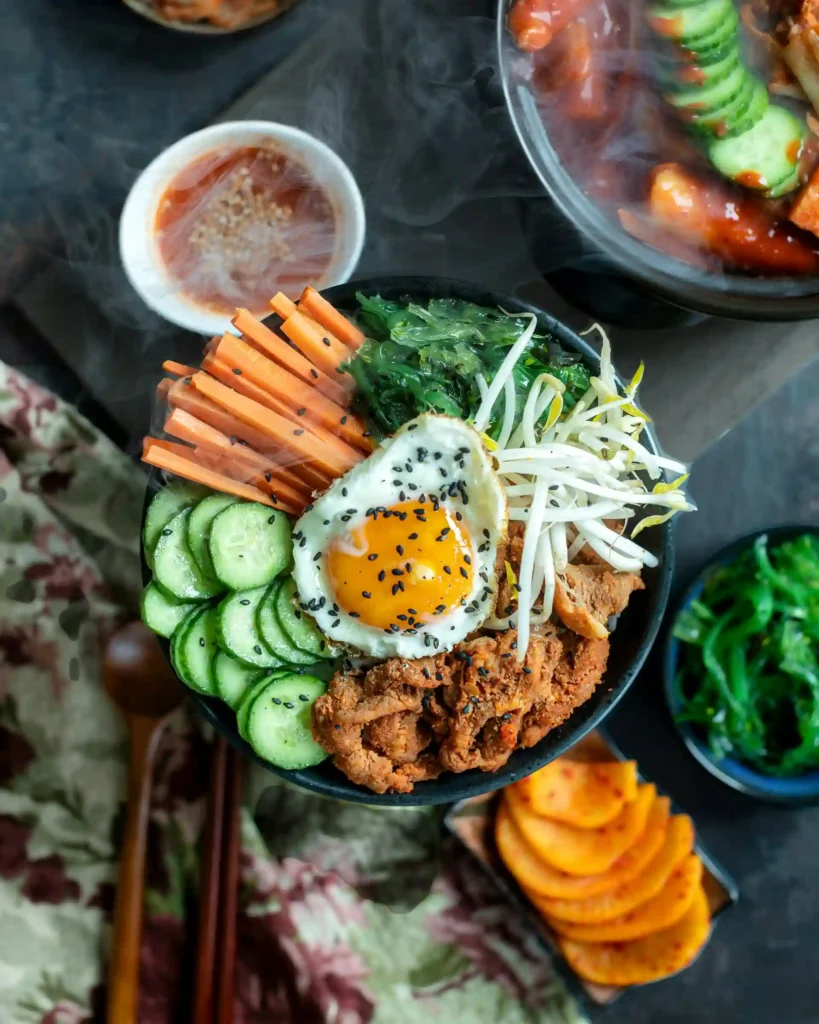
If you’re feeling adventurous, order makgeolli (Korean rice wine) with your meal. It’s slightly sweet, fizzy, and served in a traditional ceramic bowl. Most places serve it with jeon (savory Korean pancakes).
Afternoon: Insadong Culture & Jogyesa Temple
After lunch, wander through Insadong’s main street. The shops here sell everything from handmade pottery to traditional paper crafts. Don’t rush—this is one of those places where the joy is in the browsing.
Take a detour to Jogyesa Temple, the center of Korean Buddhism. It’s surprisingly peaceful considering it sits right in the middle of busy downtown Seoul. The temple is particularly beautiful in spring when giant white lanterns hang in celebration of Buddha’s Birthday. Even if you’re not religious, the serenity is a welcome break.
Evening: N Seoul Tower & Myeongdong Nightlife
As the sun starts to sink, take the cable car up to N Seoul Tower. The views of Seoul at sunset are genuinely breathtaking—you can see the entire city sprawl beneath you with mountains framing the skyline.
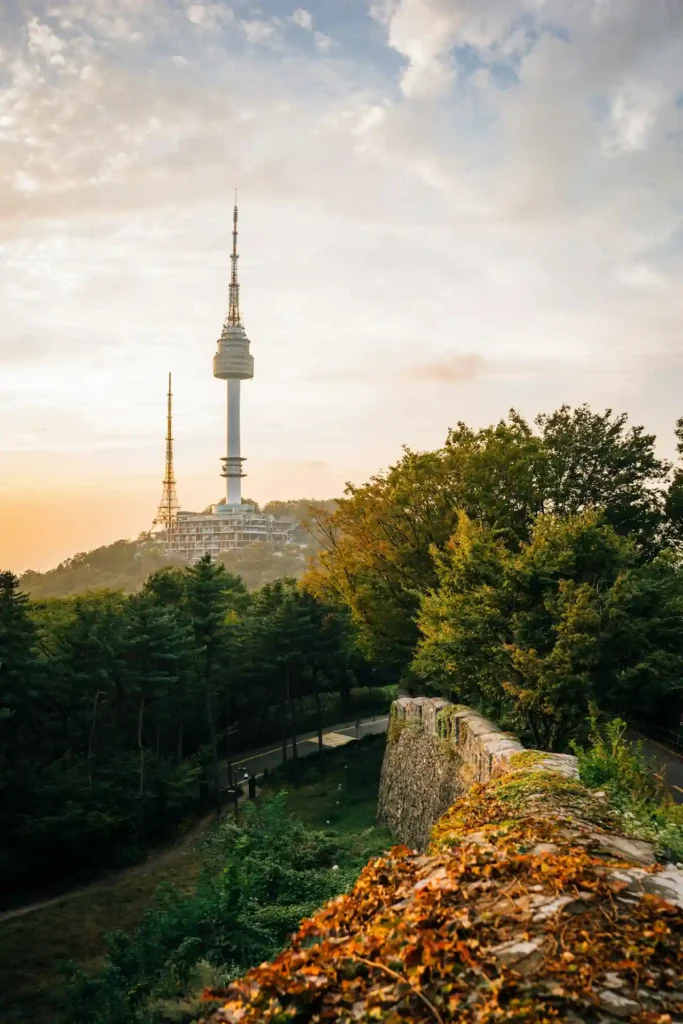
Here’s my insider tip: don’t wait until it’s fully dark. Go up about 45 minutes before sunset so you get the golden hour lighting followed by the city lights switching on. It’s a two-for-one view.
After descending, head to Myeongdong, Seoul’s premier shopping district. The streets transform into a night market with food stalls everywhere. This is where your South Korea itinerary gets delicious.
Street food you absolutely must try:
- Tteokbokki (spicy rice cakes)
- Hotteok (sweet pancakes with brown sugar and nuts)
- Korean fried chicken—get the soy garlic flavor
- Gyeran-ppang (egg bread, perfect for cold evenings)
- Grilled squid skewers
What I’d do differently: On my first visit, I tried to do too much after dark. Trust me, your feet will be tired. Save energy for the following days and don’t feel bad calling it a night after a couple of hours in Myeongdong.
Where to Stay on Day 1
1. Lotte Hotel Seoul
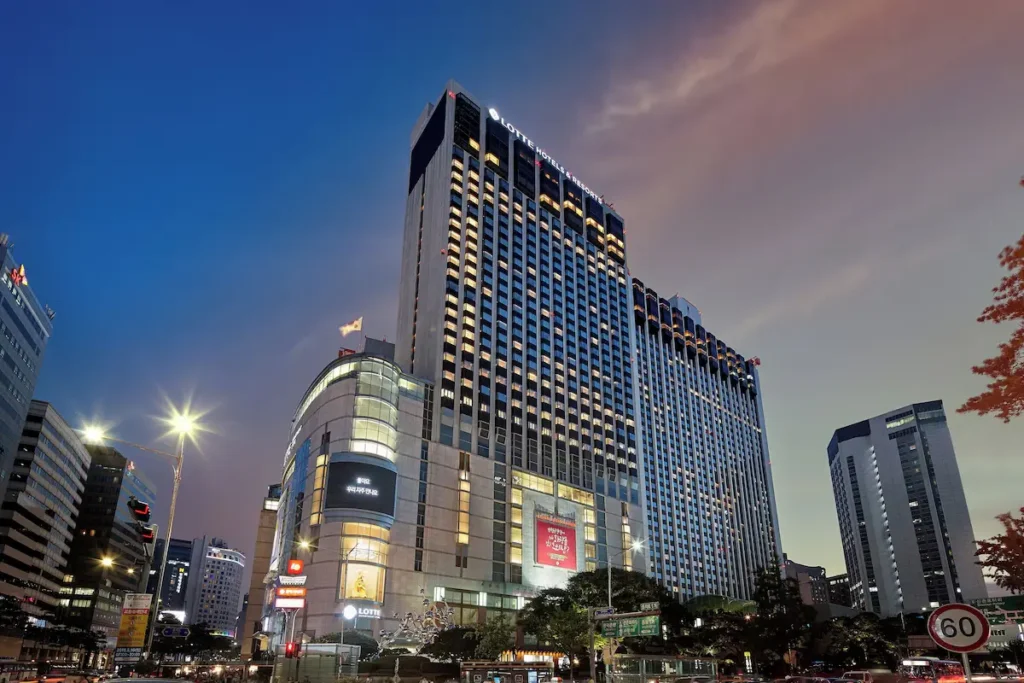
If you want to stay right in the action, this is your spot. It’s connected directly to the Lotte Department Store and has an incredible view of the city from its upper floors. The rooms are spacious, the breakfast buffet is legendary, and the indoor pool is a fantastic way to unwind.
What I love most about this property is its central location—you’re steps from Myeongdong shopping and the subway. It’s best for couples and business travelers who appreciate convenience and luxury.
2. Shilla Stay Myeongdong
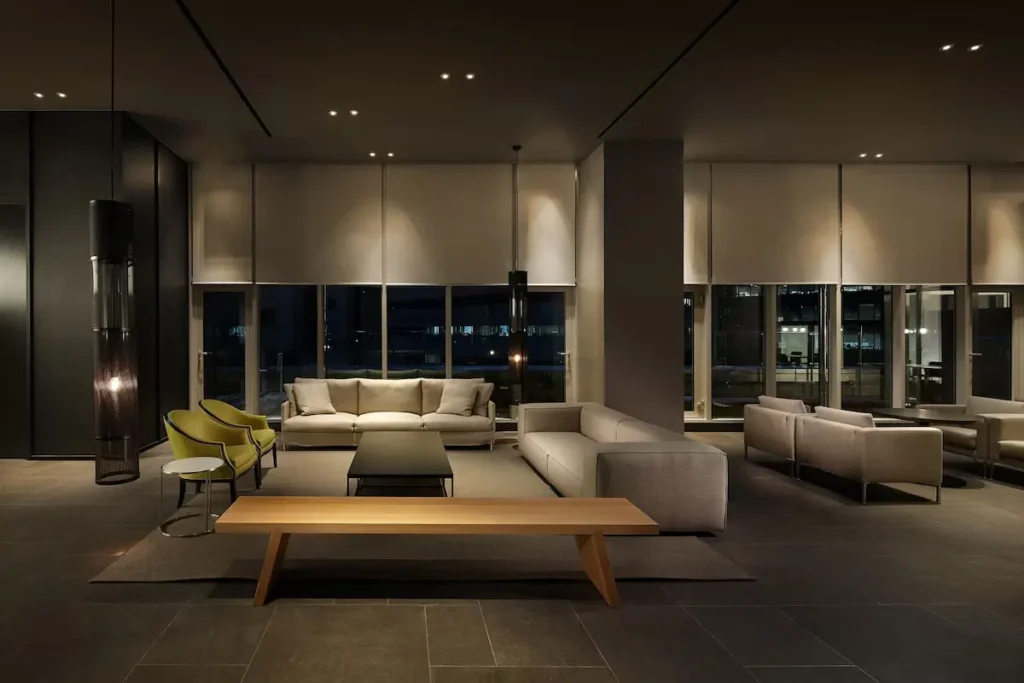
For something more boutique, this hotel offers modern, minimalist style with excellent value. The rooms have floor-to-ceiling windows with city views, and they provide complimentary high-speed Wi-Fi. The location is fantastic—right in the heart of Myeongdong, so you can literally step out of the lobby and into the shopping chaos.
This one is great for young couples and solo travelers who want style without the five-star price tag. Its rooftop lounge is a hidden gem for evening drinks.
Day 2: Modern Seoul & Local Flavors
Morning: Hongdae & Youth Culture
Your second day of this South Korea itinerary starts in Hongdae, the neighborhood that never grows up. This area is centered around Hongik University, one of Korea’s top art schools, and the creative energy is infectious.
Street performers start setting up by late morning—you’ll see everything from breakdance crews to acoustic guitarists.
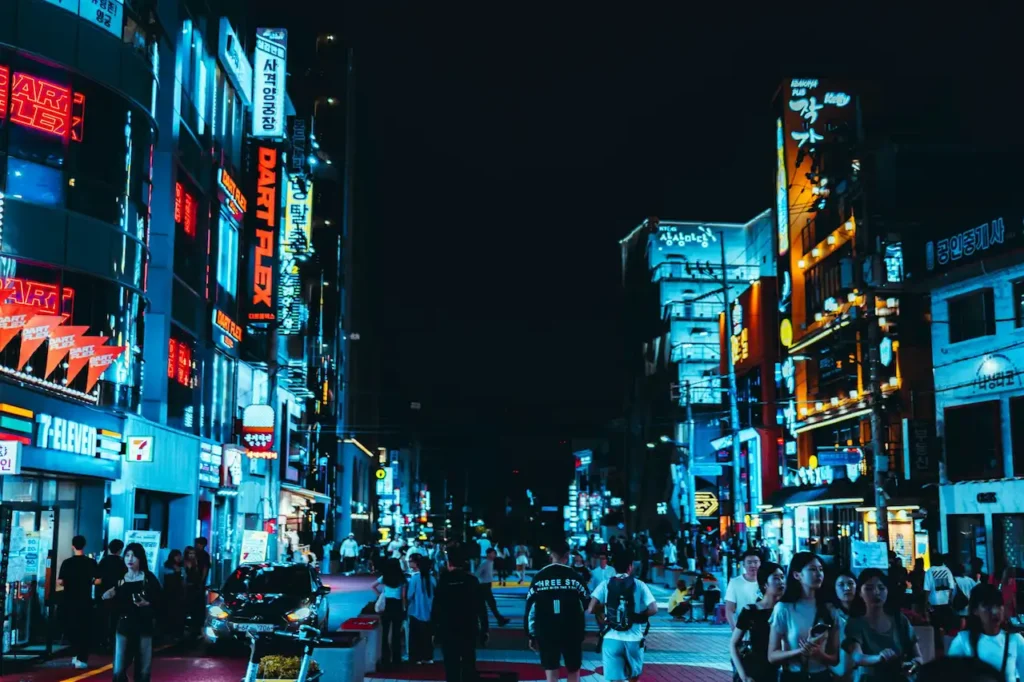
The area is packed with independent coffee shops, vintage clothing stores, and colorful murals. Hongdae is where Seoul’s youth culture thrives, and it’s a blast to explore.
Must-see: The Hongdae Free Market (Saturday afternoons only) for handmade crafts from local artists. It’s the perfect spot to pick up unique souvenirs you won’t find anywhere else.
Alternative option: If you’re more interested in luxurious shopping, skip Hongdae and visit Garosu-gil in Gangnam instead. The tree-lined streets are beautiful, the boutique shops are high-end, and the cafés are Instagram-worthy. Just be prepared to spend more.
Lunch: Street Food Tour in Hongdae
Instead of a formal restaurant, make lunch a street food adventure. Hongdae has some incredible budget eats. The grilled cheese lobster tail is a recent trend that’s absolutely worth the line. Or try the tornado potato—a spiral-cut potato on a stick, fried and seasoned.
Don’t miss the fish-shaped buns (bungeo-ppang) filled with red bean paste—they’re warm, comforting, and cost less than a dollar. Korean street food is honestly some of the best in Asia.
Afternoon: Hongdae’s Quirky Side
Hongdae has a few hidden gems worth seeking out. The Trick Eye Museum is an optical illusion museum that’s genuinely fun—you can become part of the art. It’s particularly great if it rains or you’re traveling with kids.
If you prefer a more relaxed afternoon, explore the residential streets above the main drag. These alleys have a completely different vibe—quiet, with tiny galleries and residency studios. Some of them open their doors to visitors, and you can chat with actual working artists.
Shopping focus: Hongdae is famous for its independent fashion boutiques. Unlike the big chains in Myeongdong, these shops sell one-off pieces. Prices are reasonable, and the quality is often much better than fast fashion.
Evening: Han River Nightlife & The Perfect Ending
For your final evening, head to Yeouido Hangang Park along the Han River. This is where Seoulites come to relax after work. Rent a picnic mat (available everywhere for a few dollars), grab some take-out fried chicken and beer (affectionately called “chimaek”), and watch the sunset over the water.
If you’re visiting in spring, the cherry blossoms along the river are spectacular. In summer, you’ll find water taxi tours leaving from the dock.
Don’t Miss Out
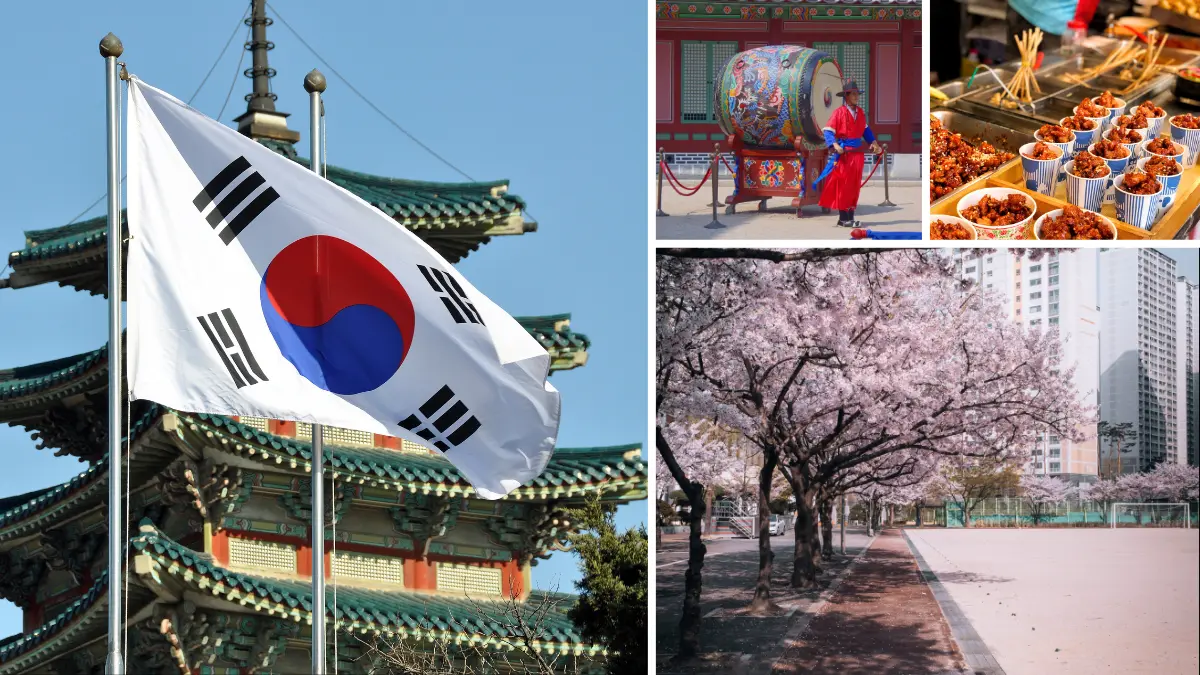
My favorite spot: The Banpo Bridge Rainbow Fountain is a short walk away. From April to October, the bridge puts on a light and water show that’s truly stunning. The fountain shoots water 43 meters across the river with LED lights creating a rainbow effect.
Alternative option: If you prefer a more structured evening, book a dinner cruise on the Han River. It’s romantic, the food is good, and you get completely different perspectives of the city skyline. Many cruises include live music performances.
Where to Stay on Day 2
1. Conrad Seoul
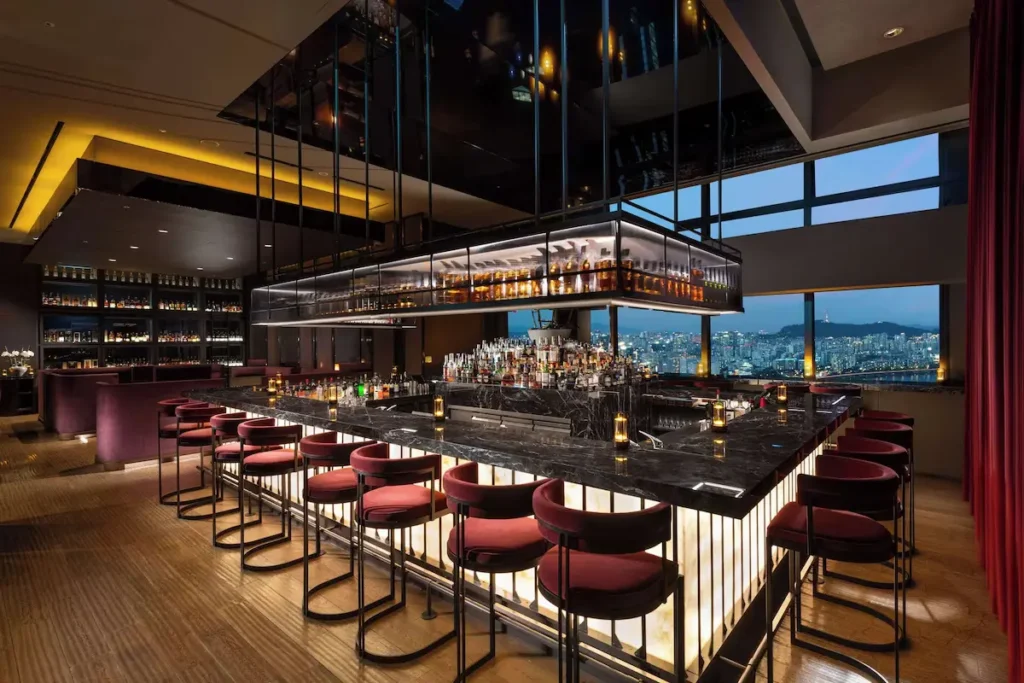
This is my top choice for luxury travelers. Located in the International Financial Centre, this hotel has floor-to-ceiling windows overlooking the Han River. The spa is world-class, and the executive lounge offers incredible views with evening cocktails.
What really stands out about this hotel is the personalized service—they remember your preferences and take care of everything. It’s perfect for business travelers and couples celebrating special occasions.
2. Hotel Naru Seoul MGallery Ambassador
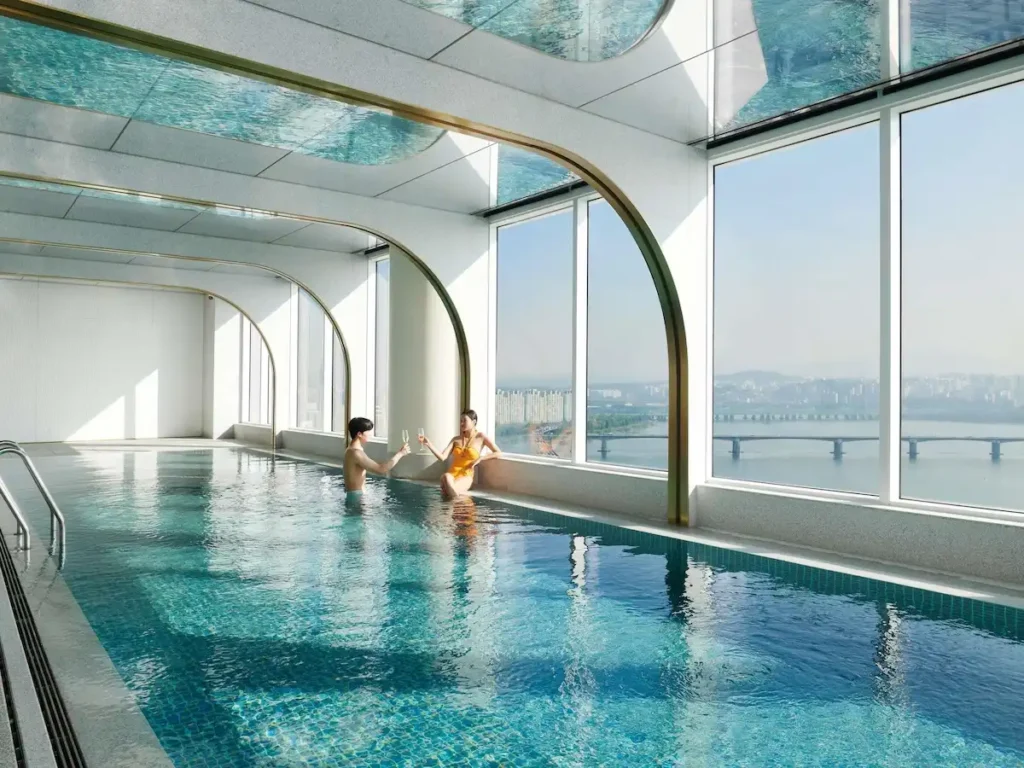
This property offers fantastic value with its river views and modern design. The rooftop bar is a highlight, serving creative cocktails with panoramic views of the Han River. The rooms are thoughtfully designed with Korean aesthetic touches, and the location gives you easy access to both Gangnam and Hongdae.
I love that the hotel offers a Korean sauna experience right on site. This works well for solo travelers and couples who want comfort without the splurge.
Day 3: Beyond Seoul—The DMZ & Hidden Gems
Full Day: The DMZ Experience
No South Korea itinerary would be complete without the DMZ tour. This is a sobering but necessary part of understanding modern Korea. The Demilitarized Zone has divided the peninsula for over 70 years, and visiting it brings home the reality of the Korean War’s legacy.
What to expect: Most DMZ tours depart from Seoul early in the morning (around 7:00 AM). The drive takes about an hour north. You’ll visit the Dora Observatory (where you can see into North Korea through binoculars), the 3rd Infiltration Tunnel, and the DMZ Exhibition Hall.
You’ll hear firsthand stories about life in the North, escape attempts, and adjustment to South Korean life. It’s moving, educational, and emotionally impactful in ways no guidebook can convey.
The 3rd Tunnel is the most dramatic part of the tour. It was discovered in 1978 and is one of several tunnels North Korea dug under the border for a surprise attack. You can actually walk through it (hard hats provided).
It’s narrow, slightly claustrophobic, and fascinating. You’ll definitely want to wear comfortable walking shoes for exploring the tunnel and observatory areas—the terrain can be uneven, and you’ll be on your feet for several hours.
Important: The DMZ requires booking, and you’ll need your passport for the tour. Dress modestly and bring comfortable walking shoes. Photos are restricted in certain areas, so pay attention to signage.
Alternative option: If the DMZ feels too intense (totally valid), consider the Gyeongbok Palace, Hanok Village, and Gwangjang Tour instead.
This covers the palace more deeply, explores the traditional village, and includes Gwangjang Market, where you can try bindaetteok (mung bean pancakes) from elderly ladies who’ve been frying them for decades.
Late Afternoon: Return to Seoul & Relaxation
After the intensity of the DMZ, you’ll likely be back in Seoul by 2:00 PM. This is the perfect time for something light.
Head to the National Museum of Korea in Yongsan. It’s the largest museum in Korea and entirely free. The exhibits cover centuries of Korean history, but I’d focus on the Buddhist art section and the Joseon dynasty galleries—they directly connect to everything you’ve seen over the past three days.
If you’re exhausted: Skip the museum and instead book a spa experience. Jjimjilbang (Korean sauna) are everywhere, and they’re genuinely therapeutic. Dragon Hill Spa in Yongsan is one of the best—it has multiple sauna rooms with different temperatures, hot and cold pools, and a sleep room if you need a nap.
What to eat: This is your last chance for Korean food. Eat at a local restaurant near the museum serving jjajangmyeon (black bean noodles) or jjamppong (spicy seafood noodle soup). These are Korean-Chinese dishes that are hearty, affordable, and incredibly delicious.
Evening: Gangnam Style
End your South Korea itinerary where Korean pop culture exploded—Gangnam. This district has become synonymous with wealth, K-pop, and nightlife.
Walk along the Gangnam-daero boulevard to see the COEX Mall, the largest underground shopping center in Asia. The Starfield Library inside the mall is ridiculously photogenic with its 13-meter-tall bookshelves. Even if you’re not a reader, it’s worth a visit.
Dinner options: Gangnam has countless dining options. I’d go for something that combines K-pop culture with food, like a themed restaurant or a Korean barbecue place where they serve massive cuts of meat cooked right at your table. The atmosphere is loud, fun, and distinctly Korean.
Evening activity: If you’re into nightlife, Gangnam’s club scene is legendary. Octagon is probably the most famous, but there are dozens of clubs in the area. Alternatively, find a norebang (Korean karaoke room) and belt out some tunes with your friends. It’s a Korean cultural must-do.
Where to Stay on Day 3
1. Park Hyatt Seoul
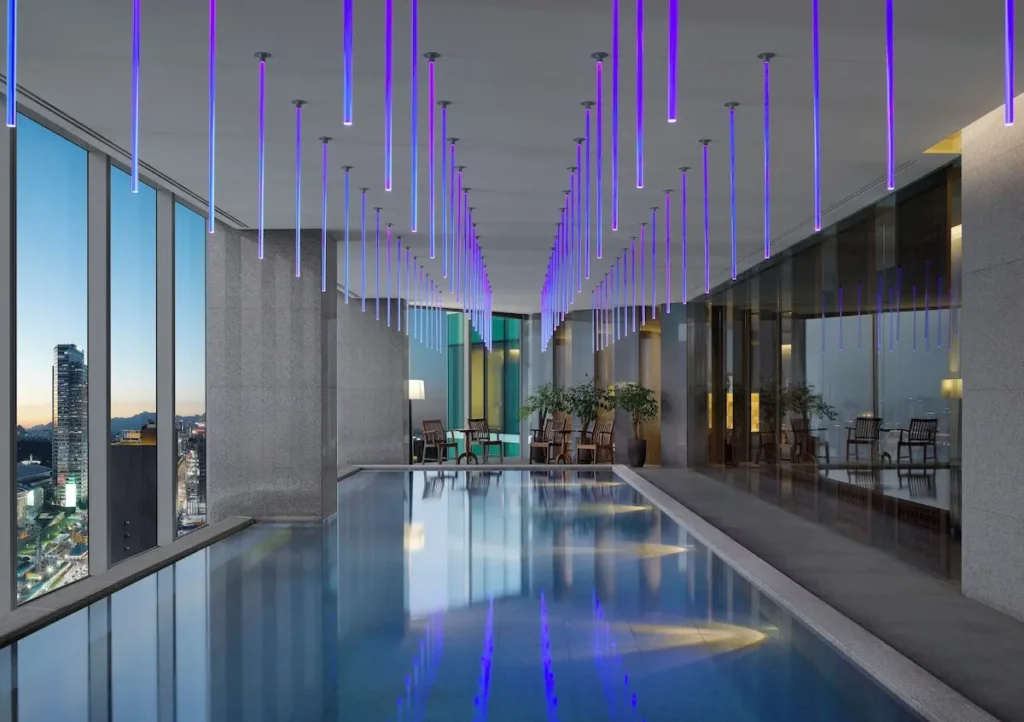
Located in Gangnam, this hotel offers incredible views and luxurious amenities. The rooms have floor-to-ceiling windows overlooking the city, and the bathrooms are stunning with rain showers and deep soaking tubs. The hotel’s restaurant serves excellent Korean cuisine with modern twists.
What makes this hotel stand out is its location in the heart of the Gangnam business district—perfect for business travelers who also want to explore the nightlife. The spa and indoor pool are top-notch.
2. Sotetsu Hotels The Splaisir Seoul Myeongdong
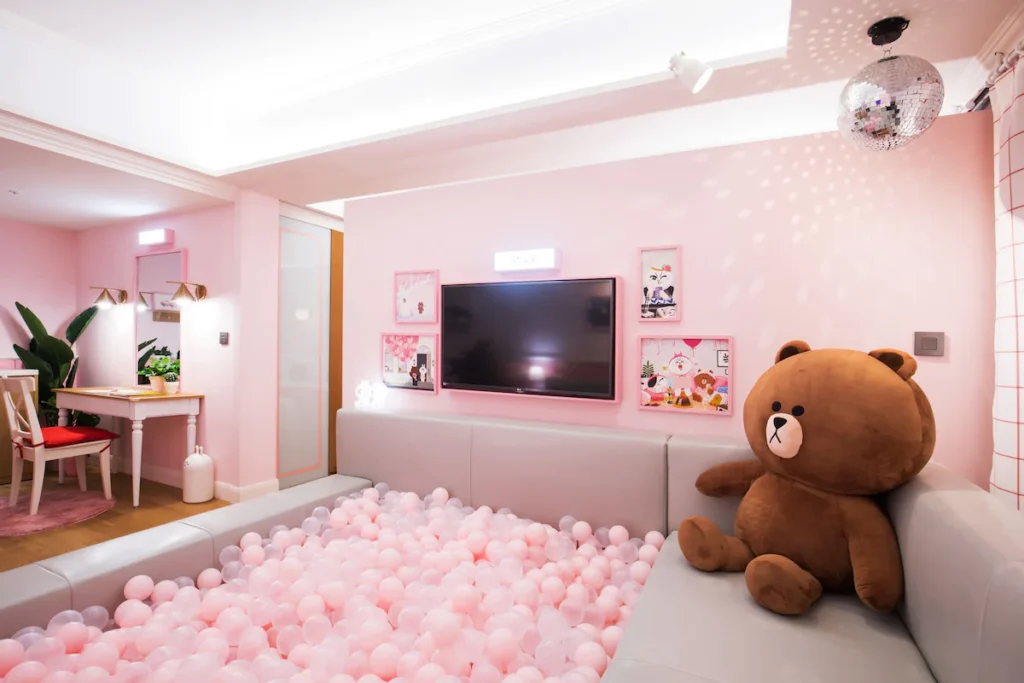
This property combines affordability with an excellent location. The rooms are compact but smartly designed, and the beds are genuinely comfortable. The hotel has a convenience store in the lobby (so clutch for late-night snacks), and the staff speaks fluent English.
It’s especially good for budget-conscious travelers and those who prioritize location over luxury. The rooftop has a simple but nice seating area with city views.
Essential South Korea Travel Tips
Download Naver Papago for translations. The voice translation is surprisingly accurate, and the image translation works like magic on Korean menus and signs. I used this constantly on my trip, and it saved me from many awkward moments.
T-money cards are the easiest way to use public transport. Buy one at any convenience store, load it with credit, and tap on subways and buses. They’re cheap, refillable, and you get a small refund on the card deposit when you leave. This small investment makes navigating Seoul’s incredibly efficient public transit system effortless.
Pack layers. Korea has four distinct seasons, and they can change within one day. Even in summer, evenings can get cool. In winter, temperatures drop below freezing. I always bring a lightweight jacket, a warm sweater, and comfortable walking shoes.
Dress code matters somewhat. Koreans dress well, even for casual outings. You don’t need formal attire, but avoid wearing sloppy clothes to nicer restaurants and temples. Remove your shoes when entering someone’s home and some traditional restaurants. It’s considered polite, and they’ll provide slippers at the door.
What to Pack for South Korea
Here’s a quick packing list for your trip. You’ll be walking a lot on this South Korea itinerary, so keep it simple and practical.
- Portable Wi-Fi egg or local SIM card – You’ll need connectivity for maps, translations, and reservations. Many travelers prefer a Wi-Fi egg rented at Incheon Airport—it works throughout Seoul and connects multiple devices.
- Universal travel adapter with USB ports – Korea uses 220V power with round plugs (Type C and Type F). Without this, you can’t charge anything. Get one with surge protection for peace of mind.
- Power bank – All that photo-taking, map-checking, and translation app usage will drain your phone fast. A portable charger is a lifesaver, especially on full-day excursions like the DMZ tour.
- Reusable water bottle – Korea has water refill stations at most subway stations and parks. Tap water is safe to drink, and staying hydrated is crucial during the summer months.
- Small daypack or crossbody bag – Leave the bulky backpack at your hotel. A lightweight bag is perfect for carrying essentials while exploring the city hands-free.
- Compact travel umbrella – Seoul’s weather can be unpredictable, especially during the summer monsoon season (June to August). A small umbrella fits easily in your daypack and saves you from sudden downpours.
Three days in South Korea are just enough to leave you wanting more. This South Korea itinerary gives you the perfect balance of history, culture, food, and modern vibrancy. You’ll walk through centuries-old palaces and dance through neon-lit streets within hours of each other. You’ll taste food that’s been perfected over generations and experience a country that’s constantly reinventing itself.
What makes South Korea so special isn’t just the sights—it’s the warmth of the people, the surprising kindness you’ll encounter in a busy city, and the way ancient traditions coexist seamlessly with cutting-edge technology.
The morning when a grandmother gently adjusts your hanbok because you didn’t tie the sash properly, the taxi driver who refuses to take your money because you’ve had a long day—these small moments will stay with you longer than any landmark.
Don’t Miss Out
If you can extend your trip to five days, consider adding a day trip to Busan or Jeju Island—they’re absolutely worth exploring. But even with just three days, you’ll walk away with memories, photos, and probably a serious Korean food addiction.
Don’t forget to try that convenience store ramyeon at midnight when jet lag hits. Eat the street food even if you don’t know what it is. Stay up late for norebang. Take the wrong subway and discover a new neighborhood. Embrace the chaos of Myeongdong. Watch the city wake up from Namsan Tower. South Korea is made for discovering, so permit yourself to get lost.
Happy travels, and eat something delicious for me!