- This article contains affiliate links. I may receive a commission if you purchase from them, at no extra cost to you.
There’s a moment that happens on every trip to Japan. You’re wandering through a narrow alley in Kyoto, or standing in the overwhelming brightness of a Tokyo department store, and you realize: I want to take this home with me. Not just the memory—the thing. The perfectly imperfect ceramic bowl. The pen that glides across paper like water. The snack that tastes like a specific season in a specific prefecture.
After more trips to Japan than I can count, I’ve learned that the best souvenirs to get in Japan aren’t the ones you find in the airport duty-free shop. They’re the ones tucked away in basement stationery stores, centuries-old craft workshops, and basement floors of department stores that feel like secret gardens. They’re the things that tell a story—about where you’ve been, what you’ve seen, and the culture you’ve fallen in love with.
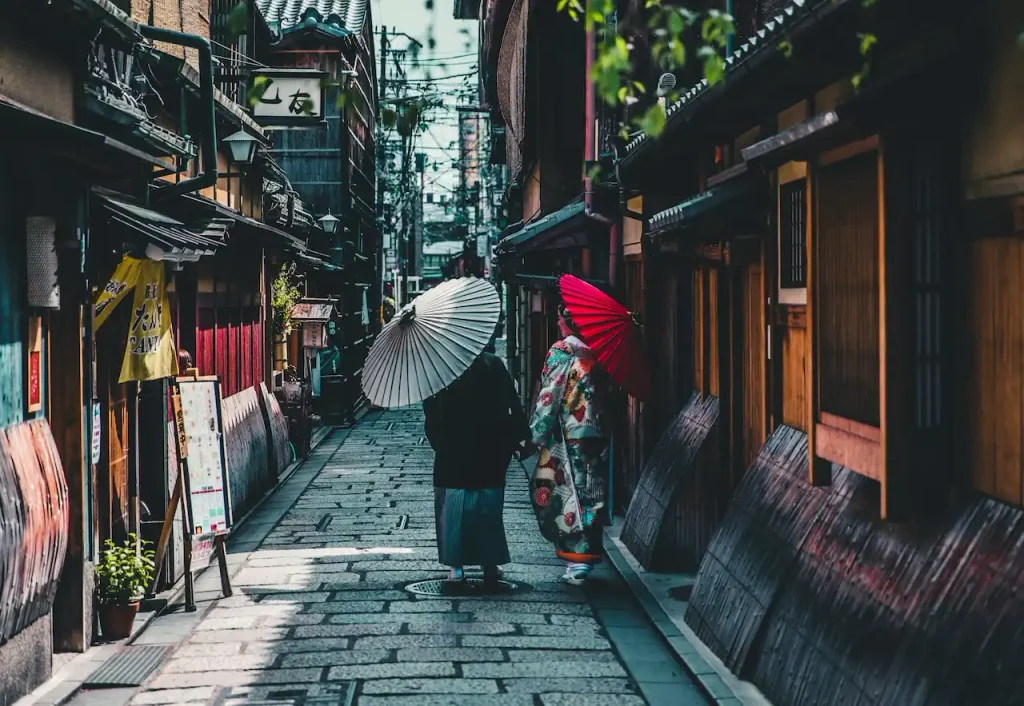
This isn’t a list of generic magnets or keychains. This is a curated guide to the unique Japanese gifts that will make your friends back home green with envy, and that you’ll treasure for years to come. Let’s dive into the 15 best souvenirs to get in Japan—the impossible ones (or wildly expensive) to find anywhere else.
Table of contents ⇅
1. Handcrafted Chopsticks (Washoku)
There are chopsticks, and then there are Japanese chopsticks. The difference is everything. In Japan, chopsticks are not just utensils—they’re personal objects. They’re made from natural materials like bamboo, cedar, or cherry wood, and they’re often lacquered with stunning patterns or inlaid with mother-of-pearl.
Some are even hand-painted with gold leaf. You can find them in every price range, from simple beginner pairs to museum-quality works of art that cost hundreds of dollars.
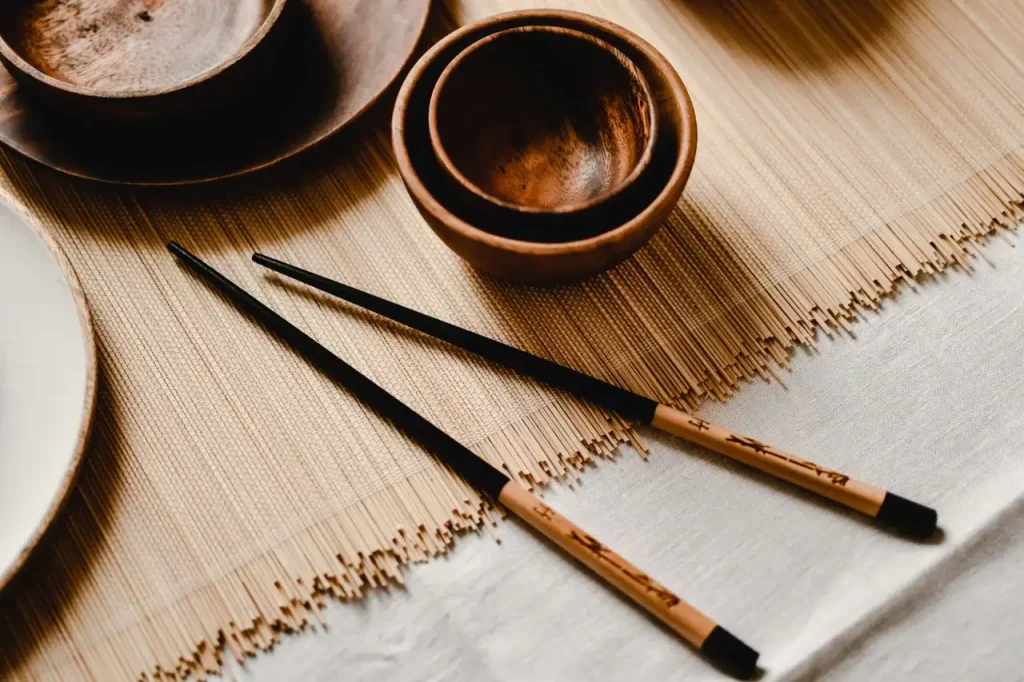

What makes Japanese chopsticks truly special is the craftsmanship. They’re designed to be lighter and more tapered at the end than Chinese or Korean chopsticks, making them perfect for picking up delicate pieces of sushi or sashimi.
Many are also coated with a natural lacquer that gives them a silky smoothness and a subtle sheen that improves with age.
The best place to buy them is in Kyoto, where you’ll find stores that have been making chopsticks by hand for centuries. Some shops even let you engrave your name on the pair, making them a truly personal souvenir.
Why They’re a Masterpiece:
- Each pair is a functional art piece, often handcrafted and finished with multiple layers of natural lacquer.
- They’re highly region-specific—Kyoto is known for its elegant gold-leaf designs, while Niigata produces rustic, wood-grain styles.
- You can find pairs designed for specific foods: thick ones for ramen, thin ones for sushi, and even training chopsticks for children.
Best Places to Find Them:
- Nishiki Market in Kyoto offers an incredible selection of chopsticks at various price points.
- Tokyu Hands and Loft in Tokyo have extensive, curated collections, including modern designer collaborations.
- For the absolute best craftsmanship, visit a specialized chopstick shop like Hyakusuke in Kyoto—they have over 300 styles in store.
The Authentic Aesthetic: The real magic of owning a pair of Japanese chopsticks is the ritual. You’ll find yourself picking them up, feeling the weight, and appreciating the precision of the wood grain. They make even a simple meal feel ceremonial.
What Makes It Special: You can’t find this level of craftsmanship anywhere else. The chopsticks sold abroad are often mass-produced and lack the delicate balance and tactile pleasure of a handcrafted pair.
This is a true authentic Japanese souvenir that will remind you of Japan every time you use it.
Would you buy?
2. Kyoto-Style Folding Hand Fans (Sensu)
There’s something undeniably elegant about a Japanese hand fan. In Kyoto, where tradition runs deep, these are not just souvenirs—they’re practical art. The folding fan, or sensu, was invented in Japan over a thousand years ago, and Kyoto remains the heart of its production.



Fans in Kyoto are often made with delicate washi paper and decorated with designs that reflect the seasons: cherry blossoms in spring, maple leaves in autumn. Some are even hand-painted with gold and silver leaf.
They’re also incredibly practical—whether you’re cooling yourself down on a humid summer day or using one as a subtle prop in a tea ceremony, they feel like a piece of history in your hands.
What I love most about buying a fan in Kyoto is the precision. The bamboo ribs are hand-carved and the paper is stretched taut. In shops like Ikeda Sensu, you can watch artisans assemble them by hand, and you’ll realize that each fan is a collaboration between craftsmen.
How to Pick the Perfect One:
- Choose a design that resonates with the season or your personal taste—traditional motifs are always a safe and elegant choice.
- Feel the weight and the smoothness of the bamboo ribs; a well-made fan should open and close with a satisfying click.
- Consider the size: smaller fans are perfect for tucking into a bag, while larger ones make dramatic display pieces.
Ideal For Gifting To: Anyone who appreciates fine craftsmanship and wants a piece of Kyoto’s aesthetic soul. They make stunning gifts for art lovers, dancers, or anyone who loves Japanese culture.
The Authentic Aesthetic: A Kyoto fan is more than a fan—it’s a visual poem. When you open it, you’re unfolding a tiny painting that captures the essence of a season or a feeling. It’s a reminder of the Japanese concept of wabi-sabi: finding beauty in imperfection and transience.
Why It’s Worth the Suitcase Space: Fans are lightweight and flat, making them one of the easiest souvenirs to get in Japan to transport safely. Plus, their elegance makes them conversation starters wherever you display them.
Would you buy?
3. Omamori – Temple Amulets from Real Shrines
This is one of the most personal souvenirs to get in Japan. Omamori are small, colorful amulets sold at Shinto shrines and Buddhist temples, each designed to offer protection, good luck, or blessings for specific aspects of life.
You can find them for almost anything: safe travel, academic success, business prosperity, health, love, and even safe delivery for pregnant women.
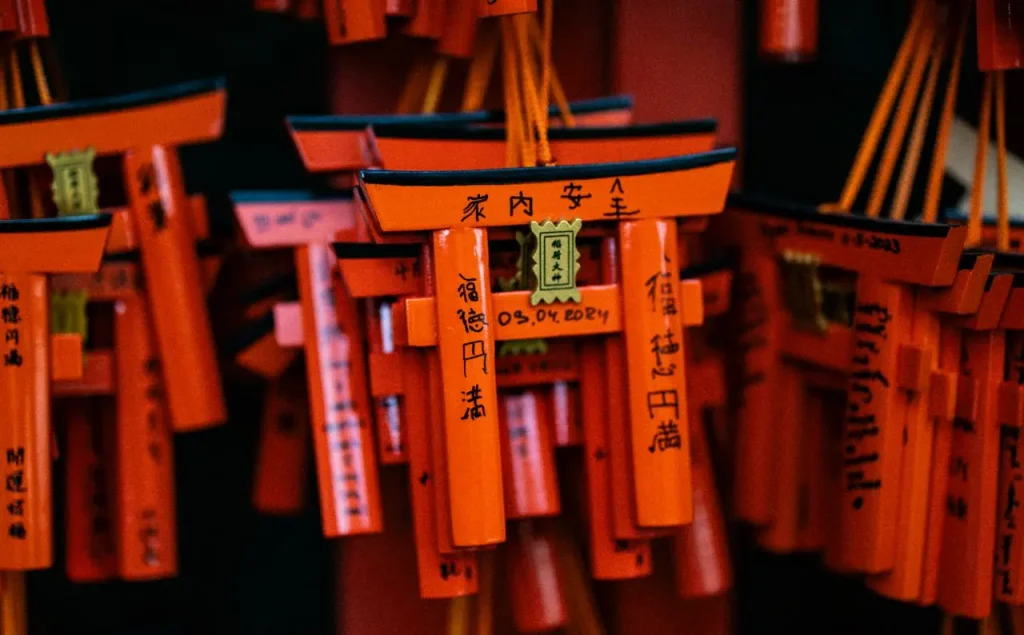

What makes them so special is their authenticity. You’re not buying a mass-produced trinket at a tourist shop—you’re purchasing a blessed item from a sacred place.
Each omamori is a small cloth pouch containing a prayer or a piece of wood with a sacred inscription. The designs vary by shrine, but they typically feature intricate embroidery and vibrant colors that make them beautiful to look at.
The beauty of omamori is that they’re not just souvenirs—they’re talismans. I have a collection of them hanging on my wall, each one a tangible reminder of a specific trip: a red one for health from Fushimi Inari, a gold one for prosperity from Meiji Jingu, a blue one for safety from Senso-ji. They age beautifully, fading and softening as they absorb your prayers.
Why It’s a Lifesaver:
- Each omamori serves a specific purpose—buy one that aligns with your personal needs or the needs of a loved one.
- They’re incredibly lightweight and small, making them perfect for carrying in a wallet or hanging in a car.
- The tradition of replacing them yearly and returning them to the shrine adds a beautiful layer of meaning.
Ideal For: Thoughtful gifts that carry deep meaning. Give one to a friend who’s starting a new job, a family member who’s traveling, or a student who’s about to take exams. They make for incredibly personal and heartfelt presents.

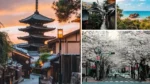

Best Places to Find Them:
- Fushimi Inari Taisha in Kyoto—known for its vibrant red omamori.
- Senso-ji in Tokyo—has a wide variety in a bustling temple setting.
- Meiji Jingu in Tokyo—offers elegant, sophisticated designs.
Would you buy?
4. Premium Gel Pens
If you’ve ever written with a Japanese gel pen, you know there’s no going back. The ink flows like silk, the colors are incredibly vibrant, and the variety is dizzying. Brands like Uni-ball Signo, Zebra Sarasa, and Pilot Juice are legendary, and Japan is the only place to find their full range of limited-edition colors and special releases.


My obsession started with a single pen from a Loft store in Tokyo. It was a pale lavender gel pen with a metallic finish.
I wrote with it once, and I was hooked. Now, I can’t leave Japan without a handful of new colors—some inspired by seasonal flowers, others featuring collaborations with Japanese artists. They’re not just writing instruments; they’re tiny pieces of art that make everyday tasks feel special.
Best Places to Buy:
- Loft (Shibuya, Ginza)—a stationery lover’s paradise.
- Tokyu Hands—for the widest variety of high-end pens.
- Itoya (Ginza)—a legendary stationery store with an entire floor dedicated to pens.
Why It’s a Hidden Gem: These pens are incredibly affordable, making them one of the best-value souvenirs to get in Japan. They also make for excellent gifts—everyone appreciates a pen that writes beautifully. Pair them with a Japanese notebook for the ultimate stationery haul.
What Makes It Special: The ink is archival-quality and fade-resistant, making it ideal for journaling or creating keepsake letters. The range of colors is staggering—think neon shades, soft pastels, and rich jewel tones.
The Creative Vibe: There’s something inherently inspiring about using a beautiful pen. It makes you want to write, sketch, and create. A Japanese stationery haul is more than a collection of supplies—it’s a toolkit for creativity.
Would you buy?
5. Midori Notebooks – Japanese Paper Perfection
If you know paper, you know Midori. These notebooks are legendary among journalers, artists, and writers for their incredible paper quality. The paper is smooth, fountain pen-friendly, and bleed-proof—a rare combination that makes writing a pure joy.


The MD (Midori Diary) series is particularly famous, with its minimalist cream-colored covers and sewn bindings that lie completely flat when open. They’re the kind of notebooks that make you want to write something every day. I have a stack of them from various trips, each one filled with memories, sketches, and notes from my travels.
Where to Buy:
- Loft and Tokyu Hands offer the widest selection.
- Itoya in Ginza has a dedicated Midori section.
- You can also find them in many independent stationery stores in Kyoto and Tokyo.
Why It’s a Traveler’s Best Friend: Midori notebooks are lightweight and durable, making them ideal for travel journaling. They also have a timeless, elegant aesthetic that looks beautiful on any bookshelf.
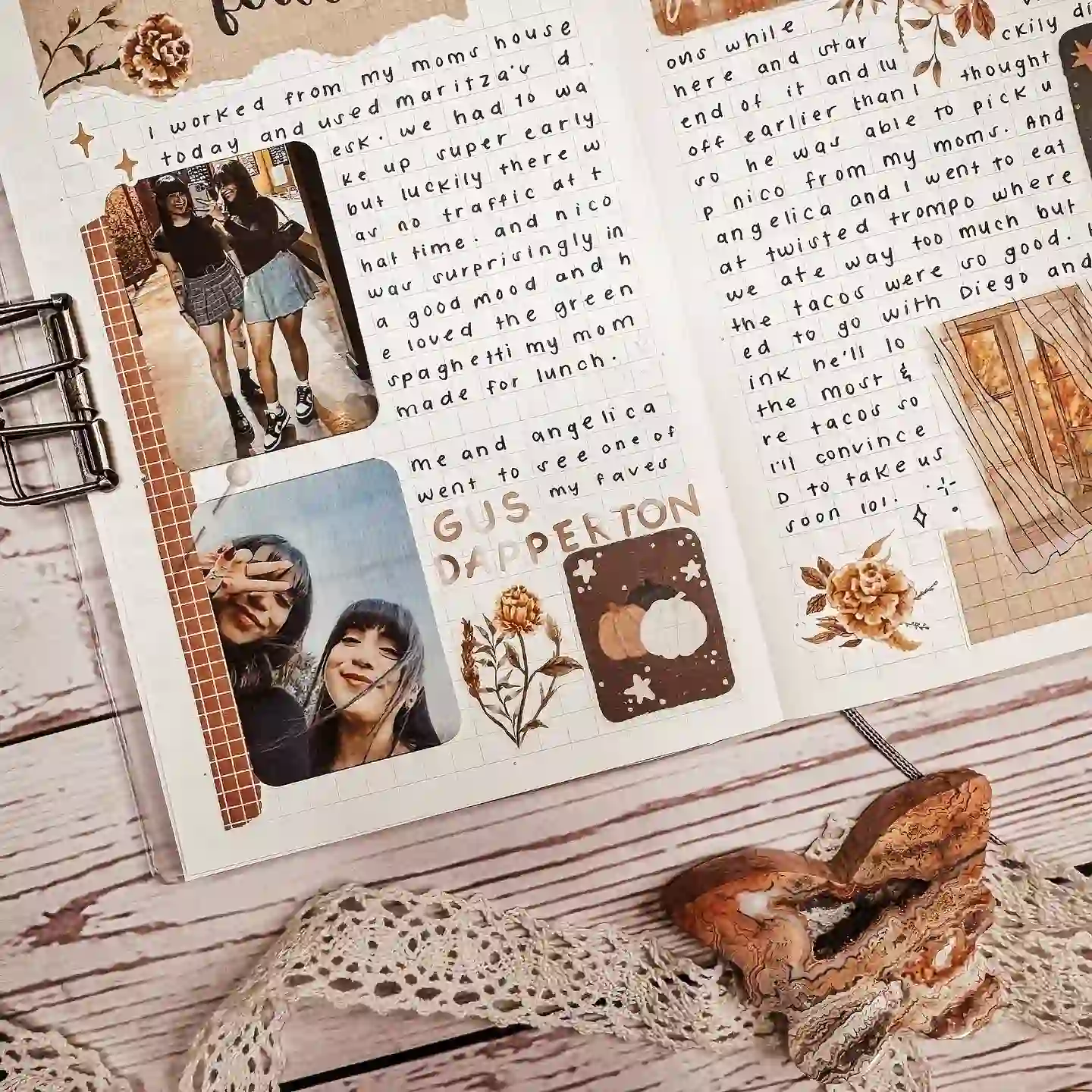
What Makes It Special: The paper is made from a blend of wood pulp and cotton, giving it a unique texture that’s soft to the touch. It’s designed to age gracefully, with pages yellowing slightly over time, creating a vintage, nostalgic feel.
How to Choose: Midori notebooks come in various sizes and formats, from pocket-sized travel journals to large sketchbooks. Choose one that matches your creative needs.
Would you buy?
6. Exclusive Pokémon Center Merchandise
Walking into a Pokémon Center in Japan is like stepping into a world of pure joy. These stores are packed with exclusive merchandise that you simply cannot find anywhere else in the world.
From regional Pikachu mascots (wearing a kimono, holding a fan, or riding a bullet train) to plushies, stationery, and clothing, it’s a treasure trove of collectibles.
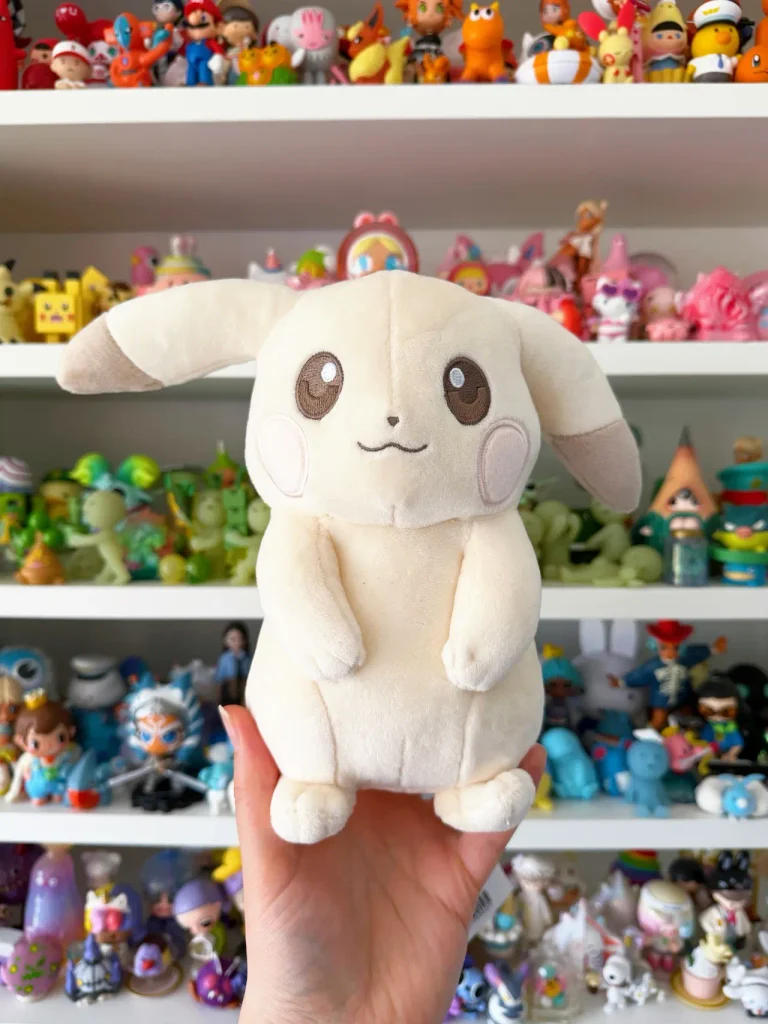


What makes the Pokémon Center truly special is the attention to detail. The exclusive items often celebrate local culture—like a Pikachu wearing a kabuki mask in Kyoto or one holding a bowl of ramen in Sapporo. These are the kinds of souvenirs that become instant conversation starters and cherished collectibles.
Best Places to Buy:
- Pokémon Center Tokyo (DX) in Nihonbashi—the flagship store with the widest selection.
- Pokémon Center Kyoto—features exclusive Kyoto-themed items.
- Pokémon Center Osaka—has unique Osaka-only merchandise.
Why It’s a Must-Have: These are some of the most sought-after souvenirs to get in Japan, especially for pop culture fans. They’re also a great investment if you’re a collector—many exclusive items become highly valuable over time.
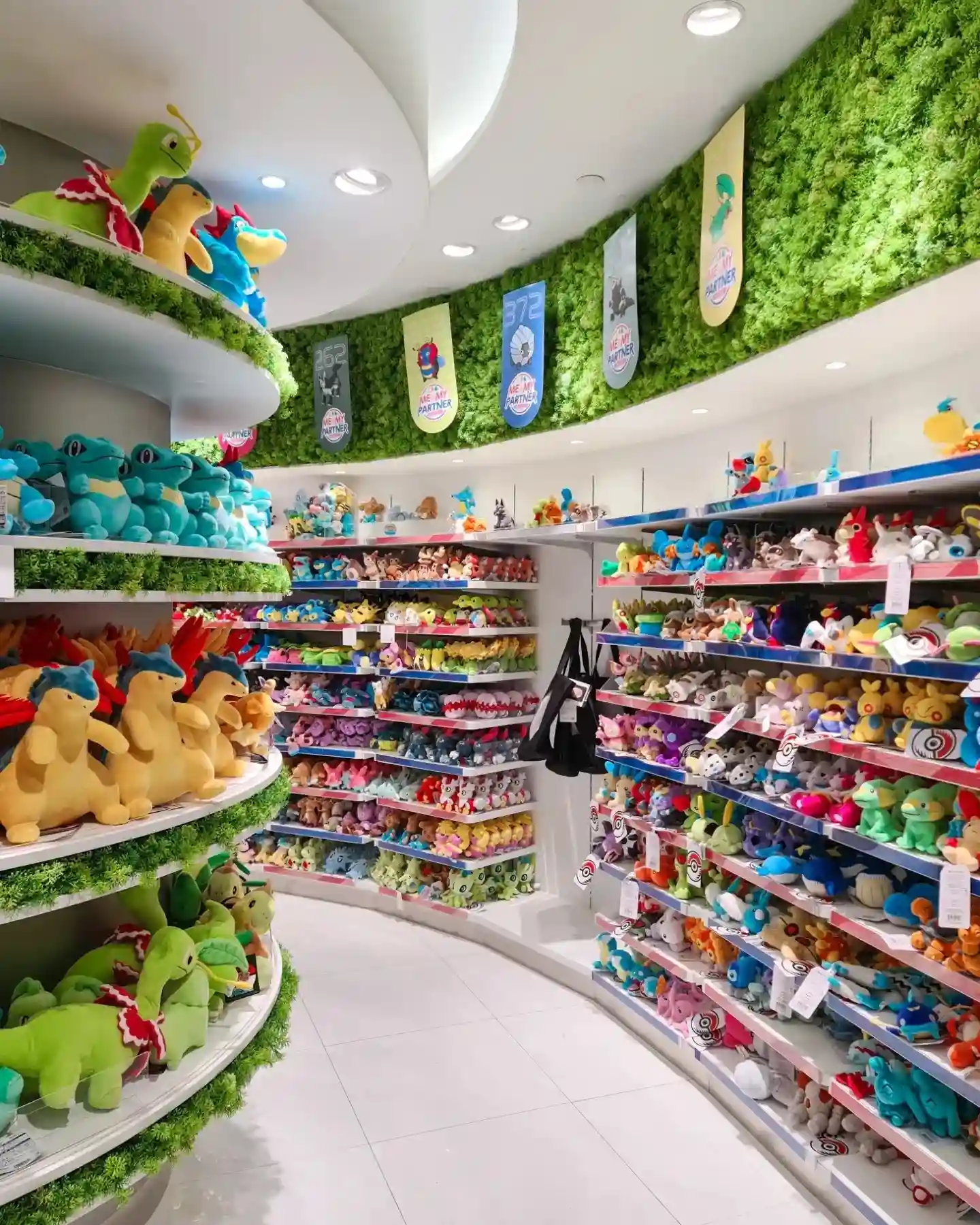
What Makes It Special: The quality of Pokémon Center merchandise is outstanding. Plushies are incredibly soft and well-made, and the accessories are designed with meticulous attention to detail.
Would you buy?
7. Sake in Beautiful Bottles
Japanese sake is more than a drink—it’s a celebration of craftsmanship. And the bottles are often works of art in their own right. From minimalist modern designs to traditional ceramic flasks, sake bottles make stunning souvenirs.
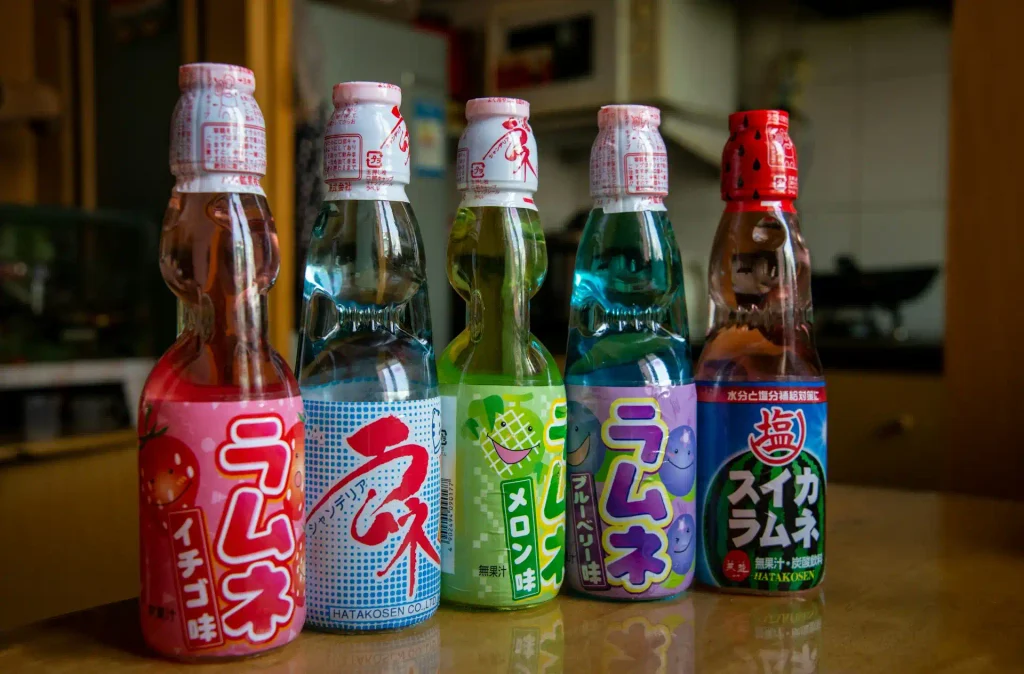
What I love about sake shopping is the variety. You can find bottles that are specific to a region, using local rice and water. Some breweries have been operating for centuries, and you can taste the history in every sip.
The aesthetics of the bottles are also incredibly diverse—some are painted with intricate designs, while others are simple and elegant.
Where to Buy:
- Don Quijote—offers a wide selection at competitive prices.
- Department store basement floors—often have sake sections with knowledgeable staff.
- Specialty sake shops in Kyoto, such as Sakagura, offer tastings and rare bottles.
Why It’s Worth the Suitcase Space: Sake makes a fantastic gift and is a true reflection of Japanese culture. Just be mindful of customs regulations for alcohol.
The Authentic Aesthetic: The bottle itself is often as beautiful as the sake inside. Look for bottles in traditional ceramic flasks (tokkuri) or modern glass designs with minimalist labels.
How to Choose: If you’re unsure, ask for a recommendation based on your taste preferences. Junmai (pure rice) sake is a safe and classic choice.
Would you buy?
8. Regional KitKat Flavors
Japan is famous for its KitKat flavors. And I don’t mean just a few varieties. There are over 300 regional, seasonal, and limited-edition flavors in Japan. Some are based on local specialties, like wasabi from Shizuoka or yuzu from Kochi. Others are inspired by seasonal traditions, like sakura in spring or chestnut in autumn.
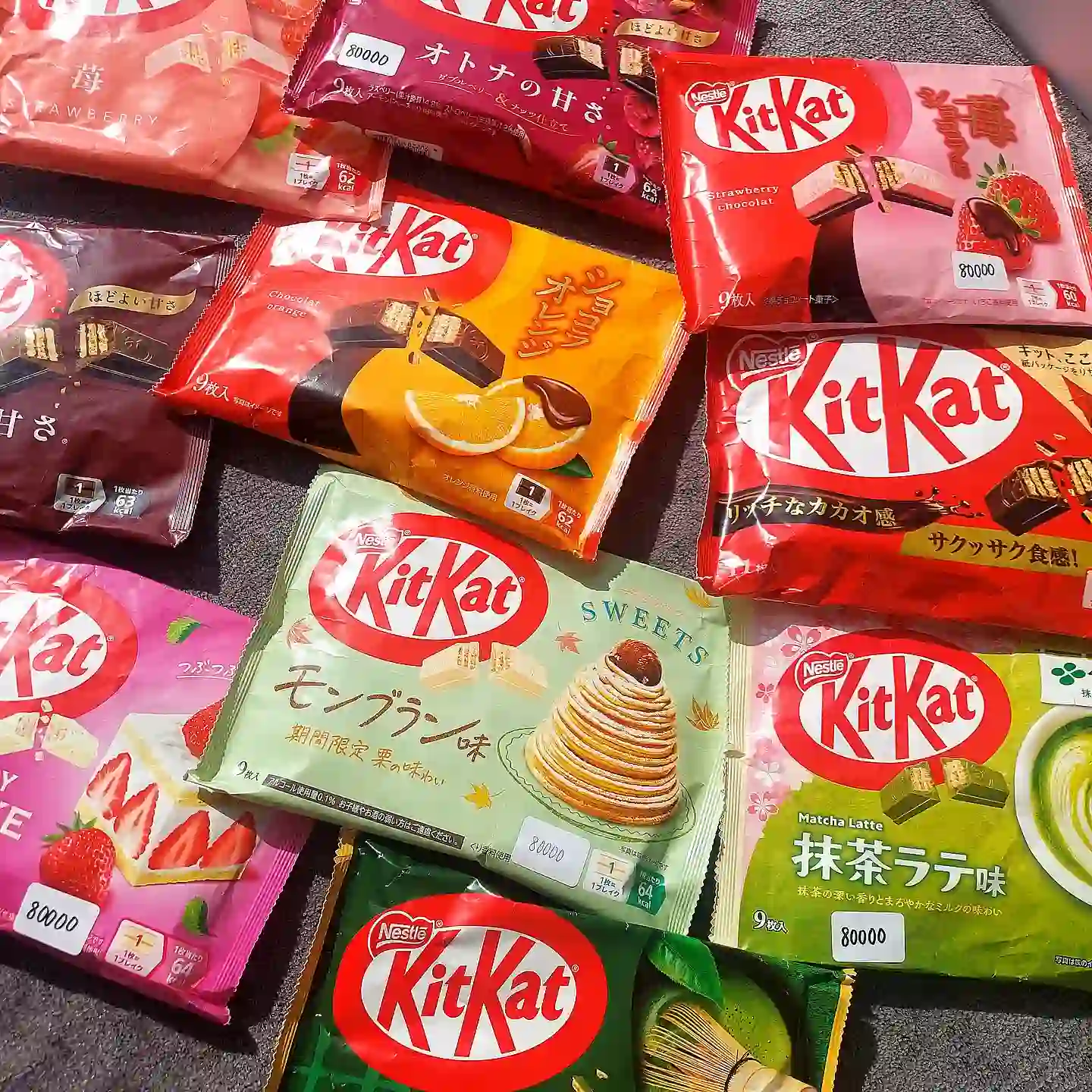


What makes Japanese KitKats so special is the packaging. They often come in beautifully designed boxes that make them perfect for gifting. It’s a unique Japanese gift that combines food with visual artistry. Every time I visit, I hunt for new flavors and share them with friends back home. They’re always amazed by the sheer variety.
Best Places to Find:
- Don Quijote—has a huge selection at tax-free prices.
- Tokyo Station—features regional flavors from all over Japan.
- Omiyage shops—you’ll find them in every major station.
Why It’s a Classic: Japanese KitKats are some of the most famous souvenirs to get in Japan. They’re a fun, affordable, and delicious way to bring a taste of Japan back with you.
The Authentic Aesthetic: The packaging of Japanese KitKats is as satisfying as the chocolate. They’re designed with care, often featuring elegant patterns and regional symbols.
Would you buy?
9. Matcha – Uji’s Finest
If you’re a tea lover, Uji is the holy grail. This small town near Kyoto is the epicenter of matcha production, and the quality is unparalleled. The matcha from Uji is vibrant green, incredibly smooth, and packed with umami flavor.

- JAPANESE CEREMONIAL GRADE MATCHA POWDER: Enjoy barista-tier ceremonial grade matcha with our modern 1.76 oz / 50 g…
- PERFECT FOR COFFEE SWITCHERS & WELLNESS ENTHUSIASTS: If you’re reducing coffee but don’t want to sacrifice focus and…
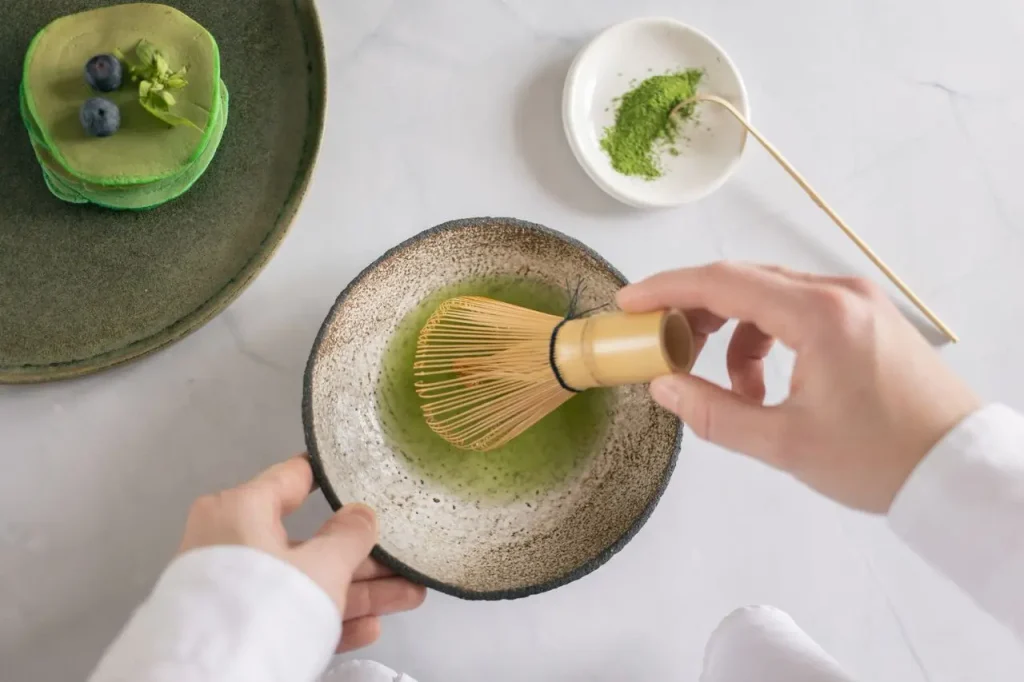
What I love about buying matcha is the ritual. You’re buying a piece of Japanese tea ceremony culture. The best matcha is shade-grown and stone-ground, which gives it that incredible color and depth of flavor. Uji matcha is not just a drink—it’s an experience.
Where to Buy:
- Uji itself—visit local tea shops like Nakamura Tokichi or Tsuen Tea.
- Department stores in Kyoto—often have dedicated tea sections.
- Tokyo—specialty tea stores like Ippodo in Ginza offer high-quality matcha.
Why It’s a Traveler’s Best Friend: Matcha is relatively lightweight and can be stored easily. Plus, it’s a fantastic gift for tea enthusiasts, health-conscious friends, or anyone who loves Japanese culture.
How to Pick the Perfect One: Look for matcha with a bright, vibrant green color. The aroma should be grassy and sweet, with a hint of umami. Avoid matcha that appears dull or yellowish.
Would you buy?
10. Tenugui – The Versatile Japanese Towel
Tenugui are thin, cotton towels that you’ll see used everywhere in Japan: as hand towels, headbands, decorative wraps, or even simple home decor. They’re printed with traditional designs—often seasonal motifs like cherry blossoms or waves—and they have an unmistakably Japanese feel.
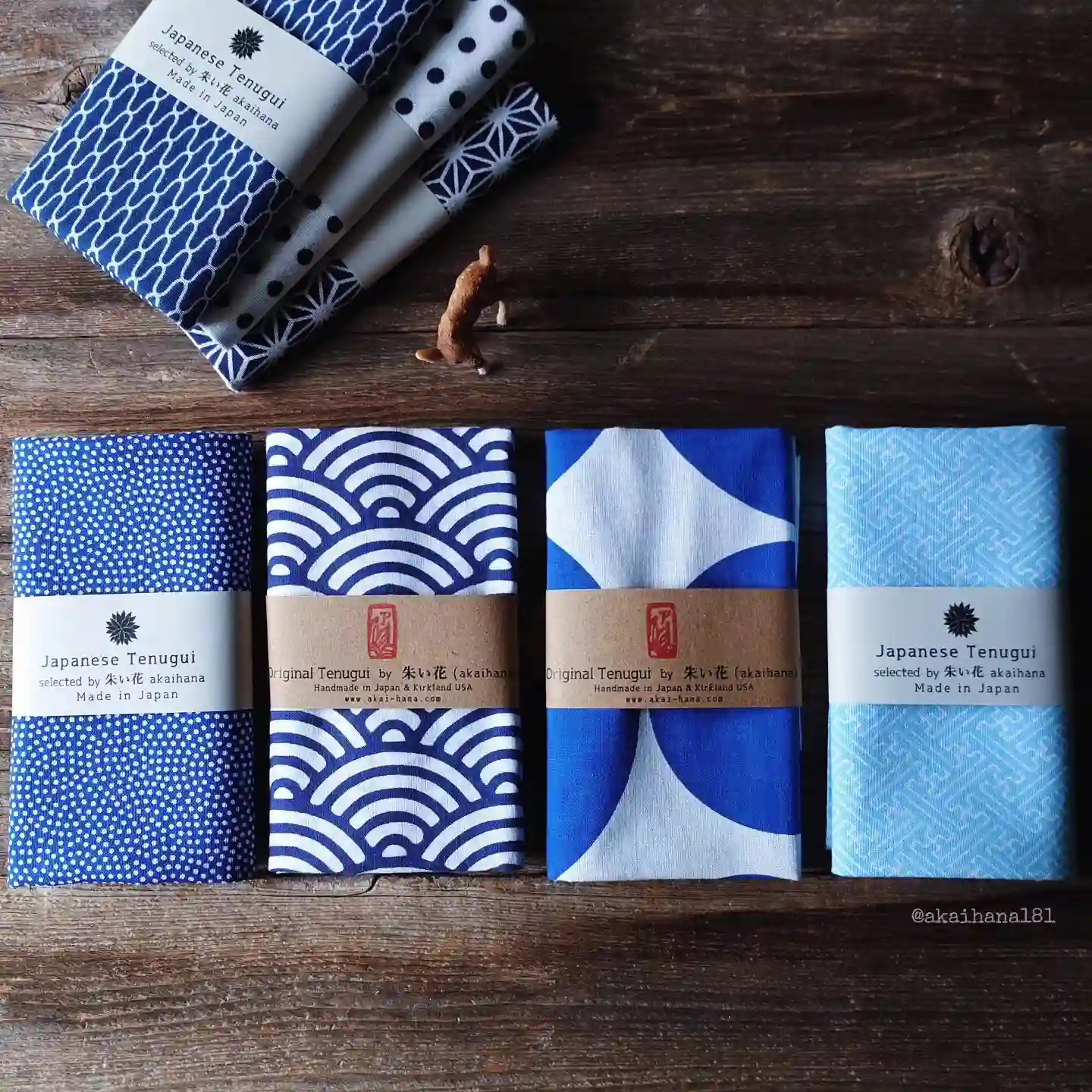

What I love about tenugui is their simplicity. They’re affordable, lightweight, and come in an infinite variety of patterns. They also make excellent gifts, as they’re useful and beautiful. The dyeing process, known as chusen, results in vibrant colors that won’t fade, making them a durable souvenir.
Best Places to Buy:
- Nishiki Market in Kyoto—has a fantastic selection.
- Kamawanu stores—specialize in high-quality tenugui.
- Tokyu Hands—offers a wide range of patterns and styles.
Why It’s a Classic: Tenugui are among the most practical and authentic souvenirs to get in Japan. They’re a snapshot of Japanese everyday life.
📌 Don’t Miss Out

The Authentic Aesthetic: Tenugui often feature designs that tell a story—a scene from a historical tale, a blooming flower, or a wave that seems to move across the fabric. They’re miniature works of art that capture the Japanese spirit.
Would you buy?
11. Japanese Hair & Skincare – Cosme Virals
Japan’s beauty and skincare products are the stuff of legend. The country has a reputation for innovative formulations and high-quality ingredients, and its cosmetics are a constant source of fascination for beauty lovers worldwide.

What makes Japanese skincare so appealing is its focus on gentle, effective ingredients and meticulous testing. Products like SK-II, Shiseido, and Hada Labo are iconic. But the real treasure is often in the drugstore—the “cosme” virals that have become cult favorites in Japan.
Best Places to Buy:
- Matsumoto Kiyoshi—a pharmacy chain with a massive selection of Japanese beauty products.
- Don Quijote—offers a wide range of cosmetics at competitive prices.
- Loft—also has a great beauty section with higher-end brands.
Why It’s a Beauty Essential: Japanese skincare is a must-buy for anyone visiting Japan. It’s often much cheaper than international prices, and you can find exclusive products not available abroad.
The Authentic Aesthetic: The packaging is often minimalist and elegant, reflecting the Japanese appreciation for simplicity.
Would you buy?
12. Gundam Models (Gunpla)
If you’re into mecha or model building, Japan is paradise. Gunpla—Gundam plastic model kits—are a massive part of the culture, and the quality and detail are unmatched.



What makes Gunpla so special is the engineering. These are not simple snap-together toys; they’re highly intricate models with moving parts and incredible detail. The variety is staggering, from classic 1/144 scale kits to highly complex Master Grade (MG) and Perfect Grade (PG) models.
Best Places to Buy:
- Gundam Base in Odaiba—the ultimate destination for Gunpla enthusiasts.
- Yodobashi Camera—has a large Gunpla section.
- Mandarake—offers rare and used kits at great prices.
Why It’s a Collector’s Dream: Gunpla kits are some of the most detailed and satisfying souvenirs to get in Japan. They also make for an immersive and rewarding project.
The Authentic Aesthetic: The box art is often as impressive as the model itself, featuring incredible illustrations and dramatic scenes.
Would you buy?
13. Japanese Ceramics – Pottery from Famous Kilns
Japanese ceramics are a testament to centuries of tradition and exceptional craftsmanship. From the rustic, earthy beauty of Shigaraki to the refined elegance of Kyoto ware, each region has its own distinct style and technique.
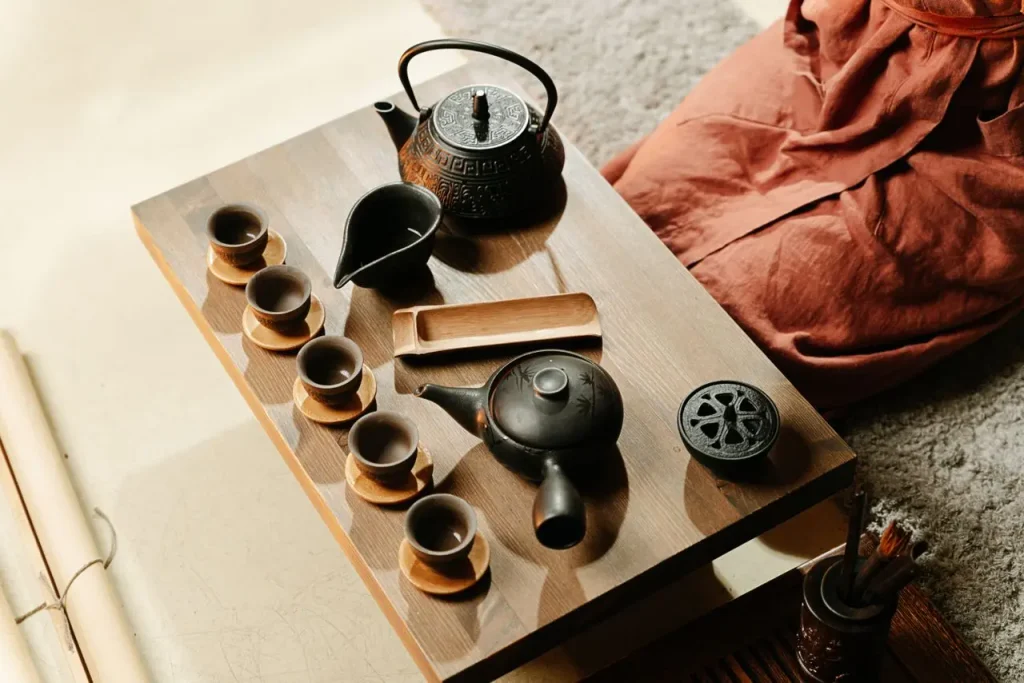

What I love about Japanese pottery is the connection to place. You can hold a piece of history in your hands—an art form that has been passed down through generations. Whether it’s a simple teacup, a delicate sake set, or a striking vase, the beauty lies in the imperfections, the variations in the glaze, and the stories of the hands that shaped it.
Best Places to Buy:
- Kyoto—artisan districts like Gojo-zaka are famous for pottery.
- Department stores—often have excellent selections of pottery.
- Nishiki Market—offers a variety of affordable ceramics.
Why It’s a Masterpiece: Japanese ceramics are a true reflection of the culture’s deep respect for craftsmanship. They’re also a practical souvenir—they can be used and appreciated every day.
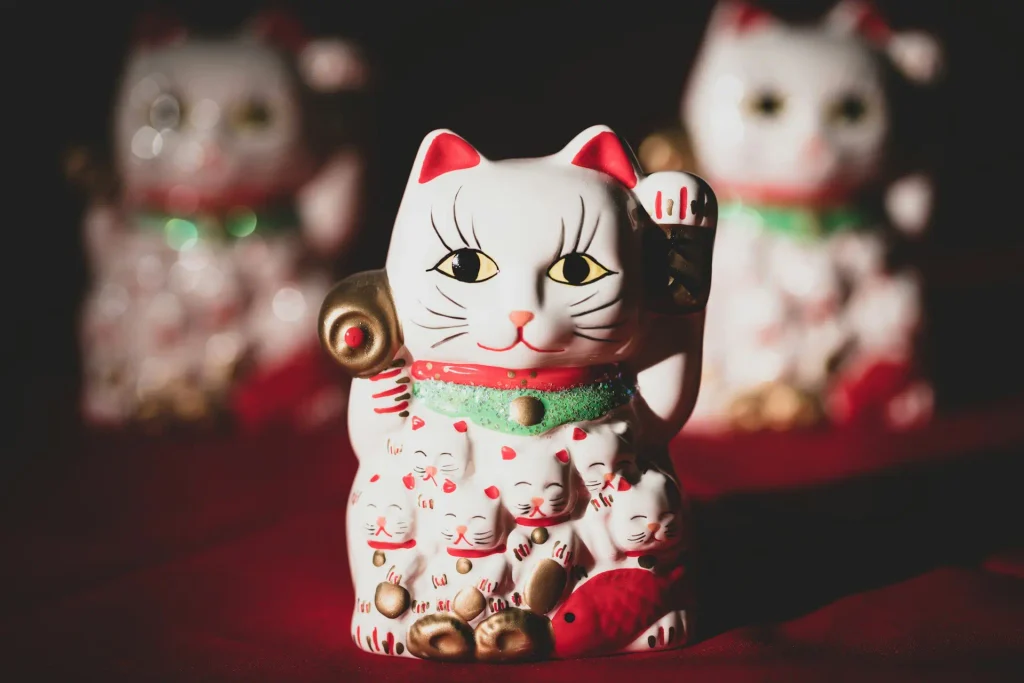
The Authentic Aesthetic: Japanese ceramics often reflect the concept of wabi-sabi, embracing imperfection and natural materials.
Would you buy?
14. Hand-dyed Indigo Fabrics
Indigo dyeing, or aizome, is a centuries-old tradition in Japan, particularly strong in regions like Tokushima and Kyoto. The deep blue hue is so iconic that it’s considered a fundamental color of Japanese culture.
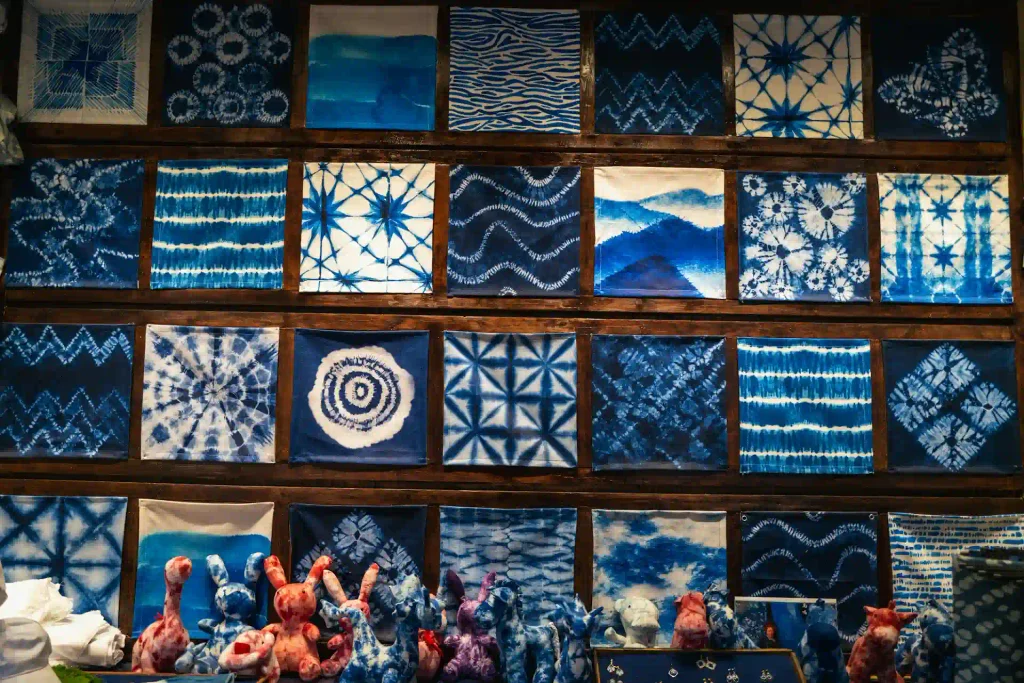
What makes indigo fabrics special is the process. The dye is made from the fermented leaves of the indigo plant, and the resulting color is incredibly rich and complex. It also has practical benefits—it’s naturally antibacterial and UV-resistant, and the color deepens and becomes even more beautiful with age.
Best Places to Buy:
- Kyoto—specialty stores in the Gion district.
- Tokushima—the heart of indigo production.
- Shops on the Nakasendo—offer beautiful indigo pieces.
Why It’s a Masterpiece: Indigo fabrics are not just textiles—they’re pieces of living history. They’re perfect for framing, for making into unique bags or clothing, or for adding a touch of Japanese elegance to your home.
The Authentic Aesthetic: The deep blue of Japanese indigo is iconic. It’s a color that feels both timeless and deeply modern.
Would you buy?
15. Miso from Kyoto’s Fermentation Masters
Miso is the soul of Japanese cuisine. And nowhere is it more revered than in Kyoto, where traditional fermentation methods have been perfected over centuries. The miso here is often aged for years, developing a rich umami flavor that you simply cannot find in mass-produced miso.
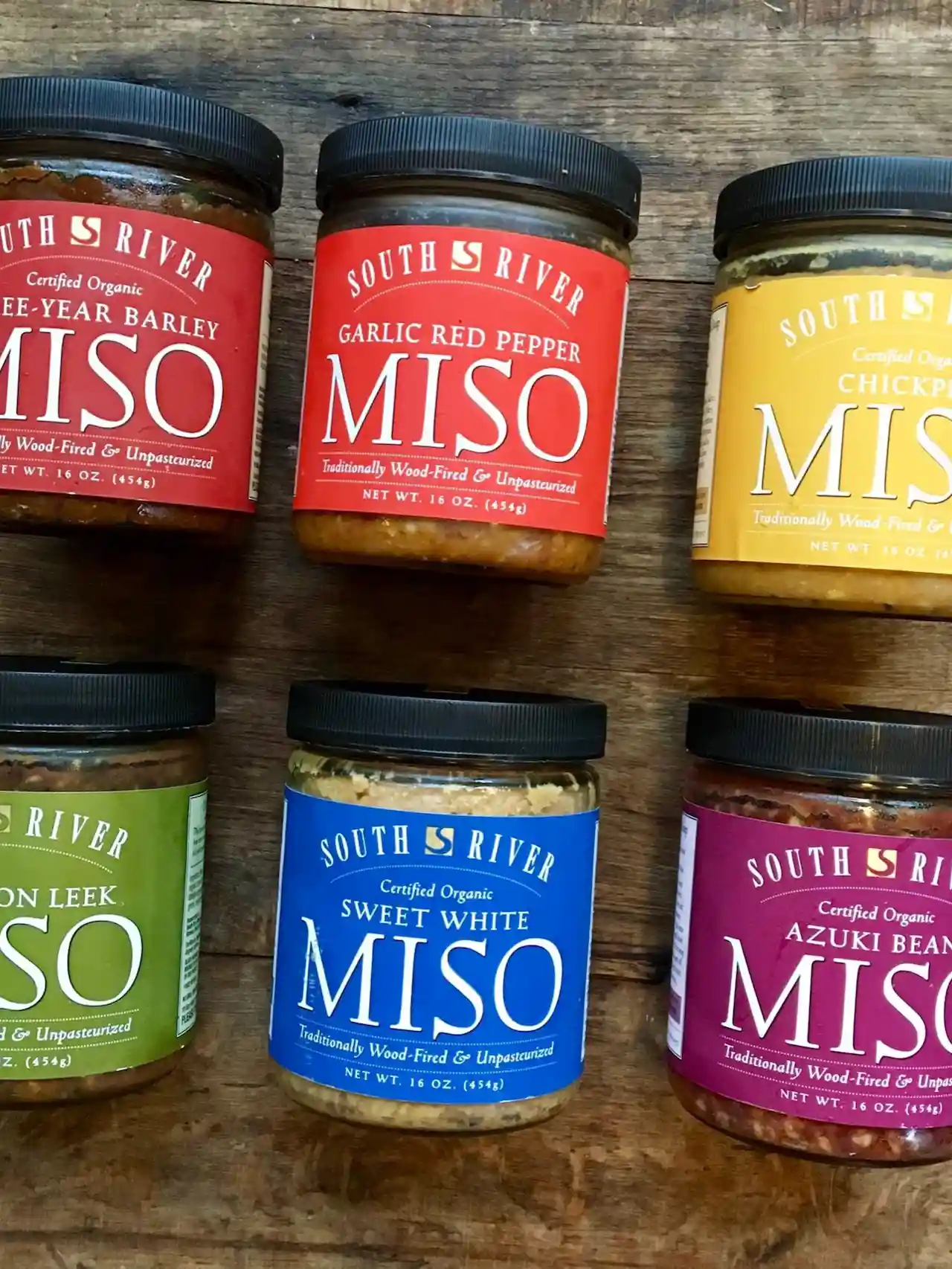
What makes Kyoto miso unique is the balance of flavors. It’s often sweeter and more mellow than miso from other regions, making it incredibly versatile. It can be used in soups, marinades, or simply enjoyed as a dip.
Where to Buy:
- Nishiki Market—has a number of dedicated miso shops where you can taste before you buy.
- Department store food halls—offer a range of premium miso.
- Local specialty stores in the Gion district.
📌 Don’t Miss Out
Why It’s a Culinary Treasure: Kyoto miso is the perfect way to bring a taste of Japanese home cooking back with you. It’s a gift that gives joy every time someone uses it.
The Authentic Aesthetic: The deep, earthy aroma of Kyoto miso is unmistakable. It’s a true taste of the city’s culinary heritage.
Would you buy?
Tax-Free Shopping Tips & Packing Wisdom
Before you rush off to buy everything, let me share a few survival tips:
- Keep Your Passport Handy: You can get tax-free shopping on purchases over ¥5,500 at participating stores. Don’t leave your hotel without your passport—it’s required for the process.
- Know Your Store: Stores like Don Quijote, Loft, and Tokyu Hands have dedicated tax-free counters. Keep your items in the sealed bags they provide, and don’t open them until you’re out of Japan.
- Check the Weight: Those ceramics and KitKats can add up quickly. A luggage weight scale is essential to avoid overweight bag fees at the airport.
- Pack Your Souvenirs Carefully: Bubble wrap is your best friend. A bubble wrap roll will protect your ceramics, and packing cubes help keep everything organized.
The Art of Bringing Japan Home
The best souvenirs to get in Japan are the ones that tell a story. They capture a moment, a place, a feeling. Whether it’s the smoothness of a handcrafted pen, the weight of a ceramic bowl, or the nostalgia of a regional KitKat, each item carries a piece of Japan with it.
I always tell people that the most important souvenir you can bring back is the one that makes you smile when you see it. It’s the one that reminds you of that quiet afternoon in a Kyoto temple, the explosion of colors in a Tokyo market, or the warmth of a stranger’s smile.
So, what will you bring home?