- This article contains affiliate links. I may receive a commission if you purchase from them, at no extra cost to you.
I still remember the first time I landed in Lisbon. The warm Atlantic breeze hit my face as I stepped off the plane, and I immediately knew this was different from any European city I’d visited before. Portugal has this incredible ability to feel both deeply familiar and utterly surprising at the same time.
The golden light that bathes the hills of Lisbon, the melancholic sound of fado echoing through narrow alleys, the taste of freshly grilled sardines by the ocean—it all comes together to create something truly magical.
Over the years, I’ve returned to Portugal more times than I can count. Each visit reveals another layer, another hidden gem, another reason to fall in love with this country all over again. This Portugal itinerary represents everything I’ve learned across my travels—the perfect balance of iconic sights and off-the-beaten-path discoveries, of city energy and coastal serenity.
Ten days is the sweet spot for experiencing Portugal’s highlights without feeling rushed. You’ll explore the vibrant streets of Lisbon, venture into the fairy-tale palaces of Sintra, cruise through the wine-soaked Douro Valley, and discover the dramatic cliffs of the Algarve coast. Let me show you exactly how to do it right.
Table of contents ⇅
Why This 10-Day Portugal Itinerary Works
Portugal is a relatively small country, but it packs an astonishing amount of variety into its compact territory. This Portugal itinerary is designed to minimize travel time while maximizing experiences. I’ve grouped destinations geographically, so you’re not crisscrossing the country inefficiently.
You’ll start in Lisbon, spending four days exploring the capital and its surrounding wonders. Then you’ll head north to Porto for three days of wine, riverside charm, and Douro Valley splendor. Finally, you’ll venture south to the Algarve for three days of coastal beauty before departing from Faro.
What makes this Portugal itinerary special is the balance. You’ll experience the cultural richness of the cities, the natural beauty of the coast, and the culinary treasures that make Portuguese cuisine so beloved.
You’ll ride vintage trams through Lisbon’s hills, sail through the Douro Valley’s terraced vineyards, and watch the sunset over the Atlantic from some of Europe’s most dramatic cliffs.
Day 1: Arrival in Lisbon & Alfama Exploration
Morning: Arrival at Lisbon Airport
Your Portugal itinerary begins at Humberto Delgado Airport (LIS), Lisbon’s international gateway. The airport is conveniently located just 7 kilometers from the city center, making your transfer quick and painless.
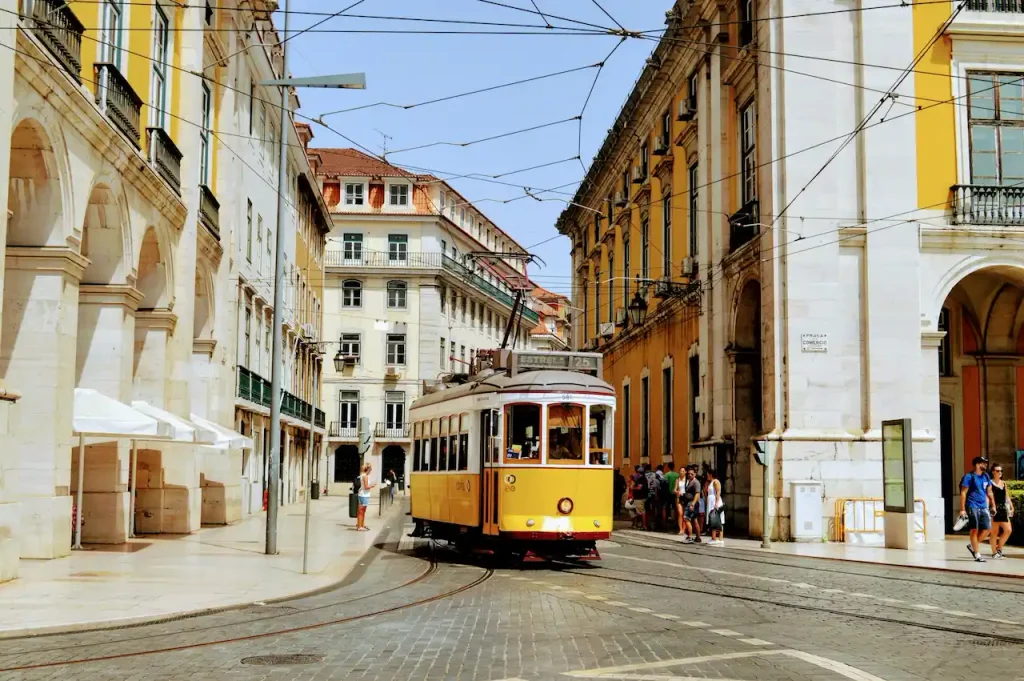
Getting into the city:
- Metro – The red line connects directly to the city center in about 20 minutes. It’s cheap, efficient, and runs frequently.
- Aerobus – The express bus service stops at key points in the city and is comfortable with luggage storage.
- Taxi or Uber – Both are readily available and affordable. The fare to the city center is around €20-25.
Afternoon: Settling In & Exploring Alfama
Once you’ve checked into your hotel, start your Lisbon exploration in the city’s oldest district—Alfama. This maze of narrow streets, steep staircases, and whitewashed buildings is Lisbon’s soul.
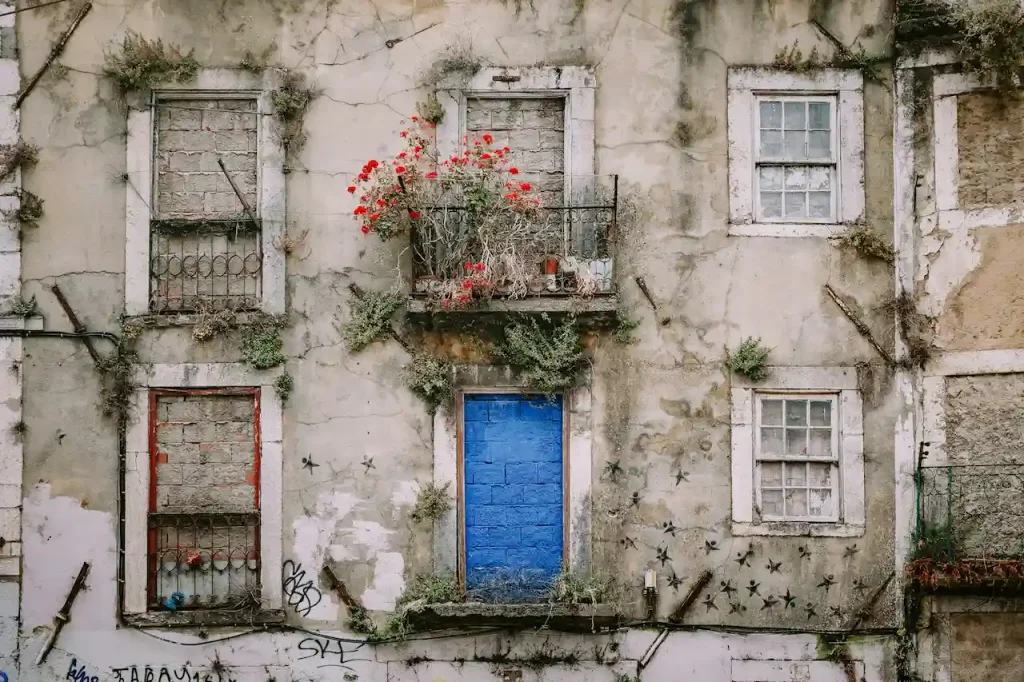
What makes Alfama special:
- It survived the devastating 1755 earthquake nearly intact, preserving its medieval layout
- The streets are lined with traditional azulejo tiles, Fado music venues, and tiny restaurants
- The views from the various miradouros (viewpoints) are spectacular
Start at the Lisbon Cathedral (Sé de Lisboa) – This fortress-like cathedral dates back to 1147 and is one of the city’s most important landmarks. The Romanesque architecture is simple but powerful, and the cloisters are worth exploring.
Walk uphill to the Castelo de São Jorge – The castle’s hilltop location offers panoramic views of the city and the Tagus River. The walk through the castle grounds is beautiful, with peacocks wandering the gardens and the ruins of the royal palace.
Late afternoon: Explore Alfama’s viewpoints:
- Miradouro das Portas do Sol – Stunning views over the Tagus River and the rooftops of Alfama
- Miradouro de Santa Luzia – A beautiful terrace with azulejo tiles and views of the river
Evening: Fado & Portuguese Dinner
No introduction to Lisbon is complete without experiencing Fado, Portugal’s soulful music genre. Fado is a form of Portuguese singing characterized by mournful lyrics about the sea, longing, and saudade (a deep emotional state of nostalgic melancholy).
Dinner recommendation: Clube de Fado – This is one of the best places in Lisbon to experience Fado in an intimate setting. The restaurant serves traditional Portuguese cuisine while musicians perform in the background. The menu includes dishes like bacalhau (salt cod) and pork with clams.
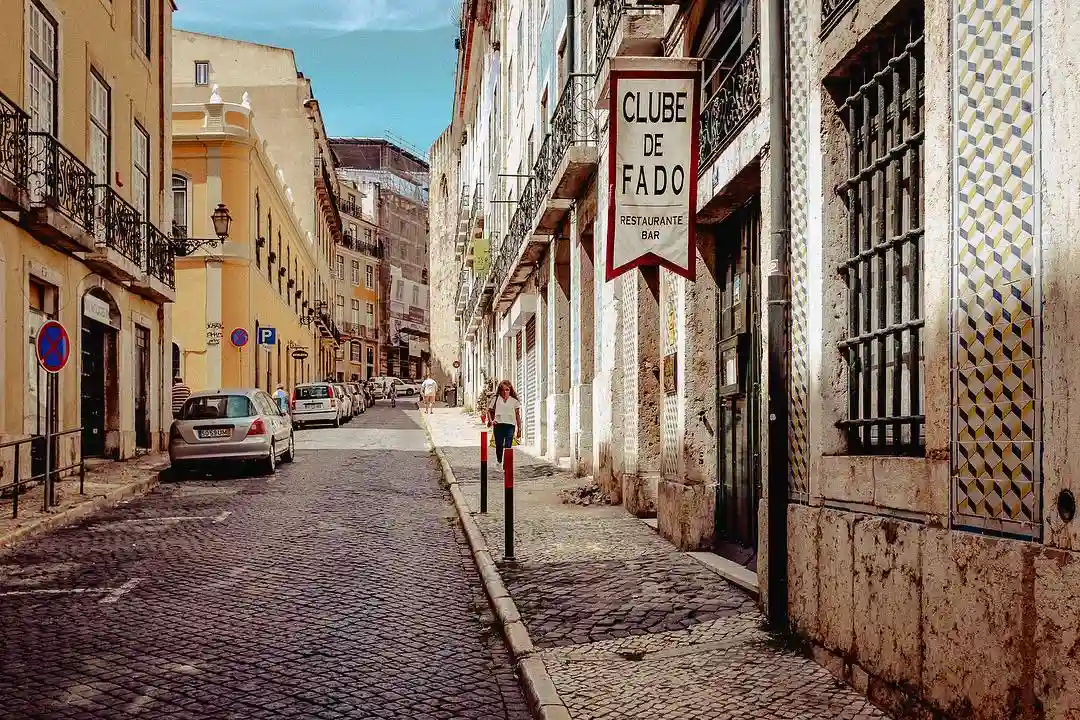
Alternative dining: Solar dos Bicos – Located near the waterfront, this restaurant serves excellent Portuguese cuisine in a beautiful setting. The seafood is fresh, the wine list is extensive, and the atmosphere is elegant but unpretentious.
What to order:
- Bacalhau à Brás – Shredded salt cod with onions, potatoes, and eggs
- Sardinhas assadas – Grilled sardines (seasonal, especially popular in June)
- Pastel de Nata – The famous Portuguese custard tart, best enjoyed with a coffee
Fado performances usually start around 10 PM. It’s a late-night experience, so pace yourself accordingly.




Day 2: Belém & Lisbon’s Maritime Heritage
Morning: Belém – The Heart of Portugal’s Age of Discovery
Take the tram or train to Belém, the neighborhood that celebrates Portugal’s golden age of exploration. This is where Vasco da Gama set sail for India, and Portuguese navigators launched expeditions that would reshape the world.
First stop: Jerónimos Monastery (Mosteiro dos Jerónimos) – This masterpiece of Manueline architecture is a UNESCO World Heritage site and one of Portugal’s most important monuments. The intricate stonework, with motifs of maritime elements, is breathtaking.
What to see:
- The main church, where Vasco da Gama is buried
- The two-story cloisters with their beautiful vaulted ceilings
- The tower and the museum
The monastery gets crowded. Arrive when it opens at 10:00 AM to avoid the queues.
Next: Belém Tower (Torre de Belém) – This iconic fortress on the river’s edge is the symbol of Portugal’s Age of Discovery. Built in 1519, it was designed as both a defensive fortress and a ceremonial gateway to the city.
What to know: The tower is small, and the stairs are narrow, so lines can be long. If you’re short on time, you can admire it from the outside and take photos from the riverbank.
Lunch: Pastéis de Belém
This is the most famous pastry shop in Portugal, possibly in the world. Pastéis de Belém has been making custard tarts since 1837 using a secret recipe that only three people know. The tarts are served warm with a dusting of cinnamon and powdered sugar.

What to order: Pastel de nata (singular) or pastéis de nata (plural) – you’ll want at least two. Pair with a café or a ginjinha (cherry liqueur).
Afternoon: MAAT & the Waterfront
The MAAT (Museum of Art, Architecture and Technology) is Lisbon’s newest cultural attraction, housed in a futuristic building designed by Amanda Levete. The terrace offers spectacular views of the river and the 25 de Abril Bridge.
What to see:
- The exhibitions focus on art and technology, but the building itself is the real star
- The views from the rooftop terrace are unforgettable
- The museum’s restaurant has excellent food with river views
Walk along the riverfront from Belém to Cais do Sodré, passing the Padrão dos Descobrimentos monument and the 25 de Abril Bridge. This is a beautiful walk, especially in late afternoon light.
Evening: Dinner in Belém
Dinner recommendation: Feitoria – This Michelin-starred restaurant offers contemporary Portuguese cuisine in an elegant setting. The tasting menu is spectacular, with dishes that celebrate Portuguese ingredients and traditions.
Alternative dining: O Boteco – A casual restaurant near the monastery serving excellent petiscos (Portuguese tapas). The atmosphere is lively and unpretentious.
Day 3: Sintra – Palaces, Gardens & Coastal Wonders
Today is one of the highlights of your Portugal itinerary—a full-day excursion to Sintra, the fairy-tale town of palaces and castles that’s just a short train ride from Lisbon.
Morning: Train Journey & Pena Palace
Take the train from Lisbon’s Rossio Station to Sintra. The journey takes about 40 minutes and passes through beautiful countryside.
The Pena Palace (Palácio da Pena) – This is the crown jewel of Sintra, a 19th-century Romanticist castle perched on a hilltop with views that seem to stretch to infinity. The palace is a whimsical mix of styles—Moorish, Manueline, Gothic, and Renaissance—and it looks like something straight out of a fairy tale.
What to see:
- The palace’s vibrant colors – yellow, red, and blue – are spectacular
- The interior is lavishly decorated with period furniture and artifacts
- The views from the ramparts are breathtaking, offering views of the Atlantic, the valley, and the Sintra Mountains
The palace opens at 9:30 AM, but I recommend taking the bus up the mountain from the train station rather than walking. The steep climb is strenuous, and you’ll want your energy for exploring.
Late Morning: Quinta da Regaleira
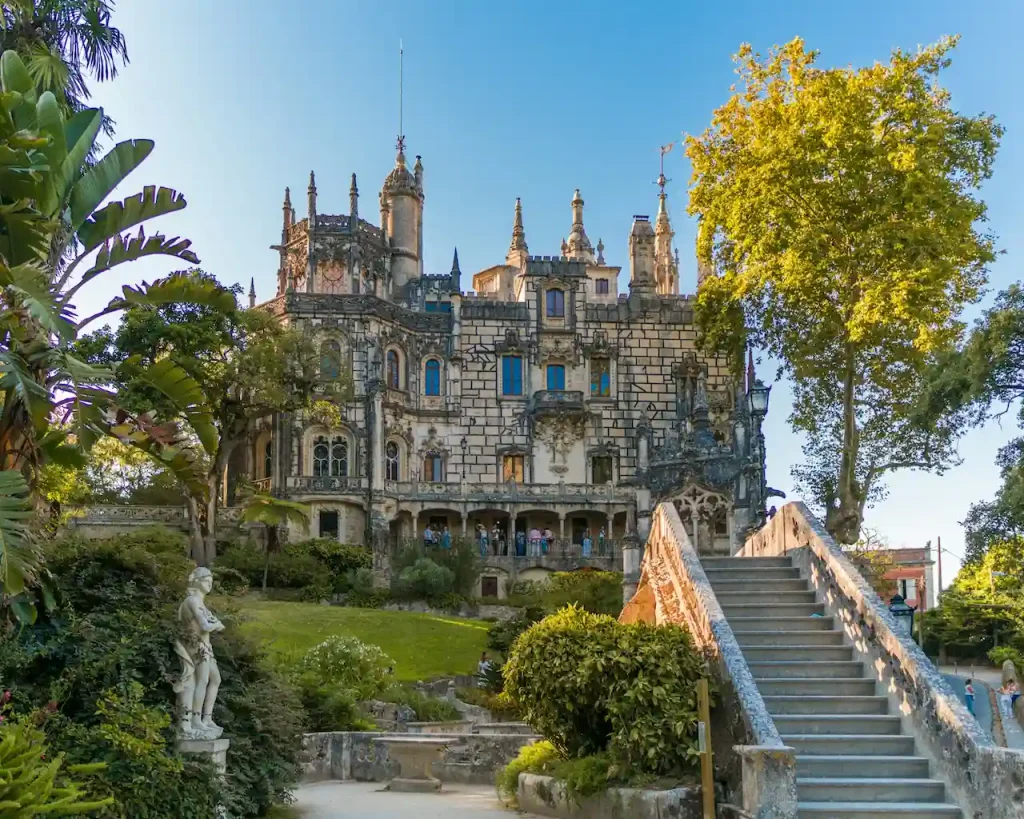
This is one of my favorite places in Portugal—a mysterious estate with a breathtaking garden and underground tunnels and wells that feel like they belong in a fantasy novel.
What makes Quinta da Regaleira special:
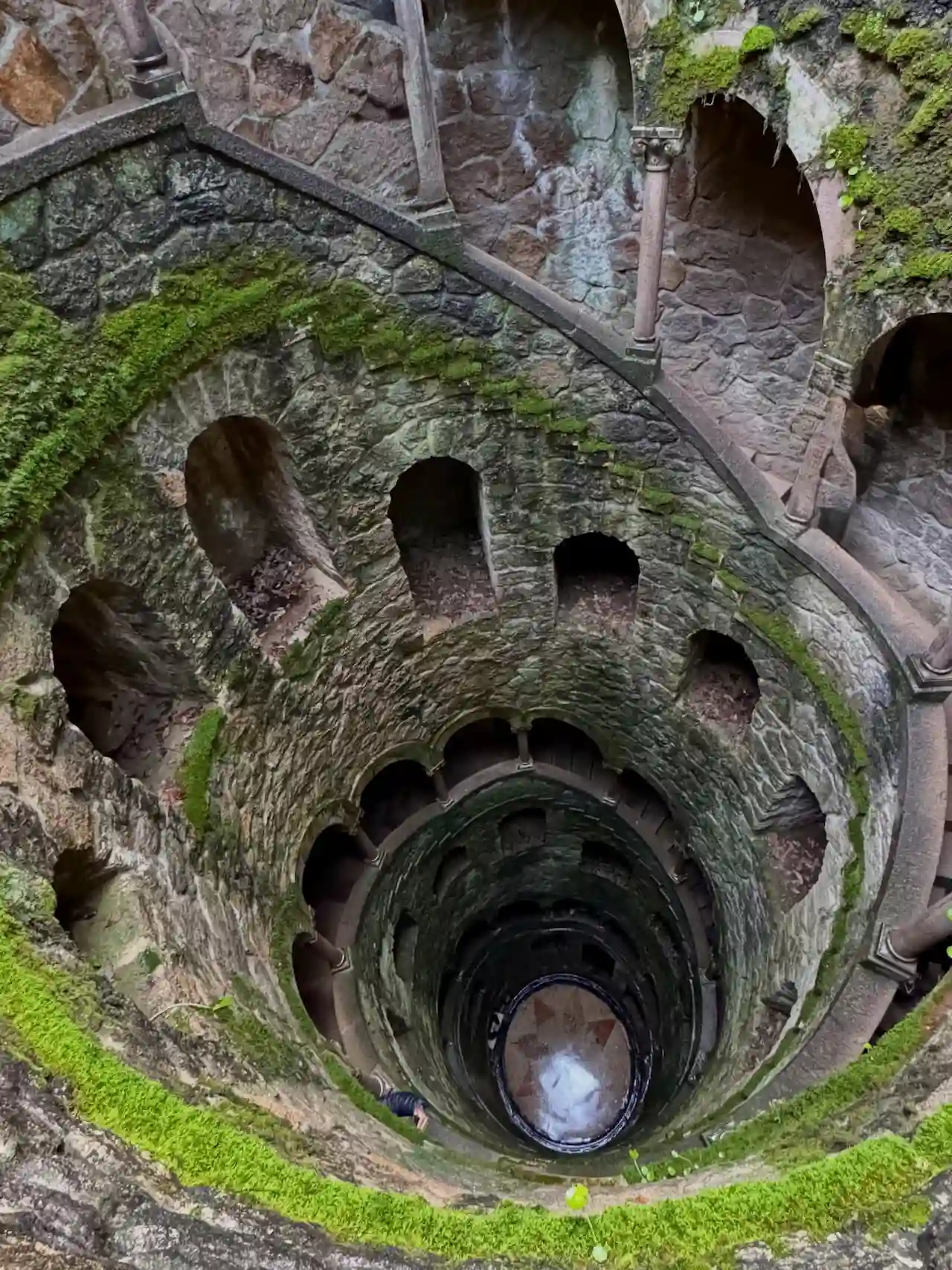
- The Initiation Well – A spiral staircase that descends deep into the earth, used in Masonic initiation ceremonies
- The garden is dotted with hidden tunnels, caves, grottoes, and symbolic elements (themes of alchemy, mythology, and spirituality)
- The manor house is a beautiful example of Neo-Manueline architecture
What to do:
- Walk down the Initiation Well (it’s 27 meters deep, descending into the earth)
- Explore the underground tunnels (bring a small flashlight – some are dark)
- Visit the chapel with its beautiful frescoes
- Walk the garden trails to discover hidden symbols and grottoes
Allow at least 2 hours to explore Regaleira. The garden is large and labyrinthine, and you’ll want to discover every corner.
Lunch: Sintra’s Culinary Scene
Lunch recommendation: Cafe Saudade – A charming restaurant in the center of Sintra serving traditional Portuguese cuisine. The atmosphere is cozy, and the views are lovely.
What to eat:
- Travesseiros – Sintra’s signature pastry, a puff pastry filled with almond cream
- Queijadas – Small cheese tarts made with fresh cheese and cinnamon
- Petiscos – The Portuguese version of tapas, perfect for sharing
Afternoon: Cabo da Roca & Cascais Coast
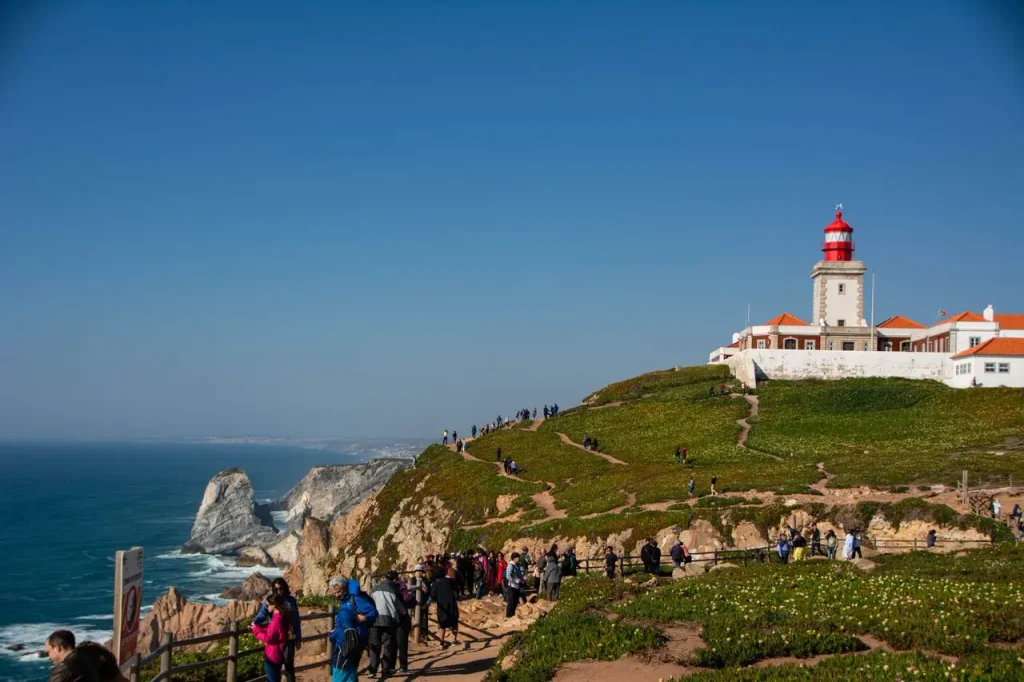
This Portugal itinerary includes the westernmost point of continental Europe. Cabo da Roca is a stunning cliff-top promontory with spectacular views of the Atlantic Ocean.
What to see:
- The lighthouse with its iconic red and white stripes
- The monument to the navigators who set sail from this point
- The dramatic cliffs drop over 140 meters to the ocean below
This is one of the windiest places in Europe. Bring a jacket, even in summer.
Next stop: Cascais – This charming coastal town was a fishing village and later a royal retreat. Today it’s a stylish destination with sandy beaches, good seafood restaurants, and a lovely harbor.
What to do in Cascais:
- Walk along the promenade from the harbor to the beach
- Visit the Citadel (Cidadela), a historic fortress
- Explore the marina and its shops and restaurants
Evening: Return to Lisbon & Fado in Alfama
Return to Lisbon and head to Alfama for an evening of Fado and traditional cuisine.
Dinner recommendation: Mesa de Frades – This Fado restaurant is located in a former chapel and offers one of the most authentic Fado experiences in Lisbon. The food is excellent, and the performances are moving.
Alternative: Fado in Mouraria – Mouraria is a less touristy neighborhood where you can experience genuine Fado without the crowds.
Day 4: The Lisbon Tour – Pena, Regaleira & Coastal Wonders
Today you’ll follow a structured tour that covers the most spectacular sights in the region. This tour is perfect if you want to maximize your time and avoid the hassle of navigating on your own.
Full Day: Lisbon: Sintra, Pena, Regaleira & Cabo da Roca & Cascais Coast Tour
I highly recommend this tour if you want to see the best of the region without worrying about logistics. The tour combines all the highlights I’ve described above into a single seamless day.
What’s included:
- Transportation from Lisbon
- Skip-the-line access to the monuments and attractions
- Expert guide who will share fascinating stories about the region’s history and culture
- Time to explore each attraction at a relaxed pace
The stops include:
- Pena Palace – The fairy-tale castle on the hilltop
- Quinta da Regaleira – The mysterious estate with the Initiation Well
- Cabo da Roca – The westernmost point of Europe
- Cascais Coast – The scenic coastal drive and the charming town
- Optional stop at the UNESCO sites
Alternative option: If you prefer to explore independently, you can easily visit these sites yourself using the trains and buses I’ve described above. The tour saves you planning time but offers a more structured experience.
Don’t Miss Out

What to bring:
- Comfortable walking shoes – You’ll be on your feet all day
- Power bank – You’ll take many photos
Day 5: Train Journey to Porto & Clérigos Tower
Morning: Train Journey from Lisbon to Porto
Take the Alfa Pendular high-speed train from Lisbon’s Santa Apolónia or Oriente station to Porto’s Campanhã station. The journey takes about 3 hours and passes through beautiful countryside with views of the coast and the Douro Valley.
What to expect:
- The train is comfortable, with power outlets and a dining car
- The scenery is gorgeous, especially as you approach Porto
- Book in advance for the best prices
Afternoon: Settling in Porto & Clérigos Tower
After checking into your hotel, head to the Clérigos Tower, the iconic bell tower that’s become the symbol of Porto.
What to see:
- The Baroque tower is part of the Clérigos Church
- The view from the top is one of the best in Porto – the 360-degree panorama shows the historic center, the river, and the Atlantic.
- The climb is 240 steps – but the views are worth the effort
The tower is open until 7 PM, and the sunset view is spectacular. Plan accordingly.
Evening: Ribeira & Port Wine
The Ribeira district is Porto’s historic waterfront, a UNESCO World Heritage site with colorful buildings, narrow streets, and a lively atmosphere.
What to do:
- Walk along the Cais da Ribeira – the promenade along the Douro River
- Admire the iconic Dom Luís I Bridge – the double-decker iron bridge designed by a student of Gustave Eiffel
- Take a short river cruise – the views of Porto and Vila Nova de Gaia from the river are stunning
Dinner recommendation: Cais da Ribeira restaurants – There are dozens of excellent options along the riverfront. Try Barão de Forrester for traditional Portuguese cuisine with river views.
What to order:
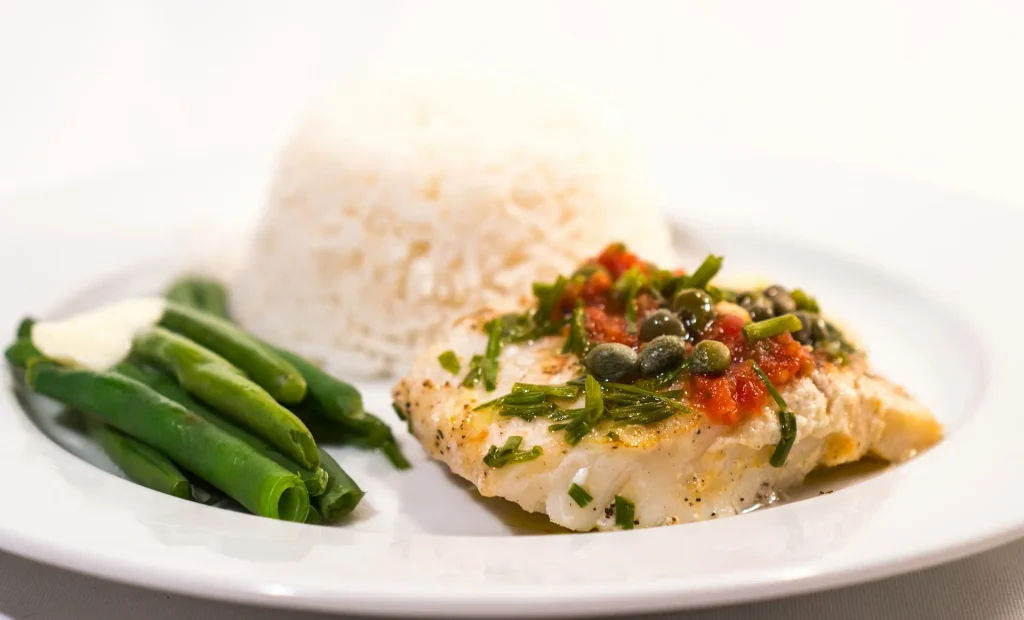
- Bacalhau – Salt cod is a specialty of Porto
- Francesinha – Porto’s signature sandwich (a meat and cheese concoction with a tomato and beer sauce)
- Port wine – End the meal with a glass of Port, the fortified wine made in the region
Alternative dining: O Buraco – A casual restaurant known for its incredible francesinhas and local atmosphere.
Where to Stay in Porto
1. The Yeatman
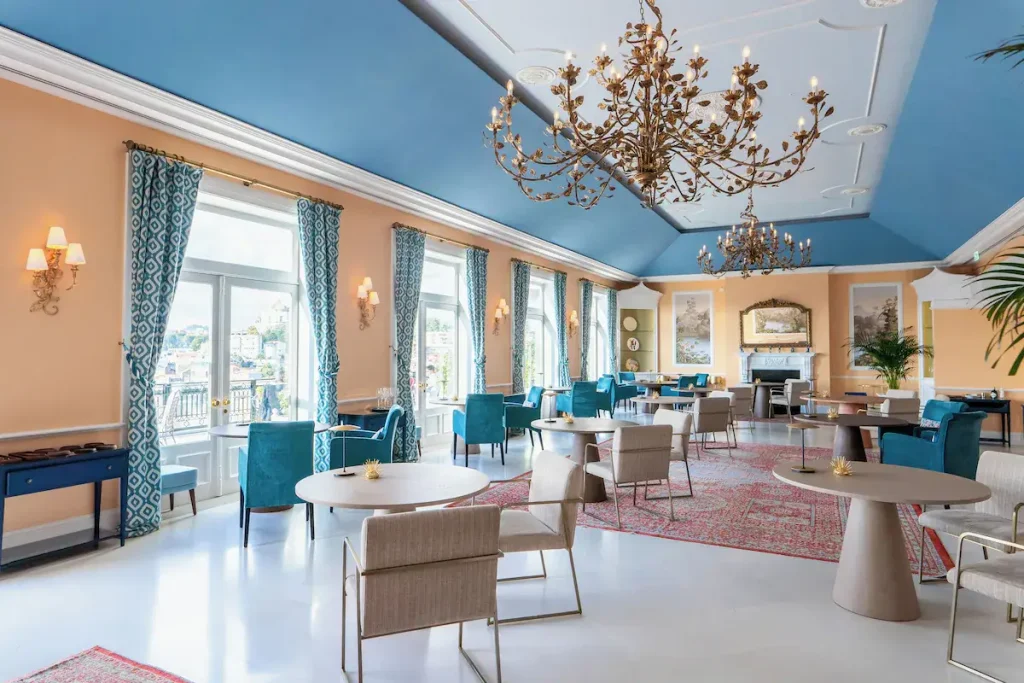
This luxury hotel is located in the heart of the Port wine district, offering spectacular views of the river and the historic center. The rooms are designed with wine-themed decor, and the spa is exceptional.
The location on the Vila Nova de Gaia side offers the best views of Porto. The breakfast is one of the best in Portugal. This is perfect for couples and travelers seeking luxury. The standout feature is the panoramic views and the wine cellar.
2. Pestana Porto – A Brasileira
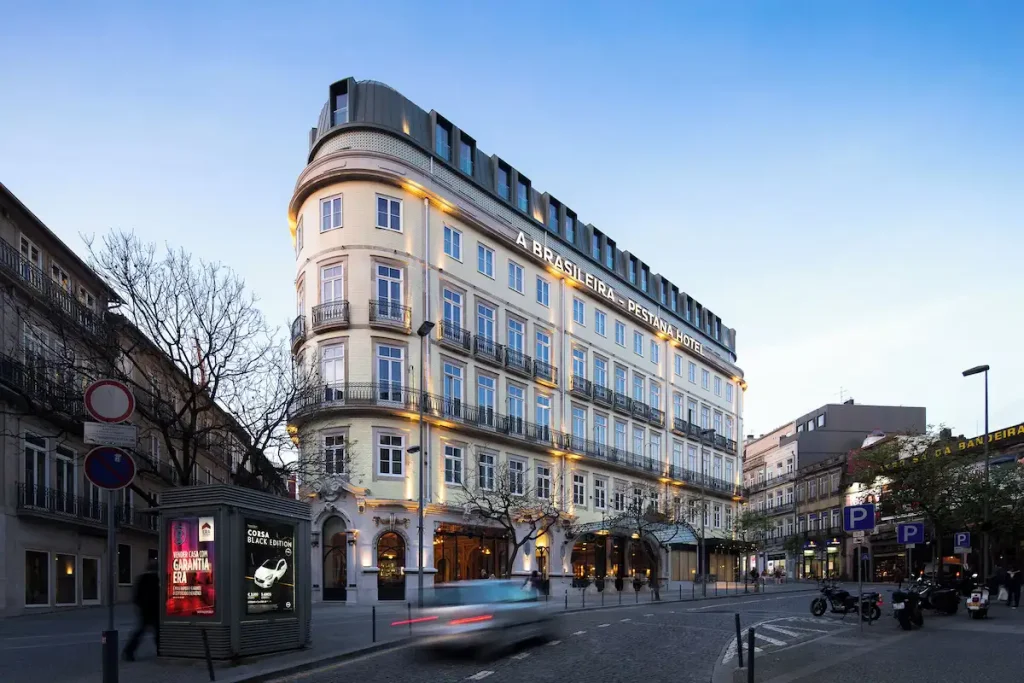
Located in the historic center, this hotel is a converted mansion with beautiful period details. The location is perfect for exploring the Ribeira and the Clérigos Tower.
The rooftop bar offers excellent views of the river. It’s ideal for travelers who want character and convenience without the luxury price. The standout feature is the central location and the beautiful architecture.
3. Torel 1884
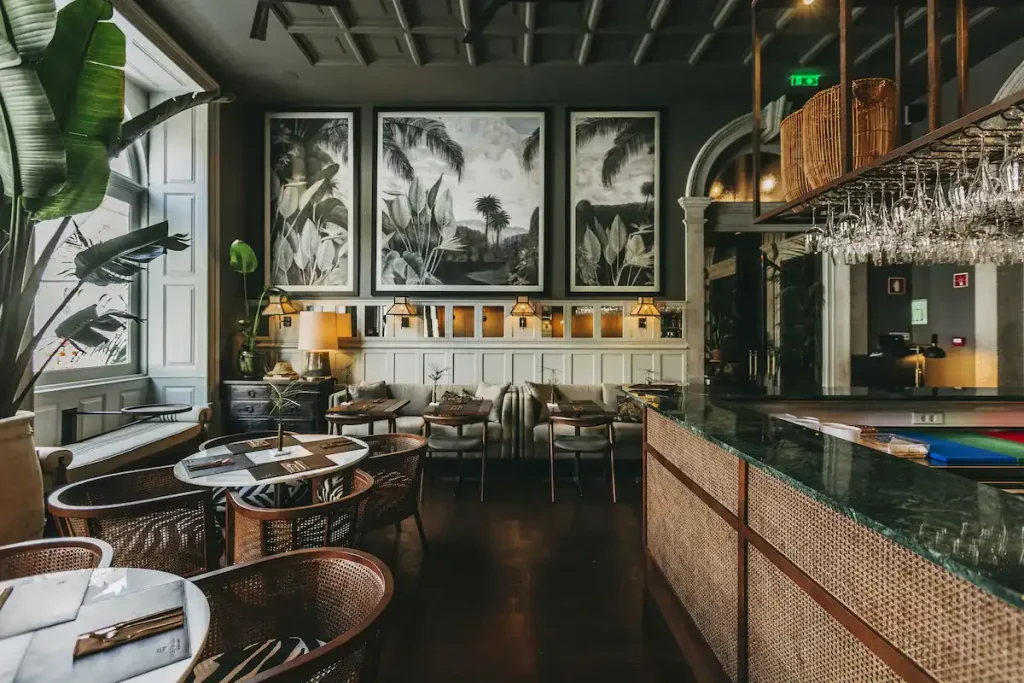
A boutique hotel with a stunning terrace and beautiful views of the river. The rooms are elegant, and the service is personal. It’s perfect for couples seeking a romantic getaway. The standout feature is the view of the Dom Luís I Bridge from the rooms.
4. Budget alternative: Gallery Hostel
A stylish, modern hostel with excellent common areas and a great breakfast. Perfect for solo travelers and backpackers.
Day 6: Douro Valley Tour & Port Wine Tasting
Today is dedicated to one of Portugal’s most breathtaking regions—the Douro Valley, famous for its terraced vineyards and the production of Port wine. This is one of the highlights of any Portugal itinerary.
Full Day: From Porto: Douro Valley w/ Boat Tour, Wine Tasting & Lunch
This full-day tour is the best way to experience the Douro Valley without worrying about transportation. The day includes a scenic drive through the valley, a boat tour on the river, and wine tastings at two local vineyards.
What’s included:
- Pickup from Porto
- Scenic drive through the Douro Valley with stops at viewpoints
- A traditional Portuguese lunch at a vineyard
- Wine tasting at two different vineyards
- A boat tour on the Douro River
- Return to Porto
The highlight: The boat tour – Cruising along the Douro River, surrounded by terraced vineyards, is unforgettable. The views are stunning, and the peacefulness of the river is a welcome break from the city.
What to know:
- The best time to visit is April–October (the landscapes are lush, and the weather is warm)
- The tour is available in English, Spanish, and French
- Book in advance – this tour is very popular
Alternative option: If you want to explore the Douro Valley independently, you can take the train from Porto to Régua or Pinhão and then explore the local wineries. However, the logistics are more complex, and the tour offers a better experience.
What to bring:
- A portable umbrella for possible weather changes
- Power bank for all the photos you’ll take
Day 7: Porto’s Hidden Gems & Livraria Lello
Morning: Livraria Lello & Porto’s Iconic Bookstore
Livraria Lello is one of the world’s most beautiful bookstores, a neo-Gothic building with a stunning staircase and elaborate woodwork. It’s been a bookshop since 1906 and is believed to have inspired J.K. Rowling’s descriptions of Hogwarts.
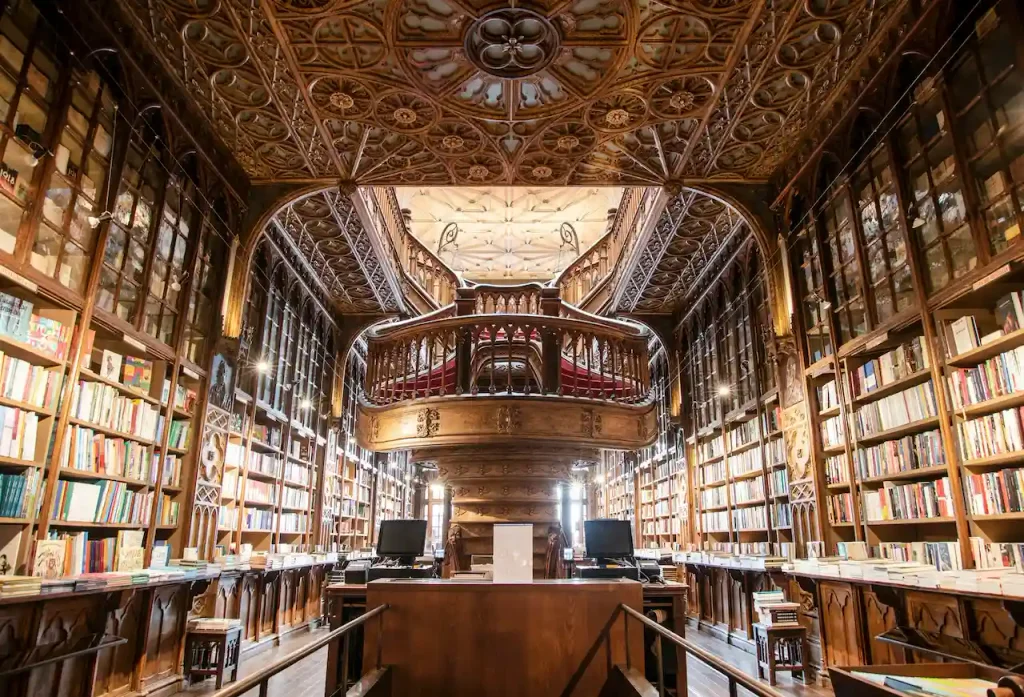
What makes it special:
- The stained-glass ceiling and the carved red staircase are spectacular
- The bookstore is three floors and has particularly impressive architecture for a store
- It’s touristy, but it’s worth visiting for the experience
The bookstore requires a pre-booked ticket, even for entry. The tickets sell out quickly, especially in summer.
Mid-Morning: Porto’s Neighborhoods
Explore the Ribeira – The riverside area is charming at this time of day, with small boats and fishing activity visible. The old streets with their colors are photogenic.
Walk to the Cais da Ribeira viewpoint – The view of the Dom Luís I Bridge is iconic.
Visit São Bento Station – This train station is famous for its 20,000 blue azulejo tiles that depict scenes from Portuguese history. It’s a beautiful and free experience.
Afternoon: Vila Nova de Gaia & Port Wine Cellars
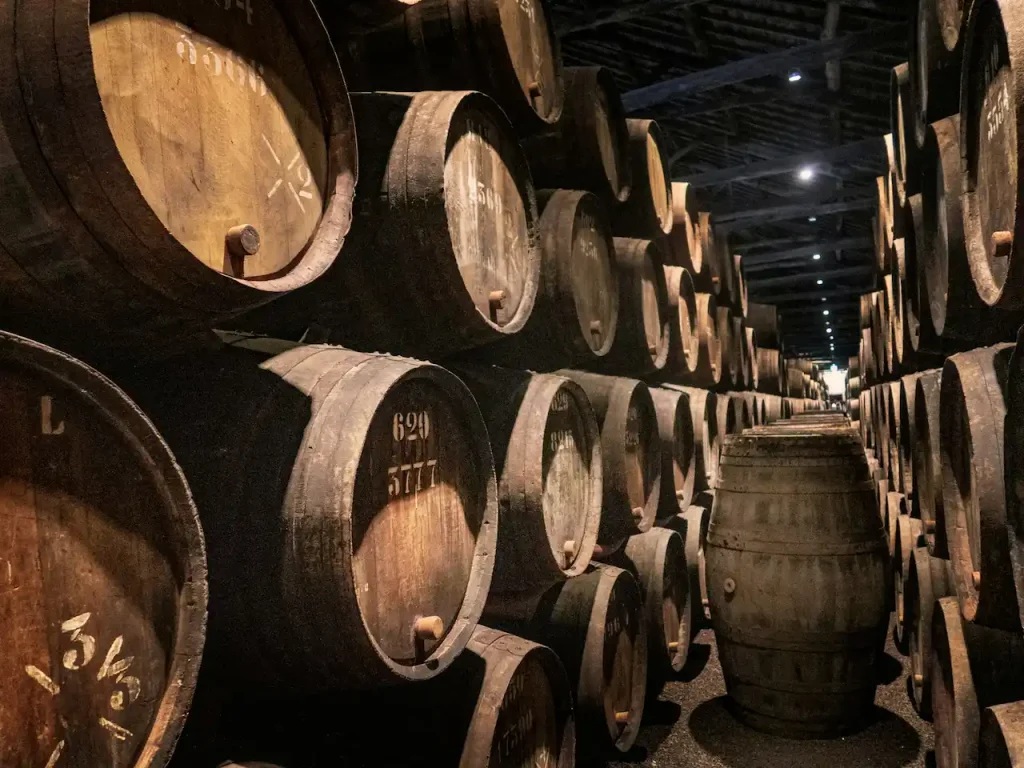
Cross the Dom Luís I Bridge to the south side of the Douro for the port wine cellars. Vila Nova de Gaia is the home of the port wine lodges (the producers and cellars where Port wine is aged).
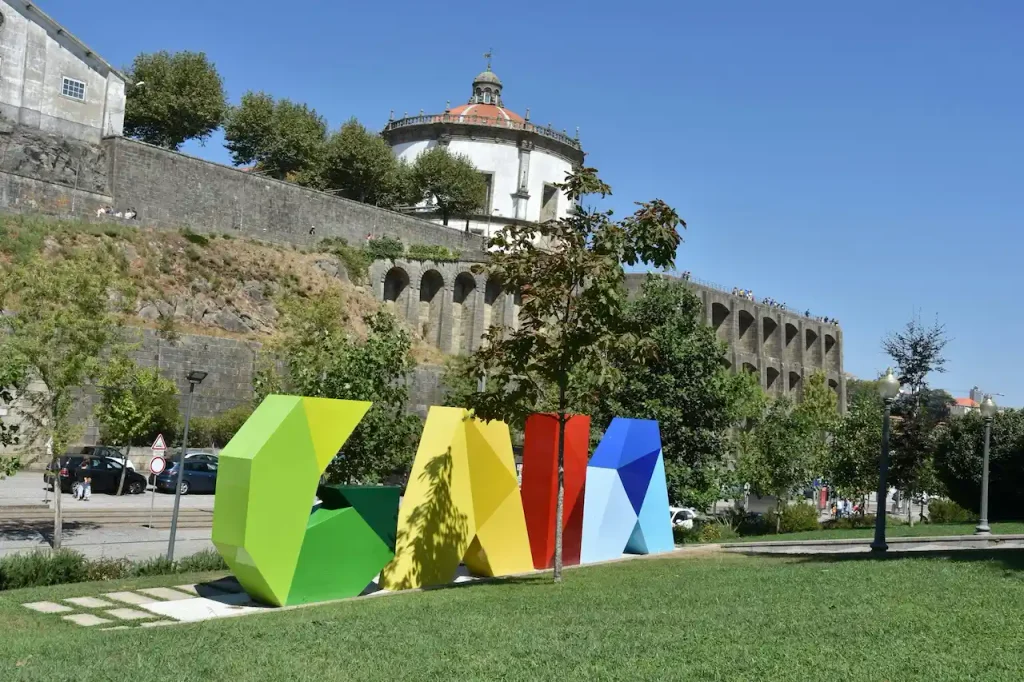
What to do:
- Take a tour of a port wine cellar (like Graham’s or Sandeman)
- Learn about the production process and the history of port wine
- Enjoy a tasting – the Port wines (tawny and ruby) are divine
Evening: Fado & Dinner in Porto
Experience Fado in Porto for a different atmosphere than Lisbon’s. The genre is similar but distinct.
Dinner recommendation: O Carnativo – A restaurant in the heart of Porto serving contemporary Portuguese cuisine with a modern twist. The tasting menu is spectacular.
Alternative dining: Cafeina – A casual bar and restaurant near the river with excellent petiscos and a lively local crowd.
Day 8: Travel to the Algarve – Lagos & Coastal Beauty
Morning: Train Journey from Porto to Lagos
Take the train from Porto’s Campanhã or São Bento station to Lagos. The journey takes about 5.5 hours with a transfer at Lisbon’s Oriente station. It’s a long journey, but the scenery is spectacular.
Alternative: Fly from Porto to Faro (1 hour), then take a train or taxi to Lagos. This is more expensive but saves time.
Book your train tickets in advance for the best prices.
Afternoon: Lagos – The Algarve’s Gem
Lagos is the Algarve’s most charming town, with a historic center, a picturesque harbor, and some of the region’s most beautiful beaches.
Check into your hotel and explore the town:
- Praia da Batata – A lovely beach within the town, with rock formations and calm waters
- The historic center – Cobblestone streets, whitewashed buildings, and beautiful churches
- Lagos Marina – A lovely place for a walk, with restaurants and bars overlooking the yachts
Evening: Sunset & Seafood Dinner
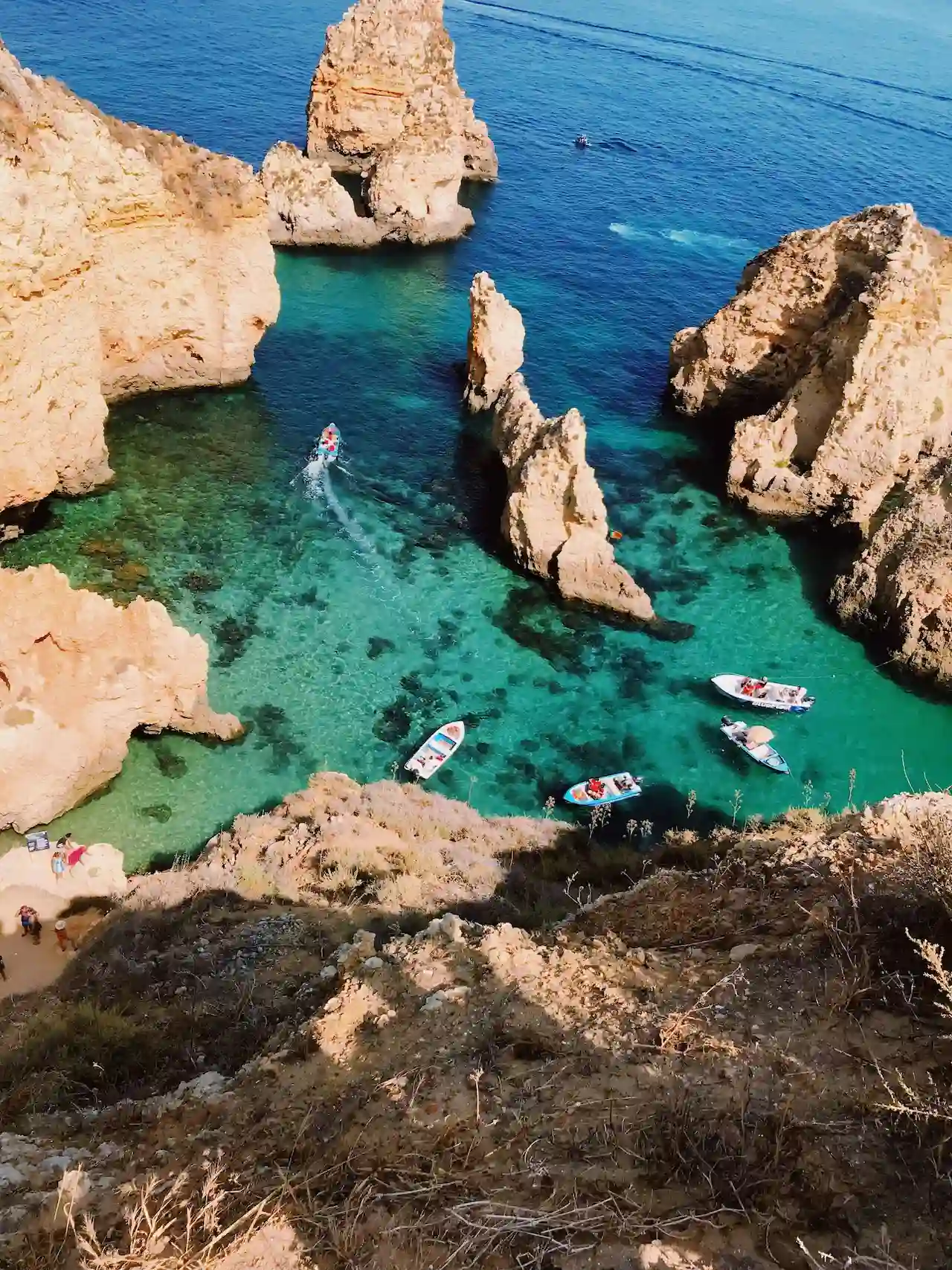
Sunset at Ponta da Piedade – This is one of the most dramatic viewpoints in the Algarve, with rock arches and sea caves visible from the cliffs.
Dinner recommendation: Casa do Prego – A traditional Portuguese restaurant in the old town, known for its seafood and local dishes.
Alternative dining: Maré – A waterfront restaurant with fantastic seafood and views of the marina.
What to order:
- Cataplana – Seafood stew from the Algarve region, a must-try
- Sardines – The regional specialty, especially in summer
- Pastel de Nata – The Portuguese custard tart
Where to Stay in the Algarve
1. Tivoli Carvoeiro
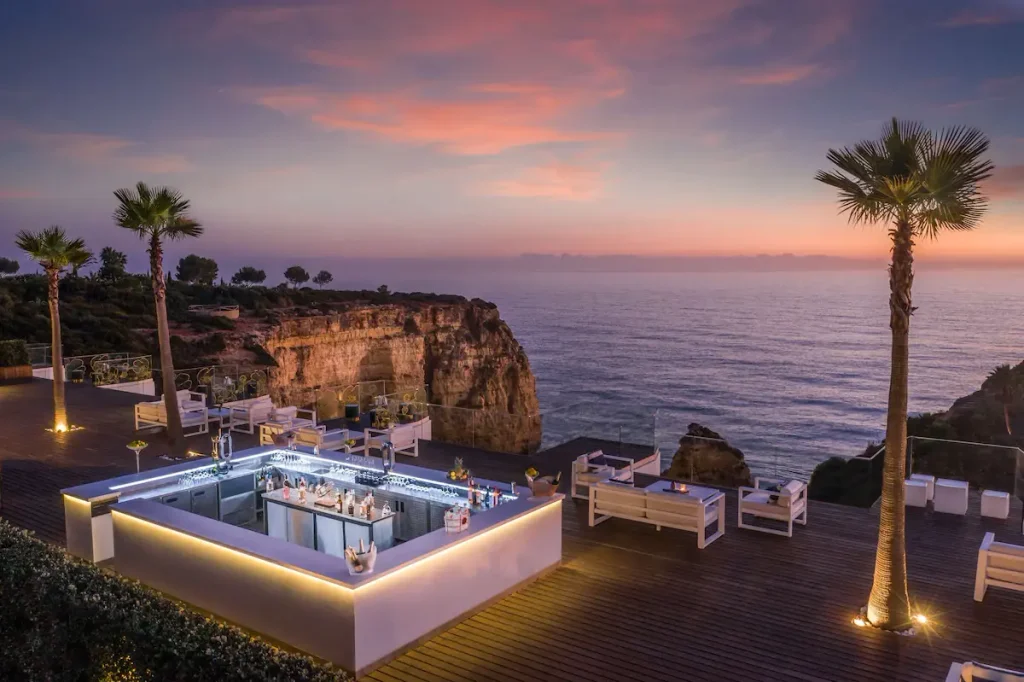
A luxury hotel with a beautiful pool and a prime location near the town center and the marina. The rooms are spacious, and the breakfast is excellent.
It’s perfect for couples and families. The standout feature is the pool area and the proximity to the city center.
2. Casa Mãe
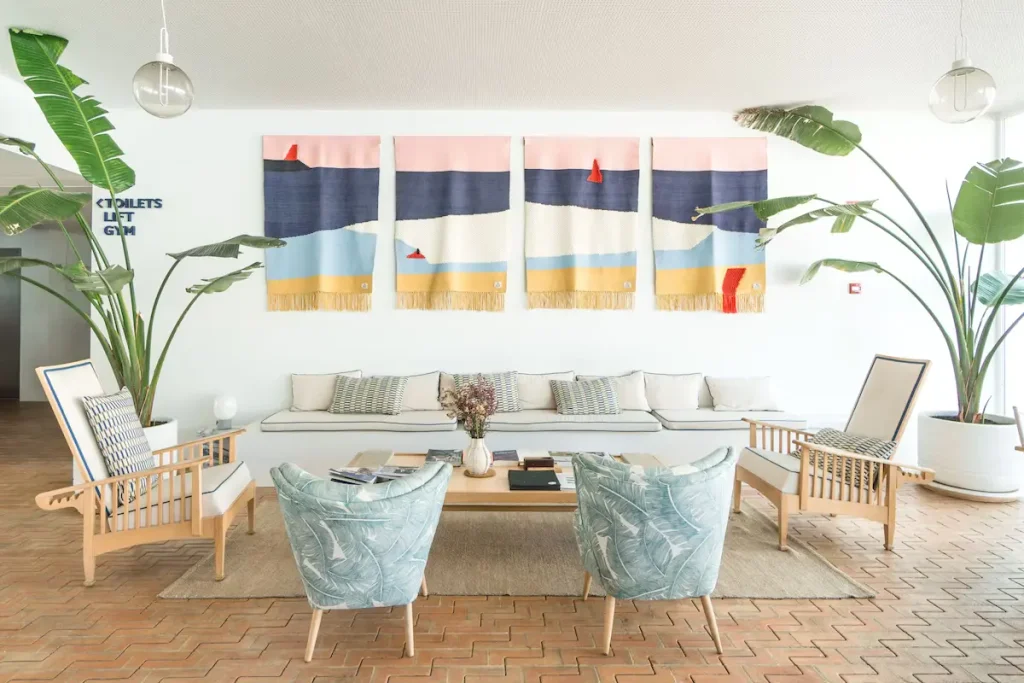
A boutique hotel with a beautiful design and excellent service. The location is central, and the atmosphere is intimate and personal. It’s perfect for couples and adults seeking a romantic escape. The standout feature is the personalized service.
3. Budget alternative: Lagos Youth Hostel
A clean, modern hostel near the train station. Perfect for backpackers and solo travelers.
Day 9: The Algarve Coast – Benagil Caves & Marinha Beach
Full Day: Benagil Caves & Marinha Beach Tour with Sunset Option
Today you’ll experience the Algarve’s most spectacular natural wonder—the Benagil Caves and the nearby Marinha Beach. This tour is the highlight of any Algarve visit and will leave you speechless.
The Benagil Caves – These sea caves are some of the most photogenic in the world. The main cave is open at the top, allowing natural light to illuminate the interior and creating a stunning optical effect.
What the tour includes:
- Boat ride to the Benagil Caves (the only way to see them from within)
- Visits to other caves and rock formations along the coast
- Swim stops at the most beautiful beaches (Marinha Beach is famous)
- Optional sunset tour for the most dramatic views
The Marinha Beach – Praia da Marinha is one of the most beautiful beaches in the Algarve, with limestone arches, a natural tunnel, and dramatic rock formations. It’s peaceful and photogenic.
Don’t Miss Out
What to know:
- The boat tours are available from Benagil, Lagoa, and Portimão
- The sunset option is magical – the light makes the rock formations glow
- The tours run from April to October
Alternative option: If you prefer a more structured experience, there’s a tour that also includes snorkeling and exploring smaller caves.
What to bring:
- Waterproof phone case – You’ll want photos inside the caves
- Comfortable walking shoes – For the beach walk
Evening: Lagos Nightlife
Lagos’ old town comes alive at night with bars, restaurants, and musicians. It’s a charming experience with a mellow crowd.
Dinner recommendation: Q Steps – A restaurant in the old town known for its seafood and its friendly service.
Alternative dining: Camillo – A restaurant near the castle with stunning views of the coast.
Day 10: Departure from Faro
Morning: Last Algarve Morning
Spend your final morning in the Algarve relaxing on one of the region’s beautiful beaches.
Praia Dona Ana – This beach is one of the most beautiful in the Algarve, with golden sand and dramatic rock formations. The water is clear and calm, perfect for swimming.
Alternative: Praia da Marinha – If you missed the beach from the tour, you can explore it independently. It’s stunning.
Afternoon: Transfer to Faro Airport
From Lagos to Faro Airport:
- Train – 2 hours from Lagos station to Faro station, then transfer to the airport (20 minutes)
- Bus – The regional bus service is reliable and affordable
- Taxi/Uber – Available but more expensive; pre-book for the best price
Departure from Faro
Faro Airport is the main gateway for the Algarve. Arrive 2 hours before your international flight (longer for long-haul flights).
Faro’s airport is small but efficient. Have your passports, tickets, and health documents ready.
Portugal Travel Essentials
Transport & Connectivity
Getting around Portugal:
- Trains – CP (Comboios de Portugal) operates the train network. The Alfa Pendular is the high-speed service connecting Lisbon, Porto, and Faro.
- Metro – The Lisbon and Porto metro systems are extensive and efficient.
- Trams – Lisbon’s iconic trams (especially Line 28) are fun and practical.
- Buses – The bus network is comprehensive, especially for towns without train stations.
Digital Suica/Pasmo for Portugal – Portugal doesn’t have a unified card system like Japan’s Suica. Buy single tickets or a rechargeable card like the Viva Viagem in Lisbon or the Andante in Porto.
The Portugal Travel Card – Viva Viagem
The Viva Viagem is Lisbon’s rechargeable card. You can load it with single tickets, 24-hour passes, or 48-hour passes. It works on all trams, buses, and metro lines in the city.
Money & Etiquette
Cash vs. Card – Credit and debit cards are accepted almost everywhere in Portugal, but smaller businesses, street markets, and some restaurants still prefer cash. Withdraw cash at ATMs (they have English menus) at 7-Eleven or other convenience stores.
Tipping – Tipping is not obligatory in Portugal, but it’s appreciated. The service charge is included in the price. Rounding up the bill is common (e.g., €18.50 → €20).
Portuguese and English are widely spoken, especially in tourist areas. Learning a few phrases shows respect:
- Obrigado – Thank you (male)
- Obrigada – Thank you (female)
- Bom dia – Good morning
- Boa tarde – Good afternoon
- Boa noite – Good evening
Don’t Miss Out
When to Visit Portugal
Best times to visit:
- Spring (March-May) – Pleasant temperatures, flowers in bloom, moderate crowds
- Autumn (September-November) – Similar to spring, with fewer crowds (except October)
- Summer (June-August) – Hot and crowded, especially on the beaches
- Winter (December-February) – Mild and quiet, with lower prices
What to Pack for Portugal
Portugal’s climate varies by region and season. Here’s what you need for this Portugal itinerary:
➭ Comfortable walking shoes – Portugal is a country best explored on foot, from Lisbon’s hills to Porto’s riverfront to the Algarve’s coastal trails. Good shoes are essential.
➭ Travel power adapter for Portugal – Portugal uses Type C and Type F plugs (two round prongs) with a voltage of 230V. The plug is common in Europe, so if you have a European adapter, it will work.

➭ Reusable water bottle – Portugal has good tap water. Stay hydrated, especially during summer.
➭ Portable umbrella – Portugal’s weather can be unpredictable, especially in autumn and spring. A compact umbrella is a smart addition to your bag.
➭ Power bank – Your phone will be your map, camera, and translator. Keep it charged.
Clothing considerations:
- Dress in layers – Portugal’s climate varies. Evenings can be cool, even in summer.
- For the Algarve – Pack swimwear, sunscreen, and a light cover-up.
- Modest clothing – For visiting churches and monasteries, cover shoulders and knees.
- Comfortable clothes – Portugal is casual. You’ll fit right in.
Portuguese Food Guide
Portugal’s cuisine is a treasure trove of flavors and traditions. Here’s what you must try:
- Bacalhau (salt cod) – Portugal’s national dish. There are 365 ways to prepare it (one for each day of the year). Try Bacalhau à Brás (shredded cod with onions, potatoes, and eggs).
- Pastel de Nata (custard tart) – Portugal’s most famous pastry. Enjoy it warm with cinnamon and a dusting of powdered sugar. The original shop in Belém is the best.
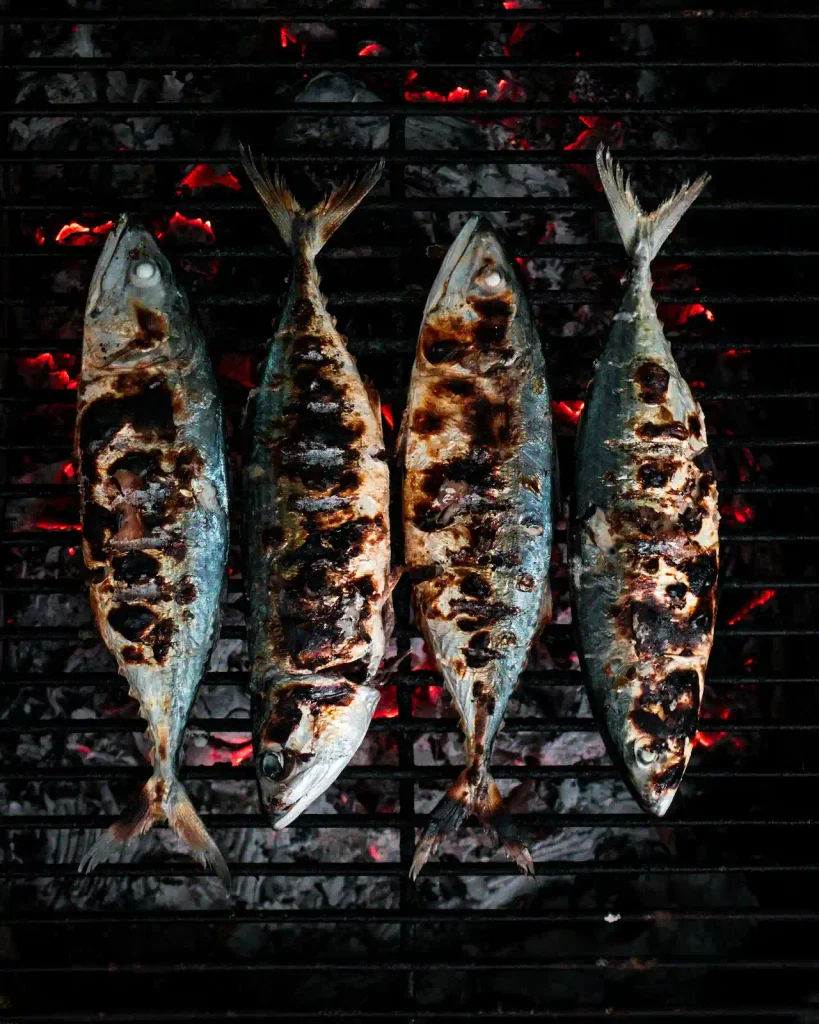
- Sardinhas assadas (grilled sardines) – A summer tradition, especially in Lisbon and the Algarve. The grilled sardines are served on bread.
- Cataplana – A seafood stew from the Algarve. The dish is cooked in a traditional copper pot that resembles a clam shell.
- Francesinha – Porto’s signature sandwich. A meat and cheese sandwich with a tomato and beer sauce, usually served with fries.
- Petiscos – Portugal’s version of tapas. The portions are shared, and the variety is endless.
- Portuguese wine – Portugal produces excellent wines, including Vinho Verde, Douro, and Port wine. The Douro Valley is especially spectacular.
Ten days in Portugal is the perfect amount of time to fall in love with this incredible country. This Portugal itinerary takes you from the historic streets of Lisbon to the terraced vineyards of the Douro Valley, from the fairy-tale palaces of Sintra to the dramatic cliffs of the Algarve coast.
Portugal has a way of capturing your heart with its warmth, its beauty, and its unpretentious charm. It’s a country where you can eat world-class food without pretense, where you can explore ancient monuments and modern marvels on the same day, and where you’ll be welcomed with genuine hospitality by locals who love their country fiercely.
What makes Portugal special isn’t just the sights—it’s the golden light, the sound of fado echoing through narrow streets, the taste of fresh seafood by the ocean, and the feeling that you’ve discovered a secret that you can’t wait to share with others.
I hope this Portugal itinerary inspires you to book your trip and experience this incredible country for yourself. Portugal is waiting for you.
Boa viagem! (Safe travels!)