
- This article contains affiliate links. I may receive a commission if you purchase from them, at no extra cost to you.
South Korea is a country that makes shopping feel like a cultural experience. You walk into a depachika, and the sheer precision of the packaging stops you in your tracks. You wander through Insadong and watch a craftsman inlay mother-of-pearl into a lacquered box with tweezers. You step into a Daiso and walk out with a bag of traditional-pattern stationery for less than the price of a coffee.
The problem isn’t finding something to buy. The problem is choosing what deserves the suitcase space.
I’ve learned that the best souvenirs from South Korea fall into a few distinct categories: the edible things that disappear too fast, the beauty products that actually work, the craft objects that carry centuries of skill, and the small design pieces that make everyday life feel a little more intentional.
This guide is organized around those categories. I’ve included 20 items, from the viral to the deeply traditional, and I’ve explained why each one is worth it—not just what it is. Let’s start with the things you’ll want to eat.
Table of contents ⇅
Edible Souvenirs: The Things That Disappear First
Food is the most universal souvenir, and Korea does it exceptionally well. The key is to buy things that travel well, last long enough to make it home, and taste like something you can’t find at your local Asian grocery store.
1. Yakgwa | Traditional Honey Cookies
Yakgwa are deep-fried, honey-soaked cookies made with flour, sesame oil, and ginger. They’re one of Korea’s oldest sweets, and after centuries of being a ceremonial food, they’ve had a massive revival as a modern snack.
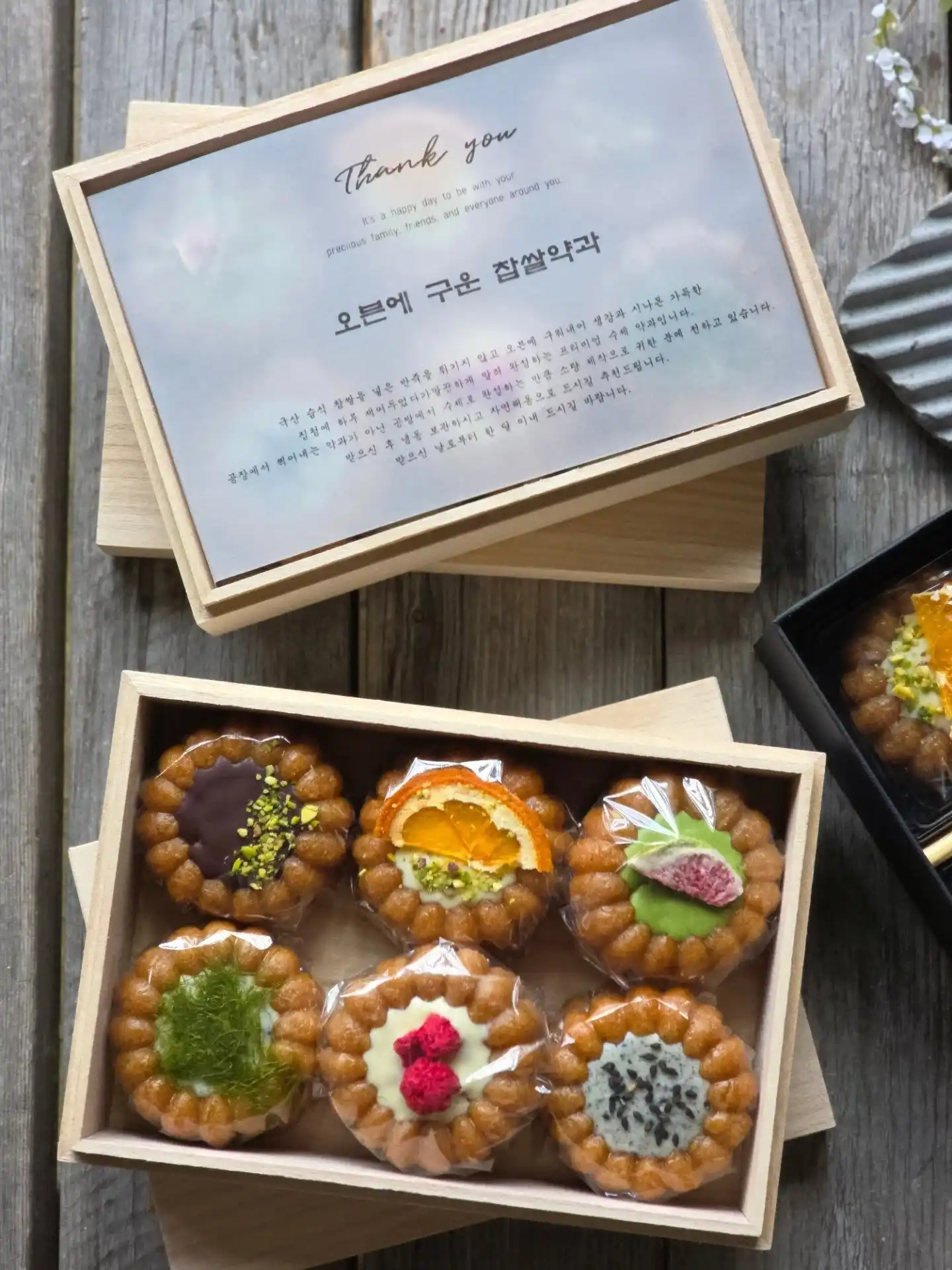
The texture is chewy and slightly sticky, and the flavor is deep and warming—think honey, ginger, and a subtle nuttiness from the oil.
Where to buy: Traditional markets like Namdaemun or any Kukje Gallery-adjacent bakery. The packaged gift boxes from Golden Piece are beautifully designed and travel well.
Why it’s worth it: It’s a taste of Korean history that costs almost nothing, and it pairs perfectly with tea.
2. Honey Butter Chips
Honey Butter Chips started a national obsession in Korea, and the craze never really died. The original chips are sweet, salty, and dangerously addictive.
But the real souvenir is the universe of honey butter products that followed: honey butter almonds, honey butter pretzels, honey butter popcorn.
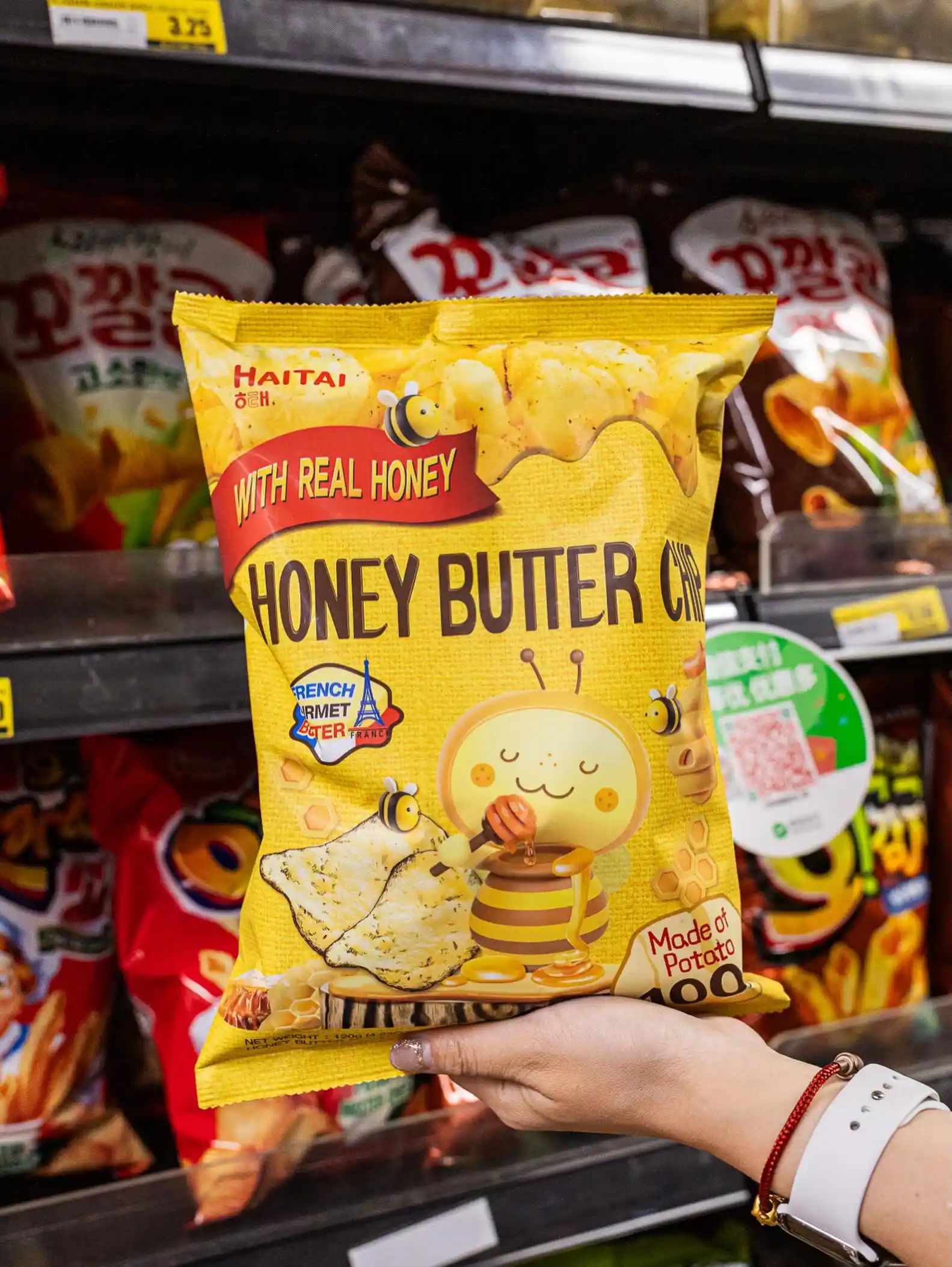
Where to buy: Any GS25 or CU convenience store, or a supermarket like E-Mart.
It’s the most requested Korean snack by people who’ve tried it. Buy a few bags—they’ll be gone before you unpack.
3. Dried Laver | Gim
Gim is a staple of Korean cuisine, but the souvenir version is different. Look for gimbugak (laver chips) or gimjaban (seasoned laver flakes) in flavors like wasabi, cheese, or spicy crab.
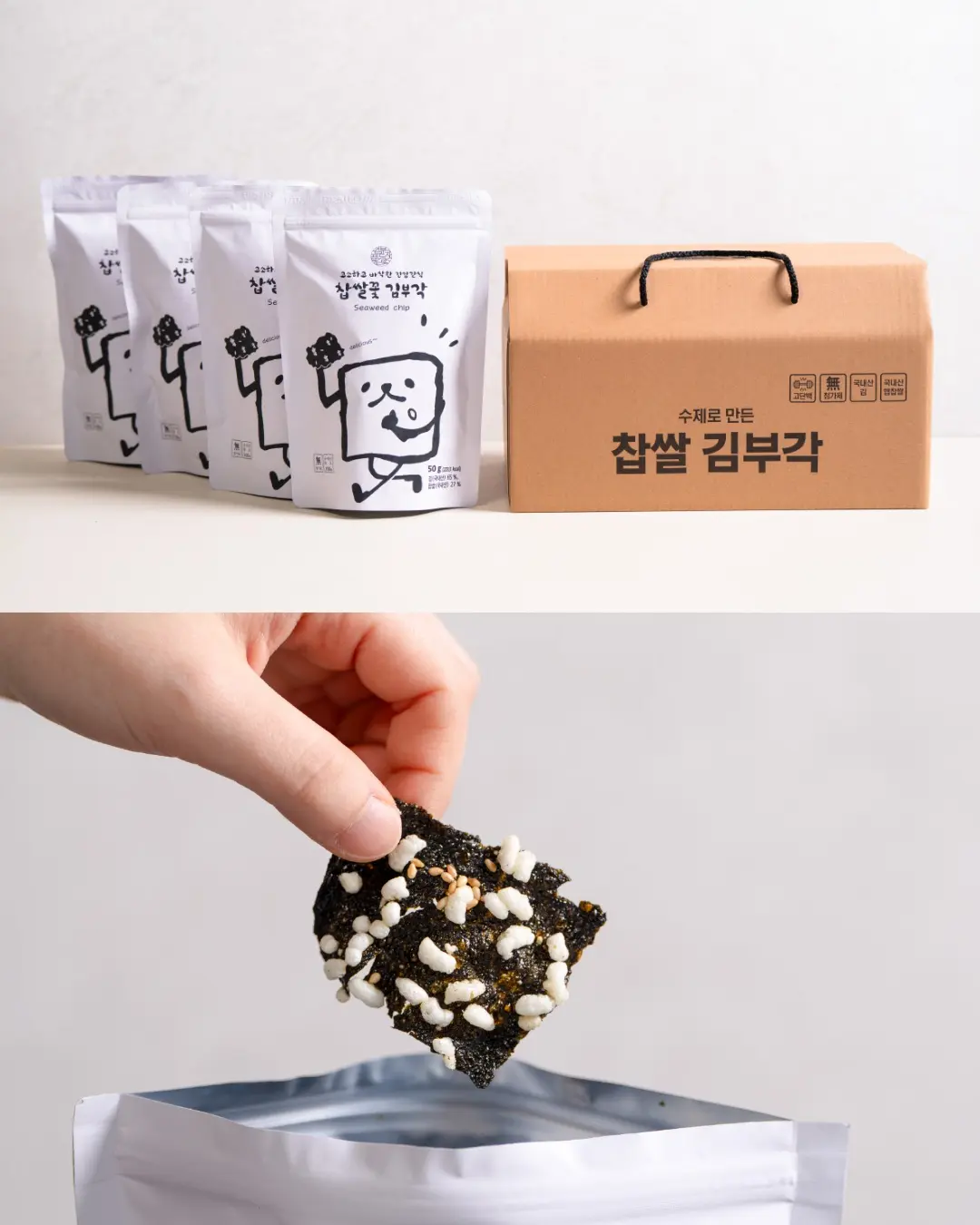
A box of 8–10 small packs costs around ₩3,000–6,000 and weighs almost nothing.
Where to buy: Namdaemun Market has entire stalls dedicated to gim in every flavor imaginable.
Why it’s worth it: It’s light, healthy (high in protein and iron), and the flavored versions are genuinely delicious.
4. Ginseng Tea | Insam-cha
Korean ginseng is famous for its health benefits, and ginseng tea is the easiest way to bring it home. Jung Kwan Jang is the most trusted brand, and their Gungjeongbicha (royal health tea) line comes in elegant gift sets with individual sachets.
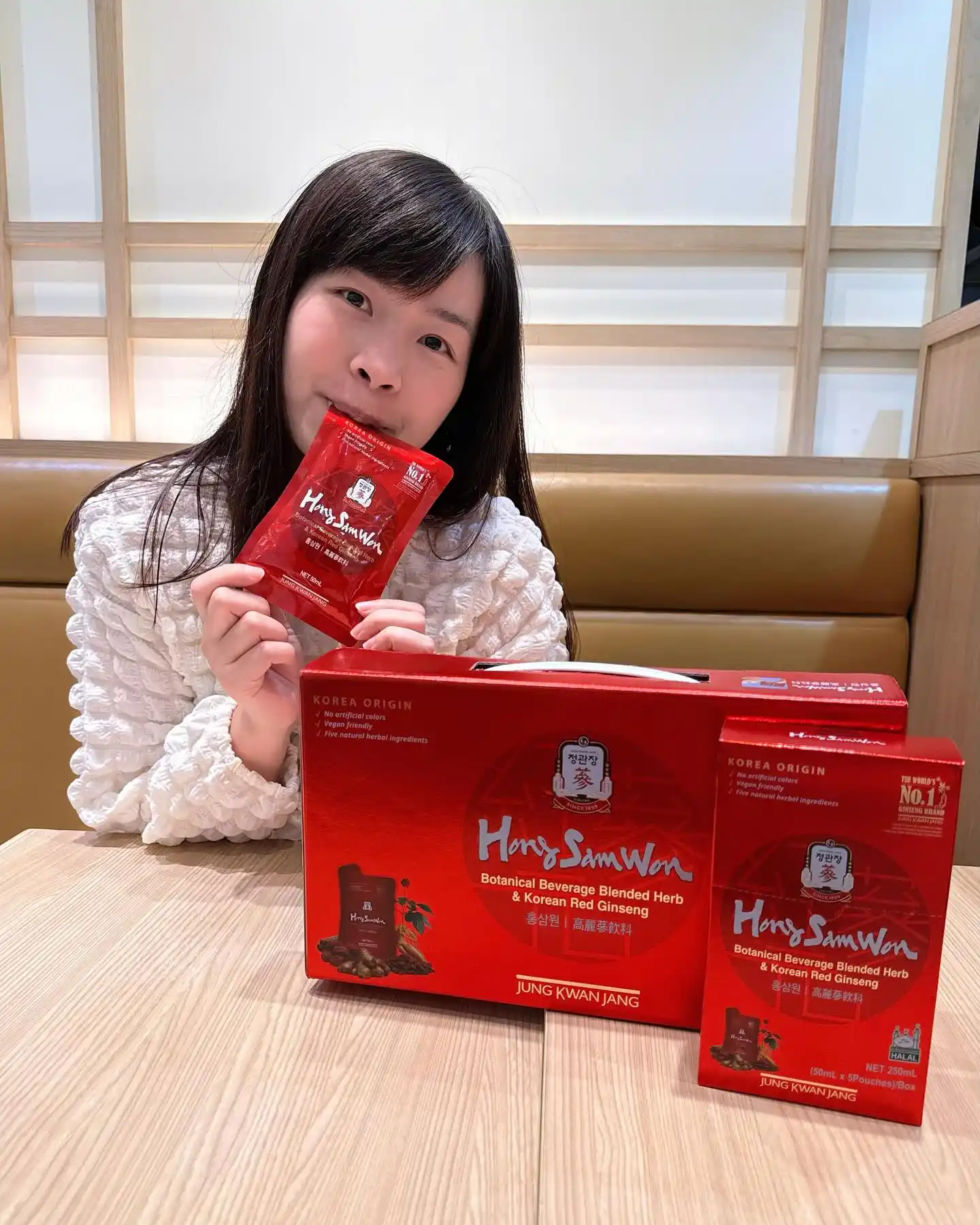
The tea is made with six-year-old red ginseng extract and is often blended with citrus or medicinal herbs.
Where to buy: Jung Kwan Jang flagship stores, or the souvenir section of any Shinsegae or Lotte department store.
It’s a thoughtful gift for older relatives or anyone who appreciates traditional health remedies, and the packaging is genuinely beautiful.
5. Traditional Liquor | Soju, Makgeolli, or Andong Soju
Korea’s traditional alcohols are having a moment. Soju is the everyday spirit, but for a souvenir, look for Andong Soju or Munbaeju—premium distilled liquors that come in elegant ceramic bottles or wooden gift boxes.
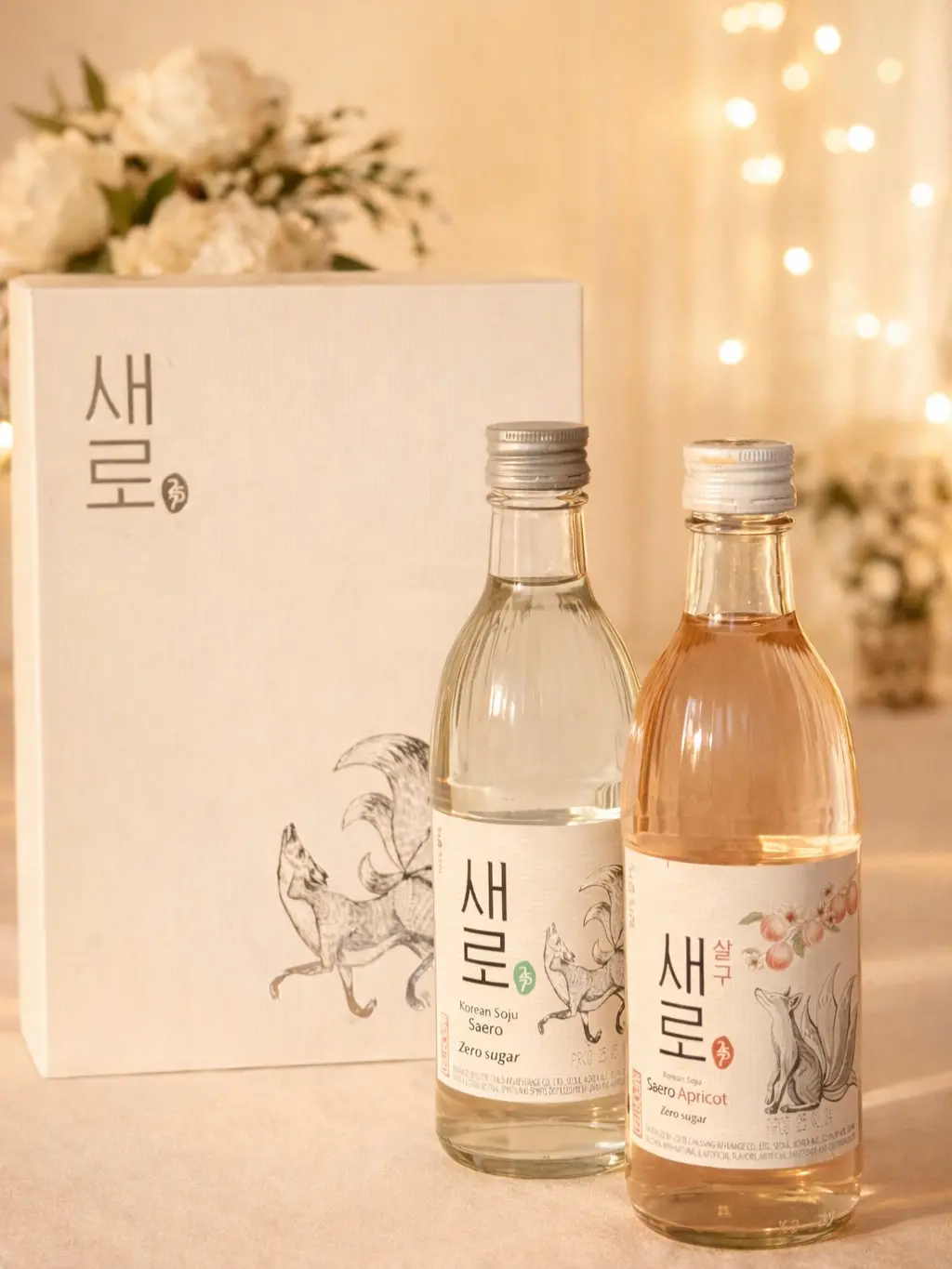
Makgeolli (rice wine) is harder to transport because it’s perishable, but the gift sets from Kooksoondang are designed for travel.
Where to buy: Specialty liquor shops, department store liquor sections, or the Namdaemun traditional market.
A bottle of Andong Soju is a piece of Korean drinking culture, and the bottles are beautiful enough to display.
6. Osulloc Tea
Osulloc is Korea’s premium tea brand, and its flagship stores are a destination in themselves. Their Jeju green tea and blended teas (like the hallabong citrus blend) come in beautifully designed tins and gift sets. A small tin costs around ₩15,000–25,000.
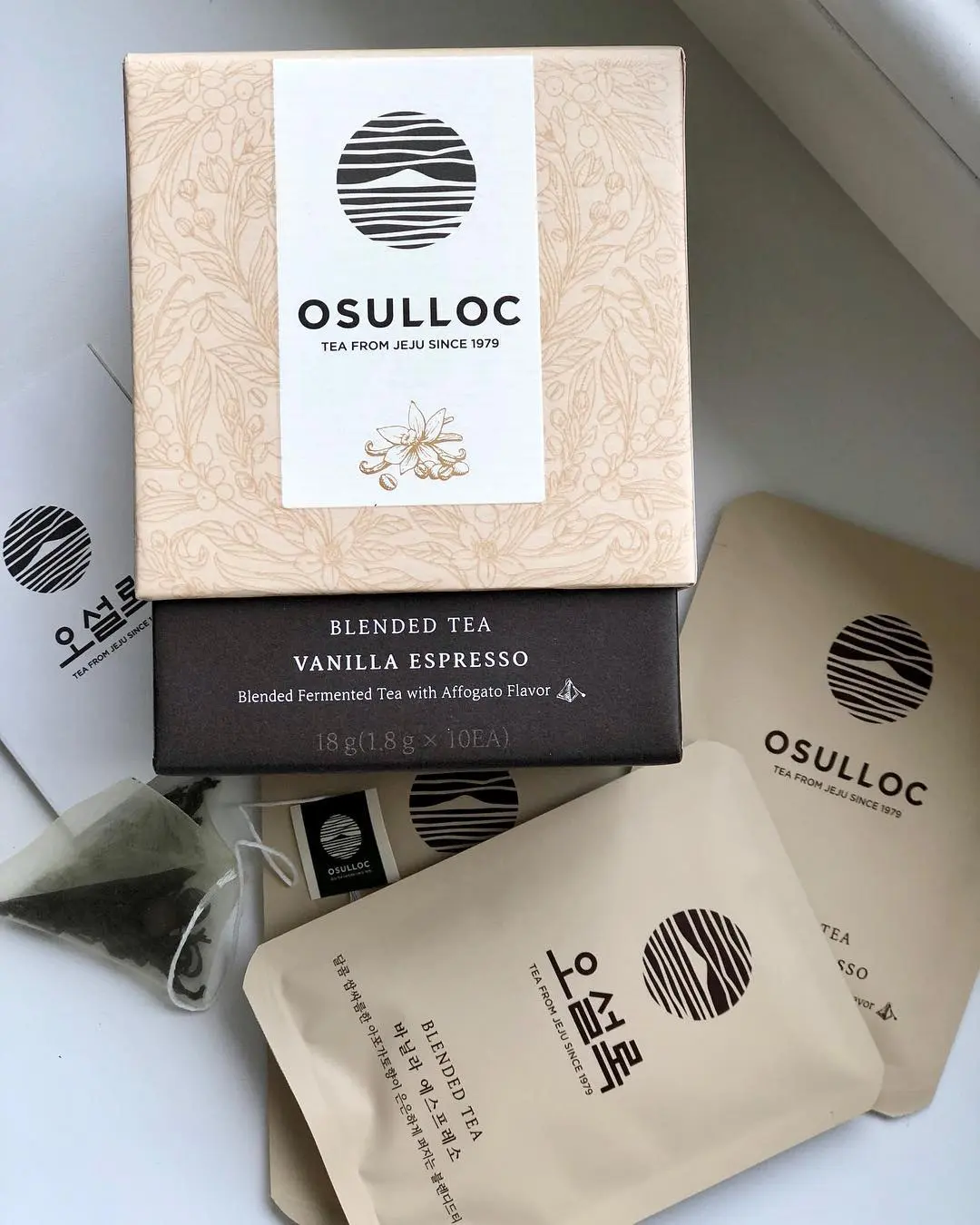
Where to buy: Osulloc stores in Seoul (Insadong and Myeongdong are the most convenient), or the tea section of a department store.
Why it’s worth it: It’s a refined, lightweight gift that feels far more expensive than it is.
K-Beauty: The Souvenirs That Actually Work
Korean beauty is no longer a niche interest—it’s a global industry. But buying K-beauty in Korea is different. You get access to products that never reach international markets, limited-edition sets, and prices that are often lower than what you’d pay abroad.
7. Sheet Masks | Mediheal, Torriden, or Luvum
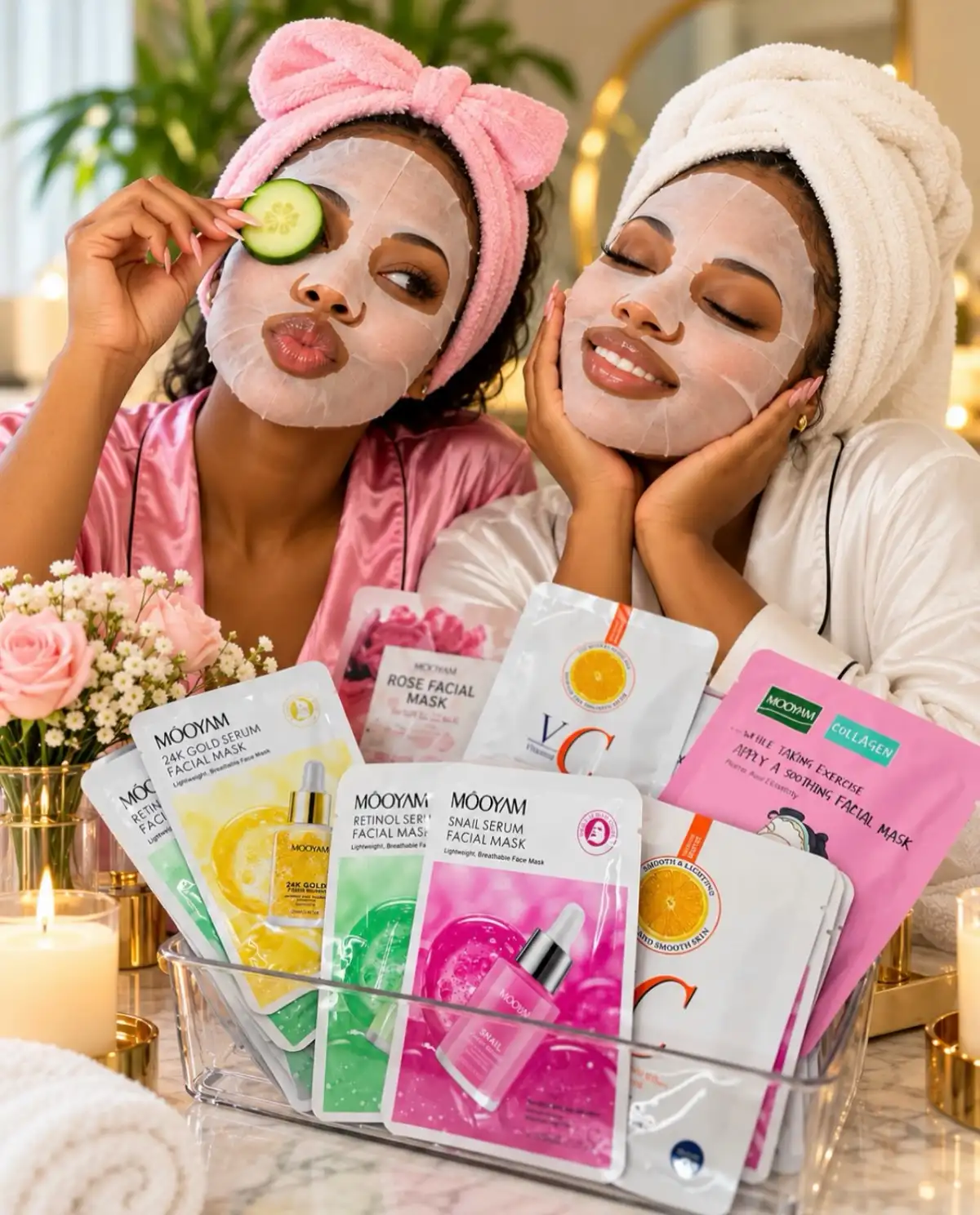
Sheet masks are the easiest K-beauty souvenir. They’re flat, light, and universally appreciated. Mediheal and Torriden are the reliable everyday brands, but if you want something more special, look for Luvum’s After Glow Yuzu Gel Mask—a sleeping mask that’s become a cult favorite for its brightening effect.
Where to buy: Olive Young (the Korean equivalent of Sephora-meets-CVS) is the best one-stop shop. Myeongdong has multiple locations.
Why it’s worth it: A variety pack lets you try several formulas, and they make excellent gifts for friends.
8. Sulwhasoo | Heritage Luxury Skincare
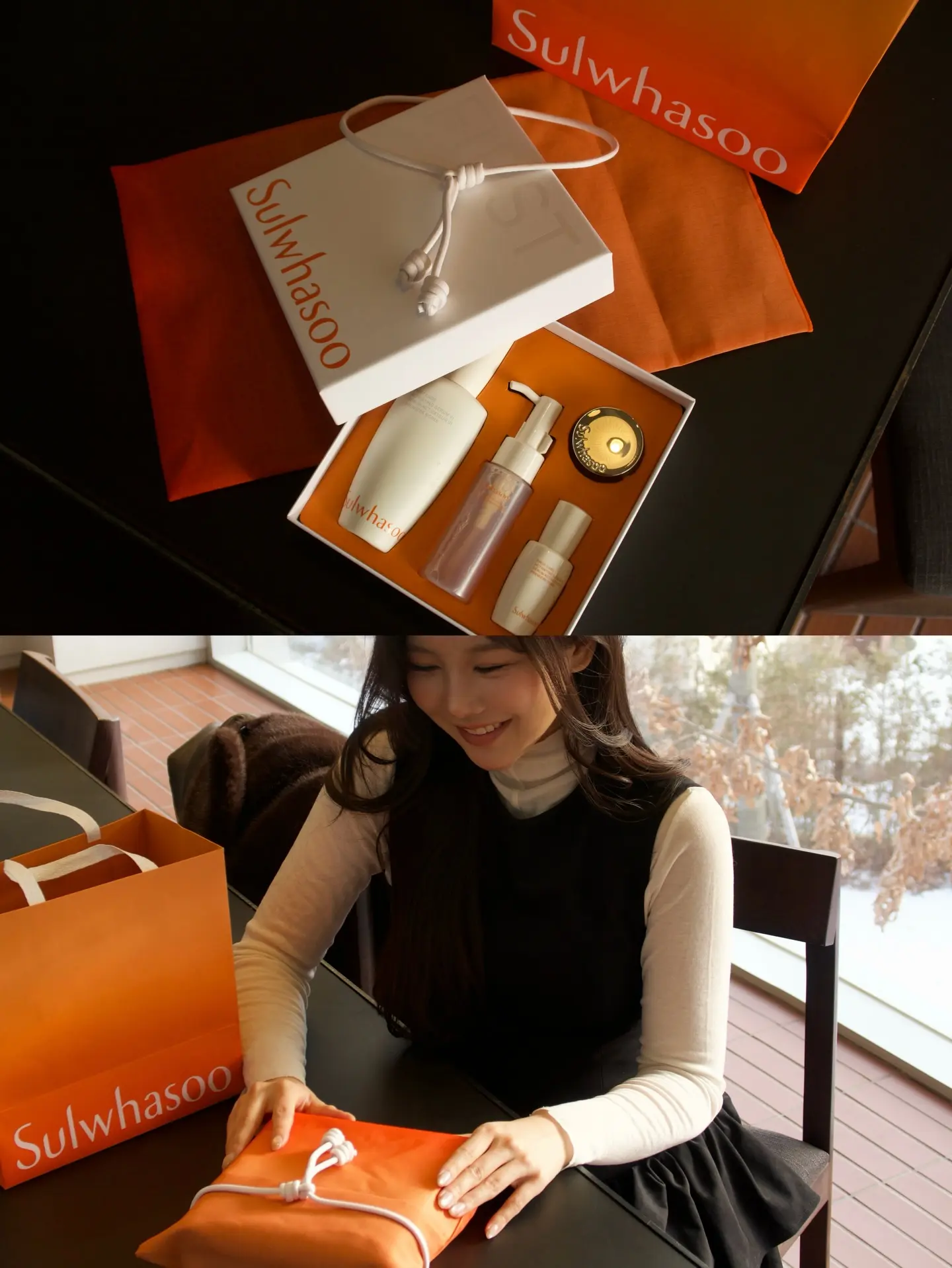
Sulwhasoo is the pinnacle of Korean luxury skincare. Their Jayeum Serum and Concentrated Ginseng Cream are iconic, and the gift sets are packaged with the kind of care you’d expect from a luxury house. It’s not cheap, but it’s a genuine investment in your skin.
Where to buy: Sulwhasoo flagship stores, or the beauty floor of Shinsegae or Lotte.
Why it’s worth it: If you’re buying one “special” beauty souvenir, this is it.
9. Beauty of Joseon | Traditional-Inspired Skincare
Beauty of Joseon builds its formulas around traditional Korean ingredients like rice water, ginseng, and hanbang (traditional herbal medicine).
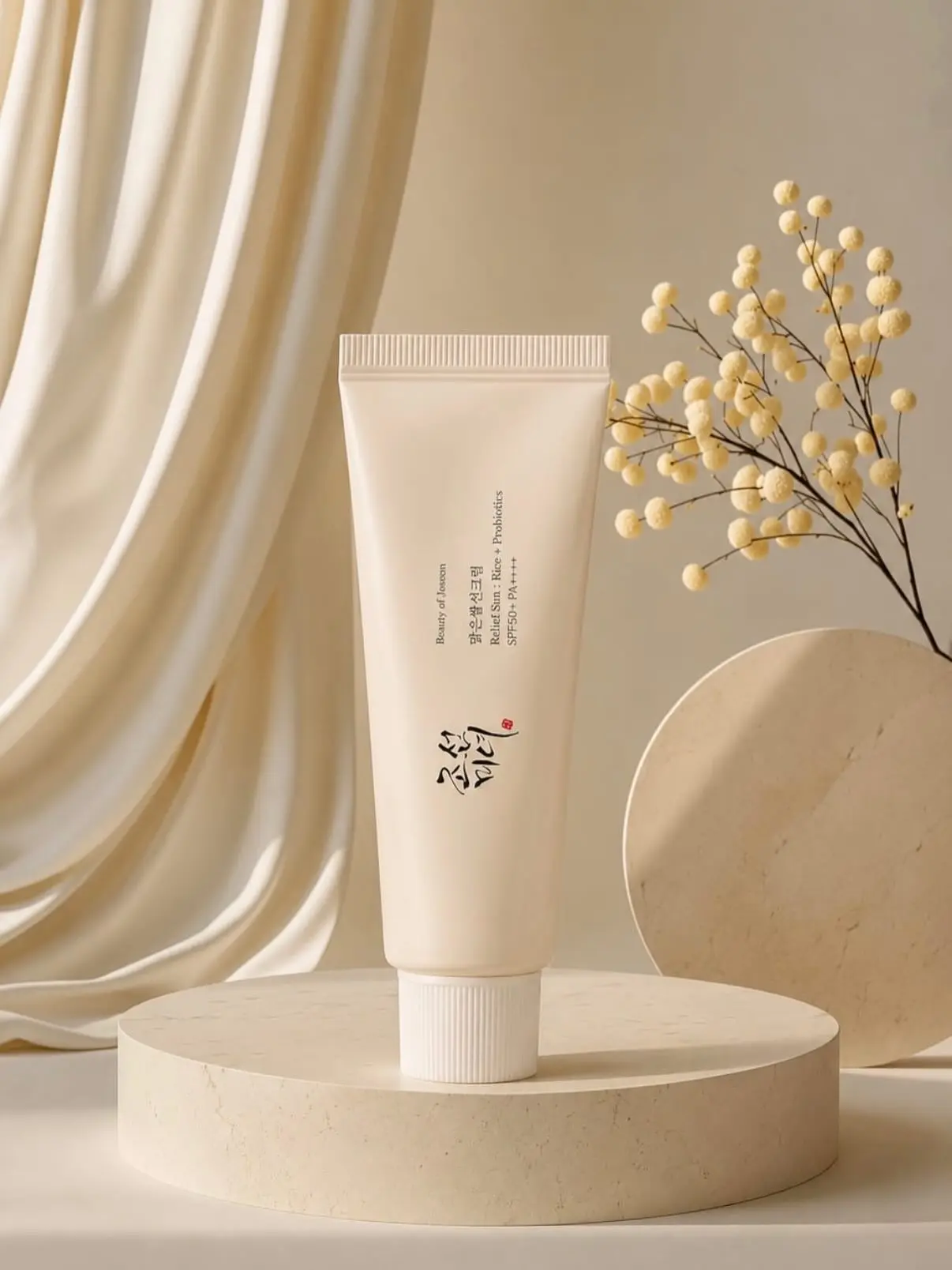
Their Relief Sun sunscreen and Glow Serum are bestsellers, and the packaging is minimalist and elegant.
Where to buy: Olive Young or Beauty of Joseon’s own store in Seoul.
Why it’s worth it: It’s a perfect introduction to the philosophy behind K-beauty—gentle, layered, and ingredient-focused.
10. Peripera Lip Tints
Peripera is the king of affordable K-beauty lip products. Their Ink Mood Glowy Tint is a staple in every Korean teenager’s bag, and the shade range is enormous. At around ₩10,000, they’re the perfect small gift.
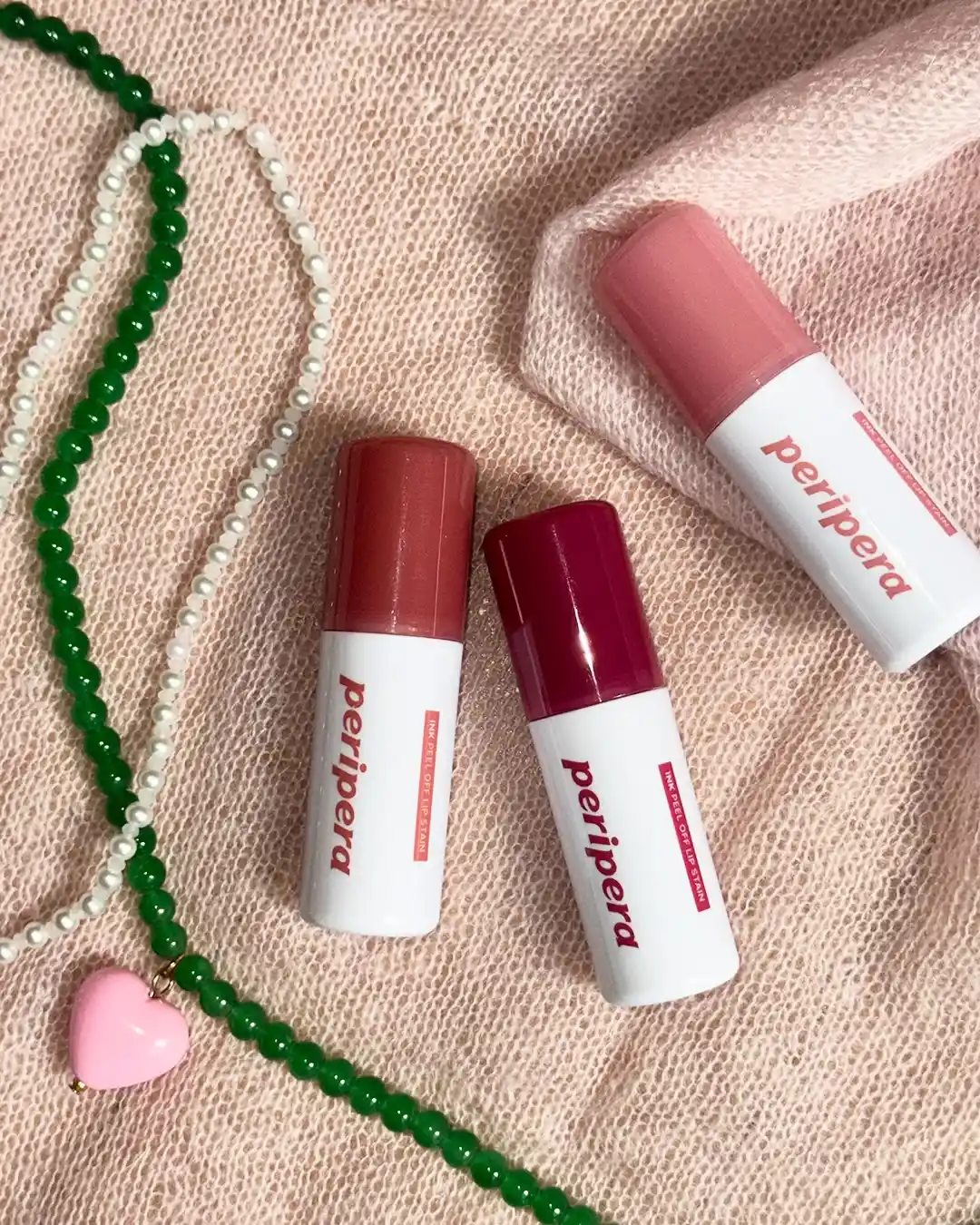
Where to buy: Olive Young, or any Peripera counter in a department store.
Why it’s worth it: It’s fun, cheap, and genuinely good quality.
11. Pharmacy Finds | PDRN Creams and Patches
Korean pharmacies are a treasure trove of products that haven’t yet made it to the global market. Look for PDRN creams (which use salmon DNA for skin repair) and pain relief patches that are far more effective than anything you’ll find at home.
Rejuall and MelaNosa are popular pharmacy brands.
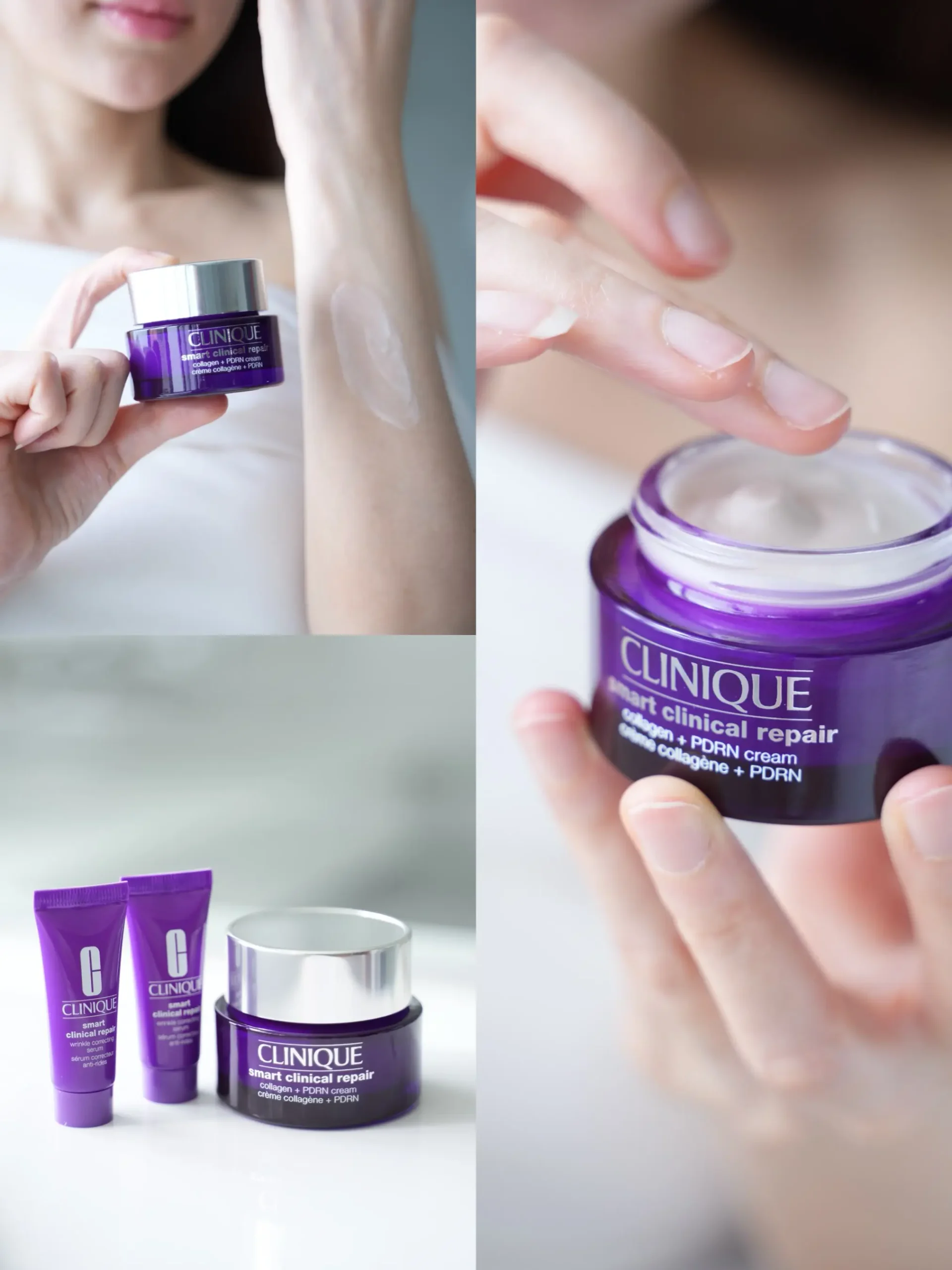
Where to buy: Any Yakguk (pharmacy) in a major city.
These are the products Koreans actually use, not the ones marketed to tourists.
Traditional Crafts & Heritage: The Objects That Carry Stories
Korea’s craft heritage is deep, and the best souvenirs in this category are the ones that reinterpret tradition for modern life.
The National Museum of Korea’s MU:DS line is a great starting point—it’s where you’ll find the viral Pensive Bodhisattva replicas that BTS’s RM made famous.
12. Celadon | Cheongja
Goryeo celadon is famous for its jade-green glaze and refined elegance. You can buy everything from a simple teacup (₩15,000–40,000) to a museum-quality vase.
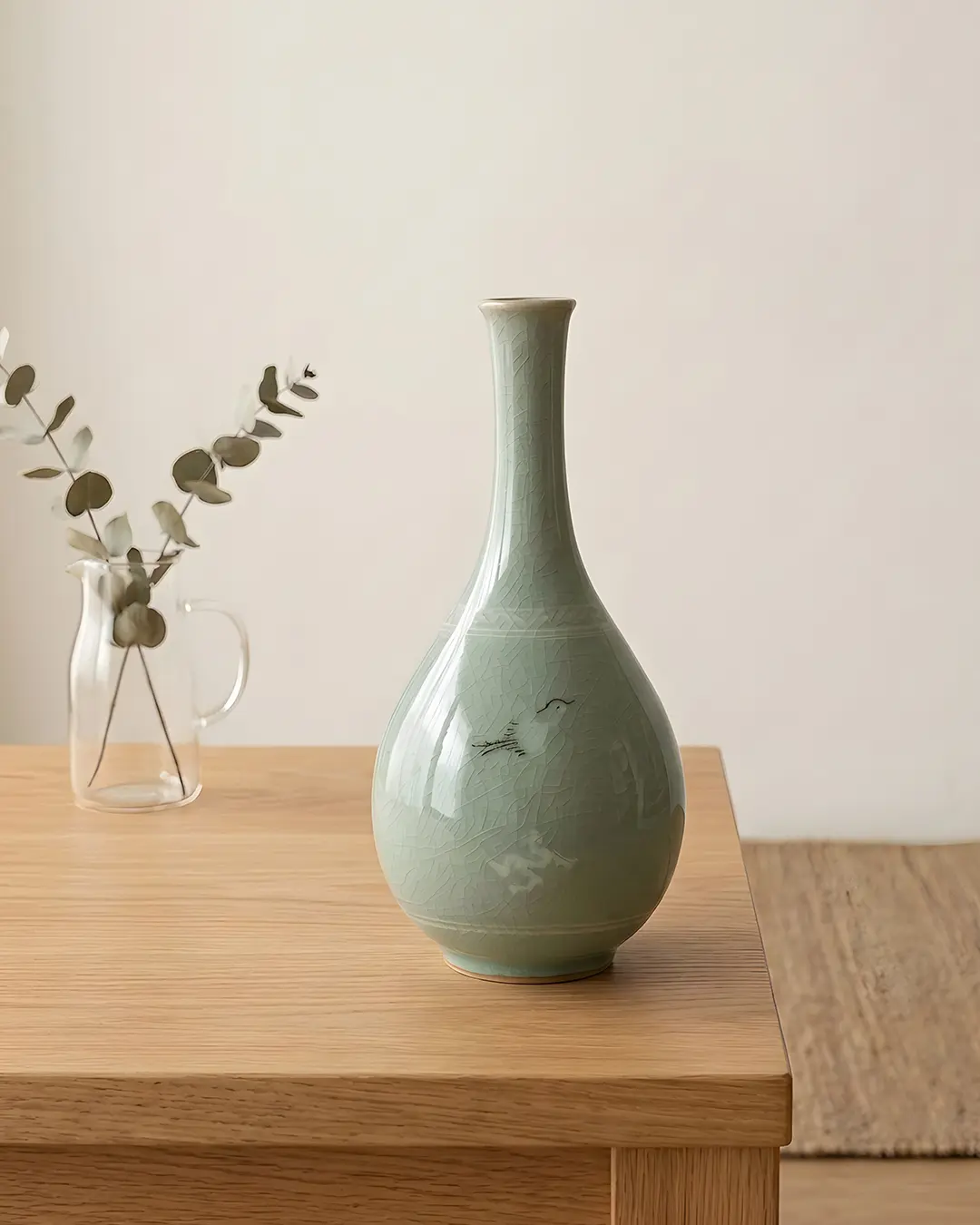
The Celadon Pouch from MU:DS is a clever, affordable way to own a piece of this heritage—it’s a jacquard fabric pouch shaped like a celadon ewer.
Where to buy: Insadong galleries, the National Museum of Korea gift shop, or Icheon (the center of Korean ceramics).
13. Mother-of-Pearl Lacquerware | Najeonchilgi
Najeonchilgi is the art of inlaying mother-of-pearl into lacquered wood. The result is a shimmering, iridescent surface that’s been prized for centuries. Modern pieces range from jewelry boxes and hand mirrors to phone cases and wine stoppers.
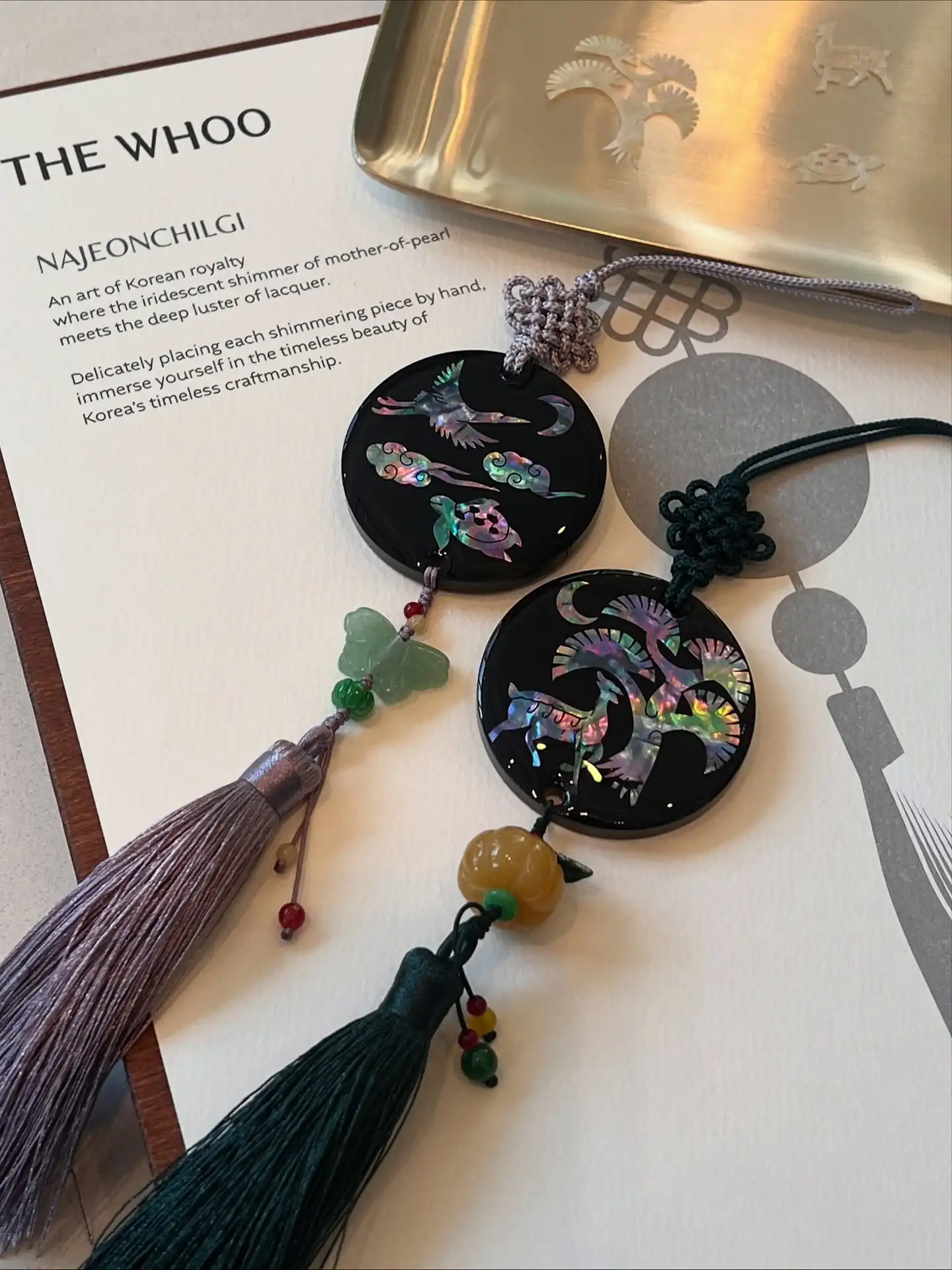
Where to buy: Namdaemun Market’s traditional crafts section, or a Najeonchilgi workshop in Busan or Seoul (many offer 60-minute classes where you can make your own keyring or bookmark).
It’s one of the most visually striking Korean crafts, and small pieces are surprisingly affordable.
14. Hanji | Traditional Paper Goods
Hanji is traditional Korean paper made from mulberry bark. It’s textured, durable, and has a beautiful off-white color. You’ll find it in notebooks, lamps, trays, and stationery sets.
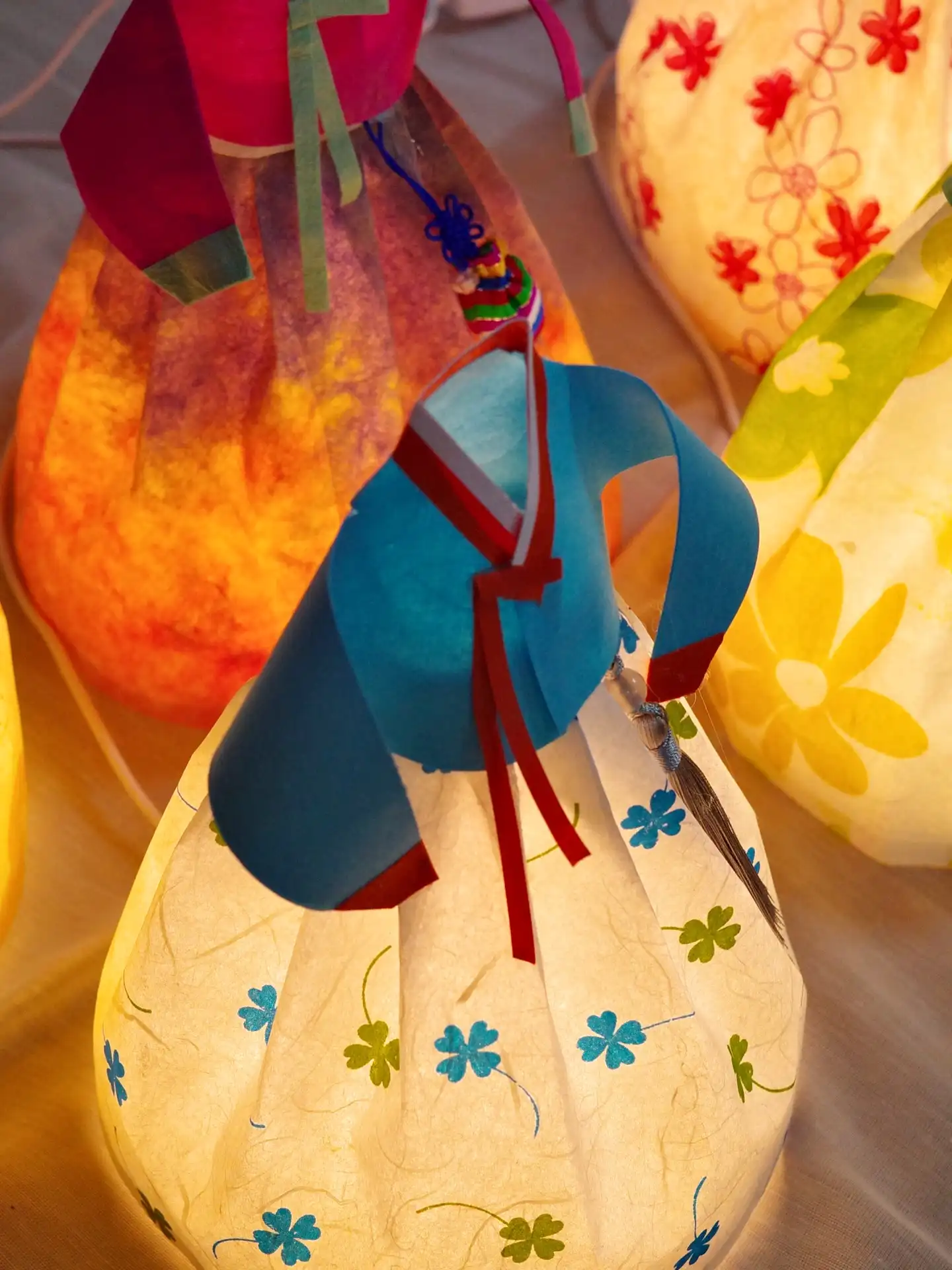
The Hanji Center in Seoul’s Bukchon Hanok Village sells finished goods and runs craft workshops.
Where to buy: Bangsan Market (Seoul’s paper and packaging district), or the Hanji Center.
Why it’s worth it: It’s lightweight, useful, and carries a UNESCO-recognized heritage.
📌 Don’t Miss Out

15. Pensive Bodhisattva Replica | MU:DS
The Pensive Bodhisattva statues (National Treasures 78 and 83) are two of Korea’s most beloved Buddhist sculptures.
The MU:DS miniature replicas became a viral sensation after BTS’s RM posted them, and they now come in limited editions with playful variations (like a thumbs-up pose). A small replica costs around ₩30,000–50,000.
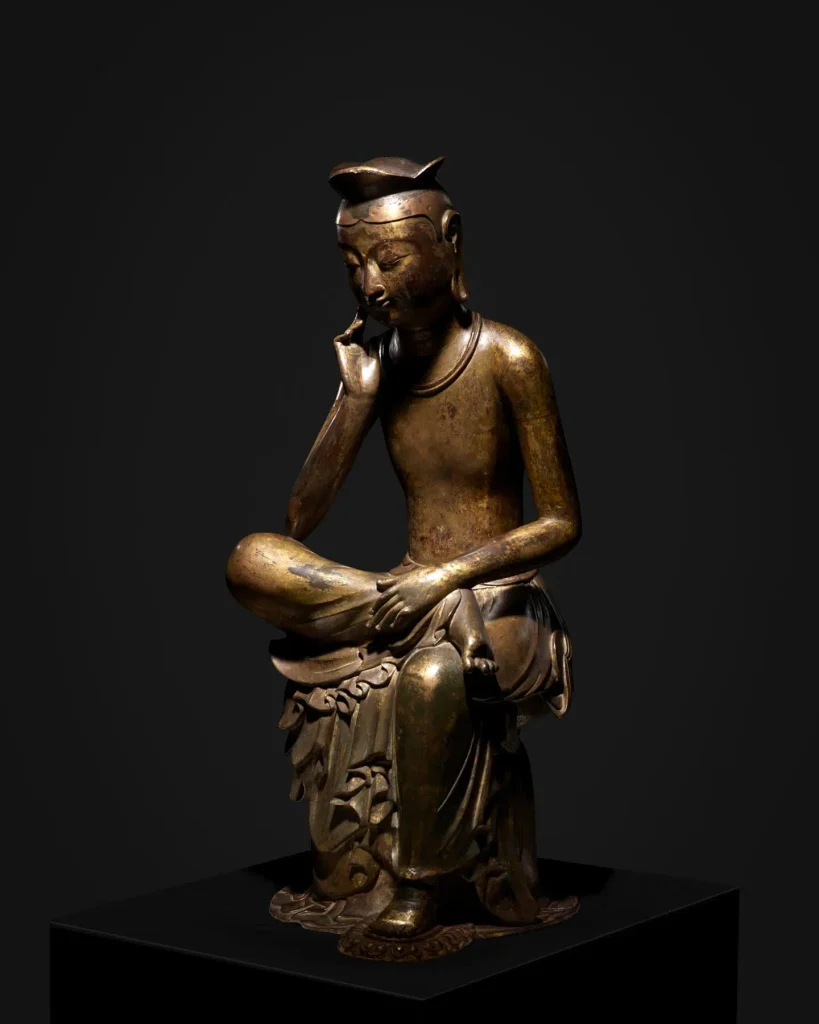
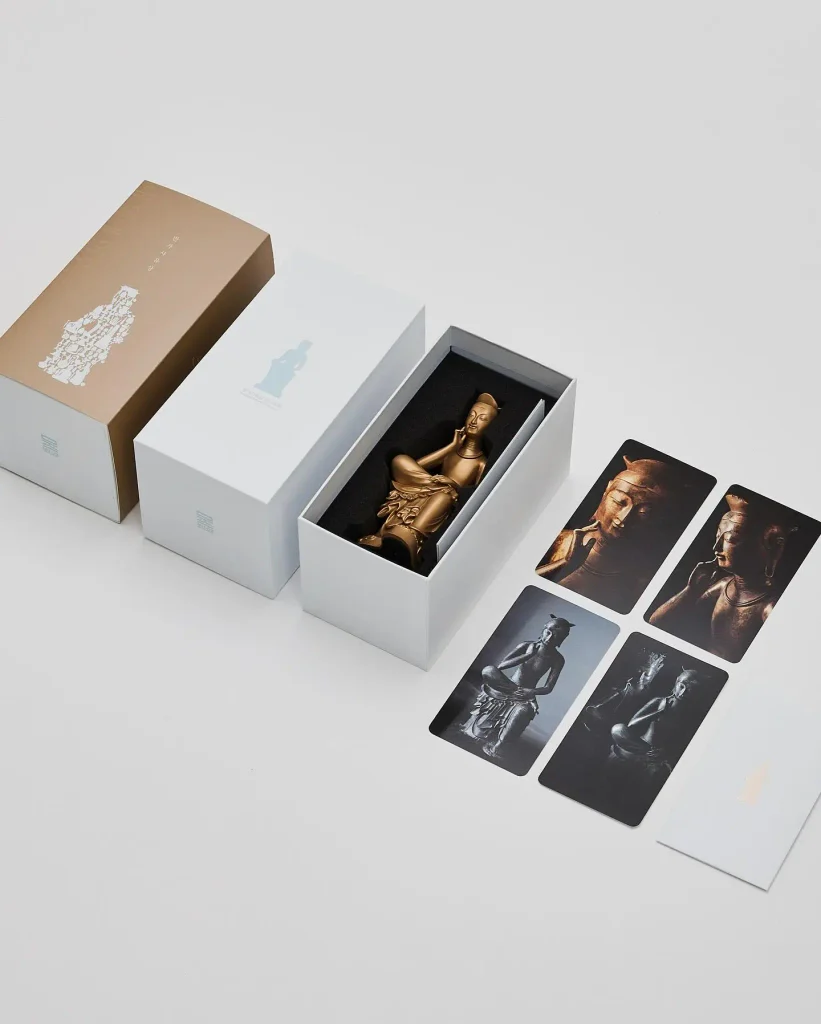
Where to buy: MU:DS at the National Museum of Korea, or the museum’s online shop.
Why it’s worth it: It’s a piece of Korean heritage that’s also a genuine pop-culture artifact.
16. Hanbok | Traditional Clothing
A hanbok is traditional Korean attire, and while a full custom piece can be expensive, you can find ready-made children’s hanbok from around ₩50,000 and women’s modern hanbok from ₩150,000–300,000.
Even a small accessory—like a norigae (traditional ornament)—is a beautiful souvenir.
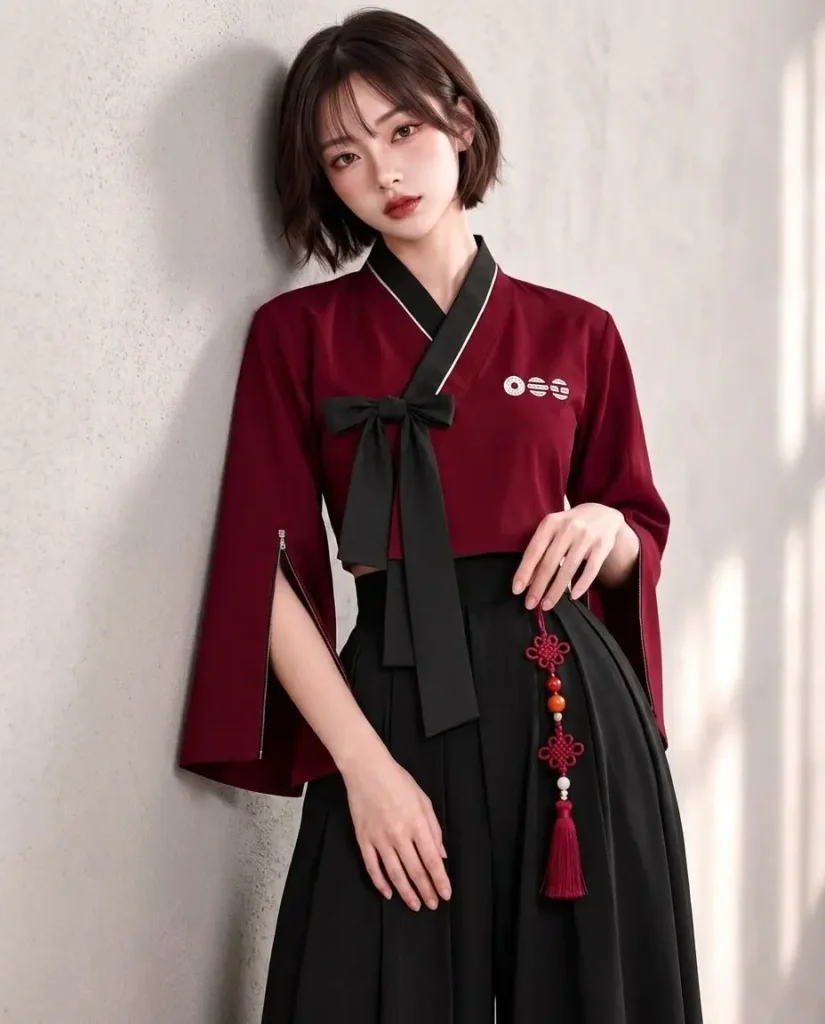
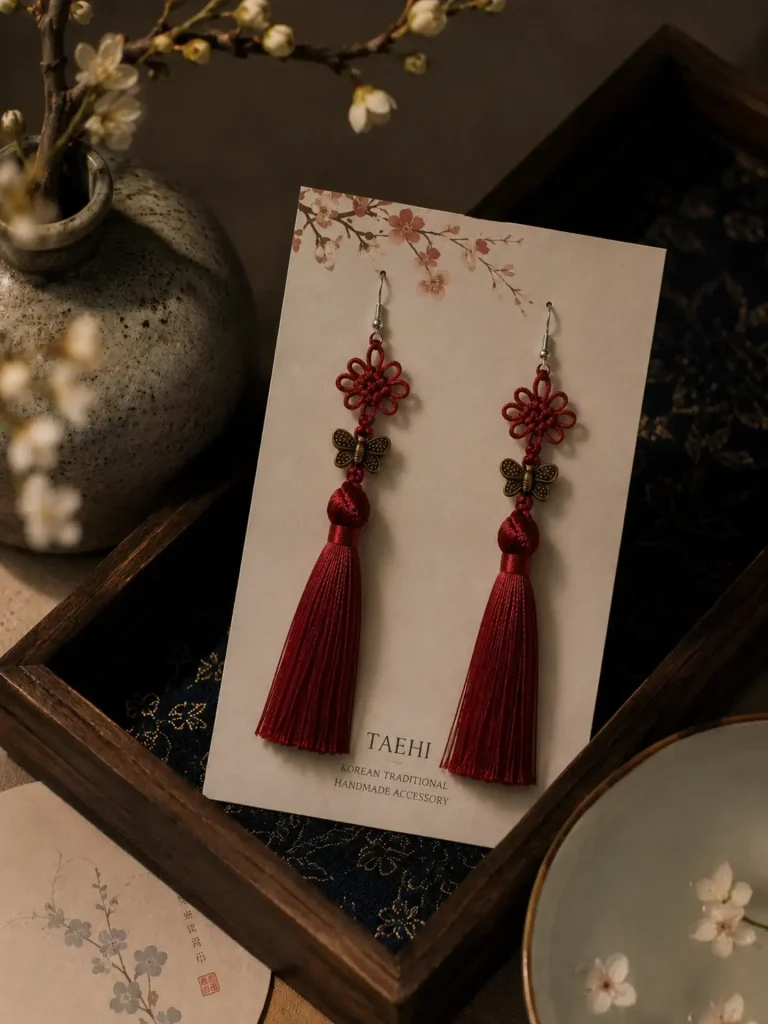
Where to buy: Namdaemun Market’s Hanbok section (Central Arcade C-dong 2F).
Why it’s worth it: It’s a wearable piece of Korean culture, and children’s hanbok makes an unforgettable gift.
17. Stainless Steel Chopsticks
Korean chopsticks are flat, stainless steel, and often decorated with traditional patterns. A set of two or four pairs, sometimes with a matching spoon, costs around ₩10,000–20,000. They’re durable, easy to clean, and feel distinctly Korean.
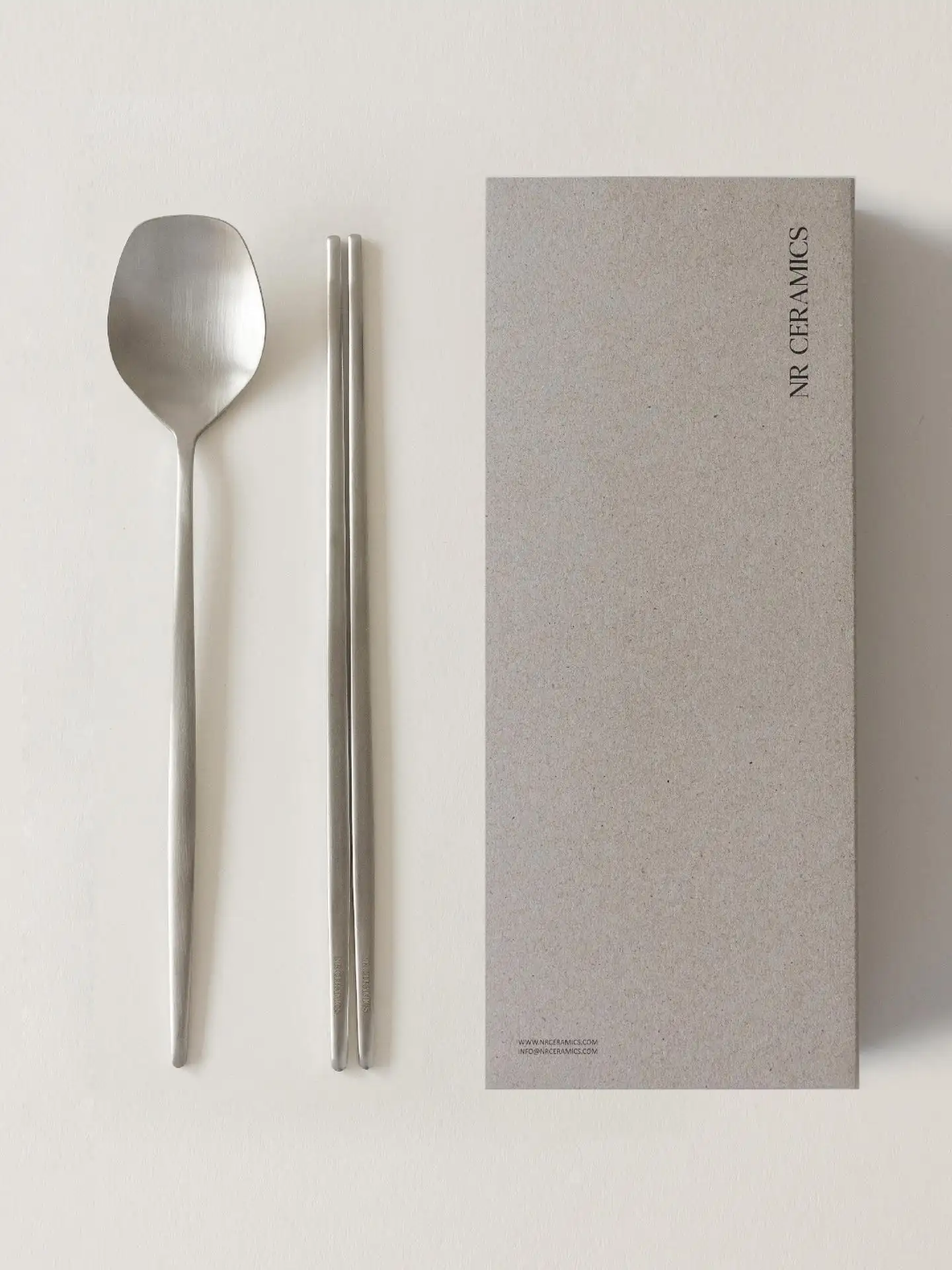
Where to buy: Namdaemun Market, or the kitchenware section of any department store.
Why it’s worth it: They’re practical, lightweight, and will last for decades.
Stationery & Design: The Small Joys
Korean stationery culture is vibrant, and the best souvenirs in this category are the ones that make everyday writing feel a little more special.
18. Artbox Stationery | And Daiso’s Heritage Collection
Artbox is a Korean stationery and lifestyle chain that’s perfect for cute, affordable gifts. Their notebooks, pens, and stickers are designed by local artists and change with the seasons.
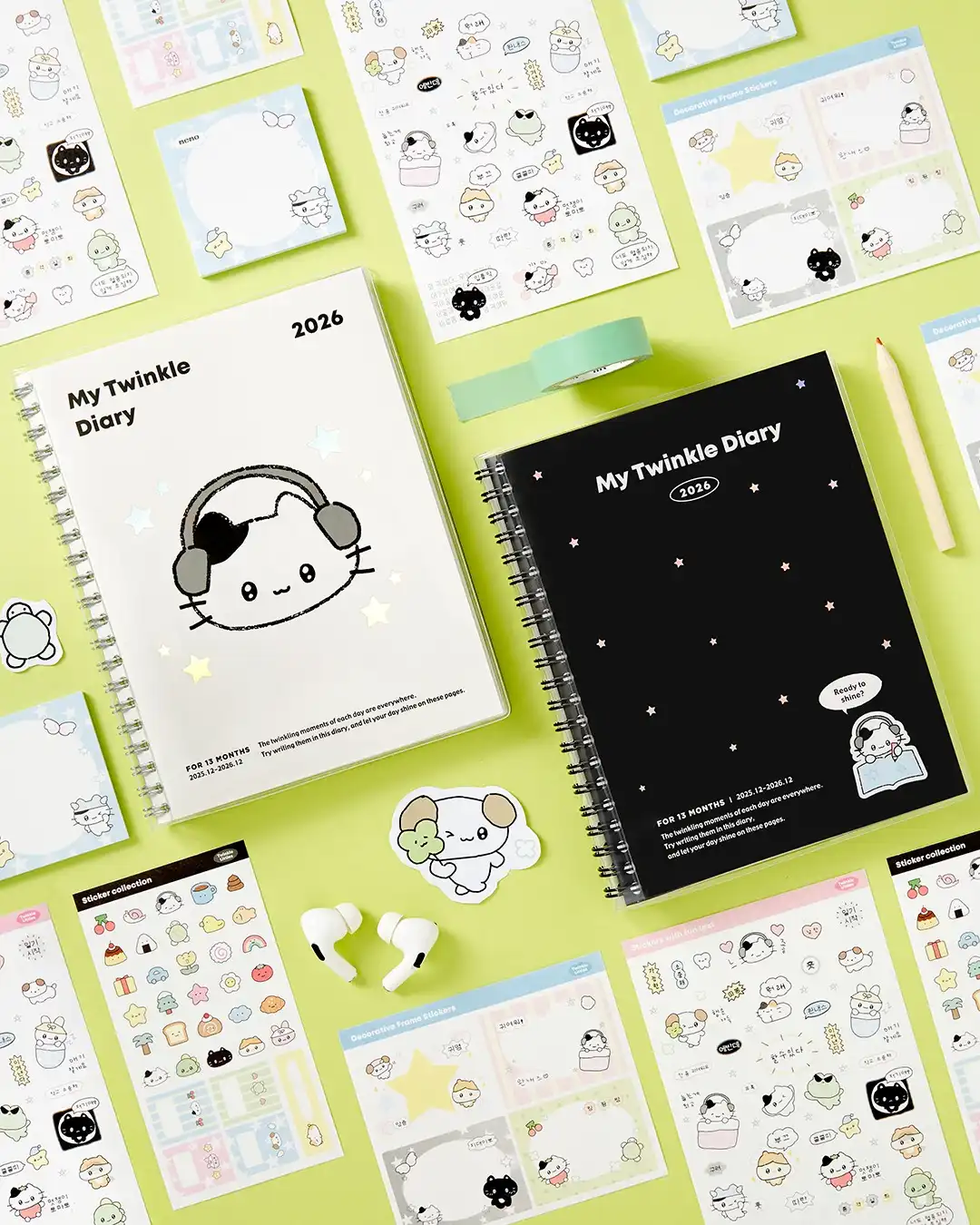
For something more traditional, Daiso’s Korean Heritage Collection features mother-of-pearl stickers, folk-art stationery, and tiger-and-magpie motifs on everyday items.
Where to buy: Artbox stores in Hongdae or Myeongdong; Daiso stores nationwide.
It’s the easiest way to bring home a piece of Korean design without spending much.
19. Custom Name Stamps | Hanko
A hanko (or dojang) is a personal seal used in place of a signature. You can get one made with your name in hangul at a specialty shop for around ₩30,000–50,000. It’s a beautiful, functional object that feels deeply personal.
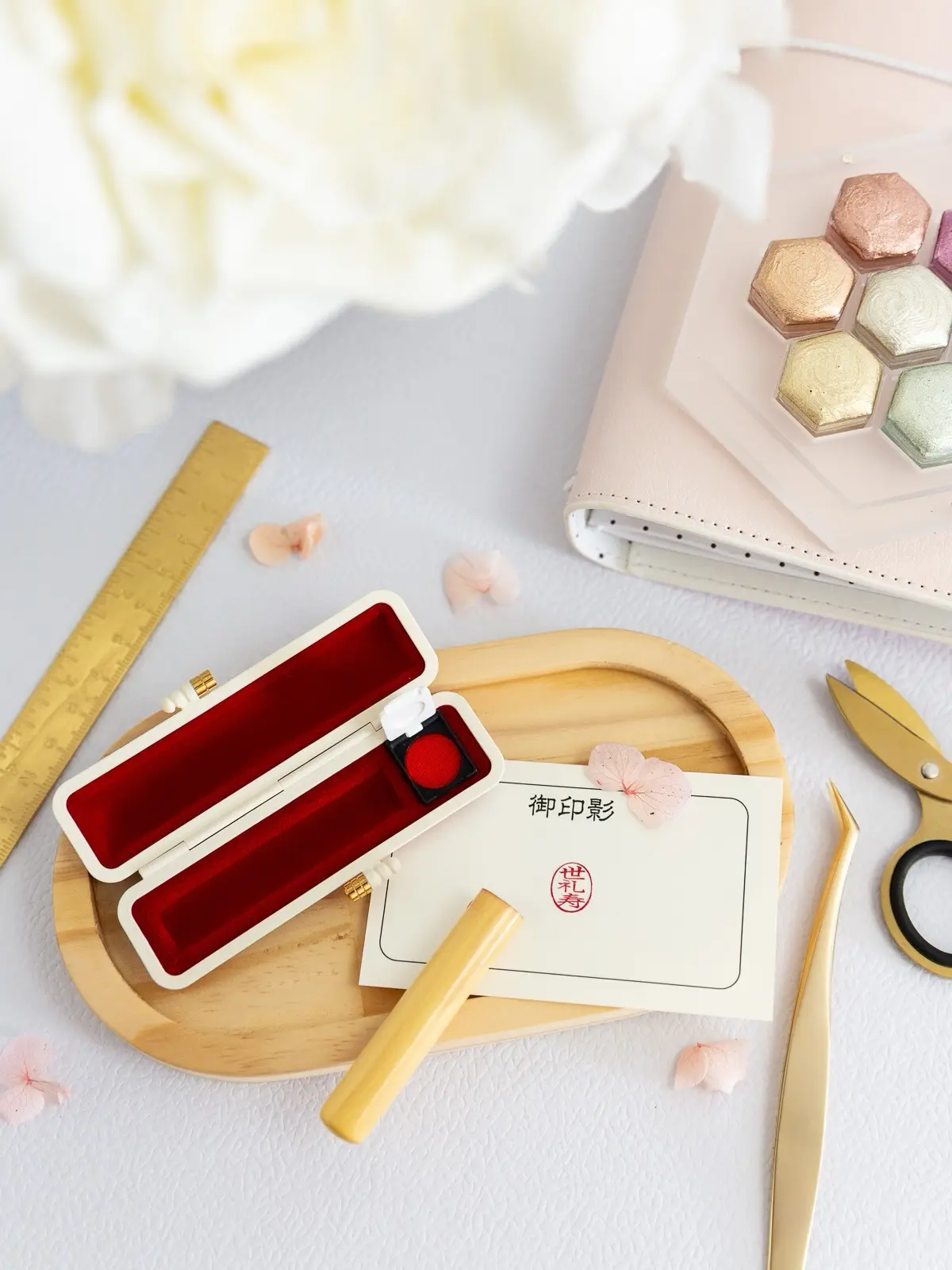
Where to buy: Insadong has several hanko shops that will carve one while you wait.
It’s a souvenir that’s uniquely yours, and it’s small enough to carry in your pocket.
20. “Ddibu” | Decorating Kits
Ddibu is the Korean craze for decorating everyday objects—phone cases, combs, mirrors, even keyboard keycaps. You can buy kits with tiny charms, stickers, and resin at Artbox or Daiso, or join a workshop in Hongdae.
It’s a creative, hands-on souvenir that’s especially popular with teenagers.
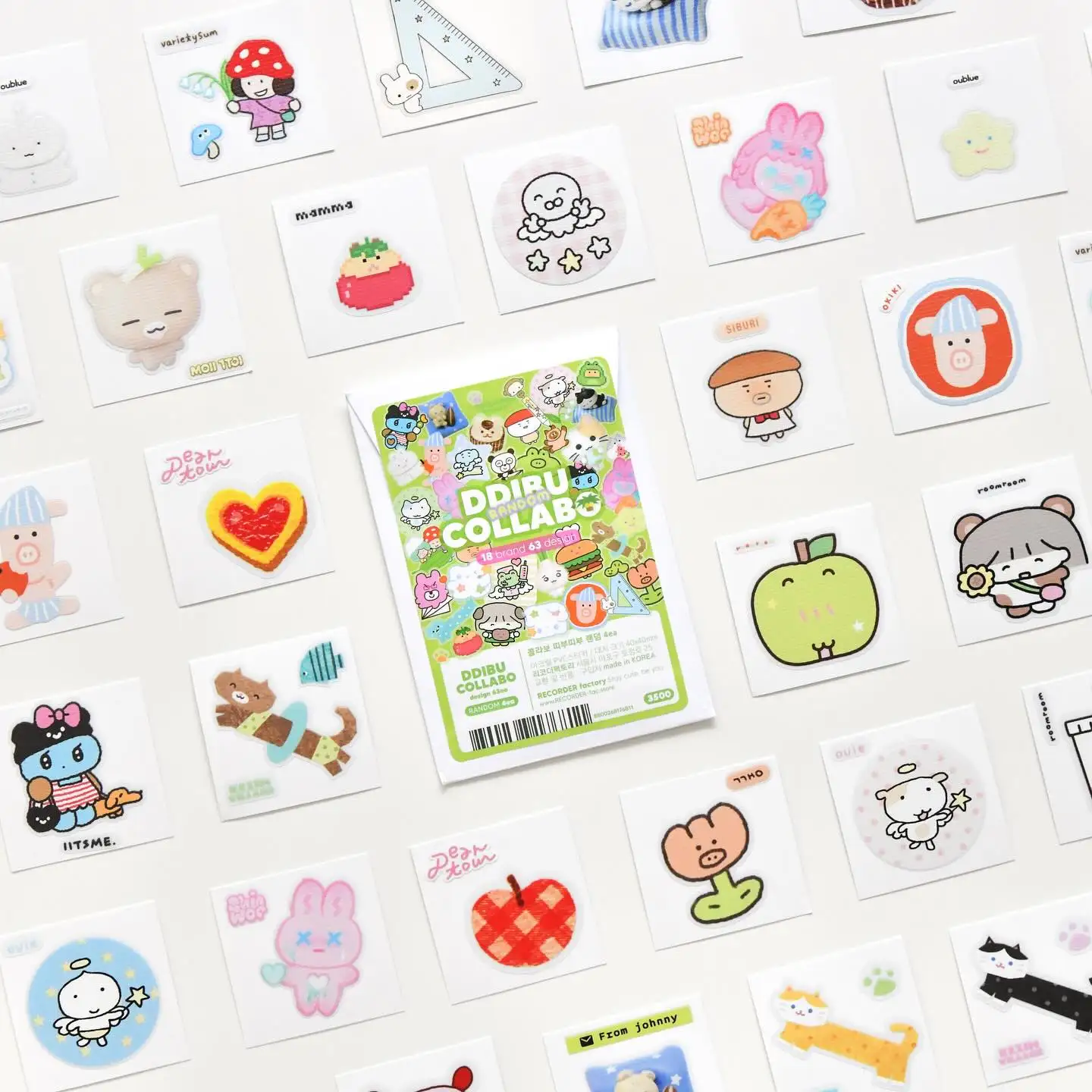
Why it’s worth it: It’s not just a souvenir—it’s an activity.
Where to Shop: A Quick Practical Guide
The best souvenirs from South Korea aren’t all in the same place. Here’s where to go depending on what you’re looking for.
For traditional crafts and heritage: Insadong (galleries and workshops), Namdaemun Market (affordable crafts and hanbok), and museum gift shops like MU:DS.
For K-beauty: Olive Young (the most convenient), Myeongdong (the highest concentration of beauty stores), and department store beauty floors for luxury brands like Sulwhasoo.
For stationery and design: Artbox, Daiso, and Bangsan Market (for hanji and paper goods).
For food souvenirs: Namdaemun Market (dried goods, snacks, tea), E-Mart or Lotte Mart (for bulk snacks and honey butter everything), and convenience stores (for the chips and ramyeon you’ll want to eat on the plane).
Korea’s tax-free system is straightforward. Look for the “Tax Free” sticker at shops, show your passport, and you’ll get a refund at the airport. Keep your receipts together—a small travel document organizer is a simple way to avoid losing them.
A Note on Packing
The biggest mistake I’ve made with Korean souvenirs is underestimating the weight. A few celadon cups and a box of yakgwa can push a suitcase over the limit faster than you expect. A digital luggage scale is worth the investment if you’re planning to shop seriously.
For fragile items, wrap them in clothing and place them in the center of your checked bag. For food, keep the original packaging—it’s designed to protect the contents, and it often doubles as a gift box.
📌 Don’t Miss Out
The best souvenirs from South Korea aren’t the most expensive ones. They’re the ones that carry a story—a honey cookie that tastes like a centuries-old tradition, a sheet mask that actually works, a mother-of-pearl box that shimmers with a thousand years of craft, a stationery set that makes you want to write a letter.
Korea rewards curiosity. The more you look beyond the obvious, the more you’ll find. And the best part is that you don’t have to choose between affordable and meaningful. At every price point, there’s something worth bringing home.
So start with the food, move through the beauty aisle, spend some time in a craft gallery, and end with a notebook you’ll actually use. Your suitcase will be heavier, but your memories will be richer.
Happy travels, and happy hunting. 🇰🇷
