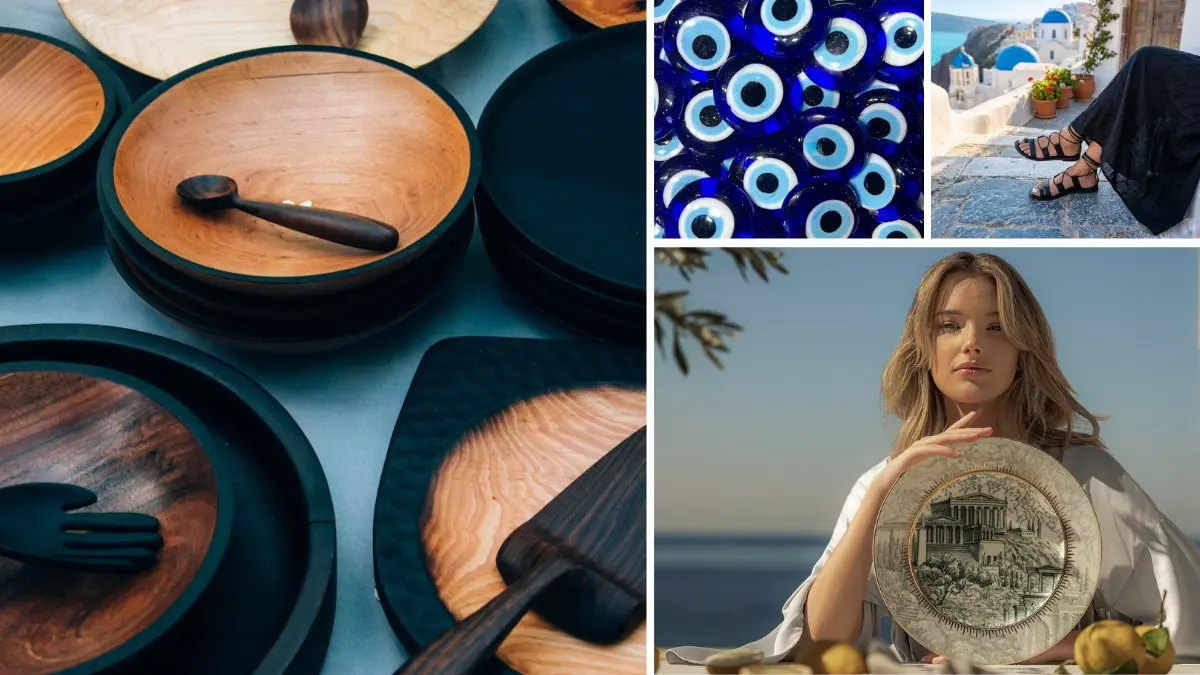
10 Souvenirs from Greece That Are Beautiful and Budget‑Friendly
Bring home a little piece of Greece without blowing your travel budget

- This article contains affiliate links. I may receive a commission if you purchase from them, at no extra cost to you.
Greece has a way of getting under your skin. The whitewashed buildings against the blinding blue sea, the scent of oregano and grilled octopus drifting through narrow alleys, the sound of bouzouki music echoing from a taverna—it’s a country that stays with you long after you’ve left. And the best souvenirs from Greece are the ones that capture that magic without emptying your wallet.
I’ve spent years wandering through the streets of Athens, island‑hopping in the Cyclades, and getting lost in the winding alleys of Crete. Along the way, I’ve discovered the treasures that actually deserve a spot in your suitcase.
These aren’t the cheap plastic trinkets sold in tourist traps—they’re authentic pieces of Greek culture that are beautiful, practical, and genuinely affordable.
Let me take you through my curated list of the 10 best souvenirs from Greece that will remind you of this incredible country every time you see them.
Table of contents ⇅
1. Olive Wood Products
Olive trees have been sacred to Greece for millennia. The wood is dense, beautifully grained, and naturally water‑resistant, making it perfect for kitchen utensils, cutting boards, and decorative items.
When you buy an olive wood product, you’re not just buying a souvenir—you’re bringing home a piece of Greek history.
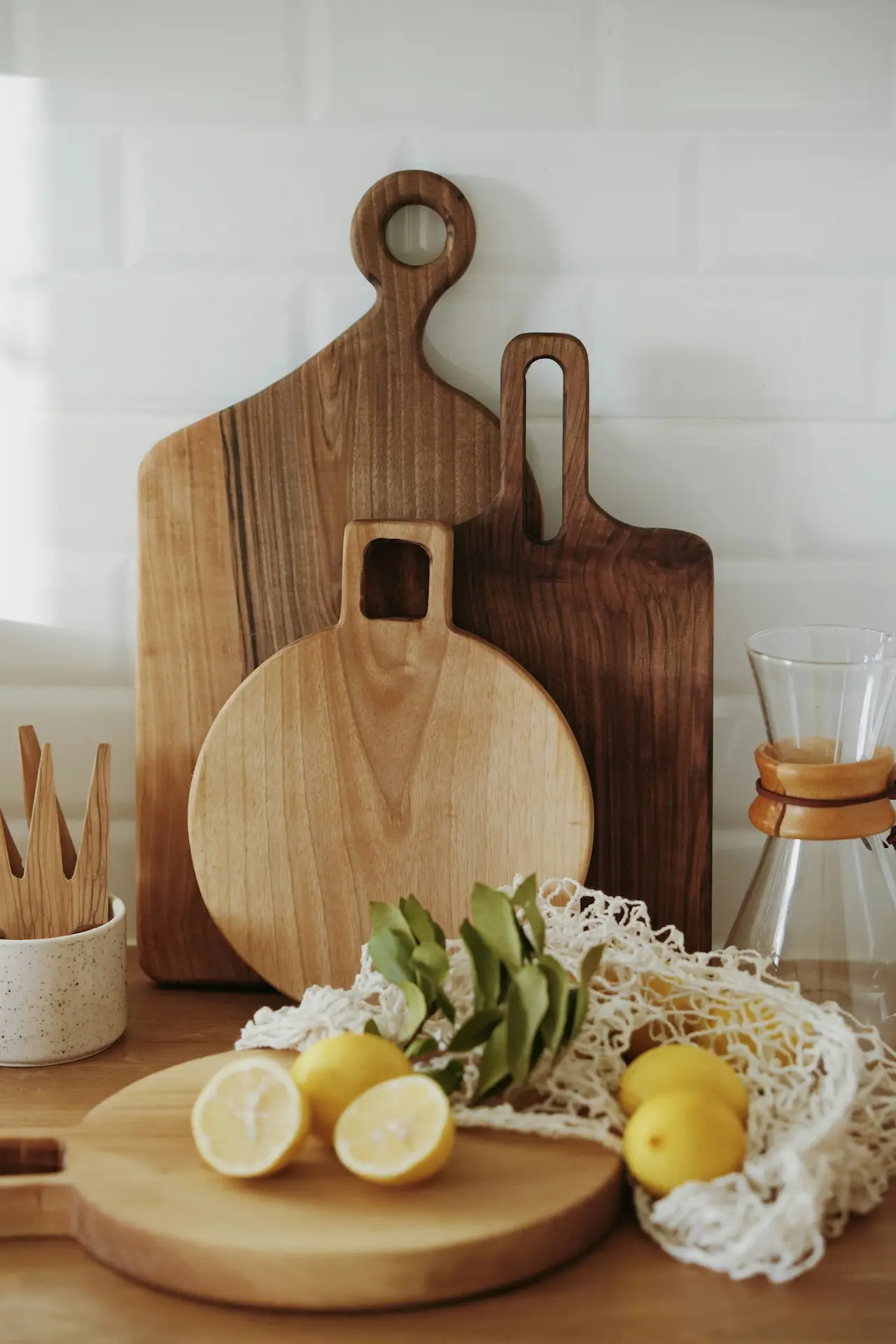
What I love about olive wood is the warmth. It has a rich, honey‑colored hue that deepens with use, and each piece has its own unique grain pattern. You can find everything from simple spatulas to intricately carved salad bowls.
And here’s the best part: they’re incredibly affordable. A handcrafted olive wood spoon costs around €5‑8, and a beautiful cutting board is usually €15‑25.
Best Places to Buy:
- Olive wood workshops in Crete – you can watch artisans at work and buy directly from the source.
- Athens Central Market – has a great selection at reasonable prices.
- Local artisan shops in Nafplio and Chania – the quality is excellent, and you’ll find unique designs.
Why It’s a Lifesaver:
- Olive wood is naturally antimicrobial and durable.
- It’s lightweight and easy to pack.
- It makes a fantastic gift for food lovers and home cooks.
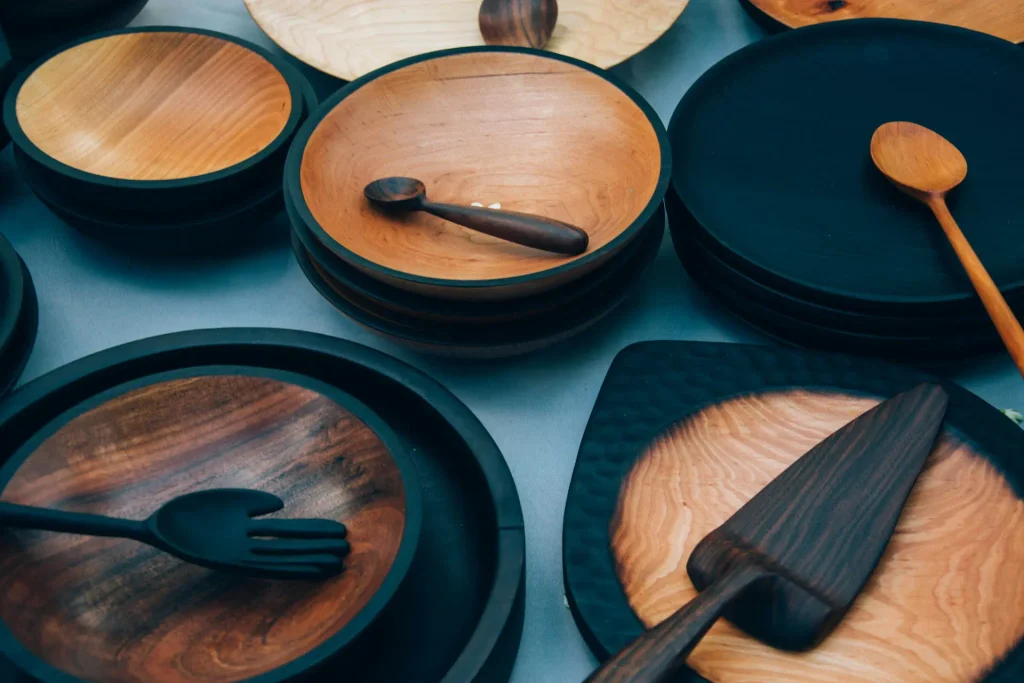
Olive wood products have a timeless, rustic beauty that looks stunning in any kitchen. They also age gracefully, developing a patina over time that adds to their character.


Would you buy?
2. Greek Olive Oil – Liquid Gold
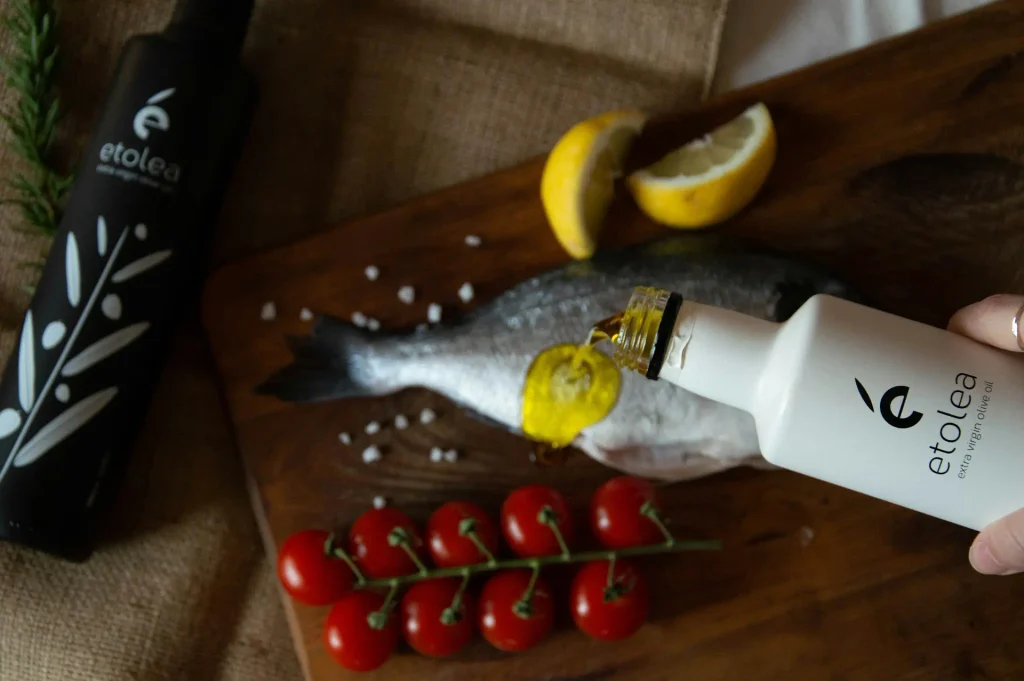
You can’t leave Greece without bringing home its most famous export. Greek olive oil is world‑renowned for its quality, and you’ll taste the difference immediately.
The flavors range from grassy and peppery to buttery and smooth, depending on the region and the harvest time.
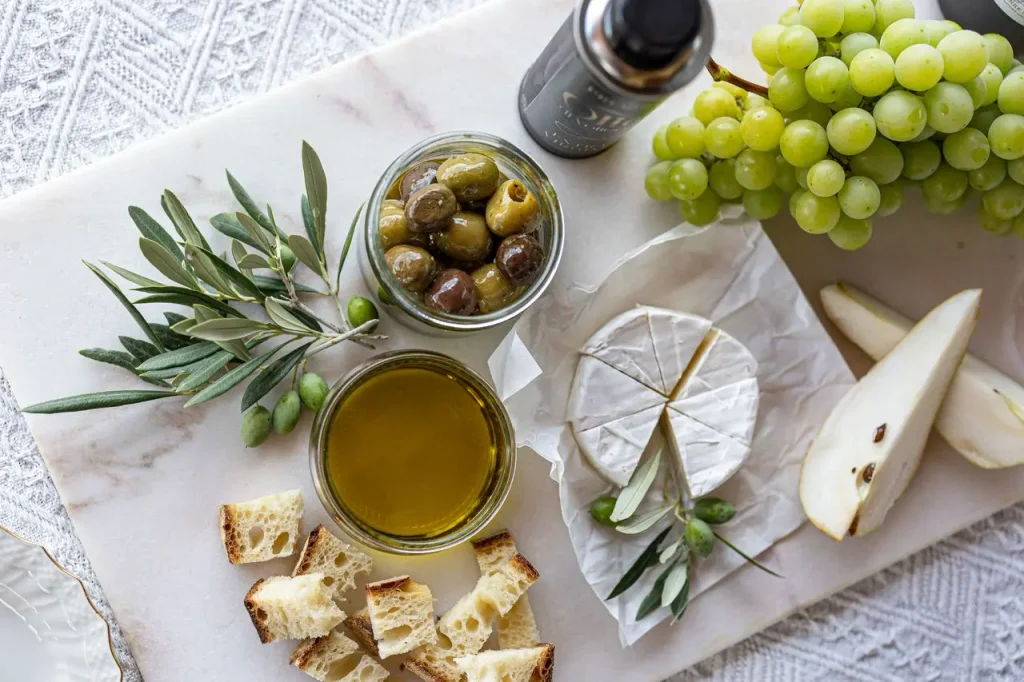
What sets Greek olive oil apart is the tradition. Many families still produce their own oil using methods that have been passed down for generations.
You’ll find bottles in every size, from small ceramic decanters to large cans that will keep you in oil for months.
Best Places to Buy:
- Local olive oil producers – seek out small family farms, especially in Crete, the Peloponnese, and Kalamata.
- Central markets – find high‑quality bottles at very affordable prices.
- Estate shops – in regions like the Mani Peninsula, you can buy directly from the source.
What Makes It Special: You’ll never look at supermarket olive oil the same way again. A bottle of genuine Greek olive oil is a taste of the Mediterranean sun.
Would you buy?
3. Komboloi – The Greek Worry Beads
You’ve probably seen them: older Greek men sitting at a café, clicking away at a string of beads. That’s the komboloi, a traditional Greek worry bead. It’s not a rosary—it’s a tool for relaxation, a way to pass the time, and a symbol of Greek culture.

What I love about komboloi is the variety. You can find them made from amber, coral, glass, and even precious stones. The clicking sound is oddly satisfying, and there’s something meditative about the motion. They’re also surprisingly affordable, especially the ones made from glass or wood.
Best Places to Buy:
- Monastiraki Flea Market in Athens – the best selection at the best prices.
- Komboloi specialty shops – there are several in Athens that have been selling them for decades.
- Ermou Street – has a few shops with high‑quality options.
Why It’s a Lifesaver:
- It’s small and lightweight, making it a perfect souvenir.
- It’s a great conversation starter.
- It helps reduce stress and anxiety.
The beads feel cool and smooth in your hand. The click as they tap together is a sound that’s uniquely Greek.
Would you buy?
4. Greek Honey – The Nectar of the Gods
Greek honey is unlike anything you’ve tried before. The country’s diverse landscapes—from wildflower meadows to pine forests—produce a remarkable variety of honey, each with its own distinct flavor and color.
I’ve tasted almost floral thyme honey, pine honey that’s dark and earthy, and intensely sweet heather honey.
What makes Greek honey so special is the purity. The bees forage on wild, untreated plants, and the honey is usually raw and unfiltered. You can find it in jars of all sizes, often packaged with a piece of comb for an extra special touch.
Best Places to Buy:
- Local markets – every Greek town has a market selling local honey.
- Bee farms – many offer tastings and sell directly.
- Specialty food shops – in Athens and Thessaloniki.
Why It’s a Gift from the Gods: Honey has an incredible shelf life, so you can take it home and enjoy it for months. It’s also a versatile gift that works for almost everyone.
What Makes It Special: The flavor of Greek honey is complex and unique. Try it with yogurt, cheese, or just on its own.





Would you buy?
5. Leather Sandals
Greek leather sandals are a summer staple, and they make a wonderful souvenir. They’re handcrafted, comfortable, and designed to last. The designs range from simple and minimalist to intricate with braided straps.

What I love about Greek sandals is the craftsmanship. The leather is soft and supple, and the soles are usually made from a durable material that molds to your feet. You can find them in shops across Greece, but the best ones are from local artisans who have been making them for generations.
Best Places to Buy:
- The Monastiraki area in Athens has many shops selling high‑quality leather sandals.
- Island shops – especially in Crete and Rhodes, where sandal‑making traditions are strong.
- Local artisans in smaller towns often produce the most authentic pieces.
What Makes It Special: A pair of Greek leather sandals is like a piece of wearable art. They’re not just shoes—they’re a connection to the country’s history and craftsmanship.


Would you buy?
6. Ceramic Greek Coffee Cups
Greek coffee is a ritual, and the cups are part of the experience. Traditional Greek coffee cups are small, elegant, and often beautifully painted with intricate blue-and-white designs. They’re perfect for sipping strong, sweet coffee in the morning.
What I love about these cups is their versatility. They’re the perfect size for a shot of espresso or a small portion of dessert. They also make charming decorative objects, adding a touch of Greek charm to any kitchen.
Best Places to Buy:
- Korai Street in Athens – known for its ceramics shops.
- Chania, Crete – home to many talented ceramic artists.
- Souvenir shops in the Plaka neighborhood – a great selection at reasonable prices.

Why It’s a Lifesaver:
- They’re lightweight and easy to pack.
- They’re inexpensive, making them a budget‑friendly souvenir.
- They make unique and thoughtful gifts.
The blue and white patterns are classic, but you’ll also find cups in other colors and styles. Look for hand-painted ones for that extra special touch.
Would you buy?
7. Greek Herbal Teas
Greece is home to a wide variety of wild herbs, many of which have been used for medicinal purposes for centuries. Some of the most popular include mountain tea (shepherd’s tea), sage, chamomile, and thyme.
I love drinking a cup of Greek herbal tea in the evening—it’s a soothing reminder of the country’s natural beauty.
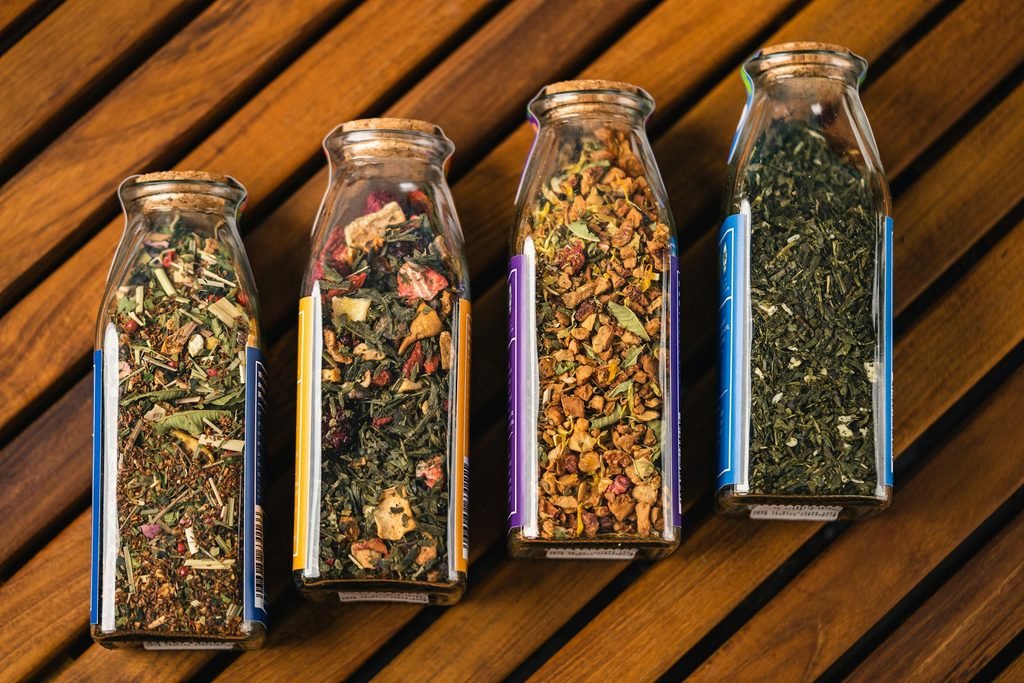
What makes Greek herbal teas special is the quality. The herbs are often wild‑harvested and sun‑dried, preserving their flavor and health benefits. You can find them in bulk or in beautifully packaged boxes.
Best Places to Buy:
- Local markets – the best place to find fresh, high‑quality herbs.
- Herbalist shops in Athens and Thessaloniki – have a great selection.
- Island shops – many sell herbs packaged with local honey.
What Makes It Special: A cup of Greek herbal tea is a taste of the country’s landscapes. The flavors are intense and full of character.
Would you buy?
8. Evil Eye (Mati) Charms
The evil eye—the “mati”—is a deeply ingrained part of Greek culture. The blue glass charm is believed to protect against the evil eye curse, and it’s a common sight in homes, shops, and even cars. It’s one of the most recognizable souvenirs from Greece.
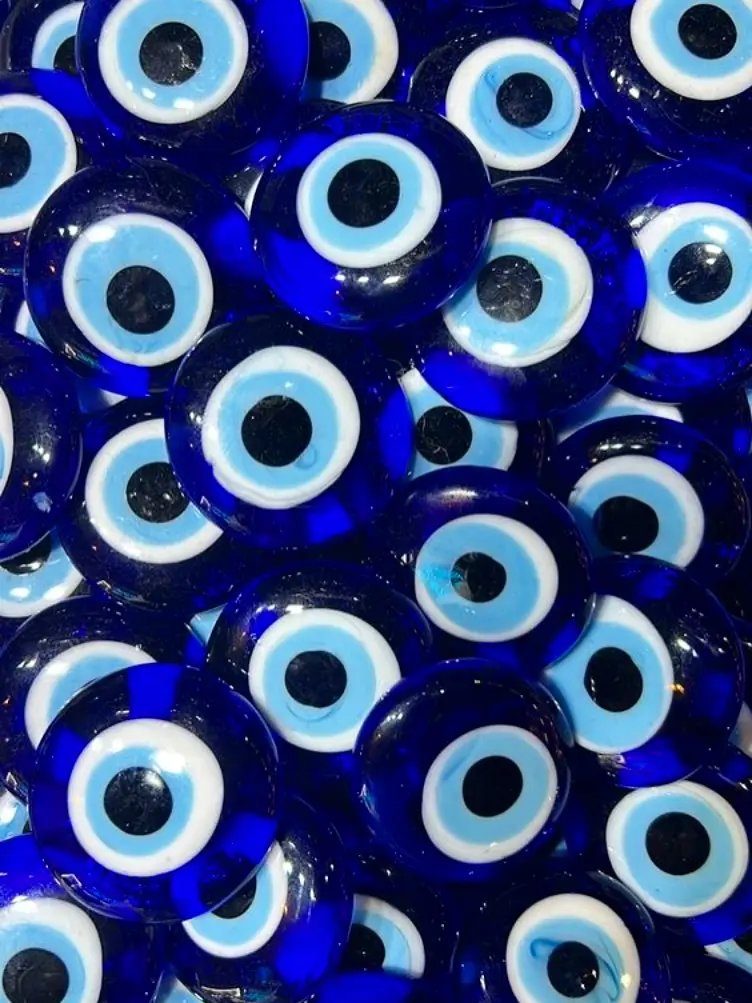
What I love about mati charms is the variety. They come in the classic blue glass, but you can also find them in jewelry, painted on ceramics, and even as magnets. They’re affordable, easy to pack, and make a thoughtful gift for friends and family.
Best Places to Buy:
- Monastiraki Flea Market – the best place to find authentic mati charms.
- Souvenir shops across Greece – you’ll find them everywhere.
- Jewelry stores – for high‑quality pieces.
📌 Don’t Miss Out

Why It’s a Lifesaver:
- It’s small and lightweight.
- It’s inexpensive.
- It’s a meaningful symbol of Greek culture.
The blue of the mati is unmistakable. It’s a vibrant, electric shade that stands out against any background.


Would you buy?
9. Raki or Ouzo – The Spirit of Greece
You can’t leave Greece without trying raki or ouzo. They’re the country’s most popular spirits, and they’re deeply rooted in Greek culture. Ouzo is anise‑flavored, while raki (also known as tsikoudia) is a grape‑based distillate from Crete. Both are strong and meant to be enjoyed slowly.
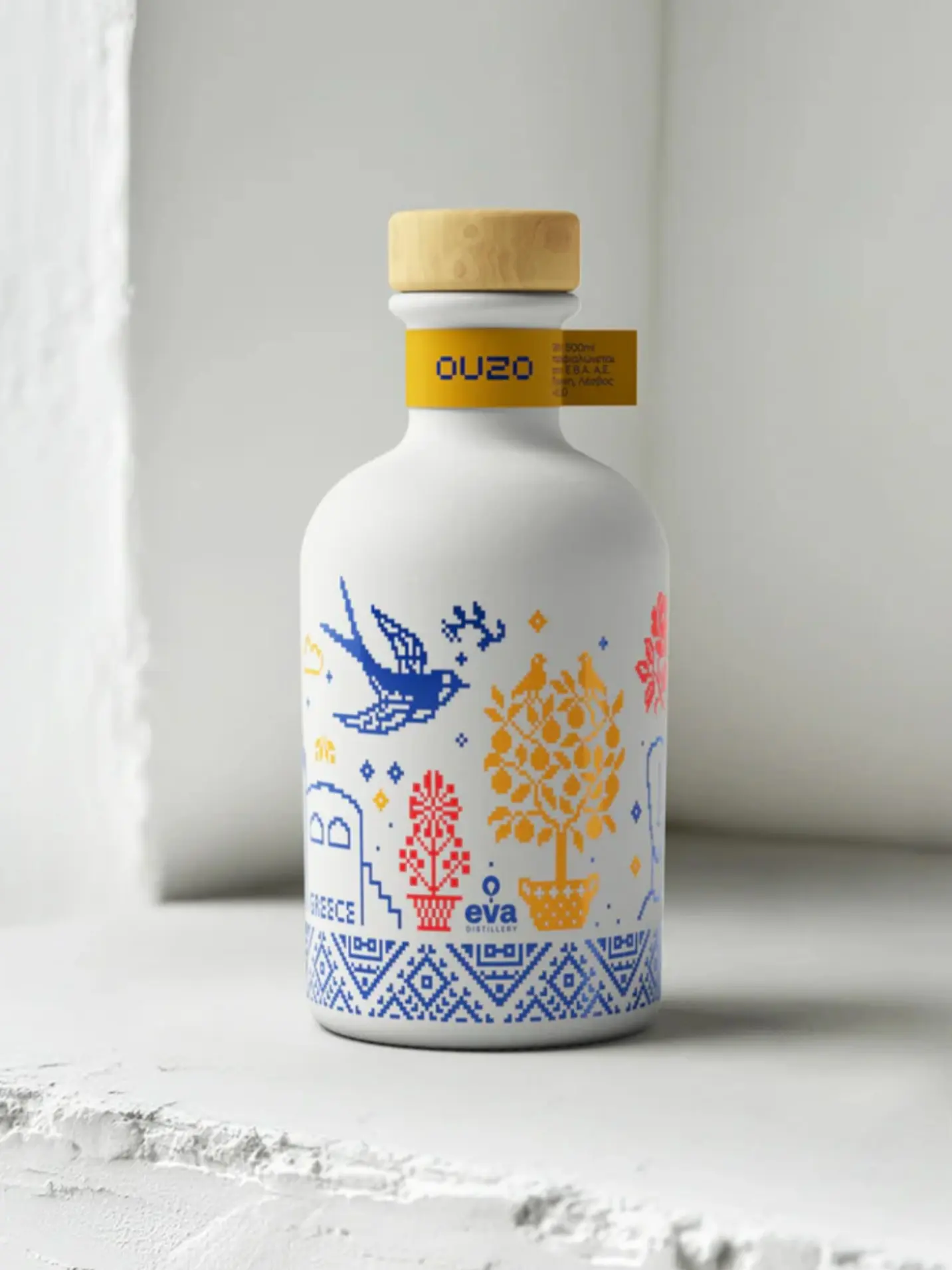
What I love about raki and ouzo is the bottle. They come in beautifully shaped bottles, often with a retro design. They’re also incredibly affordable, making them a budget‑friendly souvenir.
Best Places to Buy:
- Local distilleries – especially in Crete and Lesvos.
- Supermarkets – offer a great selection at reasonable prices.
- Duty‑free shops – at Greek airports.
What Makes It Special: A bottle of raki or ouzo is a taste of Greek hospitality. It’s also a great conversation starter for your next dinner party.
Would you buy?
10. Hand‑Painted Ceramics
Greek ceramics have a long history, dating back to ancient times. The designs are timeless, and the colors are vibrant. You’ll find everything from plates and bowls to vases and decorative tiles. Each piece feels handmade and full of personality.
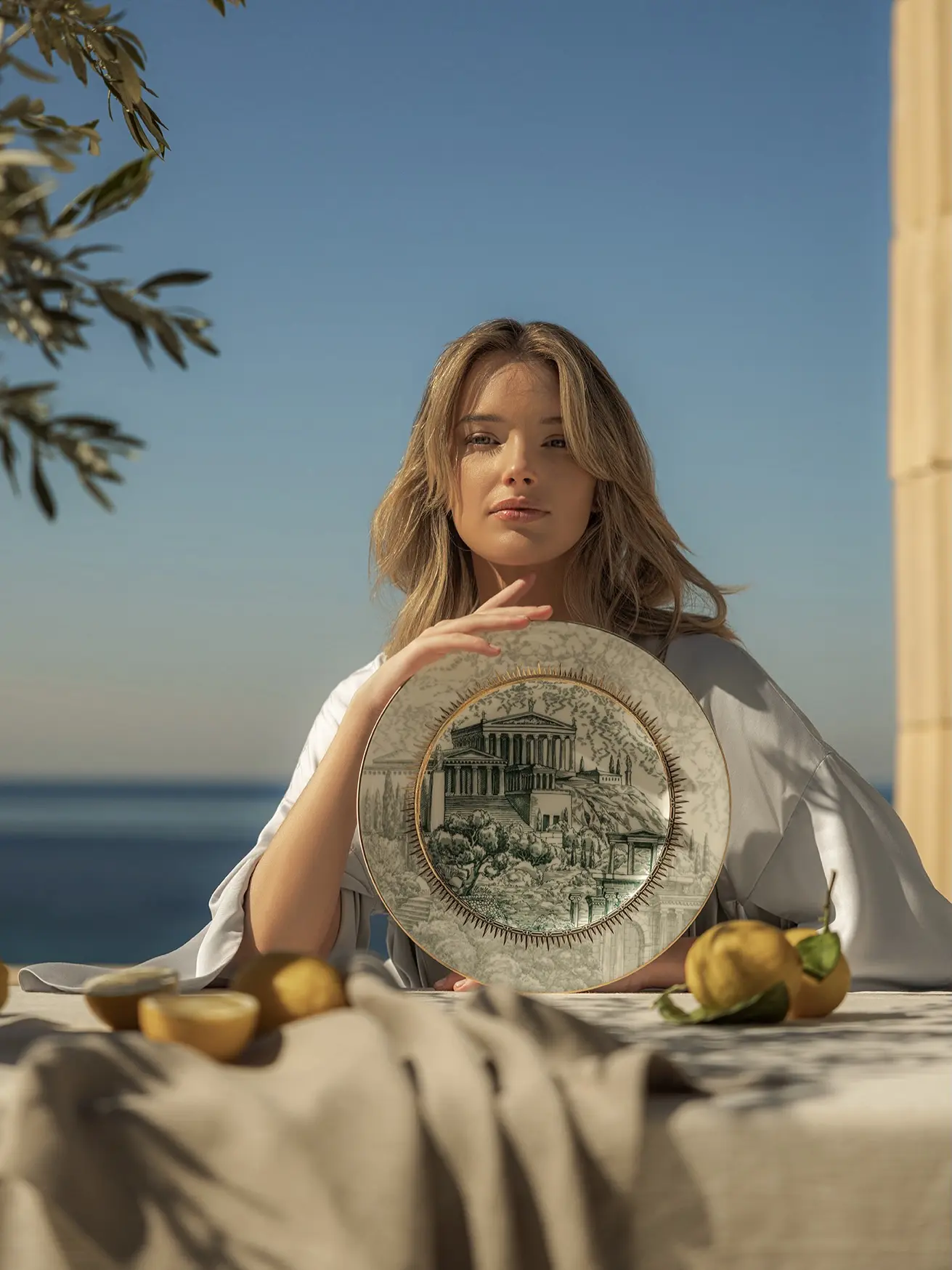
What I love about Greek ceramics is the connection to the place. Many of the designs are inspired by ancient Greek motifs, while others reflect the colors of the Greek landscape. They’re also surprisingly affordable, especially if you buy directly from a workshop.
Best Places to Buy:
- Workshops in Crete – the island is famous for its ceramics.
- Corfu – known for its distinctive style of pottery.
- Athens – the Plaka neighborhood has many ceramics shops.
A hand‑painted Greek ceramic is a piece of art. It’s a beautiful and lasting reminder of the country’s rich cultural heritage.
Would you buy?
What Not to Buy in Greece
Let’s be real—not every souvenir is worth your money. Here are a few things I’d recommend avoiding:
- Mass‑produced replicas of ancient statues: You’ll find these everywhere, but they’re usually made of cheap plaster and have no authenticity. If you want something ancient, buy a genuine coin (with proper export documentation) or a beautiful print of an ancient vase.
- Plastic worry beads: They don’t have the same click or feel as the real ones. Invest in a pair made from glass, amber, or wood.
- Overpriced “ancient” coins: Unless you’re buying from a reputable dealer, these are almost certainly fakes. Stick to museum gift shops for authenticated replicas.
Tips for Buying Affordable Souvenirs in Greece
1. Shop in Local Markets (Not Just Tourist Shops)
Head to the local markets for the best prices and selection. You’ll find unique, authentic items that you won’t see in the souvenir shops. The Monastiraki Flea Market in Athens is a fantastic spot for vintage treasures.
2. Check the Quality
Cheap isn’t always a bargain. Check the quality of the materials. A well‑made item will last for years and bring you joy long after your trip has ended.
3. Pack It Right
Ceramics, glass, and olive oil need careful packing. Bring a roll of bubble wrap and some packing cubes to keep everything secure.
4. Look for Tax‑Free Shopping
Many stores offer tax‑free shopping for tourists. Just remember to show your passport at the checkout.
5. Travel Light, But Bring an Extra Bag
If you plan on buying ceramics, olive oil, or wine, consider bringing a foldable duffel bag to protect your purchases during the flight.
📌 Don’t Miss Out

The best souvenirs from Greece are the ones that capture the country’s essence. They’re the olive wood that reminds you of sun‑drenched groves, the olive oil that tastes of the Mediterranean, and the worry beads that click with the rhythm of Greek life.
Whether you’re sipping Greek coffee from a hand‑painted cup or wearing a pair of leather sandals, you’re carrying a piece of Greece with you. And that, I think, is the real treasure.
