
- This article contains affiliate links. I may receive a commission if you purchase from them, at no extra cost to you.
I didn’t expect China to feel this intense—in the best way possible. One moment I was standing on the Great Wall, surrounded by silence and mountains, and the next I was in Shanghai, staring at a skyline that felt like the future. That contrast is exactly why a well-planned China itinerary is so powerful.
If you only have a week, you need a smart plan. This China itinerary for 7 days is how I would do it again—balancing icons, local life, and experiences that actually stay with you long after the trip ends.
Table of contents ⇅
Before You Go: Practical Tips
Best Time to Visit
From my experience, April–May and September–October are ideal. The weather is mild, skies are clearer, and it’s much easier to enjoy outdoor landmarks like the Great Wall.
Avoid:
- July–August (humid and crowded)
- Chinese holidays like Golden Week (extreme crowds + higher prices)
If you’re building your China travel itinerary, timing will seriously impact your experience.
Visa & Entry Requirements
Most travelers need a tourist visa (L visa). Requirements typically include:
- Passport (6+ months validity)
- Application form
- Flight + hotel bookings
Some cities offer visa-free transit (72/144 hours), but rules change often. Always check current regulations before your China trip itinerary.
Transportation in China
Getting around is surprisingly efficient:
- High-speed trains (fast, comfortable, on time)
- Domestic flights (useful for long distances)
- Metro systems (cheap, clean, easy)
For this China itinerary, I relied heavily on trains and metros—honestly, one of the easiest countries to navigate once you get used to it.
Money & Payments
China is mostly cashless.
- WeChat Pay and Alipay dominate
- Some places accept international cards, but not all
I recommend setting up mobile payments before your first trip to china where to go becomes stressful at checkout counters.
Safety & Scams
China is very safe overall, but be aware of:
- Tea ceremony scams in tourist areas
- Fake taxis (use Didi instead)
- Inflated prices near attractions
What to Pack
Things I personally found essential:
- A portable charger (your phone is your map, wallet, translator)
- A universal travel adapter
- Comfortable walking shoes (you’ll walk A LOT)
- VPN + offline maps
Day 1: Beijing – The Forbidden City, Tiananmen & Hutong Life
I always tell people: don’t underestimate Beijing. It’s massive, historical, and overwhelming—but if you plan it right, it becomes one of the most fascinating places in China.
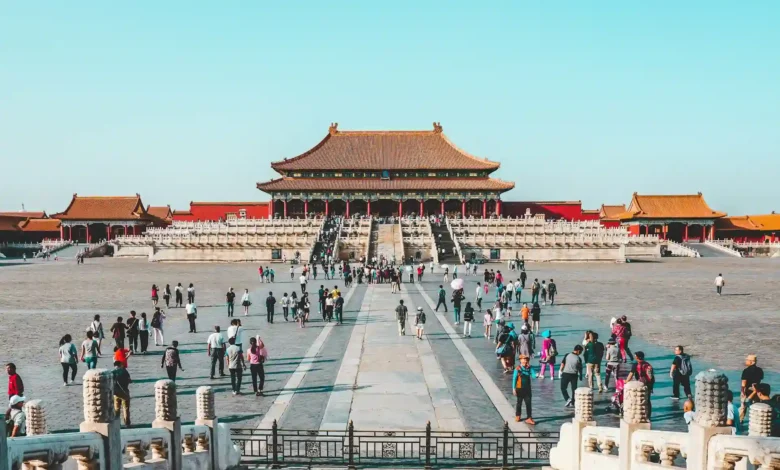
Morning: Tiananmen Square → Forbidden City
I started early—around 7:30 AM. Trust me, this matters.
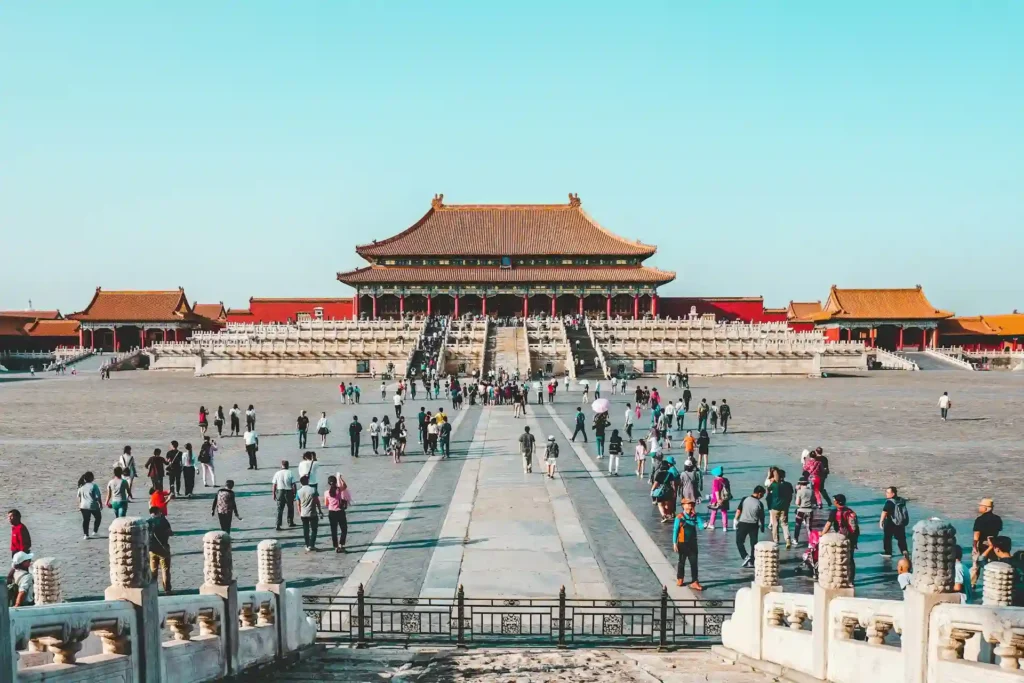
Tiananmen Square is enormous, but the real highlight is entering the Forbidden City right when it opens (usually 8:30 AM).
- Ticket: ~60 RMB (check current prices)
- Time needed: 3–4 hours minimum
Walking through the gates feels repetitive at first—courtyard after courtyard—but then it hits you: this was the center of imperial China for over 500 years.

Curiosity: The Forbidden City is said to have 9,999 rooms because 10,000 was considered a divine number reserved for heaven.
Hidden detail most people miss: Instead of rushing straight through, I explored the side halls and smaller exhibits. They’re quieter and far more interesting than the main axis.
Lunch: I grabbed something simple nearby—dumplings and noodles (~30–50 RMB).
Afternoon: Jingshan Park
Right behind the Forbidden City, this park is a MUST.
Climb the hill—it takes 10 minutes—and you’ll get the best panoramic view of the entire palace complex.
Perfect photo spot. Way fewer tourists.
Evening: Hutongs (Nanluoguxiang + Side Alleys)
Yes, Nanluoguxiang is touristy—but if you walk just 2–3 streets away, everything changes.
I found:
- Local courtyards
- Quiet tea houses
- Small family-run shops
Where to stay:
- Budget: P.Loft Youth Hostel (~$15–25)
- Mid-range: Kelly’s Courtyard (~$80–120)
- Luxury: The Peninsula Beijing ($300+)
Food tip: Try Peking duck—but go to a mid-range local restaurant, not the super famous ones.
How I Got Around: Metro all day. Cheap, fast, easy.
Day 2: Beijing – Great Wall
This is the day your entire China itinerary revolves around.
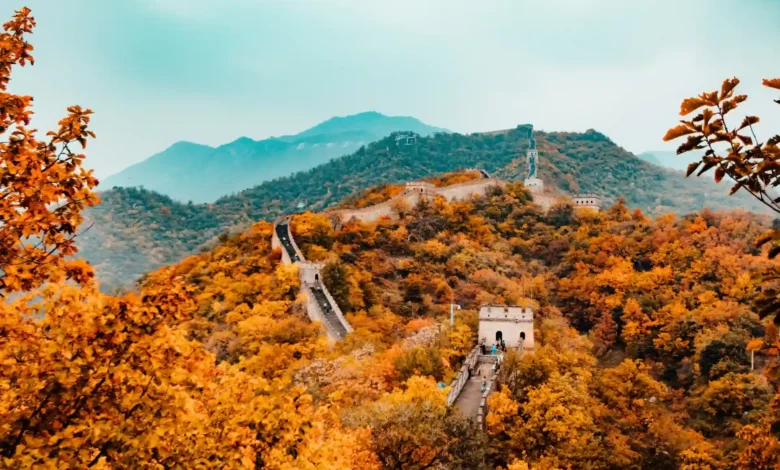
Why Mutianyu?
Most people go to Badaling—it’s crowded and feels commercial.
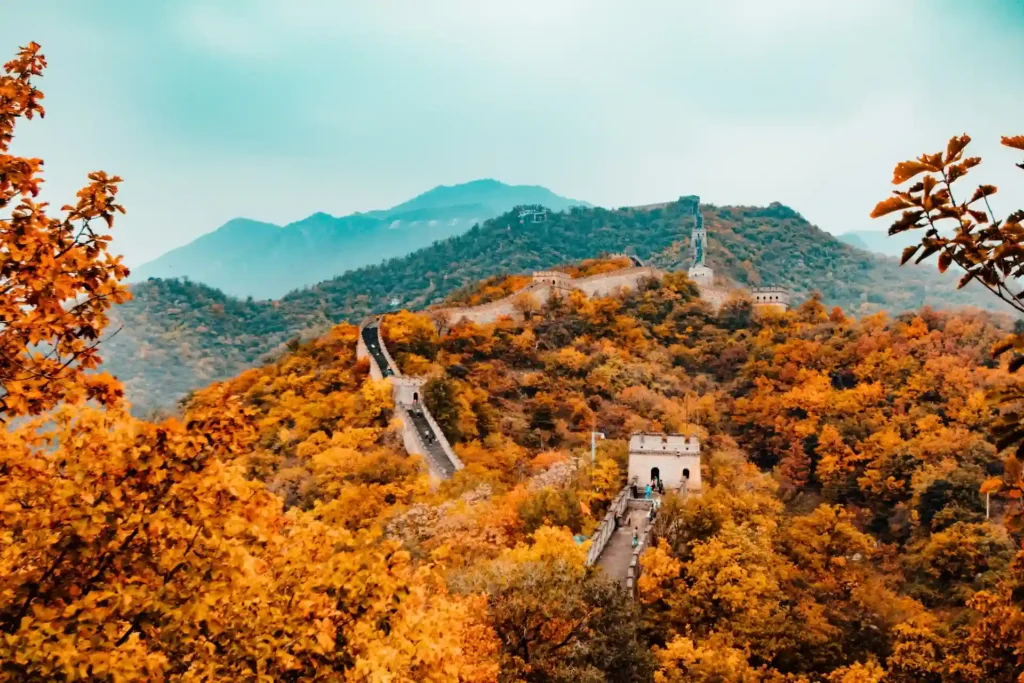
Mutianyu is:
- Less crowded
- More scenic
- Better preserved
A true highlight in any great wall guide.
Getting There
I chose a private driver (around $40–60 round trip). Worth it for convenience.
You can also go by:
- Bus + transfer (cheaper, longer)
Costs
- Entrance: ~40 RMB
- Shuttle bus: ~15 RMB
- Cable car (optional): ~100 RMB
The Experience: Walking the wall feels unreal.
Some sections are steep—almost like stairs at a 45-degree angle. Take your time.
I kept walking past the main crowd areas. After about 20 minutes, it got quieter… then almost empty. That’s when it hit differently. Silence. Wind. Mountains. That’s the version of the wall you want.
Food
Basic restaurants near the entrance. I kept it simple—fried rice and tea (~40 RMB).
What to Bring
- Water
- Snacks
- Sunscreen
If you’re up for it, hike up and take the toboggan down—it’s fun and unforgettable.
Day 3: Beijing – Temples, Local Life & Slow Travel
After two intense days, I slowed everything down. This is something most China trip itinerary guides miss.
Morning: Temple of Heaven
- Ticket: ~35 RMB
- Best time: early morning
What made this special wasn’t just the architecture—it was the locals.
I saw:
- Tai chi groups
- People singing
- Elderly men playing board games
It felt authentic.
Cultural insight: The emperor once came here to pray for good harvests. The entire design is based on harmony between heaven and earth.
Late Morning: Lama Temple
One of the most underrated places in China.
Inside, there’s a massive Buddha statue carved from a single piece of sandalwood. The smell of incense, the atmosphere—it felt completely different from other temples.
Lunch
Street food:
- Jianbing (Chinese crepe) ~10–15 RMB
- Baozi (steamed buns)
Afternoon: Wudaoying Hutong
This is what I call a real hidden gem in Beijing. Less touristy than Nanluoguxiang, but:
- Better cafés
- Boutique shops
- Relaxed vibe
Grab tea and just sit. Not every moment needs to be packed.
Day 4: High-Speed Train to Shanghai + The Bund
This day shifts your entire China travel itinerary.
Train Experience
I took a high-speed train:
- Time: ~4.5–5 hours
- Cost: ~$80–120
Smooth, clean, and punctual.
Arrival in Shanghai
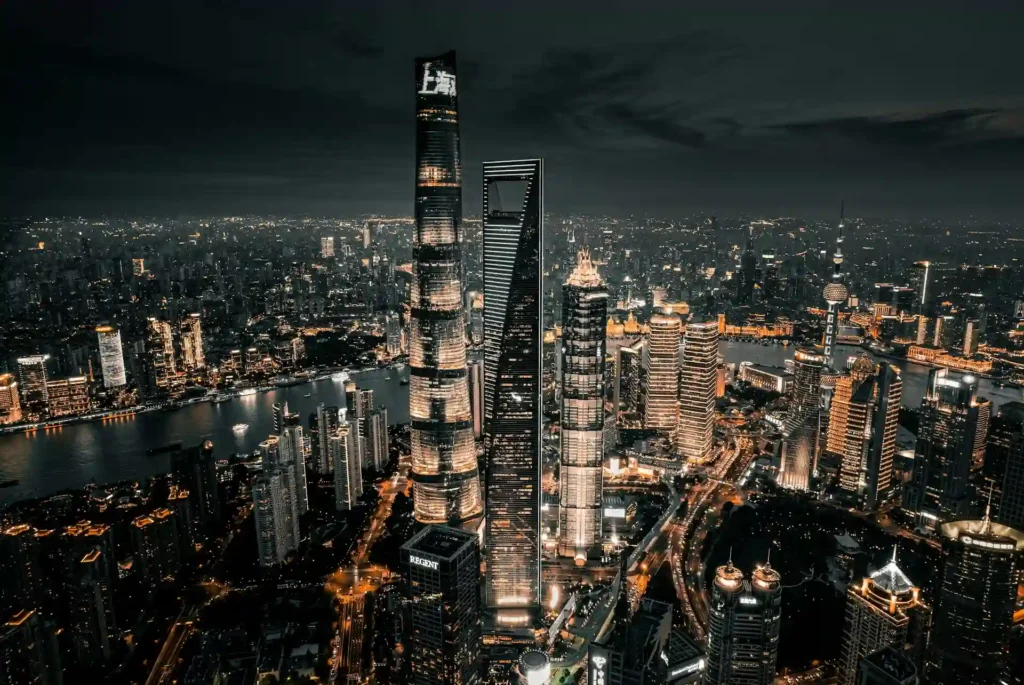
The first thing I noticed? The energy. Beijing feels historical. Shanghai feels futuristic.
Evening: The Bund
Walk along the river at sunset.
On one side:
- Colonial buildings
On the other:
- Futuristic skyline (Pudong)
This contrast defines Shanghai.
Dinner
Soup dumplings (xiaolongbao):
- Price: ~40–80 RMB
- Must try
Where to Stay
- Budget: Captain Hostel (~$20–30)
- Mid-range: SSAW Boutique (~$100–150)
- Luxury: Fairmont Peace Hotel ($300+)
Day 5: Shanghai – Skyline, Gardens & Culture
A perfect Shanghai itinerary day.
Morning: Shanghai Tower
- Ticket: ~180 RMB
- Go early to avoid lines
View from the top? Unreal.
Midday: Yu Garden
Classic Chinese garden design.
Cultural Detail
These gardens were built to represent balance—rocks, water, plants, architecture all working together.
Lunch
- Shengjianbao (pan-fried buns)
- Noodles
Don’t Miss Out
Afternoon: Tianzifang
This area surprised me.
- Small alleyways
- Art studios
- Cafés
More creative and less polished than the main tourist spots.
Day 6: Shanghai – Hidden Gems & Local Life
This is where hidden gems in China really come in.
Morning: Longhua Temple
Quiet, peaceful, almost empty compared to other sites. One of the oldest temples in Shanghai—but overlooked.
Midday: Local Neighborhoods
I skipped major attractions and just walked. That’s when I found:
- Local markets
- Street food stalls
- Real daily life
Food Highlight: Street noodles for under 20 RMB. Simple, authentic, amazing.
Day 7: Optional Day Trip or Slow Ending
Option 1: Zhujiajiao Water Town
About 1 hour from Shanghai.
Think:
- Canals
- Bridges
- Old houses
A completely different side of China.
Option 2: Relax in Shanghai
Coffee shops, shopping, or revisiting your favorite spots.
What Makes This China Itinerary Different
Most itineraries try to cram too much. This China itinerary is different because:
- It balances fast-paced and slow days
- It mixes famous landmarks with real-life experiences
- It works for different budgets
You’re not just checking boxes—you’re actually experiencing China.
My Personal Experience
Before this trip, I had a very surface-level idea of China. After this China itinerary, everything changed.
I saw how deep the culture is, how modern cities coexist with ancient traditions, and how much there is beyond the typical tourist route.
Don’t Miss Out

It made me realize something important: travel isn’t about seeing more—it’s about experiencing better.
Final Recommendations
Budget Breakdown (7 Days)
- Accommodation: $300–$1,200
- Food: $100–$300
- Transport: $150–$400
- Attractions: $80–$200
How to Save Money
- Book trains early
- Use the metro instead of taxis
- Eat at local restaurants
Essential App: WeChat — for payments, messaging, everything.
If you’re planning your first trip to China and wondering where to go, this is the exact China itinerary for 7 days I’d recommend.
It covers the essentials, but more importantly, it gives you moments you’ll actually remember—standing on the Great Wall, wandering quiet hutongs, and watching Shanghai light up at night.
A great China itinerary doesn’t try to show you everything.
It shows you enough to make you want to come back.