40+ Immune-Boosting Foods You Should Eat Daily
Easy-to-find foods that can make a big difference in how you feel every day
- All the insights shared here come from my 10+ years of training experience. Talk to your nutritionist or health professional before you start taking any supplements or doing any fitness plan.
- This article contains affiliate links. I may receive a commission if you purchase from them, at no extra cost to you.
I’ll never forget the winter I spent in a constant cycle of sniffles and fatigue. It felt like as soon as I’d shake off one cold, another would take its place. I was relying on over-the-counter remedies and feeling increasingly frustrated with my body’s seeming inability to defend itself.
It was a conversation with a nutritionist friend that shifted my entire perspective. She said, “You can’t supplement your way out of a poor diet. Immunity is built in the kitchen, not the pharmacy.”
I began incorporating specific, nutrient-dense foods into my daily routine, not as a temporary fix, but as a foundational lifestyle change. The transformation wasn’t instantaneous, but within a few months, the change was undeniable. I wasn’t just getting sick less often; I had more energy, clearer skin, and a profound sense of vitality that I hadn’t felt in years.
This journey taught me that the question isn’t just “How to boost immune system naturally?” but rather, “What can I eat today to support my body’s innate wisdom tomorrow?”
This guide is a culmination of my personal experimentation and research—a deep dive into the ultimate Immune Boosting Foods that have become my dietary armor.
Table of contents
The Philosophy of Food as Medicine: My Personal Shift
I used to think of food in terms of calories and macros. Now, I see it as information and infrastructure. Every bite is either feeding inflammation or fighting it. It’s either building a robust defense system or undermining it.
This collection of immune system booster foods isn’t about creating a restrictive diet; it’s about abundance. It’s about crowding out the less beneficial foods by filling your plate with so much color, flavor, and nutrition that your body has everything it needs to thrive.
Here are the best foods for immune system support, categorized by their key nutrients and the specific roles they play in our intricate defense network. I’ll share exactly how I incorporate them into my daily life.
The Vitamin C Powerhouses: The Frontline Antioxidants
Vitamin C is arguably the most famous immune nutrient, and for good reason. It supports the function of various immune cells and enhances their ability to protect the body. It’s also a powerful antioxidant, helping to combat oxidative stress.
1. Citrus Fruits (Oranges, Grapefruits, Lemons, Limes):
My daily morning ritual involves squeezing the juice of half a lemon into a glass of warm water. It’s a refreshing habit, but beyond that, it’s a direct hit of vitamin C to start the day. I also love segmenting a grapefruit for a snack—its slightly bitter taste feels cleansing.
2. Bell Peppers (Especially Red):


Surprisingly, red bell peppers contain almost three times more vitamin C than an orange. I slice them into strips for a crunchy snack with hummus, dice them into omelets, or roast them to bring out their sweetness in salads.
3. Broccoli:
This cruciferous vegetable is a nutritional powerhouse. To preserve its vitamin C and other sensitive nutrients, I prefer to steam it lightly or roast it quickly until it’s just tender-crisp, rather than boiling it into oblivion.
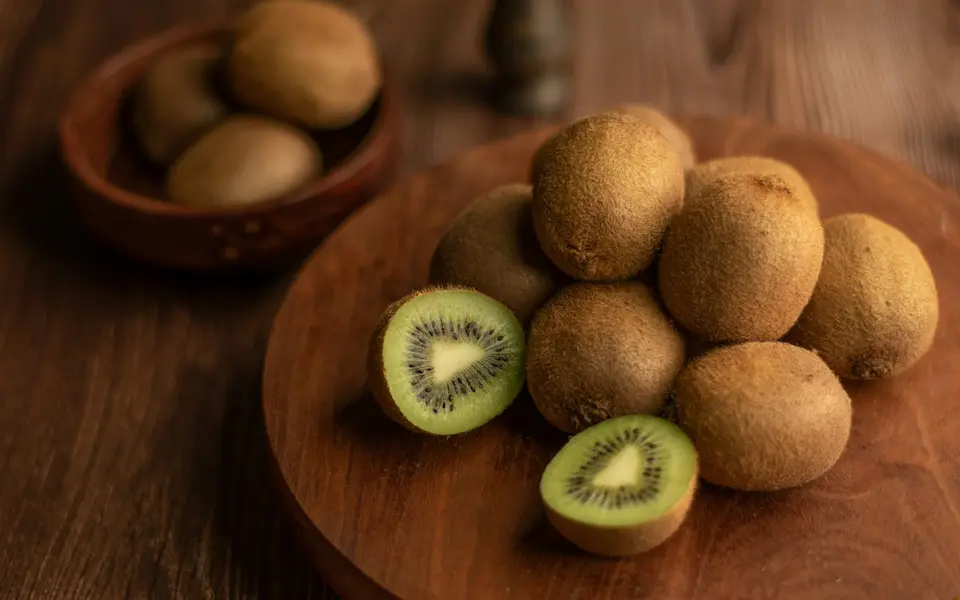
4. Kiwi:
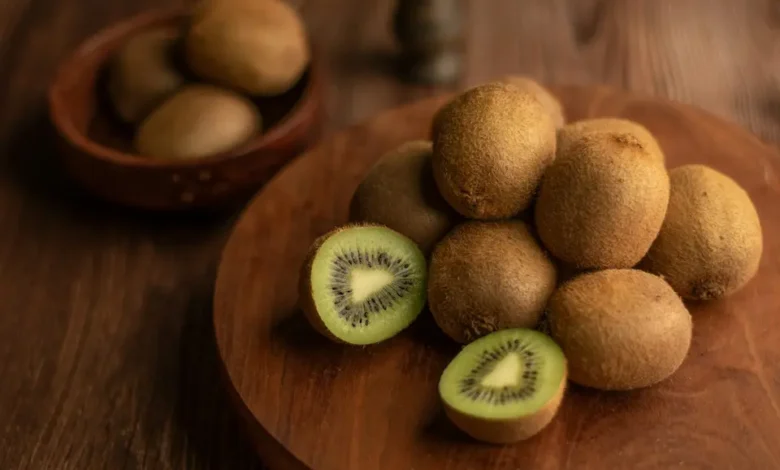
This small, fuzzy fruit is a vitamin C superstar. I slice it in half and eat it with a spoon. Its bright green flesh and tangy-sweet flavor are a perfect palate cleanser and a fantastic food for immune system support for kids because of its fun appearance and sweet taste.
5. Strawberries:
A handful of fresh strawberries blended into a smoothie or sliced over oatmeal is my go-to. They’re rich in vitamin C and other protective antioxidants.
6. Papaya:
This tropical fruit is another excellent source. I love it in a fruit salad with a squeeze of lime, which not only enhances the flavor but also adds yet another dose of vitamin C.
The Zinc Regiment: The Immune Cell Commander
Zinc is a mineral that acts as a cofactor for over 300 enzymes in the body. It’s crucial for the normal development and function of cells that mediate innate immunity. A deficiency can significantly impair immune response.
7. Pumpkin Seeds:
These are my favorite snack for a zinc boost. I buy them raw and unsalted, and I’ll often toast a batch with a tiny bit of tamari and smoked paprika for a savory, satisfying crunch. A small handful added to salads or yogurt is an easy daily habit.
8. Lentils:
A fantastic plant-based source of zinc and protein. I make a big pot of lentil soup at least once a week, loaded with other vegetables and turmeric. It’s a deeply nourishing and affordable way to build resilience.
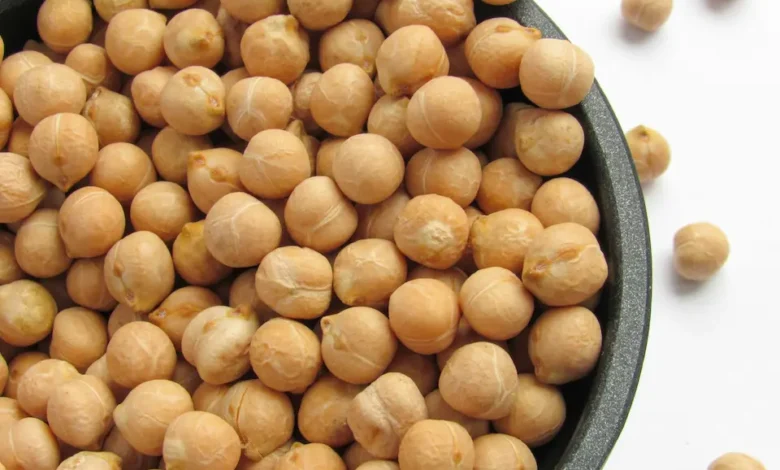
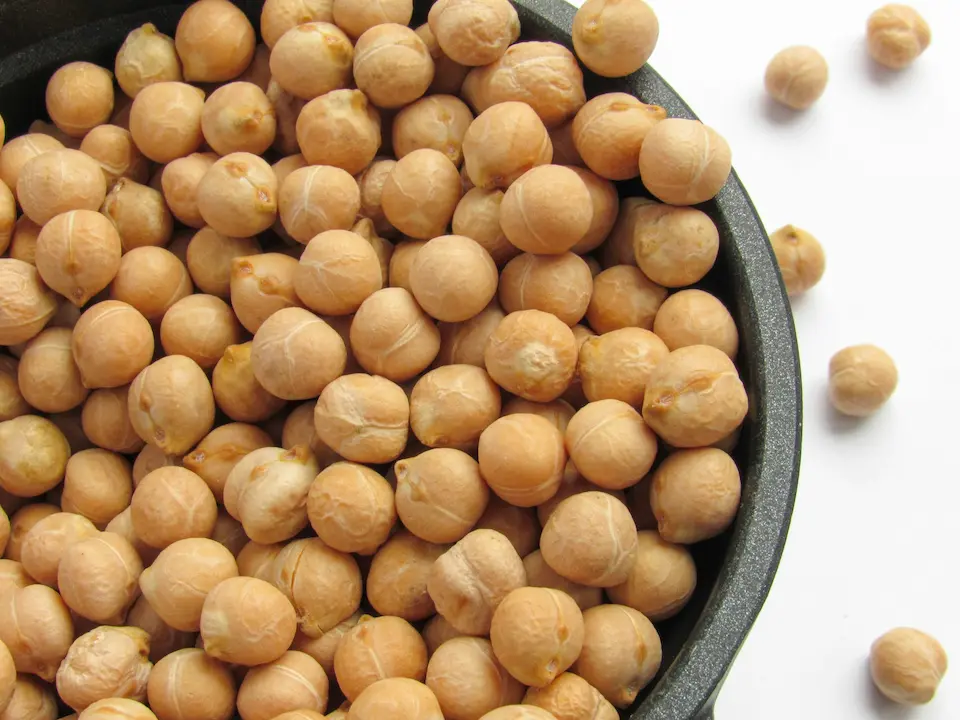
9. Chickpeas:
Incredibly versatile. I roast them for a crunchy snack, blend them into hummus, or toss them into curries and stews. They are a staple in my kitchen for their fiber, protein, and zinc content.
10. Grass-Fed Beef (in moderation):
While I eat a primarily plant-forward diet, I do include a small portion of high-quality, grass-fed beef once a week. It’s one of the most bioavailable sources of zinc. The key is quality and moderation.
11. Oysters:
For a serious zinc punch, oysters are unparalleled. I enjoy them occasionally as a special treat, knowing I’m giving my immune system a major boost.
The Vitamin A Brigade: Guardians of the Mucosal Surfaces
Vitamin A is essential for maintaining the integrity of the skin and mucosal cells that line our respiratory and intestinal tracts—our body’s first physical barriers to pathogens.
12. Sweet Potatoes:
The vibrant orange color is a dead giveaway for its beta-carotene content, which the body converts to Vitamin A. I roast them as fries, mash them with a touch of cinnamon, or bake them whole for a simple, hearty meal.
13. Carrots:
The classic immune system booster food. I often grate them into salads, slice them for snacking, or blend them into soups. My personal favorite is a creamy carrot and ginger soup, which combines the power of beta-carotene with ginger’s anti-inflammatory properties.
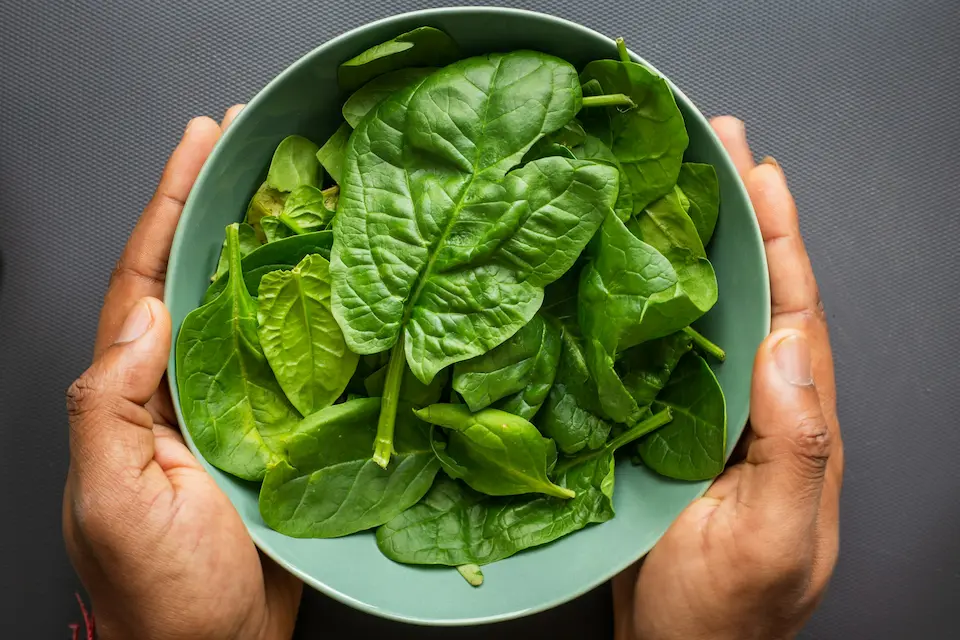
14. Spinach:
This leafy green is a double threat, providing both beta-carotene and a host of other antioxidants. I add a large handful to my morning smoothies (you can’t taste it!), sauté it with garlic as a side dish, or use it as a base for salads.
15. Kale:
A more robust green, kale is packed with Vitamin A and C. To make it more palatable, I massage the leaves with a little olive oil and lemon juice to break down the fibers, then toss it with other vegetables and a light vinaigrette.
16. Butternut Squash:
Like sweet potatoes, its rich orange flesh is a beta-carotene goldmine. I cube and roast it to bring out its natural sweetness, making it a perfect addition to fall and winter meals.
The Probiotic Battalion: The Gut-Immunity Connection
A staggering 70-80% of our immune tissue is located in our gut. Supporting a healthy gut microbiome with probiotic-rich fermented foods is one of the most effective strategies for how to boost immune system naturally.
17. Plain, Live-Culture Yogurt:
I choose plain, full-fat Greek yogurt for its high protein and probiotic content, avoiding the sugary flavored versions. I sweeten it myself with fresh berries and a drizzle of raw honey, which has its own antimicrobial properties.
18. Kefir:
A fermented milk drink that is even richer in probiotic strains than yogurt. I use it as the base for my smoothies, creating a potent, drinkable probiotic meal.
19. Sauerkraut:
Not the canned, pasteurized kind, but raw, refrigerated sauerkraut that contains live cultures. A forkful or two with my lunch or dinner is my daily habit. The tangy crunch is an acquired taste, but one I’ve come to crave.
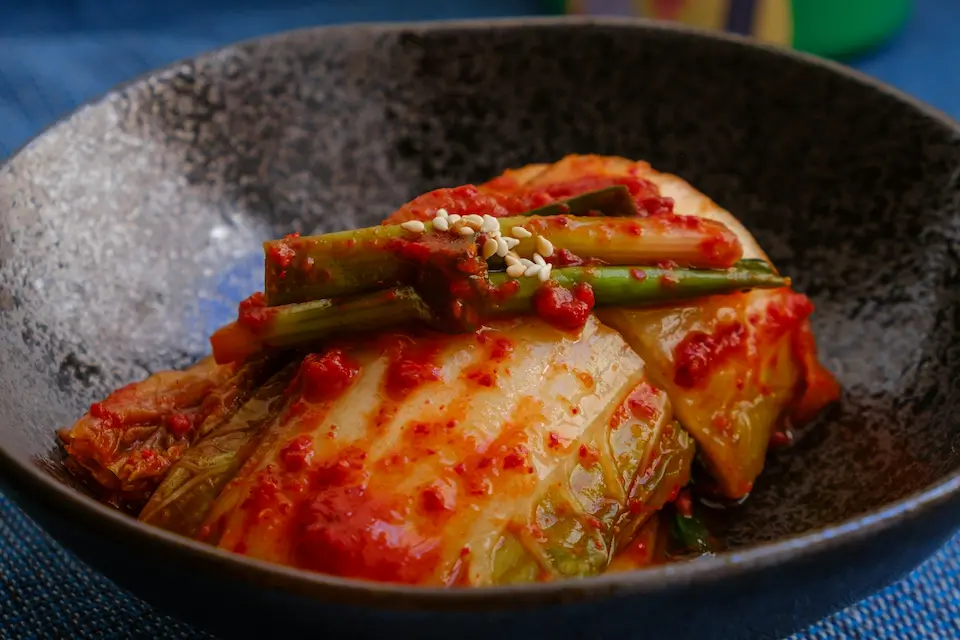
20. Kimchi:
This spicy Korean fermented cabbage is a flavor powerhouse. I add it to rice bowls, scrambled eggs, and even sandwiches for a probiotic and flavor kick.
21. Miso:
A fermented soybean paste, miso is the base for the classic soup. A simple bowl of miso soup with seaweed and scallions is a soothing, immune-supportive way to start a meal. I also use it to make a delicious marinade for salmon.
The Antioxidant Army: Neutralizing the Threat
Oxidative stress can weaken the immune system. Antioxidants are compounds that neutralize free radicals, protecting our cells from damage.
22. Berries (Blueberries, Raspberries, Blackberries):
These are nature’s candy, packed with antioxidants called flavonoids. I keep a bag of mixed frozen berries in my freezer at all times for smoothies, or I enjoy them fresh when in season.
23. Dark Chocolate (70% cocoa or higher):
Yes, you read that correctly. High-quality dark chocolate is a potent source of antioxidants. I enjoy a square or two as an evening treat, savoring it slowly. It’s a delicious reminder that health doesn’t have to be about deprivation.
24. Green Tea:
I swapped my afternoon coffee for a cup of green tea. It’s rich in epigallocatechin gallate (EGCG), a powerful antioxidant. The ritual of brewing it is also a moment of calm in my day.
25. Turmeric:
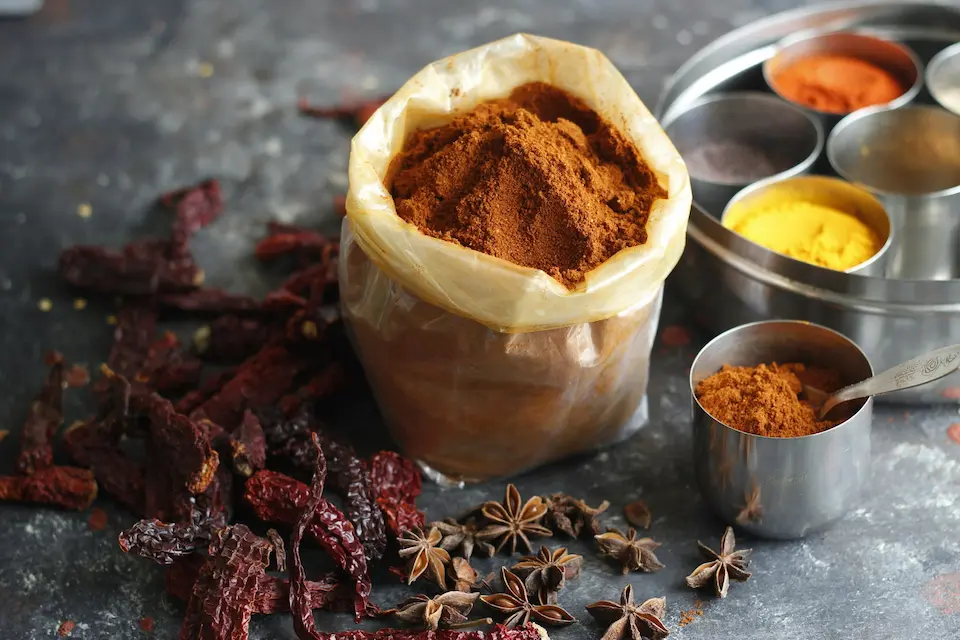
The active compound in turmeric, curcumin, is a potent anti-inflammatory and antioxidant. I add the fresh root or powder to curries, scrambled eggs, and my favorite “golden milk” latte.
26. Ginger:
Fresh ginger is a staple in my kitchen. I use it in stir-fries, steep it in hot water for tea (especially when I feel a tickle in my throat), and add it to my juicing recipes.
27. Garlic:
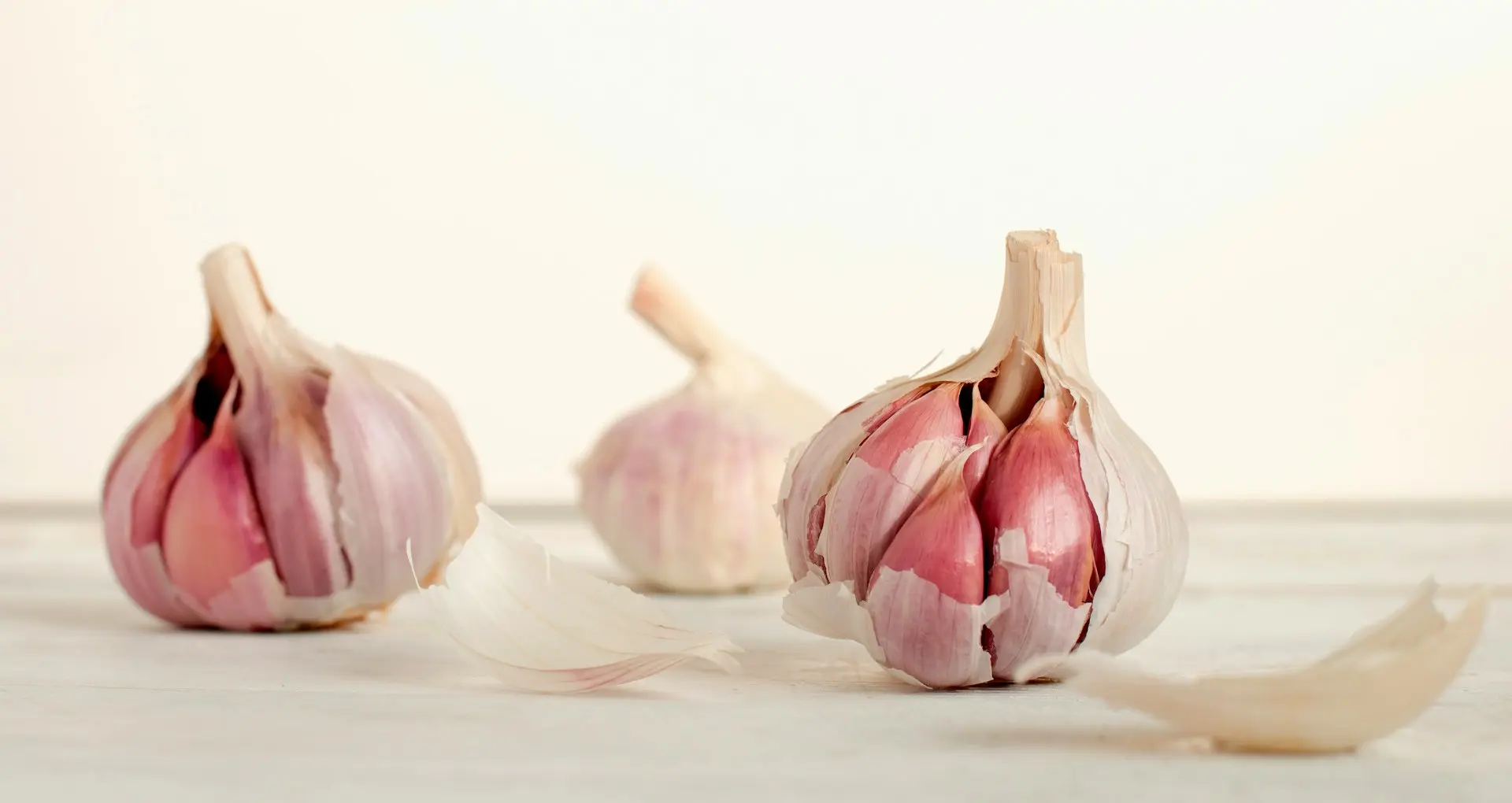
I use garlic liberally in almost all my savory cooking. Its immune-boosting properties, thanks to the allicin compound, are most potent when the garlic is crushed or chopped and allowed to sit for 10 minutes before heating.
The Unsung Heroes: Other Vital Immune Nutrients
Beyond the usual suspects, many other foods play critical supporting roles.
28. Almonds:
A great source of Vitamin E, a fat-soluble antioxidant that is key to maintaining immune function. A small handful is my go-to pre-workout snack.
29. Sunflower Seeds:
Like almonds, they’re rich in Vitamin E. I sprinkle them over salads and steamed vegetables for a nutty crunch.
30. Shellfish (Mussels, Clams, Crab):
Beyond zinc, shellfish are an excellent source of selenium, another mineral that is crucial for a healthy immune response. I enjoy a pot of steamed mussels in a white wine and garlic broth for a decadent yet incredibly healthy meal.
31. Poultry (Chicken, Turkey):
The classic comfort food when you’re sick has real science behind it. Chicken soup contains an amino acid called cysteine, which can thin mucus in the lungs. The broth itself is also hydrating and soothing.
32. Mushrooms (Shiitake, Maitake, Reishi):
These functional fungi have been shown to enhance immune function by supporting the activity of natural killer cells and other immune defenders. I sauté shiitake mushrooms and add them to everything from omelets to grain bowls.
33. Oats:
A great source of beta-glucan, a fiber with antimicrobial and antioxidant capabilities. A warm bowl of oatmeal is a grounding, immune-supportive breakfast.
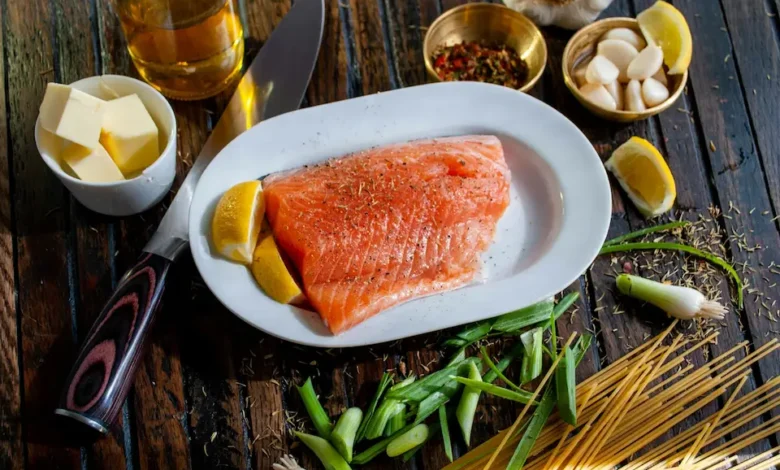
34. Salmon & Fatty Fish:
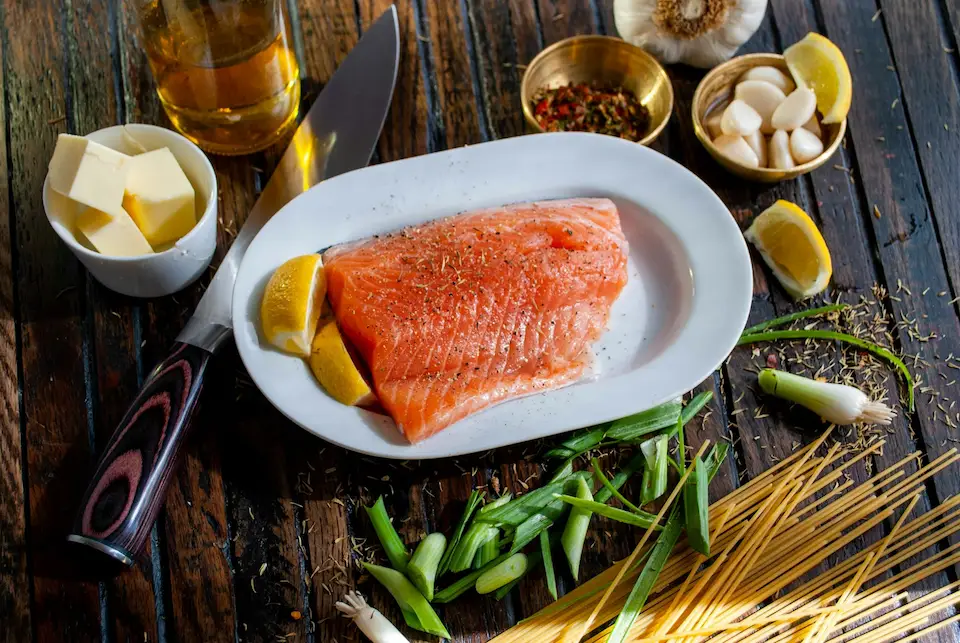
The omega-3 fatty acids in fish like salmon, mackerel, and sardines are powerfully anti-inflammatory. Chronic inflammation can suppress the immune system, so consuming these fats is a key preventive strategy.
35. Olive Oil:
The extra-virgin variety is a cornerstone of the Mediterranean diet for a reason. It’s rich in monounsaturated fats and antioxidants. I use it for low-heat cooking and, most importantly, as a finishing oil on salads and cooked vegetables.
36. Pomegranate:
The vibrant red juice of the pomegranate is packed with antioxidants. I buy the whole fruit and enjoy the process of extracting the arils (seeds), which I sprinkle over salads and desserts.
37. Watermelon:
Not just for summer picnics. It’s rich in glutathione, an antioxidant that helps strengthen immune function. It’s also incredibly hydrating.

38. Flaxseeds & Chia Seeds:
These are excellent plant-based sources of anti-inflammatory omega-3s and fiber. I grind flaxseeds (to unlock their nutrients) and add them, along with chia seeds, to my smoothies and yogurt.
39. Brazil Nuts:
Just one or two of these nuts provides a full day’s worth of selenium, a critical mineral for immunity. I keep a small bag in the fridge and have one with my breakfast.
How I Incorporate It Daily: My rule is one to two Brazil nuts per day, maximum. I keep a small container in the fridge and have one with my breakfast. It’s crucial not to overconsume, as selenium is toxic in very high doses, but one or two nuts provide a perfect, safe, and highly effective daily dose.
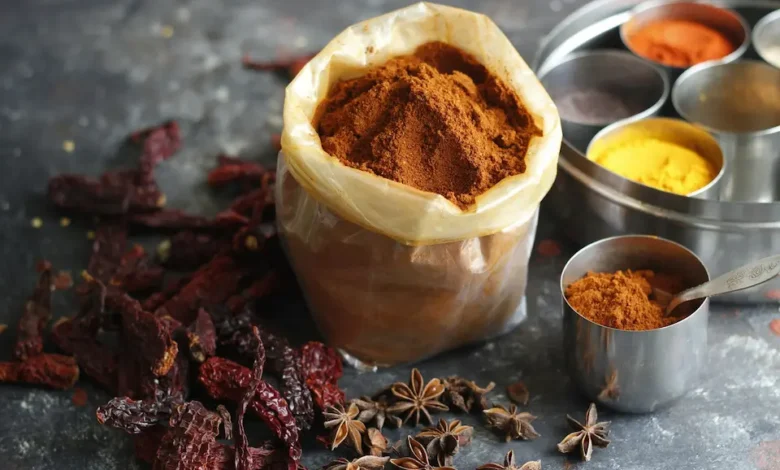
40. Herbs and Spices (Oregano, Thyme, Rosemary):
Don’t underestimate the power of your spice rack. These herbs are packed with antioxidants and antimicrobial compounds. I use them generously to flavor roasted vegetables, meats, and soups.
41. Broccoli Sprouts: The Sulforaphane Supercharger
While mature broccoli is excellent, its tiny sprouted form is a concentrated powerhouse of a compound called sulforaphane. This potent phytochemical has been shown to ramp up the body’s own antioxidant systems and support the immune system’s detoxification pathways at a cellular level.
How I Incorporate It Daily: I treat them as a “living garnish.” A small handful is added to my daily salad, tucked into sandwiches and wraps, or blended into my morning smoothie. The key is to eat them raw or very lightly heated to preserve the delicate enzyme (myrosinase) that activates the sulforaphane.
My Personal Blueprint for an Immune-Supportive Day
This isn’t about perfection; it’s about consistent intention. Here’s what a typical day of eating looks like for me, packed with Immune Boosting Foods:
- Morning: Warm water with lemon juice. A smoothie made with spinach, frozen berries, a scoop of plain Greek yogurt or kefir, ground flaxseeds, and a knob of fresh ginger.
- Lunch: A large salad with mixed greens, red bell peppers, carrots, chickpeas, pumpkin seeds, and a lemon-turmeric vinaigrette. Or, a bowl of leftover lentil and vegetable soup.
- Snack: An apple with a handful of almonds, or a few slices of red bell pepper with hummus.
- Dinner: Grilled salmon with a side of roasted broccoli and sweet potato, all drizzled with extra-virgin olive oil. A small side of sauerkraut or kimchi.
- Beverages: Green tea, plenty of water, and perhaps a cup of herbal tea in the evening.
Addressing Your Pressing Questions
Which foods boost immunity faster?
While no single food is a magic bullet, when you feel a cold coming on, focus on the most potent and easily absorbed options. My personal “emergency protocol” includes:
- Fresh Ginger and Lemon Tea: Steep sliced ginger in hot water, add lemon juice and a teaspoon of raw honey.
- Garlic: I’ll mince a raw clove of garlic, let it sit, and then mix it into a tablespoon of raw honey or olive oil and swallow it (not for the faint of heart!).
- Bone Broth: Sipping on warm, homemade bone broth is incredibly soothing and provides a easily digestible source of minerals and amino acids.
How can I boost my immune system in 24 hours?
You can’t completely rebuild your immune system in a day, but you can give it a powerful fighting chance. Focus on aggressive rest, hyper-hydration (water, herbal teas, broths), and consuming the most potent Immune Boosting Foods mentioned in the “faster” section above. Eliminate sugar and processed foods entirely for those 24 hours, as they are profoundly inflammatory and can hamper immune function.
Immune-boosting foods for kids
Making immune system booster foods fun and appealing for kids is key.
- Fruit Skewers: Alternate chunks of strawberries, oranges, and kiwi on a skewer.
- “Power” Smoothies: Let them choose the color—a “green monster” smoothie with spinach and mango or a “pink princess” smoothie with strawberries and beet.
- Sweet Potato “Fries”: Bake them with a little olive oil and a sprinkle of cinnamon.
- Yogurt Parfaits: Layer yogurt with berries and a sprinkle of ground flaxseeds in a fun glass.
- The “Dippy” Strategy: Kids love to dip. Serve carrot sticks, bell pepper strips, and apple slices with hummus or yogurt-based dips.
Building a resilient immune system is a marathon, not a sprint. It’s about the cumulative effect of daily, nourishing choices. There will be days you eat perfectly and still get sick, and that’s okay. The goal is not invincibility, but resilience—the ability to bounce back faster and stronger.
By making your plate a vibrant mosaic of these Immune Boosting Foods, you are not just feeding your hunger; you are actively participating in your own well-being, building a fortress of health from the inside out. Start with one or two new additions this week, and build from there. Your body—and your immune system—will thank you for a lifetime.