- All the insights shared here come from my 10+ years of training experience. Talk to your nutritionist or health professional before you start taking any supplements or doing any fitness plan.
- This article contains affiliate links. I may receive a commission if you purchase from them, at no extra cost to you.
I still remember my first day walking into a commercial gym. The air smelled of iron, sweat, and ambition. The clanging of weights was both intimidating and thrilling. I saw people who looked like they were carved from marble, moving weights that seemed impossible.
And then there was me—a scrawny, confused kid who didn’t know a squat rack from a Smith machine. I spent the first month doing endless bicep curls and crunches, terrified of the free weight section and convinced everyone was judging me.
Sound familiar?
If you’re a beginner, the gym can feel like a foreign country where you don’t speak the language. I’ve been there. But after over a decade of training, making every mistake in the book, and eventually finding my footing, I’ve learned that progress isn’t about secret formulas or brutal suffering. It’s about smart, consistent gym tricks that help you build a foundation for a lifetime of fitness.
This isn’t just another list of generic tips. This is a collection of the most impactful, real-world gym tips for beginners that I wish someone had handed me on day one.
Table of contents
Part 1: The Mindset & Preparation Foundation
Before you even touch a weight, your success is determined by your mindset and preparation. These are the foundational gym tricks that nobody talks about but everyone needs.
1. The “Five-Minute Rule” for Building Habit
This is the single most important gym advice for beginners I can give. When you’re starting, the goal isn’t to have a killer two-hour workout; the goal is to build the habit of going.

My Experience:
I committed to going to the gym for just five minutes. If I got there and truly didn’t want to stay, I could leave guilt-free. But 99% of the time, once I was there, I’d think, “Well, I’m already here, I might as well do something.”
This trick eliminated the mental barrier and built an unbreakable habit over time.
2. Have a Written Plan Before You Walk In
Walking into the gym without a plan is like going to the supermarket without a shopping list—you’ll wander aimlessly and leave with a bunch of junk (or in this case, do random, ineffective exercises).




My Experience:
My early workouts were disjointed. I’d do a machine, see someone else doing something cool, and then copy them. Progress was zero. The moment I started following a simple, written program—like a proven beginner full-body workout—everything changed.
I knew exactly what I was doing, which kept me focused and efficient. This is a non-negotiable working out tips for success.
3. Your Goal is to “Learn the Movement,” Not to “Lift Heavy”
Your ego is your worst enemy in the gym. As a beginner, you have a golden opportunity called “newbie gains,” where you get stronger and build muscle quickly even with light weight, provided your form is good.
I injured my shoulder within the first three months because I tried to bench press too much with terrible form. I had to take two months off. Don’t be me. Use embarrassingly light weights to start. Focus on feeling the muscle work. The weight will come, I promise.
4. Invest in a Small Gym Journal
Tracking your workouts is a superpower. It turns abstract effort into concrete data.
I use a simple notepad. I write down the exercise, the weight I used, and the number of reps I achieved. Next session, my only job is to beat those numbers—even if it’s just by one more rep or 2.5 pounds. This practice of “progressive overload” is the engine of all growth and is one of the most crucial fitness tips beginners can implement.
5. Pack Your Gym Bag the Night Before
This is a simple but profound gym tricks for removing morning friction.
My Experience:
On days I trained in the morning, if my bag wasn’t packed and by the door, I’d find every excuse to skip. When it was ready to go, it was almost harder not to go. Lay out your clothes, shoes, headphones, water bottle, and pre-workout snack. Make it easy for your future, tired self.
Part 2: Execution & Form Tricks (How to Actually Train Smart)
This is where the rubber meets the road. These gym tips will ensure your time spent working out is safe, effective, and efficient.
6. Master the “Big 5” Movement Patterns
Instead of memorizing dozens of isolated exercises, focus on mastering these five fundamental human movement patterns. Every exercise is a variation of one of these:
- Squat (e.g., Barbell Back Squat, Goblet Squat)
- Hinge (e.g., Deadlift, Romanian Deadlift)
- Push (e.g., Bench Press, Overhead Press, Push-ups)
- Pull (e.g., Pull-ups, Bent-Over Rows, Lat Pulldowns)
- Carry (e.g., Farmer’s Walks, Suitcase Carries)
When I stopped trying to do 20 different arm exercises and built my workouts around these movements, my entire body transformed. My strength skyrocketed, and my physique became more balanced and athletic.
7. The “Chest Up, Shoulders Back” Cue for Deadlifts and Rows
This single mental cue can save your lower back.
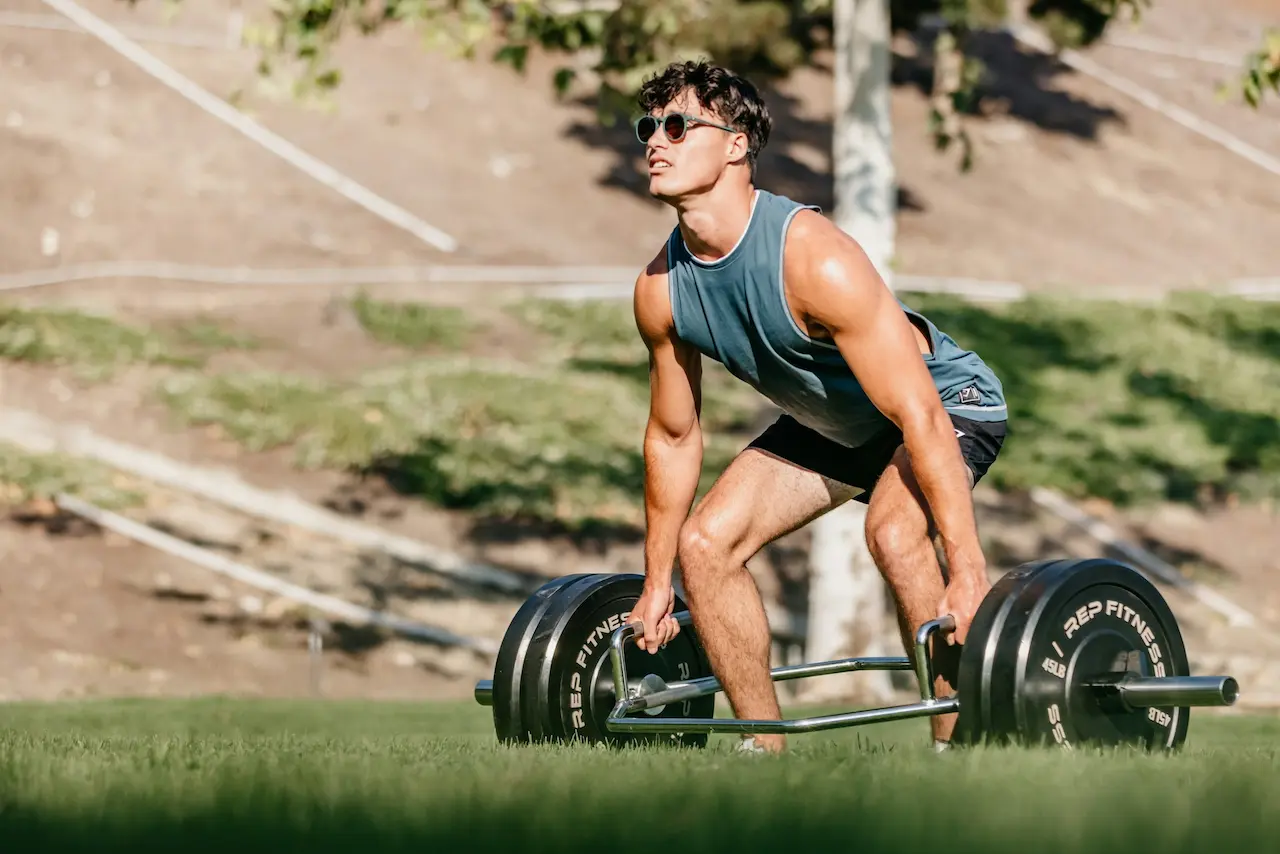
I used to round my back during deadlifts, feeling a tweak in my spine. A seasoned lifter told me to imagine putting my shoulder blades into my back pockets and puffing my chest out like a proud gorilla. It instantly fixed my form and allowed me to lift safely and powerfully.
8. Use the “Bench Press Roll-Up” for a Stable Back
A strong bench press comes from a stable base, not just your chest.
Lie on the bench with your feet up on the bench itself. Grab the bar and set your grip. Then, using your legs, roll your shoulders back and down into the bench, creating a slight arch in your upper back, and plant your feet firmly on the floor. This creates a solid foundation that will immediately add stability and power to your press.
9. The “Knees Out” Cue for Squats
This prevents your knees from caving in, a common and dangerous form breakdown.
As I got tired during squats, my knees would start to wobble inward. I started consciously thinking about pushing my knees out throughout the entire movement, as if I was trying to spread the floor apart with my feet. This engaged my glutes and stabilized my knees completely.
10. Learn the “False Grip” for Pull-ups and Lat Pulldowns
Don’t wrap your thumb over the bar. Instead, place it on the same side as your fingers, like you’re “hooking” the bar.
My Experience:
This small change shifts the work away from your weaker forearm muscles and into your powerful back muscles (lats). The first time I tried it, I finally felt my back doing the work, and my pull-up numbers improved within weeks.
11. Use a Full Range of Motion (ROM)
Partial reps might let you ego-lift more weight, but they build partial muscles. Go deep.
I used to do quarter squats. When I committed to squatting to at least parallel (hip crease below the knee), the weight I could use plummeted. But within two months, my legs grew more than they had in the previous year, and my “quarter squat” max became my new full ROM max. Depth trumps weight every time.
12. Control the Eccentric (Negative) Phase
The lowering part of a lift (e.g., lowering the bar to your chest on a bench press) is just as important as the lifting part.
I started counting “one-one-thousand, two-one-thousand” as I lowered the weight. This controlled eccentric phase creates more muscle damage (the good kind that leads to growth) and ingrains proper motor patterns. It makes the exercise harder with the same weight, which is a good thing!
13. Time Your Rest Periods
Resting too long cools you down; resting too short doesn’t allow for recovery. Be intentional.
My Experience:
I used to rest until I felt “ready,” which was often 5+ minutes spent scrolling on my phone. I bought a simple sports watch. For compound lifts (squats, bench), I rest 90-120 seconds. For accessory work, 60-75 seconds. This kept my heart rate up and made my workouts more intense and time-efficient.
14. Incorporate “Myo-Reps” for Accessory Work
This is an advanced gym tricks for building muscle without spending hours in the gym, perfect for exercises like lateral raises or bicep curls.

Instead of doing 3 sets of 12, I do one activation set of 12-15 reps to near failure. Then, I rest for 5 deep breaths, and then do 3-5 more reps. I repeat this “5 breaths, 3-5 reps” sequence until I can only get 2-3 reps.
This brutally efficient method cuts my accessory work time in half while increasing the pump and intensity.
Part 3: In-The-Trenches Survival Tips
These are the practical, on-the-ground gym tips for beginners that will make your life easier and your experience better.
15. Always Carry a Towel and Wipe Down Equipment
This is basic gym etiquette. Nobody wants to lie in a puddle of your sweat. Be the person who leaves the equipment cleaner than they found it.
16. Learn How to “Work In”
If someone is using a piece of equipment you need, it’s okay to ask, “Mind if I work in?” This means you’ll alternate sets with them during their rest periods.
I was terrified to ask this for years. But 99% of people are happy to let you work in. It’s a great way to be efficient and even learn from more experienced lifters.
17. Don’t Hog Multiple Stations During Peak Hours
If the gym is busy, don’t set up camp at the squat rack, the bench, and the dumbbell area at the same time. Be mindful and share the space.
18. Use Collars on Barbells for Heavy Lifts
When you start lifting heavier on exercises like squats and bench presses, the plates can shift and become unbalanced. Using collars keeps the weight secure and safe.
19. Put Your Weights Away!
This is the cardinal rule of the gym. Re-rack your dumbbells, plates, and bars. It shows respect for the gym and your fellow members. I automatically trust people more who re-rack their weights.
20. Don’t Be Afraid to Ask for a Spot
A good spotter can give you the confidence to push for that last, hard rep safely, especially on bench press.
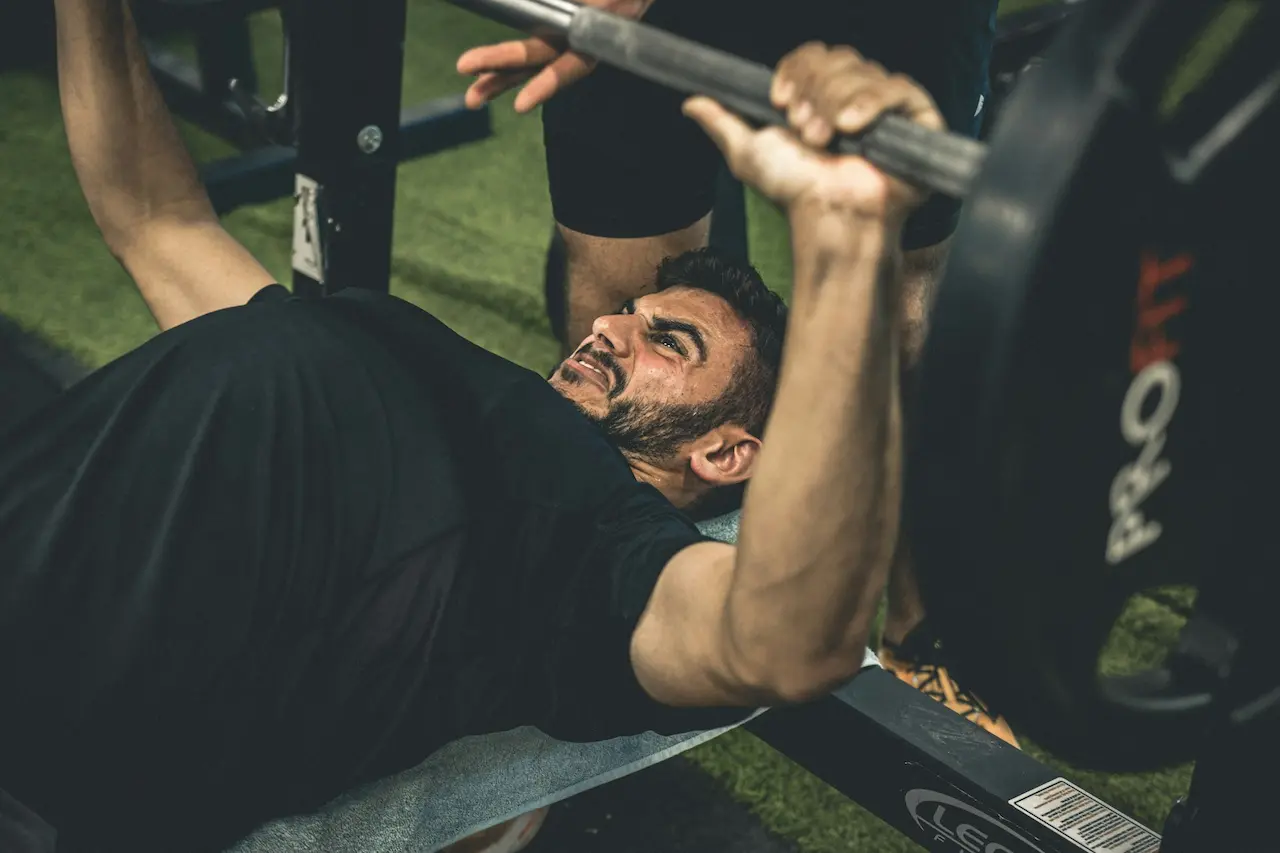
My Experience:
My bench press stalled for months because I was afraid of failing. The first time I asked for a spot and pushed past my failure point with the safety net of a spotter, I broke through a plateau I’d been stuck on for ages. Just say, “Hey, can you give me a spot for a couple of heavy sets?”
21. Find Your “Gym Corner”
Most gyms have a quieter area, often where the functional training or dumbbells are. Find a spot where you feel less self-conscious to practice your movements without feeling like you’re in the main spotlight.
Part 4: Recovery & Nutrition (The Other 23 Hours)
You don’t get bigger and stronger in the gym; you get bigger and stronger when you recover from the gym. These are the tips for fitness that happen outside the weight room.
22. Prioritize Sleep Like It’s Your Job
Muscle is built, hormones are regulated, and the brain recovers during deep sleep.
When I was getting only 6 hours of sleep, my progress was stagnant, and I was constantly getting sick. When I prioritized 7-9 hours, my recovery, mood, and gains improved dramatically. It’s the most powerful legal performance enhancer.
23. The Post-Workout “Anabolic Window” is Wider Than You Think
You don’t need to slam a protein shake the second you finish your last rep. The body is primed for nutrients for several hours after your workout.
My Experience:
I used to stress if I didn’t have my shake immediately. Now, I just focus on having a balanced meal with protein and carbs within 1-2 hours of finishing. The difference in results is zero, but the difference in my stress levels is massive.
24. Eat Protein with Every Meal
Instead of trying to eat 100g of protein in one sitting, spread it out.
I aim for 30-40 grams of protein per meal. This keeps a steady stream of amino acids available for muscle repair throughout the day and is much easier on the digestive system.
25. Don’t Fear Carbs; Time Them
Carbohydrates are not the enemy; they are your body’s primary fuel source.
I used to train on a low-carb diet and felt weak and drained. When I started eating most of my carbs around my workouts (a meal 1-2 hours before and my first meal after), my energy levels during training went through the roof.
26. Stay Hydrated, But Don’t Overthink It
A simple rule: your urine should be a light straw color throughout the day. Bring a large water bottle to the gym and sip consistently.
27. Dynamic Stretching Before, Static Stretching After
Before your workout, do dynamic stretches (leg swings, arm circles, cat-cow) to warm up the muscles and joints. Save the long, held static stretches (like touching your toes) for after your workout when your muscles are warm and pliable. This is a key beginner tips for gym for preventing injury.

28. Use a Foam Roller on Your “Problem Areas”
For me, it’s my quads and lats. Spending 5-10 minutes foam rolling after a workout feels amazing and can help with muscle soreness and mobility.
I keep a foam roller and a lacrosse ball by my TV and use them while watching a show. It’s a painless way to incorporate mobility work into my day.
Part 5: The Psychological Game
The biggest battles in the gym are fought between your ears.
29. Nobody is Judging You (Seriously)
This is the hardest belief to shake, but it’s the truth. Everyone is too focused on their own workout, their own form, and their own music to care what you’re doing.
I once dropped a dumbbell on my foot and let out a comical yelp. I was mortified. You know how many people even looked over? Two. And they just went back to their sets. The gym is a bubble of self-absorption, and that’s a good thing for your peace of mind.
30. Create a “Focus Playlist”
Music is a powerful tool. Create a playlist of songs that get you in the zone and make you feel powerful. Put your headphones on, and you’ve created your own private gym.
31. Celebrate Non-Scale Victories (NSVs)
The scale is a liar. It doesn’t tell the whole story. Celebrate other wins:
- Your jeans fitting looser around the waist.
- Seeing a new vein pop in your arm.
- Finally nailing a pull-up.
- Adding a plate to the bar for the first time.
I have a notes app full of these. When I feel discouraged, I read them. They are the true measure of progress.
32. Find a “Gym Crush” (Inspiration, Not Creepiness)
Find someone at the gym whose physique or strength you admire, and use them as a source of motivation, not envy. Watch their form, their work ethic. Let it inspire your own journey.
33. Remember That Everyone Started Somewhere
That guy deadlifting 500 pounds? He once struggled with 95. That woman with sculpted shoulders? She once picked up the 5-pound dumbbells. They all walked in on their first day, just like you.
34. Have a “Why” That’s Bigger Than Aesthetics
Looking good is a great motivator, but it’s often not enough on cold, dark mornings. Connect your training to a deeper purpose: being strong for your kids, having the energy to pursue your hobbies, building mental resilience, or simply honoring the body you have.
My Experience:
My “why” shifted from “I want to look good” to “I want to be strong and capable for the next 50 years.” This deeper purpose got me through countless workouts when motivation was low.
35. Be Patient and Trust the Process
You will not look like a fitness model in 12 weeks. This is a marathon, not a sprint. The changes are incremental, almost imperceptible day-to-day. But when you look back after six months or a year, the transformation will amaze you.

have a photo from my one-year “gymiversary.” The difference from month 3 to month 12 was astronomically bigger than from day 1 to month 3. Consistency compounds. Just keep showing up.
36. The Strategic “Deload Week” – Your Secret Weapon Against Plateaus
This might be the most advanced-sounding gym tricks on the list, but it’s incredibly simple and vital for long-term progress. A deload is a planned, intentional week where you significantly reduce your training volume and intensity, not as a step back, but as a powerful leap forward.
My Experience and How to Implement It:
I used to train hard for 8, 10, or 12 weeks straight until I was so fatigued, sore, and mentally drained that I either got sick, injured, or had to take two full weeks off. This was a cycle of two steps forward, one step back. Now, I proactively schedule a deload week every 6-8 weeks.
Here’s exactly what I do: I keep my normal workout routine, but I cut the weight I lift by 40-50%. If I normally squat 200 pounds for 3 sets of 8, during my deload I’ll squat 120 pounds for 2 sets of 8.
The goal is not to push myself, but to practice the movement patterns, promote blood flow, and allow my joints, connective tissues, and central nervous system to fully recover.
The Final, Most Important Trick
The best gym tricks, the perfect program, the ideal diet—none of it matters without consistency. You don’t need to be perfect. You just need to be persistent. Some days you’ll have amazing workouts; other days, you’ll just go through the motions. Both count. Both build the habit.
The gym stopped being a place of intimidation for me and became a sanctuary—a place where I could challenge myself, clear my head, and build a better version of myself, one rep at a time. It can be that for you, too. Take these gym tips beginners, apply them with patience and self-compassion, and embrace the journey. You’ve got this.