- This article contains affiliate links. I may receive a commission if you purchase from them, at no extra cost to you.
It usually happens when you’re least expecting it. You’re lounging on the couch, reading a book or watching a movie, and your cat hops up, settles in, and begins the meticulous process: a rough, sandpaper-like tongue starts methodically licking your hand, your arm, or even your face. That first time it happens, it’s a strange and wonderful moment. You’re being groomed. But the human mind, being what it is, immediately starts to wonder. What Does it Mean When a Cat is Licking You?
Is it a sign of affection? A weird culinary interest? Is there salt on your skin? After over a decade of living with my cat, Leo, a master groomer with a particular fondness for licking elbows, I’ve come to understand that this behavior is rarely about just one thing.
It’s a complex form of communication, steeped in feline instinct and social ritual. The answer to what does it mean when your cat licks you is a beautiful tapestry woven from threads of love, family, trust, and sometimes, a little bit of worry.
Let’s pull on those threads and unravel the mystery together.
Table of contents
The Primary Reason: You Are Family
This is the most heartwarming answer to if a cat licks you what does it mean. In the world of cats, grooming is not just about hygiene; it’s a profound social activity. It’s called allogrooming, and it’s a behavior reserved for an inner circle.
From the moment they are born, kittens are licked by their mother. She does this to clean them, stimulate their bodily functions, and provide comfort. As they grow, littermates will groom each other. This mutual grooming strengthens social bonds, reinforces family ties, and creates a sense of peace and belonging within the colony.
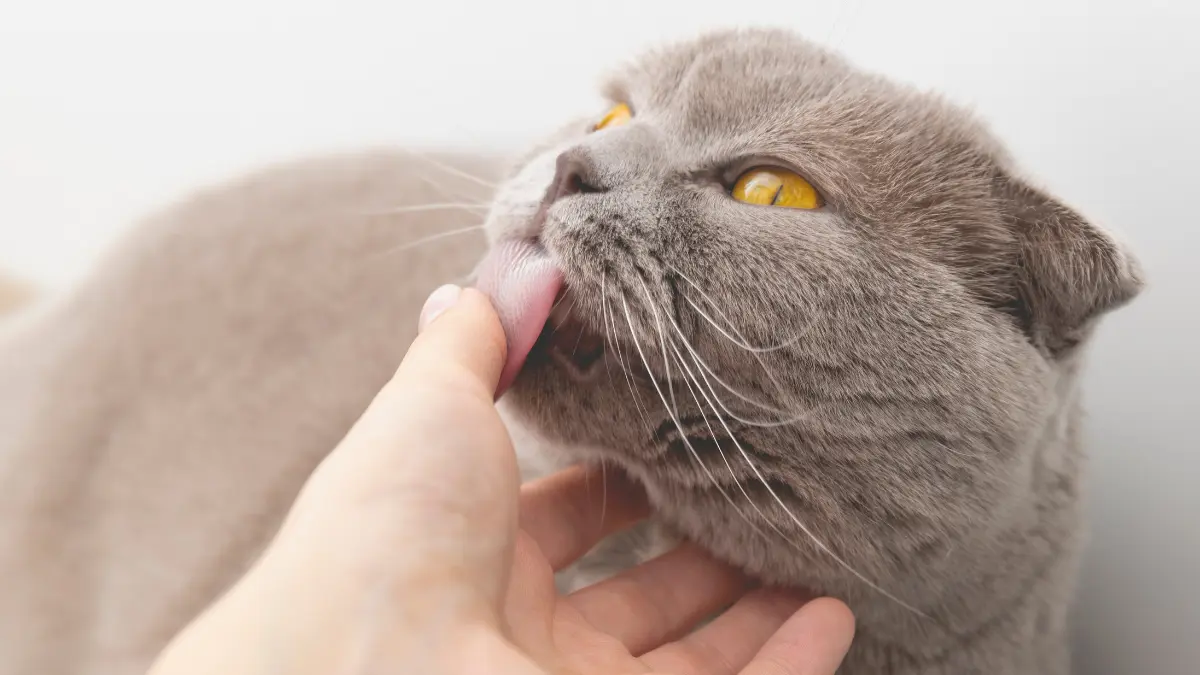
When your cat licks you, they are extending this sacred ritual to include you. They are saying, in the clearest way they know how, “You are part of my family. You are my colony.” They are assuming the role of your mother or your sibling, tending to you as they would their own. It’s a gesture of immense trust and affection.
When Leo settles into a grooming session on my arm, his purr rumbling like a tiny motor, I see it for what it is: a lullaby of belonging. He is mixing his scent with mine, caring for me, and reinforcing the unbreakable bond between us. It’s one of the purest signs your cat loves you.
The Scent-Sational Story: You Are Their Property
Cats live in a world dominated by scent. They have scent glands on their cheeks, paws, and the base of their tail. When they rub against you, scratch your furniture, or lick you, they are depositing their personal scent signature.
So, when we ask what does it mean when your cat licks you, a big part of the answer is: they are marking their territory. You are their favorite piece of furniture, their most prized possession. By covering you in their scent, they are creating a communal smell that says to any other animal, “This human is mine.
We are a unit.” It’s a territorial claim, but of the most loving kind. It’s their way of creating a “group scent” for your shared family, making your home smell safe, familiar, and like them.



The Comfort and Contentment Factor
Licking releases endorphins in a cat’s brain. These are feel-good chemicals that promote relaxation and reduce stress. You’ll often notice that a cat will groom themselves when they are feeling anxious, as a way to self-soothe.
But when they turn that grooming onto you, it’s often a sign that they are in a state of ultimate contentment. They are so relaxed, so happy, and so comfortable in your presence that the instinct to groom—a calming behavior—extends outward to include you. It’s a shared meditation.
The rhythmic, repetitive motion is as soothing for them as it is a sign of affection for you. This is often when you see the “kneading” behavior accompany the licking, a throwback to the comfort of nursing. It’s the feline equivalent of a deep, contented sigh.
The “You’re Dirty” Hypothesis (And Why It’s Usually Wrong)
Okay, let’s address the elephant in the room. Sometimes, we humans do have something tasty on our skin. Maybe a trace of salt from sweat, a hint of lotion, or the residual flavor of the chicken you handled while making dinner. Can this be a motivator? Absolutely.
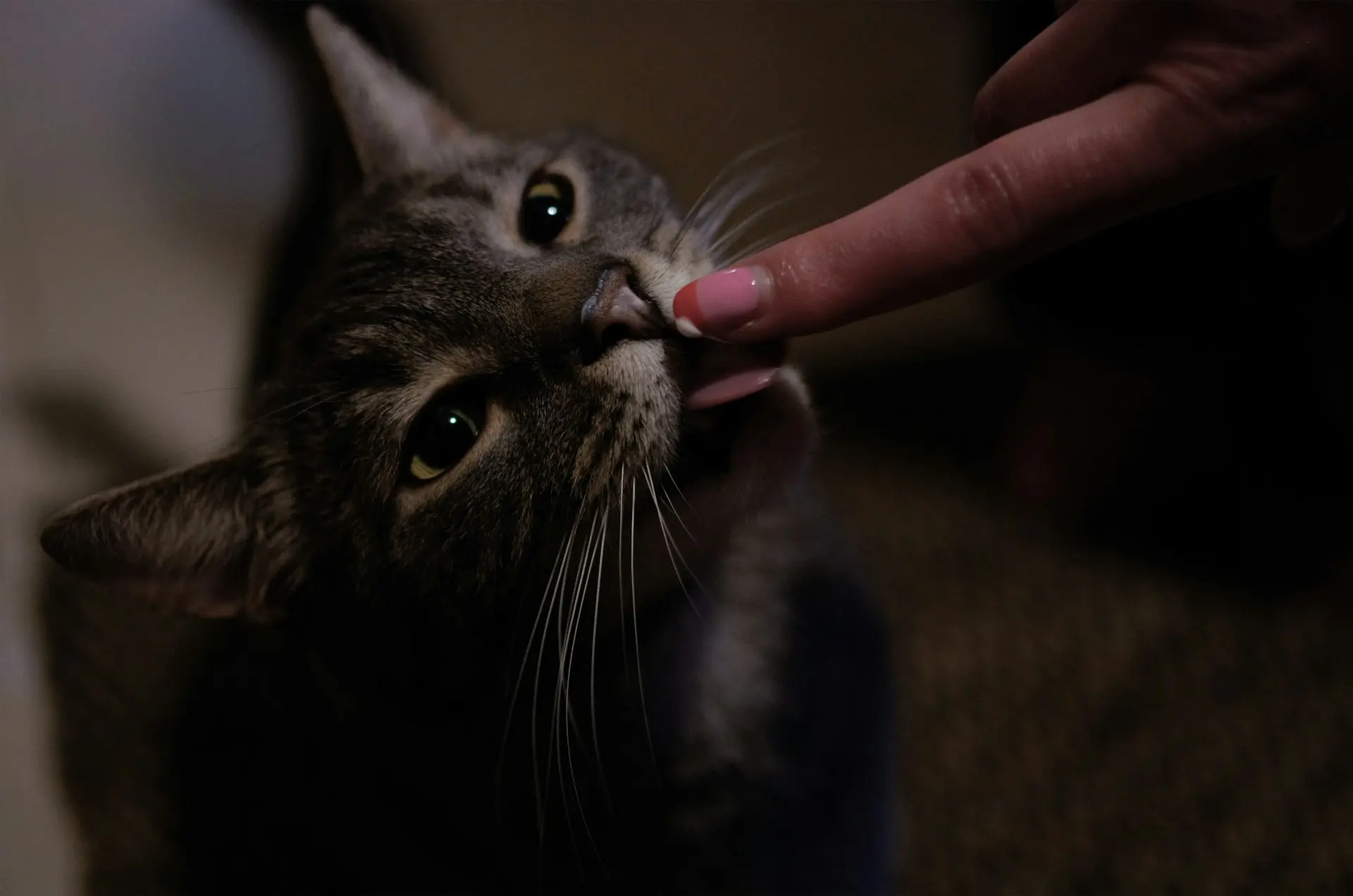
A cat’s sense of taste and smell is incredibly keen. A salty hand can be intriguing. But for the vast majority of cats, this is a secondary benefit, not the primary reason. If your cat only ever licks you after you’ve applied a certain hand cream or come back from a workout, then the unusual scent or taste is likely the trigger. But if the licking is a frequent, general behavior, especially when you are clean, you can be sure it’s about love, not lunch.
When Licking Carries a Message of Concern
While usually a positive behavior, it’s important to understand that excessive licking can sometimes be a signal that something is wrong. Context is everything. If the licking is obsessive, focused on one spot, or seems anxious in nature, it’s worth paying closer attention.
- Stress and Anxiety: A cat that is feeling stressed may lick you (or themselves) excessively as a coping mechanism. If the licking is accompanied by other signs of stress—like hiding, decreased appetite, or changes in litter box habits—it might be time to look for environmental stressors (a new pet, a move, loud noises).
- Underlying Medical Issues: In rare cases, a sudden increase in licking behavior can be linked to pain or discomfort. If your cat’s licking pattern changes dramatically, a check-up with the vet is always a good idea to rule out any medical causes, for them and for your own peace of mind.
- A Plea for Attention: Sometimes, a cat will lick you simply because they want your attention. They’ve learned that this behavior often results in you talking to them, petting them, or engaging with them. It’s a gentle, non-aggressive way of saying, “Hey, I’m here. Pay attention to me.”
What About the “Love Bite”?
Often, a licking session is punctuated by a gentle, little nibble. Don’t be alarmed! This is a classic cat behavior. These “love bites” are not meant to break the skin or cause pain. They are another form of social interaction, mimicking how they would playfully nip at their littermates.
It’s their way of adding an exclamation point to their affection! However, if the bite becomes hard or aggressive, it’s a clear signal to stop what you’re doing, as they are becoming overstimulated.
How Should You Respond?
So, your cat is lavishing you with their sandpaper affection. What Does it Mean When a Cat is Licking You and what should you do about it?
- Accept the Compliment Gracefully: The best response is often to sit back and enjoy it. This is a high honor in the feline world. Speak to them in a soft, calm voice. You can even try reciprocating by slowly blinking your eyes, the “cat kiss” that tells them you trust them, too.
- Is it Too Rough? A cat’s tongue is designed for tearing meat and grooming fur, not for delicate human skin. If the licking becomes uncomfortable or irritating, it’s perfectly okay to gently redirect them. Don’t jerk your hand away suddenly, as this might startle them. Instead, slowly pull your hand back and offer them a soft toy or a gentle pet on the head instead. Having a cozy cat beds nearby can give them a comforting alternative to focus on.
- Never Punish: Never scold or push your cat away for licking you. You will only confuse and hurt them. They are offering you love in their most native language. Redirect, don’t reject.
- Check Your Skin Products: If you find the licking is triggered by a specific lotion, soap, or cream, you might consider switching to an unscented, pet-safe alternative if it bothers you.
A Note on the Unique Human-Feline Bond
It’s fascinating to consider that this behavior, allogrooming, is something cats primarily do with each other. The fact that they have expanded their definition of “colony” to include a completely different species—a large, clumsy, non-furry one at that—is a testament to the adaptability and depth of the human-cat bond.
They have looked at us and decided, “You may not have fur, and you may be terrible at hunting, but you are one of us.” It’s a profound and beautiful acceptance.
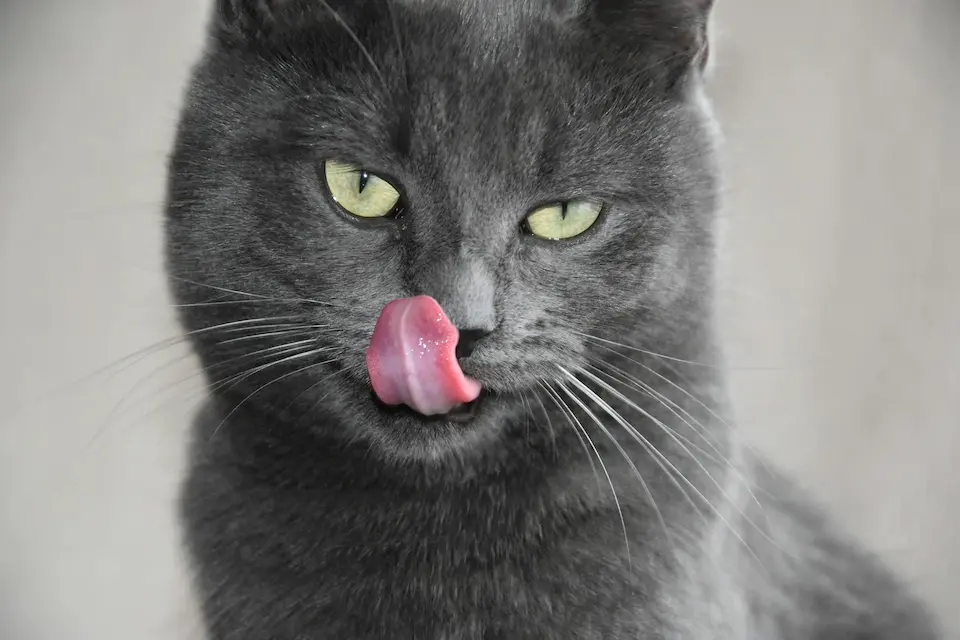
When my Leo licks me, I see the kitten he once was, seeking comfort from his mother. I see the social creature reinforcing our bond. And I feel the trust of an animal who has decided that I am his safe place.
Understanding what does it mean when a cat licks you transforms a simple, slightly strange sensation into a powerful conversation. It’s a conversation about love, trust, and family, spoken in a language of gentle, rough-tongued kisses.
Frequently Asked Questions (FAQs)
Why does my cat lick my hair or my face?
Licking your hair is a strong maternal behavior. Your cat may be treating you like a kitten that needs grooming! The face is also a very social area for cats to groom. It’s a high-trust, high-affection gesture. Just be careful around your eyes, and you might want to discourage it if you use hair products or makeup.
My cat licks me obsessively, to the point where it’s irritating my skin. What can I do?
This is a common issue. First, rule out any medical causes with a vet. If it’s behavioral, gently redirect the behavior. When the licking starts, calmly get up and walk away, or offer a distracting toy. You can also keep a blanket or a towel between you and your cat during cuddle sessions. Consistency is key.
Is it safe to let my cat lick me?
For most healthy adults, the risk is very low. However, a cat’s mouth does contain bacteria, so it’s not recommended to let them lick open wounds, your mouth, or your eyes. Always wash the licked area with soap and water afterwards, especially if you have a compromised immune system.
Why does my cat lick me and then bite me?
This is usually a sign of overstimulation. The licking can start as affection, but the sensory input can build up and lead to a playful (or sometimes overzealous) bite. Learn your cat’s threshold. If you see their tail starting to twitch or their body tensing up, it’s time to end the petting or grooming session calmly.
My cat never licks me. Does that mean he doesn’t love me?
Not at all! Just like people, cats have different love languages. Your cat may show his affection in other ways. Does he follow you from room to room? Slow-blink at you? Rub against your legs? Bring you toys? These are all equally valid signs your cat loves you. Licking is just one dialect in the rich language of feline affection.
The next time you feel that familiar, rough, sandpaper tongue on your skin, I hope you see it for the profound gesture it is. You are being welcomed, claimed, and cared for. You are being told, in a language millions of years old, that you belong.
So, the next time someone asks you, “if cats lick you what does it mean?” you can tell them with confidence. It means you have been accepted into the most exclusive of clubs: a cat’s heart. It’s a messy, sometimes prickly, but utterly sincere form of love. And it’s one of the greatest compliments a human can ever receive.