- This article contains affiliate links. I may receive a commission if you purchase from them, at no extra cost to you.
Let me start with a confession: I used to believe the hype. I’d cross the street if I saw a certain type of dog, my heart jumping into my throat based solely on its blocky head or muscular build. That changed the day I met Atlas, a rescued Pit Bull mix who worked as a therapy dog in a children’s hospital. He was pure gentleness, patiently letting tiny hands pat his broad head. That experience shattered my simplistic view and sent me on a years-long journey to understand canine danger, genetics, and responsibility.
Talking about the most dangerous dog breeds is a lightning rod for controversy. It’s emotional, often fueled by tragic headlines and deep-seated biases. But as a lifelong dog lover and researcher, I believe we have a duty to look beyond fear and towards understanding. Danger in dogs is rarely about breed alone; it’s a complex algorithm of genetics, breeding practices, training, socialization, and owner responsibility.
This list isn’t about creating monsters or vilifying beautiful animals. It’s an evidence-based examination of breeds that, due to their historical function, physical power, and potential genetic predispositions, can pose significant risk if placed in the wrong hands or circumstances.
My goal is not to scare you, but to inform you—because knowledge, not fear, leads to safer communities for both humans and dogs. We’ll explore what makes these dog breeds historically potent, the facts behind their reputation, and the critical context that every potential owner must understand.
Table of contents
Understanding the “Danger” Equation: It’s Never Just the Dog
Before we dive into the list, we must establish the ground rules. Labeling a breed “dangerous” is statistically fraught. Many studies on dog bites are based on media reports or hospital data, which often misidentify breeds and fail to account for population totals. A breed with millions of popular pets will have more bite incidents than a rare breed, even if its individuals are less likely to bite.
The real equation considers:
- Physical Capability: Jaw strength (PSI), size, speed, and agility.
- Genetic Propensity: Traits bred for specific jobs like guarding, hunting, or fighting. This isn’t about a “mean gene,” but about instincts like high prey drive, territoriality, or tenacity.
- Owner Responsibility: This is the largest variable. Inadequate training, poor socialization, neglect, abuse, or intentional encouragement of aggression are the root causes of the vast majority of serious incidents.
- Socialization & Training: A dog’s early life experiences are paramount.
With that crucial context, let’s explore the ten breeds most frequently cited in discussions of canine risk, based on historical use, power, and behavioral studies. I’ll share not just the data, but the often-overlooked history behind these powerful animals.
1. Pit Bull Terrier (and Related “Bully” Breeds)
This is the epicenter of the debate. “Pit Bull” is often an umbrella term for several breeds including the American Pit Bull Terrier, American Staffordshire Terrier, and Staffordshire Bull Terrier.
Why They Are Cited: They consistently rank high in serious bite fatality statistics worldwide. Their history traces back to the 19th century, bred for bull-baiting and later, illicit dogfighting. This selected for traits like gameness (extreme tenacity), a high pain tolerance, and powerful, gripping jaws.
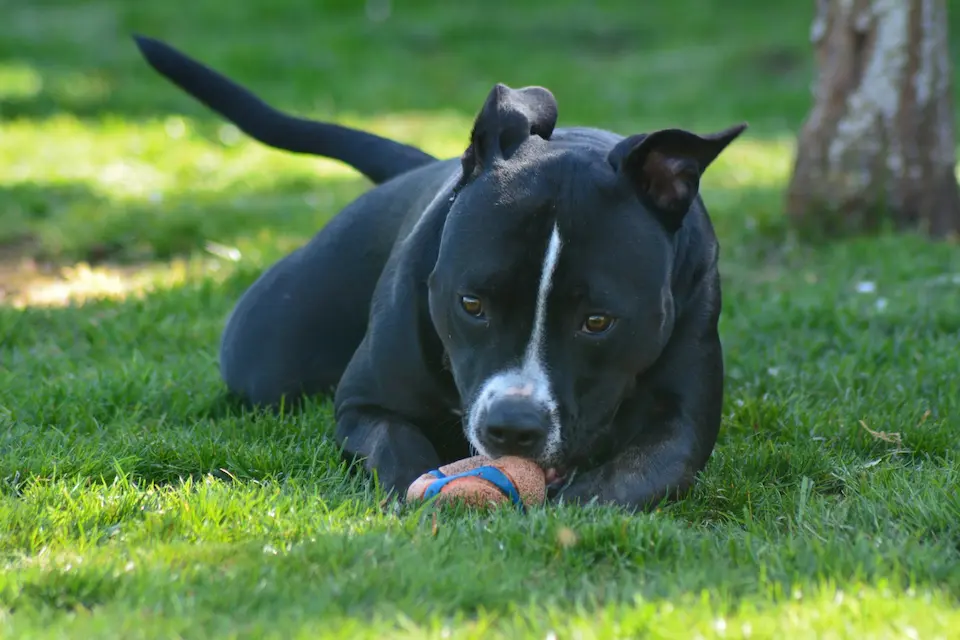
The Crucial Nuance: This same history also selected for human-directed gentleness. Handlers needed to separate dogs in a pit without being bitten. This created a profound paradox: dog-aggression can be a breed trait, while human-affection is often equally strong.
The problem arises from irresponsible owners attracted to their “tough” image, combined with their formidable physical power. A poorly bred, unsocialized, or misused Pit Bull is arguably one of the most dangerous dogs to humans due to this combination of strength and potential animal-directed drive.
My Perspective: I’ve met countless Pit Bulls who are devoted, silly family dogs. But to deny their potential and history is irresponsible. They are not for novice owners. They require expert socialization, firm but positive training, and owners committed to managing their potential animal reactivity. They are a testament to how human direction has shaped—and sometimes exploited—canine potential.



2. Rottweiler
A breed of immense strength and deep loyalty, the Rottweiler’s danger lies in its powerful instinct to protect.
Why They Are Cited: Bred as driving dogs for Roman legions and later as drovers and guardians for butchers (hence the name “Rottweiler Metzgerhund”), their job was to move cattle and protect property. They are incredibly strong, confident, and have a natural suspicion of strangers. When not properly socialized or trained, their protective instincts can manifest as territorial aggression.
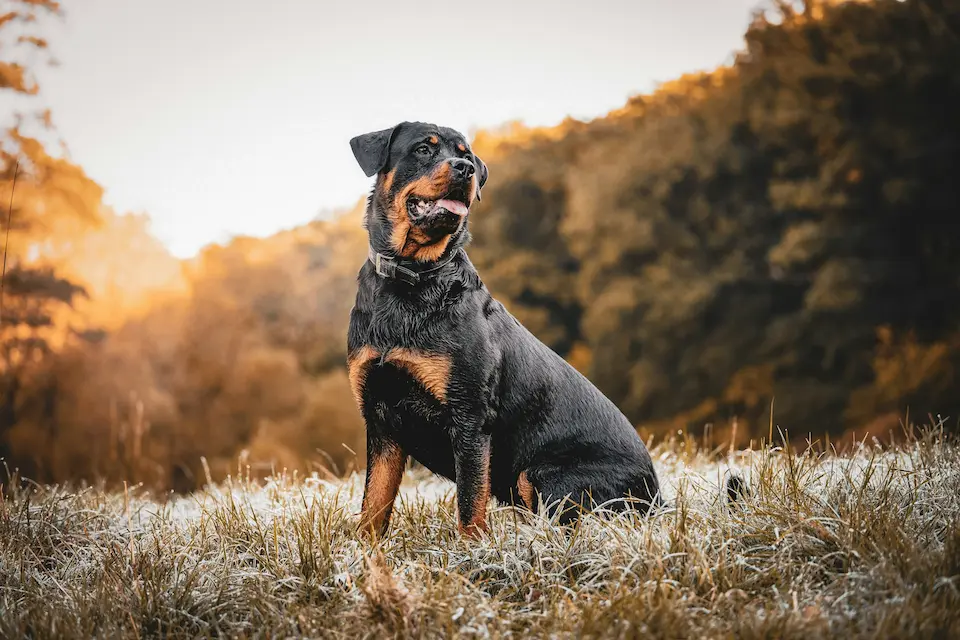
The Crucial Nuance: A well-bred, well-trained Rottweiler is stable, calm, and discerning. They are not inherently malicious; they are inherently devoted. The danger occurs when that devotion is coupled with an owner who encourages over-protectiveness or fails to establish clear leadership. Their sheer power (with a bite force estimated between 328 PSI) means any aggression is amplified.
Interesting Fact: In my research, I found that Rottweilers were one of the preferred breeds for early police and military work in Germany, a testament to their intelligence and trainability when in the right hands.
3. German Shepherd Dog (GSD)
The world’s premier working dog, the German Shepherd’s intelligence and drive are what make them both brilliant and potentially challenging.
Why They Are Cited: They are consistently among the top breeds for bite incidents. This is partly due to their popularity, but also their traits. Bred for herding and protection, they are highly alert, territorial, and can be prone to anxiety if not properly exercised and mentally stimulated. Nervousness or poor breeding for hyper-reactive traits can lead to fear-based biting.
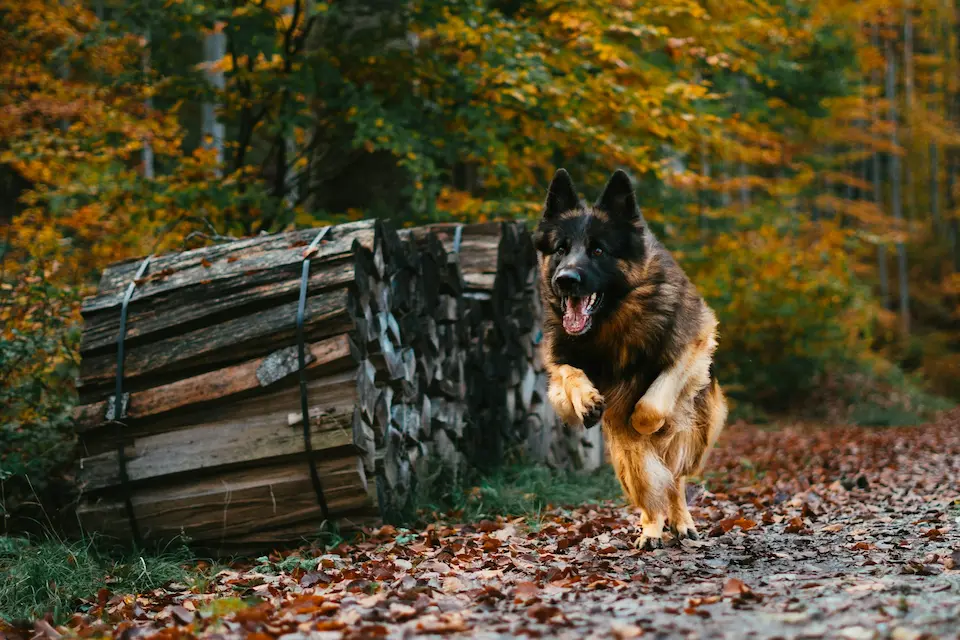
The Crucial Nuance: The GSD is a mirror of its owner and upbringing. Their versatility—seen in police work, search-and-rescue, and as service dogs—proves their stability when properly bred and trained. The “danger” arises from backyard breeders producing dogs with unstable temperaments, and owners unable to meet their high needs for activity, job fulfillment, and ongoing socialization.
Personal Anecdote: My neighbor has a ex-police GSD named Kato. He is the most disciplined, observant dog I’ve ever seen. His owner trains with him daily. That dog isn’t “dangerous”; he’s a precision instrument. Without that structure, he could have been a liability.
4. American Bulldog
Often confused with Pit Bulls, the American Bulldog is a distinct, larger breed originally used for farm work, hunting feral pigs, and as a guardian.
Why They Are Cited: They possess tremendous strength, athleticism, and a strong prey drive. Their historical function required courage and power to catch and hold dangerous game. In a modern urban setting, without an outlet for this drive and without firm, consistent training, these instincts can be misdirected.
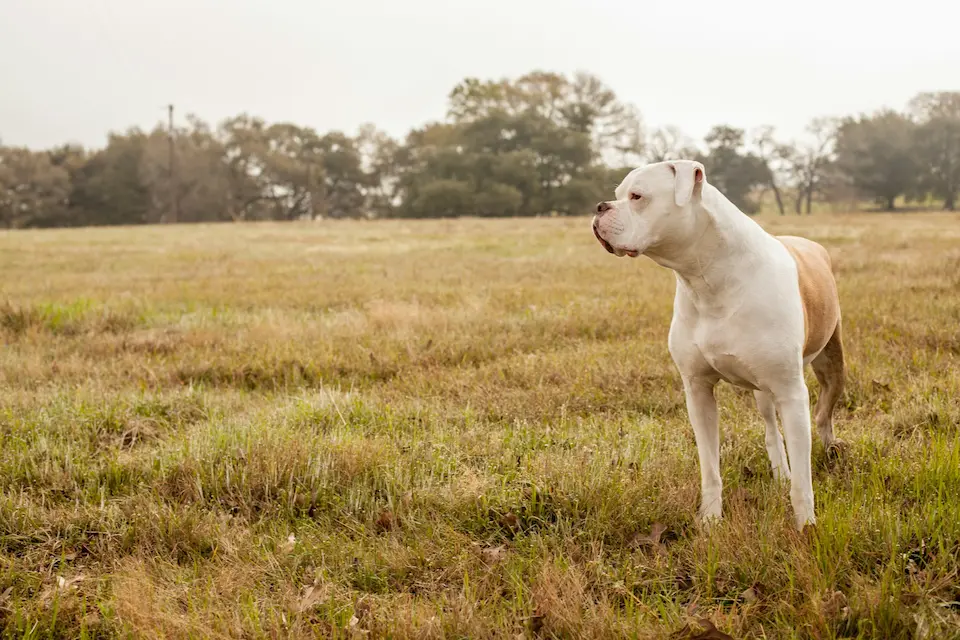
The Crucial Nuance: They are known for being loyal family dogs within their own circle. However, their size and power demand an owner who understands canine psychology and can provide clear leadership. They are not a breed that responds well to a passive owner. Early and extensive socialization with other animals is critical due to their high prey drive.
5. Bullmastiff
Bred in 19th-century England as a “gamekeeper’s night dog” to silently track and pin down poachers, the Bullmastiff is the definition of quiet power.
Why They Are Cited: Their entire raison d’être was to use their massive size (often 130+ lbs) and strength to subdue a human without mauling them. They are naturally protective, reserved with strangers, and incredibly powerful (bite force ~556 PSI). If they perceive a threat to their family, they have the physical capacity to act decisively.
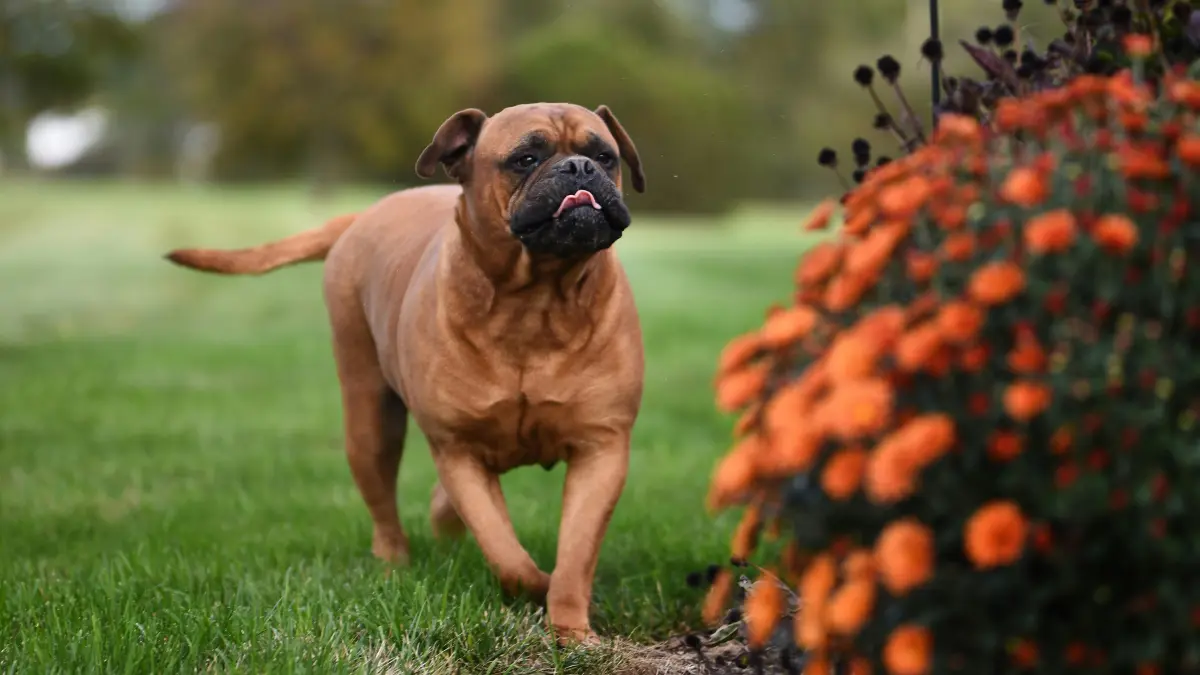
The Crucial Nuance: Reputable breeders stress stability. A good Bullmastiff is described as “calm, reliable, and dignified.” They are typically less overtly active than other guardians but require an owner who can manage their size and understand their subtle body language. Their protective instinct is so ingrained that it requires little to no encouragement, making proper socialization non-negotiable.
6. Siberian Husky
This inclusion often surprises people. The Husky is not a traditional guard dog; they are famously friendly and mischievous.
Why They Are Cited: Statistics, particularly from some national studies, show a high number of bite incidents involving Huskies. The reasons are tied to their breed essence, not malice. Bred to run and pull in packs, they have an extremely high prey drive.
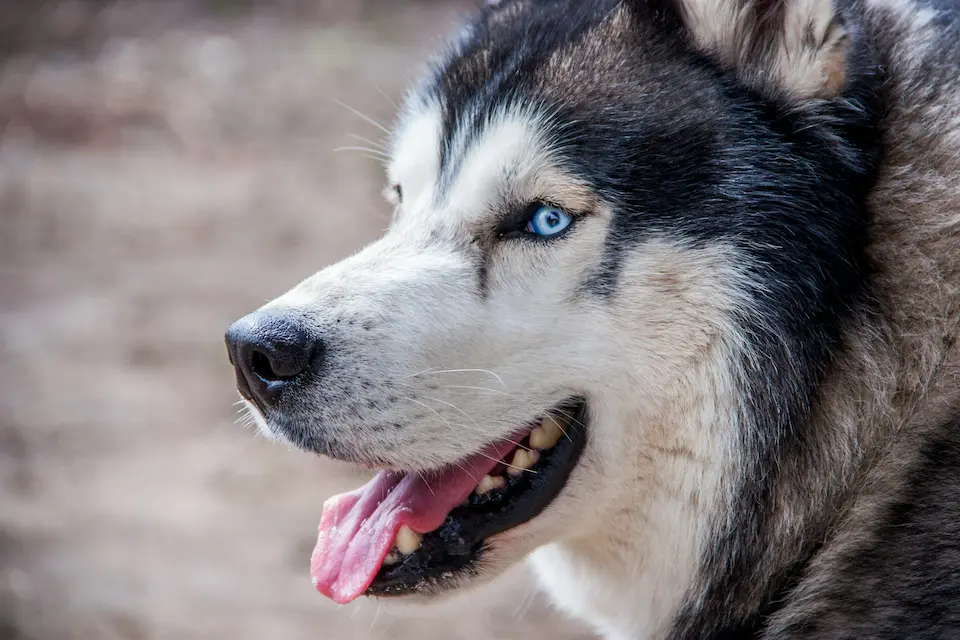
They can see small animals—and sometimes small, fast-moving children—as prey. They are also intelligent, independent, and prone to boredom, which can lead to destructive behavior and nipping if not properly exercised.
The Crucial Nuance: Their “danger” is rarely from human-directed aggression. It is usually predatory drift or frustration. They are escape artists, requiring secure containment. They are pack-oriented and can develop same-sex aggression. They are beautiful, charismatic dogs that are profoundly unsuited for a sedentary lifestyle or a home with small pets.
7. Alaskan Malamute
The Husky’s larger, stronger cousin, the Malamute was bred for power and endurance to haul heavy freight.
Why They Are Cited: Similar to the Husky but amplified by their greater size and strength. They possess a strong pack instinct and high prey drive. They are also more primitive and independent-minded, which can make them challenging to train for obedience. A Malamute that is not mentally and physically exhausted is a powerful dog with potential for problematic behaviors.
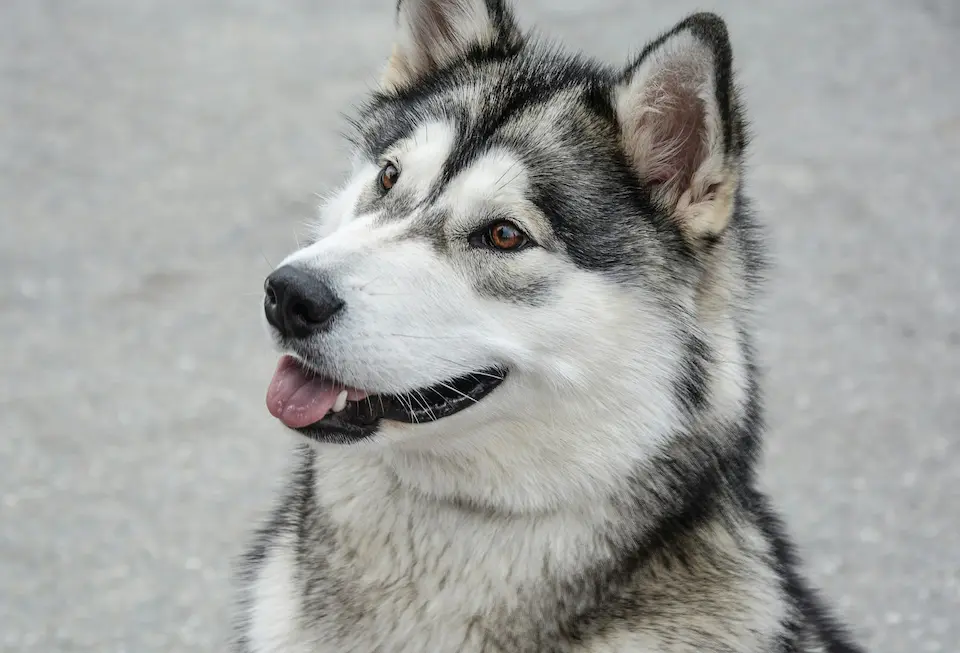
The Crucial Nuance: They are typically loyal and affectionate with their family but carry the same warnings as the Husky regarding small animals and require even more robust management due to their power. Their thick coat and working heritage also mean they are often unhappy in warm climates.
8. Doberman Pinscher
Bred by a German tax collector named Louis Dobermann to be the ultimate protection companion, the Doberman is elegance paired with razor-sharp instinct.
Why They Are Cited: They are lightning-fast, intelligent, and intensely loyal. Their original breeding for personal protection created a dog that is naturally alert and wary of strangers. Modern breeding has softened many lines, but the potential for a sharp, protective reaction remains, especially in poorly bred or trained specimens.
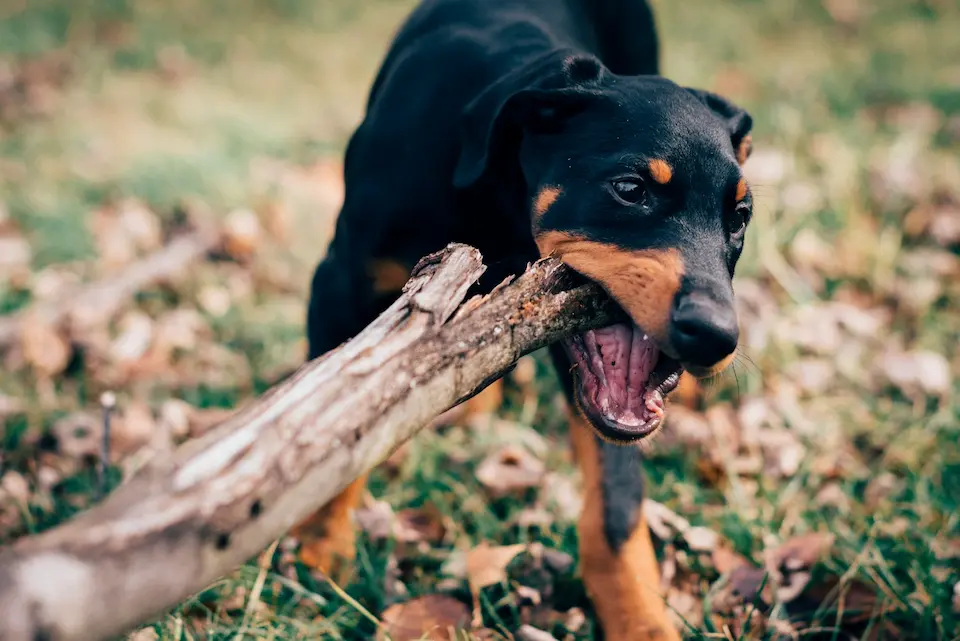
The Crucial Nuance: A well-bred Doberman from working lines is exceptionally trainable and stable. They form a deep bond with their owner and are often excellent with children in their family. The key is selecting a reputable breeder who prioritizes temperament and committing to the high level of training and socialization this brilliant breed requires and deserves.
9. Chow Chow
One of the most ancient and genetically distinct dog breeds, the Chow Chow presents a unique type of danger: aloof, independent, and prone to same-sex aggression.
Why They Are Cited: Bred as versatile hunting, herding, and guarding dogs in China, Chows are famously cat-like. They are devoted to their core family but are often indifferent or suspicious of outsiders.
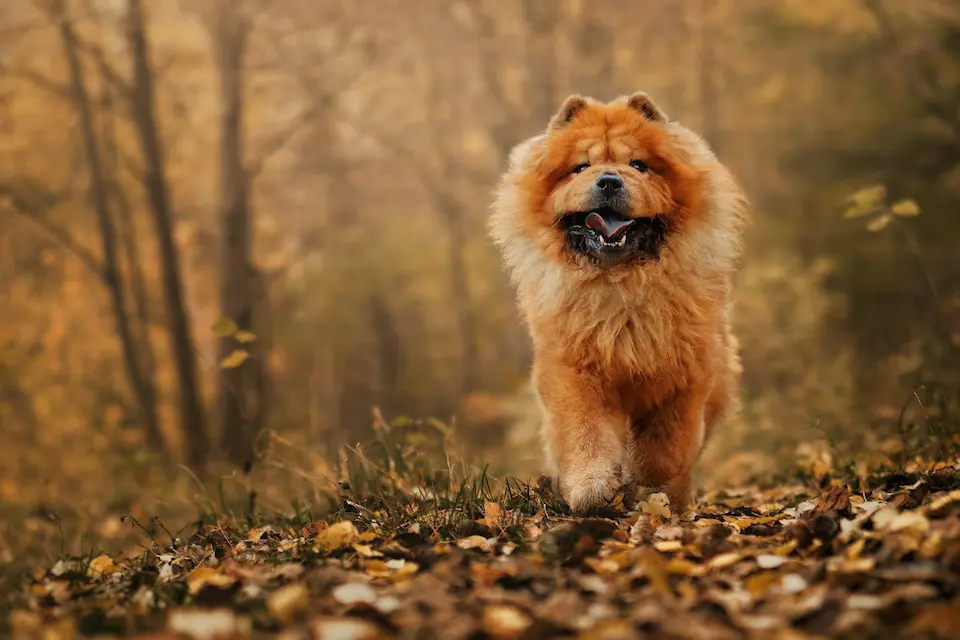
They have a low tolerance for teasing or inappropriate handling, especially from children they don’t know well. Their unique build, with a straight hock, can make their warning signals subtle before a bite.
The Crucial Nuance: They are not eager-to-please dogs. They require respectful, patient handling. Socialization is critical, but it will not make them gregarious. They are a breed for a specific type of owner who appreciates their dignified, independent nature and is prepared to manage their potential for territoriality and dog-aggression.
10. Wolf-Dog Hybrids
This is the most critical entry on the list, and it is not a breed. It is a hybrid between a domestic dog and a wolf (or a high-content wolf dog).
Why They Are Cited: They are, by nature, the epitome of wild instincts blended with canine traits. They are typically more fearful, more prone to escape, have a vastly higher prey drive, and are unreliable around small animals and often people. Their behavior is unpredictable, and their socialization needs are nearly impossible to meet in a domestic setting.
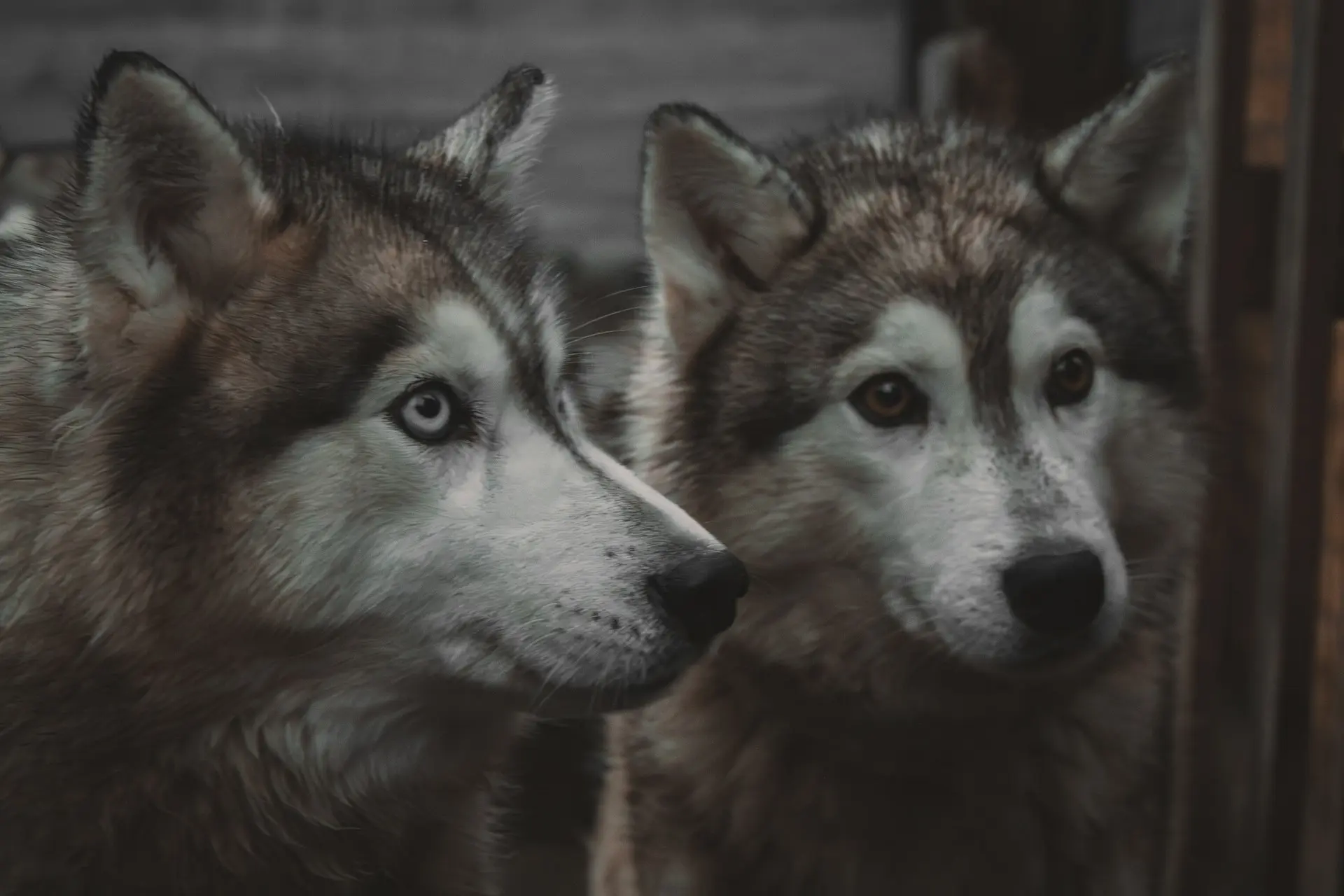
The Crucial Nuance: Ownership is often illegal and always exceptionally dangerous. They do not make pets. The romantic idea of owning a piece of the wild leads to immense suffering for the animal and serious risk to the community. They belong in the wild or in the care of extremely specialized sanctuaries.
The Other Side of the Coin: What About “Least Aggressive Dog Breeds”?
It’s only fair to acknowledge the spectrum. While any dog can bite, some breeds are renowned for their stable, easygoing temperaments. Breeds like the Labrador Retriever, Golden Retriever, Cavalier King Charles Spaniel, and Beagle are consistently noted for their low incidence of human-directed aggression. However, even these gentle souls require proper care, training, and respect for their boundaries.
Frequently Asked Questions (FAQs)
Are these breeds inherently bad or born violent?
Absolutely not. No dog is born wanting to be violent. These breeds possess genetic traits (strength, drive, protective instinct) that, when mismanaged, neglected, or abused, can lead to dangerous outcomes. It’s about potential and responsibility.
Should these breeds be banned?
Breed-Specific Legislation (BSL) is a hotly debated topic. From my research and experience, BSL is largely ineffective. It punishes responsible owners and well-behaved dogs while doing little to address the root cause: irresponsible ownership. Community laws focused on reckless owners, mandatory spay/neuter programs, and enforceable leash/dangerous dog laws are more equitable and effective.
Is a dog DNA test useful for determining risk?
For mixed-breed dogs, a DNA test like Embark or Wisdom Panel can be incredibly insightful. It can identify breed mixes that may have certain genetic propensities (like high prey drive or guarding instincts), allowing an owner to tailor training and management proactively. It is a tool for understanding, not for prejudice.
What’s the single most important factor in preventing a dangerous dog?
The owner. Responsible ownership means: selecting a breed suitable for your lifestyle, sourcing from an ethical breeder or rescue that prioritizes temperament, investing in lifelong positive reinforcement training, committing to exhaustive early socialization, providing adequate physical and mental exercise, and always using secure containment and supervision.
What are some ways to spoil your dog that also promote good behavior?
“Spoiling” should be about fulfilling needs, not creating brats. The best ways are: providing interactive puzzle toys for mental stimulation, engaging in structured play like fetch or flirt-pole work, enrolling in fun dog sports (nosework, agility), and offering high-value treats during training sessions. A mentally and physically tired dog is a happy, well-behaved dog.
How do I choose the right dog names?
While a name like “Killer” or “Diablo” may seem tough, it can influence perceptions and even your own subconscious interactions with your dog. Choose a name that is easy to say (one or two syllables), distinct from common commands, and has a positive feel for you. A strong dog with a gentle name like “Bear” or “Moose” sends a better message.
A Call for Informed Compassion
Writing this article has been a heavy responsibility. My hope is that it doesn’t fuel fear, but fosters a deeper sense of responsibility. The conversation about the top 10 most dangerous dog breeds is, at its heart, a conversation about human failure and human potential.
These dogs are not villains. They are magnificent animals whose forms and instincts were shaped by us, for our purposes—some noble, some regrettable. The Bullmastiff’s quiet courage, the German Shepherd’s brilliant mind, the Pit Bull’s heartbreaking resilience and love—these are not traits to be feared, but to be understood and guided with immense respect.
If you take anything from this, let it be this: The power we have over these animals is absolute. We control their breeding, their upbringing, their environment, and their fate. With that power comes a non-negotiable duty to be better—more knowledgeable, more committed, more compassionate.
Choose wisely. Train patiently. Socialize tirelessly. Love deeply. And always, always respect the powerful, beautiful, and complex nature of the canine soul that shares your home. Let’s move the discussion from “dangerous breeds” to “responsible guardians.” That’s the only path to a safer, kinder world for all dogs and the people who live with them.