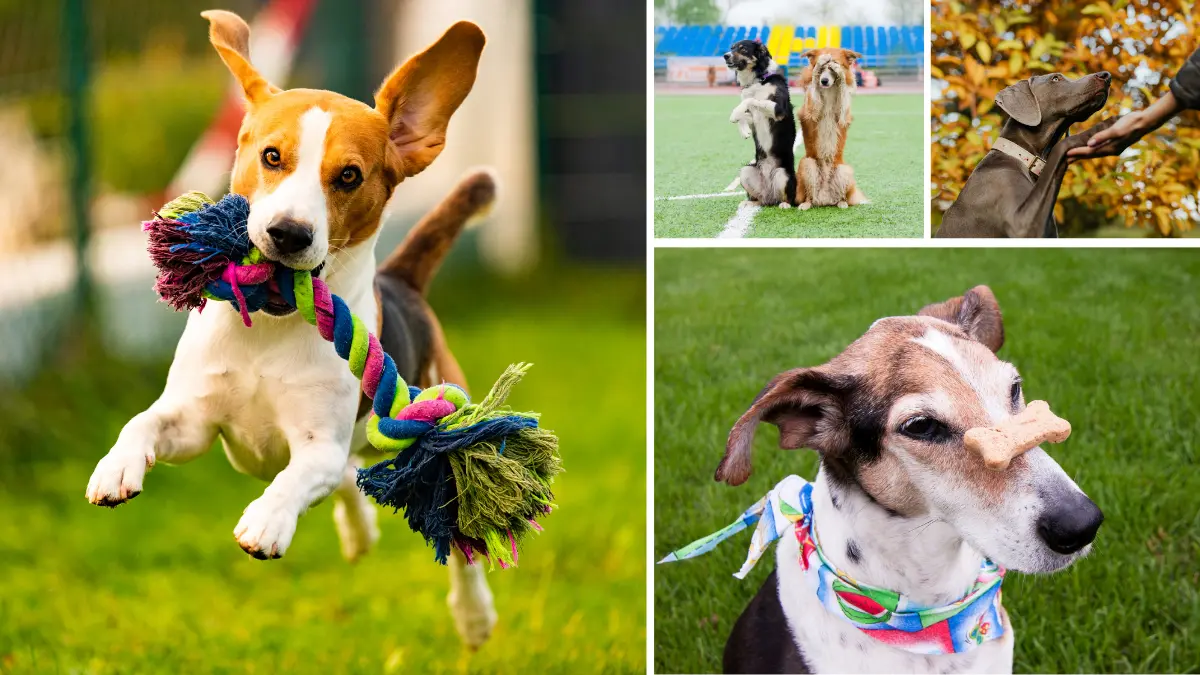
12 Easy Tricks to Teach Your Dog in One Weekend
Simple techniques any beginner can use—no fancy tools or experience needed
- This article contains affiliate links. I may receive a commission if you purchase from them, at no extra cost to you.
I’ll never forget the first trick I taught my scruffy terrier mix, Leo. It was “sit,” and the moment his bottom hit the floor and he looked up at me with that “Did I do it?!” expression, a lightbulb went off for both of us. For him, it was the discovery that his actions could make delicious things happen. For me, it was the realization that training wasn’t a chore; it was our secret language, a way to build a bond that was more profound than just owner and pet.
Many people think complex dog training tricks are reserved for professional trainers with months to spare. But I’m here to tell you that with a little patience, a pocketful of treats, and a positive attitude, you can achieve incredible things in just one weekend. These easy tricks to teach your dog are designed to be fun, build your dog’s confidence, and strengthen your connection. Whether you have a brilliant Border Collie or a lovable, goofy rescue of unknown heritage, these are the foundational tricks to teach your dog that every pup can learn.
So, grab your treats, and let’s turn this weekend into a fun, rewarding adventure for you and your best friend.
Table of Contents
The Golden Rules for a Successful Weekend
Before we dive in, let’s set the stage for success. I’ve learned these principles through trial and error, and they make all the difference.
- Keep Sessions Short & Sweet: A dog’s attention span is short. Aim for 5-minute sessions, 2-3 times a day. It’s better to end on a high note than to push until they’re bored and frustrated.
- Use High-Value Treats: This isn’t the time for boring kibble. Use small, soft, and smelly treats that your dog goes crazy for. I chop up hot dogs or use tiny pieces of cheese or chicken.
- Embrace the Power of the Clicker: A clicker is a small device that makes a distinct “click” sound. It’s not magic; it’s a communication tool. The click marks the exact moment your dog does the right thing and promises a treat is coming. It’s faster and more precise than saying “good dog!”
- Patience is Everything: Your dog is learning a new language. If you get frustrated, they will sense it. Keep the mood light and playful. If you hit a wall, take a break and try again later.
Now, let’s get to the fun part! Here are 12 of the best easy tricks to teach your dog that you can master in a single weekend.
1Sit: The Foundation of All Training
This is the most essential of all tricks to teach dogs. It’s the starting point for so many other behaviors and a great way to get your dog’s focus.
My Personal Story: “Sit” was the key to calming Leo’s pre-walk excitement. Instead of him jumping at the door, he now automatically sits, making leash-clipping a breeze.
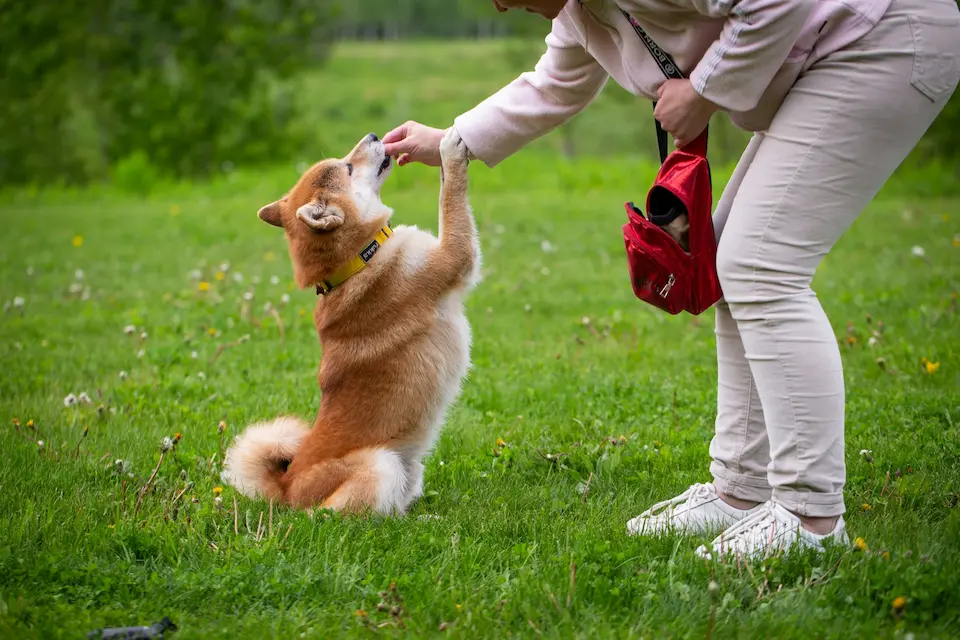
Step-by-Step Instructions:
- Hold a treat in your hand, letting your dog see and smell it.
- Slowly move your hand from their nose up and back over their head. As their nose follows the treat, their bottom will naturally lower to the ground.
- The instant their rear touches the floor, click your clicker or say “Yes!” and give them the treat.
- As they start to understand the action, add the verbal cue “Sit” just as they begin to move into the position.
- Practice this in short sessions with minimal distractions before trying it at the door or on walks.
Don’t push their bottom down. Let them figure out the movement themselves. Luring is the key.
Pro Tip
- Amazon Must-Have: A training clicker is the best $3 you’ll ever spend on training.
2Down: The Calm Command
“Down” is an incredibly useful command for encouraging calm behavior. It’s a more submissive posture for a dog, so some may be hesitant at first. Be patient and use extra-tasty treats.


Teaching “down” was a game-changer for cafes and outdoor restaurants. It gave Leo a clear job to do—settle down and relax—instead of begging or getting restless.
Step-by-Step Instructions:
- Start with your dog in a “Sit.”
- Hold a treat in your closed fist near their nose.
- Slowly lure them straight down to the ground between their front paws, then slowly drag your hand along the floor away from them. Their body should follow into a lying down position.
- The moment their elbows and belly touch the floor, click and treat!
- Once they’re reliably following the lure, add the verbal cue “Down.”
If your dog pops back up into a sit instead of lying down, your hand might be moving up too much. Keep it low to the ground.
Pro Tip
- Amazon Must-Have: Soft, smelly training treats are perfect for keeping their focus during more challenging commands.
3Stay: The Life-Saving Skill
“Stay” is about impulse control and could one day save your dog’s life. We’ll build it up in tiny, successful steps. I drilled “stay” relentlessly with Leo, and it paid off when his leash clip broke on a busy street. My “stay!” command froze him in his tracks long enough for me to grab his collar.
Step-by-Step Instructions:
- Ask your dog to “Sit.”
- Hold your palm open in front of their face like a stop sign and say “Stay.”
- Wait for just one second. If they hold position, click, return to them, and give a treat. Always reward them in the stay position; don’t call them to you for the treat yet.
- Gradually increase the duration (1 second, 3 seconds, 5 seconds) and then start taking one small step back. If they break, just calmly reset them and try a shorter duration/distance.
Never use “stay” as a punishment. It should always be a positive, rewarding game.
Pro Tip
- Amazon Must-Have: A comfortable training treat pouch that clips to your waist keeps your hands free and treats easily accessible.
4Come When Called: The Ultimate Recall
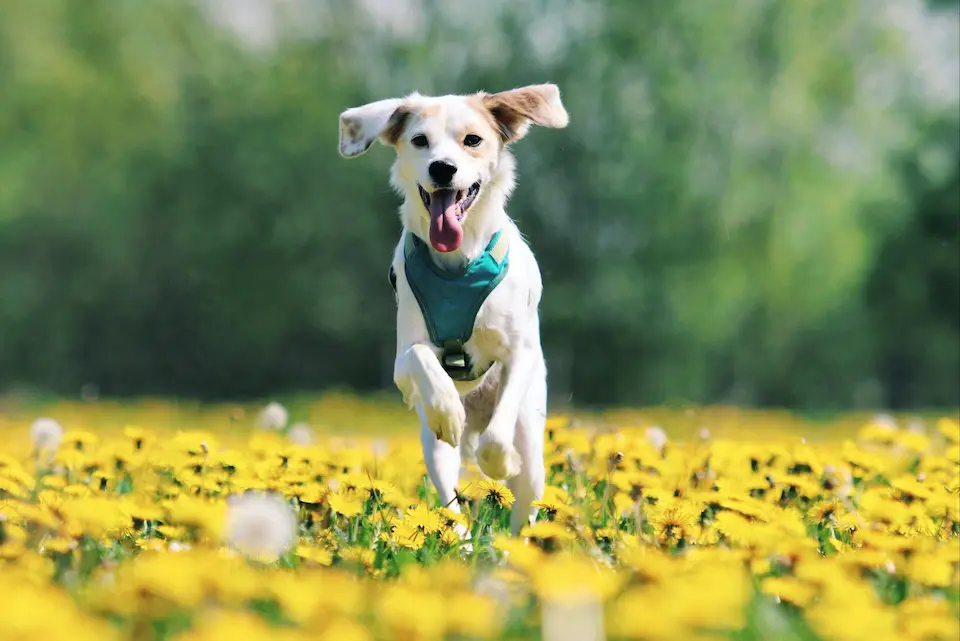
A reliable recall is the most important of all dog training tricks. It gives your dog freedom and you peace of mind. I made the mistake of only using “come” for boring things like leaving the dog park. I turned it into a party—when I called him, he got chicken and a game of tug. Now he rockets back to me!
Step-by-Step Instructions:
- Start indoors with minimal distractions. Say your dog’s name followed by “Come!” in a happy, excited voice.
- When they come to you, shower them with praise and a high-value treat.
- Make it a game! Run away from them a few steps to encourage them to chase you.
- Gradually practice in more distracting environments, always setting them up for success.
Never scold your dog when they come to you, even if it took them forever. You want them to associate coming to you with only good things.
Pro Tip
5Leave It: For Safety and Manners
“Leave it” teaches your dog to voluntarily turn away from something tempting, whether it’s a dropped pill, chicken bone on the sidewalk, or the cat’s tail.
My Personal Story: This command has saved Leo from eating everything from chocolate to a dead frog. It’s an essential tool for his safety.
Step-by-Step Instructions:
- Hold a treat in both hands. Show your dog one closed fist with the treat inside.
- The moment they stop sniffing, licking, or pawing at your hand and pull away, click and reward them with a treat from your other hand. This teaches them that the reward comes from ignoring the thing.
- Once they have that down, you can add the verbal cue “Leave it.”
- Gradually make it harder by placing the treat on the floor and covering it with your hand.
- Amazon Must-Have: A variety of treat puzzles can help build the impulse control that makes teaching “leave it” easier.
6Shake Hands (or “Paw”): The Classic Crowd-Pleaser
This is one of the most adorable tricks to teach your dog and it’s surprisingly simple. It’s also a great way to make nail trims easier! Leo learned “shake” so quickly, he now offers his paw for everything, hoping it’s the secret to getting a treat. It’s his go-to trick for winning over guests.
Step-by-Step Instructions:
- Ask your dog to “Sit.”
- Hold a treat in a closed fist just in front of their chest.
- Most dogs will paw at your hand to try and get the treat. The instant their paw makes contact with your hand, click and give them the treat.
- Once they are reliably pawing at your closed fist, open your hand to “catch” their paw and add the verbal cue “Shake” or “Paw.”
You can gently tap their leg to encourage them to lift it if they don’t offer the behavior initially.
Pro Tip
- Amazon Must-Have: A grooming mat can be a great place to practice “shake” and other paw-related tricks, creating a positive association with grooming time.
7Roll Over: The Ultimate Playful Trick
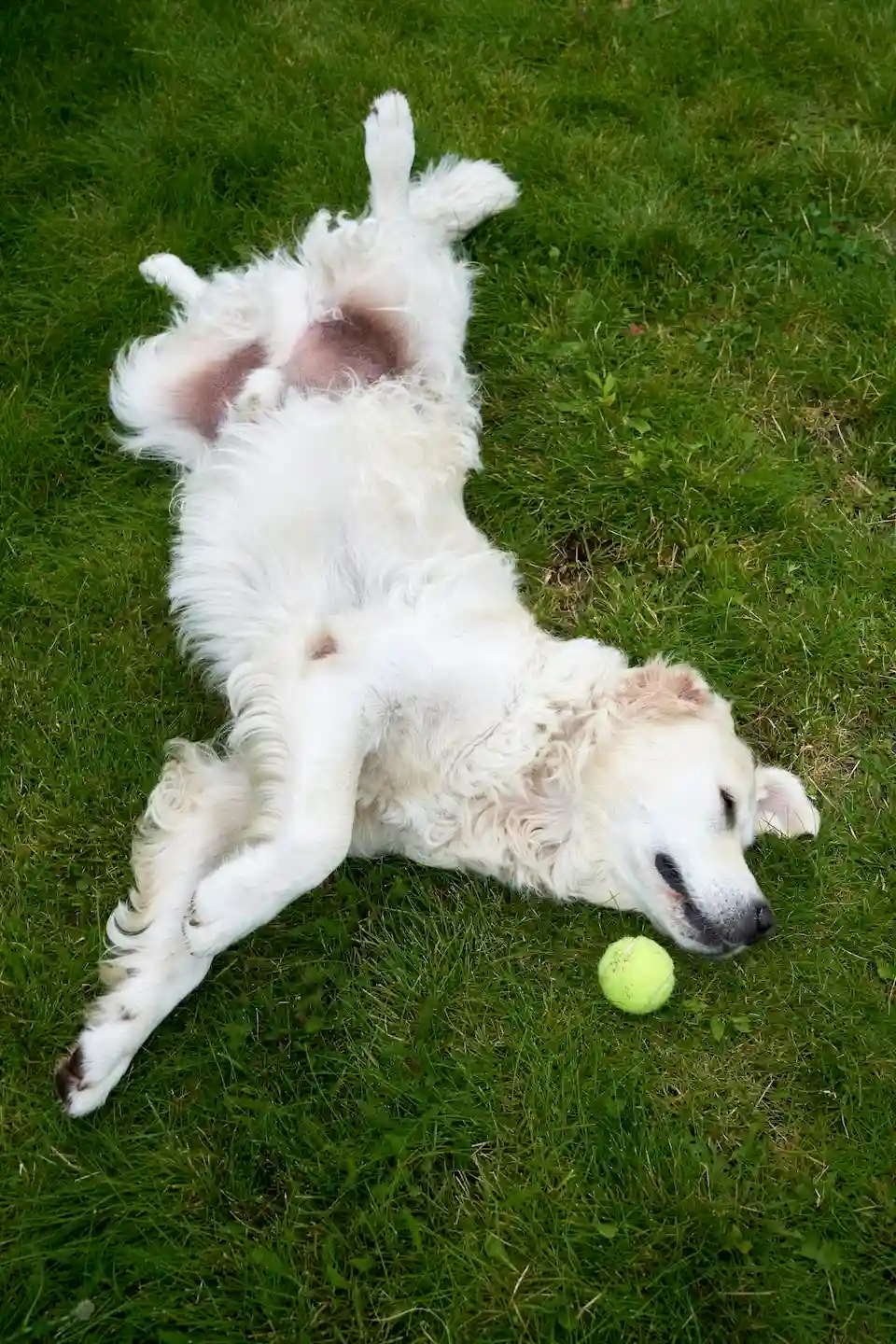
This is a step-up trick that builds on “down.” It looks impressive but is just a matter of guiding your dog through a natural motion. Teaching Leo to roll over was a comedy of errors at first, with him getting stuck halfway. But the day he finally completed a full, floppy roll, we both celebrated like we’d won the lottery.
Step-by-Step Instructions:
- Start with your dog in a “Down” position.
- Hold a treat at their nose and slowly lure their head towards their shoulder, encouraging them to roll onto their side.
- Continue luring their head all the way around so their body follows into a full roll.
- Click and treat at each stage initially (onto the side, then onto the back, then the full roll).
- Add the verbal cue “Roll over” as they begin to understand the movement.
Practice on a soft surface like a carpet or a comfortable dog bed to make it more comfortable for them.
Pro Tip
8Speak & Quiet: Managing the Bark
This is a two-for-one trick that gives your dog an outlet for barking and also teaches them an “off” switch. Leo is a terrier, so he’s vocal. Teaching “speak” gave him a permitted time to be loud, and “quiet” gave me a way to calmly ask for silence.
Step-by-Step Instructions (for “Speak”):
- Do something that you know makes your dog bark (e.g., ring the doorbell, play with a favorite squeaky toy).
- The moment they bark, click, say “Speak!” and give a treat.
- Soon, you can say “Speak” without the trigger and they’ll offer a bark.
Step-by-Step Instructions (for “Quiet”):
- Once they know “Speak,” get them to bark.
- Then, hold a treat in front of their nose. The smell will cause them to stop barking to sniff it.
- The second they are silent, click, say “Quiet!” and give the treat.
This trick requires precise timing. Make sure you mark and reward the silence, not the bark.
Pro Tip
- Amazon Must-Have: A squeaky toy is a great, controllable tool for eliciting a bark on command.
9Fetch: The Perfect Game
A good game of fetch is great exercise and a fantastic bonding activity. Not all dogs naturally understand it, but you can teach it.
My Personal Story: Leo was a “chase but don’t retrieve” kind of dog. It took patience to teach him the “bring it back” part, but now fetch is our favorite afternoon ritual.
- Amazon Must-Have: A standard Chuckit! Ball Launcher makes throwing easier and keeps the game going longer.
Step-by-Step Instructions:
- Start with a toy your dog loves. Get them excited about it and toss it a very short distance.
- When they pick it up, run away from them while calling them excitedly. This encourages them to come toward you.
- When they come back to you, hold out your hand and say “Drop it.” The moment they release the toy (you can trade for a treat if needed), click and reward.
- Immediately throw the toy again to continue the game.
If they don’t bring it back, use a second, identical toy. Show them the second toy as they have the first, and they’ll often drop the one in their mouth to come get the new one.
Pro Tip
10Go to Your Bed (Place Command)
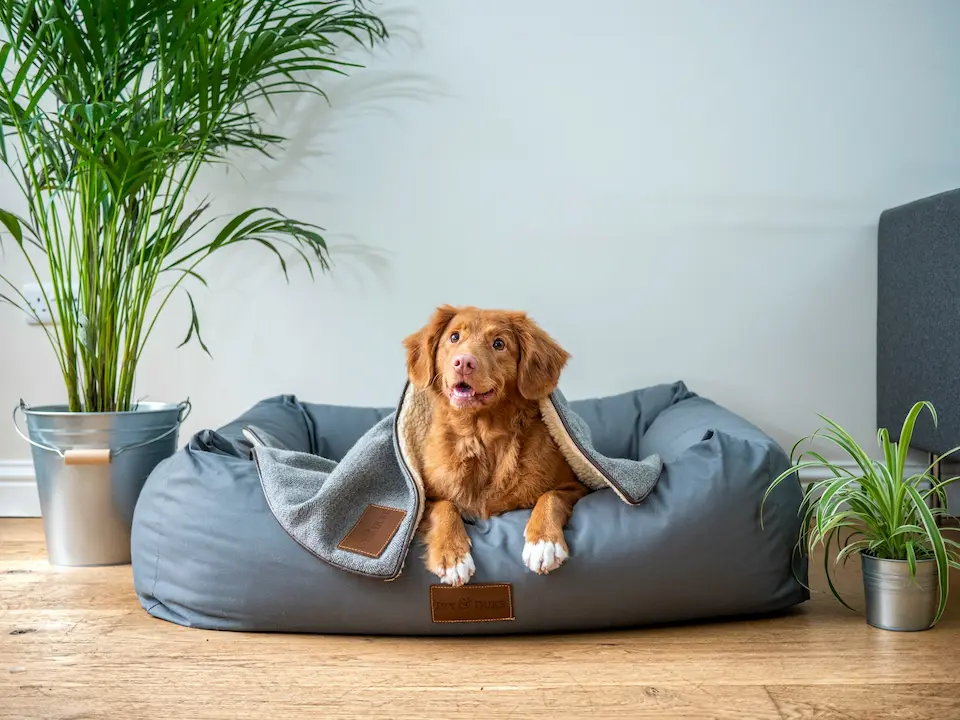
This is an incredibly useful trick to train your dog for when guests arrive, during mealtimes, or when you need them out from underfoot.
My Personal Story: “Go to your bed” was a sanity-saver when I was working from home. It gave Leo a clear job and a comfortable place to be, reducing his demand for attention.
Step-by-Step Instructions:
- Point to the bed and toss a treat onto it. As your dog goes to get it, say “Go to your bed.”
- When all four paws are on the bed, click and treat.
- Next, ask them to “Sit” or “Down” on the bed, and reward that duration.
- Gradually increase the distance from which you can send them to their bed.
- Amazon Must-Have: A clearly defined raised cot bed or a plush mat works perfectly as a designated “place.”
11Spin: A Simple & Fun Trick
This is a flashy but very simple trick that’s just a matter of luring your dog in a circle. “Spin” is Leo’s happy trick. He does it with so much gusto he sometimes stumbles, but it always makes everyone laugh.
Step-by-Step Instructions:
- Hold a treat at your dog’s nose.
- Slowly lure their head in a wide circle to the right, so their body has to follow.
- As they complete the circle, click and give them the treat.
- Once they are following the lure smoothly, add the verbal cue “Spin.”
- You can teach “Twirl” for the other direction by luring them to the left.
Keep the lure at nose level. If you hold it too high, they might jump; too low, and they might lie down.
Pro Tip
- Amazon Must-Have: A target stick can be helpful for teaching more complex tricks later, but for spin, your hand is all you need.
12Play Dead (“Bang!”): The Dramatic Finale
This is the grand finale of easy tricks to teach your dog for the weekend. It builds on “down” and “roll over” and is guaranteed to impress.
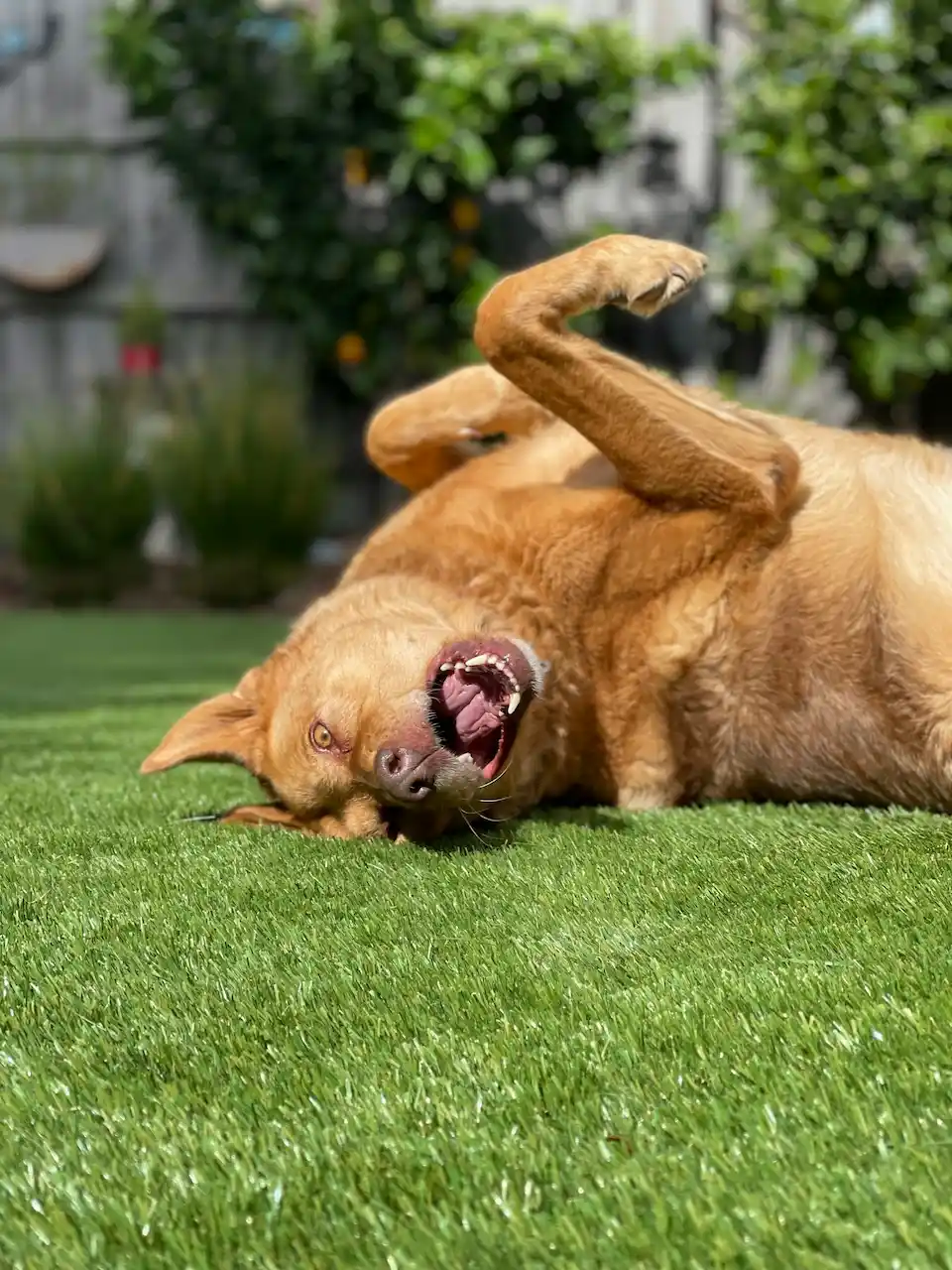
My Personal Story: I taught Leo “play dead” by gently guiding him onto his side from a down. Now, when I point my finger and say “Bang!” he flops over with a dramatic sigh.
Step-by-Step Instructions:
- Start with your dog in a “Down.”
- Hold a treat at their nose and slowly lure their head to the side, towards their shoulder, until they flop onto their hip.
- Click and treat for this! You’re building the behavior in steps.
- Once they are comfortably lying on their side, you can add a dramatic hand signal (like a finger gun) and the verbal cue “Bang!” or “Play dead.”
Be patient and reward small steps. Getting them to hold the position for a second before the click is a great way to build duration.
Pro Tip
- Amazon Must-Have: A soft training mat provides a comfortable, defined space for learning tricks that involve lying down.
Frequently Asked Questions (FAQs)
My dog isn’t food motivated. What can I do?
Some dogs are more play-motivated than food-motivated! Find what your dog truly values. It could be a game of tug with a favorite toy, a thrown ball, or even verbal praise and petting. Use that as their “reward” instead of treats.
How old should my dog be to start learning these tricks?
You can start with basic cues like “sit” as early as 8 weeks old! Puppies have short attention spans, so keep sessions very brief. For older dogs, including the wonderful dog breeds for seniors, you can absolutely teach an old dog new tricks. Just be patient and account for any physical limitations.
What if my dog gets something wrong?
That’s part of the process! Simply ignore the incorrect behavior and try again. Make the exercise a little easier to set them up for success. Never punish them for getting it wrong; you’ll only damage their confidence and your bond.
I have more than one dog. How should I handle training?
Train them separately at first. This prevents distraction and competition and allows you to focus on each individual’s learning style. You can use a crate or a gate to keep the other dog occupied with a chew toy in another room.
My dog knows the tricks inside but ignores me outside. Why?
This is completely normal! The outside world is full of distracting smells, sounds, and sights. You need to “proof” the behavior by practicing in many different environments, starting with low-distraction areas (like your backyard) and gradually working up to more challenging ones (like a quiet park).
This weekend isn’t just about teaching tricks; it’s about building a language of trust and joy with your dog. The goal isn’t perfection—it’s connection. Celebrate the small victories, laugh at the goofy mistakes, and cherish this dedicated time you’re investing in your best friend.
Remember, every single dog breeds, from the tiniest Chihuahua to the gentlest Great Dane (a classic dog breeds for seniors), has the capacity to learn and bond through training. So, take a deep breath, grab your treats, and get ready for a weekend filled with wags, wins, and wonderful memories. Happy training