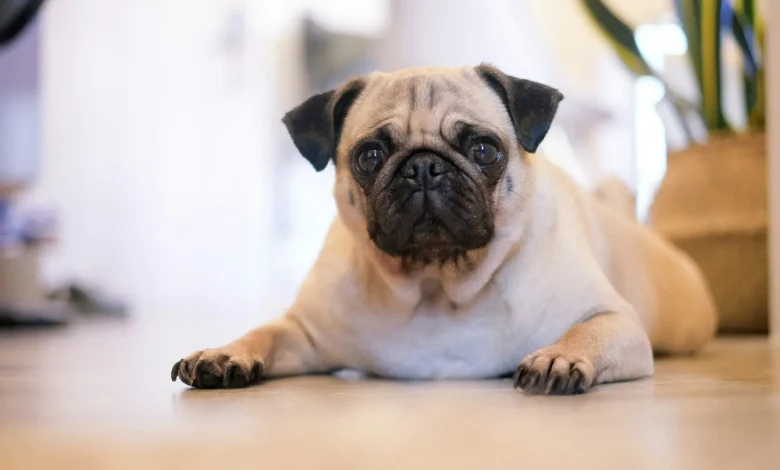
10 Perfect Dog Breeds for Seniors and Low-Energy Lifestyles
Scientifically known as stress reducers, these dogs fit perfectly into family life
- This article contains affiliate links. I may receive a commission if you purchase from them, at no extra cost to you.
I’ll never forget the day I helped my grandfather, a spry 78-year-old, bring home a new companion. After losing his wife of 50 years, the silence in his home was deafening. He wasn’t looking for a high-energy jogging buddy; he needed a gentle presence, a reason to get up in the morning, and a loyal friend to share his quiet evenings with.
The journey to find the right dog was a profound lesson for me. It wasn’t about the “best” dog in a general sense, but the best dog for his life.
That experience taught me that one of the most beautiful relationships can be between a senior and a well-matched dog. The right companion can provide structure, unconditional love, and even improve physical and mental well-being. But the key is in the match.
The ideal dog breeds for seniors are typically low-energy, affectionate, and manageable in size. After extensive research and countless conversations with veterinarians and senior dog owners, I’ve compiled this list of the best best dogs for seniors who are ready to welcome a four-legged friend into their golden years.
Table of contents
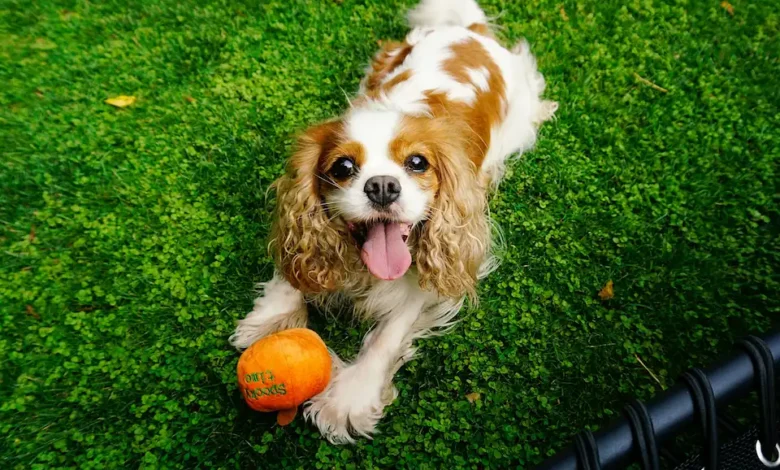
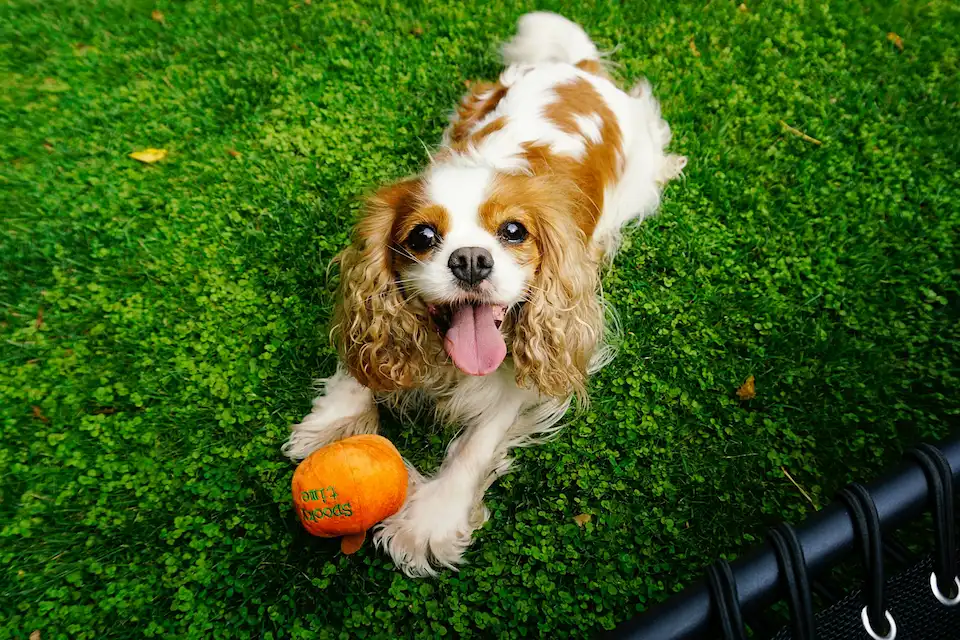
1. The Cavalier King Charles Spaniel: The Affectionate Lapwarmer
If there was a textbook definition of a perfect companion, the Cavalier would be a strong contender. They are the epitome of a “velcro dog” in the best way possible, bred for centuries to be a loving companion.
My Personal Experience:
My grandfather’s dog was a Cavalier named Buddy. From the moment he came home, his mission was clear: to be by my grandfather’s side. Whether he was reading the paper, watching television, or simply moving from the living room to the kitchen, Buddy was there, a soft, warm shadow. His gentle, soulful eyes seemed to understand the need for quiet companionship.
Why They’re Perfect for Seniors:
Their entire raison d’être is to love and be loved. They are incredibly gentle, patient, and adaptable. A few short walks around the block and some indoor play are enough to satisfy their exercise needs, making them one of the best dog breeds for seniors with a relaxed routine.
Key Characteristics:
- Size: Small (13-18 pounds)
- Temperament: Affectionate, Gentle, Graceful
- Energy Level: Low to Moderate. They are happy with short daily walks and cuddle time.
- Grooming: Their silky coat requires regular brushing a few times a week to prevent mats.
Considerations:
They are prone to certain genetic heart conditions, so finding a reputable breeder is crucial. They can be sensitive and do not do well with harsh discipline or being left alone for long periods.
Best For:




Seniors seeking a constant, loving, and gentle companion who thrives on affection.
- Amazon Must-Have: A plush, orthopedic dog bed is perfect for their comfort and joint health, and can be placed in every main room so they always have a cozy spot nearby.
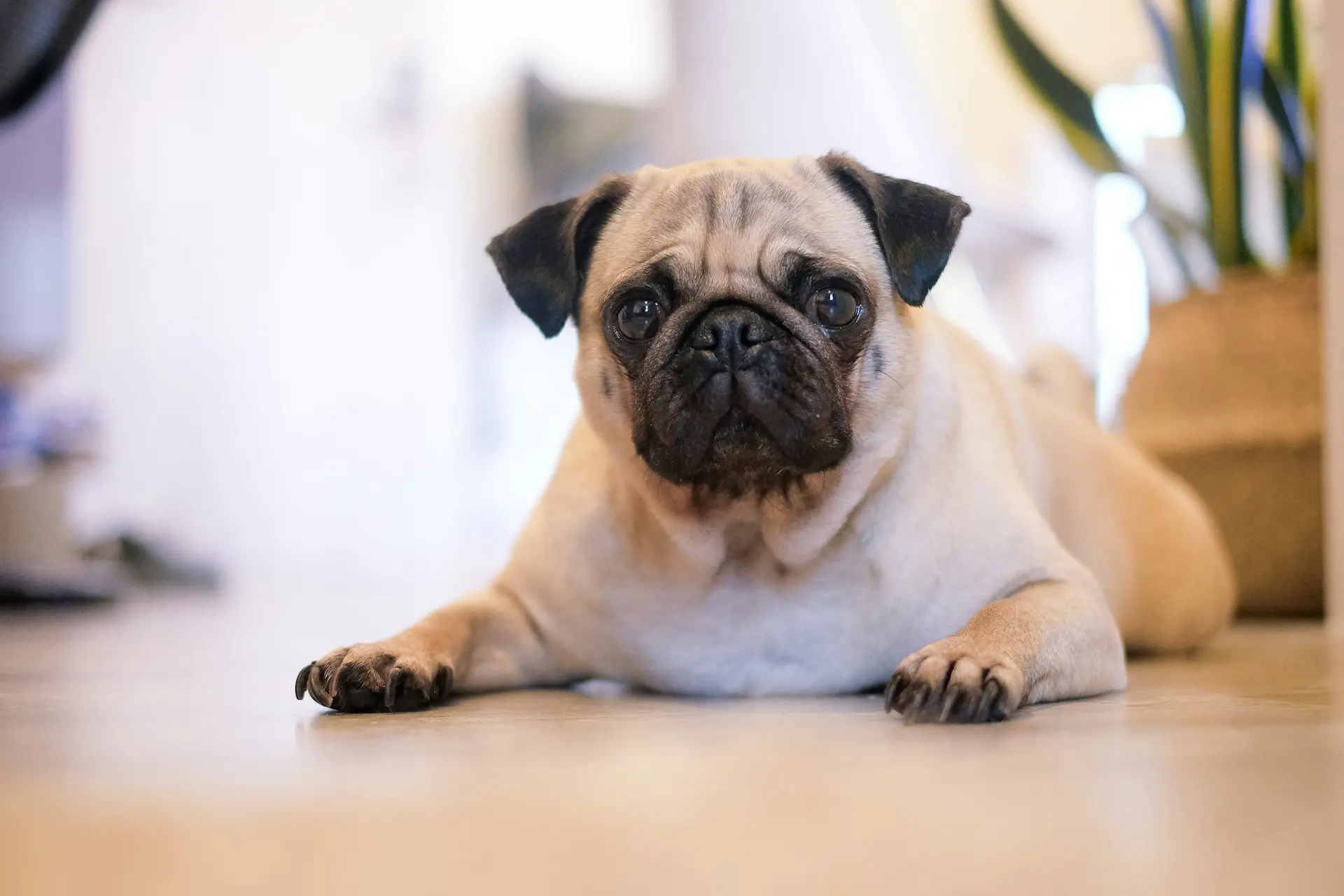
2. The Pug: The Charming Clown
With a face full of wrinkles and a personality to match, Pugs are natural comedians who live to make their people happy. They are sturdy, loyal, and have a wonderfully easy-going nature.
My neighbor, Mrs. Gable, has a Pug named Winston. His snorts and snuffles are a constant, comforting soundtrack in her home. He has a hilarious, wiggly “Pugtona” zoom around the living room for about two minutes a day, and then he’s content to snooze on the couch for hours. He makes Mrs. Gable laugh every single day.
Why They’re Perfect for Seniors:
Pugs have a low-energy, stable temperament. They are not yappy and are generally very friendly with everyone they meet. Their small size and minimal exercise requirements (short walks are plenty) make them one of the top dogs for seniors.
Key Characteristics:
- Size: Small (14-18 pounds)
- Temperament: Charming, Playful, Loving
- Energy Level: Low. They are prone to overheating, so short, gentle walks are best.
- Grooming: Their short coat is easy to care for, but their facial wrinkles need regular cleaning to prevent infection.
Considerations:
They are a brachycephalic (flat-faced) breed, which means they can have breathing difficulties, especially in hot or humid weather. They can be prone to obesity, so diet must be carefully managed.
Best For:
Seniors who want a funny, loving, and low-maintenance companion that provides constant entertainment.
- Amazon Must-Have: Dog wipes for cleaning their facial folds are a non-negotiable part of daily care to keep them healthy and comfortable.
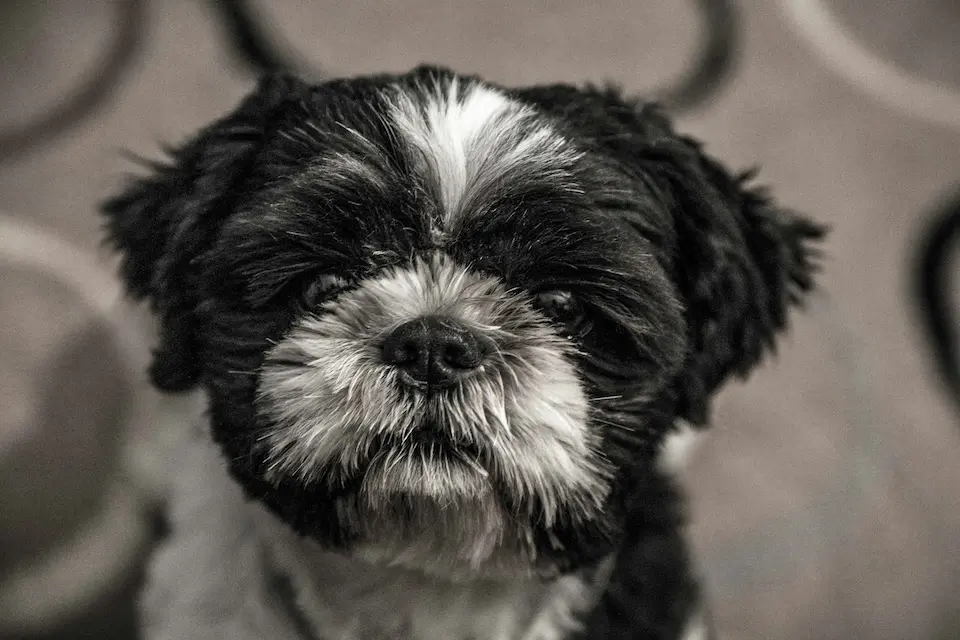
3. The Shih Tzu: The Regal Companion
Bred to be a companion dog for Chinese royalty, the Shih Tzu carries itself with a dignified air but has a sweet, outgoing, and trusting heart. They are happiest when they are the center of your universe.
A dear friend in her seventies, Eleanor, has a Shih Tzu named Ming. That dog is her pride and joy. They have a daily grooming ritual that Eleanor finds deeply therapeutic, and Ming prances around like she knows she’s the queen of the household. She is perfectly content with a leisurely stroll around the garden and then lounging on a silk pillow.
Why They’re Perfect for Seniors:
Shih Tzus are true lap dogs with a friendly and happy disposition. They are alert but not typically yappy, and their small size makes them easy to manage. They are one of the good dogs for seniors who enjoy a bit of grooming as a bonding activity.
Key Characteristics:
- Size: Small (9-16 pounds)
- Temperament: Affectionate, Playful, Outgoing
- Energy Level: Low. They enjoy playtime but are not demanding of intense exercise.
- Grooming: High-maintenance if kept in a long coat, requiring daily brushing. Many owners opt for a convenient “puppy cut” which is much easier to care for.
Considerations:
Their long, flowing coat requires a significant commitment to grooming. They can be stubborn during training, but they respond well to positive reinforcement.
Best For:
Seniors who have the time and desire for a devoted, elegant companion and don’t mind a regular grooming schedule.
- Amazon Must-Have: A slicker brush and a metal comb are essential for keeping their beautiful coat tangle-free, whether it’s long or short.
4. The French Bulldog: The Adaptable Goofball
Frenchies have skyrocketed in popularity for a reason. They are compact, muscular clowns with bat-like ears and a wonderful, easy-care personality. They are adaptable to almost any living situation, including apartments.
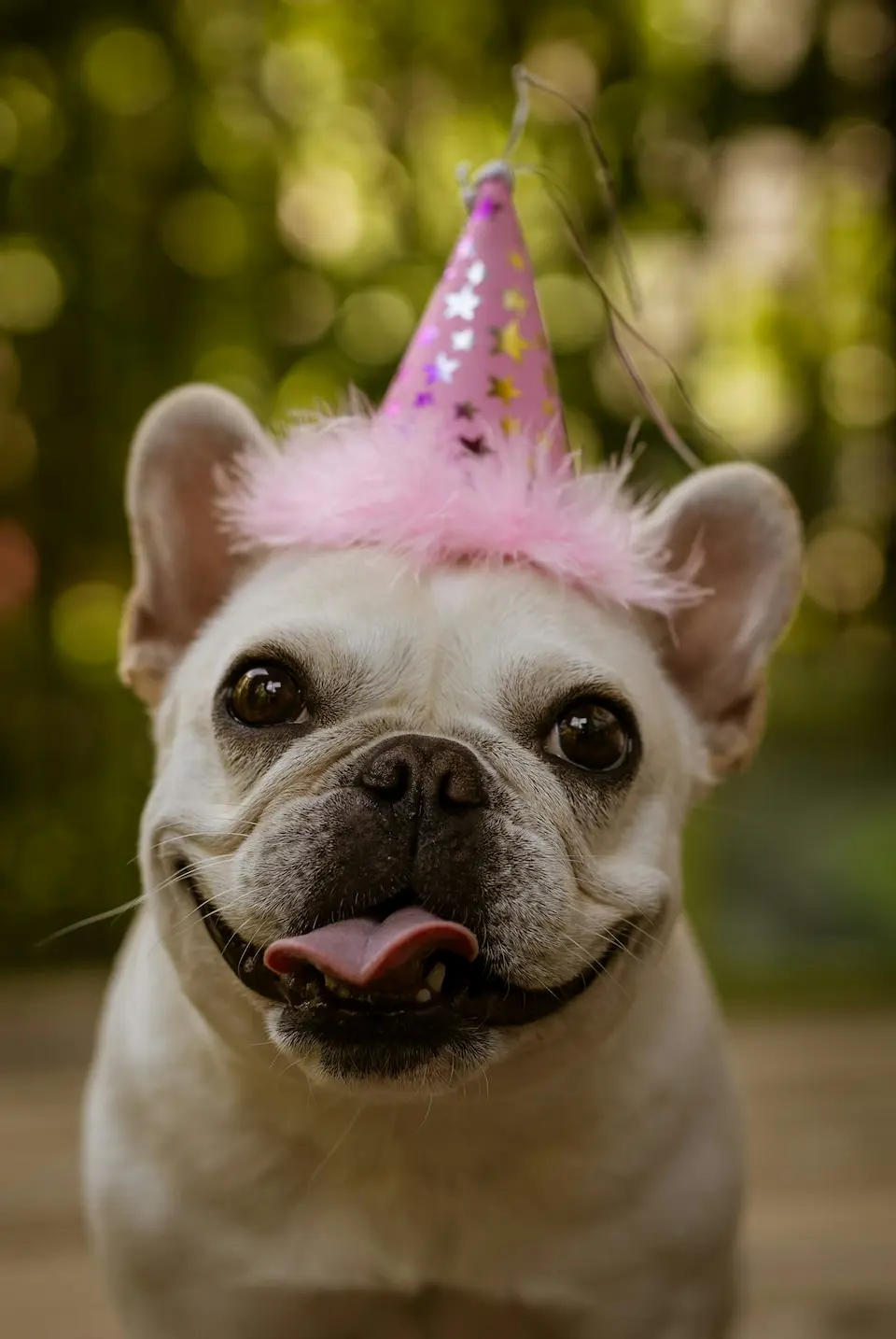
I know a retired couple who live in a city apartment and their Frenchie, Pierre, is the perfect fit. He has bursts of playful energy, but they are short-lived. Most of the day, he is content to nap in a sunny spot or sit on the couch with them. His quiet nature (he barely barks) and minimal shedding are huge bonuses.
Why They’re Perfect for Seniors:
French Bulldogs have a moderate to low energy level and require very little exercise. They are incredibly people-oriented and form strong bonds with their owners. Their small size and quiet demeanor make them one of the best dogs for older people in urban settings.
Key Characteristics:
- Size: Small (under 28 pounds)
- Temperament: Adaptable, Playful, Smart
- Energy Level: Low to Moderate. Short walks and indoor play are sufficient.
- Grooming: Low-maintenance; a weekly brush with a rubber grooming mitt is all they need.
Considerations:
They are another brachycephalic breed, so they are sensitive to heat and can have breathing issues. They can be prone to back problems and should avoid jumping on/off furniture.
Best For:
Apartment-dwelling seniors who want a sturdy, quiet, and deeply affectionate companion.
- Amazon Must-Have: A set of pet stairs or a ramp is a wise investment to help them safely get on and off the couch or bed, protecting their spine.
5. The Bichon Frise: The Cheerful, Hypoallergenic Cloud
For a senior with allergies, the Bichon Frise can be a godsend. This cheerful, white powder puff of a dog is known for its merry disposition and hypoallergenic, non-shedding coat. My aunt, who has mild allergies, was determined to have a dog. She brought home a Bichon named Sophie, and it was a perfect match.
Sophie’s cheerful prance and constant tail wag are a source of endless joy. She is playful and smart, but her energy is manageable and she is always ready for a cuddle.

Why They’re Perfect for Seniors:
Their happy-go-lucky personality is infectious, which can be a wonderful mood booster. Their hypoallergenic coat makes them one of the good dog breeds for seniors with allergies. They are very social and love to be involved in all family activities.
Key Characteristics:
- Size: Small (12-18 pounds)
- Temperament: Playful, Curious, Peppy
- Energy Level: Moderate. They enjoy playtime and short walks but are not hyperactive.
- Grooming: High-maintenance. They require regular brushing and professional grooming every 4-6 weeks to prevent mats.
Considerations:
Their white coat can get dirty easily and requires consistent upkeep. They can be prone to separation anxiety if left alone for too long.
Best For:
Seniors with allergies who want a happy, playful, and affectionate companion and can commit to regular grooming.
- Amazon Must-Have: A good quality whitening shampoo and conditioner helps keep their iconic white coat bright and clean between grooming appointments.
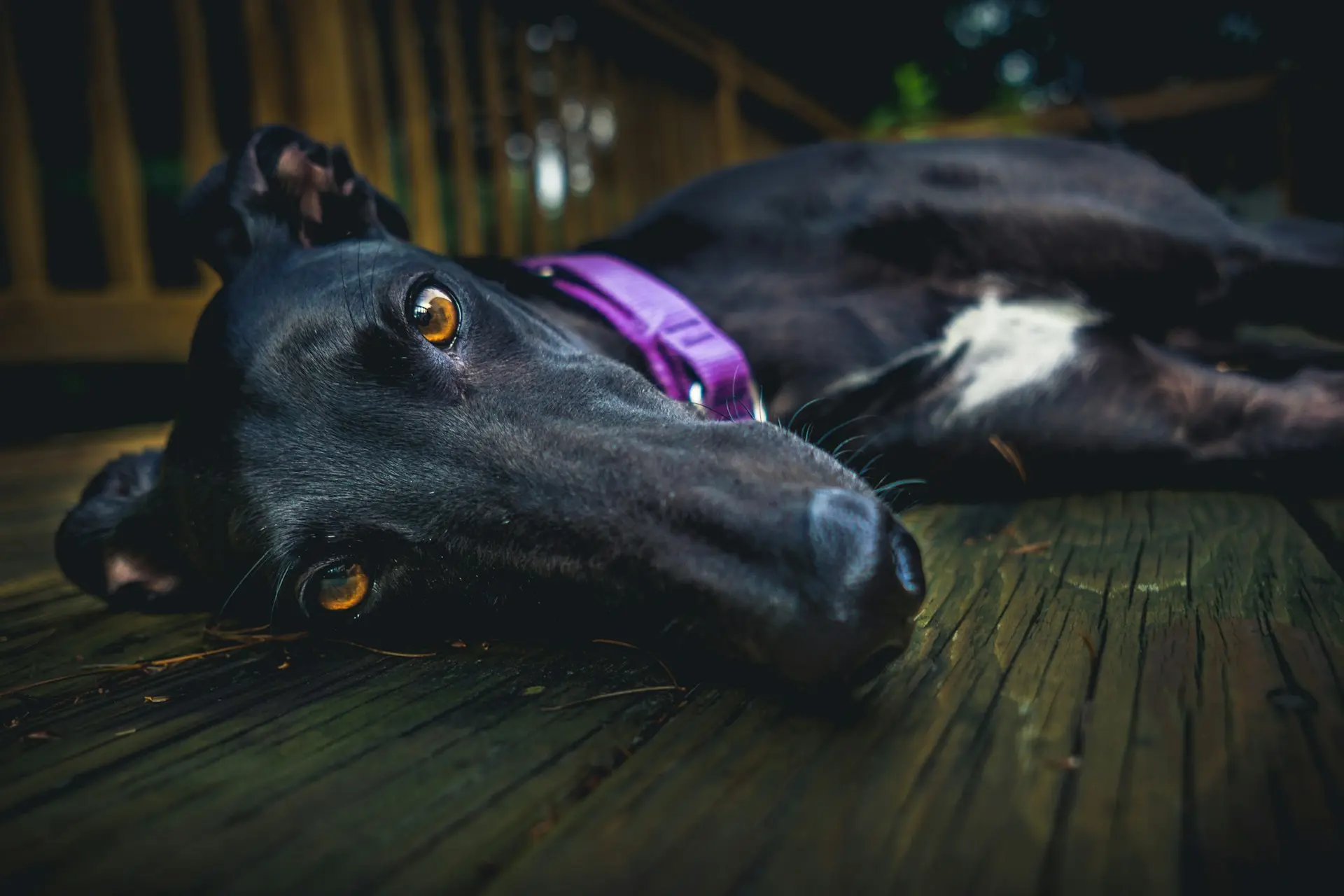
6. The Greyhound: The 45-Mph Couch Potato
This is the breed that surprises everyone. While they are the fastest breed of dog on the planet, retired racing Greyhounds are famously lazy and low-energy indoors. They are the ultimate sprinters, not marathon runners.
My Personal Experience:
I volunteered with a Greyhound rescue and was consistently amazed by these gentle giants. A dog named Grace, a retired racer, came into my home for a trial. She would have two or three short, brisk walks a day and spend the remaining 23 hours and 45 minutes sleeping gracefully on a dog bed. They are calm, quiet, and incredibly gentle.
Why They’re Perfect for Seniors:
Retired Greyhounds are among the best breeds for seniors who have a bit more space and appreciate a calm, quiet presence. They are often called “45-mph couch potatoes” because they are so lazy at home. They are generally low-maintenance and have a sweet, reserved nature.
Key Characteristics:
- Size: Large (60-70 pounds)
- Temperament: Gentle, Quiet, Noble
- Energy Level: Low indoors. They need a few short, brisk walks daily and a chance to run in a safely fenced area a couple of times a week.
- Grooming: Very low-maintenance; their short, smooth coat requires only occasional brushing.
Considerations:
Their size can be intimidating, but they are typically very gentle. They have a strong prey drive and must always be leashed in unsecured areas. They can be sensitive to cold weather.
Best For:
Seniors who want a large, calm, and graceful companion and are able to handle a strong dog on a leash during short walks.
- Amazon Must-Have: A soft, warm dog coat or sweater is essential for these thin-skinned, lean dogs in cooler climates.
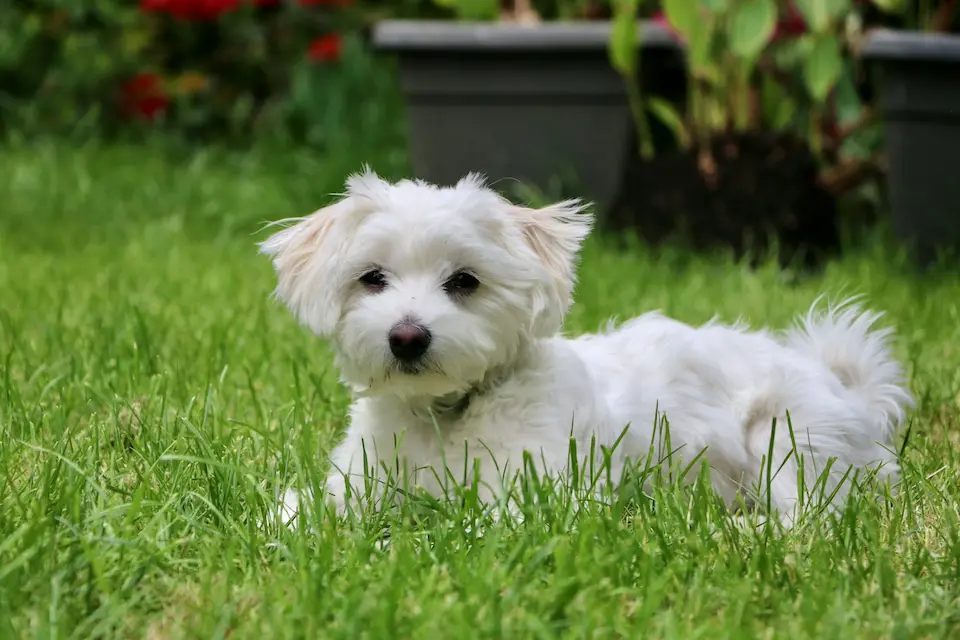
7. The Maltese: The Devoted and Portable Friend
The Maltese is a tiny, fearless dog with a long, flowing white coat and a heart full of love. They are exceptionally devoted to their owners and thrive on companionship.
A family friend, a widow in her eighties, has a Maltese named Lily. That little dog is her entire world. Lily is light enough to be carried easily, and her small size makes travel and vet visits simple. She is a true lap dog, providing constant, gentle companionship without demanding much in terms of physical exertion.
Why They’re Perfect for Seniors:
Their tiny size makes them incredibly portable and easy to manage. They are affectionate, playful, and their small bladder size means they are often happy to use indoor potty pads, which can be a benefit for those with mobility issues. They are one of the best dogs for seniors looking for a tiny, devoted shadow.
Key Characteristics:
- Size: Toy (under 7 pounds)
- Temperament: Gentle, Playful, Charming
- Energy Level: Low to Moderate. They enjoy short play sessions and cuddling.
- Grooming: High-maintenance. Their long, silky coat requires daily brushing to prevent tangles.
Considerations:
Their small size makes them fragile, so they must be handled with care. They can be prone to “small dog syndrome” (barking, stubbornness) if not properly trained. The long coat requires a significant time commitment.
- Amazon Must-Have: A puppy potty training pad holder can help keep pads in place and make indoor bathroom breaks neat and easy.
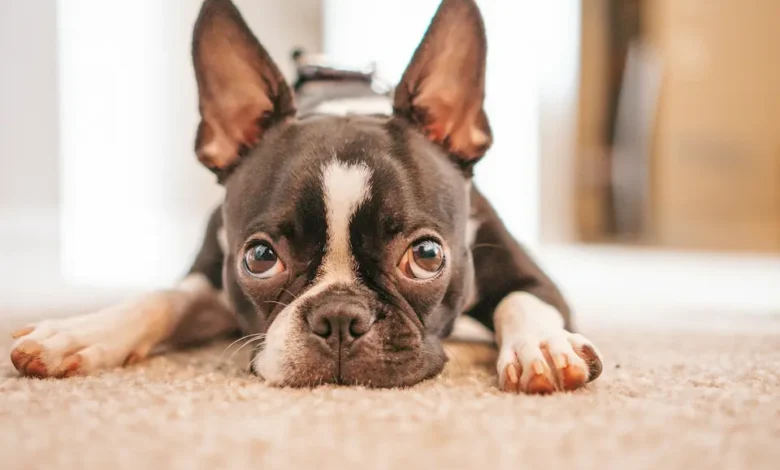
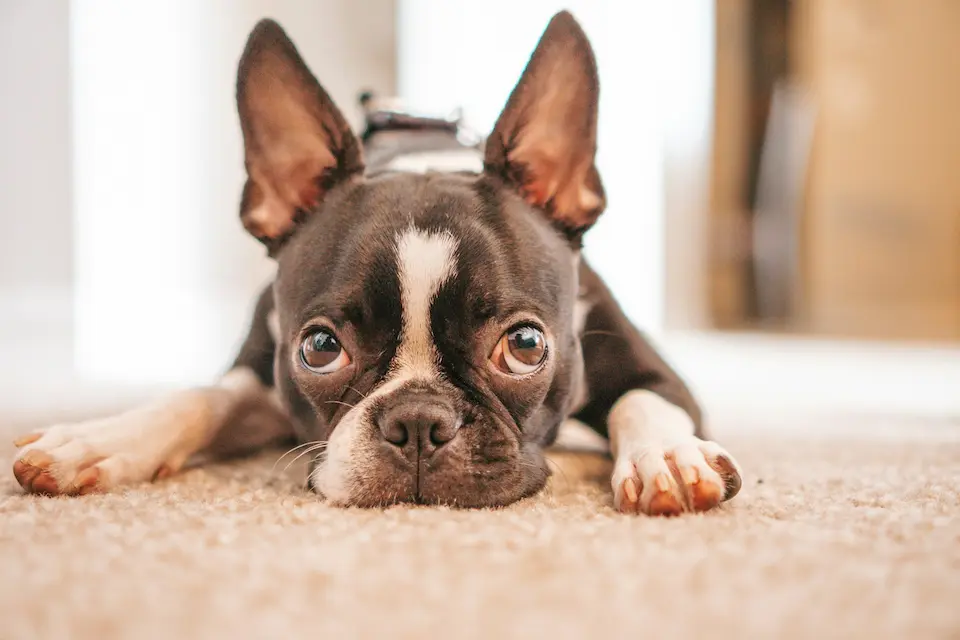
8. The Boston Terrier: The American Gentleman
With their tuxedo-like markings and gentle disposition, Boston Terriers live up to their nickname. They are friendly, intelligent, and have a wonderful sense of humor.
A gentleman at my local senior center brings his Boston Terrier, Baxter, everywhere. Baxter has a perfect balance of playful energy and calmness. He’ll play fetch for ten minutes and then be perfectly content to sit quietly under the table while his owner plays cards. He’s sturdy without being too heavy, and his short coat is a breeze to care for.
Why They’re Perfect for Seniors:
Bostons are people-pleasers who are generally easy to train. They have a friendly, even temper and get along with everyone. Their exercise needs are modest, and their size is very manageable, ranking them high on the list of good dogs for seniors.
Key Characteristics:
- Size: Small (12-25 pounds)
- Temperament: Friendly, Bright, Amusing
- Energy Level: Moderate. They enjoy playtime but are not overly demanding.
- Grooming: Low-maintenance; a weekly brush is all they need.
Considerations:
They are brachycephalic and can snore and snort. They can be gassy and are sensitive to extreme temperatures.
Best For:
Seniors who want a friendly, intelligent, and amusing companion with an easy-care coat.
- Amazon Must-Have: A slow-feed dog bowl is excellent for Bostons, who tend to eat quickly, which can contribute to their gassiness.
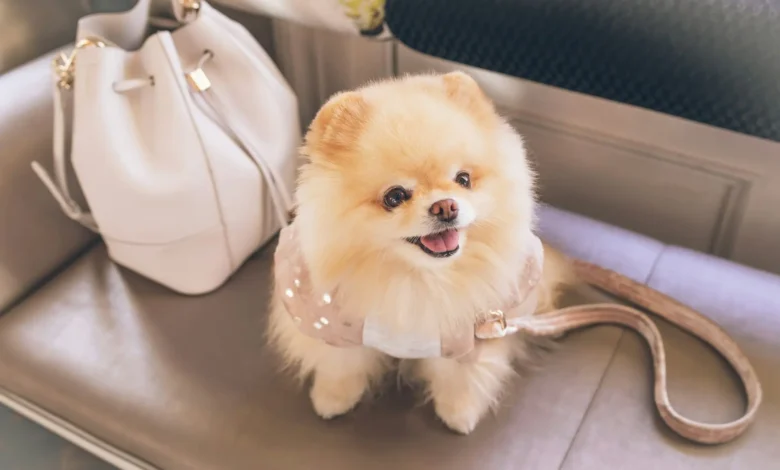
9. The Pomeranian: The Tiny, Confident Companion
Don’t let their small size fool you; Poms have huge personalities packed into a tiny, fluffy body. They are alert, intelligent, and incredibly loyal to their owners.
My grandmother had a Pomeranian named Tinkerbell in her later years. That little dog was her fierce protector and constant companion. Tinkerbell was light enough to sit on her lap for hours, and her alert nature made my grandmother feel secure.
Their daily routine of brushing her magnificent coat was a cherished ritual for both of them.

Why They’re Perfect for Seniors:
Their tiny size makes them ideal for apartment living and easy to transport. They are alert and will bark to let you know someone is at the door, which can provide a sense of security. They are one of the top dogs for seniors who want a big personality in a small, portable package.
Key Characteristics:
- Size: Toy (3-7 pounds)
- Temperament: Inquisitive, Lively, Bold
- Energy Level: Moderate. They are lively and playful but their small size means they can get ample exercise indoors.
- Grooming: High-maintenance. Their double coat requires regular brushing several times a week.
Considerations:
They can be yappy if not trained. Their small size makes them fragile. They can be prone to “small dog syndrome” and may not be the best with very young children.
Best For:
Seniors who are active and want a tiny, alert, and loyal companion with a larger-than-life personality.
- Amazon Must-Have: A small dog harness is much safer than a collar for fragile tracheas, which are common in tiny breeds.
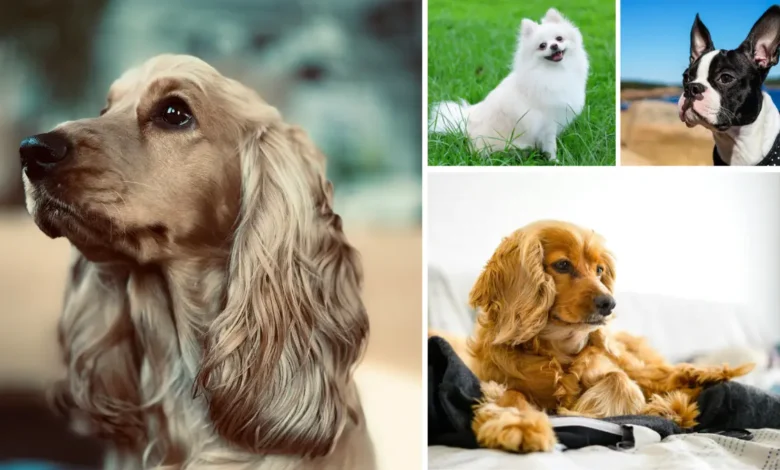
10. The Cocker Spaniel: The Gentle and Sweet-Natured Friend
Cocker Spaniels are the perfect size—not too small, not too large. They have a sweet, gentle expression and a loving, happy disposition that is hard to resist. A couple I know, both in their late sixties, has a Cocker Spaniel named Daisy.
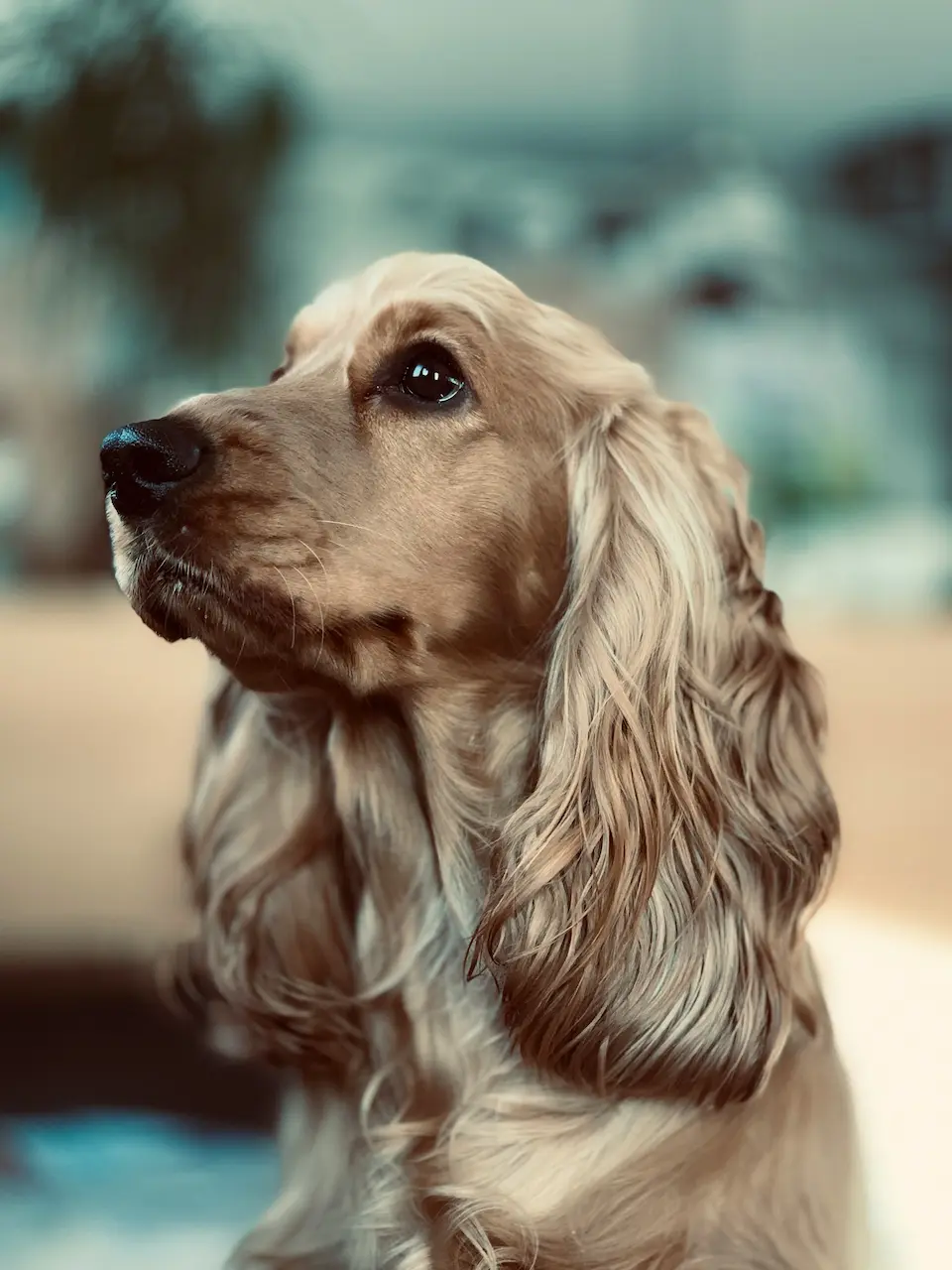
She is the heart of their home. She has a medium energy level that encourages them to take daily walks, but she is just as happy to relax at their feet in the evening. Her gentle and merry nature is a constant source of comfort and joy.
Why They’re Perfect for Seniors:
Cockers are known for their sweet, gentle, and happy nature. They are a great size for those who want a “real dog” feel without the heft of a large breed. Their energy level is manageable with daily walks, making them wonderful dog breeds for seniors who are still fairly active.
Key Characteristics:
- Size: Medium (20-30 pounds)
- Temperament: Gentle, Smart, Happy
- Energy Level: Moderate. They require daily walks and enjoy playtime.
- Grooming: High-maintenance. Their beautiful, silky coat requires regular brushing and professional grooming every 6-8 weeks.
Considerations:
They are prone to ear infections due to their long, floppy ears, so weekly ear cleaning is a must. They can be sensitive and do not respond well to harsh treatment.
Best For:
Active seniors who want a gentle, medium-sized companion and don’t mind a regular grooming schedule.
- Amazon Must-Have: A good ear cleaning solution for dogs and some cotton balls or pads are essential for weekly ear care to prevent infections.
Frequently Asked Questions (FAQs)
Should I get a puppy or an adult/senior dog?
This is a crucial question. While puppies are adorable, they require a tremendous amount of energy for training, socialization, and housebreaking. For many seniors, an adult or even a senior dog is a far better choice.
Their personality is already established, they are often already trained, and they typically have lower energy levels. Adopting an older dog can be an incredibly rewarding experience.
I have limited mobility. What are the best options for me?
For those with significant mobility issues, the most important factors are size and energy level. Very small, low-energy breeds like the Maltese, Shih Tzu, or Cavalier King Charles Spaniel are excellent choices.
Their small size makes them easy to manage indoors, and they are often happy with very short walks or even just playtime inside. Using indoor potty pads can also eliminate the need for multiple trips outside.
What about the costs associated with a senior dog?
It’s important to be prepared. All dogs require regular veterinary check-ups, food, and supplies. Senior dogs may have more health issues as they age, so it’s wise to budget for potential medications or treatments. Pet insurance or setting aside a “pet emergency fund” can provide peace of mind.
I live in an apartment/retirement community. Are any of these breeds better suited?
Absolutely. Most of the breeds on this list are excellent for apartment living due to their size and moderate-to-low energy levels. The French Bulldog, Cavalier King Charles Spaniel, Shih Tzu, and Maltese are particularly well-suited. Always check your community’s pet policy regarding weight limits and breed restrictions.
What is the single most important piece of advice you have for a senior getting a dog?
Be brutally honest with yourself about your lifestyle and physical capabilities. Match the dog’s energy level and needs to your own. And whenever possible, consider adopting from a rescue or shelter. There are countless wonderful adult and senior dogs waiting for a quiet, loving home to live out their golden years—just like you.
Welcoming a dog into your life during your senior years can be one of the most rewarding decisions you’ll ever make. The companionship, the gentle routine, the unconditional love—it’s a recipe for joy. The key to a successful partnership is thoughtful selection. By choosing one of these best dog breeds for seniors, you’re not just getting a pet; you’re gaining a loyal friend who will fill your days with purpose and your heart with love.
Take your time, meet a few different dogs, and trust your instincts. The perfect companion is out there, waiting to share the quiet, beautiful moments of life with you.