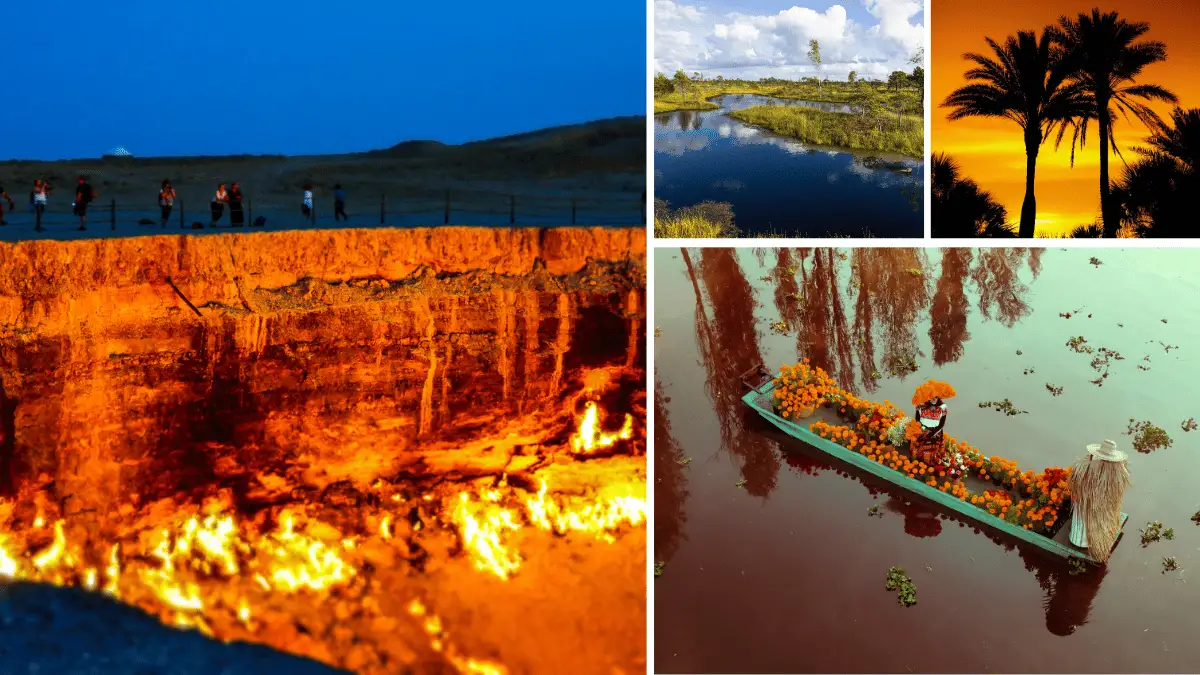
11 Hidden Places Around the World You Won’t Believe Exist
So unreal, they look straight out of a fantasy movie
- This article contains affiliate links. I may receive a commission if you purchase from them, at no extra cost to you.
I’ve stood on the rim of the Grand Canyon, walked the halls of the Louvre, and stared up at the Eiffel Tower. Each was magnificent. But the places that have stayed with me—the ones I still pull up on my phone when I need to remind myself the world is strange and beautiful—are the ones I found by accident. A village tucked into a volcanic crater.
A forest that grows underwater. A library carved into a cliff. These aren’t the tourist places your friends have already posted.
They’re the hidden places that feel like they were kept secret just for you. Here are eleven that will make you question everything you thought you knew about the world.
Table of contents ⇅
1. Huacachina, Peru – The Desert Oasis That Shouldn’t Exist
Peru is famous for Machu Picchu, but five hours south of Lima, a different kind of wonder waits. Huacachina is a tiny village built around a natural oasis in the middle of the driest desert on earth.
Palm trees ring a emerald‑green lagoon, and sand dunes rise hundreds of feet on all sides—some of the highest dunes in the world. It looks like a movie set, but people have lived here for centuries, believing the water has healing properties.
What Makes It a Hidden Gem:
Most Peru itineraries skip the desert entirely. Those who make the detour find themselves sandboarding down 300‑foot dunes at sunset, then watching the sky turn pink from a dune buggy driven by a local who knows every ridge.
Local Tip: Stay overnight. The day‑trippers leave by 5 PM, and you’ll have the oasis almost to yourself. The hostels are cheap, the pisco sours flow freely, and the stars are unlike anything you’ve seen.
2. The Door to Hell, Turkmenistan
In the middle of the Karakum Desert, a crater 230 feet wide has been burning continuously for over 50 years. Soviet geologists set it on fire in 1971, expecting the gas to burn out in a few weeks. It never did.
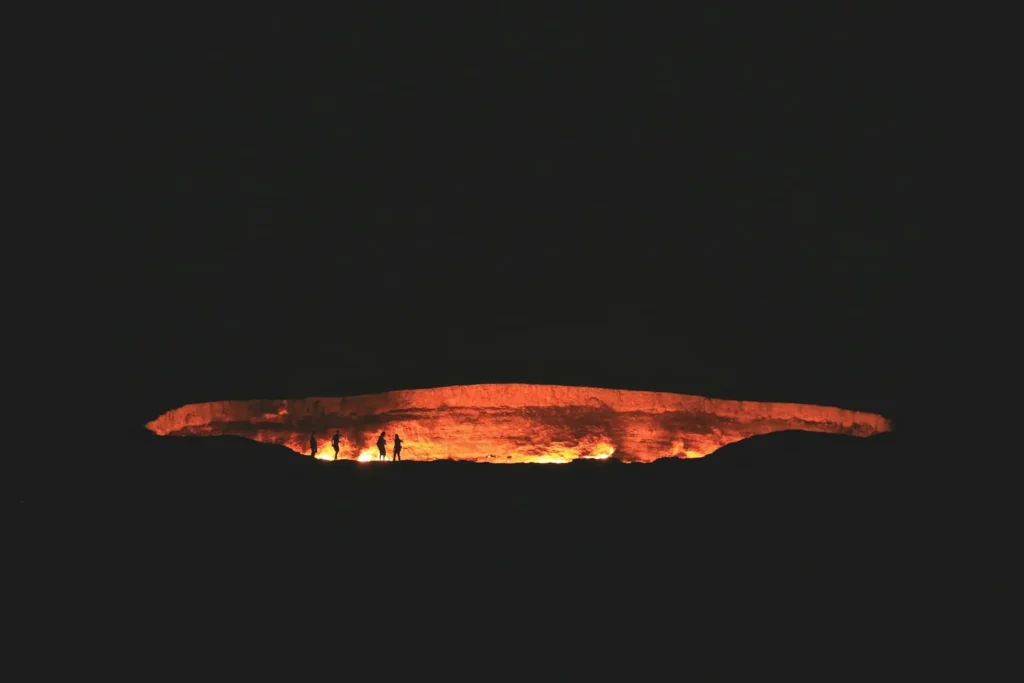
Locals call it the “Door to Hell,” and standing at its edge at night—watching the orange glow against a star‑filled sky, feeling the heat on your face—is the closest most of us will get to another planet.
Why It’s a Magic Place:
It’s remote, hard to reach, and requires a guide and a 4×4. But that’s what keeps it from becoming a tourist circus. You’ll likely share the crater with a handful of other travelers, all equally stunned into silence.
Practical Tip: Turkmenistan visas are famously difficult. Hire an agency in Ashgabat that handles the paperwork and includes the crater in a multi‑day tour. Go in winter when the desert is cooler, and bring a warm jacket—the desert night is cold, even with a giant fire beside you.
3. Lake Hillier, Australia – The Pink Lake That Doesn’t Fade
Australia has several pink lakes, but most change color with the seasons. Lake Hillier, on Middle Island off the coast of Western Australia, stays Pepto‑Bismol pink year‑round.
The water is safe to swim in (though you’ll stain your swimsuit), and from above, the contrast between the pink lake, the turquoise ocean, and the dark green eucalyptus forest is surreal.
Why It’s a Hidden Spot:
You can’t drive there. Access is by scenic flight or boat tour from Esperance, which limits visitors to a trickle. The island is a nature reserve, so you won’t find souvenir shops or crowds—just an impossible splash of color in the middle of nowhere.
Local Tip: Book a flight that includes a landing. Seeing the lake from above is spectacular, but walking to its edge—the silence, the shock of the color—is the part you’ll remember.
4. Rēnis, Latvia – The Town That Became an Art Gallery
In the small Latvian town of Rēnis, an eccentric artist named Alberts Pauliņš spent decades transforming his childhood home into a maze of painted sculptures, found objects, and wild imagination. Now the whole town has joined in.
Wrought‑iron gates twist into fantasy creatures, fences bloom with welded flowers, and every corner hides a new surprise. It’s not a museum—it’s a living neighborhood that decided to become art.
Why It’s an Amazing Place on Earth:
You’ve never heard of it. I stumbled on it while driving between Riga and Lithuania. Locals will point you to the best spots, and there’s no entry fee—just a donation box and the chance to wander through someone’s dream.



Practical Tip: Visit in summer when the gardens are in bloom. The town is small; an hour is enough to walk through the main streets, but you’ll want to stop and photograph every doorway.
5. Waitomo Glowworm Caves, New Zealand – A Galaxy Underground
New Zealand’s North Island is famous for its scenery, but the Waitomo Caves are something else entirely.
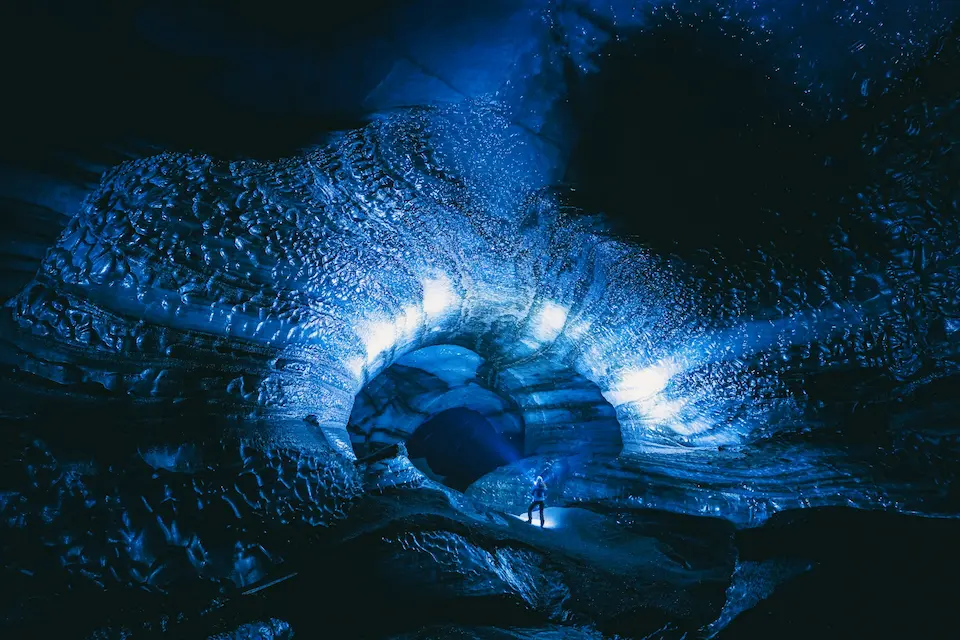
You float silently on a small boat into a cave where thousands of glowworms (Arachnocampa luminosa) hang from the ceiling, their bioluminescence creating a blue‑green constellation that reflects in the still water below. It’s like floating through a galaxy that exists only underground.
Why It’s a Cool Place to Visit:
Many visitors do the short, crowded boat tour. The hidden version is the “Black Water Rafting” experience—you tube through underground rivers, crawl through limestone passages, and drift into the glowworm grotto with no lights except the worms above. It’s adventurous, intimate, and unforgettable.
Local Tip: Book the evening or night tour. The glowworms are brightest in total darkness, and the experience of being in a cave, surrounded by that soft blue light, feels sacred.
6. The Underground City of Derinkuyu, Turkey
Cappadocia is known for its fairy chimneys and hot air balloons. What most visitors miss is what lies beneath. Derinkuyu is an ancient underground city that once housed 20,000 people, extending 18 stories down.
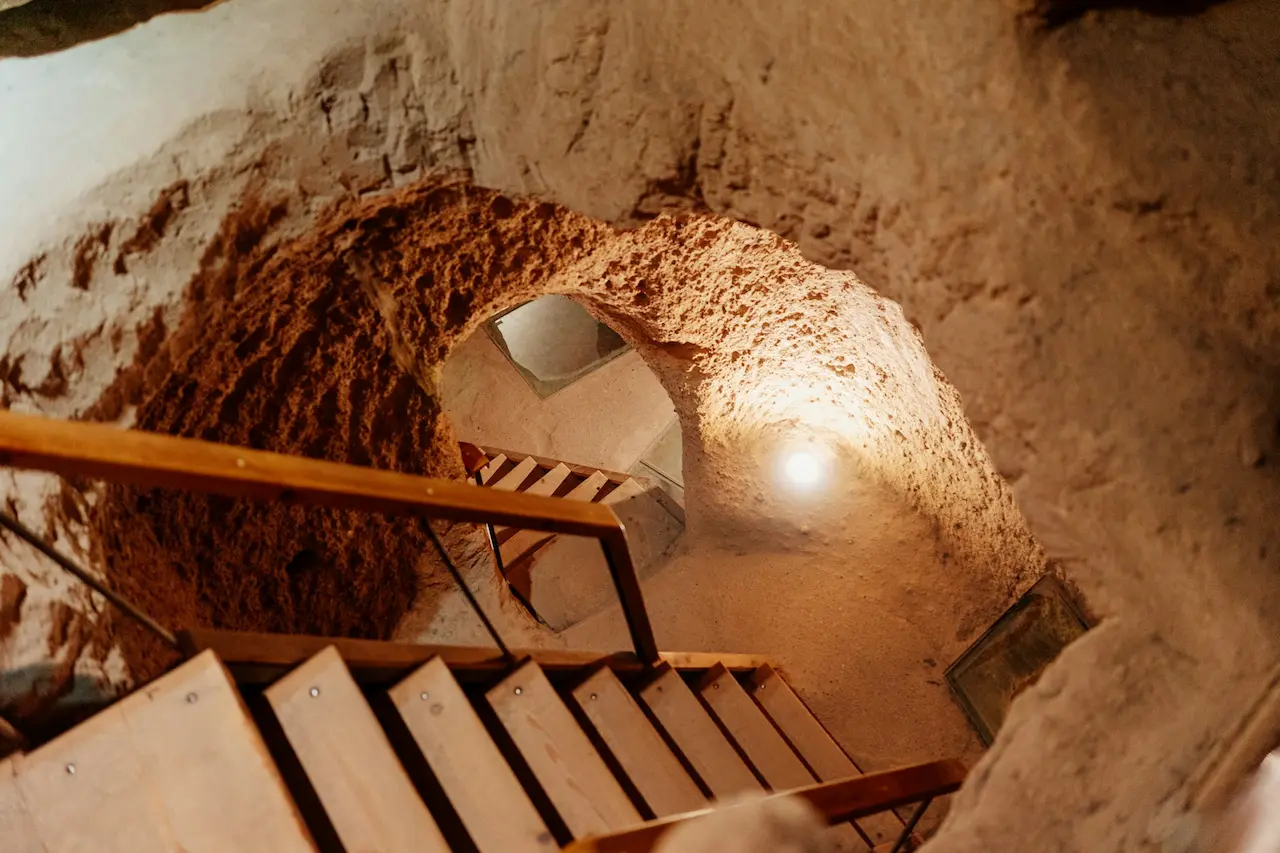
You can walk through kitchens, stables, wine cellars, and even a chapel—all carved from volcanic rock, with ventilation shafts that kept the city breathable for centuries.
Why It’s a Hidden Place:
It’s only a 30‑minute drive from Göreme, yet many balloon‑watchers never make it. The tunnels are narrow in places, forcing you to stoop, and you’ll likely have long stretches to yourself, especially if you arrive early.
Practical Tip: Wear sturdy shoes and a light jacket—the tunnels stay cool year‑round. Join a guide for the first hour to understand the history, then wander on your own. The handholds in the walls are original; place your hand where a Byzantine refugee did 1,500 years ago.
7. The Crystal Caves of Naica, Mexico
Deep in Chihuahua, Mexico, a cave was discovered in 2000 that contains the largest natural crystals ever found. The “Cave of Crystals” holds selenite beams up to 36 feet long and weighing 55 tons. It’s like walking into Superman’s fortress—massive translucent columns glowing in every direction.
Why It’s a Light in Hidden Places:
The cave is now closed to the public due to extreme conditions (temperatures exceed 120°F with 90% humidity), but a nearby cave, “Los Cristales,” is occasionally accessible with a guide. Even without entering, the story of its discovery—miners breaking into a crystal‑lined chamber—is the stuff of adventure novels.
Local Tip: If you can’t visit the caves, the town of Naica itself offers mining tours that give you a sense of the underground world. Pair it with a trip to the Copper Canyon for a full northern Mexico adventure.
8. The Island of the Dolls, Xochimilco, Mexico
In the canals of Xochimilco, south of Mexico City, there’s a small island covered in thousands of decaying dolls. They hang from trees, nailed to posts, arranged in shrines.

Legend says a hermit named Julián Santana began collecting the dolls after finding a drowned girl in the canal; he believed the dolls appeased her spirit. After his death, the island became a strange, haunting pilgrimage site.
Why It’s a A Good Place to Hide:
It’s eerie, uncomfortable, and completely unlike anything else. You reach it by flat-bottomed trajinera boat, and the island’s caretaker (a relative of Julián) will tell the story while you walk among the weathered faces. It’s not for everyone—but for those who go, it’s unforgettable.
Don’t Miss Out

Practical Tip: Visit on a weekday morning to avoid the party boats. Bring cash for the boat rental and a donation for the caretaker. The dolls are fragile; don’t touch.
9. The Wave Organ, San Francisco – Listening to the Tides
On a jetty in the San Francisco Bay, a sculptor built a wave organ: a series of PVC pipes and concrete chambers that amplify the sound of waves.
When the tide is right, you can sit on stone benches carved from recycled tombstones and listen to the water play its own music. It’s free, almost always empty, and one of the most peaceful spots in the city.
Why It’s a Places to Visit in the World That Locals Keep Quiet:
It’s a five‑minute walk from the Golden Gate Bridge, yet virtually no tourists find it. Go at high tide for the best acoustics. Bring a picnic, a blanket, and someone you don’t need to talk to.
Local Tip: The adjacent Marina Green is a great place to watch the kite surfers. Park near the St. Francis Yacht Club and walk along the water.
10. The Glowworm Tunnels of Newnes, Australia
Deep in the Blue Mountains of New South Wales, an abandoned railway tunnel has become a sanctuary for glowworms. You walk through a dark, dripping tunnel for about 400 meters, and then you see them—thousands of tiny lights on the ceiling and walls, their reflections in the shallow water on the floor. It’s like walking into a starry night, but you’re inside a mountain.
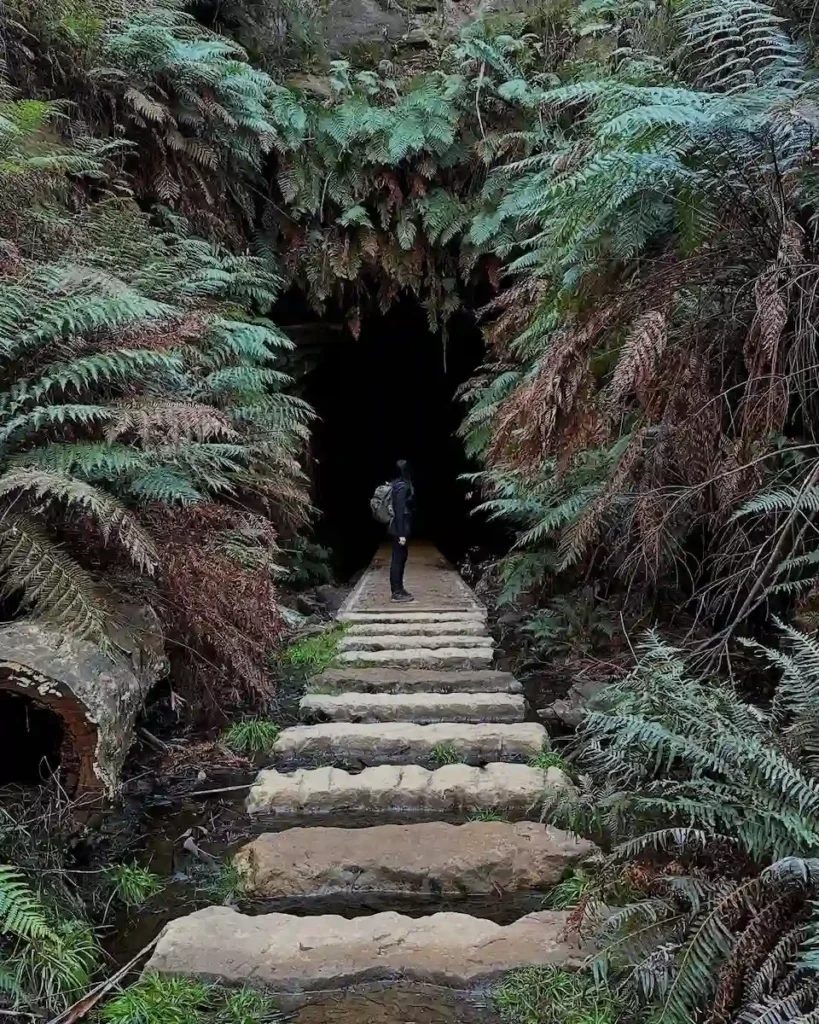
Why It’s a Best Hidden Gem:
The tunnel is part of a longer hiking trail that passes through Wollemi National Park. The glowworms are best viewed in the evening or on overcast days, but even during the day, the tunnel is a cool, otherworldly place.
Practical Tip: Bring a headlamp for the walk in, but turn it off once you’re inside the glowworm section. Your eyes will adjust, and the silence—broken only by dripping water—is part of the magic.
11. The Dancing Forest, Kaliningrad, Russia
In a remote corner of Russia, a pine forest grows in spirals and loops. The trees twist into knots, curve into rings, and then continue growing upward. No one knows why. Scientists have theories (soil instability, wind patterns, a caterpillar infestation), but none fully explain why only this patch of forest contorts while surrounding trees grow straight.
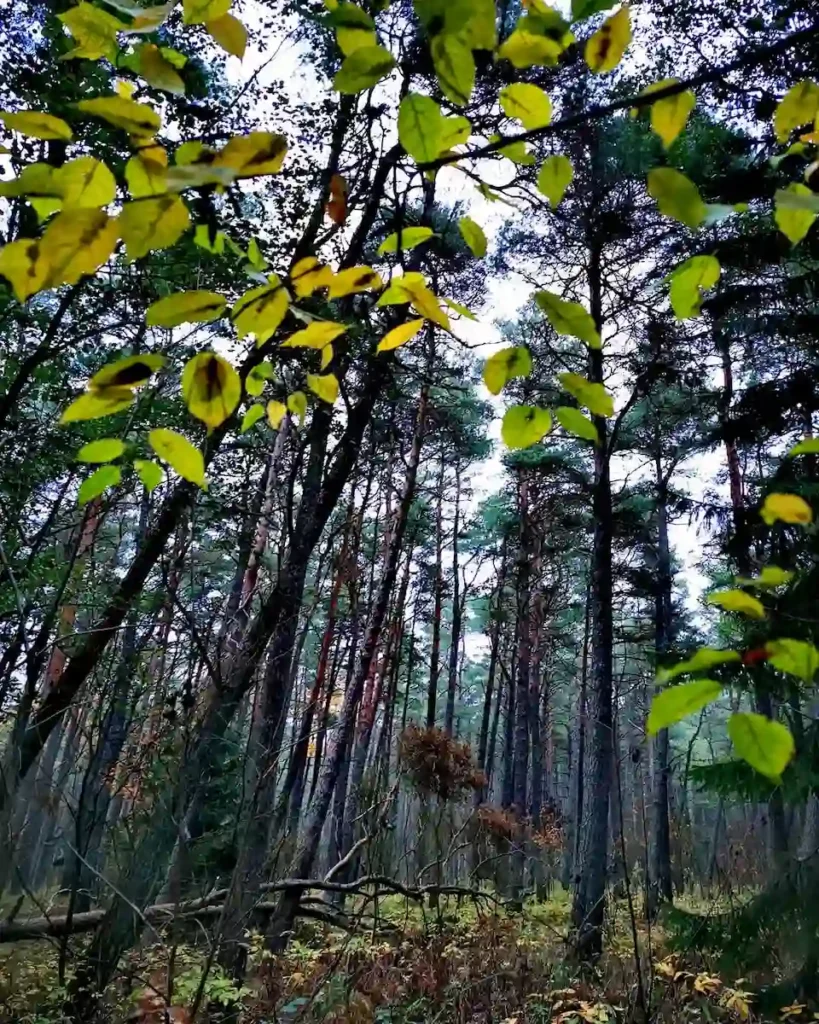
Why It’s a Magic Places:
It’s eerie, beautiful, and completely unexplained. The forest is part of the Curonian Spit, a UNESCO site that straddles Lithuania and Russia. Most visitors come for the sand dunes; the twisted trees are a hidden layer.
Local Tip: You need a visa to enter the Russian side. If that’s not possible, visit the Lithuanian side of the Curonian Spit—there’s a smaller “witch forest” with carved wooden sculptures that offers its own kind of magic.
How to Find Your Own Hidden Places
The world is full of places that aren’t on Instagram. They’re on the other side of a dirt road, behind a locked gate you can ask to open, in the town your taxi driver recommends when you ask what’s nearby.
Don’t Miss Out
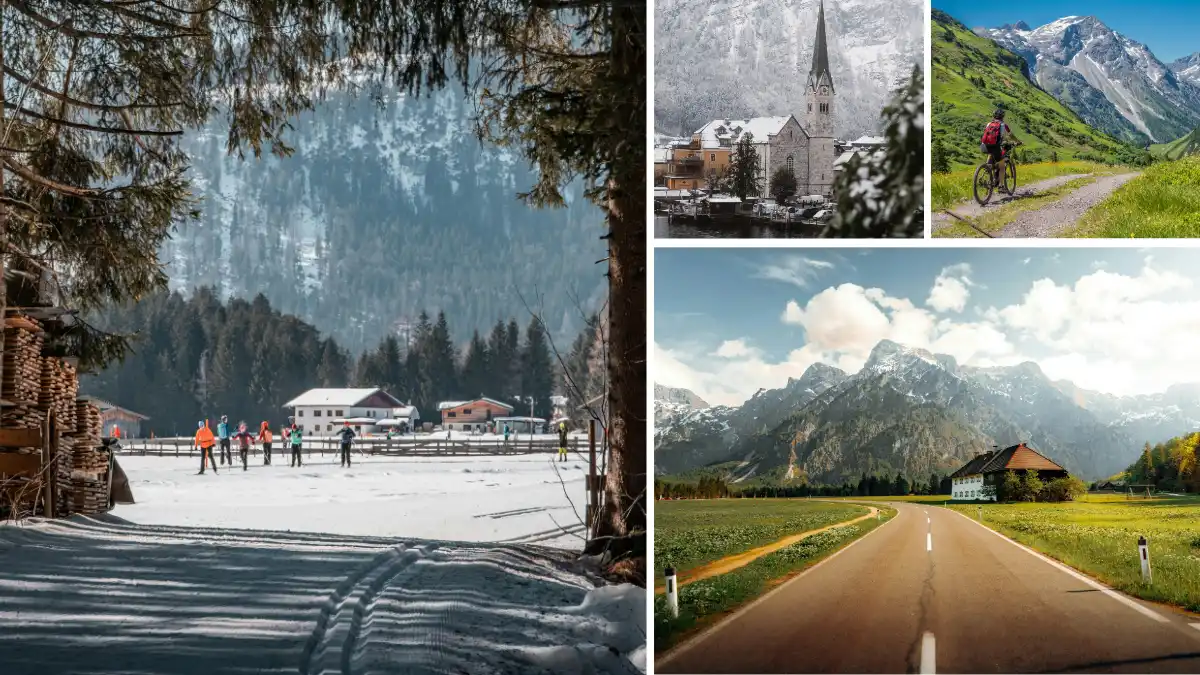
Stay Connected Without the Distraction: Use Saily for reliable data when you’re off the beaten path—maps, translations, and the occasional check‑in work without roaming fees, but you’ll still be tempted to put the phone down. That’s the point.
Talk to Locals: Ask a cafe owner, a park ranger, a grandmother selling fruit on the roadside. The best recommendations are word‑of‑mouth, not search‑engine.
Embrace the Wrong Turn: Some of the most remarkable places I’ve found came from trusting a hunch, following a hand‑painted sign, or simply getting lost.
The World Still Has Secrets
In an age when it feels like every corner of the planet has been photographed and geotagged, it’s easy to think discovery is dead. But these hidden places prove otherwise. They exist in plain sight—waiting for travelers willing to go a little further, ask a few more questions, and trust that the world still holds wonders that can’t be captured in a single post.
Save this list. Ignore the algorithm. Go find your own.