- This article contains affiliate links. I may receive a commission if you purchase from them, at no extra cost to you.
Paris is a city that doesn’t rush to impress you—but when it does, it stays with you forever. Between its grand landmarks and quiet corners, there’s a rhythm that only reveals itself when you slow down and let the city lead.
After many visits, I’ve learned that experiencing Paris in three days isn’t about seeing everything, but about seeing the right things. This carefully curated itinerary blends iconic sights with local moments, café culture with hidden gardens. It’s the exact guide I share with friends who want to truly feel Paris, not just photograph it.
Table of contents ⇅
Before You Go: The Parisian Primer
A little preparation is the key to transitioning from a stressed tourist to a flâneur (a leisurely wanderer) in the making.
Getting There & Around:
- Airports: Charles de Gaulle (CDG) is the main international hub. The RER B train is the cheapest way to get to the city center. Orly (ORY) is closer; take the Orlyval shuttle to the RER B.
- Metro & Walking: The Paris Metro is your best friend. Buy a carnet (pack of 10 tickets) or use a Navigo Easy pass. But remember, Paris is a walker’s city. Some of my best discoveries have been between Metro stops.

Flights, Stays & Experiences in Paris
Book your flights, find charming hotels, and discover unforgettable tours in the City of Light.
Where to Stay:
- Saint-Germain-des-Prés (6th Arr.): My personal favorite for a first trip. It’s central, literary, elegant, and brimming with classic cafes and boutique shops.
- Le Marais (3rd/4th Arr.): Trendy, historic, and vibrant. Perfect for those who love fashion, art, and a lively nightlife scene.
- The Latin Quarter (5th Arr.): Academic, bohemian, and full of character. Great for budget-friendly eats and a youthful energy.
Mindset & Essentials:
- Language: Always lead with a polite “Bonjour, Madame/Monsieur” before asking a question. A little effort goes an impossibly long way.
- Comfort is Key: You will walk on cobblestones. Comfortable shoes are non-negotiable. I’ve tested dozens, and my Allbirds Tree Runners have never failed me.
- Book Ahead: For major attractions like the Eiffel Tower, the Louvre, and even some restaurants, booking online weeks in advance is essential. It saves hours of queuing.
Day 1: Icons & Romance: The Right Bank & The Iron Lady
Morning (9:00 AM): Arc de Triomphe & the Champs-Élysées
Start your day at the top. Climb the 284 steps (or take the lift) to the summit of the Arc de Triomphe. Why start here? Because it offers the most intelligible and breathtaking panoramic view in Paris. You can see the city’s grand axes, including the view straight down the Champs-Élysées to the Louvre.
It’s the perfect orientation. Afterwards, take a symbolic stroll down the famous avenue itself—window-shop, but save your euros for more interesting neighborhoods.
Late Morning (11:00 AM): A Journey Through Art at the Louvre




Walk through the Jardin des Tuileries towards the Louvre. Enter through the less-crowded Carrousel du Louvre entrance (via the mall). You cannot see it all, and you shouldn’t try. My strategy: have a “Big Three” list—the Mona Lisa, the Winged Victory of Samothrace, and Venus de Milo—and then let yourself get lost in one wing.
The French paintings or the Egyptian antiquities are incredible. Book a timed-entry slot online to breeze past the main pyramid line.
Afternoon (1:30 PM): Lunch & Sainte-Chapelle
Grab a savory crêpe or a croque-monsieur from a cafe in the Île de la Cité area. Then, prepare to be awestruck by Sainte-Chapelle. This 13th-century royal chapel is a jewel box of stained glass. On a sunny day, the 1,113 biblical scenes in the windows ignite the entire space with color.
It’s a spiritual and artistic experience that often overshadows its more famous neighbor, Notre-Dame (which is still closed for restoration but impressive to see from the outside).
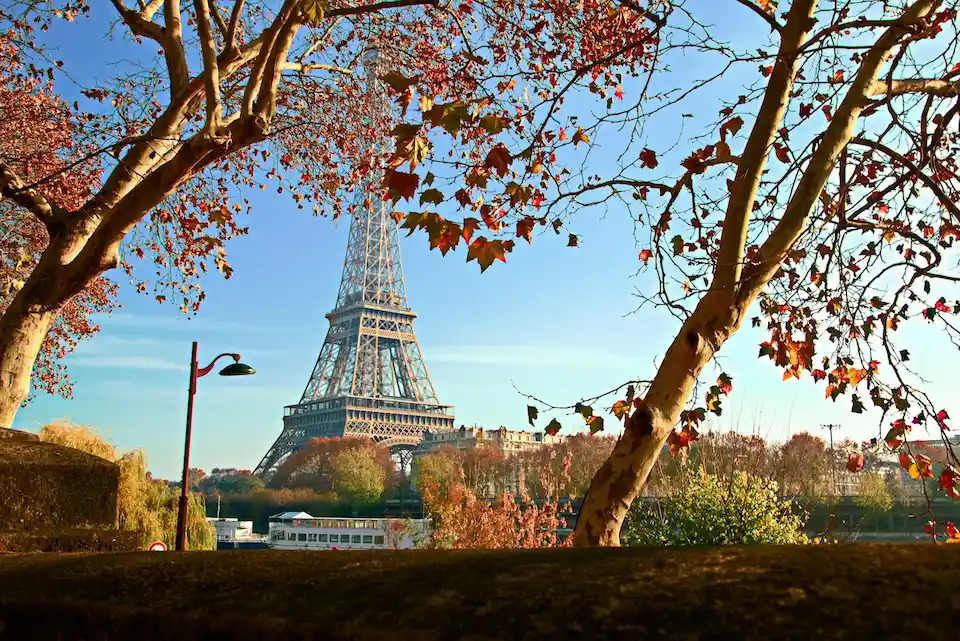
Evening (6:00 PM onwards): The Eiffel Tower Experience
This is where we craft your moment. Do not simply queue for the elevator. Here is my perfect formula:
- Picnic at Champ de Mars: Stop at a boulangerie and fromagerie earlier. Get a baguette, some cheese, charcuterie, and a bottle of wine. Spread out on the park and watch the tower as the sky changes color.
- The Ascent: Book a timed ticket to the second floor (not the summit) for about an hour before sunset. The view from here is perfect, and you’ll get daylight, sunset, and the city lights.
- The Sparkle: On the hour, for five minutes, the Eiffel Tower of Paris puts on a dazzling light show. Seeing it sparkle while you’re standing on it, or from the Trocadéro gardens across the river, is pure magic. For dinner, find a classic bistro in the 7th arrondissement.
Day 1 Pro-Tip: The lines for the Eiffel Tower elevators are legendary. If you’re fit, consider the stair tickets to the second floor—they’re cheaper, faster to procure, and offer a unique, up-close perspective on the structure’s ironwork. A small backpack is ideal for carrying your picnic supplies and a light layer. This Osprey Daylite Plus is the perfect size.
Day 2: Bohemian Souls & Artistic Legends: The Left Bank & Montmartre
Morning (9:30 AM): Musée d’Orsay
Housed in a stunning former Beaux-Arts railway station, the Musée d’Orsay is, in many ways, a more enjoyable museum experience than the Louvre. It focuses on 1848-1914, meaning you get the best of the Impressionists and Post-Impressionists all in one place.
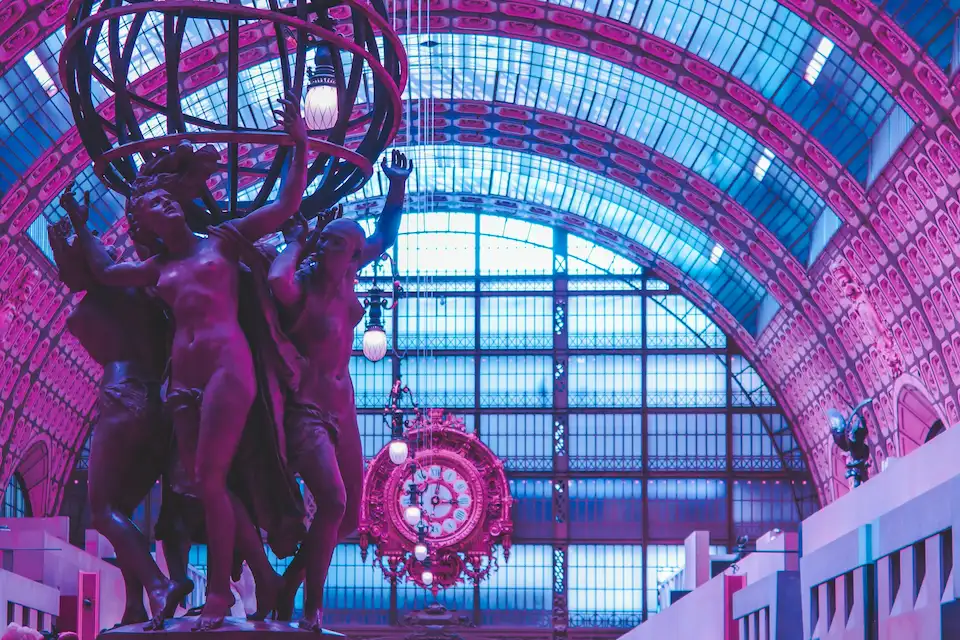
Stand before Monet’s water lilies, Van Gogh’s self-portraits, and Degas’s dancers. The building’s giant clock face also offers another phenomenal photo op of the city.
Afternoon (1:00 PM): Saint-Germain & the Latin Quarter
Cross the river and dive into the literary heart of Paris. Have lunch at a historic cafe like Les Deux Magots or Café de Flore, where Hemingway, Picasso, and de Beauvoir once debated. Then, wander the labyrinthine streets of the Latin Quarter. Browse the shelves of Shakespeare and Company, the legendary English-language bookstore. Get lost, find the Sorbonne, and soak in the scholarly atmosphere.
Late Afternoon (4:00 PM): Journey to Montmartre
Take the Metro to Abbesses (note: it has one of the deepest, most beautiful art nouveau elevators). Emerge and begin the climb up to the Sacré-Cœur Basilica. The white domes gleam like a wedding cake. The steps in front are a scene unto themselves, with street performers and panoramic views. Enter the basilica for its serene, golden mosaics.
Evening (6:30 PM onwards): The Village of Montmartre
This is the key: step away from the tourist-thronged square directly behind Sacré-Cœur. Instead, wander into the backstreets of Montmartre—place du Tertre, rue Lepic, and the vineyard on rue des Saules. This was the village of artists like Toulouse-Lautrec and Picasso.
It still feels like one. Have dinner at a cozy auberge here, and if you’re feeling adventurous, catch a show at the legendary Moulin Rouge (book well in advance).
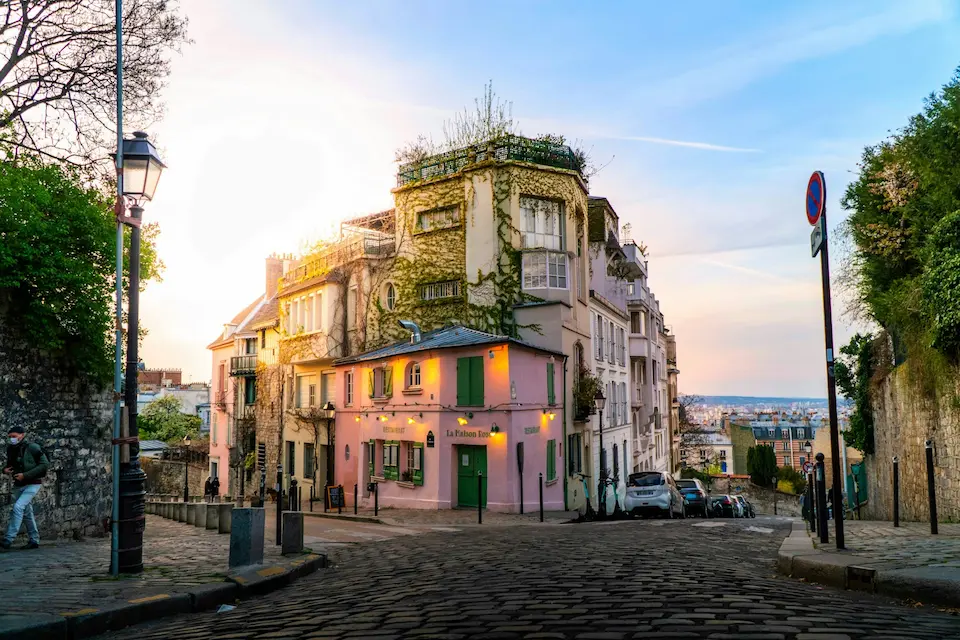
Day 2 Pro-Tip: Montmartre involves serious hills and stairs. Beyond good shoes, I always carry a compact, powerful power bank. Navigating these hills while using your phone’s GPS and camera drains batteries fast. The Anker 335 Power Bank is slim, powerful, and a true lifesaver.
Day 3: Refinement, Gardens & Farewell: Marais, Islands & Your Choice
Morning (10:00 AM): The Marais
Spend your final morning exploring Le Marais, a district that seamlessly blends medieval streets, hip boutiques, and historic Jewish culture. Visit the magnificent Place des Vosges, Paris’s oldest planned square. It’s the perfect spot to sit on a bench with a coffee and simply breathe. Then, explore the narrow streets, popping into chic concept stores and vintage shops.

Midday (12:30 PM): Île Saint-Louis & Berthillon
Cross the pedestrian bridge to the tranquil Île Saint-Louis. It feels like a village frozen in time. Your mission here is simple: join the queue at Berthillon, the most famous ice cream and sorbet maker in Paris. Get a cone with two flavors (the fraise des bois and sorbet cassis are sublime) and stroll along the Seine.
Afternoon (2:00 PM Onwards): Choose Your Final Adventure
- Option A (Art & Beauty): Visit the Musée de l’Orangerie in the Tuileries to be enveloped by Monet’s monumental Water Lilies cycles. It’s a profoundly peaceful experience.
- Option B (Grandeur & History): Tour the Opéra Garnier, a Baroque masterpiece of marble, gold, and that stunning Chagall-painted ceiling. It feels like stepping into a palace of dreams.
- Option C (A Royal Escape): Take the RER C train to the Palace of Versailles. This is a full half-day commitment, but walking the Hall of Mirrors and getting lost in the gardens is an unforgettable glimpse into royal excess. (Note: This requires careful timing).
- Option D (Whimsy & Magic): For a complete change of pace, take the RER A to Disneyland Paris. It’s a world unto itself, perfect for the young and young at heart. While different from the classic Paris experience, the joy here is undeniable.
Farewell Evening (7:30 PM): A Last Supper & a Night Cruise
For your final dinner, choose a restaurant in a neighborhood you fell in love with—perhaps a traditional bistro in the Marais. Then, cap your trip with a Seine River night cruise. Companies like Bateaux Mouches offer hour-long tours that give you a glittering, final perspective of the city’s monuments. Seeing the Eiffel Tower sparkle from the water is the most romantic send-off imaginable.
Day 3 Pro-Tip: If you choose Versailles or Disneyland, you’ll be doing a lot of standing and walking on different terrain. My secret for long days is a pair of quality compression socks. They look normal but make a world of difference for circulation and fatigue. I pack these Physix Gear Compression Socks for every trip.
Essential Parisian Savoir-Vivre & FAQs
Dining Like a Local:
- Eat at off-peak hours (lunch after 1 PM, dinner after 8 PM).
- Le menu (prix-fixe) is often better value than à la carte.
- Service is included; rounding up the bill or leaving small change is customary.
Navigating the City:
- Download the Citymapper app—it’s better than Google Maps for Parisian transit.
- A single Metro ticket is valid for one journey with unlimited transfers. Keep your ticket until you exit, as inspectors fine heavily.
Staying Safe & Savvy:
- Paris is generally safe, but be aware of pickpockets in crowded tourist areas (Métro, around monuments). A secure crossbody bag is wise. I use this Travelon Anti-Theft Crossbody for peace of mind.
- Beware of common scams: the “gold ring” scam, petition signers who distract you, and overly friendly people at train stations.
Frequently Asked Questions
What’s the best time of year to visit Paris?
Late spring (May-June) and early autumn (September-October) are ideal. The weather is pleasant, and the city is alive. July and August can be hot and crowded. December is magical with Christmas markets.
Is Paris good for a solo traveler?
Absolutely. It’s one of the best European cities for solo exploration. Cafes are perfect for solo dining, museums are a joy to wander alone, and the city feels welcoming. Just exercise normal caution at night.
How does it compare to London?
Having written guides for both, I’d say: London is a dynamic, sprawling metropolis with incredible energy. Paris is more curated, aesthetically unified, and focused on the art of living. Both are world-class, but their vibes are distinct.
Do I need to speak French?
While you can get by with English in tourist areas, learning basic pleasantries (Bonjour, Merci, S’il vous plaît, Au revoir) is a sign of respect and will dramatically improve your reception.
Is a visit to Disneyland Paris worth it on a short trip?
For adults on a first trip focused on classic Paris culture, I’d skip it. It’s a full day and a world apart. However, for families or true Disney fans, the unique European flair of the park can be a delightful part of a longer stay. Don’t feel pressured—Paris itself is the attraction.
What’s one thing I should absolutely pack?
A reusable water bottle. Parisian tap water is perfectly safe and delicious. Filling up saves money and plastic. I love my insulated Hydro Flask to keep water cold all day.
Let Paris Happen to You
My first, frustrating morning in Paris taught me the most important lesson: this city rewards the curious. It’s in the hidden passage, the quiet courtyard, the second-floor bakery with a line out the door known only to locals. This itinerary gives you the framework—the spine of a perfect three days. But the flesh and spirit of your trip will come from your own detours.
Let yourself linger over a coffee. Buy that single perfect macaron from Pierre Hermé and savor it on a park bench. Get intentionally lost in a neighborhood that isn’t on the map. Paris isn’t just a destination; it’s a feeling—a certain quality of light on cream-colored stone, the murmur of a cafe, the scent of rain on ancient streets.
You have the plan. You have the tips. Now, go and let yourself fall in love. Say bonjour, look up, and let Paris work its timeless magic on you. Bonne voyage et à bientôt!