Best 9 Things to Do in Italy Before You Die (2026 Guide)
History, romance, and food that changes your standards forever
- This article contains affiliate links. I may receive a commission if you purchase from them, at no extra cost to you.
Twenty years from now, you won’t remember the airports, the jet lag, or the one meal that wasn’t perfect. You’ll remember specific moments—the way light fell through a hole in the Pantheon’s dome, the first bite of pasta you made with your own hands, the exact second you rounded a corner in the Roman Forum and time collapsed.
Italy does that. It doesn’t just show you history; it drops you inside it. After a dozen trips and countless wrong turns, I’ve distilled the essential experiences—the ones that actually live up to the dream.
These nine things to do in italy aren’t just tourist checklist items. They’re the moments you’ll still be describing to friends decades later.
Table of contents ⇅
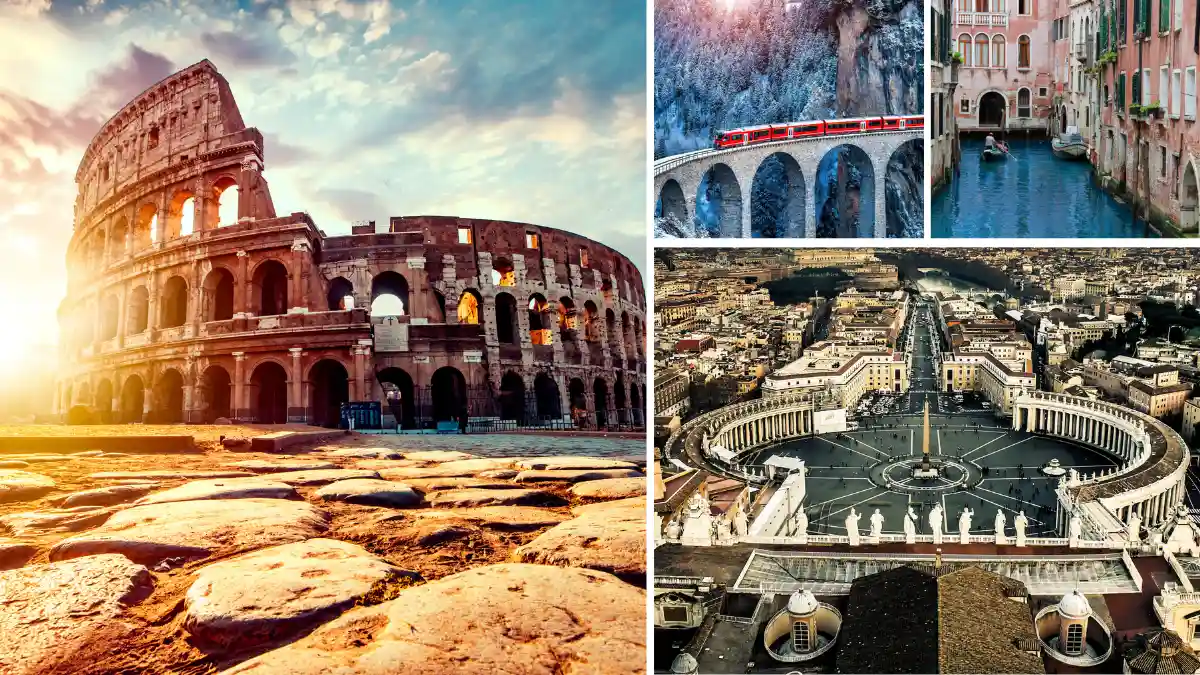
1. The Colosseum Underground: Where Gladiators Walked
Most visitors see the Colosseum from the stands—the same perspective as ancient spectators. That’s impressive. But the underground experience—walking where gladiators prepared, where animals were hoisted to the arena floor, where stage sets were assembled—is something else entirely.
Why It’s Essential:
The Colosseum’s hypogeum (underground) was closed to the public for centuries. Now it’s open, but only to those who book the specialized tour.
You’ll walk through the tunnels and chambers where the violence was orchestrated, see the lift systems that brought wild animals to the arena, and understand how Rome’s greatest entertainment machine actually worked.
What You’ll Learn:
- How 80 vertical shafts and 32 animal cages operated simultaneously
- Where gladiators waited before combat
- The elaborate stage machinery that could flood the arena for naval battles
- How the hypogeum’s design influenced modern theaters and stadiums
The Tour Details:
A guided tour of the Colosseum Underground, Roman Forum, and Palatine Hill takes about 3 hours. You need a guide—the underground is locked except for guided groups. Book months ahead; these tours sell out.
The underground tour involves significant walking on ancient surfaces. Wear sturdy shoes. The best tours are led by archaeologists or historians, not just generic guides.
Insider Tip



2. The Pantheon at Sunrise (Before Anyone Else)
The Pantheon is Rome’s best-preserved ancient building, a 2,000-year-old architectural miracle that shouldn’t still exist. By 10 AM, it’s packed with tour groups. But at sunrise, with a pre-booked early entry ticket, you can have it nearly to yourself.
Why It’s Different:
The Pantheon’s oculus—the 27-foot opening in the dome—is the only light source. Early morning light enters at a low angle, creating a shaft that moves across the floor as the sun rises. You’ll watch it slowly illuminate the tombs of Raphael and Italy’s first kings.
The silence, broken only by occasional birds through the oculus, is profound.
The Architecture:
The dome remains the world’s largest unreinforced concrete dome. The coffer pattern reduces weight while creating visual rhythm.
The proportions are perfect—the dome’s height equals its diameter, creating an imaginary sphere that would perfectly fit inside. The ancient Romans understood geometry in ways we’re still learning.
The Pantheon is still a working church. Mass is held Saturdays at 5 PM and Sundays at 10:30 AM. Visitors are welcome but must observe silence.
Insider Tip
What You’ll See:
- The oculus (still open to the sky, still letting in rain—drains in the floor handle it)
- Raphael’s tomb (he requested burial here, and the inscription is moving)
- The tombs of the first two Italian kings (Victor Emmanuel II and Umberto I)
- The original bronze doors (still functioning after 2,000 years)
3. The Sistine Chapel (The Right Way)
Michelangelo’s ceiling is the most famous artwork in Western civilization. But most visitors experience it the wrong way—crammed into a crowded chapel, craning their necks, jostling for position, and missing the point entirely.
The Right Way:
Book the earliest possible Vatican Museums entry (7:30 AM or 8 AM). Head directly to the Sistine Chapel before seeing anything else. For about 20 minutes, you’ll have relative quiet. The guards will eventually start shushing people, but you’ll have already had your moment.
What to Look For:
- The Creation of Adam: God’s finger reaching toward Adam. The composition is perfect, but look closer—the cloak around God is shaped like a human brain. Michelangelo was an amateur anatomist and hid this in plain sight.
- The Last Judgement: Behind the altar, painted decades later. The figures are more muscular, more tormented, reflecting Michelangelo’s spiritual evolution. Look for the flayed skin—it’s a self-portrait.
- The Ignudi: The naked youths surrounding the central panels. Their poses influenced generations of artists.
No photos in the Sistine Chapel. Guards actually enforce this. Put the camera away and just look. You’ll remember it better anyway.
Pro Tip
The Ceiling’s Story:
Michelangelo considered himself a sculptor, not a painter. Pope Julius II forced him to paint the ceiling. He spent four years on his back (actually standing on scaffolding, but the myth persists), developing neck problems, and creating a masterpiece he never wanted to make.
4. Make Pasta in Florence (With Unlimited Wine)
Here’s the thing about Italian cooking classes: most are tourist productions—assembly-line experiences where you roll a few noodles, drink one glass of wine, and leave with a certificate. The best ones are different.
Why This One Works:
This Florence cooking class focuses on fresh pasta—the kind Italian grandmothers make without measuring. You’ll learn by feel, not recipes. The dough should be soft but not sticky. The rolling pin technique takes practice. The filling should be just right. And the wine? Unlimited. Because that’s how Italians cook.
What You’ll Make:
- Fresh egg pasta dough from scratch
- Two types of pasta (usually ravioli and tagliatelle or pappardelle)
- A simple sauce (often butter and sage, which lets the pasta shine)
- Tiramisu for dessert (because of course)
The Experience:
You start at a market, learning to choose ingredients. Then to the kitchen, where aprons await. You’ll make mistakes—everyone does. The instructor will fix them without making you feel foolish. Then you eat what you made, paired with more wine, surrounded by new friends from around the world.
Book the morning class. You’ll have the rest of the day to digest and explore Florence. The evening classes are fun but you’ll eat late and heavy.
Pro Tip
Why It’s a top thing to do in rome italy (even though it’s in Florence):
Because food is memory. Years later, you’ll make pasta at home and remember exactly how it felt to roll it out in that Florence kitchen. The recipe will be stuck in your hands, not just your phone.
5. Pompeii with an Archaeologist
Pompeii is overwhelming. 66 acres of ruins, 44,000 excavated artifacts, centuries of history. Most visitors wander randomly, reading plaques, missing 90% of what matters. Visiting with an archaeologist changes everything.
Why It’s Different:
An archaeologist doesn’t just recite dates and names. They read the city like a text. They’ll show you the graffiti on walls (election advertisements, love notes, insults). They’ll explain why certain houses had paintings of guard dogs by the entrance. They’ll point out the ruts in stone streets worn by chariot wheels—still visible after 2,000 years.
What You’ll See:
- The Forum: The city’s political, religious, and commercial center. Your guide will explain what each building was and how they functioned together.
- The Lupanar: Pompeii’s brothel, with explicit frescoes that served as menus. Your guide will provide historical context (less awkward than reading alone).
- The Villa of the Mysteries: A suburban villa with breathtaking frescoes depicting Dionysian mysteries. The colors—especially the Pompeian red—are still vivid.
- The Plaster Casts: Bodies preserved in the positions of death. Heartbreaking and essential. Your guide will help you process what you’re seeing.
Wear comfortable shoes. Pompeii is huge and the streets are uneven. Bring water—there are fountains throughout where you can refill (safe to drink).
Insider Tip
The Story:
Mount Vesuvius erupted in 79 AD, burying Pompeii under 13-20 feet of ash and pumice. The city was forgotten until 1748. Because of the ash, we have an unprecedented snapshot of Roman daily life—food still in ovens, paintings still on walls, people still in their final moments.
6. The Amalfi Coast, Pompeii, and Sorrento in One Day
Here’s the reality: you can’t do the Amalfi Coast properly in one day. It deserves a week. But if you’re based in Rome and have limited time, this day trip packs an impossible amount of beauty into 14 hours.
What You’ll Experience:
- Pompeii (morning): Two hours with a guide, seeing the highlights. It’s enough to grasp the scale and tragedy.
- Sorrento (lunch): Perched on cliffs above the sea. Limoncello tasting, seaside views, charming streets. Your tour includes free time for lunch.
- Amalfi Coast drive (afternoon): The coastal road is one of Europe’s most beautiful. Cliffs plunge to turquoise water, villages cling impossibly to hillsides, and every turn reveals a new postcard.
- Positano (photo stop): The iconic view—pastel houses tumbling down to the sea. You’ll have time for photos and a quick wander.
The Trade-Offs:
It’s a long day. The drive from Rome to Pompeii is 2.5 hours each way, plus the coastal roads. You’ll be tired. But you’ll see three of Italy’s most spectacular destinations in one day. For time-pressed travelers, it’s the only way.
Sit on the left side of the bus for the best coastal views. Bring Dramamine if you’re prone to motion sickness—the winding roads are intense.
Pro Tip
Why It’s Worth It:
Because seeing is believing. You can look at photos of the Amalfi Coast forever, but until you’re actually there—smelling the sea, feeling the sun, watching the light hit those cliffs—you don’t really know it.
7. Venice: Grand Canal by Gondola (The Honest Version)
Here’s the truth about gondola rides: they’re expensive (€80 for 30 minutes, €100 after dark), touristy, and every gondolier has heard every joke you’re about to make. You should still do it.
Why It’s Worth It:
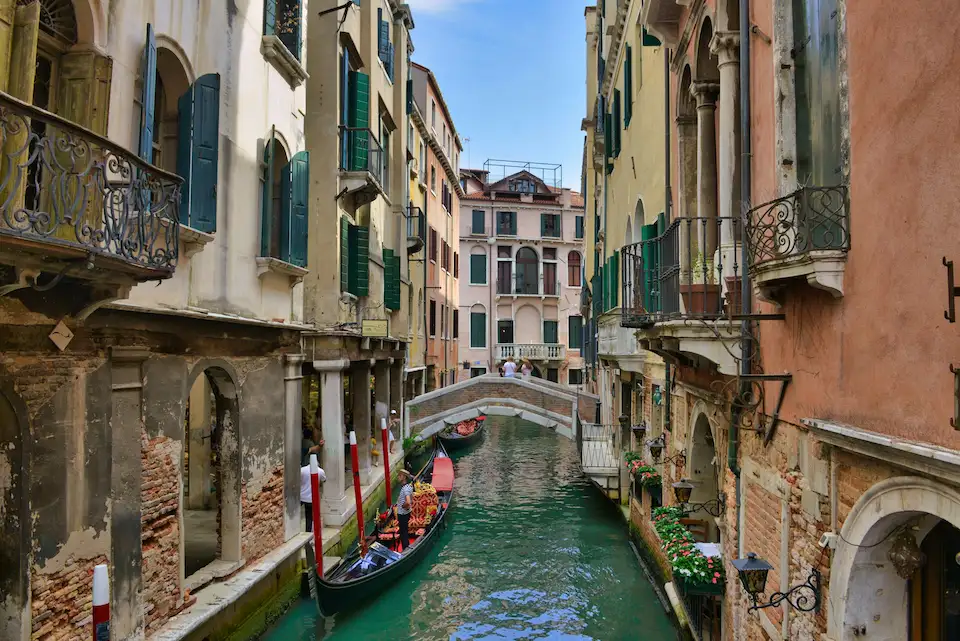
Because Venice is a city built on water, and you haven’t really seen it until you’ve seen it from the water. The Grand Canal at sunset, with the palazzos glowing gold and the vaporetti chugging past, is one of the world’s great urban experiences.
The Right Way:
Don’t just take any gondola from any stand. Book one with live commentary—your gondolier will point out palaces, explain their history, and tell stories you won’t find in guidebooks. The gondolas themselves are handmade, asymmetrical (the curve compensates for the gondolier’s weight), and each takes months to build.
What You’ll See:
- Ca’ d’Oro: The “Golden House,” once covered in gold leaf
- Rialto Bridge: The oldest bridge spanning the Grand Canal
- Palazzo Grassi: The last palace built on the canal before the Republic fell
- Santa Maria della Salute: The stunning Baroque church at the canal’s entrance
The gondola price is fixed by law—€80 for day, €100 for night (40 minutes). It covers up to 5 people. Don’t pay more. Don’t haggle; it’s regulated.
Pro Tip
The Backstreets Option:
For a more intimate experience, skip the Grand Canal and take a gondola through the smaller canals. You’ll see laundry hanging between buildings, hear voices from apartments, and feel like you’ve discovered the real Venice.
8. Milan’s Duomo: The Roof You’ll Never Forget
Milan’s Duomo is the third-largest church in the world, but the real magic is on top. The rooftop terraces let you walk among spires, statues, and gargoyles, with the city spread at your feet.
Why It’s Essential:
You haven’t experienced the Duomo until you’ve been up close to its details. The 135 spires, the 3,400 statues, the famous Madonnina statue (covered in gold leaf, 4 meters tall) at the highest point. From ground level, it’s overwhelming. From the roof, it’s intimate.
What You’ll See:
- The spires up close: Each is different, each carved by different hands over centuries
- The Madonnina: Milan’s protector, visible from everywhere in the city
- The city view: The Alps on clear days, the Po Valley stretching south, the modern skyscrapers of Porta Nuova contrasting with ancient stone
- The flying buttresses: You’ll walk under them, understanding how Gothic architecture actually works
The Architecture:
Construction began in 1386 and continued for nearly 600 years. Napoleon finished the facade in the early 19th century to use the cathedral for his coronation as King of Italy. The result is a building that spans architectural styles but somehow coheres.
Stairs vs. Elevator:
You can take stairs (919 steps) or elevator. The stairs are cheaper and you earn the view, but they’re a workout. The elevator saves energy for exploring the roof itself. Choose based on your fitness.
9. Lake Como, Bellagio, and Lugano: The Ultimate Day Trip
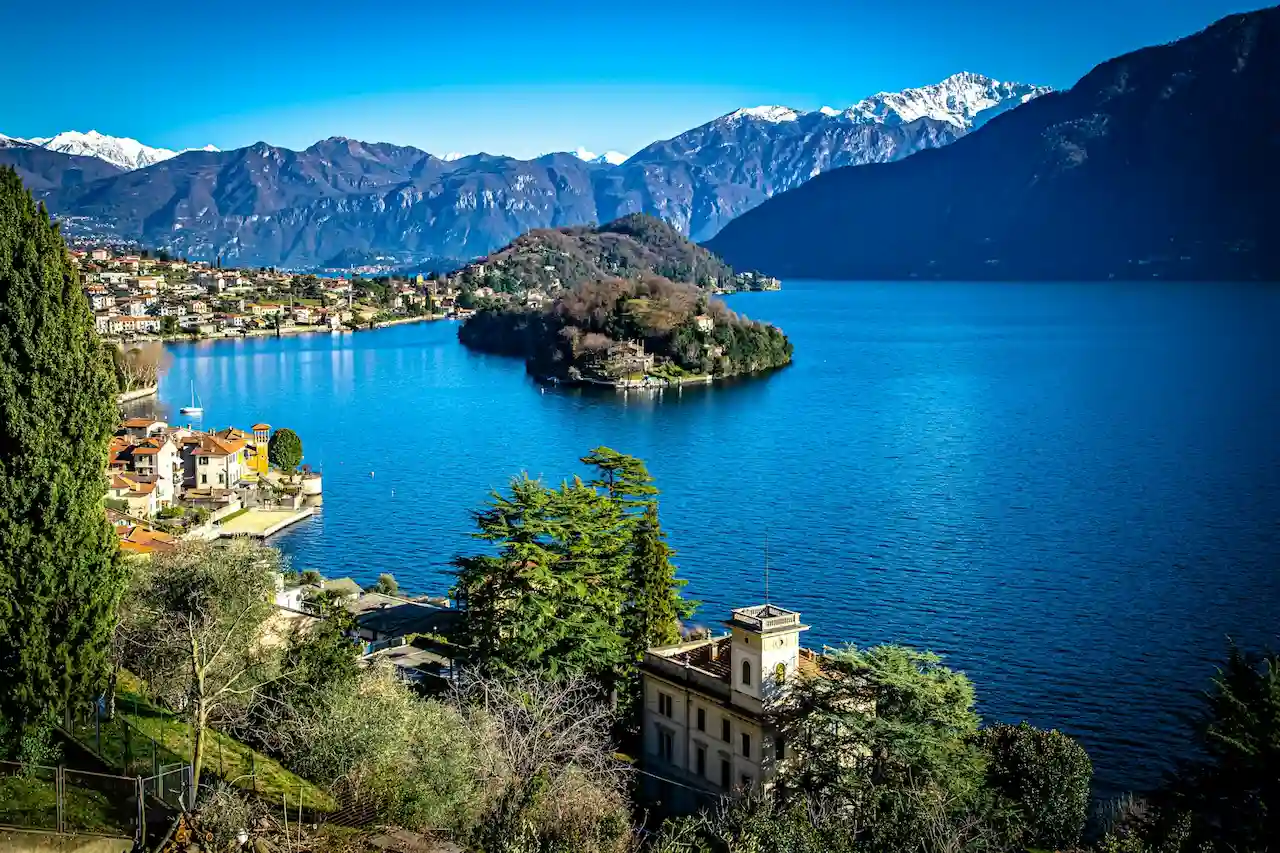
Lake Como is where Italians go to escape. The villas, the gardens, the water—it’s a different world from the cities. And just across the Swiss border, Lugano offers a bonus country in one day.
Why This Tour Works:
Most Lake Como tours take you to Como town and Bellagio, then return. This one crosses into Switzerland, adding Lugano and its Mediterranean-meets-Alps setting. You get two countries, three towns, and a private boat ride on the lake.
What You’ll Experience:
- Private boat tour: Skip the public ferries. This tour includes a private boat from Bellagio, giving you intimate access to the lake’s best views and celebrity villas (George Clooney’s is pointed out, though you won’t see him).
- Bellagio: The “Pearl of Lake Como.” Cobblestone streets, upscale shops, stunning lake views from every angle. You’ll have free time to wander.
- Lugano, Switzerland: Twenty minutes from the border, Lugano feels like Italy but functions like Switzerland. Palm trees against Alpine peaks, a beautiful lakeside promenade, and chocolate shops everywhere.
- Como town: The historic center, the Duomo, and more lake views.
The Lake Como Magic:
Bring a jacket, even in summer. The boat ride can be cool, and mountain weather changes fast. Good walking shoes are essential—Bellagio is all hills and steps.
Pro Tip
The lake is shaped like an upside-down Y. The scenery changes constantly—steep mountains, elegant villas, tiny villages clinging to shores. The water is deep green-blue, cold even in summer, and impossibly clear.
Why It’s a best thing to do in rome italy (even though it’s from Milan):
Because Lake Como is the Italy of dreams—the one you’ve seen in movies, the one that seems too beautiful to exist. It’s real. And this tour lets you experience it properly.
Italy in 2026: What’s New and What’s Changing
Jubilee Year Preparations:
2025 was a Jubilee Year in Rome, meaning 2026 sees the aftermath—renovated piazzas, restored monuments, and improved infrastructure. Some construction may still be finishing, but the city is looking its best.
Booking Windows:
Italy in 2026 remains extremely popular. For these experiences:
- Colosseum Underground: Book 3-6 months ahead
- Vatican Museums: 2-3 months ahead
- Pompeii with archaeologist: 1-2 months ahead
- Cooking classes: 2-4 weeks ahead
- Day tours: 1-2 months ahead
New for 2026:
- The Vatican’s Niccoline Chapel recently opened to the public after decades of restoration
- Pompeii’s Villa of the Mysteries now has enhanced lighting for better viewing
- Venice is testing new crowd-control systems; check entry requirements
Where to Stay for These Experiences
Rome:
- Luxury: Hotel de Russie (garden courtyard, perfect location)
- Mid-range: Hotel Indigo Rome (boutique, near Spanish Steps)
- Budget: The Beehive (eco-friendly, near Termini)
Florence:
- Luxury: Four Seasons (palace and gardens, worth the splurge)
- Mid-range: Hotel Calimala (rooftop bar, design-forward)
- Budget: Plus Florence (hostel with pool, actually nice)

Milan:
- Luxury: Armani Hotel (design perfection, in fashion district)
- Mid-range: Room Mate Giulia (colorful, near Duomo)
- Budget: Ostello Bello (friendly, social, central)
Venice:
- Luxury: Gritti Palace (Grand Canal views, historic)
- Mid-range: Hotel Palazzo Barbarigo (Murano glass decor, canal views)
- Budget: Generator Venice (modern hostel on Giudecca)
What to Pack for Italy
The Essentials:
- Comfortable walking shoes. Non-negotiable. You’ll average 8-10 miles daily.
- Modest clothing for churches. Shoulders and knees covered. Carry a scarf for quick coverage.
- Money belt or crossbody bag. Pickpockets are real in tourist areas.
- Portable phone charger. Navigation and photos drain batteries.
The Nice-to-Haves:
- Small backpack. Day trips require water, snacks, layers.
- Reusable water bottle. Italy has public fountains (fontanelle) with free, safe water.
- Phrasebook or app. Italians appreciate attempts at Italian.
A RFID-blocking travel wallet protects against electronic pickpocketing. This one holds passport, cards, and cash securely.
The Italy That Stays With You
The Colosseum underground will crumble eventually. The Sistine Chapel will fade. The gondolas will eventually be replaced by something else. But the Italy that stays with you isn’t the monuments—it’s the moments. The taste of pasta you made yourself. The light through the Pantheon’s oculus. The view from a private boat on Lake Como as the sun sets behind the Alps.
These nine experiences aren’t just things to check off. They’re the ones you’ll still be describing when someone asks, “What was Italy really like?”
Save this guide. Book that trip. Italy is waiting.