- This article contains affiliate links. I may receive a commission if you purchase from them, at no extra cost to you.
The first time I saw Dubai, I didn’t believe it was real. The skyline rose from flat desert like a fever dream—twisted towers, palm-shaped islands, and a building so tall it creates its own weather. I spent three days staring up at it, camera always pointing at the same few landmarks, convinced I was experiencing the city.
I wasn’t. Not really.
Dubai revealed itself to me slowly, over multiple trips and through the kindness of strangers who showed me that the city’s true magic isn’t in its record-breaking heights. It’s in the quiet spaces between them—the hidden courtyards, the working shipyards, and the protected wetlands where flamingos stand near skyscrapers.
These nine unique places to visit in Dubai won’t appear on most Dubai tourist places lists. They’re the ones that transformed my understanding of this city from a postcard into a place with depth, history, and soul.
Table of contents ⇅
Before We Start: A Different Kind of Dubai
The Dubai you’ve seen on Instagram is real—the Burj, the malls, the seven-star hotels. But here’s what those photos don’t show: a city where 85% of residents are expats, where ancient fishing villages still stand near supertowers, and where you can drink coffee with bedouin descendants who remember when this was all desert.
This guide is for the traveler who wants to meet that Dubai.
1. Al Fahidi Historical Neighbourhood
Most tourists speed past Al Fahidi on their way to the Dubai Frame or the Gold Souk. They don’t realize they’re walking past the city’s preserved heart.
This maze of narrow alleyways, wind-tower houses, and hidden courtyards feels like stepping into a time machine. The Al Fahidi district dates to the 1890s, when Dubai was a pearling and fishing village. Today, it houses art galleries, cafes, and the Sheikh Mohammed Centre for Cultural Understanding.
What to Actually Do:
- Take a cultural breakfast at the Sheikh Mohammed Centre. You’ll sit on floor cushions, eat traditional Emirati food (try the balaleet—sweetened vermicelli with egg), and ask absolutely anything about Emirati culture. No question is off limits. I asked about women’s rights, religion, and arranged marriages over three hours of tea and honesty.
- Wander into XVA Gallery, housed in a restored wind-tower building. The courtyard cafe serves the best mint lemonade in Dubai.
- Find the Coin Museum. It’s tiny, free, and houses coins spanning 2,500 years of regional history. The attendant will likely turn on the AC just for you and explain each case with pride.
Visit on a weekday morning before 10 AM. By noon, the tour groups arrive. By 4 PM, you’ll have the alleys to yourself again.
Insider Tip
2. Alserkal Avenue
In the industrial Al Quoz district, sandwiched between auto repair shops and concrete factories, sits Dubai’s contemporary art heart. Alserkal Avenue is a sprawling complex of warehouse galleries, experimental theaters, and concept spaces that would feel at home in Berlin or Brooklyn.
Why It’s a Hidden Gem: Most tourists never leave the Sheikh Zayed Road corridor. They don’t know that Dubai has a thriving art scene, with galleries showing regional artists who challenge everything you think about the Gulf.
What to Do:
- Check current exhibitions at Carbon 12, Gallery Isabelle van den Eynde, and Lawrie Shabibi. These are serious international galleries.
- Grab coffee at Nightjar Coffee Roasters, arguably Dubai’s best third-wave coffee shop. The baristas know their beans.
- Visit on a weekday for emptiness, or time it for Alserkal Arts Week (usually March) when the entire district explodes with programming.
- Don’t miss The Fridge, a performance space that nurtures local musicians. Evening concerts here feel intimate and electric.
Al Quoz traffic is real. Allow 20 extra minutes. Park in the designated lots—towing is aggressive.
Insider Tip
For gallery-hopping, a small crossbody bag keeps your hands free and deters pickpockets (rare in Dubai, but smart anywhere). This Pacsafe anti-theft bag has RFID protection and cut-resistant straps.
3. The Last of the Abra Stations
Everyone takes an abra (wooden water taxi) across Dubai Creek. That’s not the hidden part. The hidden part is which station you use and when.
The Tourist Move: Take an abra from the Deira Old Souk station to Bur Dubai. It’s fine. You’ll share with 20 other tourists and see the standard skyline.
The Insider Move: Walk 10 minutes east to the Al Shindagha Heritage abra station. From here, you cross the smallest stretch of the Creek to the Al Fahidi side. The ride takes 2 minutes, costs 1 dirham (pay by Nol card or coins), and feels like commuting with Dubai residents rather than performing tourism.
Even Better: At sunset, take an abra from the Dubai Festival City station across the Creek to Al Jaddaf. The view of the Dubai skyline igniting against purple sky is worth the detour, and you’ll likely be the only tourist on board.
The Ultimate Abra Experience: Hire a private abra for an hour. Negotiate directly with a driver at the Deira Old Souk station. Expect to pay 100-150 dirhams. Bring snacks, play music from your phone, and see the Creek as traders have for centuries.
4. The Al Fahidi Nighttime Walk


Here’s something that doesn’t appear in guidebooks: Al Fahidi after dark.
When the sun sets and the last tour groups leave, the historical neighborhood transforms. The wind towers are silhouetted against the orange sky. Lamps cast warm light on sandstone walls. The call to prayer echoes from the nearby mosque, and suddenly you’re not in a tourist attraction—you’re in a place where people live.
What to Do:
- Start at the Arabian Tea House for dinner in their courtyard. Order the regag bread with cheese and the karak chai (spiced milk tea).
- Walk east toward the Dubai Creek edge. Find the small bench overlooking the water where old men play backgammon until late.
- Listen. The soundscape shifts from daytime bustle to evening quiet: water lapping, distant abra motors, snippets of Arabic conversation.
Safety Note: Al Fahidi is perfectly safe at night. The streets are well-lit and patrolled. You’ll encounter more cats than people.
5. The Coffee Museum
Tucked down an Al Fahidi alley, the Coffee Museum occupies a wind-tower house that feels like your eccentric uncle’s collection exploded into a proper exhibition. It’s small, quirky, and absolutely delightful.

What You’ll Find:
- Coffee pots from across the Arab world, spanning centuries
- Ethiopian coffee ceremonies explained
- Yemeni coffee traditions
- A rooftop seating area where you can sample brews
The Experience: You’re not just looking at exhibits. You’re invited to sit, drink, and talk. The staff are passionate and will brew you something from Ethiopia or Yemen while explaining regional differences. The Yemeni coffee, spiced with ginger and cardamom, is unforgettable.
The museum is small—30 minutes suffices. Combine it with your Al Fahidi exploration. It’s open Saturday-Thursday 9 AM-5 PM, closed Friday.
Insider Tip
6. Ras Al Khor Wildlife Sanctuary
Yes, Dubai has a flamingo sanctuary. Yes, it’s within sight of the Burj Khalifa. No, almost no tourists go.
Ras Al Khor sits at the head of Dubai Creek, a protected wetland where thousands of flamingos winter (November-March). Three bird hides offer viewing platforms with spotting scopes provided. The birds are close enough to photograph with a decent zoom lens.
Why It’s a Hidden Gem: Because flamingos against a desert and skyscraper backdrop are surreal. Because it’s free. Because on a weekday morning, you might have an entire hide to yourself.
What to Know:
- Free entry, free parking
- Open 7:30 AM to 5:30 PM (winter hours may vary)
- Best visited November-February when flamingo numbers peak
- Bring binoculars or a zoom lens
- No food or drink inside the sanctuary
Visit during golden hour (late afternoon). The light on pink feathers against the distant city is extraordinary. The flamingos are most active at this time too.
Insider Tip
For wildlife photography, a compact superzoom camera is perfect. The Sony RX10 IV covers 24-600mm and fits in a daypack.
7. The Jumeirah Mosque Night Tour
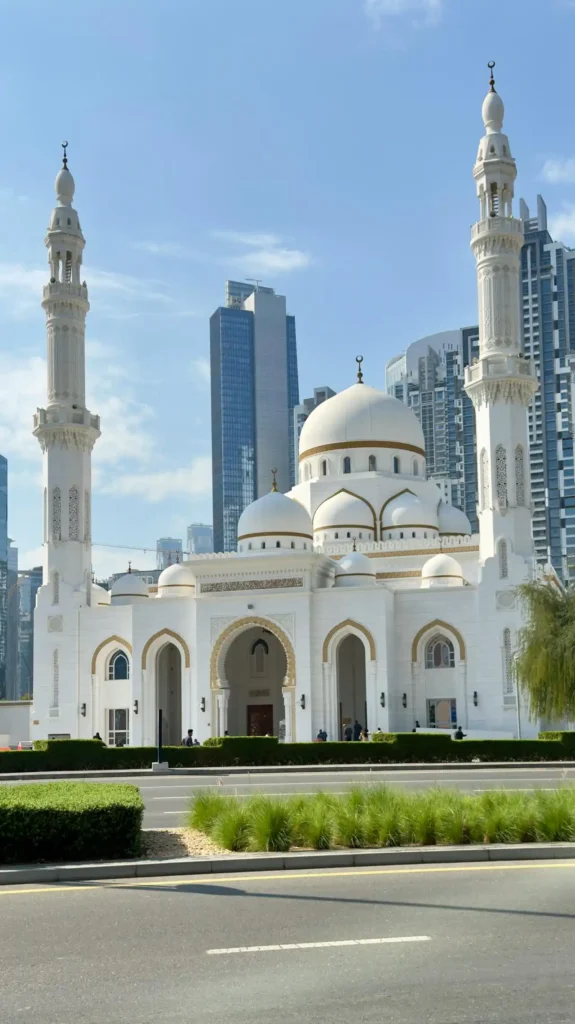
The Jumeirah Mosque is Dubai’s most photographed mosque. You’ve seen it gleaming white against blue sky in a thousand Instagram posts. But you haven’t seen it at night.
The Sheikh Mohammed Centre for Cultural Understanding offers an evening tour that most visitors don’t know exists. You arrive after dark, when the mosque is lit from within, its intricate stonework glowing against the night sky.
What Makes It Special:
- The lighting transforms the architecture—details you miss during the day emerge in shadow and glow
- Smaller groups than daytime tours
- Same open Q&A format—ask anything about Islam, Emirati culture, or Dubai life
- Evening light for photography is magical
The Tour Includes: Traditional Emirati snacks, tea, coffee, and a 75-minute presentation and discussion. The guides are Emirati nationals who genuinely welcome questions.
Book online in advance. The evening tours fill with people who know the secret. Photography is encouraged.
Insider Tip
8. The Dubai Desert Conservation Reserve Sunset
Every visitor does a desert safari. Dune bashing, camel rides, belly dancing, and dinner in a “bedouin camp.” Most of these are manufactured experiences, and the animals are often treated poorly.
The Ethical Alternative: The Dubai Desert Conservation Reserve covers 225 square kilometers of protected desert. It’s not free, and it’s not cheap—but your fees fund actual conservation. The reserve is home to reintroduced Arabian oryx, gazelles, and other native species.
What to Book: Platinum Heritage runs small-group tours using vintage Land Rovers (no dune bashing—safer for the desert and the animals). You’ll see wildlife, learn about bedouin traditions from actual bedouin guides, and dine under stars in a camp that feels authentic rather than theme-park.
Don’t Miss Out
The Sunset Moment: Your guide drives you to a dune ridge just as the sun begins its descent. The silence is absolute. The only sounds are wind and the occasional oryx call. Then tea is produced from a thermos, and you watch the sky turn colors you didn’t know existed.
What You’re Paying For:
- Conservation fees that protect the reserve
- Ethical treatment of animals (no riding)
- Authentic cultural interpretation
- Small groups (typically 6-8 people)
Book the “Heritage Desert Safari” with the vintage Land Rovers. The newer vehicles are comfortable, but the open-air vintage models offer unobstructed views and a connection to the desert that enclosed cars can’t match.
9. The Last Fishing Village: Al Jaddaf
Before Dubai was a city, it was a fishing and pearling village. One remnant of that past survives, hidden in plain sight: the Al Jaddaf dhow building yard.
Here, in the shadow of modern bridges and towers, craftsmen still build wooden dhows by hand—the same way they’ve built them for centuries. The yard is open-air, accessible, and completely authentic. No entry fee. No gift shop. Just men shaping wood with tools unchanged for generations.
What You’ll See:
- Massive wooden hulls in various stages of construction
- Craftsmen hand-carving timber using traditional techniques
- Dhows destined for the Indian Ocean trade routes
When to Go: Early morning, before the heat intensifies. The craftsmen start at dawn and work until midday.
How to Get There: Take an abra from Al Fahidi to Al Jaddaf station (the one beyond the standard tourist routes). Walk east along the Creek. You’ll see the yard within 10 minutes.
Photography Note: Ask before photographing the craftsmen. Most will nod yes, but the respect of asking matters. A small tip (20-30 dirhams) is appreciated if you take portraits.
Why It’s Essential: This is living heritage. When these craftsmen retire, there may be no one to replace them. The yard may not exist in another decade. See it now.
Where to Eat Beyond the Malls
Al Ustad Special Kabab (Al Mankhool)
This unassuming restaurant has served Persian-style kebabs since 1978. The walls are covered in photographs of customers from around the world. The kubideh (minced meat kebab) with fresh bread and grilled tomatoes is perfection. A full meal costs 40-50 dirhams.
Bu Qtair (Old Dubai)
A fish shack that’s become legendary. Pick your fish from the display, pay, and it’s fried or grilled and served with rice, curry sauce, and chapati. Cash only. Expect a line. The branch has moved from its original location but retained its soul.
Ravi Restaurant (Al Satwa)
Pakistani restaurant that’s been feeding Dubai for decades. The chicken tikka and haleem (slow-cooked meat and wheat) are legendary. It’s basic, loud, and essential.
Feras Aldiyafa Sweets (Multiple locations)
For kunafa—the Middle Eastern cheese pastry soaked in syrup—this is the place. The plain khishneh (rough texture) with extra cheese will change your understanding of dessert.
Where to Stay: Beyond the Beach Hotels
For Al Fahidi Access:
- XVA Art Hotel: Rooms in a restored wind-tower house, right in the historical district. No TVs, lots of art, rooftop terrace.
For Alserkal Access:
- Aloft Al Mina: Near the industrial district, stylish, affordable, and close to the new Dubai Canal.
Don’t Miss Out
For Desert Reserve Access:
- Al Maha Desert Resort: Inside the conservation reserve. Eye-wateringly expensive but includes meals and activities, and your room is a private suite overlooking oryx herds. The ultimate splurge.
For Local Vibe:
- Rove City Centre: Affordable, clean, and in Deira, which feels more like real Dubai than the Marina.
Getting Around: Hidden Gem Logistics
Metro + Taxi Strategy: The Dubai Metro is excellent for 主干线 (main lines) but won’t reach most of these spots directly. Use it to get close, then take a 5-10 minute taxi. The Careem app works better than Uber here.
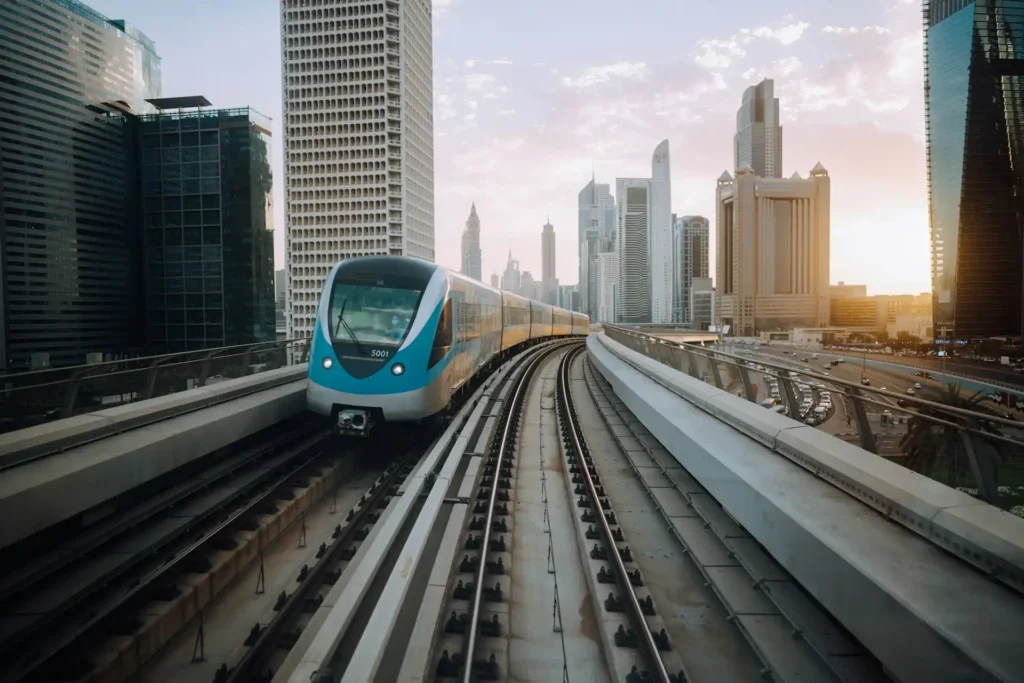
Nol Card: Get a Silver Nol card from any metro station. It works on metro, buses, and abras. Load 50 dirhams to start.
Friday Awareness: Friday mornings are quiet. Many places open after 1:30 PM following prayers. Plan accordingly.
Heat Reality: From June to September, outdoor exploring between 11 AM and 4 PM is punishing. Focus on indoor spots (Alserkal, museums) during peak heat.
Frequently Asked Questions
Are these places actually hidden or just less touristy?
Both. Some (Al Fahidi Coffee Museum) are genuinely unknown to most visitors. Others (Alserkal Avenue) are well-known to residents but invisible to tourists. All offer experiences that diverge from the standard Dubai script.
Do I need to dress conservatively for these spots?
In Al Fahidi, Alserkal, and most cafes, normal tourist attire (shoulders and knees covered is respectful but not strictly enforced). At Jumeirah Mosque, women must cover their hair, arms, and legs—scarves and abayas are provided. In Al Jaddaf fishing village, dress modestly out of respect for workers.
Can I do these on a layover?
Yes, depending on timing. Al Fahidi + Coffee Museum + abra ride can fill 4-5 hours. Alserkal requires more time and is farther from the airport. For an 8-10 hour layover, choose one area and explore deeply.
How much should I budget for off-the-beaten-path Dubai?
Most of these spots are free or cheap. Al Fahidi walking: free. Coffee Museum: free. Abra ride: 1 dirham. The expenses come in guided experiences: cultural breakfast (~200 dirhams), desert conservation tour (~800 dirhams). Budget accordingly.
What’s the one thing you’d absolutely skip?
The “cultural” desert safari at the first cheap vendor you find. If you’re paying under 300 dirhams, corners are being cut—on animal welfare, food quality, and authenticity. Pay more for the conservation reserve experience or skip it entirely.
The Dubai That Waits
The Dubai beyond the Burj isn’t hidden behind walls or accessible only to insiders. It’s right there, in plain sight, waiting for travelers curious enough to look past the obvious. It’s in the craftsman’s hands shaping wood at Al Jaddaf. In the flamingos standing pink against desert sand. In the coffee shared with a stranger who explains why his grandfather’s coffee pot has a particular shape.
This Dubai doesn’t advertise. It doesn’t need to. It simply exists, patient and unchanging, while the glass towers rise around it.
Go find it. And when you do, pour some tea for me.