- This article contains affiliate links. I may receive a commission if you purchase from them, at no extra cost to you.
I’ll never forget the moment my old, clunky thermostat decided to quit. It was the dead of winter, and I woke up to a house that felt like a walk-in refrigerator. As I fumbled with the unresponsive dial in a panic, I had an epiphany: I was negotiating with a piece of plastic from the last century.
That day, I ordered my first true smart home device—a learning thermostat. It didn’t just turn on the heat; it turned on a lightbulb in my head. Suddenly, my home wasn’t just a place where things broke; it was a canvas I could program, automate, and teach to take care of me.
Since that frigid morning, I’ve become a curator of my own connected ecosystem. I’ve tested the gimmicks, invested in the game-changers, and learned that the best smart home gadgets aren’t about showing off—they’re about fading into the background to create a home that’s more secure, efficient, comfortable, and oddly, more human.
This list isn’t a spec sheet for tech bros. It’s a practical, lived-in guide to the best smart home devices that have genuinely earned their place in my life, saved me money, and given me peace of mind. Whether you’re a tech novice or looking to upgrade, these are the investments that are truly worth it this year.
Table of contents
1. The Brain: A Smart Speaker/Display
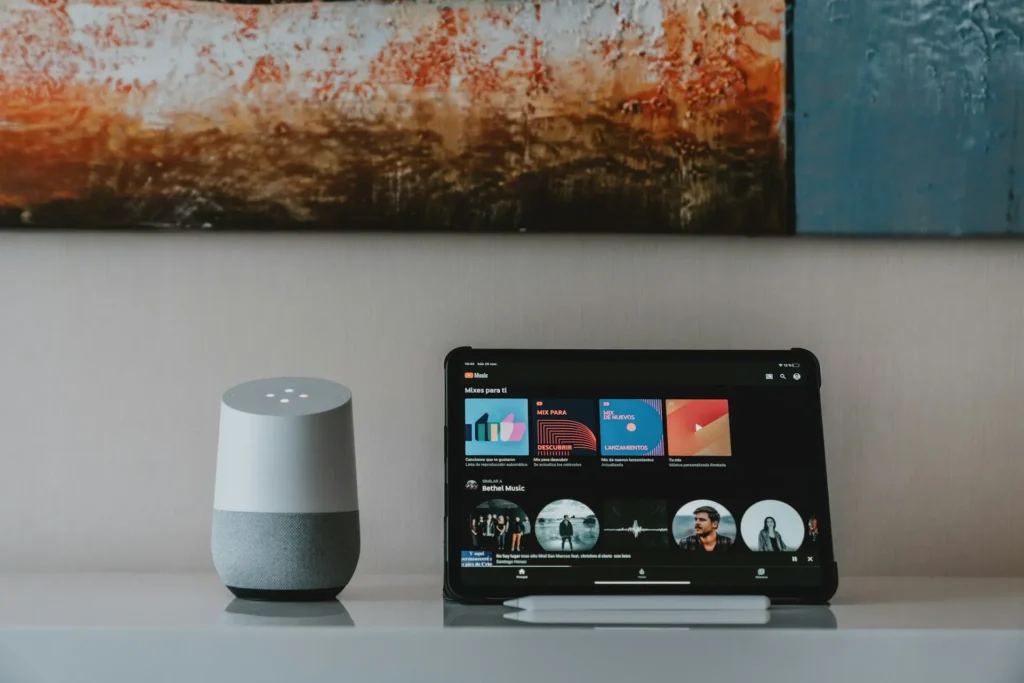
Before buying anything else, you need a hub—a central brain that listens and coordinates. This is the most personal choice, as it sets the tone for your entire ecosystem. The two giants are Google Home and Amazon Alexa.
Why It’s a Must-Have:
It’s the voice-activated control center for everything else. It plays music, sets timers, answers questions, controls other devices, and acts as a family announcement system. It moves from being a gadget to a utility, like running water.
Don’t get locked into one brand for speakers, but do pick a primary ecosystem for compatibility. I use Google Home devices as my main brain because I’m entrenched in Google’s calendar and email, but I have Alexa-enabled smart plugs because they were on sale. They can coexist!
Pro Tip
My Experience & Recommendation:
I started with a basic Google Home Mini and now have a Nest Hub (with a screen) in the kitchen. The display is a game-changer. Seeing my calendar, watching a recipe video, or making a video call hands-free feels like the future. For most people, I recommend starting with a smart display in the kitchen (the heart of the home) and adding audio-only speakers in other rooms.
-
A Top-Tier Choice: The Google Nest Hub (2nd Gen) is the perfect starter brain. Its size, sound quality, and intuitive screen make it the most versatile anchor for a new smart home.
2. The Money-Saver: A Smart Thermostat
This was my gateway device and remains my highest-ROI smart home device. It pays for itself, often within a single season.
Why It’s a Must-Have:
A smart thermostat like the Nest or Ecobee learns your schedule and preferences, automatically turning down heating or cooling when you’re away or asleep. The energy savings (10-15% on heating and cooling bills) are real and tangible. It also provides the sublime comfort of walking into a perfectly tempered home.
Check with your local utility company for rebates! Many offer significant discounts on smart thermostats to promote energy conservation.
Pro Tip
My Experience:
My first-gen Nest learned that I like it cooler at night and that I leave for work at 8 AM. Waking up to a warm house in winter without ever touching a dial is a small daily luxury I’ll never give up. The monthly energy reports are satisfying proof of savings.
-
The Gold Standard: The Google Nest Learning Thermostat is iconic for a reason. Its elegant design, intuitive learning, and seamless integration make it a set-it-and-forget-it masterpiece.
3. The Peace-of-Mind Provider: A Smart Lock
Forgetting your keys is a universal anxiety. A smart lock doesn’t just change how you enter your home; it changes how you think about access and security.
Why It’s a Must-Have:
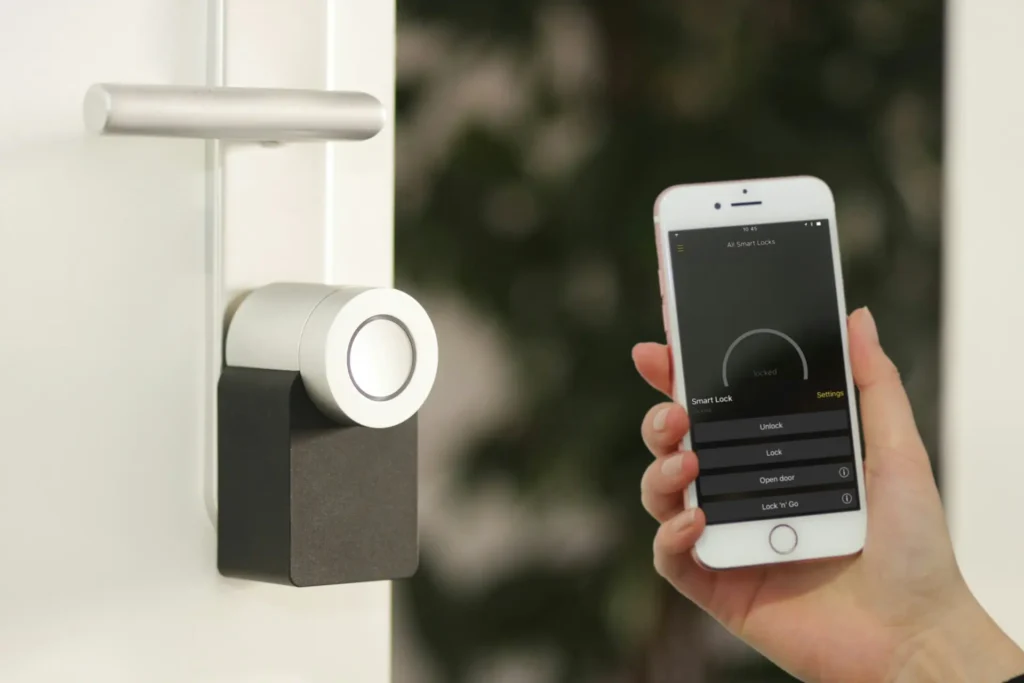
It offers keyless entry via a code, fingerprint, or your phone. You can grant temporary access to dog walkers or contractors and revoke it instantly. You can lock the door remotely if you forgot. It’s a cornerstone of the best smart home system for security.
-
A Top Performer: For a balance of features, reliability, and design, the Schlage Encode Plus Smart Wi-Fi Deadbolt is consistently ranked among the best smart locks for home use. Its built-in Wi-Fi means no extra hub is required.
My Experience:
The first time I walked up to my door with arms full of groceries and it unlocked automatically for me (via geofencing), I felt a wave of relief. Letting in a cleaning service without leaving a key under the mat is another level of convenience and safety. It’s one of those devices you quickly can’t imagine living without.
Get a model with a physical key override (most have one) for ultimate peace of mind. Also, ensure it’s compatible with your existing door hardware.
Pro Tip
4. The Ambiance Creator: Smart Lighting
Smart bulbs and switches are the easiest, most dramatic way to inject intelligence into your room design. It’s about mood, not just illumination.
Why It’s a Must-Have:
Beyond turning lights on/off with your voice or phone, you can dim them to create the perfect dinner or movie-watching ambiance. You can set schedules (e.g., “sunset to 11 PM”) or “routines” (“Goodnight” turns off all lights). Color-changing bulbs can be fun for parties or syncing with movies.




-
The Ecosystem Leader: The Philips Hue White & Color Ambiance Starter Kit is premium but offers unparalleled reliability, color range, and accessory support (like motion sensors).
My Experience:
I started with a Philips Hue starter kit and was hooked. My “Evening” routine gradually dims the living room lights over 30 minutes as bedtime approaches, signaling to my body it’s time to wind down. It’s a subtle wellness product for your circadian rhythm.
For whole-room control, smart switches (like Lutron Caséta) are often more practical than individual bulbs, especially for overhead fixtures with multiple bulbs. For lamps, smart bulbs are perfect.
Pro Tip
5. The Silent Guardian: Smart Plugs
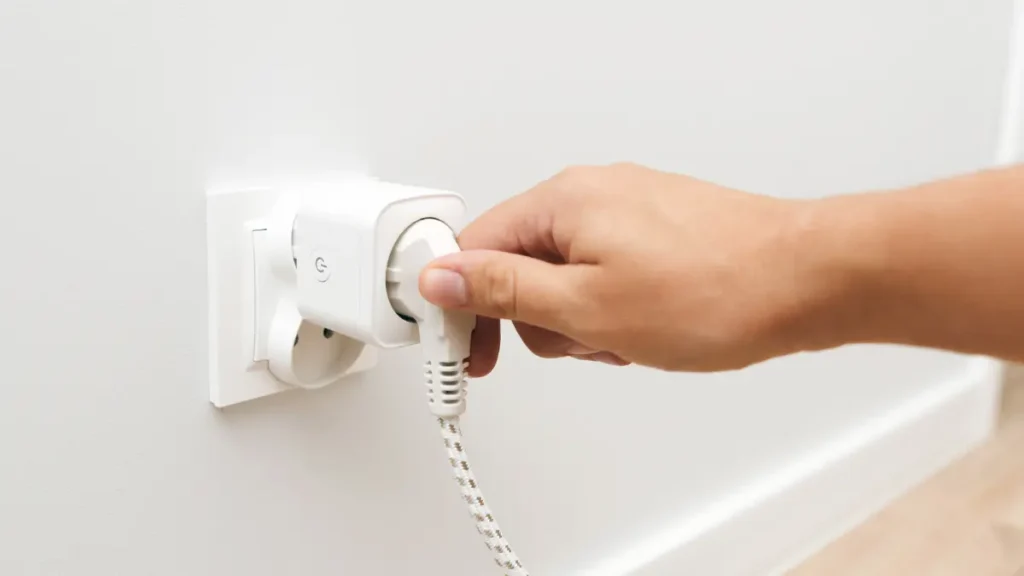
These are the unsung heroes, the foot soldiers of home automation. They are affordable, incredibly versatile, and an ideal “first step” into smart home tech.
Why It’s a Must-Have:
They instantly make any “dumb” appliance smart. Plug in a lamp, a fan, a coffee maker, or a space heater. You can then control it remotely, put it on a schedule, or tie it to other devices (e.g., “turn on the living room lamp when the smart lock unlocks at sunset”).
Look for plugs that monitor energy usage. It’s fascinating (and sometimes alarming) to see how much power certain devices draw, even when “off.”
Pro Tip
My Experience:
I use one for my bedside lamp (on a sunrise-simulating schedule), another for a humidifier in the nursery (on a humidity sensor trigger), and one in the kitchen for a slow cooker. They are the ultimate utility players.
-
A Reliable, Feature-Packed Option: The Kasa Smart Wi-Fi Plug Mini by TP-Link is a workhorse. It’s compact, reliable, requires no hub, and the app is excellent.
6. The Kitchen Conductor: Smart Kitchen Gadgets
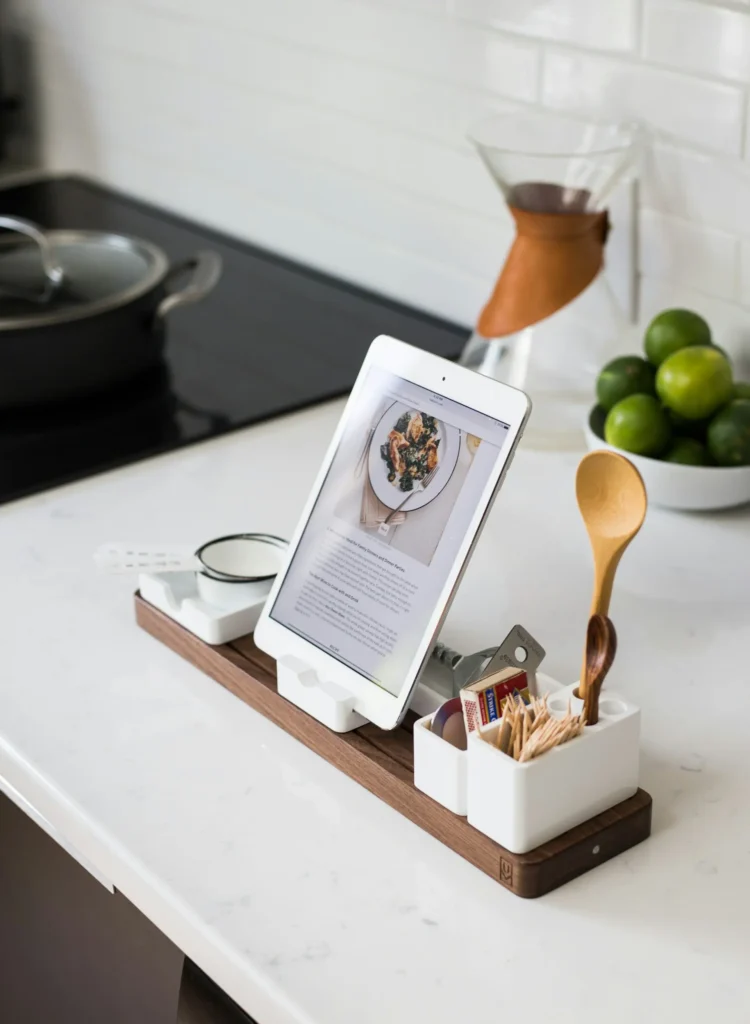
This category transforms daily chores from mundane to magical. The right kitchen utensils and appliances can feel like a sous-chef.
The Smart Scale:
For serious cooks or bakers, a scale like the Drop Scale connects to recipe apps and guides you through measurements. It’s a precision tool that eliminates mess and error.
The Smart Oven:
Devices like the June Oven or the Brava Smart Oven use cameras and sensors to identify food and cook it perfectly. They can air fry, roast, and dehydrate. While an investment, they replace multiple countertop appliances.
The Smart Coffee Maker:
Waking up to freshly brewed coffee you scheduled the night before is a simple, profound joy. Some models, like those from Behmor, can be controlled via your phone.
My Experience:
My smart electric kettle is a daily hero. I can start boiling water from bed, and it’s ready by the time I stumble into the kitchen for my pour-over. It’s a tiny timesaver that brings a disproportionate amount of happiness.
-
A Game-Changer: For anyone who loves perfect coffee without the fuss, the Ratio Six Smart Coffee Maker offers stunning design, programmable brewing, and precise temperature control.
7. The Sentry: Video Doorbell & Security Cameras
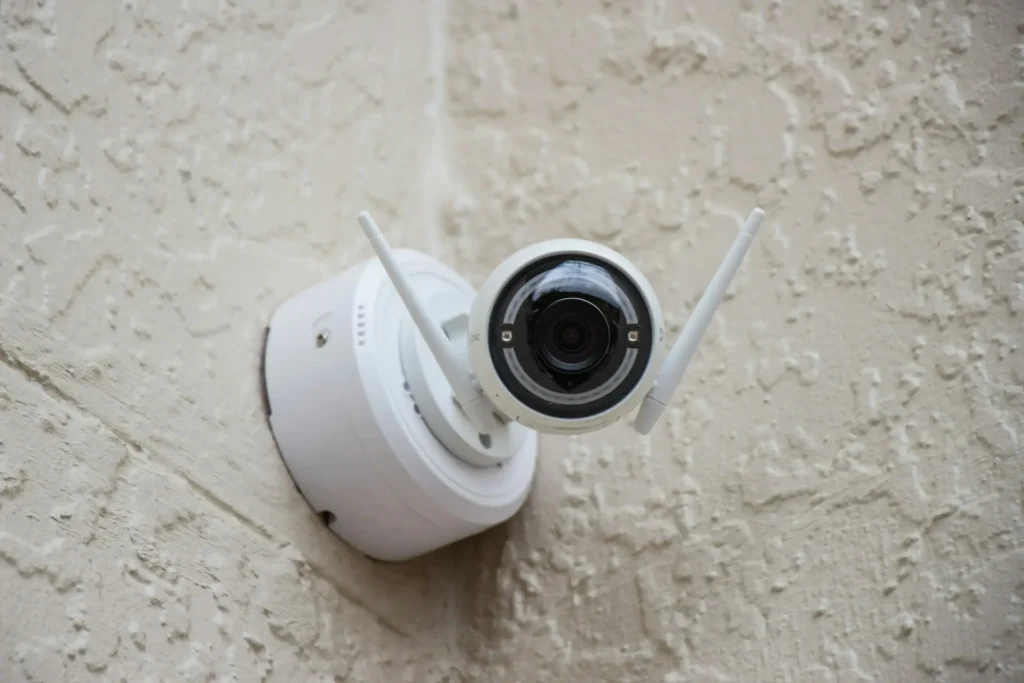
This isn’t about paranoia; it’s about awareness and connection. A video doorbell is arguably the most impactful security device for the average home.
Why It’s a Must-Have:
It lets you see and speak to anyone at your door from anywhere. It deters package theft and provides a record of visitors. Indoor/outdoor cameras can keep an eye on pets, check on a sleeping baby, or monitor a vacation home.
Consider your storage options. Most brands offer cloud subscriptions for video history, but some have local storage via microSD cards. Also, be mindful of camera placement for your neighbors’ privacy.
Pro Tip
My Experience:
The ding of a motion alert on my phone used to feel intrusive. Now, it’s a connection to my home. Seeing a delivery person leave a package, checking that the dog walker came, or simply waving to a friend through the two-way audio feels empowering.
-
The Market Leader: The Google Nest Doorbell (wired) offers superb video quality, intelligent person/package alerts, and seamless integration with other Google Home products.
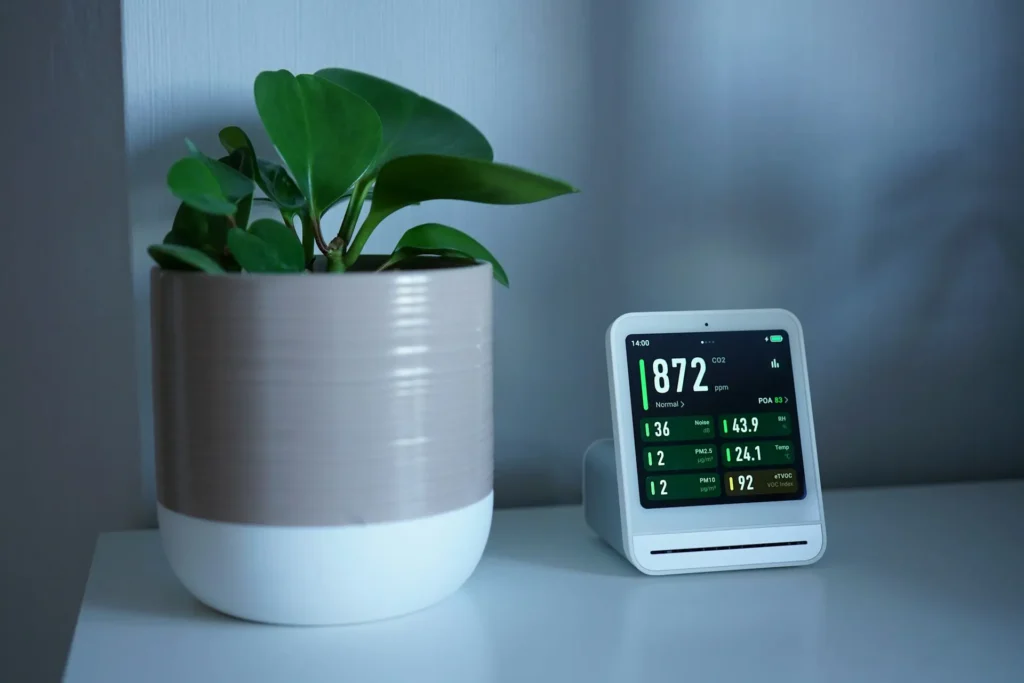
8. The Air Manager: Smart Air Purifier & Monitor
Invisible air quality is a growing wellness concern. A smart air purifier does the thinking for you.
Why It’s a Must-Have:
It monitors PM2.5, VOCs, and allergens in real-time and automatically adjusts its fan speed to clean the air. You can track trends and see the impact of cooking, cleaning, or opening a window. For allergy sufferers or urban dwellers, it’s a genuine health and wellness product.

My Experience:
Placing one in my bedroom was a revelation. I could see a spike in particulates when I made toast and watch it clean the air overnight. The correlation between clean air readings and a better night’s sleep felt tangible.
Pro Tip
-
A Powerful, Connected Option: The Coway Airmega 200M Smart Air Purifier is a beast for medium to large rooms, with great app controls and real-time air quality feedback.
9. The Comfort Controller: Smart Blinds/Shades
This is a luxury, but one that redefines daily comfort and energy efficiency.
Why It’s a Must-Have:
Automate your home’s natural light. Set schedules to open at sunrise and close at sunset for privacy. Lower them during the hottest part of the day to reduce AC load. Integrate them into scenes (“Movie Night” dims lights and closes shades).

-
A Premium Retrofit Solution: For a high-quality, DIY-friendly option, the Lutron Serena Smart Shades are the industry benchmark, though they require professional measuring.
My Experience:
I installed smart blinds in my home office. The “Wake Up” routine that opens them with my alarm is a gentler, more natural way to start the day than a blaring sound. The convenience of closing all blinds with one command when leaving the house is unbeatable.
10. The Utility Maximizer: Smart Water Leak Detector
This is the most boring and potentially most important device on the list. It’s pure, unsexy insurance.
Why It’s a Must-Have:
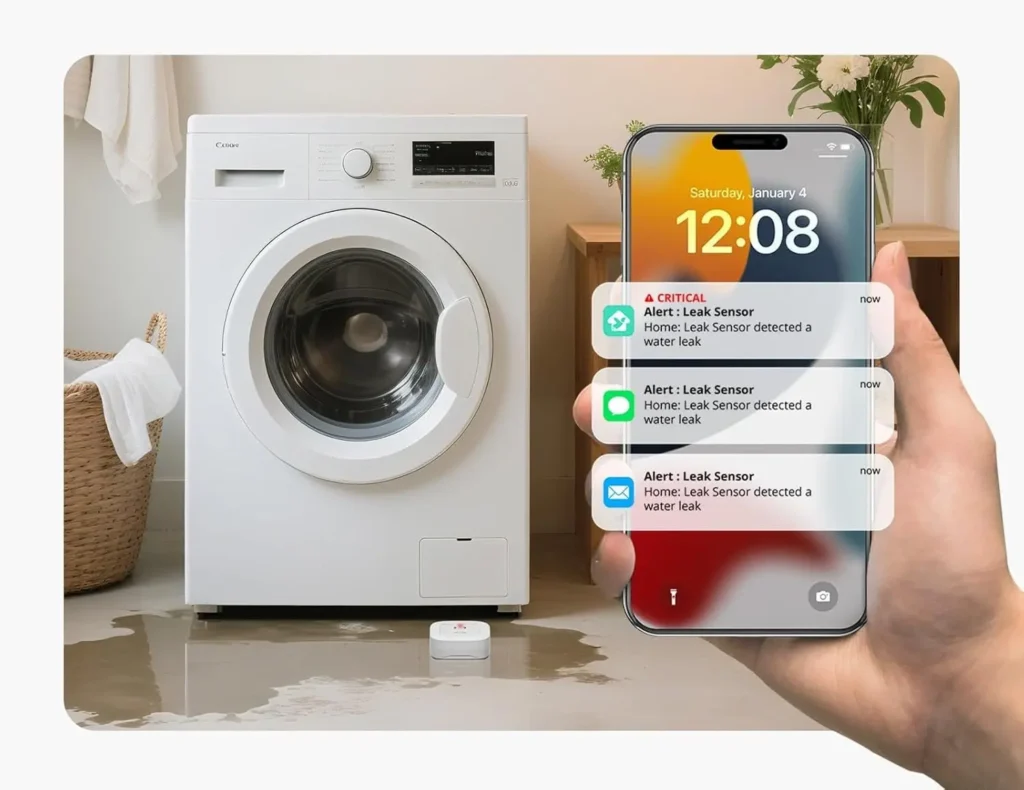
Small, puck-shaped sensors you place near water heaters, under sinks, behind washing machines, or in basements. They detect moisture and send an immediate alert to your phone, potentially saving you tens of thousands in water damage.
My Experience:
I have one under the kitchen sink and near the sump pump. They’ve never gone off, and that’s the point. The peace of mind is worth every penny.
Get a system that can integrate with an automatic water shut-off valve for the ultimate protection. Some, like Flo by Moen, can monitor your entire home’s water usage for leaks.
Pro Tip
-
A Reliable System: The YoLink Smart Home Water Leak Detection Kit offers exceptional range (using LoRa technology), loud local alarms, and a very responsive ecosystem.
Building Your System: A Note on Compatibility & Hubs
As you build your collection of smart home gadgets, think about compatibility. Most devices now connect via Wi-Fi, but for a more robust, responsive system (especially for lighting and sensors), a dedicated hub using protocols like Zigbee or Z-Wave is superior.
Don’t Miss Out

They create a mesh network that is more reliable and doesn’t clog your Wi-Fi. Brands like Samsung SmartThings or Hubitat are powerful central brains for complex automation.
Frequently Asked Questions
Is a smart home a security risk?
Any connected device carries a risk, but you can mitigate it. Buy from reputable brands that issue regular security updates. Use strong, unique passwords and enable two-factor authentication on your accounts. Keep your Wi-Fi network secure with a strong password and consider a separate guest network for IoT devices.
Do I need a professional to install these?
Most devices are designed for DIY installation. Smart thermostats and video doorbells often come with clear guides. Smart locks may require minor adjustments with a screwdriver. If you’re uncomfortable with electrical work (like installing smart switches), hiring an electrician is wise.
What happens if my Wi-Fi goes down?
Most devices will revert to their “dumb” function. Your smart lock will still work with a key or code. Your smart bulbs will turn on/off at the switch (though you’ll lose color/scene control). A smart thermostat will maintain its last programmed schedule. A local hub (like for Zigbee devices) will often continue to run automations locally.
Aren’t these devices expensive?
They can be, but the market has matured. You can start with a $30 smart plug or a $50 speaker. Prioritize devices that offer clear value: savings (thermostat), security (doorbell), or daily convenience (lighting). Many, like the thermostat, pay for themselves over time.
Which ecosystem is better: Google Home or Amazon Alexa?
It’s a personal preference. Google Home excels at answering complex questions and integrating with Google services (Calendar, Gmail). Amazon Alexa has a wider range of compatible devices and more “skills.” If you use an iPhone, Apple HomeKit is a strong, privacy-focused contender. You can even mix and match to a degree.
How do I avoid my smart home feeling like a disjointed mess of apps?
Choose a primary platform (Google Home, Apple Home, Amazon Alexa) and prioritize devices that are “Works with [Platform]” certified. Use that app as your primary dashboard. For advanced automation, a hub like SmartThings or Home Assistant can unify devices from different brands into a single, powerful interface.
Your Home, Finally on Your Team
Building a smart home isn’t about creating a sterile, robotic space. It’s the opposite. It’s about teaching your environment to anticipate your needs, handle the mundane, and free you to focus on what matters. The best smart home devices are those you stop noticing because they just work—keeping you comfortable, saving you money, and watching over your world so you can relax.
Start small. Pick one pain point—forgetting your keys, a dark house, an energy bill that’s too high—and let a single device solve it. Feel the relief, the convenience, the small burst of joy. Then, let that success guide your next step.
Your home is your sanctuary. Let these tools make it smarter, safer, and more attuned to you than ever before. The future isn’t coming; it’s already here, waiting for you to plug it in.