20 Healthy Meal Prep Ideas for the Entire Month of January
Make healthy eating effortless with 20 recipes built for busy schedules
- This article contains affiliate links. I may receive a commission if you purchase from them, at no extra cost to you.
- The information provided in this article is for educational purposes only and is not intended to serve as medical advice. Consult a qualified healthcare professional before starting any new diet or detox program.
Let’s be honest: January can feel like a marathon of good intentions. After the holiday indulgences, we’re met with cold days, short nights, and a powerful urge to “reset.” But too often, that urge leads us straight to restrictive diets and complicated recipes that fizzle out by the second week. I’ve been there—standing in front of the fridge at 7 PM, too tired to cook, reaching for the very foods I swore I’d avoid.
My salvation wasn’t a fad diet; it was a simple, repeatable system of healthy meal prep ideas. This guide is your map to a January where you feel nourished, energized, and in control, without spending your life in the kitchen. Forget the overwhelm; let’s build a month of easy meal prep ideas that are as delicious as they are practical.
Table of contents
The “Why”: More Than Just Containers in the Fridge
Meal prep is often sold as a tool for meal prep for weight loss, and while it is incredibly effective for that, its true power is much broader. Think of it as the ultimate act of self-care for your future, busy self.
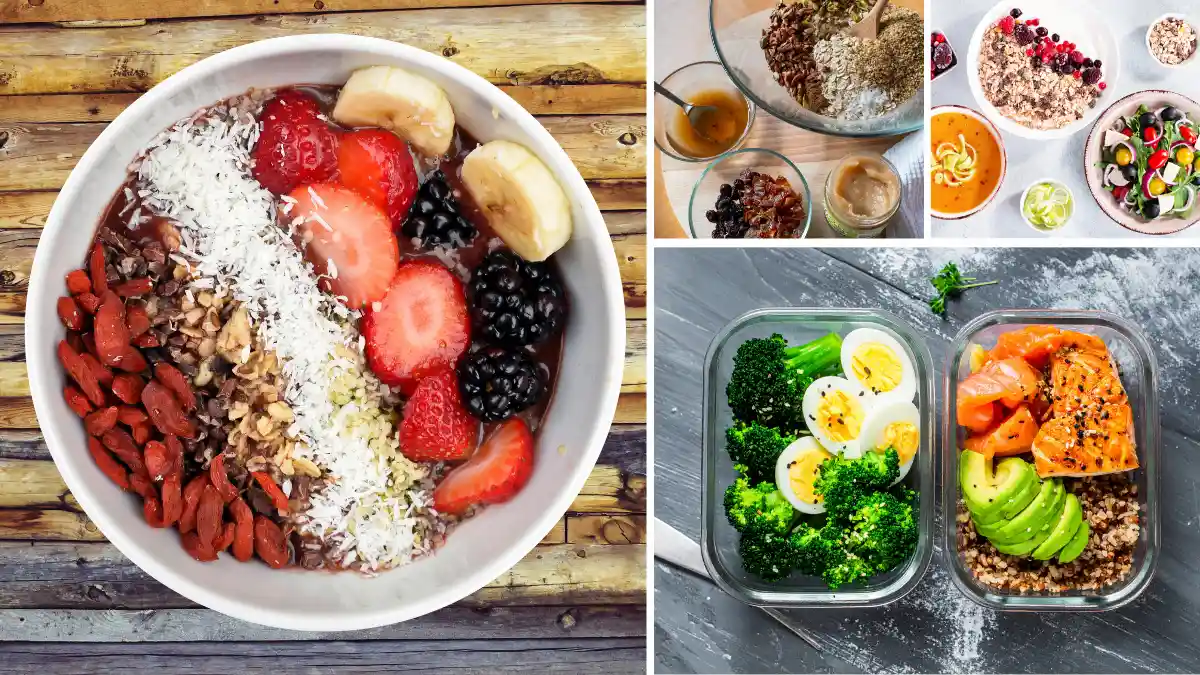
- The Financial Win (Cheap Meal Prep): Cooking at home is almost always cheaper than daily takeout or pre-packaged meals. Planning your meals around seasonal produce and pantry staples is the cornerstone of cheap meal prep that doesn’t sacrifice quality.
- The Time & Stress Savior: The mental load of deciding “what’s for dinner” every single day is exhausting. A weekly prep session eliminates dozens of daily decisions, freeing up your brainspace and your evenings.
- The Health Guarantee: When you prepare your food, you control the ingredients. You can focus on whole, weight loss foods and create balanced food prep meals that keep you full and energized. It’s about making smart choices most of the time and prioritizing foods that provide lasting satisfaction.
The Foundation: Your Meal Prep Philosophy & Toolkit
Before we dive into recipes, let’s set up for success. This isn’t about spending all Sunday chained to the stove. It’s about smart strategy.
1. Adopt the “Prep Components, Not Just Meals” Mindset
Instead of fully assembling 20 identical containers, prep versatile building blocks. Cook a big batch of quinoa, roast two sheet pans of varied vegetables, grill several chicken breasts, and make a pot of lentils. Throughout the week, mix and match these components into bowls, salads, wraps, and stir-fries. This prevents taste fatigue and gives you flexibility.
2. Master the “Healthy Plate” Model
A simple visual guide for any balanced meal is to fill half your plate with vegetables, a quarter with lean protein, and a quarter with complex carbohydrates. This model ensures your healthy meal prep is nutritionally complete, providing fiber, protein, and sustained energy. It’s a perfect template for building your food prep meals.
3. Invest in the Right Gear (Your Meal Prep Allies)
Having the right tools makes the process faster and more enjoyable.
- Quality Storage is Everything: A set of reliable, leak-proof, stackable glass containers is non-negotiable. Glass is safe for reheating and doesn’t retain stains or odors. I recommend a versatile set like these Glass Meal Prep Containers with Compartments for keeping components separate.
- The Sheet Pan Hero: For easy meal prep ideas, nothing beats the efficiency of sheet-pan cooking. You can roast an entire week’s worth of vegetables and protein on one or two pans. A sturdy, restaurant-grade Nordic Ware Baker’s Half Sheet is an investment that lasts a lifetime.
- A Powerful Blender: For quick sauces, soups, smoothies, and even veggie “rice,” a good blender is key. The Ninja Professional Blender is a workhorse that can handle everything from creamy dressings to frozen fruit with ease.
- A Sharp Chef’s Knife: Prep time is cut in half (sometimes literally) with a sharp, comfortable knife. Keeping your tools in good shape is part of the healthy habits that make cooking a pleasure, not a chore. A good honing steel can help maintain that edge.
- A Digital Kitchen Scale: For truly consistent portions and baking, a small digital scale is invaluable. It removes the guesswork and helps with calorie awareness if that’s part of your goal. The Etekcity Food Scale is simple, accurate, and affordable.
Your January Meal Prep Arsenal: 20+ Ideas Categorized
Here is a collection of meal prep ideas, organized by category. Use them as specific recipes or as inspiration for your own creations using your prepped components.




Category 1: Breakfasts to Launch Your Day (Make-Ahead & Grab-and-Go)
Starting your day with a prepared, nutrient-dense meal sets a positive tone and prevents unhealthy, rushed choices.
1. Overnight Oats Four Ways: The ultimate no-cook prep. Combine rolled oats with milk (dairy or plant-based) and a pinch of salt in a jar. In the morning, top with your pre-prepped mix-ins:
- Berry Almond: Mixed berries and a spoonful of almond butter.
- Apple Cinnamon: Diced apple, cinnamon, and chopped walnuts.
- Tropical: Mango, coconut flakes, and chia seeds.
- Chocolate Peanut Butter: Cocoa powder, a dash of maple syrup, and peanut butter.
2. Veggie-Packed Frittata Muffins: Whisk 8 eggs with salt, pepper, and a splash of milk. Stir in 1-2 cups of pre-chopped veggies (spinach, bell peppers, onions, mushrooms) and pour into a greased muffin tin. Bake at 375°F (190°C) for 18-20 minutes. Store for quick breakfasts or snacks all week.
3. Freezer-Friendly Smoothie Packs: In individual freezer bags, portion out a handful of spinach, ½ cup frozen fruit (like mixed berries or mango), and any add-ins like flaxseed or protein powder. In the morning, dump the bag into your blender, add your liquid (water, milk, or kefir), and blend. Using a high-quality protein powder like Orgain Organic Protein Powder can make your smoothie a complete, filling meal.

4. Savory Breakfast Quinoa Bowls: Cook a batch of quinoa. For each serving, reheat a cup with a splash of broth or water. Top with a soft-boiled egg (prepped ahead), sliced avocado, and everything bagel seasoning.
Category 2: Lunches That Travel Well (The Hearty Tupperware Champions)
These food prep meals are designed to be packed, transported, and enjoyed—whether you’re reheating them at the office or eating them cold.
5. The Foundation: The Endless Grain Bowl. This is your weekly lunch blueprint.
- Base (Cook 1-2): Quinoa, brown rice, farro, or couscous.
- Protein (Prep 1-2): Lemon-herb grilled chicken, baked tofu cubes, black beans, chickpeas, or flaked salmon.
- Veggies (Roast 2-3 trays): Broccoli, sweet potatoes, bell peppers, zucchini, cherry tomatoes.
- Toppings/Flavor: Store dressing on the side. Try a tahini-lemon sauce, a ginger-soy vinaigrette, or a simple lemon-herb vinaigrette.
6. Hearty Lentil & Roasted Vegetable Salad: Toss cooked lentils (from a can or pre-boiled) with a medley of roasted root vegetables (carrots, beets, parsnips). Add crumbled feta and a bright red wine vinaigrette. The flavors improve overnight.
7. Quinoa “Fried Rice” with Edamame: Sauté pre-cooked quinoa with frozen edamame, diced carrots, peas, and scallions. Season with tamari or coconut aminos and a touch of sesame oil. Eat hot or cold.
8. Deconstructed Burrito Bowls: A fan favorite for cheap meal prep. Layer cilantro-lime rice, seasoned black beans, roasted corn, pico de gallo (store separately), and shredded lettuce. Top with a lime wedge.
9. Chicken or Chickpea Salad Lettuce Wraps: Make a big batch of chicken or chickpea salad using Greek yogurt instead of mayo. Store the salad in one container and crisp romaine or butter lettuce leaves in another. Assemble your wraps fresh each day to keep the lettuce from getting soggy.
Category 3: Simple, Satisfying Dinners (Easy Weeknight Wins)
These easy low calorie meals come together in minutes on busy nights because the hard work is already done.
10. Build-Your-Own Taco/Nacho Bar: Prep seasoned ground turkey or lentil “meat,” chopped toppings (lettuce, tomato, onion, jalapeños), shredded cheese, and salsa. Reheat the protein and set out the toppings for a fun, fast, and interactive dinner.
11. One-Pan Lemon Herb Chicken & Veggies: Place chicken thighs or breasts on a sheet pan surrounded by broccoli florets and potato wedges. Drizzle with olive oil, lemon juice, garlic, and herbs. Roast and portion immediately for dinners.
12. Vegetable & Tofu Red Curry: Sauté blocks of pressed, cubed tofu until golden. Remove, then sauté a bag of pre-chopped stir-fry veggies. Add a can of light coconut milk and a few tablespoons of red curry paste. Simmer, add back the tofu, and serve over pre-cooked rice.
13. “Clean Out the Fridge” Minestrone: Sauté onions, carrots, and celery. Add broth, a can of diced tomatoes, and any pre-cooked beans and small pasta. Throw in any leftover prepped veggies (green beans, zucchini, spinach) in the last 10 minutes. Freezes beautifully.
14. Stuffed Sweet Potatoes: Bake sweet potatoes. For dinner, reheat and top with any combination: BBQ chicken & coleslaw, black beans & avocado, or chickpeas & tahini sauce.
Category 4: Snacks, Sides & Flavor Boosters (The Secret to No-Boredom Eating)
Prepping these small items makes healthy grazing effortless and adds punch to your main meals.
15. Wash & Chop Crudités: As soon as you get home from the store, wash and cut bell peppers, cucumbers, celery, and carrots. Store them in water in the fridge for the ultimate grab-and-go snack with hummus.
16. Make a Big-Batch Dip: Whip up a large container of hummus, Greek yogurt-based ranch, or white bean dip. Pair with your veggies or whole-grain crackers. A Cuisinart Mini Food Processor is perfect for making small-batch dips and sauces in seconds.
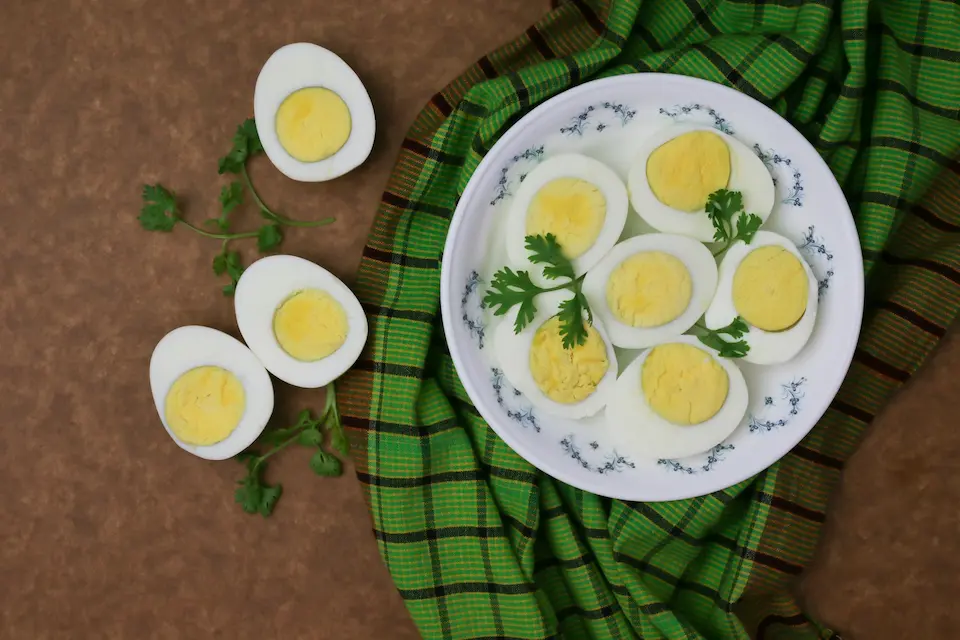
17. Hard-Boiled Eggs: A classic for a reason. Cook a dozen at the start of the week for a quick protein boost at breakfast, in salads, or as a snack.
18. Homemade Energy Bites: In a food processor, blend dates, oats, nut butter, and add-ins like cocoa powder, coconut, or seeds. Roll into balls. No baking required.
19. Pre-Portioned Nuts & Seeds: Avoid mindlessly eating from a large bag. Portion a quarter cup of almonds, walnuts, or pumpkin seeds into small containers for balanced snacks.
20. Flavorful Grain Pilafs: Don’t just cook plain grains. Cook your quinoa or rice in vegetable broth, and stir in toasted nuts, dried fruit, or fresh herbs before storing. This turns a simple base into a star side dish.
The January Game Plan: A Sample Weekly Prep Schedule
To make this tangible, let me walk you through what a single, efficient prep session (about 2 hours on a Sunday) can yield for your week. First, you’ll want to preheat your oven. While that’s heating, start cooking one cup of quinoa and one cup of brown rice using your rice cooker or pots on the stove. Put six eggs on to hard-boil. These items will cook passively, maximizing your active time.
During the next window, focus on chopping and roasting. Take two sweet potatoes, two heads of broccoli, and three bell peppers. Chop them, toss them with oil, salt, and pepper, and spread them out on your sheet pans. These will roast for about 25 to 30 minutes. This creates the bulk of your vegetable components for grain bowls and side dishes for the week.
While the veggies are roasting, move on to your protein and other prep. Season and pan-sear four chicken breasts or a full block of pressed, cubed tofu. While that’s cooking, use the downtime to wash and portion berries for your smoothie packs and whisk together a batch of lemon-tahini dressing. By now, your grains, eggs, and roasted veggies should be finishing up.
The final assembly and storage phase is where it all comes together. Shred your cooked chicken. Then, start portioning your grains, roasted veggies, and protein into combinations for four lunches. Assemble four jars of overnight oats for breakfasts. Store everything in clearly labeled containers. Finally, take a few minutes to clean up the kitchen and jot down a simple dinner plan for the week using your prepped components—for example, “Monday: Stir-fry with tofu and veggies over rice.” You’ll finish with a clean slate and a clear plan, effectively reducing daily stress.
Frequently Asked Questions (FAQs)
Q1: How long does prepped food actually last in the fridge?
Most cooked grains, roasted vegetables, and cooked proteins will last three to four days in airtight containers in the fridge. Soups, stews, and anything with more moisture (like chili) can often last four to five days. Always use your senses—look, smell, and a small taste are your best guides. When in doubt, freeze it.
Q2: I get bored eating the same thing all week. How can I avoid this?
This is why the “component” method is so powerful! If you prep plain chicken, plain quinoa, and three different roasted veggies, you can create different bowls each day by changing the sauce and seasonings. Monday could be Mexican-style (with salsa and lime), Tuesday Asian (with ginger-soy), and Wednesday Mediterranean (with lemon-herb vinaigrette). The base is the same, but the experience is totally different.
Q3: Is meal prep expensive to start?
Not at all! In fact, cheap meal prep starts with a focus on affordable staples: beans, lentils, eggs, oats, seasonal vegetables, and whole chickens or cheaper cuts of meat you can cook in bulk. The initial investment in some good containers pays for itself quickly by reducing food waste and takeout spending.
Q4: Can I meal prep if I have dietary restrictions (gluten-free, vegan, etc.)?
Absolutely. Meal prep is the best tool for managing dietary needs because you have complete control. All the ideas here are templates. Use gluten-free grains (quinoa, rice), plant-based proteins (tofu, tempeh, legumes), and avoid any allergens in your sauces. It’s about customizing the blueprint to work for you.
Q5: How do I reheat prepped meals without making them soggy?
The key is gentle, even reheating. For grain bowls, add a tiny splash of water before microwaving and cover loosely. For roasted veggies, reheating in a toaster oven or conventional oven will keep them crisper than a microwave. For items you want to stay crisp (like lettuce wraps, tacos), pack the components separately and assemble just before eating.

This collection of healthy meal prep ideas is more than a list of recipes—it’s an invitation to build a kinder, more sustainable routine for the new year. You don’t need to execute all 20 ideas at once. Start with one successful prep week. Feel the relief of having a ready-made lunch, the satisfaction of a quick, healthy dinner, and the pride of nourishing yourself well.
January’s reset isn’t about punishment; it’s about provision. By investing a few hours in preparation, you gift yourself a month of more time, more money, more energy, and more peace. Your future self will thank you for every pre-chopped vegetable, every ready-to-grab jar of oats, and every evening saved from kitchen chaos. Let’s make this January different. Let’s make it nourishing, simple, and deliciously prepared.