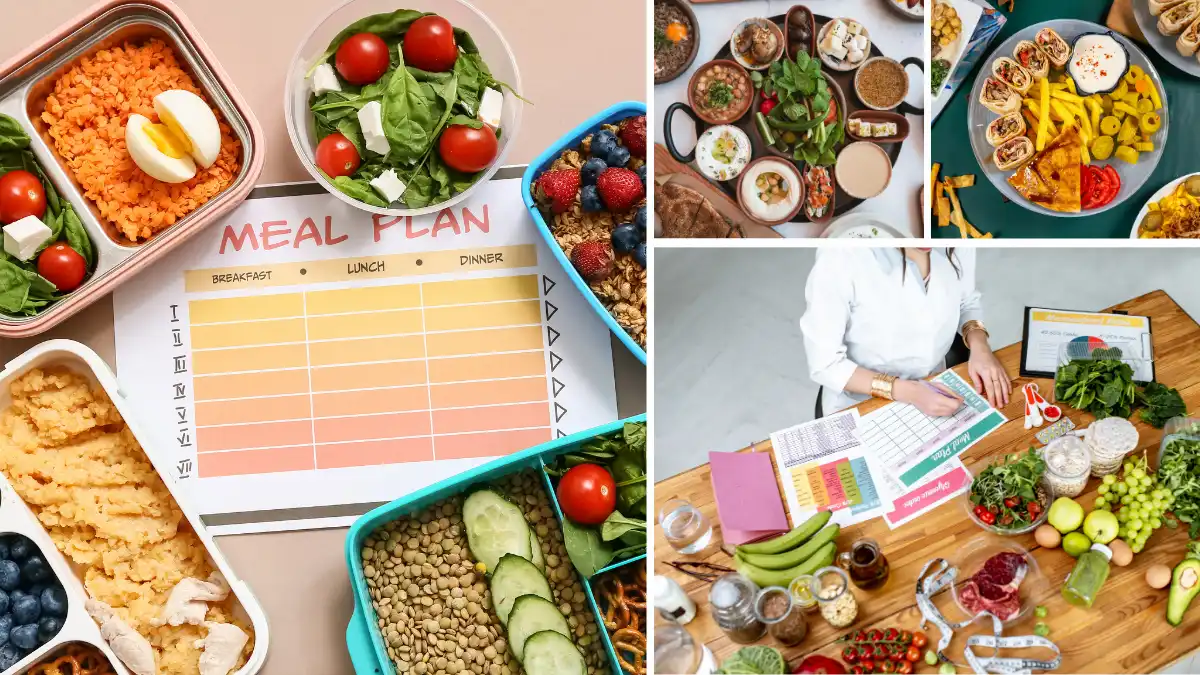
The Best 1,200-Calorie Meal Plan for Quick Weight Loss
Studies show a 1,200-calorie structure can jump-start weight loss in just one week
- All the insights shared here come from my 10+ years of training experience. Talk to your nutritionist or health professional before you start taking any supplements or doing any fitness plan.
- This article contains affiliate links. I may receive a commission if you purchase from them, at no extra cost to you.
Let me be brutally honest with you: I used to think a 1,200-calorie diet was a punishment. It conjured images of tiny salads, relentless hunger, and a grim, white-knuckled battle of willpower. My first attempt was a disaster—a jumble of frozen diet meals and carrot sticks that left me so ravenous by 3 PM that I’d devour a bag of chips, then spiral into guilt. I failed because I had a number (1,200) but no strategy, no understanding of how to make those calories work for me, not against me.
My breakthrough came when I stopped seeing it as a restrictive diet plan for weight loss and started designing it as a precise, nutrient-dense meal plan for nourishment. I learned that 1,200 calories could be either a prison or a toolkit, and the difference lay in the science of satiety, the magic of meal timing, and the art of flavor.
This isn’t about starvation; it’s about strategic allocation. This is the exact, detailed blueprint I used to lose weight steadily, without misery, and—most importantly—to build the healthy habits that made the results last. Consider this your masterclass in engineering a day of food that fuels dramatic change.
Table of contents
Part 1: The Philosophy – Why 1,200 Calories, and Is It Right For You?
Before we dive into the recipes and schedules, we must establish a crucial foundation. A 1,200-calorie meal plan is a powerful tool, but it is not a one-size-fits-all solution.
The Science of the Deficit:
Weight loss fundamentally requires a caloric deficit—burning more energy than you consume. For many sedentary to moderately active women and some men, a 1,200-calorie intake creates a significant enough deficit to promote safe, rapid weight loss (typically 1-2.5 lbs per week).
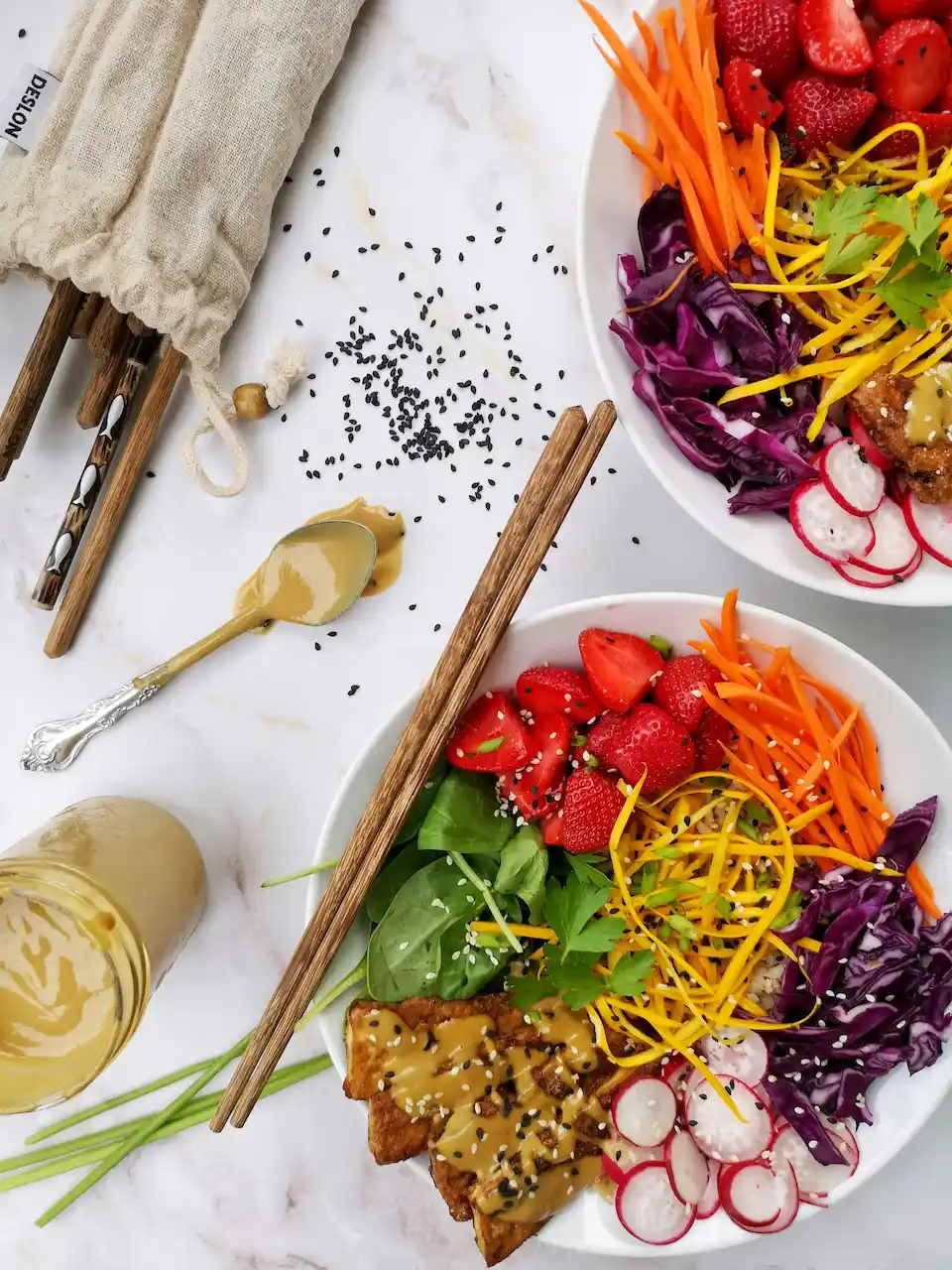
The Non-Negotiable Caveat:
This plan is intended for short-term, jump-start weight loss for individuals with a modest amount to lose. It is not suitable for highly active individuals, athletes, pregnant or breastfeeding women, or those with underlying health conditions.
Consult with a healthcare provider or registered dietitian before starting any restrictive diet. Listening to your body is paramount; extreme hunger, dizziness, or fatigue are signs to stop and reassess.
How This Plan Differs:
Unlike a fad keto diet plan, this approach doesn’t eliminate entire macronutrient groups. Unlike a generic Mediterranean diet meal plan, it provides precise caloric structure. This meal plan for weight loss is built on three pillars:
- Maximized Satiety: Prioritizing protein and fiber to keep you full.
- Nutrient Density: Every calorie must pull its weight in vitamins, minerals, and antioxidants.
- Psychological Sustainability: Including flavors, textures, and even small treats to prevent feeling deprived.
Part 2: The Golden Rules of the 1,200-Calorie Day
Adhering to these rules is what transforms this from a simple calorie count into an effective healthy lifestyle strategy.



- Protein is Your Anchor: Aim for a minimum of 90-100g of protein daily. It’s the most satiating macronutrient, preserves lean muscle mass during weight loss, and has a high thermic effect (you burn calories digesting it).
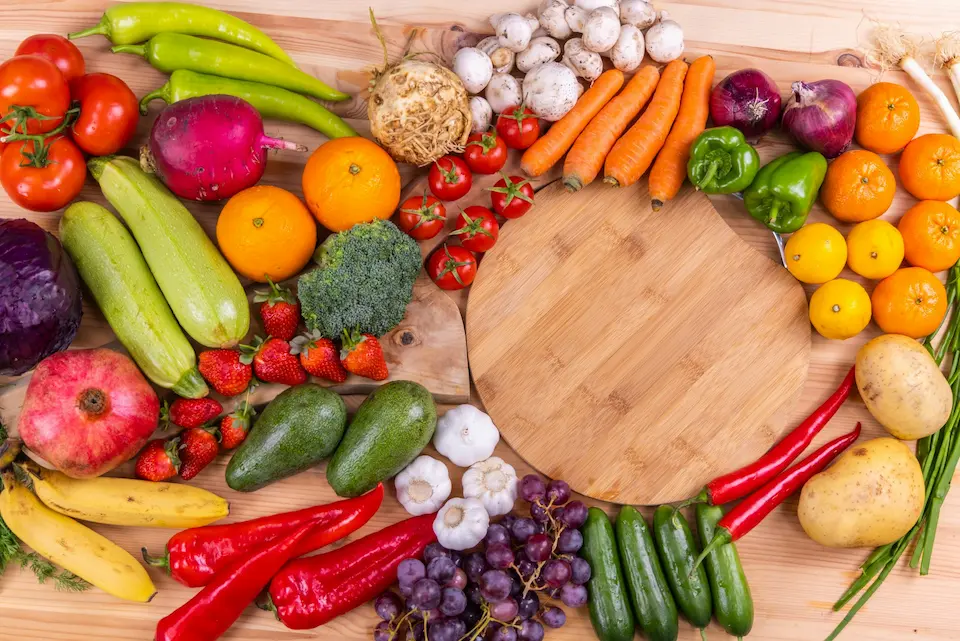
- Vegetables are Free Reign (Almost): Non-starchy vegetables (leafy greens, broccoli, peppers, mushrooms, zucchini) are so low in calories and high in fiber and volume that they can be eaten generously. They fill your plate and your stomach.
- Hydration is Non-Negotiable: Drink 3+ liters of water daily. Often, thirst masks itself as hunger. Herbal teas, black coffee, and sparkling water are your friends.
- Measure & Track (Temporarily): For this to work, you must measure your food with a digital kitchen scale and track your intake using an app like MyFitnessPal or Cronometer for at least the first two weeks. Eyeballing leads to underestimation.
- Prioritize Sleep & Stress Management: Your recovery tips are part of the meal plan. Poor sleep spikes cortisol and ghrelin (the hunger hormone), making adherence feel impossible. Aim for 7-9 hours.
Part 3: The 7-Day Sample Meal Plan – A Week of Delicious, Easy Meals
Here is a complete, actionable week. Each day totals approximately 1,200 calories and is packed with at least 90g of protein. I’ve included options for meal prep to make your week seamless.
Day 1 (Approx. 1,215 calories, 98g protein)
- Breakfast (298 cal): Greek Yogurt Power Bowl. 1 cup (227g) non-fat plain Greek yogurt, 1/2 cup mixed berries, 1 tbsp slivered almonds, sprinkle of cinnamon.
- Lunch (347 cal): Large Garden Salad with Grilled Chicken. 4 oz grilled chicken breast, 3 cups mixed greens, 1 cup chopped veggies (cucumber, bell pepper, cherry tomatoes), 2 tbsp light vinaigrette.
- Dinner (448 cal): Herb-Baked Cod with Roasted Vegetables. 5 oz cod fillet, 1.5 cups roasted broccoli and asparagus (tossed in 1 tsp olive oil, salt, pepper), 1/2 cup cooked quinoa.
- Snack (122 cal): 1 hard-boiled egg and 1 small pear.
Day 2 (Approx. 1,195 calories, 102g protein)
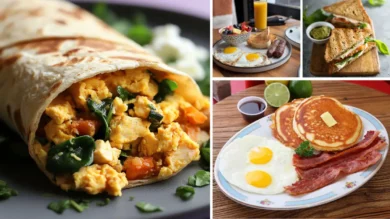
- Breakfast (310 cal): Scrambled Egg Wrap. 2 large eggs scrambled with 1 cup spinach, served in a small whole-wheat tortilla (like La Banderita Carb Counter) with 1 tbsp salsa.
- Lunch (340 cal): Leftover Herb-Baked Cod and quinoa from Dinner Day 1.
- Dinner (395 cal): Turkey & Black Bean Chili. 4 oz 93% lean ground turkey, 1/2 cup canned black beans (rinsed), 1 cup diced tomatoes, chili spices. Top with 1 tbsp plain Greek yogurt.
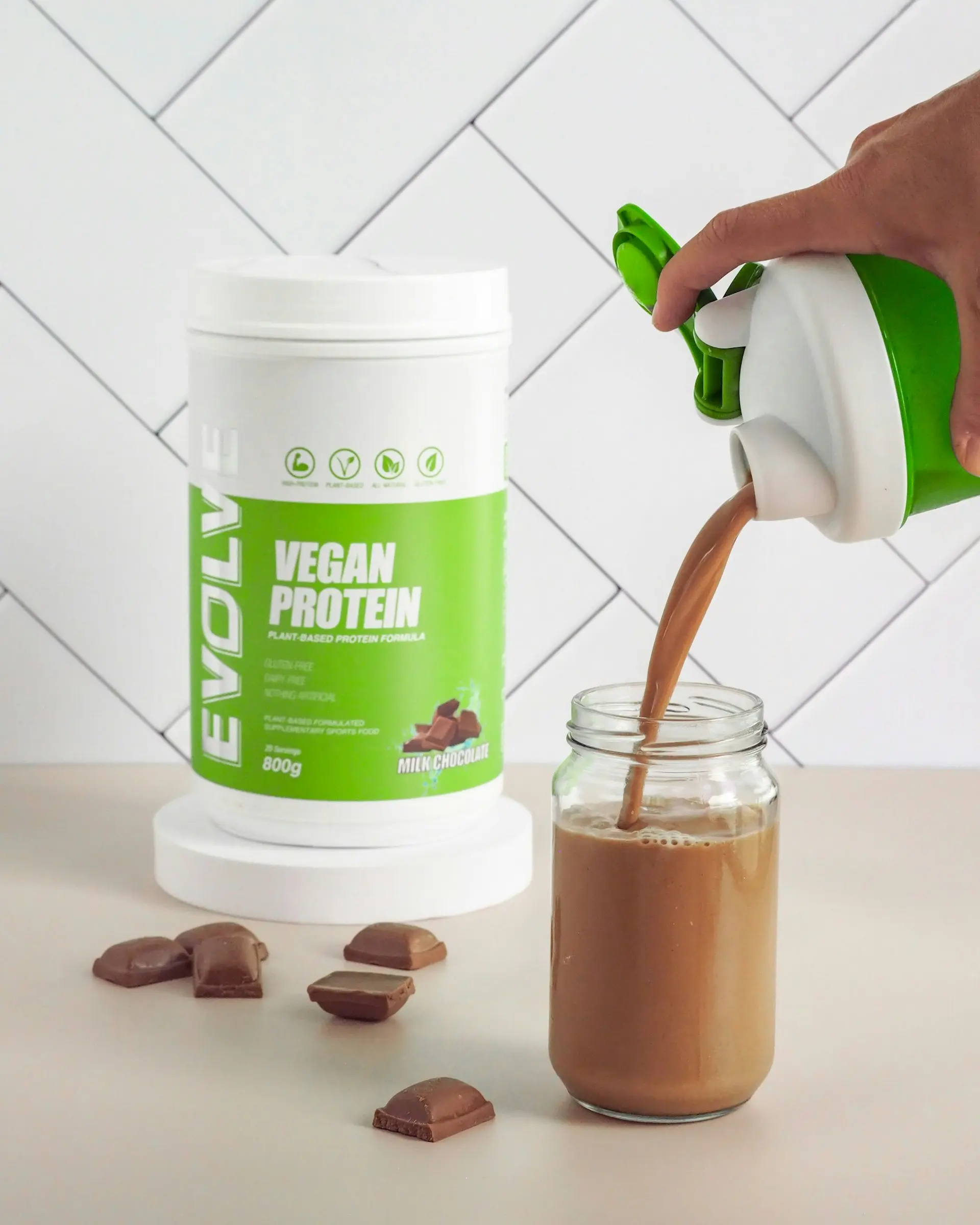
- Snack (150 cal): Protein Shake. 1 scoop protein powder (like Orgain Organic Plant-Based Protein) blended with water and ice.
Meal Prep Tip: Cook a double batch of the turkey chili for easy leftovers. A good set of portion-controlled containers is essential for this. I rely on these Glass Meal Prep Containers because they don’t stain and are microwave-safe.
Day 3 (Approx. 1,210 calories, 95g protein)
- Breakfast (295 cal): Repeat Greek Yogurt Power Bowl.
- Lunch (365 cal): Leftover Turkey Chili.
- Dinner (420 cal): Sheet Pan Lemon-Herb Chicken & Veggies. 5 oz chicken breast, 1.5 cups chopped zucchini, bell pepper, and red onion tossed in 1 tsp olive oil and lemon juice.
- Snack (130 cal): 1/2 cup cottage cheese (2%) with a sprinkle of everything bagel seasoning.
Day 4 (Approx. 1,200 calories, 101g protein)
- Breakfast (310 cal): Repeat Scrambled Egg Wrap.
- Lunch (340 cal): Leftover Sheet Pan Chicken & Veggies.
- Dinner (450 cal): Shrimp & Shirataki Noodle Stir-Fry. 5 oz shrimp, 1 bag of shirataki noodles (rinsed well), 2 cups stir-fry veggies, 1 tbsp low-sodium soy sauce or coconut aminos.
- Snack (100 cal): 1 small apple with 1 tbsp natural peanut butter.
Day 5 (Approx. 1,190 calories, 92g protein)
- Breakfast (298 cal): Repeat Greek Yogurt Power Bowl.
- Lunch (347 cal): Repeat Large Garden Salad with Grilled Chicken.
- Dinner (415 cal): Lean Beef & Broccoli. 4 oz lean sirloin strips, 2 cups broccoli florets, light sauce made with garlic, ginger, soy sauce, and a teaspoon of cornstarch. Serve over 1/2 cup cauliflower rice.
- Snack (130 cal): A quality protein bar. Look for one with >15g protein and <5g sugar, like RXBAR Protein Bars.
Day 6 (Approx. 1,220 calories, 96g protein)
- Breakfast (320 cal): Protein Smoothie. 1 scoop protein powder, 1 cup unsweetened almond milk, 1 cup spinach, 1/2 frozen banana.
- Lunch (400 cal): Leftover Beef & Broccoli over cauliflower rice.
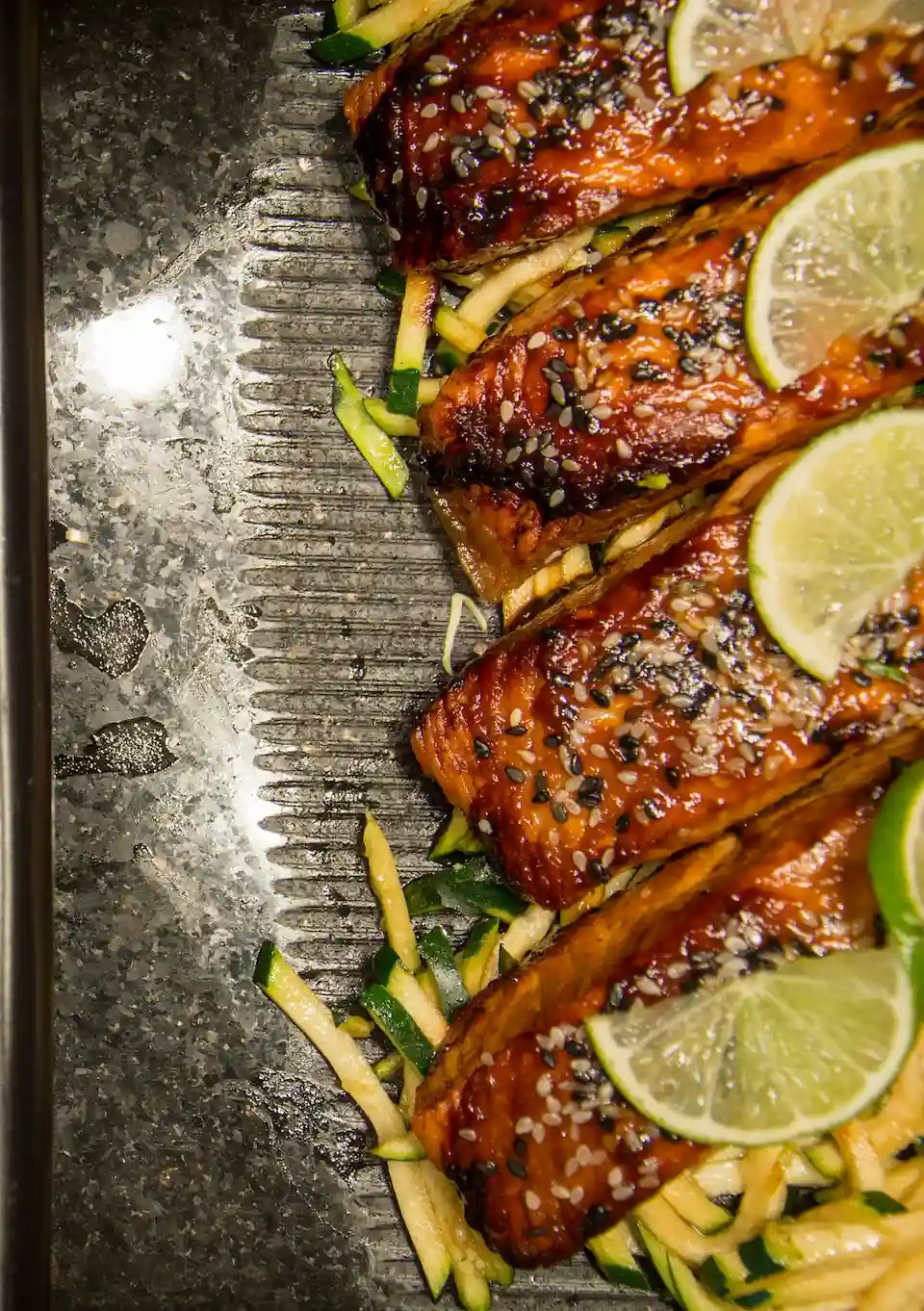
- Dinner (400 cal): Baked Salmon & Asparagus. 5 oz salmon fillet, 1 bunch asparagus (roasted with lemon), large side salad with 1 tbsp vinaigrette.
- Snack (100 cal): 1 cup sliced cucumber and 2 tbsp hummus.
Day 7 (Approx. 1,205 calories, 90g protein)
- Breakfast (310 cal): Repeat Scrambled Egg Wrap.
- Lunch (345 cal): Leftover Baked Salmon with a side salad.
- Dinner (450 cal): Turkey-Stuffed Bell Peppers. 2 medium bell peppers stuffed with a mixture of 4 oz lean ground turkey, 1/4 cup cooked brown rice, tomatoes, and spices, baked until tender.
- Snack (100 cal): 1 square (10g) of dark chocolate (85% cocoa) and a handful of berries.
Part 4: Building Your Own Plate – The Flexible Formula
Once you’re comfortable, you can build endless healthy meals for weight loss using this simple template:
- Protein (1-2 palms): 20-30g per meal. (Chicken, fish, turkey, lean beef, eggs, tofu, tempeh).
- Vegetables (2+ fists): Unlimited non-starchy veggies.
- Smart Carb (0-1 cupped hand): Optional, based on calories. (Quinoa, sweet potato, brown rice, beans, berries).
- Healthy Fat (0-1 thumb): Optional, add for satiety. (Avocado, olive oil, nuts, seeds).
Example Build:
Grilled chicken (protein) + massive spinach salad with cucumbers and tomatoes (veggies) + 1/3 cup chickpeas (smart carb) + 1/4 avocado sliced (healthy fat).
Part 5: Essential Kitchen Tools & Grocery List
To execute this meal plan efficiently, a few tools are invaluable:
- Digital Food Scale: This is your #1 most important tool. Accuracy is everything. The Etekcity Digital Kitchen Scale is affordable and precise.
- Good Non-Stick Pans: Makes cooking with minimal oil easy. I love my GreenPan Ceramic Non-Stick Skillet.
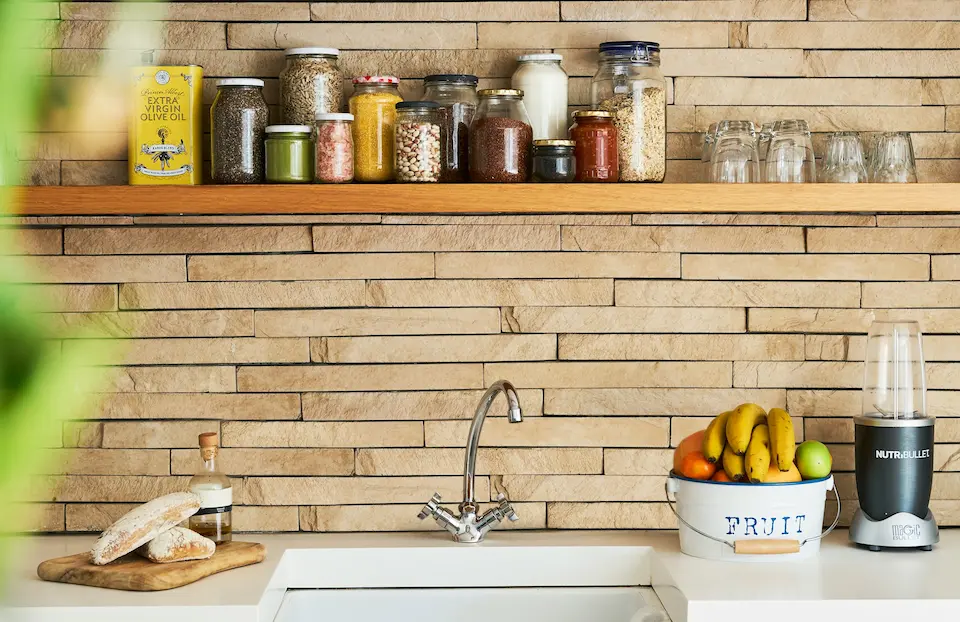
- High-Speed Blender: For smoothies, sauces, and soups. The NutriBullet Pro 900 is a powerhouse for the price.
- Spiralizer or Veggie Chopper: For making zucchini noodles or quickly dicing veggies.
- Quality Storage Containers: For meal prep. The glass ones linked earlier are perfect.
Weekly Grocery Staples:
- Produce: Spinach, mixed greens, broccoli, bell peppers, onions, zucchini, cucumbers, berries, lemons.
- Protein: Chicken breast, eggs, non-fat Greek yogurt, lean ground turkey, a white fish (cod/tilapia), shrimp, cottage cheese.
- Pantry: Canned black beans, diced tomatoes (no salt added), quinoa, rolled oats, protein powder, olive oil spray, spices.
FAQs – Navigating Your 1,200-Calorie Journey
Will I be hungry on this meal plan?
The first 2-3 days may involve an adjustment period. However, the high protein, fiber, and water intake are specifically designed to maximize satiety. If you are consistently, painfully hungry, consider adding 100-200 calories from an extra serving of vegetables or lean protein. This plan should be sustainable, not torturous.
How does this compare to a keto diet plan?
A keto diet plan is high-fat, moderate-protein, and very low-carb (<50g net carbs), forcing the body into ketosis. This plan is moderate-protein, moderate-carb, and low-fat.
It’s less restrictive in food choices (allowing fruits, beans, whole grains) and is generally easier to maintain socially. Both can be effective, but this approach focuses on calorie density and satiety rather than macronutrient manipulation.
Can I exercise on 1,200 calories?
Yes, but listen to your body. Light to moderate exercise (walking, yoga, light weights) is encouraged. If you plan intense, long-duration workouts (e.g., heavy lifting, long-distance running), you may need to add a 100-200 calorie pre- or post-workout snack (e.g., a banana, half a protein bar) to fuel performance and recovery.
Recovery tips like proper sleep become even more critical.
Is this a long-term diet plan for weight loss?
This specific 1,200-calorie structure is best for a short-term jump-start (4-12 weeks). Once you near your goal weight, you should transition to a meal plan at your estimated maintenance calories (often 1,600-2,000+ for women) to solidify your healthy lifestyle and prevent metabolic adaptation and regain.
I’m a vegetarian/vegan. Can I adapt this?
Absolutely. The principles remain the same: hit your protein goal (using tofu, tempeh, seitan, lentils, protein powder), load up on vegetables, and include smart carbs. A sample swap: replace 5 oz chicken with 1 cup of cooked lentils or a 5 oz block of extra-firm tofu.
What about drinks?
Stick to water, black coffee, herbal tea, and sparkling water. Avoid all liquid calories (soda, juice, sweetened coffee drinks, alcohol). They provide no satiety and blow your calorie budget instantly.
I have a social event. What do I do?
Live your life! This is a healthy lifestyle, not a life sentence. Use these strategies:
- Bank Calories: Eat lighter meals earlier in the day (e.g., a big salad for lunch).
- Be Strategic: At the event, fill your plate with lean proteins and vegetables first.
- Enjoy Mindfully: Have a small portion of what you truly want, savor it, and get right back on track at the next meal. No guilt, no spiral.
Your Toolkit for Transformation
This 1,200-calorie meal plan for weight loss is more than a list of foods. It’s a lesson in nutritional efficiency. It teaches you that volume, protein, and flavor are your allies. It proves that healthy meals for weight loss can be colorful, satisfying, and something you look forward to.
The greatest gift this plan gave me wasn’t just the weight I lost; it was the education. I learned what 30 grams of protein actually looks like. I learned how vegetables can transform a plate. I learned that my body responds beautifully to consistent, clean fuel.
Start by committing to one week. Prep your meals, weigh your portions, drink your water. Observe how your energy, cravings, and even your sleep begin to shift. You are not just following a diet plan for weight loss; you are mastering the fundamentals of a healthy lifestyle. You have the blueprint. Now, go build your success, one delicious, intentional meal at a time.