How to Build a Simple Everyday Outfit That Always Looks Good
A minimalist approach that guarantees style without overthinking

Let me paint you a picture of my former morning routine: a closet overflowing with clothes, yet nothing to wear. I’d stare at the chaos, trying on five different tops, feeling frustrated and late. My style was a collection of random pieces that almost worked, leaving me feeling perpetually “meh.”
The turning point came on a day I was running late for a meeting. In a panic, I grabbed a simple black crewneck tee, my best-fitting jeans, a tailored blazer, and the only shoes by the door—clean white sneakers. I threw it on and ran out.
Something unexpected happened. Not only was I on time, but I received three separate compliments on my look. A colleague said, “You always look so put-together.” That was the lightbulb moment. I realized I had accidentally created the perfect everyday outfit: simple, cohesive, and authentically me.
That frantic morning taught me that looking good isn’t about having more clothes; it’s about having the right clothes and understanding a few foundational principles.
This guide is the culmination of years spent deconstructing style. It’s the system I built for myself to eliminate decision fatigue and feel confident every single day, whether I’m running errands, heading to a casual office, or meeting friends for coffee.
Table of contents ⇅
Part 1: The Philosophy – Why Less is Infinitely More
Before we touch a single garment, we need to shift our mindset. Everyday fashion shouldn’t be a complex puzzle. It should be a reliable, personal uniform that makes you feel like the best version of yourself.
The Core Principles of a Great Everyday Outfit:
- Comfort is King (and Queen): If you’re physically uncomfortable, it shows. Your confidence shrinks. An everyday outfit must allow you to move, breathe, and live your life. This doesn’t mean sloppy sweatpants (unless that’s your goal!), but rather fabrics that feel good and fit that flatter without constricting.
- Fit is Non-Negotiable: This is the single most important factor. A $20 T-shirt that fits your shoulders, bust, and waist perfectly will look infinitely more expensive than a $200 designer top that’s too tight or baggy. Most of us need a tailor. It’s the best investment you can make in your wardrobe.
- Color as Your Secret Weapon: You don’t need a rainbow. A curated, cohesive color palette is the backbone of a versatile closet. It ensures everything works together, making getting dressed intuitive.
- The “Third Piece” Rule: This is the magic trick. A basic outfit (top + bottom) becomes a style when you add a “third piece.” Think: a jacket, a cardigan, a statement belt, a patterned scarf, or a great piece of jewelry. It adds depth, intention, and polish.
My goal is to help you build a collection of women’s casual outfits that feel intentional, not accidental. Let’s start by building the foundation.
Part 2: The Foundation – Building Your Essential Capsule
Think of this as your style toolkit. These are the neutral, high-quality pieces that will form 80% of your casual everyday outfits. Invest wisely here.
The Top Tier: Bottoms
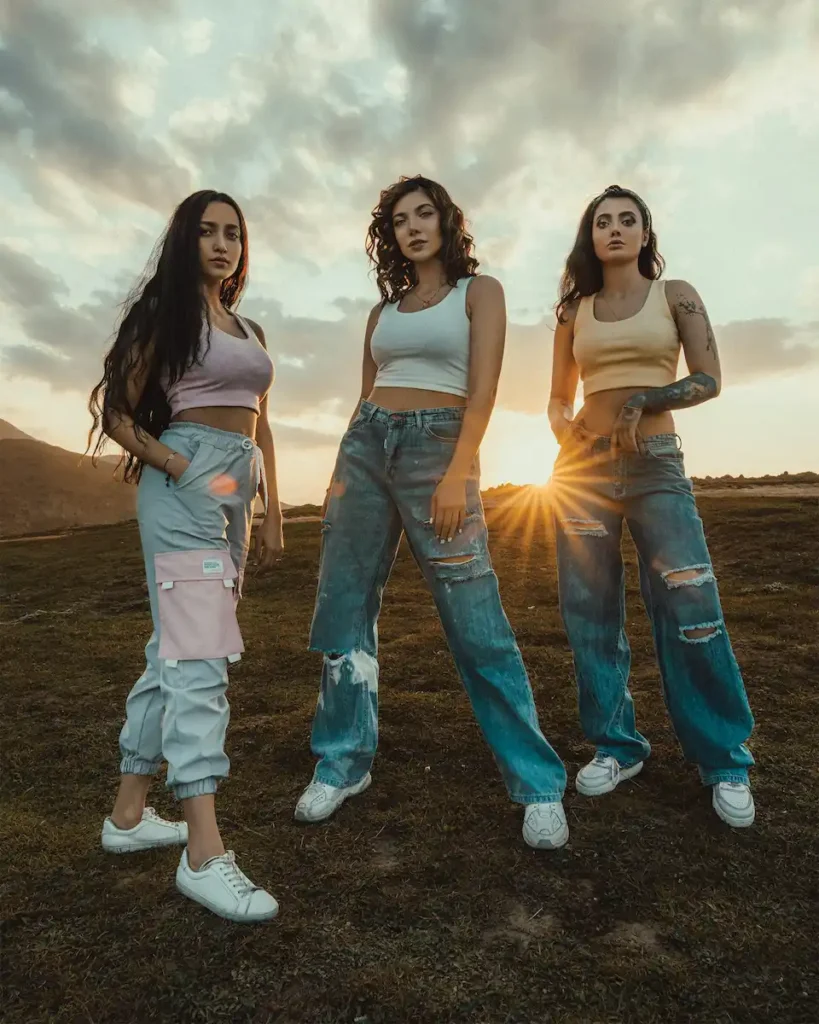
- The Perfect Jean: Find one style that makes you feel incredible. For most, this is a straight leg or a slight flare in a dark, medium, or classic blue wash. It should skim your body, not squeeze it. This is your workhorse.
- Tailored Trousers: A pair of trousers in a neutral color (black, navy, cream, or olive) that are cut like dress pants but in a comfortable fabric like ponte knit or a soft wool blend. They bridge the gap between casual and smart.
- A Quality Legging or Jegging: For ultra-casual days, a high-waisted, opaque legging in a performance fabric (not thin cotton!) looks polished with longer tops and sweaters.
The Building Blocks: Tops
- The Classic White Tee: Several of them. In a slightly structured cotton or a soft cotton-jersey blend. Crewneck and V-neck options. This is the cornerstone of women’s casual fashion.
- The Simple Sweater: A fine-gauge merino wool or cotton sweater in a neutral. A crewneck or a V-neck is endlessly versatile. For winter fashion, you can add chunkier knits.
- The Silk (or Silk-like) Blouse: A sleeveless or short-sleeve shell in a solid color. It instantly elevates jeans or trousers and feels luxurious against the skin.
- The Button-Down: A relaxed-fit cotton or linen shirt in white or blue stripe. It can be worn on its own, open as a light layer, or knotted at the waist.
The Polish: Layers & Outerwear
- A Structured Blazer: In a neutral color (navy, black, or tweed). Even thrown over a tee and jeans, it pulls everything together.
- A Leather or Faux-Leather Jacket: The ultimate cool-girl piece that adds edge to any simple outfit.
- A Trench Coat or Wool Coat: For cooler months, a classic cut in beige, black, or camel is the final, sophisticated layer that ties any everyday outfit together.
- A Cardigan: A long, duster-style cardigan in a solid neutral is the perfect cozy third piece.
Finishing Touches: Footwear & Accessories
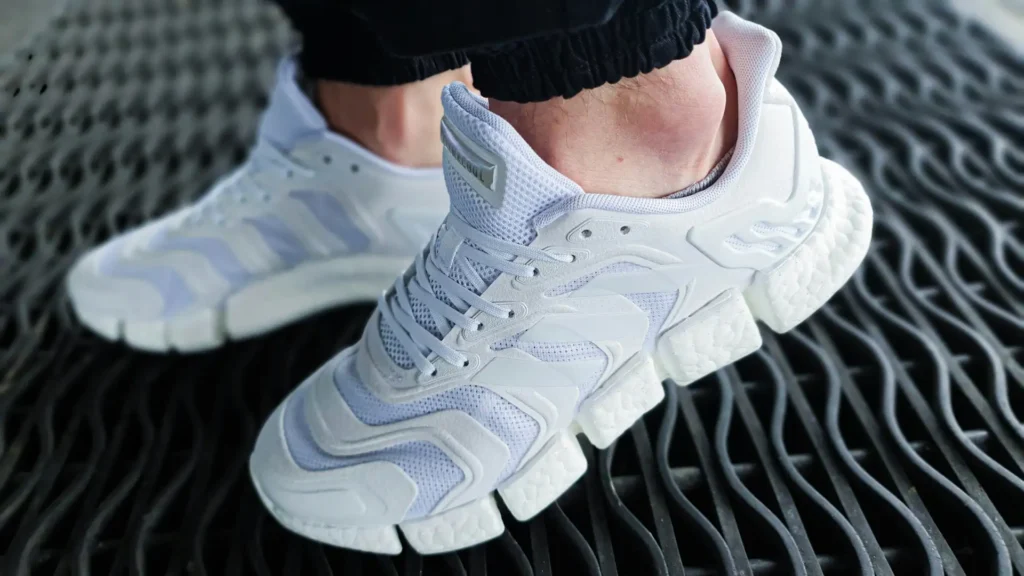
- Clean White Sneakers: The universal signifier of chic, casual style.
- A Flat or Loafers: A leather loafer or ballet flat adds a touch of refinement.
- Ankle Boots: For fall and winter, a sleek black or brown leather ankle boot works with everything.
- Simple Jewelry: A delicate necklace, small hoop earrings, and a simple watch or bracelet. These should feel like part of you.
- Two Bags: A crossbody bag for hands-free days and a structured tote for when you need to carry more.
Building this foundation takes time. Don’t buy it all at once. Seek out quality over quantity. A resource I’ve found invaluable for finding specific, well-reviewed basics is browsing trusted brands on Amazon.
For instance, when I needed a perfectly thick white tee, I searched for “heavyweight cotton crewneck” and found a winner that became a staple. You can explore a great selection of these foundational tops here: Women’s Premium Cotton T-Shirts.
Part 3: The System – Creating Outfits in 5 Minutes or Less
Now, for the fun part. With your foundation in place, getting dressed becomes a simple formula. Here’s my mental flowchart for creating a perfect everyday outfit:
Step 1: Start with the “Anchor”
What do you feel like wearing today? Is it your favorite jeans? Start there. Craving the comfort of your tailored trousers? Begin with those. Your anchor is the piece you’re most drawn to.
Step 2: Add a Complementary Top
This is where your color palette shines. If your anchor is a pattern or a color, choose a neutral top. If your anchor is neutral (like jeans), you can choose a neutral top for a tonal look, or add a pop of color/pattern from your palette.
Step 3: Apply the “Third Piece” Rule
Look at your top and bottom. Do they need structure? Add the blazer. Need warmth and coziness? The duster cardigan. Want to look instantly sharper? Throw on the leather jacket. This step transforms the outfit.
Step 4: Choose Footwear Based on Vibe & Activity
Running errands? White sneakers. Casual meeting? Loafers or ankle boots. This choice solidifies the outfit’s intention.
Step 5: Add Minimal, Intentional Accessories
Put on your everyday jewelry. Choose your bag. Maybe add a silk scarf to the neck of your tee or tie it to your bag.




Example in Action:
- Anchor: Dark wash straight-leg jeans.
- Top: Black crewneck tee.
- Third Piece: Beige structured blazer.
- Shoes: Black leather loafers.
- Accessories: Gold hoop earrings, a delicate chain necklace, a black crossbody bag.
- Result: A chic, pulled-together women’s outfit’s casual look that took 60 seconds to conceive.
Part 4: Seasonal Adaptations – Year-Round Versatility
Your everyday outfit formula should be adaptable. Here’s how to tweak it for the weather while maintaining your style.
Summer: The Era of Ease
- Swap Bottoms: Jeans for linen trousers, midi skirts, or tailored shorts.
- Embrace Dresses: A casual dress for summer is the ultimate one-and-done everyday outfit. Look for shapes like a shirt dress, a simple slip dress, or a breezy smock in cotton or linen. For a sexy casual dress moment, a body-conscious knit midi dress can be stunning with sneakers or sandals for a balanced look.
- Lighter Layers: A linen shirt worn open over a tank, or a light cotton cardigan.
- Footwear: Sandals (strappy or sporty), espadrilles, or breathable sneakers.
- A summer essential I live in is a linen-blend shirt dress. It’s cool, covers enough for errands, and looks incredibly elegant. Finding the right one involved looking for “breathable” and “wrinkle-resistant” fabrics. You can find a variety of excellent options here: Linen & Cotton Shift Dresses.

Winter: The Art of Layering
- Base Layers: Silk or merino wool camisoles and turtlenecks under your tees and sweaters.
- Heavier Knits: This is where chunky sweaters, turtlenecks, and cardigans shine as your “third piece.”
- The Power Coat: Your trench or wool coat becomes the ultimate final layer.
- Footwear: Boots, boots, boots! Ankle boots, knee-high boots with jeans tucked in, and waterproof options for slushy days.
- Accessories: A warm beanie, a substantial scarf, and leather gloves in coordinating neutrals.
- A game-changer for me was investing in thin, warm base layers. A merino wool turtleneck that fits seamlessly under sweaters is a winter fashion secret weapon. They’re surprisingly affordable and prevent the need for bulky layers. I found my favorites by searching for “women’s thermal base layer thin.” Check them out here: Women’s Merino Wool Base Layers.
Part 5: Advanced Moves – Taking Your Basics to the Next Level
Once you’ve mastered the formula, play with these concepts to create cute everyday outfits with even more personality.
- Play with Texture: This is how you make an all-neutral outfit sing. Pair a chunky knit (texture) with sleek leather pants (shine) and a silk cami (softness). Combine a linen blazer (woven) with a cotton tee (jersey) and denim (twill).
- Use Color Strategically: If your base is neutral (black, white, beige, denim), add one color. A burgundy sweater. An emerald green bag. A pop of cobalt blue in your shoes.
- The Power of Proportions: Balance volumes. If you wear a loose, oversized top, pair it with a slim or straight-leg bottom. A wide-leg trouser looks best with a more fitted top. This creates a flattering silhouette.
Don’t Miss Out

- Don’t Fear the “One-and-Done”: A great dress is the simplest everyday outfit. Throw it on, add your third piece (a denim jacket, a belt), your shoes, and go. A versatile black dress is a cornerstone. To find one that’s both comfortable and stylish, I look for keywords like “knit midi dress” or “stretch jersey dress.” Explore options here: Women’s Versatile Midi Dresses.
Part 6: Maintenance & Mindset – The Key to Longevity
Your wardrobe is a living system. To keep it working for you:
- The One-In, One-Out Rule: When you buy a new foundational piece, consider donating an old one. This prevents closet creep.
- Quality Care: Learn how to properly wash (cold water, gentle cycle, hang dry when possible) and store your clothes. It extends their life dramatically.
- The Seasonal Edit: Twice a year, do a quick review. Does it fit? Have I worn it in the last year? Does it fit my current lifestyle and color palette? Be ruthless.
- Your Style is Your Own: Use this system as a framework, not a prison. Your personality should shine through in your choices—a vintage band tee, a piece of heirloom jewelry, a quirky sock. That’s what makes it yours.

Finally, a note on confidence. The most important accessory is how you carry yourself. A simple everyday outfit that fits well and feels good will give you a foundation of confidence that radiates outward. Standing up straight, making eye contact, and moving with ease will make any outfit look a million times better.
A small but impactful tool that helps me maintain my clothes is a good fabric shaver. Sweaters and knits pill over time, making them look old. A quick pass with a fabric shaver restores them to like-new condition in minutes. It’s one of my most-used style tools: Fabric Shaver and Lint Remover.
Frequently Asked Questions
I’m on a tight budget. How can I build this wardrobe?
Focus on the one perfect version of each essential, and acquire them slowly. Shop secondhand (The RealReal, ThredUp, local consignment) for higher-quality items like blazers, leather jackets, and silk tops. Fast-fashion retailers can be good for basics like plain tees and tanks, but inspect the fabric and stitching carefully. Remember, one $100 sweater you wear 100 times is cheaper per wear than five $20 sweaters you never reach for.
What if my workplace is very casual (like jeans and hoodies)?
The system still works! Your “third piece” might be a super-cool, high-quality hoodie or a sleek bomber jacket. Your footwear choice (clean, stylish sneakers) and well-fitting, dark-wash jeans will still set you apart. It’s about intentionality within the casual framework.
How do I find my personal color palette?
Look in your closet. What colors do you already own and wear most often? What colors do you receive compliments in? A simple start is the “seasonal” analysis (warm/soft, warm/bright, cool/soft, cool/bright), but you can also just notice: do you gravitate toward earthy tones (olive, rust, cream), neutrals (black, white, grey), or jewel tones (emerald, sapphire)? Build from there.
Help! I hate ironing. Are there low-maintenance fabrics?
Absolutely. Look for:
- Ponte Knit: For pants, skirts, and blazers. It’s structured but stretchy and rarely wrinkles.
- Merino Wool & Fine-Gauge Knits: Wrinkle-resistant and odor-resistant.
- Modern Synthetics: Performance blends often have wrinkle-resistant properties. Just check the care label.
- Embrace the “Lived-In” Look: A little wrinkle in linen or cotton is part of its charm. A handheld steamer is a quicker, easier alternative to ironing. I use mine every single day: Handheld Garment Steamer.
How many of each essential do I really need?
Start with one perfect version. See how often you wear it. If you find yourself laundering it constantly, then consider getting a second in the same or a similar color. You might need 5-7 basic tees/tanks, 2-3 sweaters, 1-2 perfect jeans, 1 pair of trousers, etc. Let your lifestyle dictate the quantities.
Building a simple everyday outfit that always looks good is not about achieving some unattainable, fashion-magazine perfection. It’s about creating a personal toolkit that serves you, reduces stress, and bolsters your confidence from the moment you get dressed.
It starts with the radical idea that you already have enough—or that you can intentionally build enough. It continues with the understanding that fit, fabric, and a simple formula are more powerful than any fleeting trend. It ends with you, walking out the door, feeling effortlessly like yourself, ready for whatever the day brings.
Forget the overcrowded closet and the morning panic. Embrace the clarity of a few great pieces combined with intention. Start today. Pick one item in your closet that almost fits and get it tailored. Identify one missing essential and seek out a quality version. The path to effortless style is a series of small, smart decisions. You’ve got this. Now go build your perfect uniform.