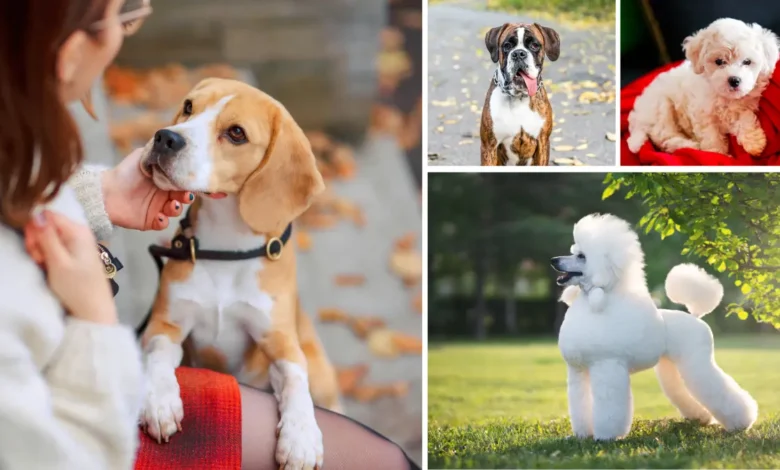

+10 Best Dog Breeds for Families and First-Time Owners
Scientifically known as stress reducers, these dogs fit perfectly into family life
- This article contains affiliate links. I may receive a commission if you purchase from them, at no extra cost to you.
I’ll never forget the day I brought home my first dog. I was a nervous wreck, armed with a bag of kibble and a heart full of love, but completely clueless. I had chosen a breed based on looks alone, and let’s just say, our energy levels did not match. It was a steep learning curve, but it taught me the most important lesson about bringing a dog into your life: choosing the right dog breeds for your lifestyle is everything.
A dog isn’t just a pet; it’s a new family member. For families with kids or first-time owners, the stakes feel even higher. You want a companion that’s patient, loyal, and doesn’t require a PhD in canine psychology to manage.
After years of experience, countless conversations with veterinarians and breeders, and learning from my own mistakes, I’ve curated this list of the best dog breeds for those starting their journey. These are breeds known for their forgiving nature, trainability, and loving hearts. Let’s find your perfect four-legged match.
Table of contents
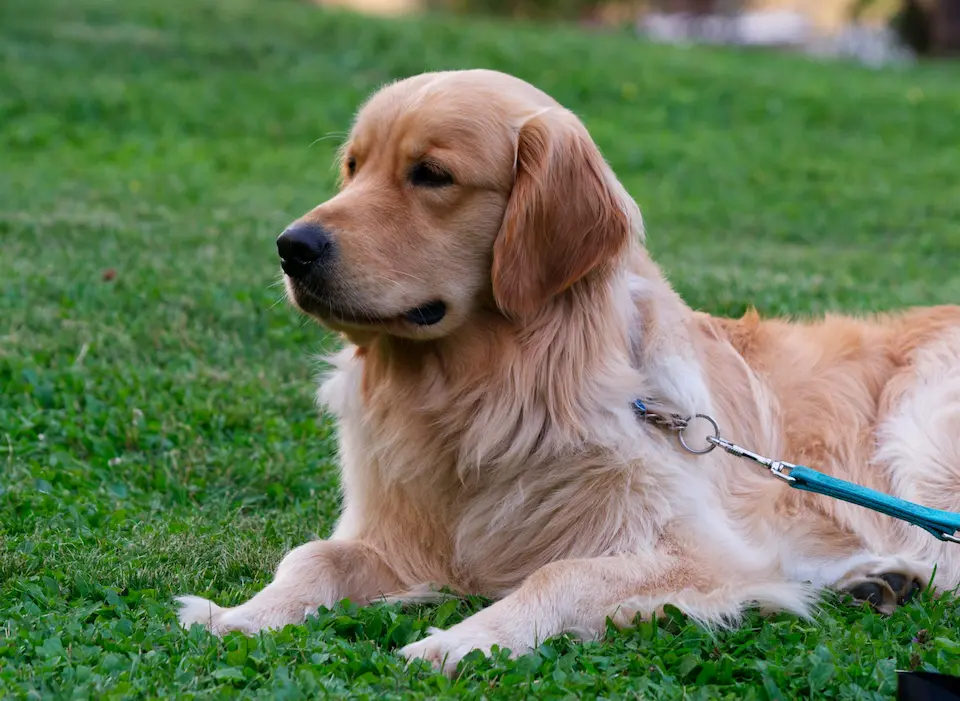
1. The Golden Retriever: The Quintessential Family Dog
If there was a textbook definition of a perfect family dog, the Golden Retriever would be it. I’ve never met a Golden who didn’t have a perpetual smile and a wagging tail.
My Personal Experience:
My childhood best friend had a Golden named Sunny. He was the neighborhood dog—patient with toddlers, gentle with the cat, and always up for a game of fetch. He had this innate sense of kindness that put everyone at ease.
Why They’re Great for Families & First-Timers:
Their temperament is legendary. They are intelligent, eager to please (making them relatively easy to train), and incredibly patient with children. They are social butterflies who get along with people, other dogs, and even cats.
Key Characteristics:
- Size: Large
- Temperament: Friendly, Intelligent, Devoted
- Energy Level: Moderate to High. They need daily exercise to stay happy and healthy.
- Grooming: Regular brushing is needed to manage their beautiful, shedding double coat.
Considerations:
They are prone to shedding and require consistent grooming. Their love for people means they can suffer from separation anxiety if left alone for too long.
Best For:
Active families who have the time for daily walks and play sessions.




- Amazon Must-Have: A slicker brush and undercoat rake is essential for keeping their luxurious coat tangle-free and reducing shedding around the house.
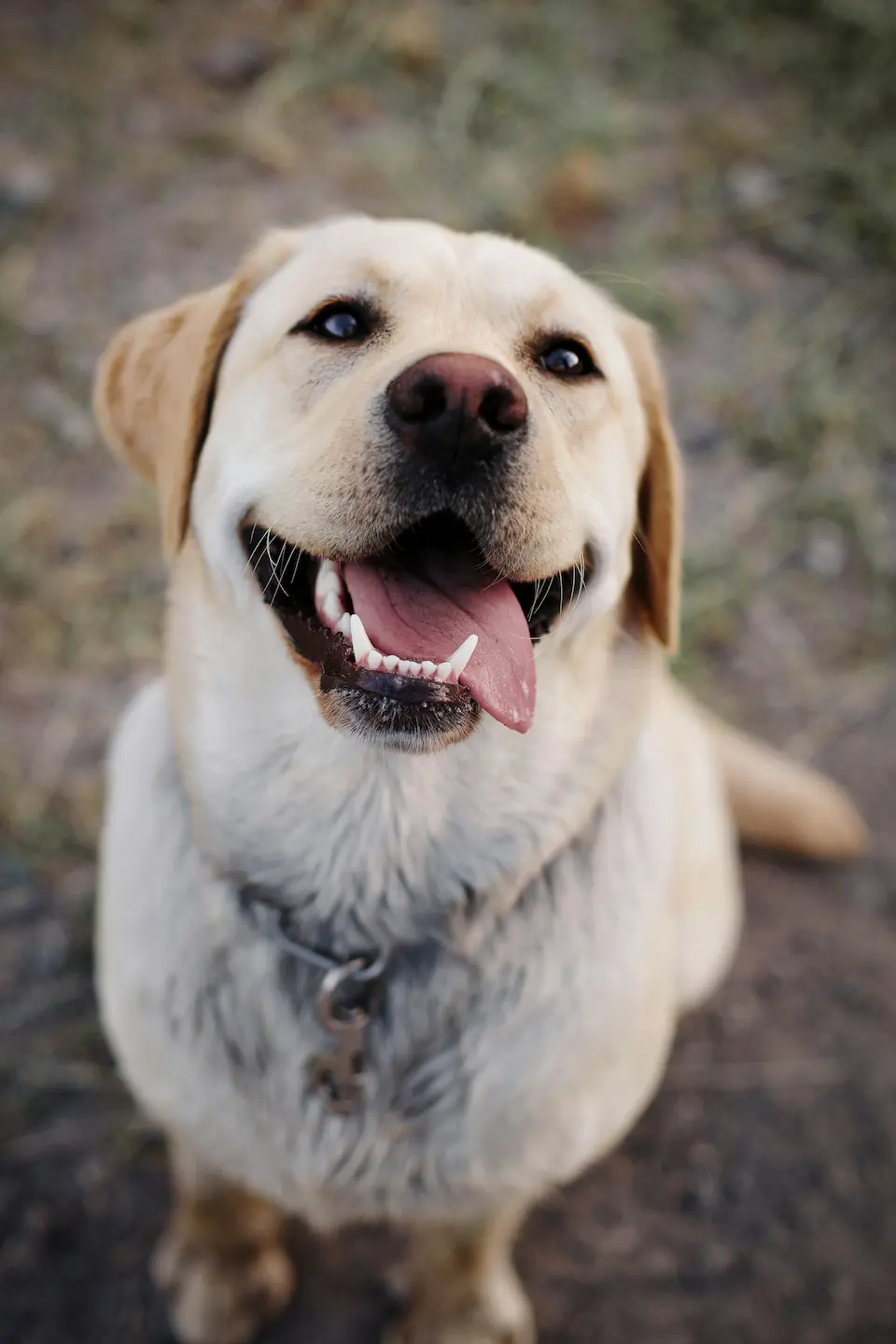
2. The Labrador Retriever: The Energetic Best Friend
The Lab is consistently the most popular dog breeds in many countries for a reason. They are the all-American, happy-go-lucky dogs with a heart of gold.
My first successful dog ownership was with a black Lab named Buddy. He was my shadow. Labs have a joyful, sometimes goofy, enthusiasm for life that is absolutely contagious. He needed his daily runs, but his trainability and food motivation made him a dream to teach.
Why They’re Great for Families & First-Timers:
Their stable and outgoing personality makes them fantastic with kids. They are highly trainable and often used as service dogs because of their intelligence and willingness to work.
Key Characteristics:
- Size: Large
- Temperament: Outgoing, Even Tempered, Gentle
- Energy Level: High. A bored Lab is a destructive Lab, so plenty of exercise is non-negotiable.
- Grooming: Short, easy-care coat, but they are known shedders.
Considerations:
They have a voracious appetite and can easily become overweight. Their high energy level in puppyhood and adolescence requires a committed owner.
Best For:
Active individuals or families with a yard who can provide ample playtime.
- Amazon Must-Have: A high-quality, durable fetch toy is a must to help burn off their endless energy.
3. The Cavalier King Charles Spaniel: The Loving Lapdog
For those who want a more low-key companion, the Cavalier is a little bundle of pure affection. They are the ultimate “velcro dog” in the best way possible.
I dog-sat a Cavalier named Bella for a summer. She was the sweetest, most gentle soul I’ve ever encountered. She was content to cuddle on the couch for hours but was always up for a leisurely stroll around the neighborhood. Her small size made her perfect for apartment living.

Why They’re Great for Families & First-Timers:
Their sole purpose in life seems to be to love and be loved. They are incredibly gentle, patient, and get along with everyone. Their small size makes them manageable, and they are typically less yappy than other small dog breeds.
Key Characteristics:
- Size: Small
- Temperament: Affectionate, Gentle, Graceful
- Energy Level: Low to Moderate. A few short walks and some playtime will suffice.
- Grooming: Their silky coat requires regular brushing to prevent mats.
Considerations:
They are prone to certain genetic health issues, particularly heart problems, so it’s crucial to find a reputable breeder. They can be sensitive and do not respond well to harsh training methods.
Best For:
Families with older children or quieter households, and those living in apartments.
- Amazon Must-Have: A soft, comfortable dog bed in your main living area gives them the cozy spot they deserve for their many naps.
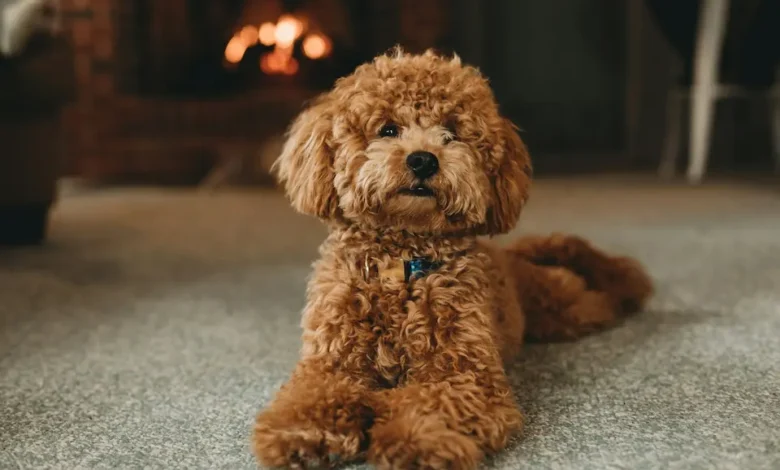
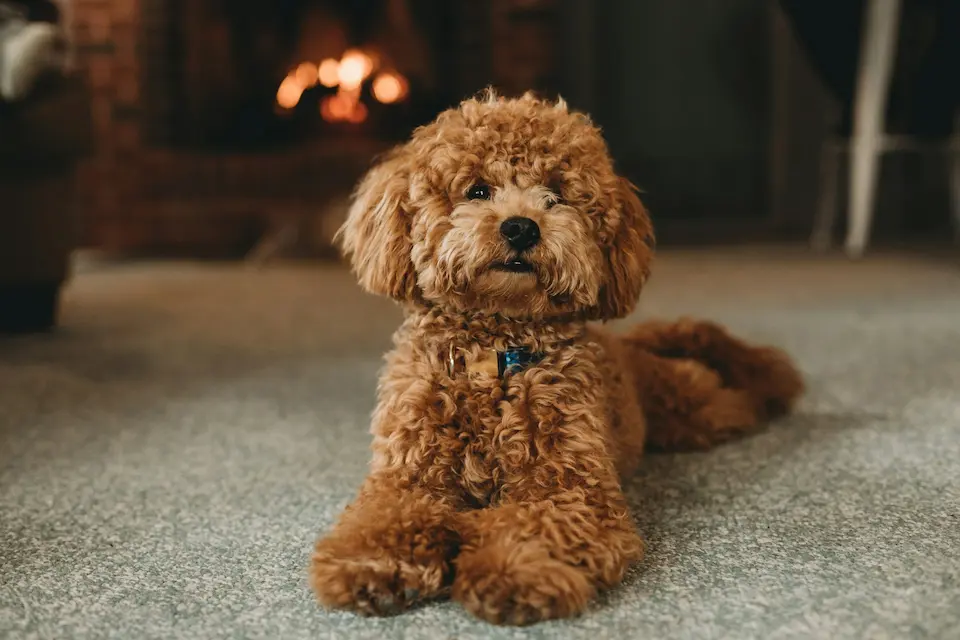
4. The Poodle: The Smart & Hypoallergenic Charmer
Don’t let the fancy haircuts fool you—Poodles are brilliant, athletic, and wonderfully versatile dog breeds. They come in three sizes (Standard, Miniature, and Toy), so there’s a Poodle for almost every home.
My Personal Experience:
A good friend has a Standard Poodle named Finn, and I am consistently amazed by his intelligence. He learns tricks in minutes and has a witty, almost human-like sense of awareness. He doesn’t shed, which is a huge bonus for my friend’s allergies.
Why They’re Great for Families & First-Timers:
They are one of the most intelligent dog breeds, making them highly trainable. Their hypoallergenic, non-shedding coat is a godsend for allergy sufferers. They are proud, loyal dogs with a playful streak.
Key Characteristics:
- Size: Standard, Miniature, or Toy
- Temperament: Active, Proud, Very Smart
- Energy Level: Moderate to High. They need both physical and mental stimulation.
- Grooming: High-maintenance. They require professional grooming every 4-6 weeks.
Considerations:
Their intelligence means they get bored easily. Without enough mental exercise, they can become inventive in destructive ways. The grooming costs can add up.
Best For:
Owners who can commit to regular grooming and enjoy training and engaging with their dog.
- Amazon Must-Have: Puzzle toys and interactive games are essential to keep their brilliant minds occupied.
5. The Beagle: The Merry & Curious Explorer
With their pleading eyes and merry personality, Beagles are charming, sturdy, and full of character. They were bred for hunting, which gives them a unique set of traits.
My cousin’s Beagle, Snoopy, is a living, breathing vacuum cleaner. His nose is always to the ground, leading him on grand adventures. He’s incredibly friendly and has a happy, musical bay (which is much louder than you’d expect!).

Why They’re Great for Families & First-Timers:
They have a loving, even temper and are very tolerant of children. Their small to medium size and short coat make them fairly easy to manage. They are cheerful and playful companions.
Key Characteristics:
- Size: Small to Medium
- Temperament: Friendly, Curious, Merry
- Energy Level: High. They need plenty of active play and sniffing time.
- Grooming: Low-maintenance; a quick brush once a week is usually enough.
Considerations:
They are ruled by their nose and can be single-minded when they catch a scent. Recall training can be challenging. They are vocal dogs known for baying and howling.
Best For:
Families with a secure, fenced yard who don’t mind a bit of noise.
- Amazon Must-Have: A secure, well-fitting harness is a must for walks, as their strong scent drive can make them pull.
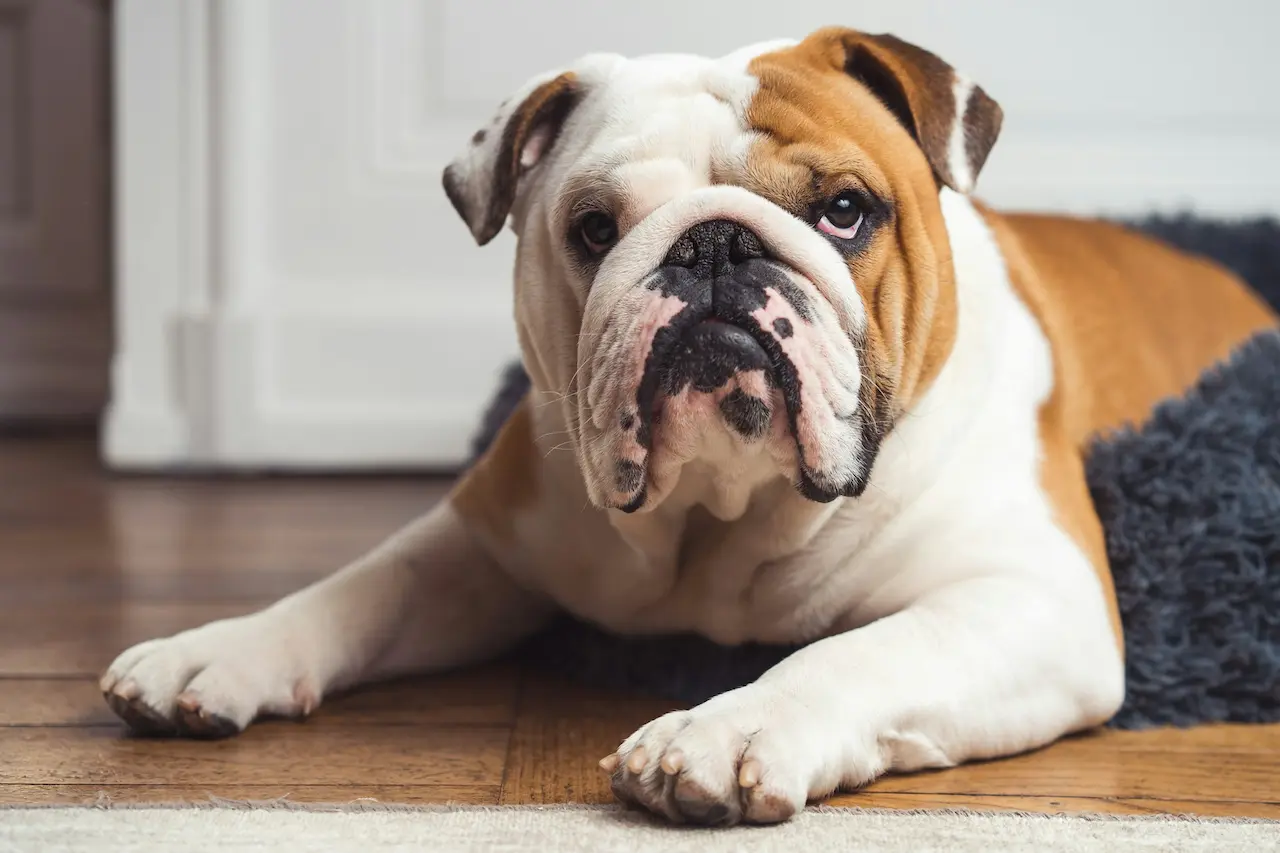
6. The Bulldog: The Easygoing Couch Potato
If you’re looking for a low-energy, loyal companion with a face full of character, the Bulldog is a fantastic choice. They are the ultimate best pet breeds for a relaxed home.
I lived next door to an English Bulldog named Winston. He was the most mellow dog I’ve ever met. His idea of a perfect day was napping on the couch, followed by a short, slow walk around the block, and then more napping. He was incredibly sweet and formed a deep bond with his family.
Why They’re Great for Families & First-Timers:
Their calm and courageous nature makes them wonderful, patient companions for children. They require minimal exercise and are generally quiet.
Key Characteristics:
- Size: Medium
- Temperament: Calm, Courageous, Friendly
- Energy Level: Low. Short, gentle walks are all they need.
- Grooming: Regular cleaning of their facial folds is critical to prevent infection.
Considerations:
They are brachycephalic (flat-faced), making them prone to overheating and breathing difficulties. They can be prone to a host of health issues and are notorious for snoring and gas.
Best For:
Less active families or those living in apartments without a yard.
7. The Newfoundland: The Gentle Giant
If you have the space and the heart for a giant breed, the Newfoundland is a “nanny dog” in the truest sense. They are massive, but their spirit is pure gentleness.
I met a Newfie at a local park, and despite his immense size, he was carefully and gently playing with a small toddler. His owner described him as a “150-pound lap dog.” They are known for their sweet disposition and unwavering patience.
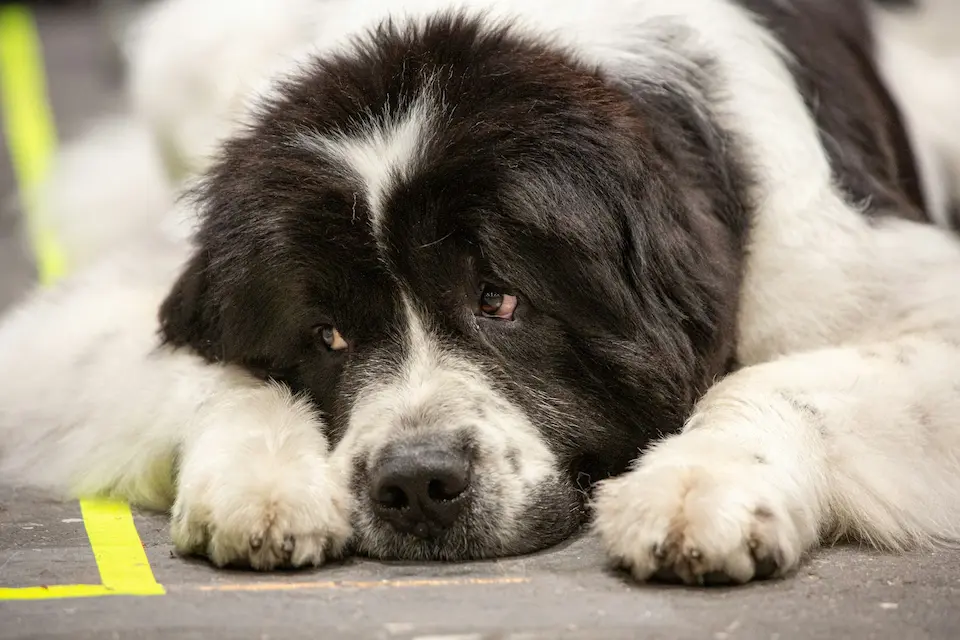
Why They’re Great for Families & First-Timers:
Their legendary patience and protective nature make them superb with children. They are intelligent and relatively easy to train, though they can be a bit stubborn.
Key Characteristics:
- Size: Giant
- Temperament: Sweet-Tempered, Patient, Gentle
- Energy Level: Moderate. They enjoy walks and swimming, but are also happy to lounge.
- Grooming: Their thick, heavy coat requires frequent, thorough brushing.
Considerations:
Their size comes with big expenses—more food, higher vet bills, and a car large enough to transport them. They drool… a lot.
Best For:
Families with plenty of space, both inside and out.
- Amazon Must-Have: A heavy-duty drool towel kept by the water bowl and a high-volume slicker brush are essentials.
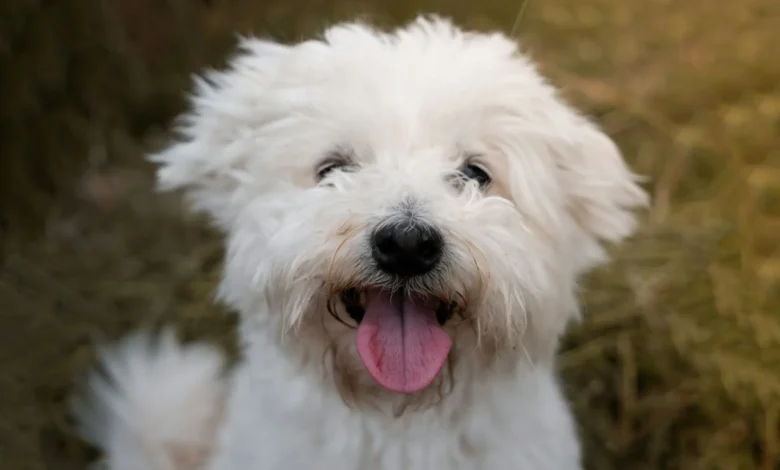
8. The Bichon Frise: The Cheerful, Fluffy Cloud
The Bichon Frise is a small, white powder puff of a dog with a playful and curious disposition. They are one of the happiest dog breeds small in size.
My aunt’s Bichon, Cotton, is a bundle of joy. He prances when he walks and seems to live in a state of perpetual cheerfulness. He’s great with her grandchildren and has a non-shedding coat, which is perfect for her allergies.
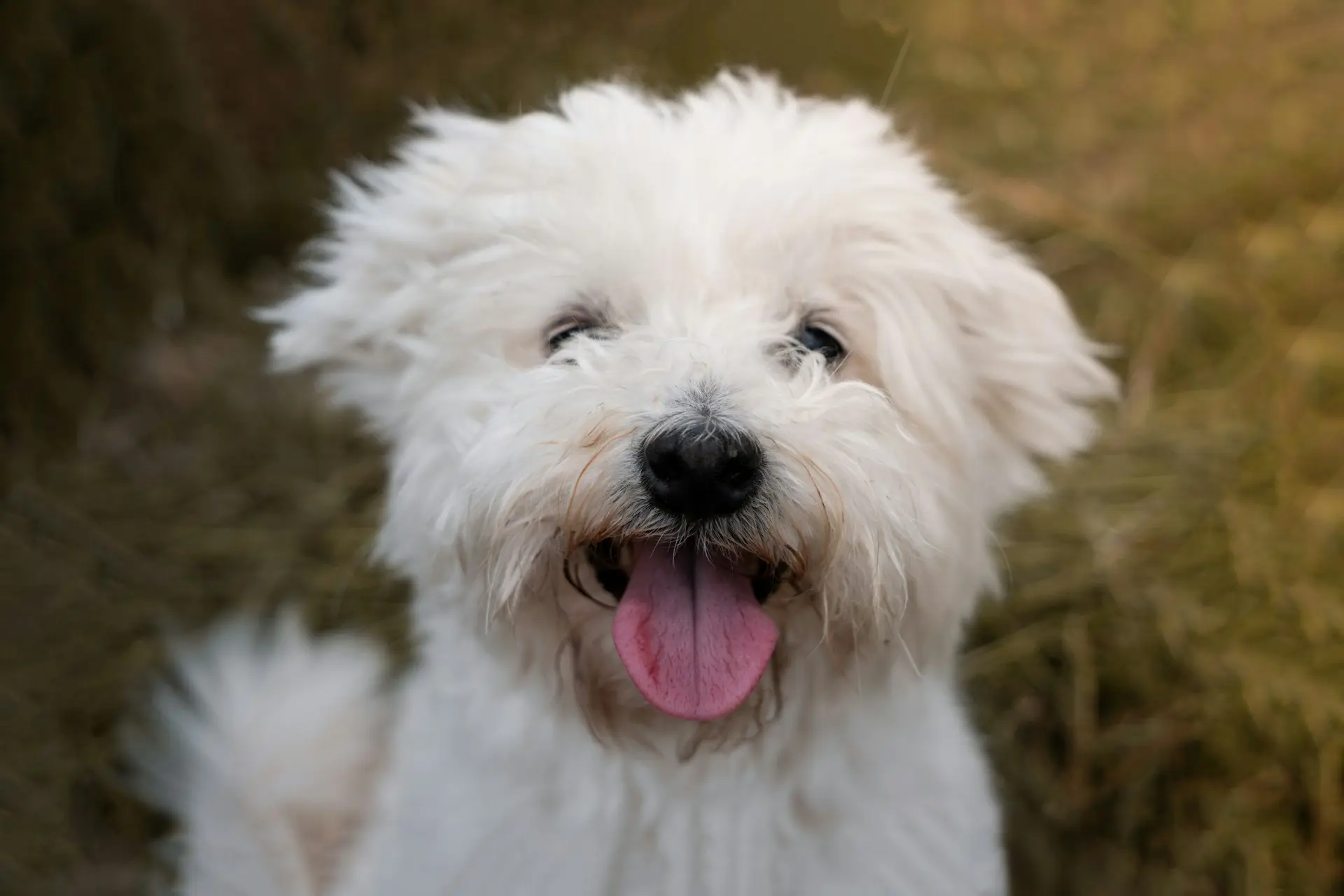
Why They’re Great for Families & First-Timers:
They have a bubbly, affectionate personality that wins everyone over. Their hypoallergenic coat is great for allergy sufferers. They are adaptable and do well in various living situations.
Key Characteristics:
- Size: Small
- Temperament: Playful, Curious, Peppy
- Energy Level: Moderate. They enjoy playtime and short walks.
- Grooming: High-maintenance. They require regular brushing and professional grooming to prevent mats.
Considerations:
They can be prone to separation anxiety and may be difficult to housebreak. Their white coat can get dirty easily.
Best For:
Families or individuals looking for a hypoallergenic, cheerful companion.
9. The Boxer: The Goofy & Energetic Guardian
Boxers are dog breeds big on personality. They are playful, silly clowns as adults, but deeply loyal and protective of their families.
My Personal Experience:
A Boxer named Zeus used to come to the dog park I frequented. He was all wiggles and “woos,” playing bowing to every dog he met. His owner said he was endlessly patient with her young kids, often standing as a stoic, watchful presence over them in the yard.
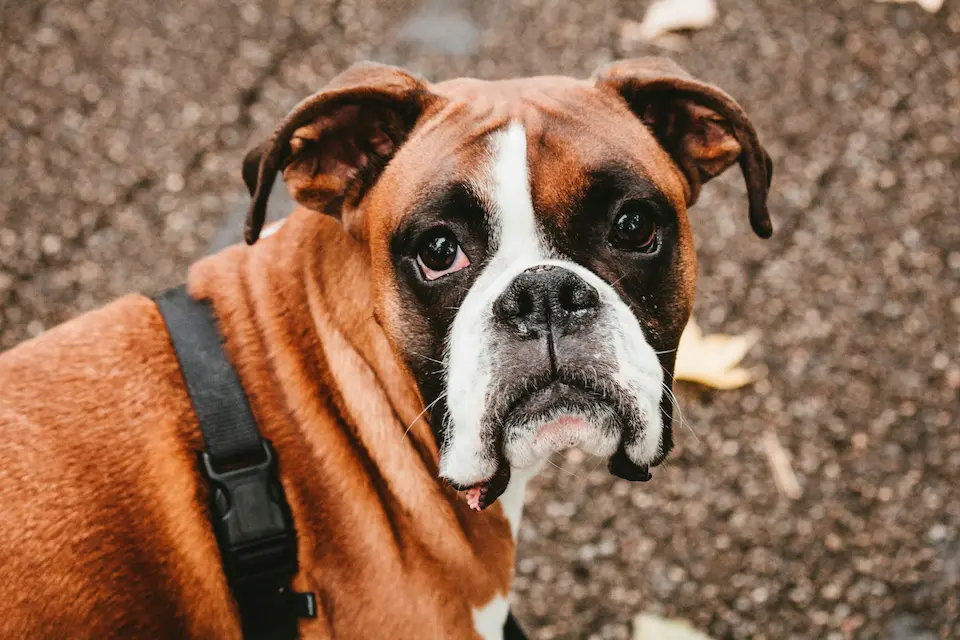
Why They’re Great for Families & First-Timers:
They have boundless energy and a playful spirit that matches well with active children. They are fiercely loyal and make excellent watchdogs. They are clean dogs with minimal “doggy” odor.
Key Characteristics:
- Size: Large
- Temperament: Playful, Fun-Loving, Loyal
- Energy Level: High. They need vigorous daily exercise.
- Grooming: Low-maintenance; their short coat is easy to care for.
Considerations:
Their high energy level can be overwhelming for very young children or sedentary owners. They are brachycephalic and can overheat. They are known for their signature “kidney bean” dance when they’re happy.
Best For:
Active families with a yard who want a playful and protective member.
- Amazon Must-Have: A indestructible chew toy is a must for their powerful jaws.
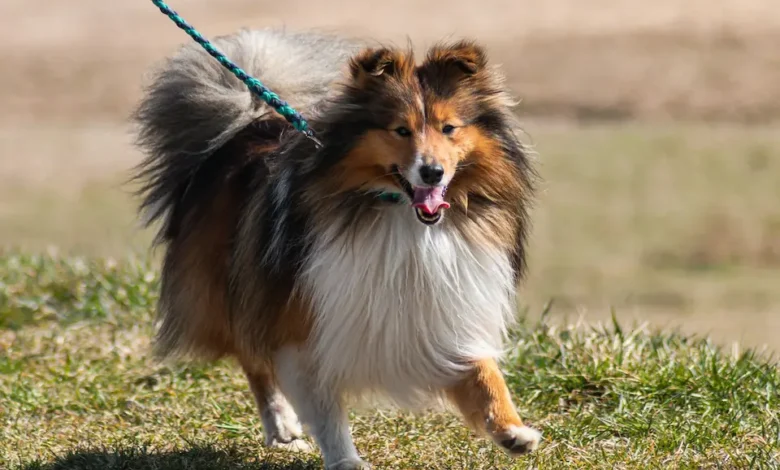
10. The Shetland Sheepdog: The Miniature Lassie
Shelties are the smaller, more refined cousins of the Collie. They are incredibly bright, agile, and deeply devoted to their families.
I trained with a Sheltie in a basic obedience class, and she was the star student. She learned commands almost instantly and was so eager to please. She was gentle with everyone but always kept a watchful eye on her owner.
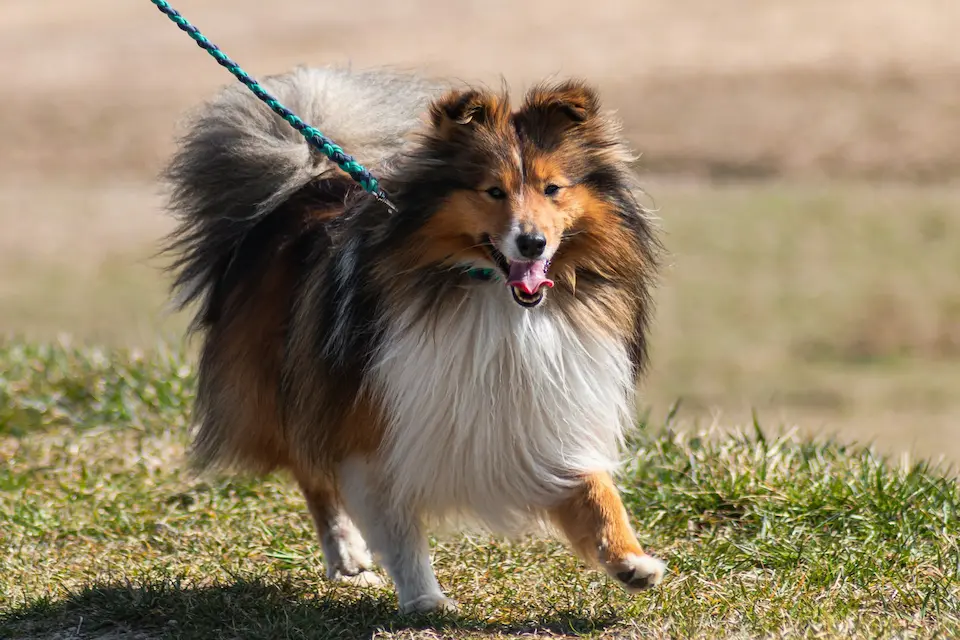
Why They’re Great for Families & First-Timers:
They are highly intelligent and trainable, making them a joy for first-time owners who are willing to engage with them. They are gentle and excellent with children. They are very in tune with their family’s emotions.
Key Characteristics:
- Size: Small to Medium
- Temperament: Intelligent, Loyal, Trainable
- Energy Level: Moderate to High. They need daily mental and physical exercise.
- Grooming: Their long, double coat requires frequent brushing.
Considerations:
They can be reserved with strangers and are known for being vocal, barking at anything out of the ordinary. They need a “job” to do to be happy.
Best For:
Families who enjoy training and can provide structured activities.
- Amazon Must-Have: A training clicker and a pouch for treats will help you channel their intelligence into positive behaviors.
11. The Portuguese Water Dog: The Adventurous & Smart Companion
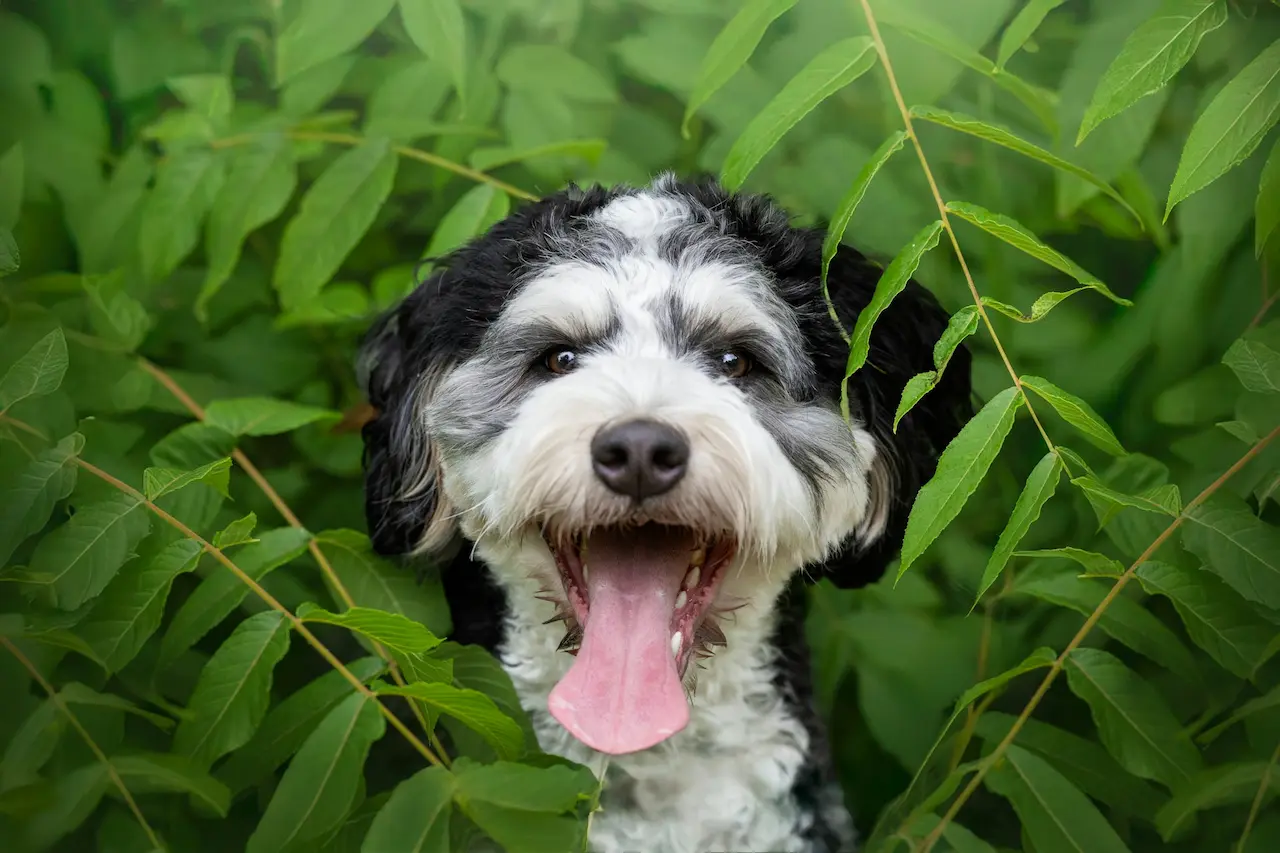
Made famous by the Obama family, the “Portie” is an energetic, intelligent, and hypoallergenic breed that loves water and people.
I met a few Porties while hiking near a lake. They were having the time of their lives, retrieving sticks from the water with boundless energy. Their owners raved about their intelligence and loving nature, and how their non-shedding coats were perfect for their active, outdoorsy lifestyle.
Why They’re Great for Families & First-Timers:
They are a robust, athletic breed that loves to be part of all family activities. Their intelligence makes them highly trainable, and their non-shedding coat is a huge plus.
Key Characteristics:
- Size: Medium
- Temperament: Adventurous, Hardworking, Affectionate
- Energy Level: High. They need a lot of daily exercise and mental challenges.
- Grooming: Their curly, non-shedding coat requires regular clipping and brushing.
Considerations:
Their high energy and intelligence mean they require a lot of attention and activity. They can be prone to boredom-induced behaviors if not properly stimulated.
Best For:
Very active, outdoorsy families who want a hypoallergenic dog.
12. The Bernese Mountain Dog: The Calm & Affectionate Gentle Giant
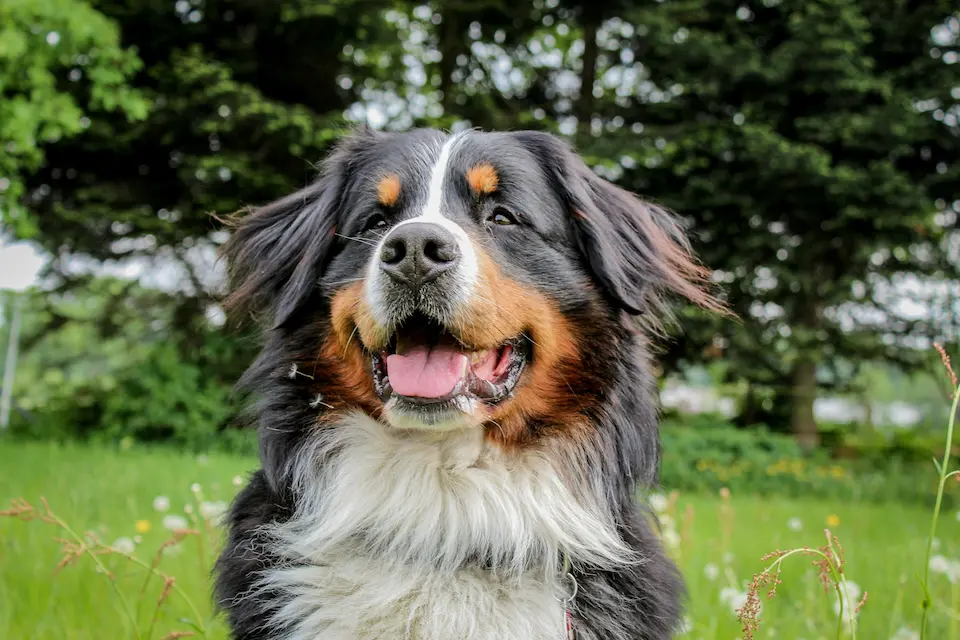
If you’re drawn to large dog breeds but want a temperament that’s more “calm mountain” than “energetic volcano,” the Bernese Mountain Dog is a phenomenal choice. They are the strong, silent, and deeply affectionate type.
I’ll never forget a Bernese named Molly who frequented our local bookstore. She would lie peacefully in the aisle while her owner browsed, accepting gentle pats from admirers with a slow, sweeping wag of her tail. She had a majestic, serene presence and was incredibly gentle with the children who would cautiously approach her. Her owner described her as a “150-pound lap dog with the heart of a saint.”
Why They’re Great for Families & First-Timers:
Berners are known for their calm, patient, and good-natured demeanor. They are incredibly loyal to their families and are typically very gentle and tolerant with children. They are intelligent and eager to please, which makes them relatively trainable, though they can have a stubborn streak.
Key Characteristics:
- Size: Giant
- Temperament: Calm, Affectionate, Strong
- Energy Level: Moderate. They enjoy leisurely walks and play sessions in the yard but are not hyperactive. They are happy to lounge with their family.
- Grooming: High-maintenance. Their long, thick, tri-colored coat requires regular brushing several times a week to prevent mats and manage shedding.
13. The Havanese: The Charming & Outgoing Companion
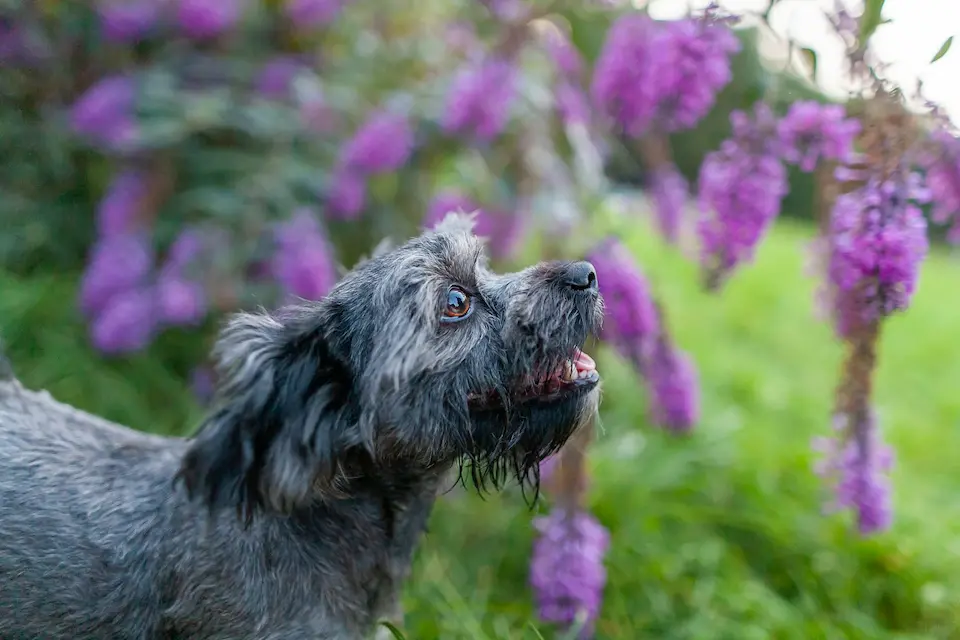
As the only dog breed native to Cuba, the Havanese is a small dog with a huge personality. They are not yappy or nervous like some small dog breeds; instead, they are sturdy, cheerful, and incredibly affectionate.
My neighbor has a Havanese named Churro, and he is the social director of our street. He has a springy, cheerful gait and seems to make friends with everyone he meets—human, canine, or feline. He’s perfectly happy with a short walk or a vigorous game of tug-of-war inside, and his intelligence shines through in his ability to learn tricks quickly.
Why They’re Great for Families & First-Timers:
Their happy and outgoing nature makes them a joy to be around. They are highly adaptable and do well in both apartments and houses with yards. They are one of the most trainable small dog breeds, thanks to their intelligence and desire to please. Their silky, hypoallergenic coat is a bonus for allergy sufferers.
Key Characteristics:
- Size: Small
- Temperament: Affectionate, Playful, Intelligent
- Energy Level: Moderate. They have a playful spirit but don’t require intense exercise.
- Grooming: High-maintenance if kept in a long coat, which requires daily brushing to prevent tangles. Many owners opt for a convenient “puppy cut” which is much easier to manage.
Considerations:
They are true companion dogs and can develop separation anxiety if left alone for long periods. Their long hair around the eyes needs regular cleaning to prevent staining.
Best For:
Families, singles, and seniors looking for a highly social, adaptable, and affectionate small companion.
14. The Vizsla: The Velcro Athlete
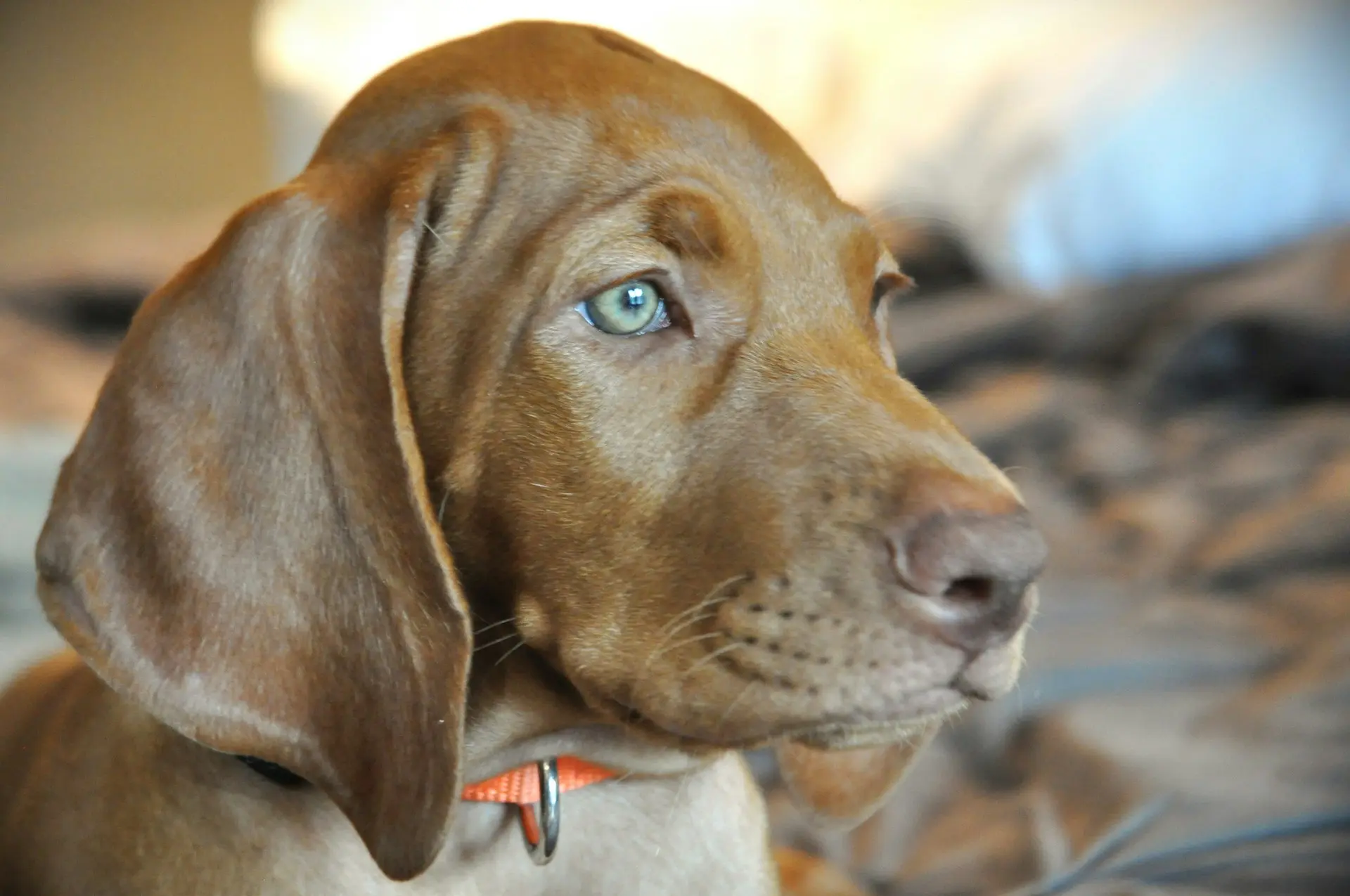
For the extremely active family, the Vizsla is a breathtakingly beautiful and loving breed. They are known as “Velcro dogs” for their intense need to be physically touching their owners.
I once went on a group hike with a friend who owns a Vizsla named Rusty. The dog was an incredible athlete, gracefully navigating the trail, but he would constantly circle back to make physical contact with his owner—a nudge with his nose, leaning against a leg. My friend joked, “He doesn’t just want to be with me; he wants to be on me.” Their capacity for affection is as deep as their need for exercise.
Why They’re Great for Families & First-Timers:
They are incredibly affectionate, gentle, and sensitive dogs who form powerful bonds with their families. They are highly intelligent and eager to please, making them very trainable. They have a short, low-maintenance coat that doesn’t smell “doggy.”
Key Characteristics:
- Size: Medium to Large
- Temperament: Affectionate, Energetic, Gentle
- Energy Level: Very High. This cannot be overstated. A Vizsla needs vigorous, long-distance running or hiking daily, not just a walk around the block.
- Grooming: Very low-maintenance. An occasional rub-down with a hound glove is all they need.
Considerations:
Their extreme energy level and exercise requirements make them unsuitable for sedentary or apartment-dwelling owners. Their sensitivity means they do not respond well to harsh discipline and can be prone to anxiety if not properly socialized and exercised.
Best For:
Joggers, hikers, bikers, and highly active families who want a canine athlete as a shadow and a snuggle buddy.
- Amazon Must-Have: A high-quality hands-free running leash is perfect for your daily runs together. A warming dog jacket is also a wise investment for this short-coated breed in colder climates.
15. The Mixed Breed (The “Mutt”): The One-of-a-Kind Surprise
While we’ve talked about specific dog breeds, we must pay homage to the mixed-breed dog. Mutts are often the healthiest, most unique, and most grateful companions you can find.
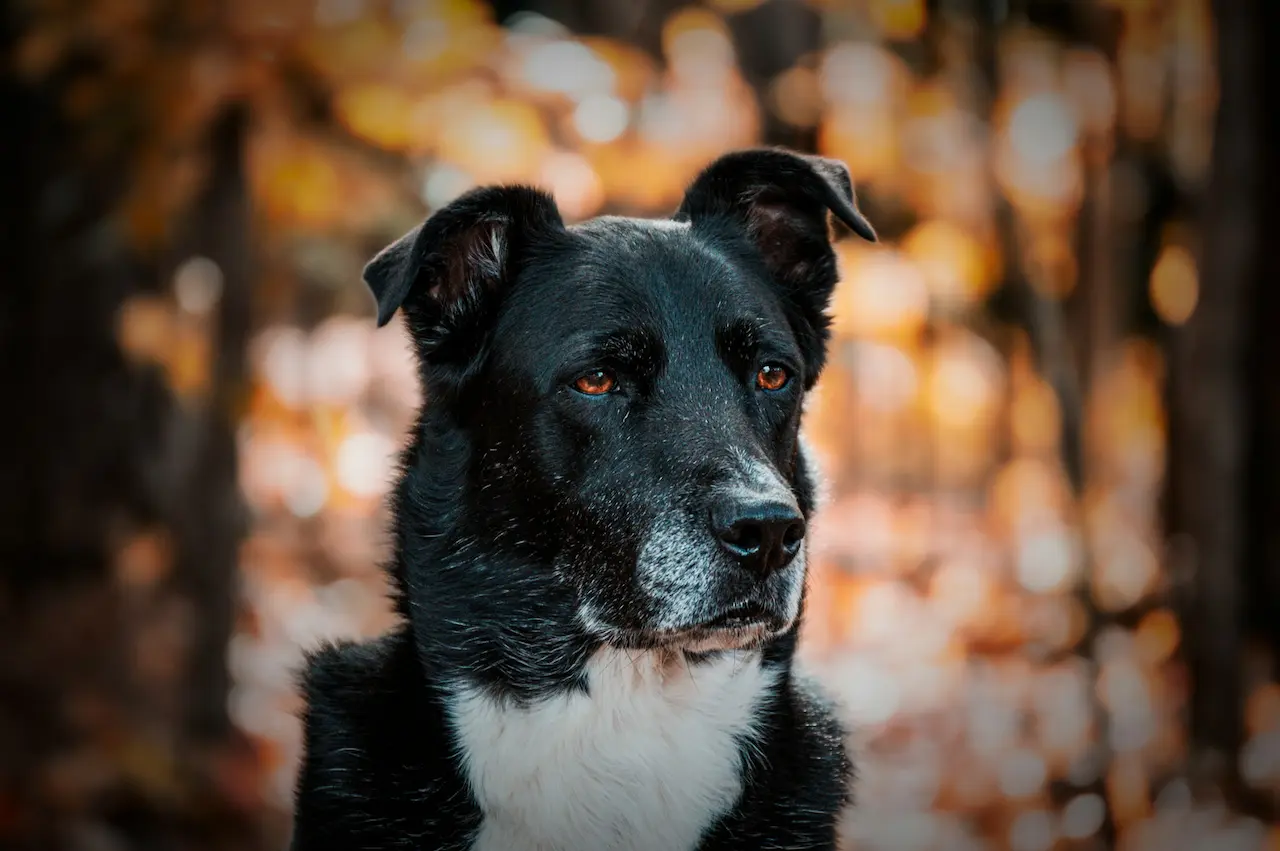
The dog I have now is a rescue mutt—a blend of who-knows-what, and she is perfect. She has the loyalty of a Labrador, the smarts of a Border Collie, and the low-shedding coat of a Poodle mix. Adopting her was the best decision I ever made.
Why They’re Great for Families & First-Timers:
You can often find a dog whose personality and energy level are a known quantity through a foster-based rescue. They often have “hybrid vigor,” meaning fewer genetic health problems. You are literally saving a life.
Key Characteristics:
- Size: Varies
- Temperament: Varies, but often a wonderful blend of traits.
- Energy Level: Varies.
- Grooming: Varies.
Considerations:
Their background can be a mystery, so it’s important to work with a reputable rescue that uses foster homes to assess their temperament.
Best For:
Almost everyone! It’s about finding the right individual dog for your home.
- Amazon Must-Have: A DNA test kit can be a fun way to solve the mystery of your mutt’s heritage!
Frequently Asked Questions (FAQs)
What is the most important factor when choosing a dog breed for my family?
Honestly, it’s energy level and temperament. Be brutally honest about your own lifestyle. Are you a couch potato or a marathon runner? A high-energy dog in a low-energy home is a recipe for frustration for both of you. Match the dog’s needs to your family’s daily reality.
Should I get a puppy or an adult dog as a first-time owner?
Puppies are adorable but are a TON of work—potty training, chewing, sleepless nights. An adult dog, especially from a rescue, often comes with some basic training and a settled personality. For many first-timers, a young adult dog (1-3 years old) can be the perfect compromise.
Are “hypoallergenic” dogs really allergy-free?
No dog is 100% hypoallergenic. People are usually allergic to a protein in a dog’s dander (dead skin flakes), saliva, and urine. Non-shedding dog breeds like Poodles and Bichons release less dander into the environment, which can significantly reduce allergies, but they are not a cure-all. It’s best to spend time with the breed before bringing one home.
How much time should I budget for daily dog care?
At a minimum, plan for 1-2 hours per day. This includes feeding, two or three walks/potty breaks, training, and playtime. Some high-energy breeds will require more. This doesn’t include weekly grooming or trips to the dog park.
What’s one piece of advice you wish you’d had as a first-time owner?
Invest in training for yourself, not just the dog. A single session with a professional, positive-reinforcement trainer can teach you how to communicate with your new dog effectively. It builds a bond of trust and understanding that makes every subsequent step so much easier. And be patient—with the dog and with yourself. You’re both learning.
Bringing a dog into your home is one of life’s greatest joys. It’s a decision that should be made with both your heart and your head. By focusing on temperament, energy level, and the specific needs of different dog breeds, you can find a faithful friend who will seamlessly become a cherished member of your family.
Remember, the best dog breeds are the ones that fit perfectly into your life. Do your research, be patient in your search, and get ready for a journey filled with wet noses, wagging tails, and unconditional love. Happy searching