- This article contains affiliate links. I may receive a commission if you purchase from them, at no extra cost to you.
Here’s the thing about Italian souvenirs: most of them are garbage. You know the ones—the mass-produced “I love Italy” magnets, the plastic gondolas, the snow globes with Leaning Towers that lean at the wrong angle.
They fall apart within weeks and end up in a drawer, reminders of a trip you wish you’d commemorated better. But Italy is also a country of master craftspeople, of family workshops that have been perfecting their art for generations, of materials and techniques that produce objects of genuine beauty. The trick is knowing where to look.
These seven best souvenirs from Italy cost less than €20, look like they cost ten times that, and will still be in your home decades from now.
Table of contents ⇅
1. Venetian Glass Earrings from a Real Workshop
The cheap glass you see on every souvenir stand in Venice is exactly that—cheap. It’s mass-produced in China, imported, and sold to tourists who don’t know the difference. But real Venetian glass, made on the island of Murano, is something else entirely.

What to Look For:
Handmade Murano glass has characteristics you can learn to spot:
- Tiny air bubbles (perfection is machine-made)
- Slight asymmetry (human hands aren’t perfect)
- Rich, deep colors with subtle variations
- Smooth, polished edges (not sharp or unfinished)
The Best Buy:
A pair of simple glass earrings—studs or small drops—can be found for €15-25 depending on complexity. The ones with gold leaf inclusions (gold flake suspended in clear glass) look especially luxurious and catch light beautifully.
Where to Buy:
Not on the main tourist streets. Walk five minutes off the beaten path in Venice, or better, take the vaporetto to Murano itself. Visit a workshop, not a shop. You’ll see glassblowers at work, and the prices are often lower because you’re cutting out middlemen.
The Authenticity Check:
Look for the “Vetro Artistico Murano” certification or ask directly if the glass was made on Murano. A reputable seller will be proud to tell you.
Would you buy?
2. A Single Piece of Saffron from Abruzzo
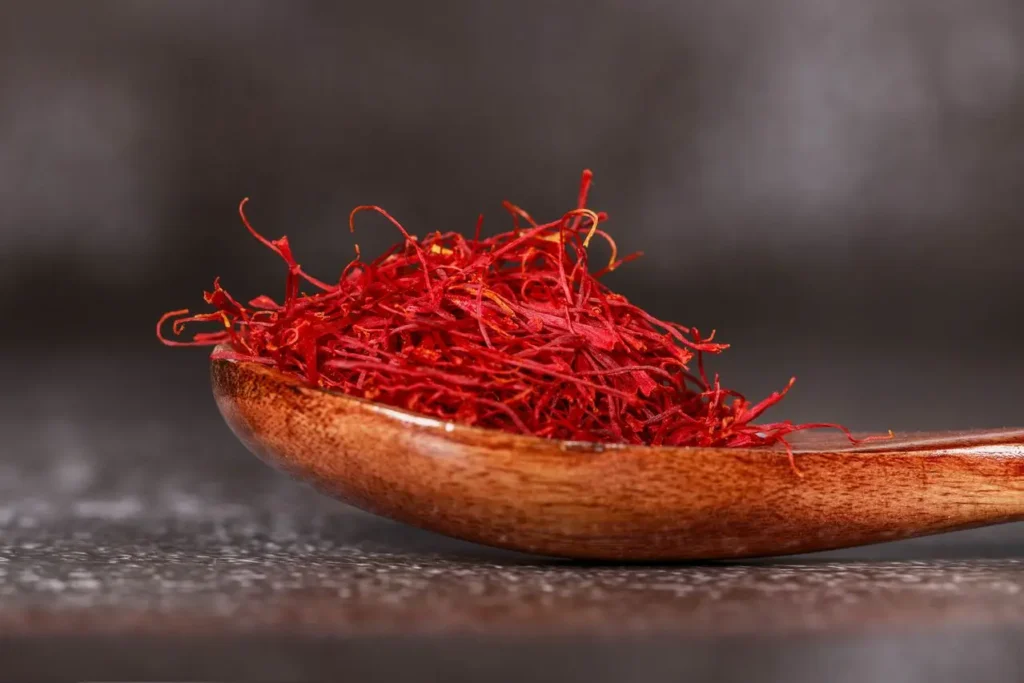
Saffron is the world’s most expensive spice by weight, but a tiny vial of Italian saffron—enough for several meals—costs around €10-15 and feels impossibly luxurious.

Why Italian Saffron is Special:
Most saffron comes from Iran. Italian saffron, particularly from the Navelli plateau in Abruzzo, is considered among the best in the world. It’s harvested by hand, thread by thread, in a tradition dating back centuries. The flavor is more complex than standard saffron—subtler, sweeter, with notes of honey.
What It Looks Like:
You’re buying a small glass vial containing deep red threads, not powder. Powder can be adulterated; threads are the real thing. The color is intense—almost crimson—and the aroma is immediately recognizable.
How to Use It:
One or two threads transformed a simple risotto into something memorable. Your dinner guests will ask what you did differently. You’ll tell them it’s a secret from Italy.
Store it in a dark, cool place. Light degrades saffron quickly. The vial it comes in should be amber glass or kept in a cabinet.
Insider Tip
Where to Buy:
Look for specialty food shops, not souvenir stores. In Rome, Castroni near the Vatican has an excellent selection. In Florence, Pegna on Via dello Studio has been selling fine foods since 1860. Any good alimentari (grocery store) will have saffron from Abruzzo.
Would you buy?
3. A Hand-Painted Ceramic Spice Jar from Deruta
The town of Deruta in Umbria has been producing ceramics since the Middle Ages. The distinctive patterns—often featuring flowers, birds, or geometric designs in rich blues, yellows, and greens—are instantly recognizable.

The Perfect Buy:
A small spice jar, about 4-5 inches tall, costs €12-18. It’s the ideal size for storing saffron (see above), dried oregano from Sicily, or just sitting on a windowsill catching light.
Why It Looks Expensive:
The hand-painting is obvious when you look closely—tiny brushstrokes, slight variations in pattern, depth of color that printed ceramics can’t replicate. The glaze is thick and glossy. The clay body is substantial without being heavy.
Where to Find It:
In Deruta itself, you’ll find dozens of shops. But you can also find Deruta ceramics in good home goods stores throughout Italy. Look for the “Made in Deruta” stamp on the bottom.
What to Avoid:
Those ubiquitous blue-and-white ceramics in Positano and Amalfi? Most are mass-produced. The real Amalfi Coast ceramics are beautiful but expensive. Deruta offers better value for similar quality.
Would you buy?
4. Olive Wood Cutting Board from Tuscany
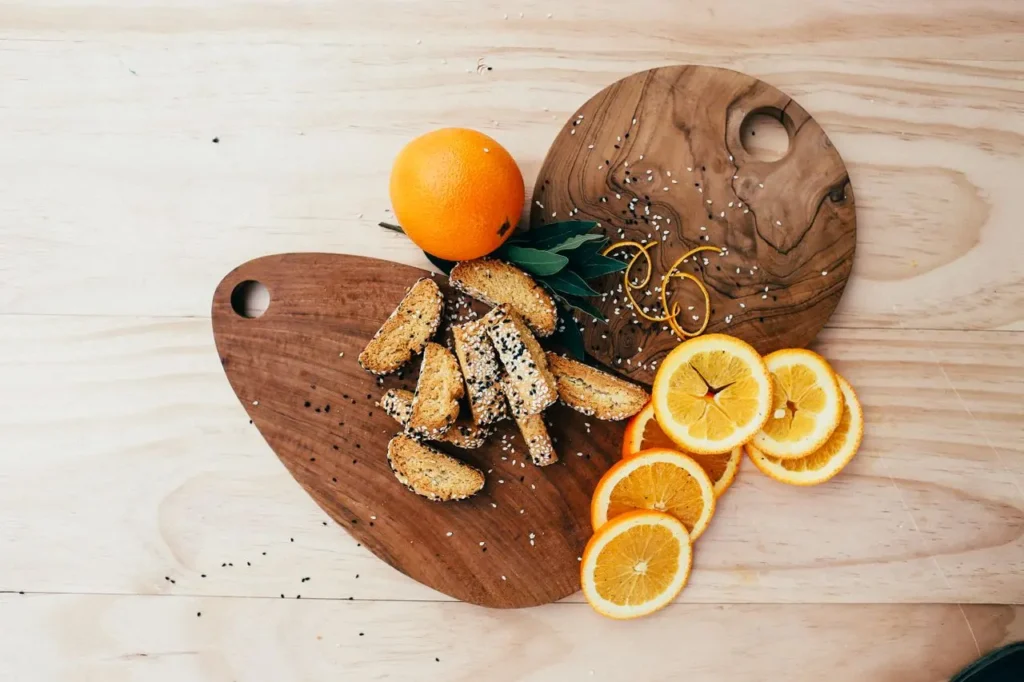
Olive wood is one of the most beautiful materials on earth. The grain is tight and swirling, ranging from pale cream to deep amber. It’s also incredibly dense and durable—a well-made olive wood cutting board will outlive you.



What to Look For:
The best boards are carved from a single piece of wood, not glued together from scraps. The grain should flow continuously. The surface should be smooth as silk—sanded to perfection, then finished with food-safe mineral oil.
The Right Size:
A small board, roughly 8×5 inches, costs €15-20. This “cheese board” size is perfect for serving a wedge of Parmigiano, slicing a lemon, or just looking beautiful on a counter.
Where to Buy:
In Florence and Tuscany, you’ll find workshops selling olive wood products. The San Lorenzo Market in Florence has several vendors with quality goods—just look closely at the craftsmanship before buying.
Italian Souvenirs You’ll Love
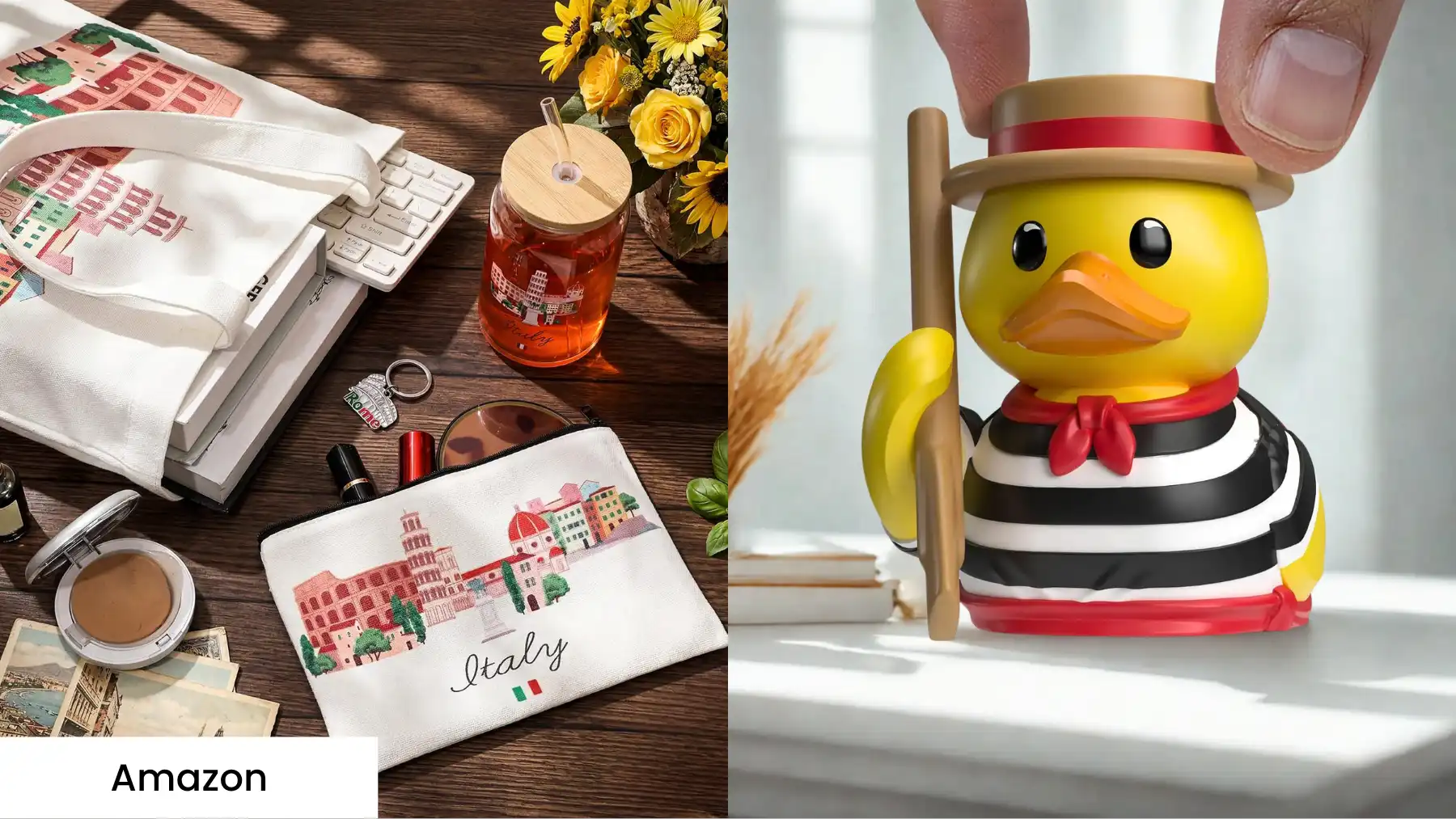
Beautiful Italian souvenirs delivered to your door. Explore our curated collection of ceramics, jewelry, and regional specialties.
Why It’s a cool thing to buy in Italy:
Every time you pull out this board to serve cheese or bread, you’ll remember Italy. The wood smells faintly of olives when you first unwrap it. It develops a patina over years of use that makes it even more beautiful.
To maintain your board, you’ll need food-safe mineral oil. This bottle will last for years.
Would you buy?
5. A Single Bar of Organic Tuscan Soap
The soap you buy in Italian pharmacies and officine profumieri bears no resemblance to the synthetic, overly perfumed bars at home. This is soap as it was meant to be—made with olive oil, shea butter, essential oils, and time.


What Makes It Special:
Traditional Italian soap is “saponified”—a slow chemical process that transforms oils and lye into glycerin-rich bars that clean without stripping skin. The scents come from essential oils, not artificial fragrances. Lavender from Provence, lemon from Sicily, rose from local gardens.
The Price:
A single, beautifully packaged bar costs €5-8. Wrapped in paper, tied with twine, stamped with the maker’s name—it looks like a gift, even when you’re buying it for yourself.
Where to Buy:
- Officina Profumo-Farmaceutica di Santa Maria Novella (Florence, Rome, Milan): The most famous. Their soap has been made since 1612. The Florence location is worth visiting even if you buy nothing.
- Pharmacies everywhere: Italian pharmacies (farmacie) sell excellent local soaps. Look for brands like Bottega Verde or Dr. Vranjes.
- Local markets: Farmers’ markets often have soap makers selling direct.
The Experience:
Walk into a Santa Maria Novella shop. The scent hits you immediately—herbal, clean, centuries old. The soaps are displayed like jewels. You’ll want one of each. Start with one. You’ll come back.
Would you buy?
6. A Vintage Postcard from a Flea Market
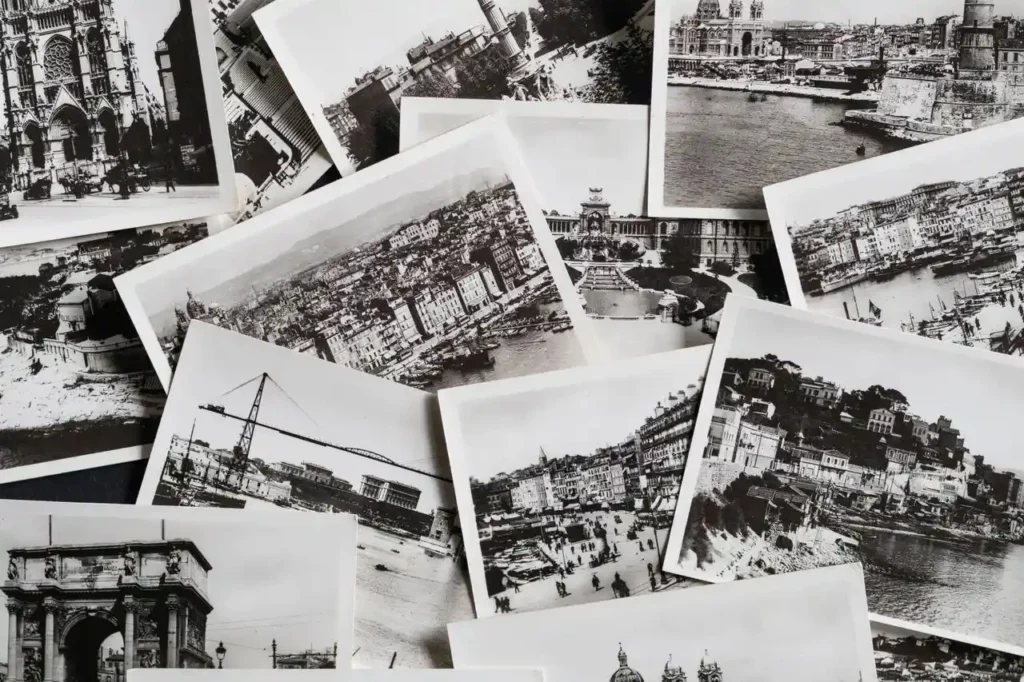
Here’s the thing about modern postcards: they’re mass-produced, identical, and ultimately forgettable. Vintage postcards—the ones with handwriting, postmarks, and 50 years of history—are something else entirely.
Why They’re the best things to buy in Italy for under €20:
You’re not buying a souvenir. You’re buying a fragment of someone else’s Italian story. The card itself might show a view that hasn’t changed in decades. The handwriting might be elegant script from the 1950s. The stamp might be from an era when Italy was still a monarchy.
What to Look For:
- Scenes that are still recognizable today
- Beautiful handwriting (or funny messages)
- Stamps that tell a story
- Cards from towns you visited
Where to Find Them:
- Flea markets: Every Italian city has them. Rome’s Porta Portese (Sundays), Florence’s Mercato delle Pulci (Piazza dei Ciompi), Milan’s Navigli market (last Sunday of the month).
- Antique shops: More curated, slightly more expensive, but the quality is higher.
- Book stalls: Some used book sellers have boxes of postcards.
📌 Don’t Miss Out
The Price:
Most vintage postcards cost €2-10. A particularly beautiful or historically significant one might hit €20. You can buy a small collection for the price of one new souvenir.
Look for cards with actual messages and postmarks. The handwriting adds humanity. The postmark proves authenticity.
Pro Tip
Frame a few together. Arrange them on a shelf. Use them as bookmarks. Each time you look at them, you’re not just remembering your trip—you’re connected to every traveler who came before.
Would you buy?
7. A Packet of Italian Seeds
This is the most unusual item on the list and the one that keeps giving long after you’ve returned home. Italian seed companies sell packets of vegetable, herb, and flower seeds that cost €2-5 and produce plants with actual Italian heritage.


What to Look For:
- Basil: Genovese basil is the real pesto ingredient. The seeds produce plants with smaller, more flavorful leaves than standard supermarket basil.
- Tomatoes: San Marzano tomatoes are the only tomatoes for true Neapolitan sauce. You can grow them in a pot on a balcony.
- Zucchini: Zucchini flowers are a delicacy in Italy. The seeds produce plants whose blossoms are perfect for stuffing and frying.
- Flowers: Sunflowers, poppies, wildflower mixes that look like a Tuscan field.
Where to Buy:
- Garden centers: Any Italian city has them. Look for centro giardinaggio or vivaio.
- Farmers’ markets: Some seed sellers attend markets.
- Supermarkets: Believe it or not, Italian supermarkets have excellent seed sections, usually near the garden supplies.
Why It’s a good thing to buy in Italy:
Every time you harvest basil for pesto, every time you fry a zucchini flower, every time a sunflower opens in your garden, you’re tasting Italy. The plants themselves become souvenirs, living and growing and producing year after year.
If you’re buying multiple packets, a small waterproof seed keeper keeps them organized. This tin fits in luggage perfectly.
Would you buy?
Where to Buy: The Best Shopping Streets and Markets
Rome:
- Via del Corso: Main shopping artery, but wander side streets for better finds
- Porta Portese Market: Sundays only, arrive early, watch your wallet
- Trastevere: Smaller shops, artisan goods, fewer crowds
Florence:
- San Lorenzo Market: Leather goods, souvenirs, food hall
- Via dei Calzaiuoli: Main shopping street
- Oltrarno: Across the river, artisan workshops, fewer tourists
Venice:
- Murano: For glass, obviously
- Rialto Market: Food souvenirs, produce, and fish market in the morning
- Dorsoduro: Quieter, more authentic shops
Milan:
- Brera district: Art galleries, design shops, boutique finds
- Navigli markets: Last Sunday of the month, antiques, and vintage
- Eataly: Food souvenirs under one roof (Smeraldo location)
What to Avoid (Even at €20)
The Obvious Fakes:
- “Murano glass” made in China (usually too perfect, too cheap)
- “Hand-painted” ceramics with printed patterns (look closely)
- Designer knockoffs (they’ll fall apart, and customs may seize them)
The Overpriced Tourist Trash:
- Gondola figurines (unless genuinely handmade—rare under €50)
- Mass-produced leather goods (real leather costs more)
- “Antique” coins (almost certainly modern replicas)
The Practical Reality:
If the price seems too good to be true for what’s being sold, it probably is. A €5 “leather” wallet isn’t leather. A €2 “Murano” pendant isn’t Murano. Trust your instincts.


How to Pack Fragile Souvenirs
Glass and Ceramics:
- Wrap each piece in clothing (socks are perfect)
- Place in the center of the suitcase, surrounded by soft items
- Carry on if possible (especially for one-of-a-kind pieces)
Food Items:
- Saffron and seeds go in carry-on (heat in the cargo hold can damage them)
- Olive oil and other liquids must be under 3.4oz (100ml) for carry-on
- Hard cheeses can be wrapped and packed in checked luggage
📌 Don’t Miss Out

Paper Items (Postcards):
- Place between hardcover books or in a folder
- Avoid folding at all costs
- Consider shipping if you buy many
The Shipping Option:
For larger purchases, many shops offer international shipping. It costs, but it’s safer than luggage. Get a tracking number.
The Souvenir Mindset
The best souvenirs aren’t the ones that scream “I WAS IN ITALY.” They’re the ones that whisper it. They’re the olive wood board you pull out when friends come over for cheese. The saffron threads that transform a Tuesday night risotto. The ceramic jar that holds your favorite spice, catching light from a kitchen window.
These seven items cost less than €20 each. They’ll last longer than anything you’ll buy at the airport duty-free. And every time you use them, you’ll remember not just that you went to Italy, but how it felt to be there.
Save this guide. Take it with you. Buy better souvenirs.