
- This article contains affiliate links. I may receive a commission if you purchase from them, at no extra cost to you.
My first glimpse of the pyramids wasn’t from a history book, but from the chaotic window of a Cairo taxi, their silhouettes emerging from the morning haze like silent giants. In that moment, the Egypt of pharaohs and legends became breathtakingly real.
I quickly learned that Egypt travel is a symphony of awe—a powerful blend of ancient wonders, vast deserts, and the life-giving Nile. If you’re planning your first journey, this list of amazing things to do in Egypt is your roadmap to the soul of this incredible country.
These are the best things to do in Egypt, the experiences that will define your trip and leave you forever changed.
Table of contents ⇅
1. Stand Before the Giza Pyramids & The Great Sphinx
Let’s start with the icon. No amount of media prepares you for the sheer scale and presence of the Giza Pyramids. Walking up to the Great Pyramid of Khufu and placing your hand on its sun-warmed, colossal blocks is a primal experience. The sense of history is tangible.
A short walk away, the Great Sphinx of Giza guards the plateau with an inscrutable gaze. The best things to do in Egypt often involve perspective: see them from the panoramic viewing area, but also get close enough to feel their weight.
Why it’s a must:
It’s one of the Seven Wonders of the Ancient World and the defining symbol of Egypt. It’s the essential first act of any Egypt travel story.
Essential Tips:
- Go Early: Arrive at 6:30 AM when the gates open to beat the crowds and the searing heat. The morning light is also magical for photos.
- Guided Tour is Key: The history is complex, and a guide navigates the tours and explains the “how” and “why.” A private tour with a camel ride offers a classic, paced experience.
Where to Stay:
For a view you’ll never forget, the Marriott Mena House, Cairo, has gardens framing the pyramids. In downtown Cairo, the Steigenberger Hotel El Tahrir offers modern comfort and central location.
2. Explore the Tombs in the Valley of the Kings (Luxor)
Cross the Nile from modern Luxor to the Theban Necropolis, and you enter the domain of the dead. The Valley of the Kings is a haunting, sun-baked valley hiding elaborately decorated tombs cut deep into the rock.
Descending into the tomb of Ramses VI or the famously colorful tomb of Nefertari (which requires a separate, expensive ticket) is like walking into a textbook. The vivid paintings detailing the journey to the afterlife are astonishingly preserved. This is one of the most profound things to see in Egypt.
Why it’s a must:
It represents the pinnacle of New Kingdom artistry and burial practice. The intimacy and artistry inside contrast dramatically with the stark valley outside.
Insider Strategy:
Your ticket includes entry to three tombs (except special ones like Tutankhamun, which cost extra). Research which ones are open during your visit. Go early, hire the onsite golf cart to the farther tombs, and save the Tomb of Tutankhamun for last—it’s small, and the main treasure is in Cairo, but the mummy is there.
3. Be Dazzled by Karnak & Luxor Temples
Luxor is the world’s greatest open-air museum, and these two temples are its crown jewels. Karnak Temple is a vast, overwhelming complex built over 2,000 years. Walking through the Great Hypostyle Hall, with its 134 massive columns, will make you feel ant-sized. At night, see the sound and light show.
Luxor Temple, beautifully lit after dark, sits gracefully along the Nile corniche. Walking through its colonnades as the sun sets is one of the top unique things to do in Egypt for sheer atmosphere.
Why it’s a must:
Karnak showcases the sheer ambition of the pharaohs, while Luxor Temple offers a more accessible, romantic beauty. Together, they tell the story of Thebes.
Visit Karnak in the late afternoon when the sun angles through the columns. Visit Luxor Temple just before closing and stay as the lights come on.
Pro Tip
The sun is relentless. A high-quality, wide-brimmed hat is non-negotiable. I lived in this packable sun hat that provided shade and folded easily into my daypack.




4. Sail the Nile on a Felucca or Cruise
The Nile is Egypt. To understand the country, you must get on its legendary river. A multi-day cruise between Luxor and Aswan on a “dahabiya” (a smaller, elegant sailboat) is the ultimate luxury, stopping at lesser-known temples.
For a more accessible and magical experience, a sunset felucca ride in Aswan is a must. Drifting silently on the traditional wooden sailboat, past islands and palm groves, as the sky turns to fire, is pure peace.

Why it’s a must:
It connects you to the ancient rhythm of life in Egypt. It provides a cooling respite and a perspective you can’t get from land.
Where to Stay:
In Aswan, the historic Sofitel Legend Old Cataract is where Agatha Christie wrote Death on the Nile and has a terrace with the best Nile view in town.
5. Discover the Temples of Abu Simbel
This is a journey, but one worth every minute. Flying or taking a pre-dawn convoy from Aswan, you arrive at Lake Nasser to witness one of Egypt’s greatest modern and ancient marvels.
The colossal statues of Ramses II carved into the mountain at Abu Simbel are an exercise in supreme ego and power.
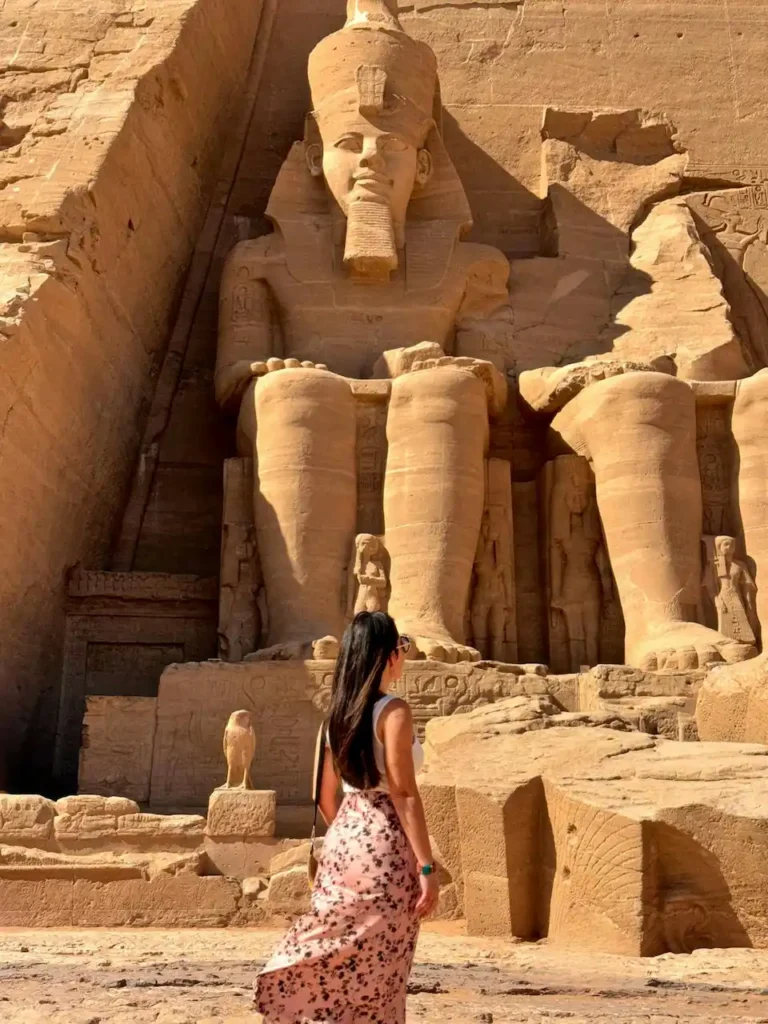
The even more incredible story is the UNESCO-led relocation of the entire temple complex in the 1960s to save it from the rising waters of the Aswan High Dam. It’s a staggering human achievement piled upon an ancient one.
The convoy system from Aswan is reliable. Book a tour that handles the early morning departure (often 3-4 AM). The drive is safe, and arriving as the sun hits the facades is unforgettable.
Essential Tip
Why it’s a must:
The scale is mind-boggling, and the story of its salvation is as compelling as its construction. It feels remote and truly epic.
6. Snorkel the Red Sea in Hurghada
After days of desert dust and ancient stone, the electric-blue waters of the Red Sea are a sensory rebirth. Hurghada is a major hub for underwater adventure.
The coral reefs here are teeming with life—parrotfish, angelfish, and maybe even a dolphin. A boat trip to the Giftun Islands or Orange Bay offers pristine sand and incredible snorkeling right off the beach.
Don’t Miss Out

Why it’s a must:
It showcases Egypt’s incredible natural diversity. The contrast between the desert and this vibrant marine world is astonishing.
Where to Stay:
For a luxurious all-inclusive resort, the Hurghada Marriott Beach Resort is excellent. For a more boutique vibe, The Chedi El Gouna in nearby El Gouna is stunning.
7. Get Lost in the Egyptian Museum (Cairo) & Visit the New NMEC
In downtown Cairo, the pink, grand old Egyptian Museum is a wonderfully chaotic treasure chest. Rooms are packed with statues, sarcophagi, and the glittering contents of Tutankhamun’s tomb—his golden mask and coffins are here. It’s overwhelming in the best way.

To complement it, visit the state-of-the-art National Museum of Egyptian Civilization (NMEC) to see the stunning Royal Mummies Hall, where pharaohs like Ramses II and Hatshepsut are reverently displayed.
Why it’s a must:
The old museum feels like an adventure. The new museum provides context and a majestic, modern presentation of the mummies. Together, they tell a complete story.
8. Wander the Historic Islamic Cairo & Khan el-Khalili Bazaar
Step into a living medieval city. The district of Islamic Cairo is home to stunning mosques like the Mosque-Madrassa of Sultan Hassan. Climb the minaret of the Al-Azhar Mosque for a panoramic view of a thousand minarets.
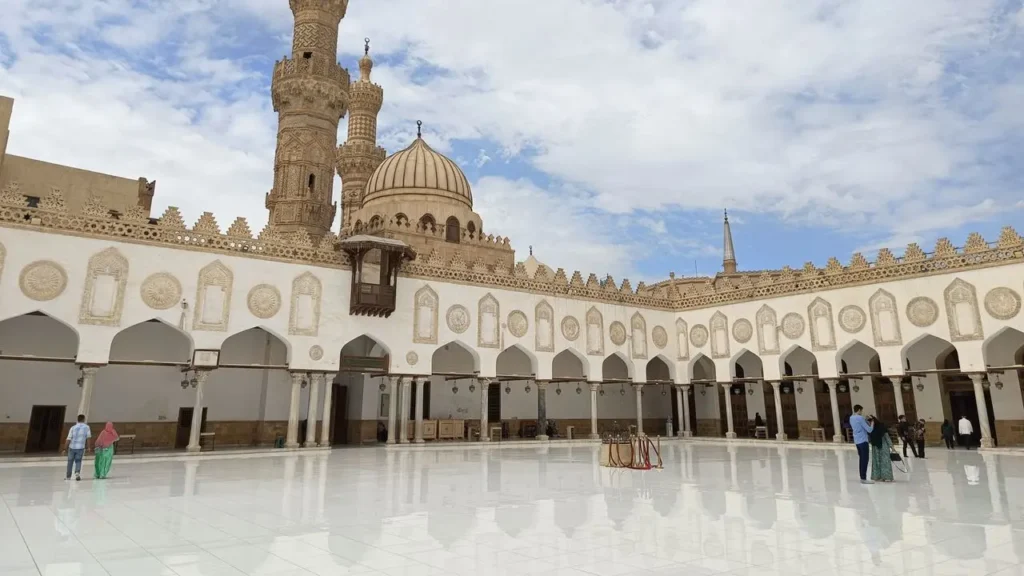
Then, dive into the sensory overload of Khan el-Khalili Bazaar. It’s not just for tourists; it’s a functioning market. Haggle for lanterns and spices, sip mint tea at the famous El Fishawy café, and soak in the vibrant, chaotic energy.
Why it’s a must:
It’s the beating heart of modern Cairo and connects you to the city’s Islamic heritage. It’s an exhilarating experience of sound, smell, and sight.
What to Eat Here:
Try “koshary,” Egypt’s national dish of lentils, rice, pasta, and crispy onions, at Abou Tarek, a legendary spot nearby.
For exploring crowded bazaars and dusty sites, a durable, cross-body anti-theft bag is a wise investment. The Pacsafe Metrosafe gives me peace of mind.
9. Explore the St. Catherine’s Monastery & Mount Sinai
At the base of Mount Sinai, where Moses is said to have received the Ten Commandments, lies the world’s oldest continuously operating Christian monastery, St. Catherine’s. Its walls enclose an incredible collection of ancient icons and manuscripts.

Many visitors combine this with a pre-dawn hike up Mount Sinai to watch the sunrise over the stark, beautiful Sinai mountains—a spiritual experience regardless of your faith.
Why it’s a must:
It’s a unique magic place of profound historical and religious significance, set in a dramatically beautiful desert landscape.
10. Experience a Desert Safari in the White Desert
For true otherworldly scenery, venture west from Cairo to the White Desert National Park. Here, wind-carved chalk rock formations rise from the sand like giant mushrooms and icebergs, creating a surreal, monochromatic landscape.
A safari here typically involves 4×4 driving, a visit to the Crystal Mountain, camping under a blanket of stars, and a Bedouin-style meal. It’s one of the most unique things to do in Egypt.
Why it’s a must:
It feels like you’ve landed on another planet. The silence and stark beauty are a powerful contrast to the Nile Valley’s intensity.
Don’t Miss Out

Logistics:
This is a 2-3 day overnight trip from Cairo. Book with a reputable desert tour operator. Sleeping in a basic camp is part of the authentic experience.
Essential Egypt Travel Tips for Your First Visit
- Visa: Most nationalities can get an e-Visa online before travel or a visa on arrival at major airports. Have USD cash ready for the on-arrival option.
- Culture & Dress: Dress modestly, especially outside resort areas. Cover shoulders and knees. This shows respect and minimizes unwanted attention.
- Hydration & Health: Drink only bottled water. Be cautious with street food; stick to busy, reputable spots. Consider bringing stomach relief medication.
- Bargaining: It’s expected in markets. Start at 50% of the asking price and negotiate with a smile. It’s a social interaction.
- Guides: For temples and historical sites, a licensed Egyptologist guide is invaluable. They bring the stones to life.
Frequently Asked Questions
Is Egypt safe for first-time travelers?
Yes, the main tourist trail (Cairo, Luxor, Aswan, Hurghada) is heavily secured and very safe. Petty scams and persistent touts are the primary annoyances. Use common sense, be firm but polite, and trust your guide.
What is the best time to visit Egypt?
October to April offers the most pleasant temperatures. December and January are peak season. May-September is extremely hot, especially in Upper Egypt (Luxor, Aswan), but you’ll find fewer crowds and lower prices.
How many days do I need for these top 10 things to do in Egypt?
A solid 10-14 days allows you to cover the highlights (Cairo, Nile Cruise from Luxor to Aswan, Abu Simbel, and a Red Sea extension) at a comfortable pace without rushing.
Should I take a Nile Cruise?
Absolutely. A 3- or 4-night cruise between Luxor and Aswan is a relaxing and efficient way to see the riverside temples. Opt for a smaller “dahabiya” for a more intimate experience than a large cruise ship.
What’s one thing I should definitely pack?
Besides sun protection, pack a light scarf or shawl. It’s versatile for covering your head/shoulders at religious sites, protecting you from the sun, and keeping dust out of your mouth on desert excursions.
This list of things to do in Egypt is more than a checklist; it’s an invitation to step into a story thousands of years in the making. From the silent watch of the Sphinx to the vibrant silence of the desert night, Egypt doesn’t just show you history—it lets you feel its weight and wonder.
Save this guide, start planning, and prepare to have your perspective on time, humanity, and beauty forever expanded. Your ancient adventure awaits.
